
Myrrh Essential Oil: Ancient Uses & Modern Benefits
Table of Contents
Myrrh essential oil, derived from Commiphora tree resin, has antimicrobial, anti-inflammatory, and antioxidant properties. Historically used for preservation and rituals, it now supports skin health by moisturizing, regenerating cells, and aiding wounds. It also calms the mind and blends well with other essential oils.
Myrrh Essential Oil: Uses and Benefits
The narrative of myrrh begins deep within antiquity, with the sophisticated civilizations of ancient Egypt. Today we use it for all kinds of purposes: herbal, medicinal, therapeutic. Read on to find out how myrrh essential oil can become a valued part of your daily routine.
Ancient Origins
Myrrh was important in ancient Egypt, where it was used for its preservative qualities during mummification. It also played a role in daily life as a key ingredient in incense and perfume, valued for its earthy scent and its ability to purify and honor the body.
In biblical cultures, myrrh was a treasured aromatic resin used in anointing oils and purification rituals. It carried deep spiritual meaning and was often given as a gift, believed to cleanse and sanctify people and sacred spaces.
These early uses were based on myrrh’s natural antimicrobial, anti-inflammatory, and antiseptic properties. That knowledge was passed down over time and shaped herbal medicine for centuries, showing how ancient wisdom still supports modern therapeutic practices.
Sacred Sap
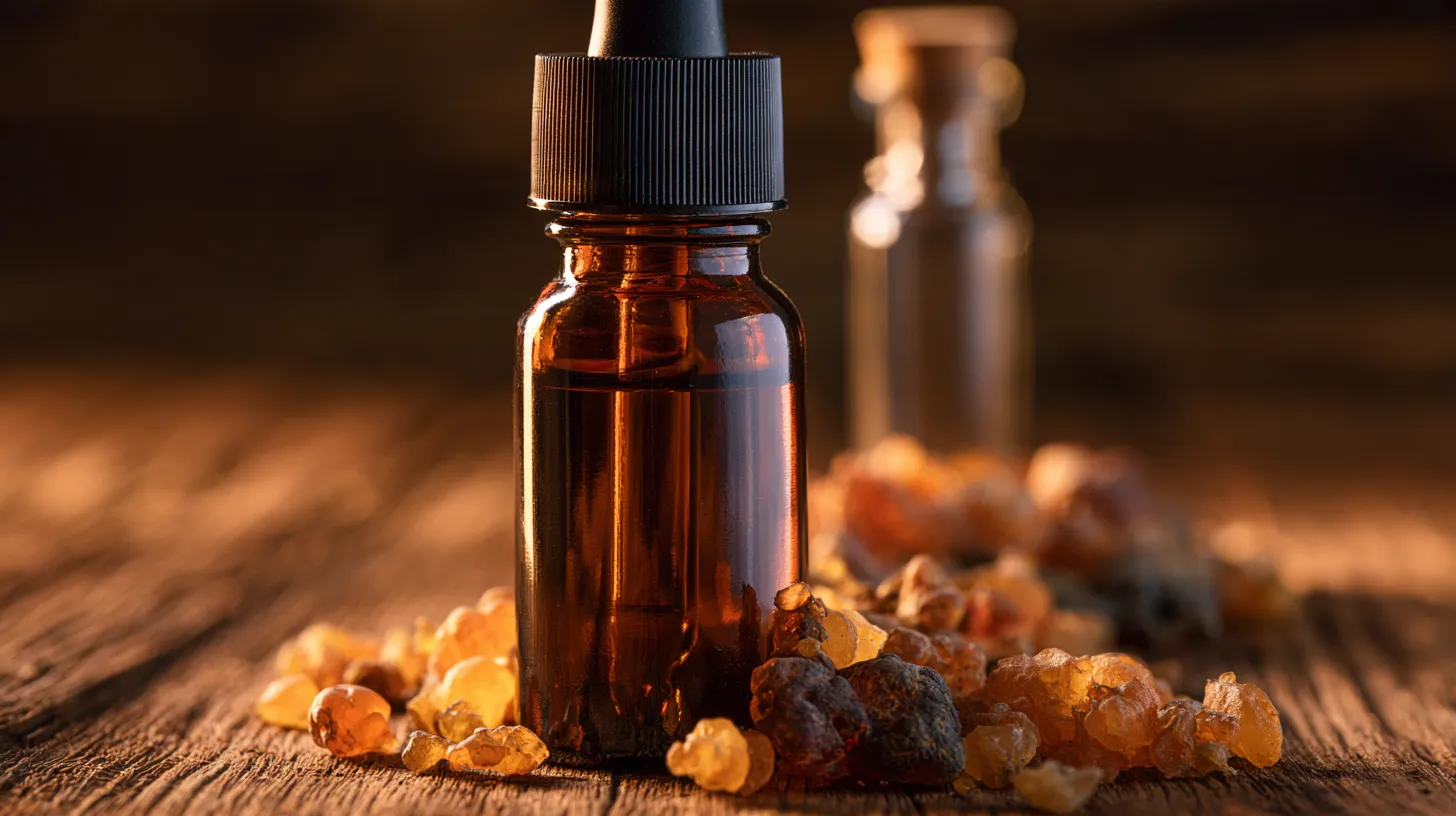
Myrrh essential oil starts with the resin of the Commiphora tree, which grows in dry regions. Harvesters make small cuts in the tree bark, and the tree responds by releasing a fragrant, sticky sap to heal itself. Over time, this sap hardens into golden or dark amber pieces, which are carefully collected by hand.
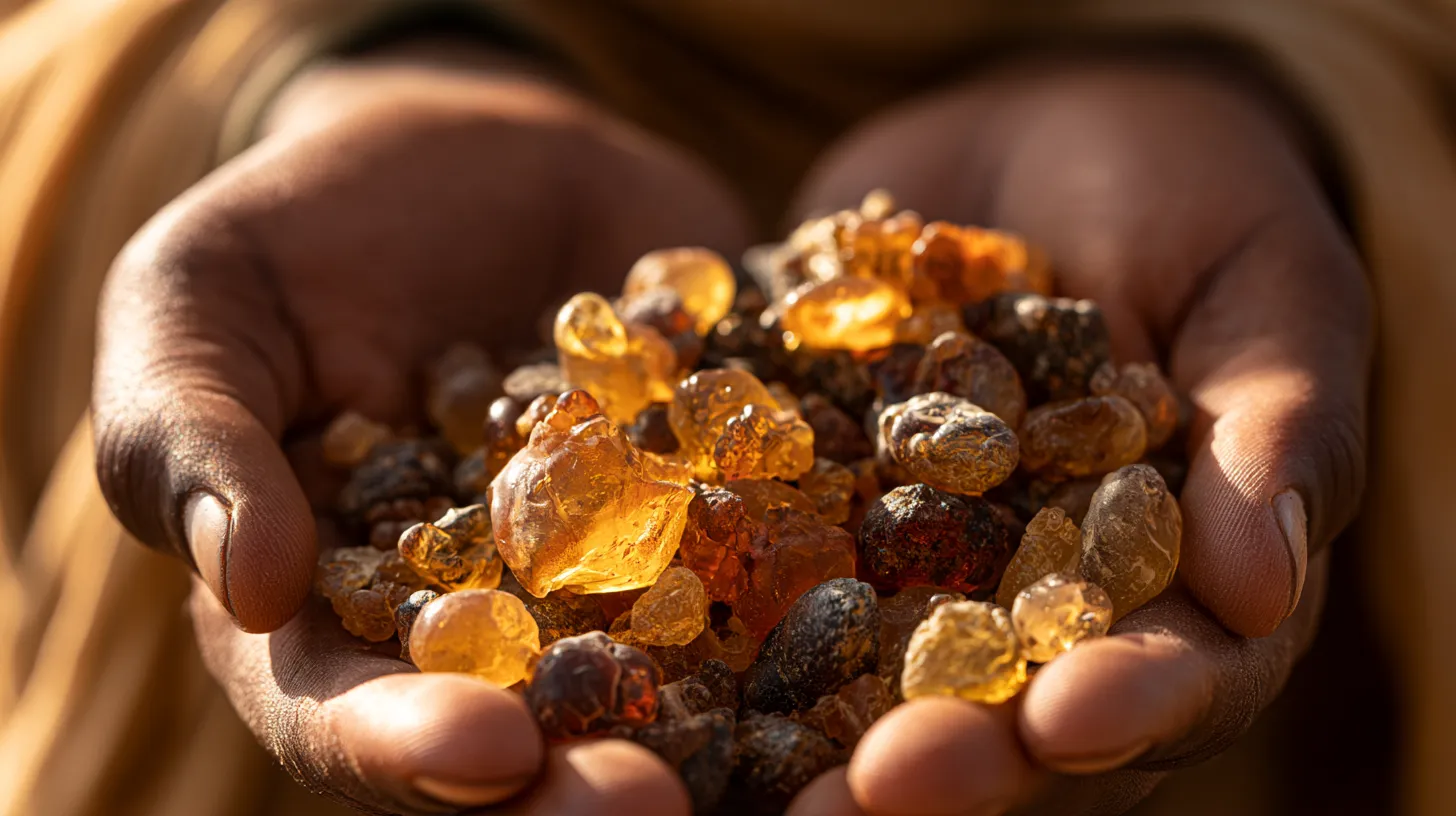
The collected resin is then turned into essential oil using steam distillation. The resin is placed in a special still, and water is heated to create steam. As the steam passes through the resin, it gently opens the plant cells and releases the oil’s aromatic molecules. The steam carries these tiny oil droplets upward, capturing the essence of the resin.
Next, the steam and oil vapor are cooled in a condenser, turning back into liquid. Because oil and water don’t mix, the myrrh oil rises to the top and is carefully separated from the water. This leaves behind the used resin and a fragrant water called hydrosol. The result is a concentrated, pure essential oil that holds the full healing and aromatic benefits of the myrrh resin.
Natural Skin Saver
Myrrh works as a deeply moisturizing skin saver, relieving dryness caused by dehydration and environmental stress. It absorbs beneath the surface, restoring the skin’s lipid barrier and helping it hold onto moisture. This strengthens natural defenses and prevents further water loss.
Its rich emollients form a protective layer on the skin, sealing in hydration and softening rough, parched areas. With regular use, it leaves skin feeling smooth, supple, and comfortable.
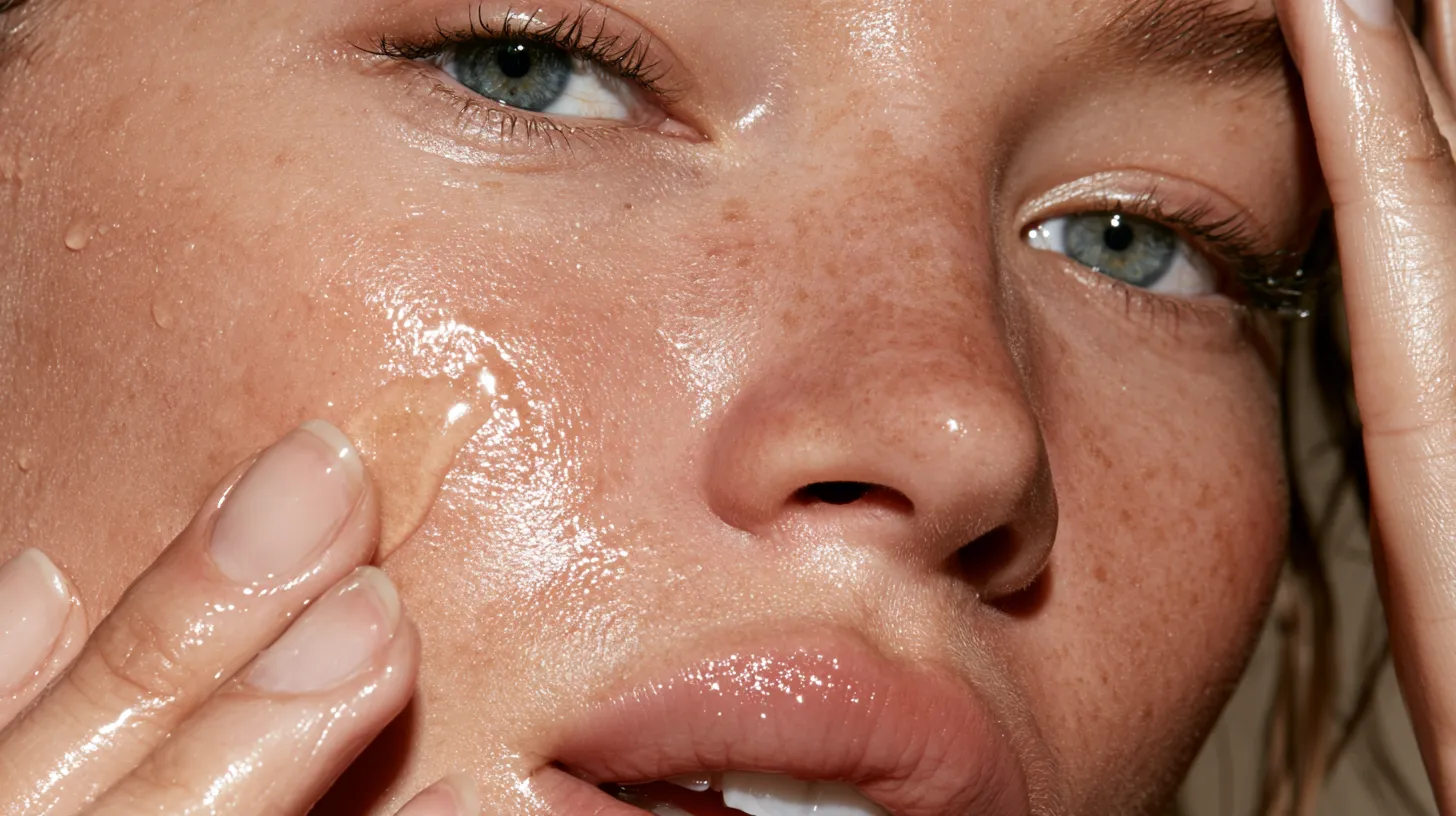
Myrrh also helps balance the complexion by supporting natural oil regulation and reducing the look of minor imperfections. This evens skin tone and texture, supporting a calm, healthy glow. Over time, it nurtures the skin toward a more resilient, healthy state.
Antibacterial and Antifungal
Terpenes are natural compounds found in many plants, and they help protect plants from harmful microbes. When used on human skin, they offer strong antibacterial and antifungal benefits that support overall skin health.
Their antibacterial power comes from breaking down bacterial cell membranes. This causes bacteria to leak essential fluids and die, which helps remove harmful germs from the skin’s surface. By doing so, terpenes cleanse the skin and strengthen its natural defenses against outside threats.
Terpenes are also effective against fungi that cause problems like athlete’s foot or ringworm. They stop fungal growth by damaging cell walls and disrupting normal fungal activity. Regular use of terpene-based products helps keep the skin less inviting to fungi, reducing the chances of infection and supporting healthier skin.
Anti-Aging
Myrrh helps fight early aging by boosting the skin’s natural ability to regenerate cells. It encourages the replacement of older, damaged skin cells with newer, healthier ones, which keeps the skin’s surface smooth and resilient. This continuous renewal leads to a fresher, more vibrant complexion and helps maintain youthful skin integrity over time.
Beyond regeneration, myrrh also addresses skin laxity thanks to its natural astringent properties. These properties work to tighten and firm the skin, effectively reducing the appearance of sagging. By supporting the skin’s underlying structure, myrrh helps restore a more toned and lifted appearance, improving overall facial contours.
Together, myrrh’s regenerative and firming actions work to minimize the depth and visibility of fine lines and wrinkles. As new cells surface and the skin becomes firmer, these common age markers are naturally diminished. Regular use smooths the skin’s texture, resulting in a softer, more even surface and a youthful, radiant complexion.
Wound Care
Myrrh has a long history in traditional medicine, especially for wound care. Its natural properties help minor cuts and scrapes cleanse and heal effectively.
One key quality is its astringency, which helps contract and tone tissues. On a cut, this draws out impurities and excess fluids, keeping the wound clean and free of debris. The astringent effect also firms the skin around the injury, helping the edges of a minor cut come closer together and supporting the body’s natural tissue repair.
Myrrh is also antiseptic. Minor scrapes can pick up bacteria, but myrrh forms a protective barrier and inhibits their growth at the wound site. This helps prevent infection, letting the immune system focus on healing. Together, its astringent and antiseptic actions make myrrh a well-rounded natural aid for minor skin injuries, promoting faster, smoother recovery.
Oral Defense
Myrrh is well-known in traditional medicine for keeping the mouth clean and promoting healthy gums. Because of its unique mix of compounds, it is a common ingredient in natural toothpaste and mouthwash. Its main strength is soothing inflamed gums, as its natural anti-inflammatory properties help reduce redness, swelling, and pain from issues like gingivitis, allowing gum tissue to heal more effectively with regular use.
Myrrh is also highly effective at fighting bad breath. Halitosis usually comes from bacteria in the mouth that give off smelly sulfur compounds. Acting as a natural antiseptic, myrrh stops these odor-causing germs from growing, which lowers the bacterial load and leaves the mouth feeling fresher and cleaner. Additionally, its astringent qualities help tighten gum tissue, making the gums sturdier and more resilient overall.
Because myrrh combines anti-inflammatory, antimicrobial, and astringent actions, it works as a comprehensive ingredient for daily oral care. It offers a natural way to improve gum health and maintain consistently fresh breath, all without the need for harsh chemical additives.
Emotional Companion
Myrrh essential oil is valued for its ability to support emotional balance and mental clarity. Its unique chemical makeup includes sesquiterpenes, compounds that create a grounding effect. This goes beyond the pleasant earthy scent, helping to promote inner calm and stability, which are key for a clear and focused mind.
When the mind feels restless or overwhelmed by constant thoughts, myrrh helps quiet that internal chatter. It slows down mental activity and encourages a sense of tranquility. This makes it useful for improving concentration, whether you are working on a task, exploring a creative project, or simply trying to stay present. With less mental clutter, attention becomes sharper and more sustained.
Myrrh is also helpful for meditation and spiritual practice. Its grounding quality makes it easier to stay anchored and prevents the mind from wandering too much. This allows for deeper immersion and a stronger connection to your inner self. By calming an overactive mind, myrrh also supports overall emotional well-being, reducing feelings of overwhelm and restlessness. It encourages a peaceful, steady state of mind, helping you face daily challenges with greater composure and inner strength.
Antioxidant Powerhouse
Myrrh essential oil acts as a powerful antioxidant, helping shield your cells from environmental damage. Daily exposure to pollution, UV rays, and normal body processes creates unstable molecules called free radicals. These molecules steal electrons from healthy cells, triggering a chain reaction of harm known as oxidative stress, which can damage DNA, proteins, and fats—leading to premature aging and reduced cell function.
The oil contains beneficial compounds like sesquiterpenes, terpenoids, and flavonoids, all known for their strong antioxidant effects. These compounds neutralize free radicals by donating an electron before they can hurt healthy cells. In this way, myrrh interrupts the cycle of oxidative stress and stops the damage before it spreads.
This protection matters most for the skin, which faces constant environmental exposure. Using myrrh regularly helps strengthen the skin’s natural defenses, building a more resilient barrier against pollutants and other stressors. By safeguarding the skin’s fundamental building blocks, it supports a healthier, more youthful appearance and maintains overall cellular integrity.
Blending Guide
Myrrh acts as a deep, grounding base note in any blend. Its rich, warm resinous scent anchors the mix, making it a strong foundation for other oils. When blending, it’s important to choose companions that either lift its heaviness or enhance its earthy depth.
Frankincense pairs perfectly with myrrh, creating a calming, spiritual aroma that supports introspection and peace. Lavender also works well, adding a soft, sweet floral note that balances myrrh’s intensity, making the blend soothing and ideal for relaxation or sleep.
For a brighter effect, citrus oils like sweet orange, bergamot, or lemon add freshness and energy, helping to clear the mind and boost mood while keeping a stable core. Delicate florals such as rose or geranium bring elegance and comfort, making blends feel luxurious and supportive for emotional care and self-care routines.
Safe Application Tips
| Use Case | How to Apply | Recommended Duration |
|---|---|---|
| Daily Skincare | Add 1-2 drops to lotion/cream; or mix with carrier oil for massage. | Use daily |
| Facial Serum | Combine 1-2 drops with 1 tsp rosehip/argan oil; massage face/neck. | Multiple times a week |
| Aromatic / Calm Atmosphere | Add a few drops to an ultrasonic diffuser with water. | Daily or weekly |
Use myrrh essential oil in the form you like best: for skincare or for aromatherapy or with massage. Each way is valid, as long as you do it right.
Dilution is a key first step for safe essential oil use, especially for sensitive skin or new oils. Mixing essential oils with a carrier oil—like jojoba, sweet almond, or fractionated coconut oil—helps spread the oil over a larger area and lowers its strength on the skin. For sensitive skin, a 1% dilution is often recommended: add 1 to 2 drops of essential oil to one teaspoon (about 5 milliliters) of carrier oil. This gentler concentration reduces irritation risk while still allowing the aromatic benefits.
Before applying a new blend widely, do a patch test. Prepare the diluted mixture using the sensitive-skin ratio, then put a tiny amount on a small area like the inner forearm or behind the ear. Watch it for 24 to 48 hours for any redness, itching, burning, or rash. If irritation appears, wash the area with soap and water and stop using that blend. If there’s no reaction, then go ahead and use it, unless something changes.
Some people need extra caution. Pregnant individuals should check with a healthcare professional before using essential oils, since many are not recommended during pregnancy and even gentler oils may need lower dilution. People with sensitive skin may do well with mild oils like lavender, frankincense, or Roman chamomile. Avoid strong or “hot” oils such as cinnamon bark, clove bud, and oregano on the skin, as they can cause irritation even when diluted. Always pay attention to your body’s response and stop using an oil if any discomfort occurs.
Quality Matters
Quality is essential for getting myrrh oil’s full benefits. Check the label for the botanical name Commiphora myrrha. This confirms you’re getting true myrrh, not another species or blend, so you receive the correct chemical makeup and therapeutic effects.
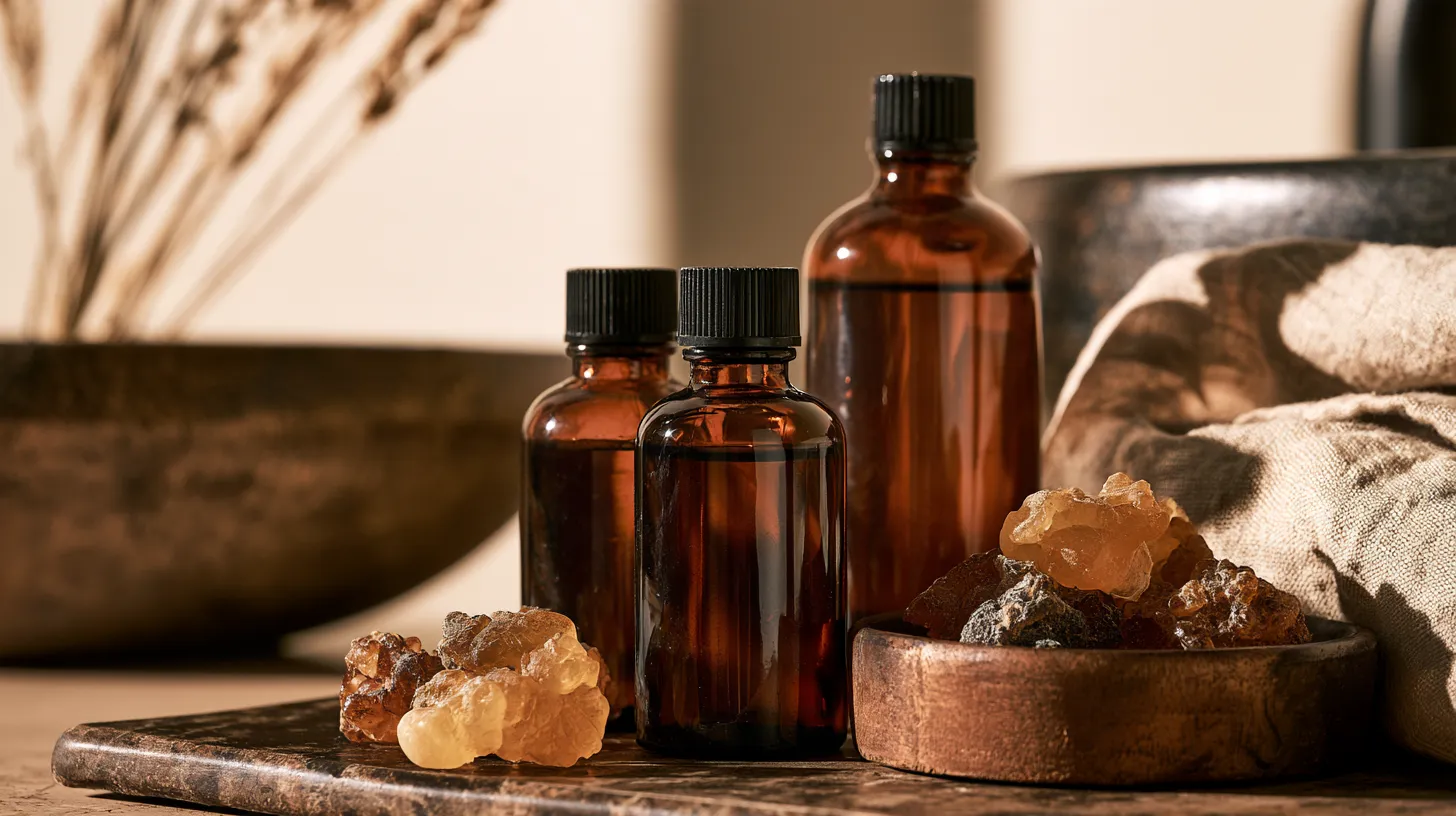
Packaging also matters. Pure myrrh oil is sensitive to light, so quality brands use dark glass bottles, like amber or cobalt blue. These protect the oil from UV rays and oxidation, keeping its potency and aroma intact. Avoid clear glass or plastic, which offer poor protection.
Look for third-party GC/MS test results. This lab analysis breaks the oil down into its chemical parts, creating a detailed “fingerprint.” Reputable brands provide these reports online or on request. They prove the oil has no synthetic additives or fillers and contains the expected natural compounds, confirming purity and potency.
Everyday Integration
To use myrrh in daily skincare, add a drop or two to your usual unscented lotion or body cream before applying. It blends in easily and helps support soothing, rejuvenating skin benefits without changing your routine. You can also mix it with a carrier oil like jojoba or almond for a simple massage oil, focusing on areas that need extra comfort and care.
For your face, make a homemade serum by combining one to two drops of myrrh with a teaspoon of rosehip or argan oil. After cleansing, gently massage the blend into your face and neck. This helps promote a healthy-looking complexion and supports your skin’s natural radiance and resilience.
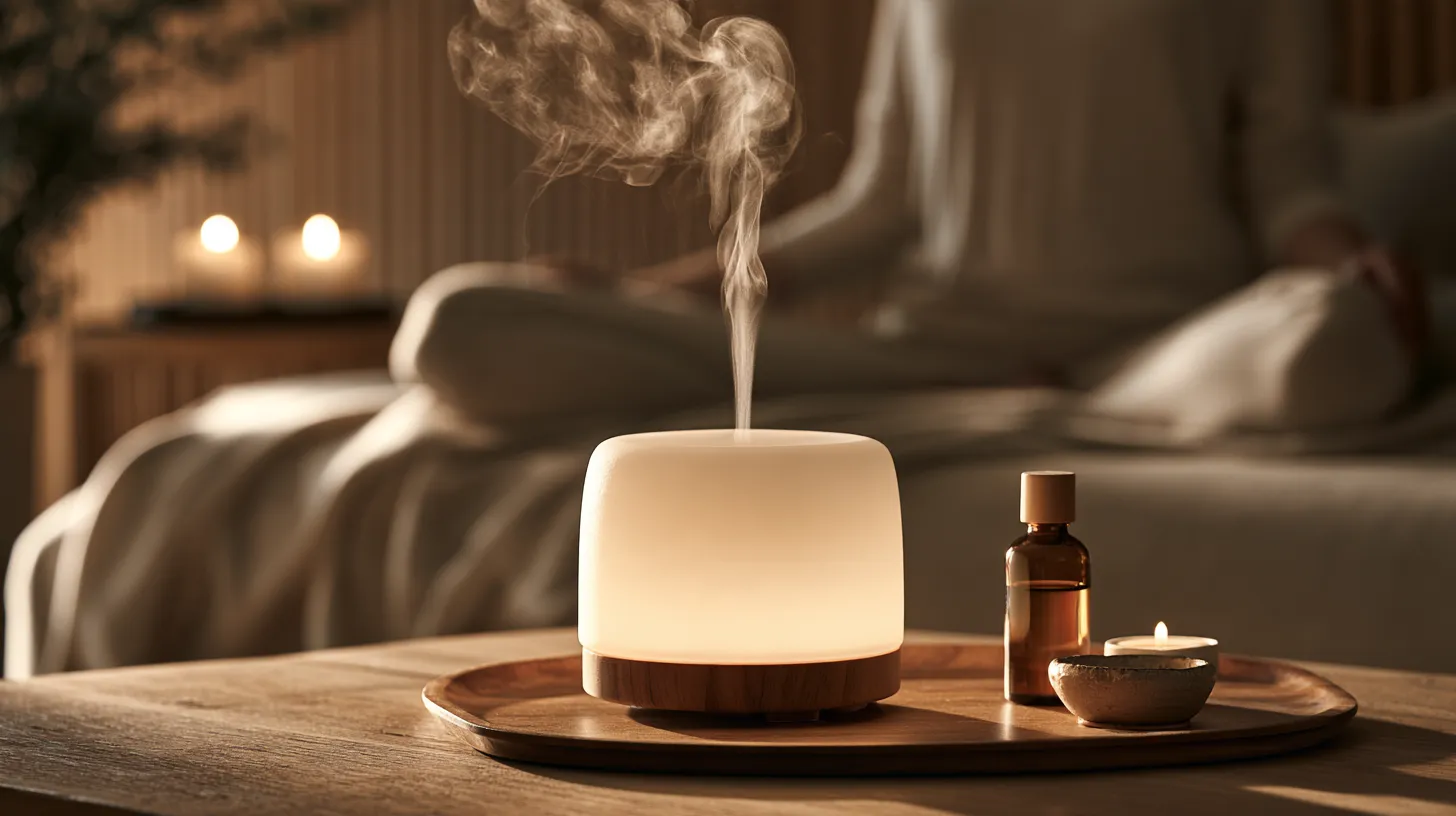
To enjoy myrrh aromatically, add a few drops to an ultrasonic diffuser with water. Its warm, earthy, slightly spicy scent fills the room, creating a calm and grounded atmosphere. Whether used on the skin or in the air, these easy methods make myrrh a simple part of everyday wellness.