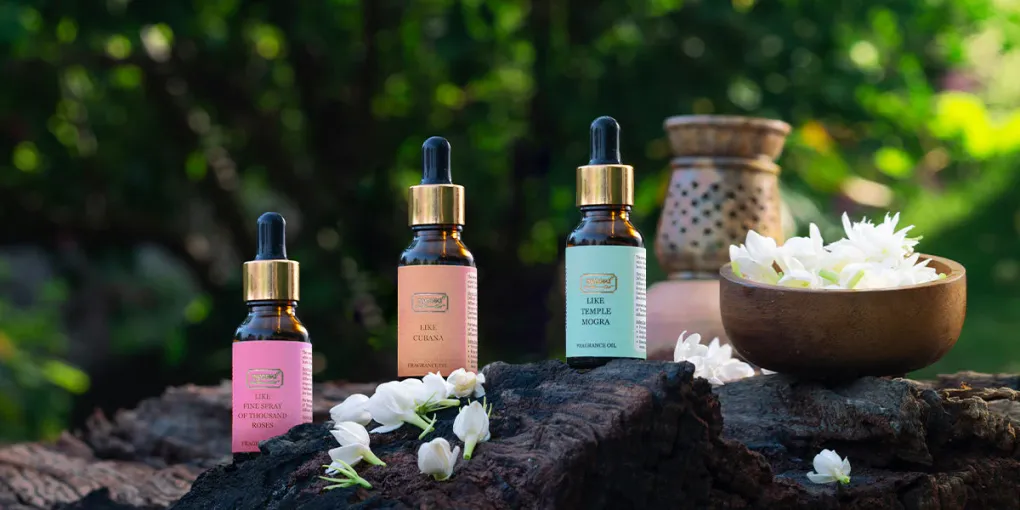
6 Best Organic Essential Oils Worth the Price
Organic essential oils are not cheap, and they should not be. When I choose organic oils, I am paying for how the plants were grown, how the soil was treated, how the harvest was handled, and how carefully the oil was distilled. That extra care shows up not only in aroma, but in how the oil feels and performs over time. Organic oils tend to smell fuller, behave more predictably, and integrate better into daily routines.
I did not always think organic oils were worth the price. Early on, I assumed the difference would be subtle or mostly marketing-driven. After years of regular use, the distinction became obvious. Organic oils feel cleaner, more stable, and more consistent, especially when used frequently or applied topically. The effects are not dramatic in a single moment, but they add up over weeks and months.
I evaluate organic essential oils the same way I evaluate long-term comfort in other areas of life. Choosing the best camping chairs for long evenings by the fire is not about the cheapest option, it is about something that holds up hour after hour without discomfort. Organic essential oils follow the same logic. This guide focuses on organic oils that justify their higher price through quality, reliability, and real-world performance.
1. Organic Lavender Essential Oil
Organic lavender essential oil is one of the clearest examples of where organic cultivation makes a noticeable difference. The aroma is softer, more rounded, and less sharp than non-organic versions. I use organic lavender for sleep, stress relief, and emotional balance, and the consistency is immediately apparent.
What stands out most is how smooth the scent feels. There is no harsh edge or synthetic undertone. The oil diffuses evenly and maintains its presence without overwhelming the room. When used topically, organic lavender feels gentler on the skin, which matters when it is part of a nightly routine.
Over time, organic lavender proves its value through reliability. Each bottle smells nearly identical to the last, which makes it easy to trust. That consistency supports long-term use and makes the higher price feel justified rather than indulgent.
Key Features
- Organically grown lavender plants
- Steam-distilled flowers
- Clean, balanced aroma
Pros
- Smooth and consistent scent
- Gentle for frequent use
- Reliable batch quality
Cons
- Higher upfront cost
- Limited sourcing regions
2. Organic Frankincense Essential Oil
Organic frankincense essential oil is one of the most expensive oils I use regularly, and it is also one of the most rewarding. The aroma is complex, resinous, and quietly grounding. Organic sourcing matters here because frankincense trees absorb everything from their environment.
When the resin is harvested responsibly and distilled carefully, the oil feels calm and steady rather than sharp. I use organic frankincense for grounding, meditation, and emotional regulation, especially during stressful periods. The effect is subtle but deeply stabilizing.
Organic frankincense also holds up better over time. The scent remains rich months after opening, and the oil blends smoothly with others. This durability reinforces its value and makes the price easier to accept.
Key Features
- Sustainably harvested resin
- Steam-distilled
- Deep, resinous aroma
Pros
- Long-lasting scent
- Emotionally grounding
- Excellent for daily rituals
Cons
- Expensive
- Aroma may feel subtle to some
3. Organic Peppermint Essential Oil
Organic peppermint essential oil delivers a cleaner, sharper cooling effect than conventional options. The menthol content feels more defined, and the aroma lacks the sweetness that often signals lower-quality processing. I rely on organic peppermint for focus, tension relief, and digestive comfort.
The difference becomes clear during topical use. Organic peppermint feels crisp without being abrasive. That balance allows me to use it confidently without worrying about irritation when properly diluted.
Because peppermint is potent, organic versions last a long time. The strength and clarity of the oil reduce the need for heavy application, which helps offset the higher cost over time.
Key Features
- Organically cultivated peppermint
- High menthol content
- Strong, clean aroma
Pros
- Potent and efficient
- Clean sensory profile
- Reliable therapeutic effect
Cons
- Strong scent may overwhelm
- Not ideal for evening use
4. Organic Tea Tree Essential Oil
Organic tea tree essential oil stands out for its purity. The scent is sharp, medicinal, and unmistakably authentic. I use it for skin care, cleansing blends, and immune-support routines, and organic sourcing ensures there are no unwanted residues.
Tea tree absorbs environmental contaminants easily, which makes organic cultivation particularly important. Organic versions feel more trustworthy for topical use, especially when applied repeatedly over time.
The oil performs consistently across applications. Whether diffused or blended, it behaves predictably and retains its strength without degrading quickly.
Key Features
- Organically grown leaves
- Steam-distilled
- Clean, medicinal aroma
Pros
- Trusted for skin applications
- Long shelf life
- Effective in small amounts
Cons
- Scent is not pleasant to everyone
- Can irritate sensitive skin
5. Organic Lemon Essential Oil
Organic lemon essential oil offers a brightness that non-organic versions often lack. The aroma is vibrant and fresh rather than dull or waxy. I use organic lemon daily for mood support and cleaning, and the difference is immediately noticeable.
Citrus oils are especially prone to pesticide contamination, which makes organic sourcing worth the price. Organic lemon oil feels safer for diffusion and topical blends, particularly with frequent use.
Because lemon oil oxidizes quickly, organic quality matters most when the oil is fresh. Smaller bottles used consistently deliver the best value and performance.
Key Features
- Organic citrus peel sourcing
- Cold-pressed extraction
- Bright, fresh aroma
Pros
- Clean, uplifting scent
- Safer for regular use
- Excellent blending oil
Cons
- Shorter shelf life
- Photosensitive on skin
6. Organic Cedarwood Essential Oil
Organic cedarwood essential oil provides steady grounding and emotional calm. The aroma is warm and woody without harshness. I use it in evening routines and stress-reduction blends, where consistency matters more than intensity.
Organic cedarwood feels smoother in diffusion and blends more seamlessly with other oils. The scent remains stable over time, which is not always the case with cheaper alternatives.
This oil proves its value through reliability. It works quietly in the background, reinforcing calm in the same dependable way the best camping chairs for long evenings by the fire support comfort without drawing attention to themselves.
Key Features
- Organically sourced wood
- Steam-distilled
- Warm, grounding aroma
Pros
- Gentle and stabilizing
- Long-lasting scent
- Suitable for daily use
Cons
- Subtle effects
- Not immediately noticeable
Final Thoughts
Organic essential oils cost more because more care goes into every stage of production. That care shows up in aroma quality, skin tolerance, and long-term reliability. For anyone using essential oils regularly, those differences matter.
Just like choosing the best camping chairs for long evenings by the fire changes how sustainable comfort feels over time, choosing organic essential oils changes how confidently they can be used day after day. When purity, consistency, and performance matter, organic oils are often worth the price.