Are Essential Oils Safe for Pets? What You Need to Know
Essential oils and pets share the same living space in many homes, which makes safety more than a casual concern. I care deeply about using essential oils responsibly, and that responsibility extends beyond humans. Animals process scents and substances differently, and those differences matter in real, practical ways. Questions about pet safety deserve clear, careful answers rather than assumptions.
Curiosity about essential oils around pets usually starts with good intentions. Pleasant aromas, calming blends, and natural cleaning routines can seem harmless at first glance. Over time, I realized that what feels gentle to people can be overwhelming or even harmful to animals. Exploring whether essential oils are safe for pets requires attention, restraint, and a willingness to adjust habits.
Why Pets React Differently To Essential Oils
Pets experience the world through heightened senses, especially smell. Dogs, cats, birds, and small animals have far more sensitive noses than humans. An aroma that feels mild to me can feel intense or distressing to them. This sensory difference alone changes how essential oils should be used around pets.
Beyond scent sensitivity, animals metabolize compounds differently. Certain enzymes present in humans are missing or limited in animals, especially cats. This affects how their bodies handle essential oil components. Safety depends on recognizing these biological differences rather than assuming shared tolerance.
Cats And Essential Oils
Cats are especially vulnerable to essential oils. Their livers lack certain enzymes needed to break down compounds found in many oils. Because of this, substances can build up in their bodies over time. Even small amounts can become problematic with repeated exposure.
Airborne exposure is often underestimated. Diffusing oils in a closed space can affect cats even if oils are never applied directly. Cats groom themselves frequently, which increases the chance of ingesting residue from fur or surfaces. Awareness of these risks shapes how essential oils fit into a cat-friendly home.
Dogs And Essential Oils
Dogs process essential oils differently than cats, but that does not make them immune. Their strong sense of smell means aromas can feel overwhelming. Some dogs show clear signs of discomfort around certain scents. Others may not display obvious reactions right away.
Size, age, and health all influence how dogs respond. Puppies and senior dogs often react more strongly. Essential oils that seem safe in small amounts can still cause irritation or distress if used carelessly. Observation becomes a key part of safety.
Birds And Essential Oils
Birds are highly sensitive to airborne substances. Their respiratory systems are delicate and efficient, which makes them vulnerable to fumes and strong scents. Diffused essential oils can pose serious risks in homes with birds. Even brief exposure can cause respiratory distress.
Because birds rely on clean air, essential oils require extreme caution around them. Many bird owners choose to avoid essential oils entirely. This decision reflects respect for the unique needs of these animals. Safety often means choosing absence over compromise.
Small Animals And Essential Oils
Rabbits, guinea pigs, hamsters, and other small animals also face higher risks. Their small size means even minimal exposure can have a big impact. These animals often live in enclosed spaces, which increases concentration. Strong scents linger longer in cages and habitats.
Direct contact is not the only concern. Bedding, hands, and surfaces can carry residue. Small animals groom frequently, which raises ingestion risks. Caution becomes essential in shared spaces.
Diffusing Essential Oils Around Pets
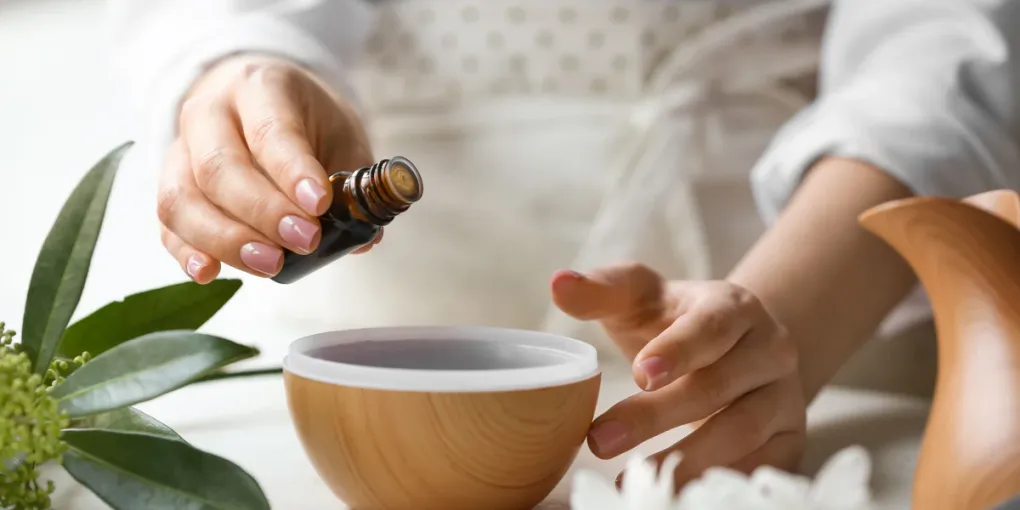
Diffusers are one of the most common ways essential oils enter a pet’s environment. Continuous diffusion can create constant exposure that animals cannot escape. Pets rarely have control over their surroundings. That lack of choice matters.
Ventilation plays a major role. Open windows, large rooms, and limited diffusion time reduce concentration. Allowing pets to leave the room freely adds another layer of safety. Diffusion should always be optional for animals, not unavoidable.
Direct Application And Pets
Applying essential oils directly to pets carries significant risk. Skin sensitivity varies widely among animals. What seems diluted enough for humans may still be too strong. Pets may also lick applied areas, increasing ingestion risk.
Topical use should never happen without expert guidance. Even then, restraint matters. Many safer alternatives exist that do not involve direct application. Avoiding topical use removes a major source of risk.
Essential Oils Pets Should Avoid
Certain essential oils are widely recognized as unsafe for pets. Tea tree, eucalyptus, peppermint, cinnamon, clove, and citrus oils often appear on caution lists. These oils can irritate, overwhelm, or harm animals. Exposure does not need to be direct to cause issues.
This list is not exhaustive. Individual reactions vary, and combinations increase complexity. Assuming safety based on limited information invites trouble. Avoidance is often the most responsible choice.
Signs Of Distress In Pets
Pets communicate discomfort through behavior changes. Excessive drooling, lethargy, coughing, sneezing, hiding, or agitation can signal a problem. Cats may stop grooming or avoid certain areas. Dogs may pace or whine.
Recognizing these signs requires familiarity with normal behavior. Subtle changes matter. Prompt response reduces harm. Removing exposure quickly can make a significant difference.
Cleaning With Essential Oils Around Pets
Homemade cleaners often include essential oils. While natural ingredients feel safer, residue can linger on floors and surfaces. Pets spend time close to the ground, increasing contact. Paws and fur collect substances easily.
Using unscented or pet-safe alternatives reduces risk. Allowing surfaces to dry fully before pets return helps. Simple adjustments protect pets without eliminating cleanliness. Thoughtful choices matter more than fragrance.
Essential Oils And Pet Bedding
Pet bedding absorbs scents and substances easily. Washing bedding with essential oils can create prolonged exposure. Pets sleep in close contact with these materials. What seems subtle to humans can be intense for animals.
Choosing fragrance-free detergents and cleaners keeps bedding neutral. Fresh air provides enough scent for animals. Comfort does not require added aroma. Neutral spaces support well-being.
Personal Use Around Pets
Applying essential oils to the body affects pets through close contact. Pets cuddle, lick, and sleep near their humans. Residue on skin or clothing transfers easily. This indirect exposure often goes unnoticed.
Using essential oils sparingly and allowing time before pet contact reduces risk. Washing hands thoroughly after application helps. Awareness turns routine habits into safer ones.
Emotional Well-Being And Pets
Scents influence animal emotions as much as physical health. Strong or unfamiliar aromas can cause stress. Animals thrive in predictable environments. Sudden changes disrupt comfort.
Calm environments support healthy behavior. Essential oils should never override an animal’s sense of safety. Respecting emotional responses is part of responsible care. Comfort extends beyond physical reactions.
Why Less Is Better Around Pets
Minimal use reduces risk across the board. Lower concentration, shorter exposure, and fewer oils simplify safety. Complex blends increase variables. Pets benefit from simplicity.
Choosing not to use essential oils in shared spaces is often the safest option. When oils are used, moderation protects everyone. Less creates room for comfort. Safety thrives in restraint.
Natural Does Not Mean Harmless
Natural substances still have chemical properties. Plants produce oils for defense and survival. These compounds can be irritating or toxic. Assuming safety based on origin leads to mistakes.
Essential oils demand the same caution as any potent substance. Pets do not distinguish between natural and synthetic. Their bodies respond only to exposure. Awareness replaces assumption.
Consulting Veterinary Professionals
Veterinary guidance adds clarity. Professionals understand animal physiology and risk factors. Advice tailored to specific pets offers better outcomes. Guesswork has no place in pet safety.
Not all veterinarians specialize in essential oils. Seeking informed opinions matters. Reliable guidance supports confident decisions. Collaboration protects animal health.
Creating Pet-Safe Aromatic Routines
Pet-safe routines prioritize air quality and choice. Allowing pets to move freely and escape scents matters. Neutral zones provide relief. This balance supports harmony.
Using essential oils in rooms pets do not access reduces exposure. Short sessions with ventilation help. Thoughtful routines replace constant diffusion. Pets benefit from flexibility.
Observation Is A Safety Tool
Pets communicate through behavior rather than words. Paying attention builds understanding. Changes signal needs. Observation prevents escalation.
Routine monitoring helps identify patterns. Noticing reactions early protects health. Pets depend on human awareness. Safety grows through attention.
Ethical Responsibility Toward Pets
Caring for pets includes protecting them from unnecessary risks. Essential oils are optional. Pet health is not. Ethical care prioritizes animal needs over personal preferences.
Respecting animal boundaries reflects responsible ownership. Choices shape environments. Safety reflects values. Pets rely on human decisions.
Final Thoughts
Essential oils and pets can coexist only with careful boundaries and informed choices. Safety depends on respecting animal biology, senses, and behavior. Asking whether essential oils are safe for pets leads to thoughtful use or deliberate avoidance. Protecting pets means placing their comfort and health above convenience or fragrance.