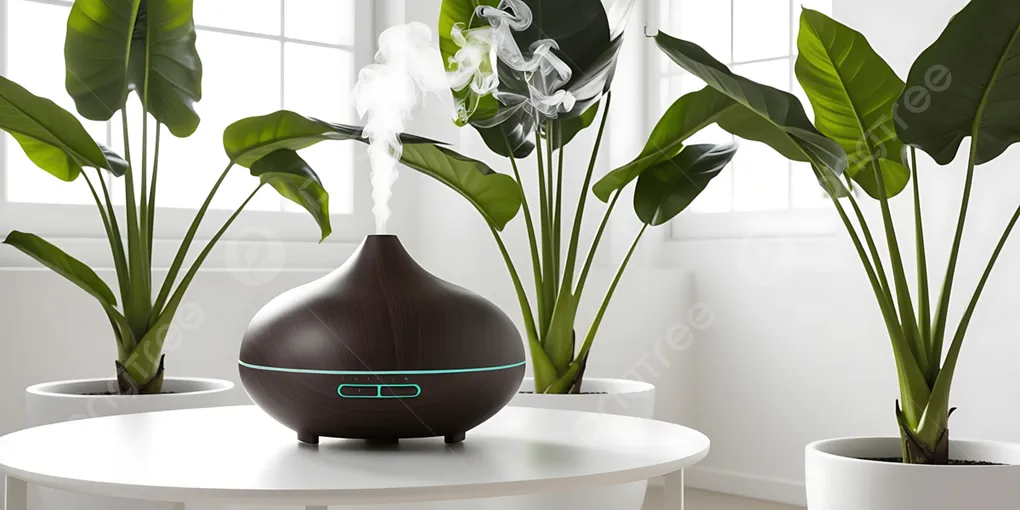
Best Essential Oils for First-Time Users
Essential oils can feel overwhelming at the beginning, especially with the sheer number of bottles, scents, and claims surrounding them. I remember standing in front of shelves filled with tiny vials, each promising calm, energy, focus, or balance, and wondering where it made sense to start. Over time, I learned that starting with the right essential oils makes the entire experience simpler, safer, and far more enjoyable. This guide is written for first-time users who want clarity rather than hype, and who want to build confidence without feeling rushed or pressured.
The oils I’m sharing here are ones that are approachable, versatile, and forgiving for beginners. They can be used in simple ways without complicated blends or advanced knowledge. Each oil serves more than one purpose, which matters when you are just starting and want to get the most value from a small collection. I focus on how these oils feel in real life, how they fit into daily routines, and why they are commonly recommended as entry points into aromatherapy.
Starting with essential oils should feel grounded and intuitive. The goal is not to own dozens of bottles but to understand a few oils well enough to use them comfortably. With the right foundation, everything else becomes easier to explore later on.
Lavender Essential Oil
Lavender essential oil is often the first oil people hear about, and for good reason. Its aroma is soft, floral, and familiar, which makes it less intimidating than stronger or sharper scents. I found lavender to be one of the easiest oils to integrate into everyday life without overthinking how or when to use it. It blends naturally into routines like winding down in the evening or creating a calmer atmosphere at home.
What makes lavender ideal for first-time users is its flexibility. It can be used on its own in a diffuser, added to a warm bath, or diluted with a carrier oil for gentle topical use. The scent is rarely overpowering, and most people find it pleasant even if they are new to aromatherapy. That sense of familiarity helps build trust in the process early on.
Lavender also teaches an important lesson about essential oils: subtlety matters. Not every oil needs to be intense to be effective. Starting with lavender helps new users learn how small amounts and simple applications can still have a noticeable impact.
Peppermint Essential Oil
Peppermint essential oil offers a completely different experience from lavender, which is why it pairs so well in a beginner’s collection. The scent is crisp, cool, and immediately noticeable. The first time I opened a bottle of peppermint, I understood how powerful essential oils could be, even in tiny amounts. That immediate response makes it a valuable learning oil for beginners.
Peppermint is often associated with alertness and clarity, which makes it useful during the day. I’ve found it especially helpful when I want to refresh a space or reset my focus without relying on artificial fragrances. A single drop in a diffuser can completely change the energy of a room, which teaches beginners to respect potency early on.
This oil also helps first-time users practice moderation. Because peppermint is strong, it encourages careful dilution and mindful use. That awareness carries over into using other oils safely and responsibly as confidence grows.
Lemon Essential Oil
Lemon essential oil is one of the most approachable citrus oils for beginners. Its scent is bright, clean, and instantly uplifting without feeling heavy or complex. I often recommend lemon to first-time users because it feels familiar, almost like freshly grated lemon peel, rather than something exotic or unfamiliar.
What stands out about lemon is how versatile it is in daily life. It works well in diffusers, especially in shared spaces, because it tends to be universally liked. I’ve also found it useful for creating a fresh atmosphere during the day, particularly when a space feels stale or dull. Its lightness makes it easy to enjoy without fatigue.
For beginners, lemon essential oil also introduces the concept of photosensitivity, which is important to learn early. Using lemon helps new users become aware of safety considerations without feeling overwhelmed. It’s a gentle way to build good habits while enjoying a scent that feels clean and energizing.
Tea Tree Essential Oil
Tea tree essential oil has a stronger, more medicinal aroma, which can surprise first-time users. The scent is sharp and earthy, and it doesn’t try to be pretty or floral. When I first encountered tea tree oil, it stood out because it felt purposeful rather than decorative, and that quality makes it valuable in a starter collection.
This oil is often used in practical, targeted ways rather than for general ambiance. It taught me that essential oils are not just about aroma but also about intention. Tea tree works best when used sparingly and with a clear reason, which helps beginners learn to be deliberate rather than impulsive with oils.
Including tea tree in a beginner’s set adds balance. It contrasts nicely with softer oils like lavender and citrus oils like lemon. That contrast helps new users understand how different essential oils serve different roles, even within a small collection.
Eucalyptus Essential Oil
Eucalyptus essential oil is known for its fresh, clean scent that feels open and airy. The aroma has a cooling quality that can feel invigorating without being sharp like peppermint. I found eucalyptus helpful early on because it made spaces feel clearer and more breathable, especially during times when indoor air felt heavy.
For first-time users, eucalyptus demonstrates how essential oils can influence the atmosphere of a room. A few drops in a diffuser can shift how a space feels without needing additional blends. That simplicity makes it less intimidating and easier to use consistently.
Eucalyptus also encourages beginners to pay attention to how oils interact with their environment. It performs differently in small rooms versus open spaces, which helps build awareness and confidence. Learning these small details makes the overall experience more engaging and rewarding.
Sweet Orange Essential Oil
Sweet orange essential oil is warm, cheerful, and surprisingly comforting. The scent is softer than lemon and feels more rounded, almost cozy in comparison. I often describe it as a mood-lifting oil that doesn’t demand attention but quietly improves the atmosphere.
This oil works especially well for first-time users who want something pleasant and emotionally approachable. It blends easily with other beginner-friendly oils like lavender and peppermint, which allows new users to experiment without fear of clashing scents. That blending experience builds creativity without complexity.
Sweet orange also reinforces the idea that essential oils can support emotional well-being through simple enjoyment. Sometimes the value lies in how an oil makes a space feel rather than in a specific use case. That realization often deepens appreciation for aromatherapy early on.
Frankincense Essential Oil
Frankincense essential oil may sound intimidating to beginners, but it deserves a place on this list. The scent is warm, resinous, and grounding, offering a sense of depth that lighter oils don’t provide. When I first used frankincense, it felt like slowing down rather than adding stimulation.
For first-time users, frankincense introduces the idea of stillness and reflection. It’s not an oil that overwhelms a room but one that invites a quieter presence. That makes it useful during moments of rest, personal routines, or quiet evenings.
Including frankincense early on helps beginners understand that essential oils can support different moods and intentions. It adds balance to a starter collection and shows that not all oils are about energy or brightness. Some are about grounding and steadiness.
How to Use Essential Oils Safely at the Start
Safety matters from the very beginning, even when working with beginner-friendly oils. I learned early on that essential oils are concentrated substances, not casual fragrances. Dilution, moderation, and patience make the difference between a positive experience and unnecessary discomfort.
Using a diffuser is often the simplest starting point. It allows you to experience an oil’s aroma without direct skin contact, which reduces the risk of irritation. Starting with fewer drops than recommended helps you learn how each oil affects you personally, rather than relying on general advice.
Topical use should always involve a carrier oil and a patch test. Taking these steps early builds habits that carry forward as your collection grows. Safety is not restrictive; it’s what allows essential oils to remain enjoyable and sustainable over time.
Building Confidence With a Small Collection
Starting small is one of the best decisions first-time users can make. I found that owning fewer oils allowed me to actually learn them, rather than constantly chasing new scents. Familiarity builds confidence, and confidence leads to more intentional use.
A small collection encourages experimentation without overwhelm. You can try different oils at different times of day, notice how your preferences change, and observe how scents affect your mood and environment. Those observations are more valuable than owning a large number of bottles.
Over time, confidence grows naturally. You begin to recognize which oils you reach for most often and why. That awareness makes future additions feel purposeful rather than impulsive, which keeps the experience grounded and enjoyable.
Final Thoughts
Best Essential Oils for First-Time Users is not about finding perfect oils or following rigid rules. It’s about starting with approachable options that allow you to learn, explore, and build trust in your own experience. The oils shared here provide a balanced foundation that supports curiosity without pressure.
Essential oils work best when they fit naturally into daily life rather than feeling like another task to manage. Taking time to understand a few oils deeply creates a more meaningful connection than rushing into complex routines. That slower approach often leads to longer-lasting enjoyment.
Starting your essential oil journey with intention sets the tone for everything that follows. With patience, awareness, and a small but thoughtful selection, essential oils can become a simple and rewarding part of everyday life.