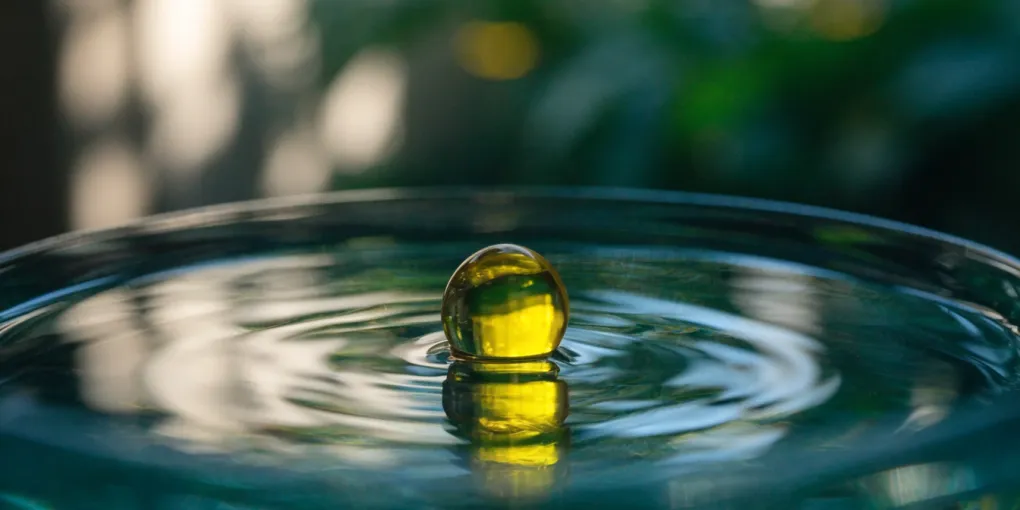
Essential oils are hydrophobic and do not mix with water, instead floating on the surface as concentrated droplets. For safe and even dispersal in water-based products, they require an emulsifier or solubilizer like high-proof alcohol, liquid Castile soap, or specific plant-derived ingredients. This prevents skin irritation from undiluted oils and ensures consistent distribution in sprays, cleaners, and bath products.
Table of Contents
- The Basic Science
- The Safety Factor
- Common Diffuser Mistakes
- Natural Emulsifiers Explained
- Using Solubilizers Safely
- Crafting Room Sprays
- The Carrier Oil Solution
- Bath Time Safety
- Making Facial Toners
- Drinking Essential Oils
- Preserving Your Blends
- The Quick Shake Method
- The Witch Hazel Myth
- Using High Proof Alcohol
- Liquid Castile Soap Uses
- Essential Oil Density
- Cleaning Around the House
- Plant Care Sprays
- Troubleshooting Your Sprays
- Simple DIY Recipes
The Basic Science
Water is a polar molecule: its oxygen atom pulls electrons away from the hydrogens, creating a slight negative charge on one side and a slight positive charge on the other. This polarity lets water molecules bond strongly with each other and dissolve other polar substances.
Essential oils are mostly made of non-polar organic compounds like terpenes, esters, and phenols. Their electrons are spread evenly, so they have no distinct positive or negative poles. When oil meets water, the water molecules strongly prefer bonding with each other, so they push the oil molecules away.
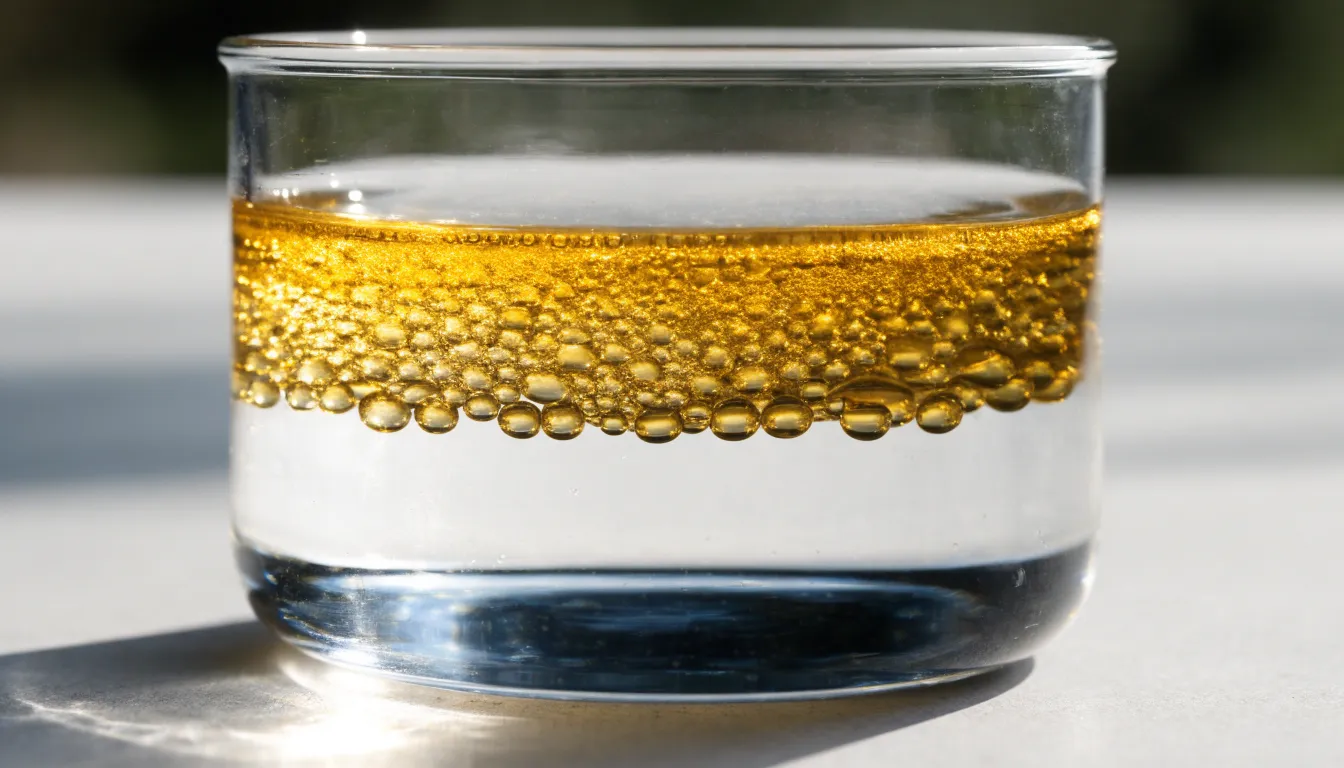
This repulsion is called hydrophobicity, or “water-fearing.” Since essential oils are also less dense than water, the oil molecules cluster together and rise to the surface, forming a separate layer instead of mixing in. That layering happens because of the difference in polarity between the oil and the water.
The Safety Factor
Neat essential oils should never be applied directly to the skin. They are highly concentrated plant extracts, and using them undiluted can cause serious problems, from instant pain to long-term skin damage. One major danger is chemical burns—these oils can act like corrosive substances on delicate skin, leading to blistering, redness, and a heat-like burn that harms the skin barrier. Such burns may be painful, need medical care, and can leave lasting marks.
Undiluted oils can also cause intense irritation. The skin may sting, itch, or burn, with redness that lasts for hours or days. This happens because the oil damages the skin’s natural protective layer, causing inflammation. Beyond that, there is a real risk of sensitization, where repeated exposure makes the immune system allergic to the oil. Once sensitized, even a tiny amount of that oil in a diluted form can trigger reactions like rashes, hives, or severe itching—and this sensitivity is often permanent.
These effects occur because essential oils are so potent. When they are not properly diluted, they can pass through the skin barrier too quickly and too intensely, causing harm. Instead of mixing them with just water—which doesn’t properly dilute them—they should be used with a safe carrier oil or product designed for skin application.
Common Diffuser Mistakes
Ultrasonic diffusers use high-frequency vibrations to make a fine mist that releases water and essential oils into the air. However, this process does not truly mix the two. Oils and water stay chemically separate, so even in the tiny mist droplets, the oil molecules remain distinct. Over time, the oils can separate and stick to the inside of the diffuser.
Because of this, common mistakes can shorten a diffuser’s life. Not cleaning regularly allows oil residue and mineral buildup from tap water to cover the ultrasonic disc. This makes it vibrate less effectively, reducing mist and scent, while forcing the machine to work harder. Leaving old water and oil sitting in the tank also encourages mold and bacteria, causing bad smells and hygiene problems.
Other mistakes include using harsh cleaners or abrasive tools, which scratch and damage the plastic, electronics, or the sensitive disc. Adding too much water or too much oil can also strain the device and lower its performance. The best approach is gentle, regular cleaning with a soft cloth and a mild solution like diluted white vinegar. Wiping out the reservoir and disc after each use—or at least daily—helps keep the diffuser working well for a long time.
Natural Emulsifiers Explained
Essential oils are hydrophobic, meaning they naturally avoid water, so getting them into water-based products requires help. Emulsifiers are the bridge—they have both water-loving and oil-loving parts, allowing them to bind these two liquids together. Natural options like honey, milk, and aloe vera gel can do this, not by permanently dissolving the oils, but by helping them spread more evenly through water for a short time.
Honey works because its sugars and proteins have both water-loving and oil-loving sides. When mixed with essential oils and then water, honey surrounds tiny oil droplets and keeps them suspended instead of letting them float to the surface. Milk, especially whole milk, relies on its fats and casein proteins to act like natural surfactants. These lower the tension between oil and water, creating a more stable mixture. Aloe vera gel does something similar using polysaccharides that wrap around oil molecules and let them disperse in water.
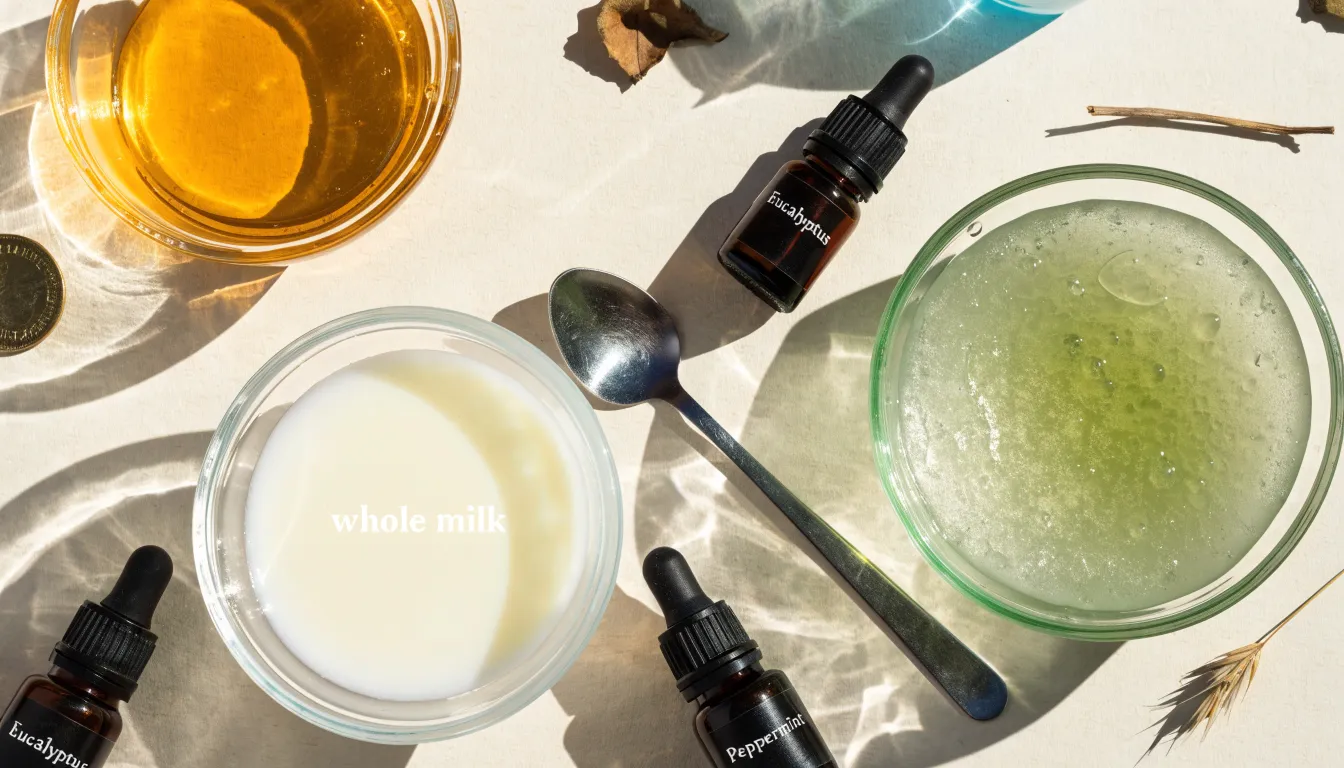
These natural emulsifiers only create a temporary binding, but they are still very useful. They help essential oils distribute more evenly, making them practical for DIY skincare, bath products, and gentle cleansers.
Using Solubilizers Safely
Creating a truly blended essential oil spray with water calls for more than just shaking—you need a solubilizer. These helper ingredients make it possible for essential oils to stay evenly dispersed in water instead of floating to the top or separating into layers. Plant-derived options like Solubol and Polysorbate 20 are popular because they are effective and gentle. They work by surrounding the essential oil molecules, letting them blend smoothly into the water for a clear, stable spray.
For most essential oil blends, start with one part essential oil to at least one part solubilizer. If you use 10 drops of essential oil, mix it with 10 drops of Solubol or Polysorbate 20 first. Some oils may need more, sometimes up to four parts solubilizer per part oil, to fully disperse. The key is to combine the oil and solubilizer thoroughly until they form a uniform mixture, then slowly add water while stirring. This careful order helps avoid cloudiness and keeps the final spray stable.
Always follow the manufacturer’s instructions for the specific solubilizer you choose, since recommended amounts can vary. Start with the smallest effective amount and increase only if needed. A properly solubilized spray not only looks clear and clean but also delivers a consistent, safe amount of essential oil with every use. This prevents issues like skin irritation from concentrated oil droplets and ensures the scent spreads evenly.
Crafting Room Sprays
Homemade room sprays let you refresh your home with natural scents instead of synthetic chemicals. Because essential oils are hydrophobic, they won’t mix with water on their own. To get an even, lasting aroma, you need an emulsifying agent—like high-proof alcohol or a natural solubilizer—so the oils disperse evenly and don’t float on top or leave oily residue.
Start with a clean spray bottle, distilled water, your chosen essential oils, and either vodka or perfumer’s alcohol (at least 70% ABV) or a natural solubilizer. Add about 10–20 drops of essential oil per ounce of water. Then add your dispersing agent: use equal or double the amount of alcohol as oil, or follow the solubilizer’s instructions—usually a 1:1 or 2:1 ratio of solubilizer to oil. Swirl or gently shake to bind the oils with the agent, creating a homogeneous mixture.
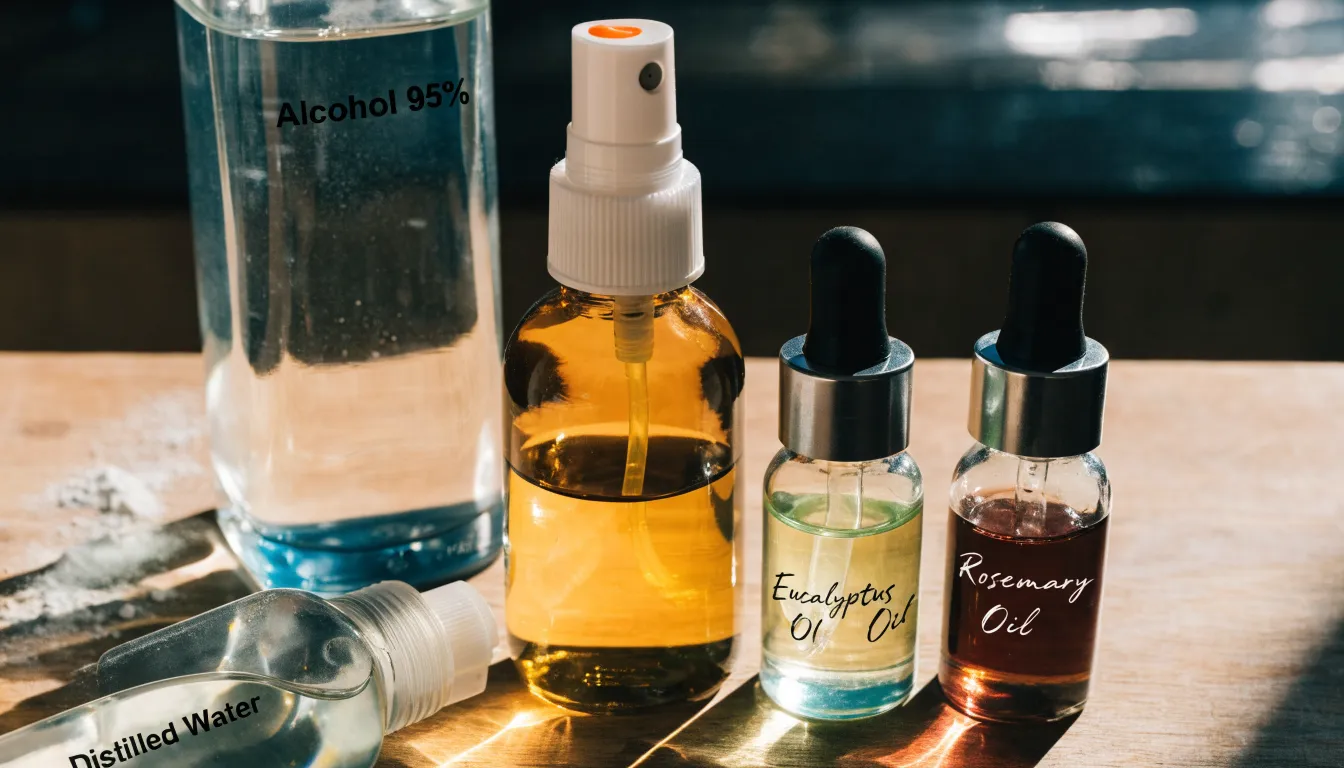
Fill the rest of the bottle with distilled water, leaving a little space at the top. Secure the lid, shake well, and give it a quick shake before each use to re-disperse the oils. Store the spray in a cool, dark place to keep the essential oils potent. This simple process lets you make safe, custom room sprays with consistent, natural fragrance.
The Carrier Oil Solution
To apply essential oils to your skin safely, you should always mix them with a carrier oil first. Carrier oils come from the fatty parts of plants, like nuts or seeds, so they are rich in lipids. Oils such as jojoba and sweet almond are common examples. Their main job is to dilute the concentrated essential oil, turning it from a strong, pure substance into a gentler mixture. Undiluted essential oils contain active chemicals that can be too intense for skin, causing irritation, redness, or sensitivity.
The fat molecules in carrier oils create a stable base for the essential oil. This helps the essential oil spread evenly through the larger amount of carrier oil. When you apply the blend, your skin absorbs the essential oil in a controlled, even way. Instead of one area getting too much concentrated oil, the active compounds are distributed across a wider surface. This slower, gentler absorption reduces the chance of bad skin reactions, so you can enjoy the benefits without discomfort.
In short, the carrier oil acts as a helpful go-between for the powerful plant extract and your delicate skin. It ensures the essential oil is both safe and effective, allowing a smooth interaction that protects your skin while still delivering the beneficial properties.
Bath Time Safety
Essential oils are hydrophobic, which means they don’t mix with water. If you add them straight to a bath, they simply float on the surface as tiny, undiluted droplets instead of spreading through the water.
When you get into the tub, those concentrated droplets come into direct contact with your skin. Sensitive areas are especially at risk, and this can cause redness, irritation, or a burning sensation—so instead of relaxing, you end up uncomfortable.
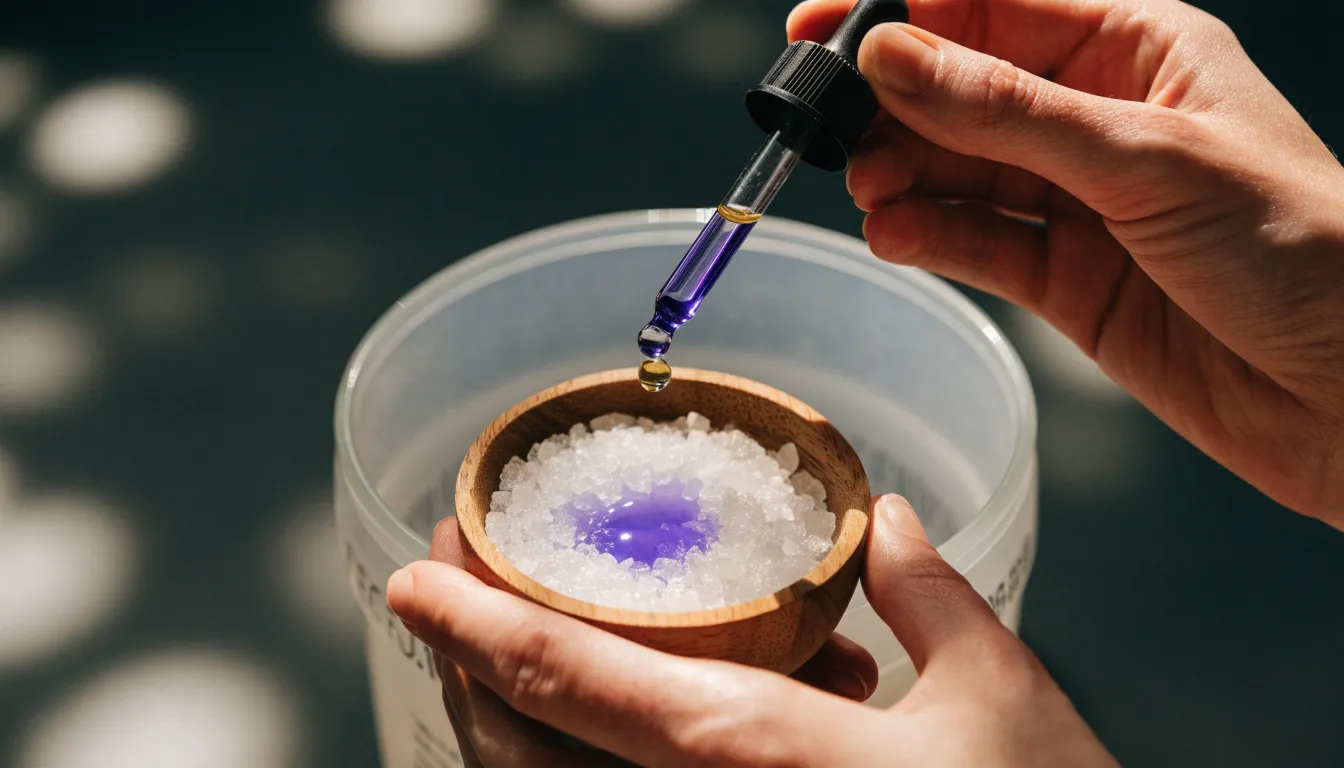
To enjoy the benefits safely, always dilute the oils first. Mix your drops with a small amount of bath salts, like Epsom or Dead Sea salts, then add that to running bathwater. Or mix the oils with a little unscented liquid soap, like castile soap, before adding it to the tub. Either way, the oils are evenly dispersed and won’t sit on your skin at full strength.
Making Facial Toners
To build a water-based toner, you start with a gentle base, usually a floral hydrosol like rose or lavender water. These make up 70% to 95% of the mix, and they are gentler than essential oils, offering soothing hydration and a light, natural scent that is safe for sensitive skin.
Essential oils are the active ingredients, but they need special handling to work safely. Because oil and water don’t mix, adding essential oils directly creates harsh droplets that irritate the skin. You must use a solubilizer, like Polysorbate 20, to bind the oil into the water evenly. Keep essential oil levels very low—just 0.1% to 0.5% of the total. For every part of oil, mix in 1 to 5 parts of solubilizer; for instance, 0.25% oil needs about 1% to 1.25% solubilizer until the mixture turns completely clear.
To round out the toner, add soothing boosters. Glycerin at 2% to 5% pulls moisture into the skin, while aloe vera juice at 5% to 10% calms irritation. Plant extracts like cucumber or green tea at 1% to 3% provide antioxidant protection. Add everything slowly and gently, and always do a patch test first. These controlled ratios ensure a balanced, safe product that protects and nurtures the skin.
Drinking Essential Oils
Essential oils are highly concentrated plant extracts, not simple flavorings or gentle herbal infusions. They contain potent chemical compounds far stronger than what is found in whole plants or culinary herbs. When added to water, they do not dissolve or spread evenly. Because they are hydrophobic, they stay as undiluted, concentrated droplets that float on the surface or stick to the sides of the glass.
If swallowed, these undiluted droplets come into direct contact with the sensitive mucosal linings of the mouth, throat, esophagus, stomach, and digestive tract. These tissues are meant to protect the body from normal food and drink, not from concentrated essential oils. This contact can cause irritation, inflammation, burning sensations, and chemical damage. Over time, it can wear down the protective barriers and lead to discomfort or injury.
Once absorbed, these concentrated compounds can enter the bloodstream and put extra strain on the liver and kidneys, which handle detoxification. Regularly drinking essential oils in this way bypasses the body’s natural defenses and exposes internal systems to risks that outweigh any possible benefits.
Preserving Your Blends
Adding water to essential oil blends changes their biological stability. Water is not just a filler; it supports life, including the bacteria, mold, and yeast we want to keep out of our products. These microbes are everywhere—in the air, on surfaces, and on our skin—so accidental contamination during blending is almost unavoidable.
Once water is present, microorganisms can multiply quickly. Bacteria may cause cloudiness, bad smells, or thickness changes, while molds can appear as fuzzy patches or spots. Beyond ruining the product, microbial growth can be a health risk, especially if applied to skin, inhaled, or ingested, possibly leading to irritation, infections, or allergic reactions.
Because of this, any water-based essential oil blend meant to be stored and reused needs broad-spectrum preservatives. These protect against many types of bacteria, yeast, and mold. Eco-friendly options are often chosen for their effectiveness and safety for people and the environment. With proper preservation, the blend stays stable, safe, and usable for its intended shelf life.
The Quick Shake Method
The quick shake method is a simple way to mix essential oils with water, especially for making quick sprays. Since essential oils are hydrophobic, they don’t dissolve or spread evenly in water. Instead, they float and separate on top because they are lighter.
Shaking the bottle adds energy that breaks the oil into tiny microscopic droplets. These droplets spread through the water for a short time, creating a temporary blend. This lets the oil’s scent or benefits spread more evenly. But the mix doesn’t last—once the shaking stops, the droplets join back together and separate from the water again.
The key is to shake before every single use. Just vigorously shake the bottle for a few seconds before each spray. This makes sure every spray has a consistent mix, without patches of pure oil or weak spots. It’s a practical way to use essential oils in water sprays without extra emulsifiers, as long as you keep up the habit.
The Witch Hazel Myth
Witch hazel is sometimes thought to help essential oils mix with water, but this is a myth. Essential oils are hydrophobic, so they naturally separate from water, and witch hazel is mostly water with a little alcohol and plant extract. It does not have the dual oil-loving and water-loving structure that a true emulsifier needs.
When you add essential oils to witch hazel, they may seem to mix at first, but they quickly separate and float to the top. This creates uneven drops of undiluted oil, which can irritate your skin or mucous membranes if applied.
For safe, even dispersion in water-based products, you need a real solubilizer such as polysorbate 20, polysorbate 80, or a natural plant-derived alternative. These ingredients surround the oil droplets and keep them suspended evenly, so essential oils are properly diluted in sprays, lotions, or baths. Witch hazel cannot do this job and can actually make the mixture unstable and unsafe.
Using High Proof Alcohol
To dissolve essential oils for a spray, high-proof alcohol—especially 190-proof neutral spirits—works far better than water alone. Essential oils are hydrophobic, so they naturally repel water and won’t blend evenly. If you just mix them with water, the oil floats on top, creating an inconsistent spray. The high ethanol content in 190-proof alcohol has a strong chemical attraction to the compounds in essential oils, so it surrounds and breaks down the oil clusters into much finer, evenly dispersed particles.
This turns the mixture into a true solution, meaning the essential oil is fully dissolved, not just suspended. That complete integration keeps the oil evenly distributed throughout the spray, so every use delivers a consistent aroma. It also improves the look of the finished product: alcohol-based sprays stay clear and transparent, without the cloudy haze or visible oil droplets you get from poor mixing. The alcohol also works as a natural preservative, preventing microbe growth and extending the spray’s shelf life.
Because of these properties, high-proof alcohol is ideal for making room sprays and body mists. The result is a stable, long-lasting fragrance that won’t separate or leave residue. In short, 190-proof neutral spirits consistently produce clear, thoroughly dissolved, and durable essential oil solutions.
Liquid Castile Soap Uses
Liquid Castile soap is a simple, natural way to mix essential oils into water-based products like cleaners and hand washes. Because essential oils don’t naturally mix with water, this plant-based soap acts as a binder, surrounding the tiny oil droplets and keeping them evenly suspended in the liquid instead of letting them float to the top.
This even mixing is key for getting consistent results. In an all-purpose spray, a few drops of lemon or tea tree oil mixed with Castile soap ensures the scent and cleaning power are spread evenly throughout the bottle. Likewise, in a liquid hand wash, it guarantees that every pump delivers the same amount of lavender or peppermint, rather than a strong burst at first and nothing later.
Using Castile soap also makes the mixture safer. Undiluted essential oils can be harsh on skin, but the soap thoroughly dilutes them within the water solution, reducing the risk of irritation. This creates a stable, gentle, and effective blend that works well for everyday cleaning and personal care.
Essential Oil Density
Essential oil density determines whether drops of oil float or sink when added to water. This is measured by specific gravity, which compares the oil’s density to water’s density of about 1.0. Oils with a specific gravity above 1.0 are denser than water and will sink; those below 1.0 are less dense and will float.
For example, clove bud and vetiver oils are heavier than water, so they sink and settle at the bottom. In contrast, citrus oils like lemon, orange, and grapefruit are much lighter than water, so they stay on the surface as a separate layer or droplets.
However, floating or sinking is not true mixing. Essential oils are hydrophobic, meaning they repel water and will not dissolve into it. Even if agitation temporarily breaks them into smaller drops, they remain separate from the water rather than becoming a solution.
Cleaning Around the House
Making your own cleaning spray with essential oils is a simple way to avoid harsh store-bought chemicals. White vinegar is the base because its acidity breaks down grease and removes odors. Distilled water is added to tone down the vinegar and keep the spray safe and residue-free, and it is better than tap water because it has no minerals that could leave spots or react with ingredients.
Essential oils are what give the spray its sanitizing power and fresh scent. Tea tree, lemon, eucalyptus, or peppermint oils have natural antibacterial properties that help clean surfaces while leaving a pleasant smell. This makes the spray more effective and much nicer to use than plain vinegar.
However, essential oils are oily and will not dissolve in water or vinegar by themselves. You need a binder, such as a little vodka or castile soap, to mix them in evenly. This creates a consistent spray that combines all the ingredients into one safe, natural cleaner, ideal for countertops, sinks, and other household surfaces.
Plant Care Sprays
Essential oils can be a gentle, natural way to keep houseplants free of pests, but they are highly concentrated. If used too strong, they can harm delicate leaves, so proper dilution is essential for safe plant care.
Too much oil can cause leaf scorch, leaving burnt-looking spots or browning, especially in direct sunlight. To avoid this, use a very low concentration—about 0.5% to 1%—which equals roughly 5 to 10 drops of essential oil per 100ml of water. Also, oil alone won’t mix well with water and can leave a sticky buildup on leaves, blocking the plant’s ability to breathe and photosynthesize. Adding a small amount of mild liquid soap or an essential oil solubilizer helps the oil disperse evenly.
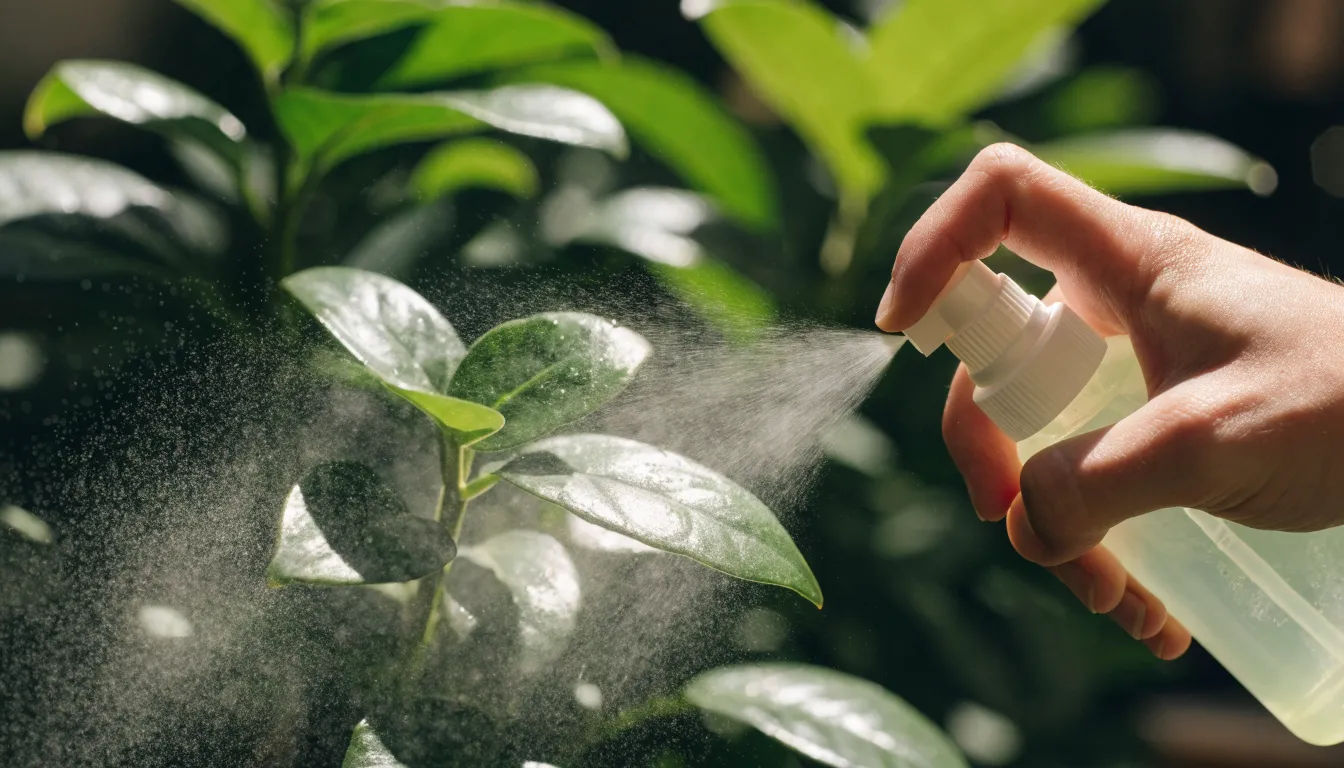
For pest control, peppermint, rosemary, and tea tree oils work well. Whichever oil you choose, always test it on one small leaf first and wait 24 to 48 hours to check for damage before spraying the whole plant.
Troubleshooting Your Sprays
If your spray separates into layers after shaking, the essential oils aren’t properly dispersed in the water. A solubilizer works by forming tiny micelles around the oil droplets so they stay suspended. If you don’t use enough, separation happens. Add more solubilizer bit by bit, mixing well, until the spray stays uniform. A good starting point is a 1:1 to 1:4 ratio of essential oil to solubilizer before adding water.
Cloudiness usually means the same problem: too little solubilizer. When essential oils aren’t fully integrated, the mixture looks milky or hazy. Keep adding small amounts of solubilizer and stirring or shaking gently until the liquid becomes clear.
Clogged spray nozzles are often caused by undissolved essential oil residue, especially with thicker oils. Adding a small amount of high-proof grain alcohol, like vodka, helps keep the oils dissolved and prevents blockages. You can also flush a clogged nozzle with warm water mixed with a little alcohol. Start with small changes and adjust gradually to find the right balance for your blend.
Simple DIY Recipes
Properly mixing essential oils with water starts with emulsification, which keeps the oils evenly dispersed and prevents concentrated drops from touching skin or surfaces. Simple DIY recipes make this easy, turning basic ingredients into useful household products.
For a room spray, use a 4-ounce bottle with 2 ounces distilled water, 2 ounces rubbing alcohol, or just water with a solubilizer. Add 20–30 drops of essential oil, blending it with 1 teaspoon of solubilizer first if needed. Shake well before each use so the oil spreads evenly for a refreshing scent.
For a body mist, use a 2-ounce bottle with distilled water and witch hazel, or water plus a skin-safe solubilizer. Add 10–15 drops of skin-safe oils, mixing them with 0.5–1 teaspoon of gentle solubilizer first. Patch test before use. For an all-purpose cleaner, combine 1 cup water, 1/4 cup white vinegar, and 1 teaspoon castile soap, then add 20–30 drops of lemon or tea tree oil. Shake vigorously each time to keep the oils dispersed for effective cleaning.
Frequently Asked Questions
Why don’t essential oils and water mix?
Water is a polar molecule while essential oils are non-polar, causing water molecules to repel oil molecules. This repulsion, called hydrophobicity, makes the less dense oil molecules cluster together and form a separate layer on the surface.
Is it safe to apply essential oils directly to the skin?
No, neat essential oils should never be applied directly to the skin as they are highly concentrated plant extracts. Using them undiluted can cause serious problems like chemical burns, intense irritation, or even permanent skin sensitization. They should instead be used with a safe carrier oil.
Can you drink essential oils by adding them to water?
No, essential oils are highly concentrated extracts and do not dissolve evenly in water, remaining as undiluted droplets. Swallowing these droplets can cause irritation, inflammation, and chemical damage to the mouth, throat, and digestive tract, and can strain the liver and kidneys.
How can I make essential oils blend with water for sprays or toners?
To make essential oils blend evenly with water for sprays or toners, you need a solubilizer or a high-proof alcohol. These ingredients surround the essential oil molecules, allowing them to disperse smoothly and stay suspended in the water, creating a clear and stable mixture.
Why shouldn’t I add essential oils directly to my bathwater?
Essential oils are hydrophobic and will float as undiluted droplets on the surface of bathwater, rather than mixing in. These concentrated droplets can come into direct contact with sensitive skin, potentially causing redness, irritation, or a burning sensation.
What are common mistakes people make when using essential oil diffusers?
Common mistakes include not cleaning regularly, which allows oil residue and mineral buildup to cover the ultrasonic disc and reduce performance. Leaving old water and oil in the tank also encourages mold and bacteria, while using harsh cleaners can damage the device.