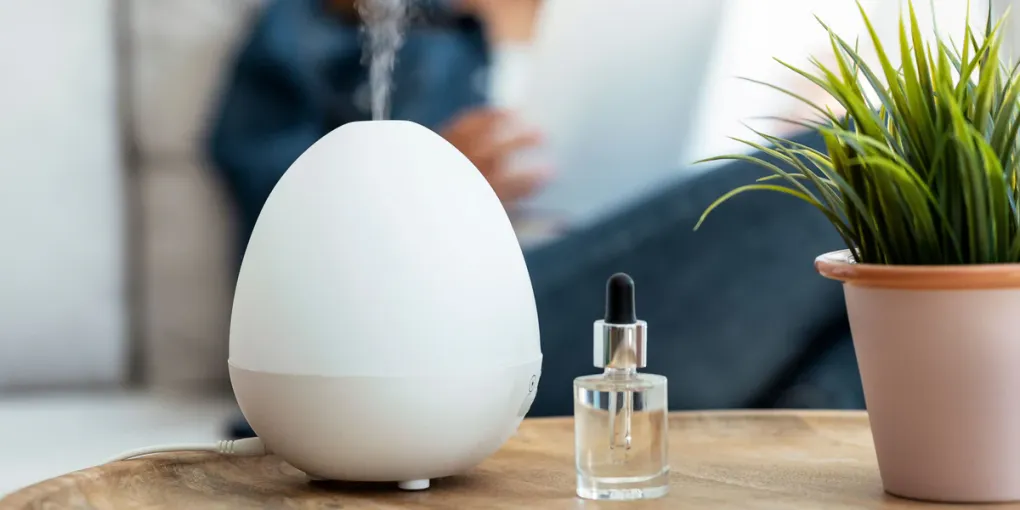
Essential Oils for Seasonal Comfort and Wellness
Seasonal changes affect my body and mood more than I used to notice. Shifts in temperature, daylight, and routines can influence energy levels, sleep patterns, and overall comfort. Essential oils have become one of the simplest ways I support myself through these transitions without overcomplicating daily life. I rely on them as gentle tools that help me stay grounded and balanced as the seasons move forward.
Using essential oils seasonally allows me to respond to what my body actually needs in the moment. Some months call for warmth and grounding, while others invite freshness and lightness. Instead of sticking to one routine year-round, I let the seasons guide how I use oils at home. This flexibility keeps wellness feeling natural rather than forced.
How Seasonal Shifts Affect Daily Comfort
Each season brings its own challenges and benefits, and my body tends to react quickly to those changes. Cooler months often slow me down, while warmer months push my energy in different directions. Even subtle shifts like earlier sunsets or rising humidity can influence how I feel day to day. Paying attention to these patterns helps me respond instead of pushing through discomfort.
Essential oils support this awareness by offering sensory feedback. Certain aromas feel comforting during colder seasons, while others feel refreshing when temperatures rise. I use scent as a way to acknowledge seasonal changes instead of resisting them. That small shift in mindset has made a noticeable difference in my overall well-being.
Essential Oils as Seasonal Anchors
I think of essential oils as seasonal anchors that help me stay connected to the present moment. Scents have a strong relationship with memory and emotion, and I use that to my advantage. Rotating oils throughout the year creates a sense of rhythm and familiarity. This practice helps each season feel intentional rather than disruptive.
Using oils this way also prevents sensory burnout. Repeating the same scent all year can dull its effect. Seasonal rotation keeps each aroma feeling fresh and meaningful. It turns essential oil use into a living practice rather than a fixed habit.
Supporting Comfort During Cooler Months
Colder seasons often encourage slower routines and more time indoors. During these months, I gravitate toward oils that feel grounding and warming. These scents help counteract the heaviness that shorter days sometimes bring. They also make indoor spaces feel cozier and more inviting.
I use these oils in simple ways, such as placing a drop on a cotton pad near my workspace or bedroom. The aroma stays gentle and steady rather than overwhelming. This subtle presence supports comfort without demanding attention. It becomes part of the background rather than a focal point.
Maintaining Balance as Temperatures Rise
Warmer seasons come with increased activity and longer days. While that energy can feel exciting, it can also lead to restlessness. I use essential oils that feel light and clarifying to stay balanced. These scents help me stay present instead of overstimulated.
During warmer months, I prefer oils that feel clean and airy. I use them on personal items or fabrics so the scent remains close and controlled. This approach keeps my environment feeling fresh without overpowering shared spaces. Balance becomes easier when scent remains intentional.
Seasonal Support for Energy Levels
My energy levels fluctuate naturally throughout the year. Some seasons encourage productivity, while others call for rest. Essential oils help me honor those shifts without guilt. They act as gentle cues rather than artificial stimulants.
I use certain oils during slower seasons to encourage steady momentum. During high-energy months, I use others to promote focus and calm. This flexibility allows me to work with my body instead of against it. Energy becomes something to manage thoughtfully rather than forcefully.
Creating Seasonal Morning Routines
Mornings set the tone for the rest of my day, and seasonal routines help me start with intention. I adjust how I use essential oils depending on the time of year. In darker months, I prefer comforting scents that ease me into the day. In brighter months, I lean toward aromas that feel uplifting.
I keep these routines simple to avoid decision fatigue. A single oil applied to a cloth or towel is often enough. Consistency matters more than complexity. This approach keeps mornings grounded regardless of the season.
Evening Comfort Across the Seasons
Evenings shift with the seasons just as much as mornings do. Longer summer evenings feel different from early winter nights. Essential oils help me signal the transition from activity to rest. This cue becomes especially important when daylight patterns change.
I use oils in predictable ways during the evening, such as on bedding or personal items. Repeating this ritual creates a sense of safety and familiarity. Over time, the scent alone encourages relaxation. Seasonal comfort becomes part of winding down rather than something I have to think about.
Supporting Rest and Sleep Seasonally
Sleep quality often changes with the seasons, and essential oils help me adjust gently. Cooler months may bring deeper rest, while warmer months can disrupt sleep patterns. I use scent to encourage consistency regardless of external conditions. This practice helps stabilize my sleep routine.
I focus on subtle application methods that avoid overstimulation. Oils placed on cotton pads or tucked into pillowcases work well. The aroma fades naturally throughout the night. This supports rest without distraction or intensity.
Emotional Wellness Through Seasonal Transitions
Seasonal changes can influence mood just as much as physical comfort. Shifts in daylight, routines, and social patterns affect emotional balance. Essential oils help me process these changes without suppressing how I feel. They offer support rather than solutions.
I pay attention to which scents feel comforting during emotional transitions. Some oils help me feel grounded, while others encourage openness. Using them intentionally creates space for reflection. Emotional wellness becomes something I nurture gradually.
Refreshing Living Spaces Seasonally
Living spaces often feel stale when seasons change. I use essential oils to refresh rooms without relying on heavy fragrances. A single oil applied to natural materials creates subtle shifts in atmosphere. This makes my home feel aligned with the season.
I adjust scents as the weather changes to keep spaces feeling balanced. Lighter aromas suit warmer months, while richer ones fit cooler seasons. This rotation prevents sensory fatigue. Home comfort becomes an evolving experience rather than a fixed state.
Seasonal Use Without Overwhelm
One of the biggest lessons I’ve learned is to keep seasonal oil use simple. Trying too many oils at once creates confusion rather than comfort. I focus on one or two oils per season to stay grounded. This approach prevents overwhelm and encourages consistency.
Limiting options also helps me notice subtle effects. When fewer scents are involved, it’s easier to recognize what truly supports me. Seasonal wellness becomes intentional rather than cluttered. Simplicity allows essential oils to do their job quietly.
Travel and Seasonal Wellness
Travel often disrupts seasonal routines, especially when climates change. I use essential oils to maintain a sense of familiarity on the road. Carrying one seasonal oil helps me stay grounded in unfamiliar environments. This small comfort makes a noticeable difference.
I use oils during travel in discreet ways, such as on tissues or personal items. The scent provides continuity regardless of location. Seasonal wellness doesn’t have to stop just because routines change. Essential oils make transitions smoother.
Adapting to Seasonal Stressors
Each season brings its own stressors, whether it’s schedule changes, weather extremes, or social demands. Essential oils help me respond rather than react. They create moments of pause during busy days. That pause often changes how I handle challenges.
I use oils as gentle reminders to breathe and reset. This practice helps me stay present even when external factors feel overwhelming. Seasonal stress becomes manageable when addressed early. Essential oils support resilience without pressure.
Building Seasonal Awareness Over Time
Seasonal wellness improves with awareness and patience. I’ve learned to notice patterns instead of expecting immediate results. Essential oils support this process by encouraging sensory mindfulness. Each scent becomes a cue to check in with myself.
Over time, I’ve built trust in my instincts. I know which oils feel supportive during specific seasons. This knowledge grows naturally through experience. Seasonal comfort becomes intuitive rather than planned.
Seasonal Rituals That Feel Sustainable
Rituals work best when they feel sustainable, not performative. I keep my seasonal oil practices realistic and flexible. Missing a day doesn’t feel like failure. Consistency over time matters more than perfection.
These rituals evolve as my needs change. Some seasons require more support, while others need less. Essential oils adapt easily to those shifts. Wellness becomes something I live with rather than manage.
Final Thoughts
Essential Oils for Seasonal Comfort and Wellness have become part of how I move through the year with awareness and ease. Using scent as a seasonal guide helps me stay connected to my body and environment. This practice supports balance without complexity or pressure. Seasonal changes feel less disruptive when approached with intention and simplicity.