How Essential Oils Are Made: From Plant to Bottle
Essential oils begin their journey long before a bottle is filled or a label is applied. They start in fields, forests, orchards, and mountains, shaped by soil, climate, time, and human decision-making. I find that most conversations about essential oils skip straight to how to use them, leaving out the far more interesting story of how they exist at all. That missing context often leads to misunderstandings about quality, price, potency, and even safety.
The process of making essential oils is not a single action but a chain of deliberate steps, each one influencing the final product. From the moment a plant is selected to the second the oil is sealed, countless variables are at play. Small changes in temperature, timing, or technique can shift the aroma and composition in noticeable ways. Knowing this changes how I look at every bottle on my shelf.
This article walks through that entire journey, from plant to bottle, without shortcuts or mystique. Essential oils are the result of agriculture, chemistry, and craftsmanship working together. Seeing how those elements connect brings clarity to what these oils truly represent.
The Plants Chosen for Essential Oils
Not every plant produces an essential oil, and not every aromatic plant produces one worth extracting. The plants selected for essential oil production are chosen because they contain volatile compounds that can be captured and preserved. These compounds exist in different parts of the plant, depending on the species.
Leaves, flowers, bark, roots, seeds, wood, and fruit peels can all be sources of essential oils. Lavender oil comes from flowers, eucalyptus oil from leaves, cinnamon bark oil from bark, and vetiver oil from roots. The plant part matters because it determines both yield and chemical profile.
Plant selection also depends on tradition and practicality. Some plants have been distilled for centuries because their oils were valued in ritual, trade, or daily life. Others entered modern production through experimentation and demand. In both cases, the plant itself sets the limits of what the oil can become.
Growing Conditions Shape the Oil
Where and how a plant grows has a direct impact on the essential oil it produces. Soil composition, rainfall, altitude, temperature, and sunlight all influence the concentration of aromatic compounds. The same plant grown in two different regions can produce oils that smell noticeably different.
Lavender grown at higher altitudes often has a softer, sweeter aroma than lavender grown at lower elevations. Peppermint grown in cooler climates may have a sharper scent than peppermint grown in warmer areas. These differences are not flaws but expressions of environment.
Farming practices also matter. Wild-harvested plants, organically grown crops, and conventionally farmed plants each carry distinct considerations. Sustainability, consistency, and yield all play roles in how essential oil producers make decisions long before distillation begins.
Harvesting at the Right Moment
Timing is one of the most critical steps in essential oil production. Plants do not produce volatile compounds at a constant rate throughout their life cycle. Harvesting too early or too late can dramatically reduce both yield and quality.
Flowers are often harvested just as they begin to open, when aromatic compounds peak. Leaves may be cut before flowering, while roots are usually harvested after the plant has matured for years. Citrus peels are collected when fruit oils are most vibrant.
Harvesting is often done early in the morning, before heat causes volatile compounds to evaporate. This attention to timing protects the integrity of the oil and preserves the plant’s aromatic profile. It is a detail that rarely appears on labels but makes a lasting difference.
Preparing Plant Material for Extraction
Once harvested, plant material must be handled carefully. Some plants are distilled fresh, while others are dried before extraction. This decision depends on the type of plant and the desired outcome.
Fresh plant material often produces brighter, greener aromas, while dried material can result in deeper, more concentrated scents. Improper storage before distillation can lead to mold, fermentation, or loss of aromatic compounds. Speed and cleanliness matter during this stage.
The plant material is usually chopped or compacted before extraction to increase surface area. This allows steam or pressure to move more efficiently through the material. Preparation is practical rather than glamorous, but it sets the stage for everything that follows.
Steam Distillation Explained
Steam distillation is the most common method used to produce essential oils. It involves passing steam through plant material to release volatile compounds. These compounds evaporate with the steam and travel into a cooling system.
As the steam cools, it condenses back into liquid. This liquid contains both essential oil and water, which naturally separate due to density differences. The essential oil floats or sinks depending on its chemical makeup and is then collected.
This method requires careful control of temperature and pressure. Too much heat can damage delicate compounds, while too little heat may fail to extract them fully. Mastery of steam distillation comes from experience rather than automation alone.
Water Distillation and Its Role
Water distillation is similar to steam distillation but involves immersing plant material directly in water. This method is often used for flowers like rose and orange blossom that can clump together under steam.
The plant material and water are heated together, allowing volatile compounds to evaporate with the steam. The condensation and separation process remains the same as in steam distillation. The resulting essential oil is collected once the mixture cools.
This method can produce softer, rounder aromas but requires careful monitoring to prevent overheating. It is a traditional technique still used in regions where floral oils hold cultural significance.
Cold Pressing for Citrus Oils
Citrus essential oils are produced differently from most others. Instead of distillation, they are extracted through cold pressing, also known as expression. This method preserves the bright, fresh aroma of citrus peels.
The outer peel of the fruit is mechanically pressed or punctured to release aromatic oils. These oils are then separated from juice and water through centrifugation. Heat is avoided to protect the oil’s delicate compounds.
Cold pressing results in oils that are more vulnerable to oxidation. Proper storage becomes especially important for citrus oils, which tend to have shorter shelf lives than distilled oils.
Solvent Extraction and Absolutes
Some plants are too delicate or yield too little oil for traditional distillation. In these cases, solvent extraction may be used. This method involves using a solvent to dissolve aromatic compounds from plant material.
The solvent is later removed, leaving behind a highly concentrated aromatic substance. When further processed, this substance becomes an absolute rather than an essential oil. Absolutes are commonly used in perfumery.
While solvent extraction produces rich aromas, it also introduces complexity around purity and residue. Absolutes are not the same as essential oils and should be understood as a separate category altogether.
Separating Oil from Hydrosol
During distillation, essential oil is not the only product created. The condensed water left behind is known as hydrosol or floral water. Rose water and lavender water are familiar examples.
Hydrosols contain trace amounts of essential oil along with water-soluble plant compounds. They have gentler aromas and are often used in skincare and culinary applications. Their existence highlights how selective essential oil extraction really is.
The separation process relies on gravity and time rather than force. Patience is essential here, as rushing can contaminate the oil or waste valuable hydrosol.
Filtering and Resting the Oil
Freshly distilled essential oil is often cloudy or sharp-smelling. Many producers allow the oil to rest for weeks or months before bottling. This resting period lets heavier compounds settle and allows the aroma to mellow.
Filtering may be done to remove plant particles or moisture. This step improves clarity and stability without altering the oil’s chemical identity. Skipping this step can shorten shelf life.
Resting is an overlooked stage that contributes to balance. Oils that feel harsh immediately after distillation often become smoother with time.
Testing and Quality Evaluation
Before an essential oil is bottled, it is often evaluated for quality. This may include sensory assessment, chemical analysis, or both. Gas chromatography and mass spectrometry are commonly used tools.
These tests reveal the oil’s chemical composition and help identify adulteration or contamination. They also confirm whether the oil matches expected profiles for its species and origin. Quality control protects both producers and users.
Not all producers test their oils, but those who do provide greater transparency. Testing does not guarantee superiority, but it does demonstrate accountability.
Bottling and Storage Decisions
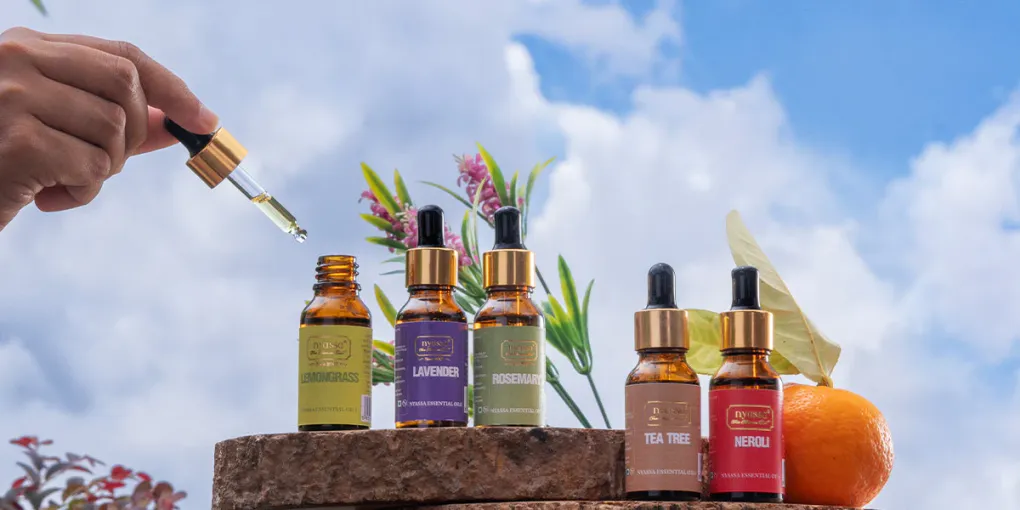
Essential oils are typically bottled in dark glass to protect them from light. Amber and cobalt blue bottles are common choices. Plastic is avoided because essential oils can degrade it over time.
Bottle size matters as well. Smaller bottles reduce air exposure and slow oxidation. Caps and droppers must seal tightly to prevent evaporation and contamination.
Storage conditions continue to matter after bottling. Heat, light, and oxygen remain the primary threats to oil stability. A well-made oil can still degrade if stored poorly.
Labeling and Traceability
A finished bottle represents the end of one journey and the beginning of another. Labels often include the plant’s common name, botanical name, and country of origin. This information connects the oil back to its source.
Traceability allows users to understand where and how an oil was produced. It also supports ethical sourcing and environmental responsibility. Without traceability, claims about quality remain unverifiable.
Clear labeling does not make an oil better, but it makes the process more honest. Transparency strengthens trust across the entire essential oils industry.
Why Yield Influences Price
Some plants produce very little essential oil relative to their size. Rose petals, for example, require enormous quantities to produce a small amount of oil. This scarcity drives up cost.
Yield is influenced by plant species, growing conditions, and extraction efficiency. Low-yield oils are not rare by accident but by nature. Expecting them to be inexpensive ignores the reality of production.
Price alone does not determine quality, but it often reflects the resources required to produce an oil. Knowing this helps explain why essential oils vary so widely in cost.
What This Process Means for the User
Understanding how essential oils are made changes how they are used and valued. These oils are not casual byproducts but the result of careful planning and skilled execution. Each bottle contains the outcome of months or years of work.
This perspective encourages restraint rather than excess. A few drops carry the labor of entire harvests. Respect grows naturally when effort becomes visible.
Essential oils are best appreciated when their origins are acknowledged. The journey from plant to bottle gives meaning to every use.
Final Thoughts
Essential oils are not accidents or shortcuts; they are crafted through a detailed, multi-step process that begins in nature and ends in careful containment. Each stage shapes the oil’s aroma, stability, and character. From soil and harvest timing to distillation and storage, every decision leaves a mark.
Seeing this process clearly replaces mystery with appreciation. Essential oils become less about hype and more about heritage, skill, and responsibility. That understanding makes every bottle feel earned rather than assumed.