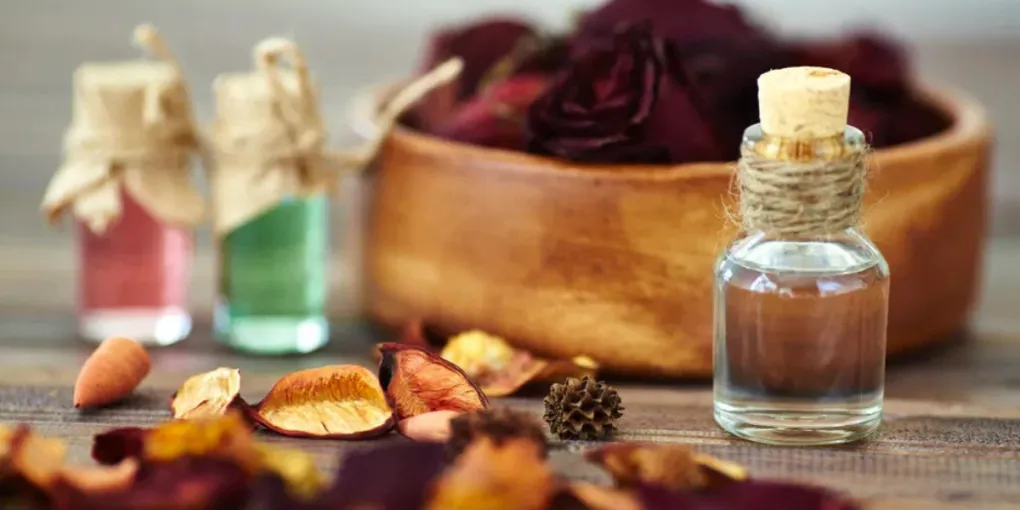
How to Build a Starter Essential Oil Kit
A starter essential oil kit does not need to be large to be effective. What matters most is that each oil earns its place through regular use, versatility, and ease of integration into daily life. I found that starting with intention removed a lot of the noise and pressure that often surrounds essential oils. A thoughtful kit feels supportive rather than overwhelming, and it grows naturally as confidence develops.
This guide focuses on building a kit that feels realistic and functional. Instead of chasing rare oils or complicated systems, the goal is to create a small collection that works across moods, routines, and seasons. With the right foundation, essential oils become practical tools rather than decorative bottles.
Why a Starter Kit Needs Structure
Without structure, it is easy to accumulate oils without purpose. I noticed early on that random purchases led to clutter and uncertainty rather than clarity. A starter kit benefits from a clear role for each oil.
Structure helps reduce decision fatigue. Knowing why each oil exists in the kit makes it easier to reach for the right one without hesitation. This clarity supports consistency, which is where essential oils truly shine.
Defining the Purpose of the Kit
Every starter kit needs a purpose beyond ownership. Some people want emotional support, others focus on home atmosphere, and some want simple daily rituals. I clarified my purpose by observing how I wanted oils to fit into my routine.
This purpose became a filter for every decision. Oils that did not support that direction were excluded. Defining this early prevented unnecessary expansion and kept the kit aligned with real needs.
Limiting the Kit to Core Categories
A balanced starter kit covers a few key categories rather than every possibility. I focused on calm, energy, freshness, grounding, and versatility. These categories covered most daily scenarios without overlap.
Each category only needed one oil to start. This approach reduced redundancy and made the kit easier to manage. Expansion later felt intentional rather than reactive.
Lavender Oil as the Calming Anchor
Lavender oil earns its place in many starter kits because of its broad appeal and gentle nature. Its aroma feels familiar and approachable, which helps build confidence early on. I rely on lavender during evening routines and quiet moments.
This oil blends easily with almost everything else in a starter kit. Its flexibility allows it to serve multiple roles without dominating. Lavender becomes a steady anchor rather than a specialty item.
Peppermint Oil for Alertness and Clarity
Peppermint oil introduces contrast into the kit. Its crisp scent feels immediate and energizing. I associate peppermint with focus, clarity, and mental refreshment.
A small amount goes a long way, which teaches respect for potency. This oil shows how essential oils can feel active and dynamic. Its presence balances softer oils in the kit.
Lemon Oil for Brightness and Clean Energy
Lemon oil brings lightness and familiarity. Its scent feels fresh and emotionally uplifting without being heavy. I use lemon oil to refresh spaces and reset the mood during the day.
This oil also blends effortlessly with others. Its versatility makes it useful beyond aromatherapy, which increases its value in a starter kit. Lemon oil often becomes a daily staple.
Eucalyptus Oil for Open and Fresh Spaces
Eucalyptus oil introduces a sense of openness and clarity. Its sharp aroma feels expansive and invigorating. I associate it with deep breaths and clear environments.
Including eucalyptus adds range to the kit. It shifts the focus from emotional support to spatial awareness. This balance helps the kit feel complete.
Frankincense Oil for Grounding Moments
Frankincense oil adds depth and calm without heaviness. Its scent feels resinous and steady. I reach for it during reflective moments or when I want stillness.
This oil teaches patience and subtlety. It blends well with nearly everything else in the kit. Frankincense often becomes the quiet stabilizer that ties the collection together.
Tea Tree Oil for Practical Uses
Tea tree oil earns its place through reliability. Its aroma is direct and functional rather than comforting. I keep it for practical applications rather than emotional ones.
Including a utilitarian oil adds balance. It reinforces the idea that essential oils serve multiple purposes. Tea tree oil brings practicality into the kit.
Sweet Orange Oil for Emotional Warmth
Sweet orange oil offers warmth and friendliness. Its scent feels inviting and easy to enjoy. I use it when a space feels dull or emotionally flat.
This oil pairs beautifully with both calming and energizing oils. Its flexibility supports blending without complexity. Sweet orange often becomes a favorite for daily use.
Selecting One Reliable Carrier Oil
A starter essential oil kit is incomplete without a carrier oil. I prefer one versatile option that works across most applications. A light, neutral oil keeps things simple.
Using one carrier oil reduces clutter and confusion. It supports topical use without requiring multiple choices. This simplicity makes regular use more likely.
Keeping Blending Simple From the Start
Complex blends are unnecessary in the beginning. I stick to one or two essential oils at a time. This allows each scent to remain recognizable.
Simple blends are easier to repeat and adjust. They reduce waste and build confidence. Familiarity grows through repetition rather than experimentation.
Storage That Encourages Consistent Use
How oils are stored affects how often they are used. I keep my starter kit visible and accessible rather than hidden away. This placement reinforces habit.
Proper storage also protects quality. Cool, dark spaces extend shelf life. Treating storage as part of the kit prevents degradation and disappointment.
Avoiding Overbuying Early On
It is tempting to expand quickly, especially when curiosity is high. I learned to pause before adding new oils. Each new bottle needed a clear role.
This restraint kept the kit focused. Oils that did not clearly fit were postponed. Over time, this habit prevented clutter and regret.
Building Confidence Through Repetition
Confidence comes from familiarity, not variety. Using the same oils repeatedly revealed subtle differences in aroma and effect. I noticed patterns that occasional use never revealed.
This repetition strengthened trust. Oils became predictable and reliable. Confidence replaced hesitation.
Using Oils in Existing Routines
A starter kit works best when oils attach to habits already in place. Morning routines, evening wind-downs, or cleaning rituals provide natural entry points. I integrated oils into these moments rather than creating new ones.
This integration reduced resistance. Oils felt supportive rather than demanding. Consistency improved without effort.
Adjusting the Kit Over Time
A starter kit is not static. Needs change with seasons, routines, and preferences. I reassess occasionally to ensure relevance.
Oils that no longer fit are set aside. New ones are added intentionally. This evolution keeps the kit aligned without losing its foundation.
Letting Experience Guide Expansion
Expansion works best when driven by experience rather than trends. I add oils based on gaps I notice during daily use. This approach keeps growth practical.
Each new oil replaces or complements an existing one. Nothing enters the kit without purpose. This discipline preserves simplicity.
Avoiding Comparison With Larger Collections
Large collections can create pressure. I remind myself that effectiveness does not scale with size. A small kit used consistently outperforms a large one used rarely.
Comparison often leads to unnecessary purchases. Staying focused on personal use prevents distraction. Confidence grows through experience, not accumulation.
Respecting Safety From the Beginning
Even beginner oils require care. Dilution and mindful use build good habits early. I treat safety as part of the routine rather than an afterthought.
This respect prevents discomfort and frustration. It also builds trust in the process. Safety supports longevity.
Recognizing When Less Is Enough
A starter kit reaches a point where nothing feels missing. I recognize this moment as success rather than limitation. Contentment replaces curiosity-driven expansion.
This satisfaction comes from alignment. The kit serves its purpose fully. Less truly becomes enough.
Creating Emotional Association With Oils
Repeated use builds emotional association. Certain oils become linked to rest, focus, or comfort. I value this conditioning as much as the oils themselves.
These associations strengthen over time. Oils become cues rather than tools. This depth adds richness without adding bottles.
Teaching the Senses Through Consistency
Consistency sharpens perception. I began noticing subtle changes in aroma and effect. This awareness never developed during constant switching.
A starter kit supports this learning. The senses become educated through repetition. Enjoyment deepens naturally.
Trusting Simplicity Over Complexity
Complex systems promise control but often create friction. I trust simplicity because it works. A small kit used well outperforms complicated setups.
This trust grows with time. Simplicity becomes confidence. The routine feels natural rather than forced.
Final Thoughts
Building a starter essential oil kit is about intention, clarity, and restraint. A small group of versatile oils, one reliable carrier oil, and simple habits create a strong foundation. Lavender, peppermint, lemon, eucalyptus, frankincense, tea tree, and sweet orange cover a wide range of needs without excess.
A thoughtful starter kit supports daily life without overwhelming it. Consistency replaces confusion, and familiarity builds trust. With a focused beginning, essential oils become sustainable companions rather than short-lived experiments.