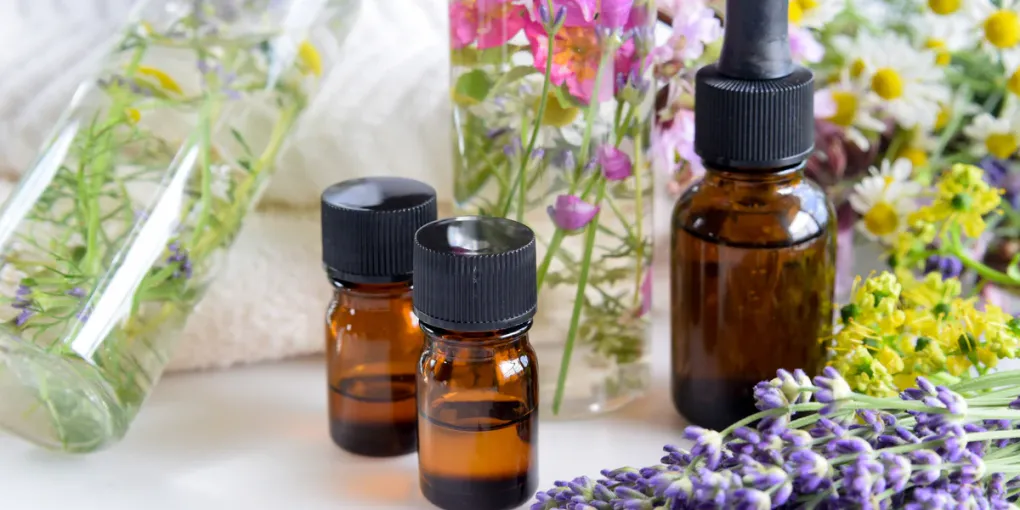
How to Create a Minimal Essential Oil Routine
A minimal essential oil routine strips away excess and brings focus back to what actually gets used. I found that too many options created hesitation rather than support, especially during busy days when decisions already felt heavy. A pared-down routine brings clarity, consistency, and a sense of ease that makes essential oils feel like a natural part of life rather than another task.
Minimal does not mean boring or limited in impact. It means intentional, repeatable, and adaptable. With a small number of well-chosen oils and simple habits, it becomes easier to notice how scent, ritual, and timing shape daily experience.
Why Less Works Better With Essential Oils
Essential oils are potent, and a little goes a long way. Excess often leads to cluttered shelves and half-used bottles rather than deeper connection. I noticed that focusing on fewer oils helped me recognize subtle differences in aroma and effect that were lost when everything blended together.
Less also reduces mental load. A minimal routine removes the pressure to constantly experiment or keep up with trends. Instead, it supports consistency, which is where real value shows up over time.
Defining What Minimal Means Personally
Minimal looks different for everyone. For some, it means three oils used daily, while for others it means one oil per purpose. I realized that defining minimal required honesty about habits rather than ideals.
The goal is alignment, not restriction. A routine that fits naturally into existing rhythms lasts longer than one built around aspiration alone. Minimal works best when it feels supportive rather than limiting.
Starting With Daily Anchors
A minimal routine benefits from anchors that tie oils to specific moments. Morning, afternoon, and evening create natural structure. I began by assigning one oil or blend to each anchor rather than rotating constantly.
This structure removes decision-making. Repetition builds familiarity, and familiarity builds comfort. Over time, these anchors become cues that signal transitions in the day.
Selecting Oils That Serve Multiple Roles
Versatility matters more than variety in a minimal routine. Oils that work across emotional and practical needs earn their place. I focus on oils that blend easily and feel appropriate in different contexts.
Lavender, citrus oils, peppermint, and frankincense often cover a wide range without overlap. Fewer oils with broader usefulness reduce clutter and increase confidence in use.
Letting Scent Preference Guide Choices
Personal scent preference is not a small detail. Oils that smell good get used, while oils that feel unpleasant sit untouched. I learned to prioritize genuine enjoyment over reputation or popularity.
A minimal routine thrives on consistency, and consistency depends on liking the experience. Trusting the nose simplifies decisions and keeps the routine sustainable.
Establishing One Morning Practice
Morning sets the tone for everything that follows. A single, simple practice creates grounding without requiring time or effort. I rely on one oil or blend used consistently in the morning.
This might be diffusion, a roll-on, or a few drops in a carrier oil. The format matters less than repetition. The oil becomes associated with starting the day rather than experimentation.
Simplifying Midday Support
Midday often brings distraction, fatigue, or stress. A minimal routine addresses this with one quick option. I keep a single portable blend available rather than multiple choices.
This removes friction during busy moments. Instead of debating which oil to use, the decision is already made. Simplicity supports follow-through.
Creating an Evening Wind-Down Habit
Evening routines benefit from softness and predictability. I use one calming oil or blend consistently at night. This repetition signals transition from activity to rest.
Over time, the scent itself becomes a cue. The body begins to associate it with slowing down. This conditioning happens naturally through consistency.
Using Carrier Oils to Reduce Complexity
Carrier oils support minimalism by increasing flexibility. A single carrier oil can serve multiple blends and applications. I rely on one light, neutral option that works across skin types.
This eliminates the need for multiple bases. Essential oils blend easily, and storage stays simple. Fewer materials mean fewer decisions.
Keeping Blending Simple and Repeatable
Minimal routines avoid complicated formulas. I stick to one or two oils per blend and repeat them consistently. This repetition reveals nuance without overwhelming the senses.
Simple blends also reduce waste. They are easier to remake and adjust. Familiarity replaces experimentation as the primary goal.
Limiting New Purchases Intentionally
A minimal routine grows slowly. I pause before adding new oils and consider whether they replace or duplicate something already in use. This pause prevents accumulation without purpose.
If an oil does not clearly fit into an existing anchor, it waits. This discipline keeps the routine focused and meaningful. Expansion becomes intentional rather than reactive.
Storage That Supports Visibility
Out of sight often becomes out of use. I store oils where they are visible and accessible rather than tucked away. This encourages consistent use and reinforces habits.
Minimal routines benefit from clear organization. Seeing the same small collection daily reinforces familiarity. The oils feel like tools rather than collectibles.
Releasing Oils That No Longer Fit
Minimal routines evolve. Oils that once felt essential may lose relevance over time. I periodically reassess what actually gets used.
Releasing unused oils creates space both physically and mentally. The routine stays current rather than sentimental. Letting go supports clarity.
Tracking What Actually Works
Awareness strengthens minimalism. I pay attention to how oils affect mood, energy, and comfort over time. Patterns emerge through repetition.
This observation replaces guesswork. Oils that consistently support desired outcomes stay. Others quietly exit the routine.
Avoiding Trend-Based Additions
Trends create pressure to expand. Minimal routines resist this by focusing on personal experience rather than external influence. I remind myself that effectiveness matters more than novelty.
Foundational oils remain useful regardless of trends. Stability replaces urgency. This mindset protects the simplicity of the routine.
Making Routine Flexible Without Expanding
Flexibility does not require more oils. It comes from using the same oils in different ways. Diffusion, topical use, and inhalation all offer variety without addition.
This adaptability keeps the routine interesting. The oils feel dynamic rather than repetitive. Minimal stays engaging through application rather than accumulation.
Respecting Seasons Without Overhauling
Seasonal shifts influence needs, but minimal routines adapt gently. I adjust usage frequency or timing rather than replacing oils entirely. This preserves continuity.
Small shifts maintain relevance. The routine evolves without losing its foundation. Seasonal awareness adds depth without complexity.
Integrating Oils Into Existing Habits
Minimal routines succeed when oils attach to habits already in place. Brushing teeth, washing hands, or preparing for bed offer natural entry points. I layer oils onto these moments rather than creating new ones.
This integration reduces resistance. Oils feel supportive rather than intrusive. Consistency increases without effort.
Letting Routine Replace Motivation
Motivation fluctuates, but routine remains. A minimal essential oil routine relies on structure rather than enthusiasm. I noticed that repetition carried me through low-energy days.
This reliability is the real benefit of minimalism. Oils become part of the background support system. They work quietly without demanding attention.
Avoiding Perfection as a Goal
Minimal does not mean flawless. Missed days and adjustments are part of real life. I allow flexibility without guilt.
The routine exists to support, not control. Compassion keeps it sustainable. Progress matters more than precision.
Teaching the Senses Through Repetition
Repeated exposure sharpens sensory awareness. I began noticing subtleties in aroma and effect through consistent use. This depth never emerged during constant switching.
Minimal routines educate through experience. The senses learn gradually. This awareness enhances enjoyment.
Building Trust With a Few Oils
Trust grows through familiarity. Using the same oils repeatedly builds confidence in their behavior. I rely on this trust during stressful moments.
Minimal routines strengthen this relationship. Oils feel reliable rather than experimental. Confidence replaces hesitation.
Final Thoughts
Creating a minimal essential oil routine is about intention, repetition, and alignment with daily life. A small number of versatile oils, clear anchors, and simple habits create consistency without effort. The routine becomes supportive rather than demanding.
Minimalism with essential oils is not about deprivation. It is about clarity and depth. With fewer oils and clearer purpose, the experience becomes richer, calmer, and far easier to sustain over time.