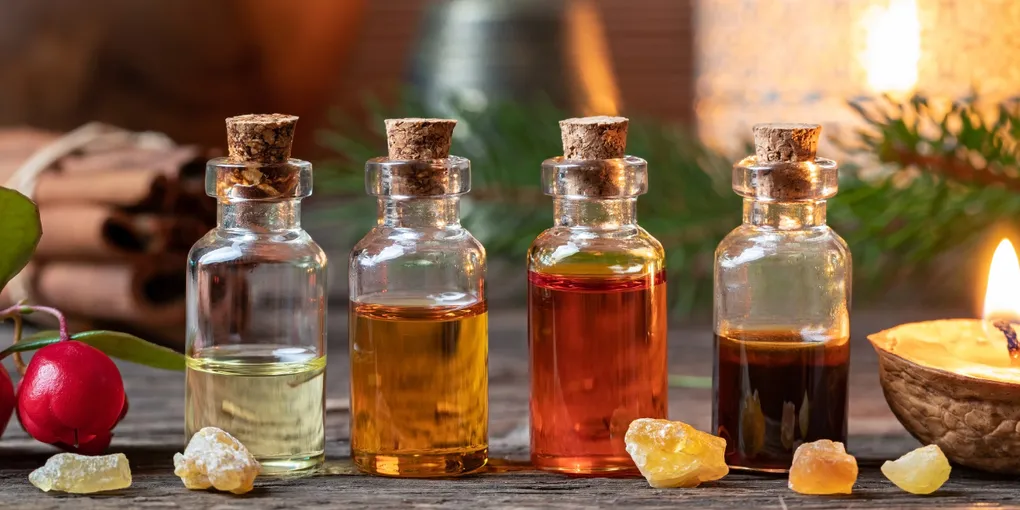
How to Store Essential Oils the Right Way
I pay close attention to how essential oils are treated once they enter my home because storage has a direct impact on their quality, safety, and effectiveness. Essential oils are not just pleasant-smelling liquids; they are highly concentrated plant compounds that can change when exposed to light, heat, air, or contamination. Poor storage can quietly ruin an oil long before it smells “off,” and by the time that happens, the benefits are often already gone. Storing essential oils the right way is not about perfection or fancy equipment, but about respecting what these oils are and how fragile they can be.
Over the years, I have seen people invest in beautiful oils only to leave them sitting on sunny windowsills or next to hot appliances. That habit slowly breaks down the chemistry of the oil, making it weaker or even irritating to the skin. Storage is one of those topics that sounds simple on the surface, yet it is often misunderstood or brushed aside. Once I truly grasped how much storage affects an oil’s lifespan, I changed the way I treated every bottle I owned.
This article walks through how I store essential oils in a practical, realistic way that fits everyday life. I focus on preserving potency, preventing waste, and keeping oils safe for everyone in the household. With a few thoughtful adjustments, essential oils can stay fresh and effective far longer than most people expect.
Why Proper Storage Matters More Than People Realize
Essential oils are volatile by nature, which means their chemical components evaporate and shift easily. This volatility is what gives oils their aroma and therapeutic properties, but it also makes them vulnerable to environmental stress. Heat speeds up oxidation, light breaks down sensitive compounds, and air exposure alters the balance of molecules inside the bottle. Over time, these changes can turn a once-gentle oil into something harsh or ineffective.
I have noticed that oils stored carelessly tend to lose their scent clarity first. A bright citrus oil may smell dull or flat, while a floral oil can develop a sharp edge that was not there before. These scent changes often signal deeper chemical changes that affect how the oil behaves on the skin or in a diffuser. Proper storage slows this process and keeps oils closer to their original state.
There is also a safety aspect that should not be ignored. Oxidized oils are more likely to cause skin irritation and sensitivity reactions. Storing essential oils correctly protects not only the oil itself but also the people using it. For me, that alone makes careful storage worth the effort.
The Role of Light Exposure in Oil Degradation
Light is one of the fastest ways to damage essential oils, especially sunlight. Ultraviolet rays break down delicate compounds, altering the oil’s chemical structure over time. Even indoor lighting can have a gradual effect if oils are left exposed day after day. This is why most high-quality essential oils come in dark glass bottles rather than clear ones.
I avoid leaving bottles out on open shelves where they are constantly exposed to light. While it may look attractive, that display slowly works against the oil’s integrity. Instead, I keep oils in a closed space where light exposure is minimal. This single change can significantly extend the life of an oil.
Dark amber or cobalt blue bottles help filter light, but they are not a complete solution on their own. If those bottles sit in direct sunlight, damage still occurs. Combining dark glass with a shaded storage location offers the best protection and keeps oils performing as intended.
Heat and Temperature Control
Heat is another silent enemy of essential oils. High temperatures accelerate chemical reactions inside the bottle, leading to faster oxidation and evaporation. Oils stored near stoves, radiators, or electronics often degrade far quicker than expected. Even seasonal temperature swings can make a difference over time.
I store my oils in a cool, stable environment where temperatures do not fluctuate dramatically. Room temperature works well for most oils, as long as it remains consistent. Extreme cold is generally less damaging than heat, but constant freezing and thawing can still stress certain oils.
In warmer climates or during hot seasons, I pay extra attention to where my oils are kept. A drawer or cabinet away from external walls tends to stay cooler. This small adjustment protects the oils without requiring special storage devices.
Air Exposure and Oxidation
Every time a bottle of essential oil is opened, air enters and begins interacting with the oil. Oxygen slowly alters the chemical makeup of the oil, a process known as oxidation. Over time, this can reduce effectiveness and increase the risk of skin irritation. Oils with higher monoterpene content, such as citrus oils, are especially prone to this issue.
I make a habit of closing bottles tightly after each use. Even a slightly loose cap allows air to seep in and start the oxidation process. Droppers should be clean and free of oil residue around the neck of the bottle to ensure a proper seal.
Transferring oils between containers also increases air exposure. I avoid unnecessary transfers and keep oils in their original bottles whenever possible. Fewer transfers mean fewer opportunities for oxygen to interfere with the oil’s stability.
Choosing the Right Containers for Storage
Glass is the gold standard for essential oil storage. Plastic can break down when exposed to essential oils, and metal containers may react with certain compounds. Dark glass provides the best balance of protection and safety. Most reputable brands already package oils appropriately, so the focus shifts to maintaining that standard over time.
I do not reuse random bottles or containers unless I am certain they are designed for essential oils. Even small mistakes here can compromise the oil. Droppers should fit securely and be made of materials that will not degrade.
If I dilute oils or create blends, I store those mixtures in the same type of dark glass containers. Proper labeling becomes especially important in these cases, ensuring that nothing is mistaken or misused later.
Organizing Oils Without Sacrificing Quality
Organization often leads people to leave oils out in the open for convenience. While accessibility matters, it should not come at the expense of quality. I have found ways to keep oils organized while still protecting them from light and heat.
Storage boxes, wooden cases, or drawer inserts work well for keeping bottles upright and easy to find. These solutions also reduce the risk of spills and broken bottles. A closed container provides an extra layer of protection against light exposure.
Label visibility is another concern. I prefer storage solutions that allow me to see labels clearly without removing bottles repeatedly. This reduces handling and keeps oils safely stored until they are needed.
Storing Different Types of Essential Oils
Not all essential oils behave the same way, and storage can vary slightly depending on the oil type. Citrus oils tend to oxidize faster due to their chemical composition. Florals, resins, and woods often have longer shelf lives but still benefit from careful storage.
I keep citrus oils toward the front of my storage area so I remember to use them more quickly. This habit helps prevent waste and ensures I enjoy them while they are still vibrant. Heavier oils like patchouli or sandalwood are more forgiving but still deserve proper care.
Blends and diluted oils also require attention. Carrier oils can go rancid, affecting the entire mixture. Proper storage helps preserve both the essential oil and the carrier oil used in blends.
Shelf Life and Knowing When an Oil Has Gone Bad
Essential oils do not last forever, even with perfect storage. Shelf life varies depending on the oil, its chemical makeup, and how it has been stored. Citrus oils may last one to two years, while resins and woods can last much longer.
I pay attention to changes in aroma, color, and texture. A sour, sharp, or unusually thick oil may be past its prime. Trusting these sensory cues helps prevent using oils that are no longer safe or effective.
Labeling bottles with the purchase or opening date helps track age. This simple habit takes very little time but provides valuable information later. Knowing how old an oil is removes guesswork and promotes safer use.
Storage Safety in Homes With Children and Pets
Safety is a major part of how I store essential oils, especially in shared living spaces. Essential oils should always be kept out of reach of children and pets. Accidental ingestion or spills can lead to serious issues.
I use storage solutions that close securely and are placed high or locked when necessary. Even well-trained pets can knock over bottles, so stability matters just as much as location. Proper storage prevents accidents before they happen.
Clear labeling also plays a role in safety. Oils should never be mistaken for something else. Organized, secure storage ensures that essential oils remain a benefit rather than a risk in the home.
Travel and Short-Term Storage
Travel presents unique storage challenges for essential oils. Temperature changes, pressure shifts, and leaks can all occur during transit. I take extra precautions when carrying oils outside the home.
Smaller bottles with secure caps reduce the risk of spills. Protective cases help prevent breakage and limit light exposure. Keeping oils in carry-on luggage rather than checked bags offers better temperature control.
Once I arrive at my destination, I apply the same storage principles as at home. Oils are placed away from direct sunlight and heat sources. Consistency matters, even during short trips.
Common Storage Mistakes to Avoid
Many storage mistakes stem from convenience rather than ignorance. Leaving oils uncapped, storing them in bathrooms, or placing them near windows are all common issues. Bathrooms, in particular, experience frequent temperature and humidity changes that can damage oils.
I avoid storing oils in places that seem practical but are actually harmful. Humidity can introduce moisture into bottles, and heat from showers or appliances speeds up degradation. Choosing a stable, dry location makes a noticeable difference.
Another mistake is assuming that dark glass alone is enough. Without proper placement and sealing, even the best bottle cannot fully protect the oil. Storage works best as a system rather than a single solution.
Creating a Storage Routine That Lasts
Good storage habits become second nature with a little consistency. I return oils to their designated place immediately after use. This prevents accidental exposure and keeps my collection organized.
Regularly checking bottles for leaks, loose caps, or residue helps catch issues early. A quick visual check ensures that everything remains in good condition. These small habits take very little time but offer long-term benefits.
Storage does not need to be complicated to be effective. A thoughtful routine protects the investment made in essential oils and preserves their value over time.
Final Thoughts
Storing essential oils the right way is one of the simplest yet most impactful practices anyone can adopt. I have seen firsthand how proper storage preserves aroma, potency, and safety, while poor storage quietly undermines all three. Essential oils respond to care, and the way they are stored reflects how they are respected.
By protecting oils from light, heat, air, and contamination, their lifespan increases and their benefits remain intact. Storage is not about perfection or expensive solutions, but about mindful habits applied consistently. Every bottle deserves a safe, stable environment.
Taking storage seriously transforms essential oil use from casual to intentional. With the right approach, essential oils remain reliable tools rather than fragile products. That confidence alone makes thoughtful storage worth the effort.