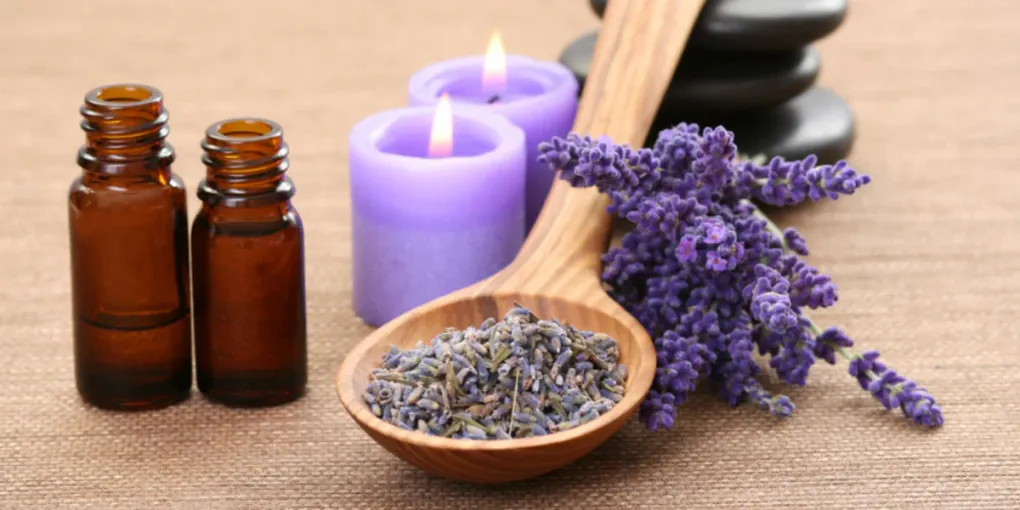
How to Use Essential Oils in the Shower
The shower is one of the few places where the body naturally slows down while the senses wake up at the same time. Warm water, steam, and privacy create a space where scent feels stronger and more immersive. I use this time to reset my mood, ease physical tension, or prepare mentally for the day ahead. Essential oils fit into this space effortlessly when used with intention and care.
Using essential oils in the shower does not require complicated tools or elaborate routines. Small adjustments can turn an ordinary shower into a grounding or energizing ritual. The key is respecting the power of both steam and scent and allowing them to work together without overwhelming the senses.
Why the Shower Is Ideal for Essential Oils
Heat and steam naturally carry aroma through the air. This allows essential oils to disperse gently without the need for diffusers or sprays. I notice that scents feel fuller and more rounded in this environment. Breathing becomes slower and deeper without conscious effort.
The shower also offers consistency. Most people shower daily, which makes it an easy habit to enhance. When essential oils are paired with an existing routine, they become sustainable rather than forgotten.
Safety Comes First in Shower Use
Essential oils should never be applied directly to wet skin without dilution. Warm water opens pores, which can increase sensitivity. I avoid placing oils directly under running water or on slick surfaces. Safety always comes before scent.
I also remain mindful of how steam intensifies aroma. Oils that feel mild in open air can become strong in a closed shower. Using fewer drops than expected helps maintain comfort and control.
Aromatherapy Without Direct Skin Contact
One of the simplest methods involves placing essential oils where steam can gently lift the scent. I add a few drops to a washcloth or shower-safe sponge and hang it away from direct water flow. The aroma releases gradually as steam builds.
This method allows flexibility. I can adjust placement or remove the cloth if the scent feels too strong. It also avoids skin contact entirely, which is helpful for sensitive skin.
Using Shower Steam to Carry Scent
Steam turns the shower into a temporary aromatherapy space. I take advantage of this by placing oils where heat rises. Corners of the shower or shelves work well. The goal is diffusion through air rather than water.
This approach feels subtle yet effective. The scent surrounds rather than hits all at once. That gentleness makes the experience more enjoyable and sustainable.
Morning Showers and Energizing Oils
Morning showers benefit from scents that feel bright and clarifying. I reach for citrus oils or light herbal aromas when I need mental focus. These scents support alertness without feeling harsh. They help bridge the gap between rest and activity.
Using energizing oils in the shower feels more natural than caffeine. The effect comes through breath and awareness. This sets a steady tone for the day ahead.
Evening Showers and Calming Scents
Evening showers create a different atmosphere. I prefer oils that support relaxation and emotional release. Floral or wood-based scents feel especially grounding at night. They help signal that the day is slowing down.
Warm water combined with calming aroma encourages the body to let go. This transition matters for sleep quality. Consistency strengthens the effect over time.
Eucalyptus for Breathing Comfort
Eucalyptus often appears in shower routines because of its fresh, open aroma. I use it sparingly and keep it away from direct skin contact. The scent feels crisp and supportive, especially during seasonal changes.
Inhaling eucalyptus in steam can feel refreshing without being stimulating. Proper ventilation matters to avoid intensity. Moderation keeps the experience comfortable.
Peppermint for Mental Clarity
Peppermint works well in showers when focus or energy feels low. I use very small amounts because steam amplifies its strength. The aroma feels invigorating and cooling. This contrast with warm water wakes the senses gently.
I avoid peppermint in evening showers. Its clarity feels best earlier in the day. Timing matters as much as the oil itself.
Lavender for Balance and Ease
Lavender fits into both morning and evening routines. Its balanced aroma adapts to different needs. I use it when emotional steadiness feels more important than energy or sleep. The scent feels familiar and grounding.
Lavender blends well with steam. It does not dominate the space. This makes it suitable for frequent use.
Citrus Oils for Freshness
Citrus oils bring lightness into the shower. Lemon, orange, or grapefruit feel clean and uplifting. I use them when the day ahead feels heavy or when I need a mood reset. Their brightness pairs well with water.
Citrus scents disperse quickly, which keeps them from lingering too long. This makes them ideal for shorter showers. The effect feels refreshing rather than overwhelming.
Wood Oils for Grounding
Wood-based oils such as cedarwood or sandalwood add depth to shower routines. I prefer them during moments of stress or emotional fatigue. Their aroma feels steady and calming. This supports slower breathing.
These oils blend beautifully with steam. The scent unfolds gradually. That gradual release enhances relaxation.
Combining Oils Thoughtfully
Blending oils in the shower requires restraint. I keep combinations simple and complementary. Too many scents compete and reduce effectiveness. Balance remains the goal.
I usually combine no more than two oils. This keeps the aroma clear. Simplicity preserves intention.
Using Shower Products With Essential Oils
Some people prefer shower gels or soaps containing essential oils. I pay close attention to ingredient quality when using these products. Concentration and purity matter. Not all scented products provide the same experience.
I still avoid direct skin exposure with strong oils. Even in products, moderation matters. The shower environment amplifies everything.
Creating a Consistent Shower Ritual
Consistency helps the body associate scent with certain states. I use similar oils at similar times of day. This builds a predictable sensory cue. Over time, the response becomes automatic.
Rituals do not need to be long. Even brief exposure reinforces the association. Consistency outweighs duration.
Using Breath With Shower Aromas
Breathing deeply enhances the shower aromatherapy experience. I focus on slow inhales through the nose and long exhales. The scent becomes an anchor for breath awareness. This supports relaxation or alertness naturally.
Breath connects aroma to the nervous system. Conscious breathing strengthens the effect. This combination feels intuitive.
Avoiding Slippery Surfaces
Essential oils can make surfaces slippery. I never apply oils directly to the shower floor. Safety remains a priority. One misplaced drop can cause accidents.
Using cloths or designated holders prevents this issue. Thoughtful placement protects both experience and safety. Awareness matters.
Adjusting Intensity Based on Mood
Not every shower needs aromatherapy. I adjust use based on how I feel. Some days require scent, others benefit from simplicity. Listening to the body guides decisions.
Forcing routine reduces enjoyment. Flexibility keeps the practice supportive. Oils remain a choice rather than an obligation.
Seasonal Changes and Shower Oils
Seasonal shifts influence oil preference. Cooler months invite warmer, grounding scents. Warmer months feel better with light and fresh aromas. Adapting keeps routines aligned with the environment.
Seasonal awareness prevents scent fatigue. Rotating oils thoughtfully maintains emotional connection. This keeps rituals engaging.
Using Essential Oils Without Overuse
Overuse dulls the senses. I limit essential oil showers to once per day or less. This preserves sensitivity. Less frequent use often feels more impactful.
Giving the senses a break matters. Natural water and quiet still have value. Oils enhance rather than replace those moments.
Shower Time as Mental Reset
The shower offers mental privacy. Essential oils support that mental reset. Thoughts slow, and awareness shifts inward. This pause benefits emotional clarity.
Using scent intentionally reinforces that boundary. The shower becomes a transition rather than a task. That shift changes the experience.
Respecting Shared Spaces
In shared households, scent sensitivity varies. I remain mindful of others when using oils in the shower. Ventilation matters. Courtesy keeps harmony.
Personal preference should not dominate shared air. Respect supports balance. This awareness keeps aromatherapy enjoyable for everyone.
Keeping Oils Accessible but Safe
I store shower oils in a dry, safe place nearby. Moisture and heat can degrade oils. Proper storage preserves quality. Organization prevents spills.
Accessible storage encourages use. Safe storage prevents accidents. Both matter equally.
Building the Habit Gradually
I introduced essential oils into my shower routine slowly. This allowed me to notice responses clearly. Gradual integration builds confidence. Rushing reduces awareness.
Small changes last longer. Patience supports habit formation. Oils become part of life rather than novelty.
Final Thoughts
How to Use Essential Oils in the Shower is about intention, moderation, and awareness. The combination of water, steam, and scent creates a powerful sensory experience when handled with care. By using essential oils thoughtfully and safely, the shower becomes more than routine hygiene. It becomes a space for reset, balance, and quiet connection with the body.