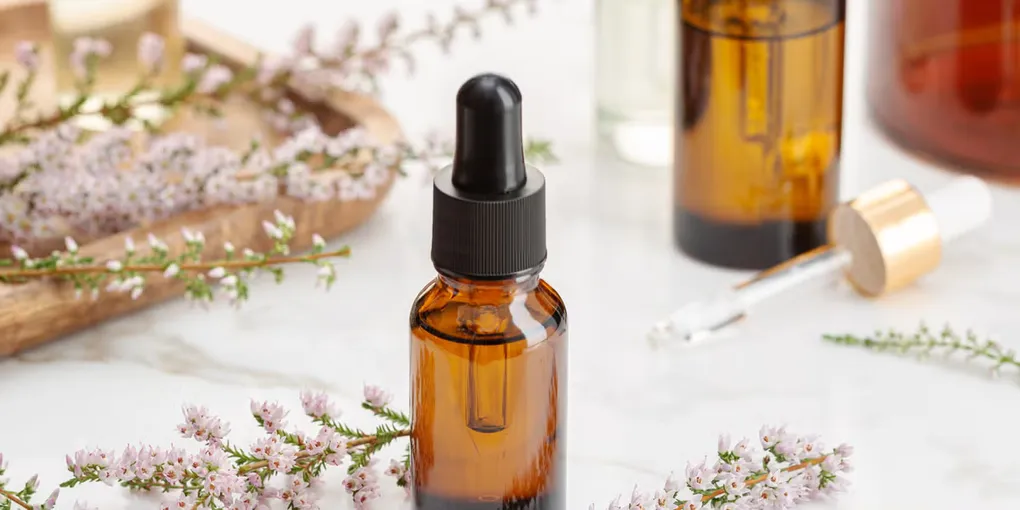
How to Use Essential Oils Safely Around Kids
Bringing essential oils into a home with children changes how I think about safety, simplicity, and intention. Kids experience the world more intensely than adults, and that includes scent, touch, and sensory input. Because of that, I treat essential oils as powerful tools rather than harmless fragrances. My focus stays on gentle use, thoughtful routines, and respecting how children’s bodies respond differently than mine.
Using essential oils safely around kids is not about fear or avoidance. It is about awareness and restraint. With the right approach, essential oils can exist in a family home without overwhelming young systems. Safety becomes part of daily rhythm rather than a separate checklist.
Why Children Require Extra Care With Essential Oils
Children’s bodies are still developing, and that affects how they process substances. Their skin is thinner, their respiratory systems are more sensitive, and their nervous systems react quickly to stimulation. Because essential oils are highly concentrated, even small amounts can have strong effects. I always remind myself that less is not just better, it is necessary.
Kids also cannot always articulate discomfort clearly. A scent that seems mild to me may feel overpowering to them. Paying attention to nonverbal cues like restlessness, coughing, or mood shifts matters. Safety begins with observation rather than assumptions.
Respecting Sensory Sensitivity
Children tend to be far more sensitive to smells than adults. What feels calming to me may feel intense or distracting to them. I keep this in mind whenever oils are present in shared spaces. Gentle exposure matters more than constant scent.
I avoid surrounding children with fragrance throughout the day. Instead, I allow oils to appear briefly and intentionally. This helps prevent sensory overload and gives kids space to regulate naturally.
Dilution Matters More Than Anything
Dilution is one of the most important safety practices when using essential oils around kids. I never apply undiluted essential oils to a child’s skin. Carrier oils help soften the intensity and reduce the risk of irritation. This step is non-negotiable.
Even with dilution, I use very small amounts. A child’s body does not need the same exposure as an adult. Gentle use respects their developing systems and reduces the chance of unwanted reactions.
Skin Application and Patch Awareness
When essential oils touch the skin, awareness becomes essential. I limit application to small areas and avoid sensitive zones such as the face, hands, and feet. Children touch everything, and oils can easily transfer to eyes or mouth. Placement matters.
I also pay attention after application. Redness, itching, or changes in behavior are signals to stop use immediately. Children’s skin communicates quickly, and listening prevents larger issues.
Inhalation and Air Quality
Breathing in essential oils affects children more strongly than adults. I avoid strong or continuous diffusion in shared spaces. Fresh air and ventilation matter just as much as the oils themselves. I prefer brief exposure rather than all-day scenting.
If oils are diffused, I keep it short and subtle. Open windows or airflow help prevent buildup. Clean air should always be the priority in a home with kids.
Oils That Tend to Be Gentler
Some essential oils are generally considered gentler than others. Lavender and chamomile are often associated with calm and softness. I still use them sparingly and pay attention to individual reactions. Gentle does not mean risk-free.
Each child responds differently. What works well for one may not suit another. I stay flexible and avoid assuming universal reactions.
Oils to Be Cautious With Around Kids
Certain essential oils are known to be more stimulating or intense. Strong mints, eucalyptus types, and spicy oils require extra caution. I avoid using them around young children altogether. Their effects can be overwhelming for developing systems.
Even oils commonly used by adults may not be appropriate for kids. Safety means knowing when to skip an oil entirely. Restraint protects more than experimentation ever could.
Avoiding Ingestion Completely
I never allow children to ingest essential oils. Internal use carries significant risk, especially for young bodies. Oils are not food, and even tiny amounts can cause harm. This boundary is clear and firm.
Keeping oils stored securely also matters. Curious hands explore without hesitation. Proper storage prevents accidental exposure and keeps peace of mind intact.
Teaching Kids Respect for Essential Oils
As children grow, education becomes part of safety. I explain that essential oils are special and not toys. Simple language helps them understand boundaries. This builds respect rather than fear.
Involving kids appropriately also empowers them. Letting them smell a bottle briefly or help close a cap teaches awareness. Supervised interaction builds understanding and reduces curiosity-driven accidents.
Using Oils in Family Routines
Essential oils can fit into family routines without dominating them. I use them occasionally during calm moments such as bedtime or quiet time. Predictability helps kids feel secure. Oils become part of a familiar rhythm rather than constant stimulation.
Keeping routines simple reduces confusion. Kids thrive on consistency, and oils should support that rather than disrupt it. Less variety often works better.
Emotional Support Without Overstimulation
Children experience big emotions, and it can be tempting to reach for oils to soothe every moment. I resist that urge. Kids benefit from learning emotional regulation without constant sensory input. Oils should support, not replace, emotional growth.
When oils are used for emotional comfort, I keep them subtle. A gentle aroma nearby can support calm without overwhelming feelings. Balance remains the goal.
Essential Oils During Rest and Sleep
Sleep environments require extra care. I avoid strong scents in bedrooms. Children’s sleep depends on clean air and consistency. Oils, if used at all, appear briefly before bedtime rather than throughout the night.
Lingering fragrance can disrupt sleep patterns. I focus on creating a calm atmosphere first, with oils as a minor addition. Rest always comes before aroma.
Bath Time and Essential Oils
Bath time is another area where caution matters. I never add essential oils directly to bathwater. Oils must always be properly diluted and used sparingly. Slippery surfaces and sensitive skin increase risk.
I also watch for behavioral changes during baths. If a child seems uncomfortable or overstimulated, oils are removed from the routine. Comfort and safety guide every decision.
Cleaning Products and Hidden Exposure
Essential oils often appear in homemade cleaning products. While natural, they are still potent. I use mild concentrations and ensure spaces are well ventilated. Kids spend time on floors and surfaces more than adults realize.
Wiping surfaces thoroughly and allowing them to dry reduces exposure. Safety includes considering where kids play, crawl, and rest. Clean should never mean overwhelming.
Less Frequency, More Awareness
Using essential oils around kids does not need to be frequent to be effective. Occasional, intentional use works better than constant exposure. Children’s systems respond quickly, and repetition can overwhelm. Less truly is more.
Awareness builds confidence. Knowing when to pause or stop use matters more than following routines rigidly. Flexibility supports safety.
Watching for Behavioral Signals
Children often communicate discomfort through behavior rather than words. Restlessness, irritability, coughing, or withdrawal can signal sensory overload. I take these signs seriously. Removing the oil is the first step.
Trusting observation prevents issues from escalating. Kids depend on adults to interpret signals. Attention keeps them safe.
Individual Differences Between Children
No two children respond the same way. Age, temperament, and sensitivity all matter. What works for one child may not work for another. I avoid comparing responses or assuming patterns.
This individuality reinforces the need for cautious experimentation. Oils are optional tools, not necessities. Respecting differences protects emotional and physical well-being.
Storage and Handling Safety
Proper storage is essential in homes with kids. I keep oils out of reach and securely closed. Labels matter, especially when bottles look similar. Organization prevents accidents.
Handling oils responsibly also sets an example. Children learn by watching. Calm, careful use teaches respect and safety naturally.
Essential Oils as Optional, Not Essential
Despite the name, essential oils are not required for a healthy home. I remind myself of this often. Kids thrive on connection, routine, and safety more than scent. Oils should never feel necessary.
Letting go of pressure creates healthier habits. Oils support well-being when used wisely, not constantly. That perspective keeps priorities clear.
Listening to Professional Guidance
When uncertainty arises, professional guidance matters. Pediatric health perspectives help inform decisions. Essential oils are not substitutes for medical advice. I keep that boundary clear.
Being informed builds confidence. Safety grows from education rather than assumptions. Responsible use benefits everyone in the home.
Creating a Calm, Safe Environment Overall
Essential oils are only one piece of a larger environment. Clean air, predictable routines, and emotional security matter more. Oils should enhance, not distract from, those foundations. Simplicity keeps the home balanced.
Children respond to atmosphere more than aroma. Safety begins with calm spaces and attentive care. Oils remain secondary to that goal.
Final Thoughts
How to Use Essential Oils Safely Around Kids comes down to intention, restraint, and observation. Essential oils are powerful and deserve respect, especially in homes with children. By using them sparingly, staying aware of individual responses, and prioritizing safety over habit, they can exist peacefully in family life. When care leads every decision, essential oils remain supportive rather than risky.