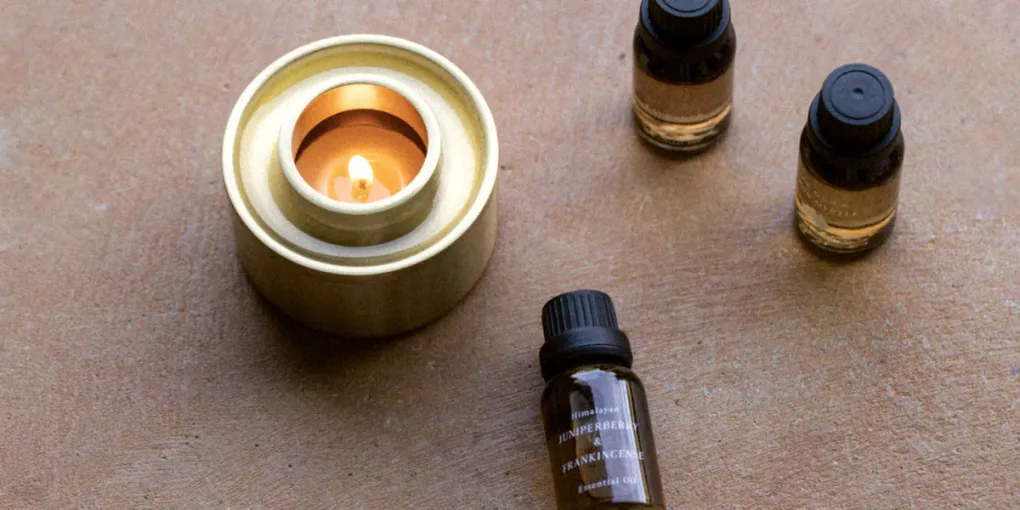
How to Use Essential Oils Without a Diffuser
Essential oils fit into daily life more easily than many people expect, even without a diffuser. I often rely on simple, low-effort methods that do not require plugs, water, or special equipment. These approaches feel more personal and flexible, especially when moving between rooms or leaving the house. Using essential oils this way turns them into practical companions rather than stationary tools.
A diffuser can be helpful, but it is far from the only option. Essential oils were used long before modern devices existed, and many of those traditional methods still work beautifully today. Applying oils with intention allows scent to support mood, focus, or relaxation wherever life happens. What matters most is how the oils are used, not the tools involved.
Using Essential Oils Through Direct Inhalation
Direct inhalation remains one of the simplest ways to experience essential oils. I place a drop or two on a cotton pad or tissue and inhale slowly when I need a moment of clarity or calm. This method delivers scent quickly without filling an entire room. It works well during busy days or stressful situations.
Breathing deeply while inhaling the aroma enhances the effect. The scent feels more intentional when paired with steady breathing. This method allows full control over intensity and duration. Once the scent fades, it is easy to refresh or set it aside.
Essential Oil Rollers for Daily Use
Roller bottles offer a convenient way to apply essential oils without a diffuser. I dilute oils with a carrier oil and apply them to pulse points such as wrists or the back of the neck. This approach allows scent to stay close without overwhelming the senses. It also adds a grounding physical element.
Using rollers encourages mindful pauses throughout the day. The act of application becomes a small ritual rather than a rushed habit. Rollers travel easily and work well outside the home. This method supports consistency and flexibility.
Applying Essential Oils to Fabric and Textiles
Fabric holds scent gently, making it useful for essential oil application. I add a drop to a scarf, pillowcase, or blanket to enjoy a soft aroma. This approach creates a comforting environment without filling the air. It works especially well during rest or quiet time.
Care matters when using oils on fabric. I avoid delicate materials and use minimal amounts. Allowing the oil to dry prevents staining. This method provides subtle, long-lasting scent without equipment.
Using Essential Oils in the Shower
Steam naturally disperses essential oils, making the shower an effective alternative to diffusers. I add a few drops to a damp washcloth placed near the shower stream. The warmth releases the aroma gradually. This creates an immersive experience with minimal effort.
Shower use works well for morning energy or evening relaxation. The scent rises with the steam and fades naturally afterward. This method requires no extra setup. It turns a daily routine into a sensory reset.
Essential Oils in Personal Care Products
Personal care routines offer many opportunities to use essential oils. I mix them into unscented lotions, body oils, or hair products. This allows scent to stay close throughout the day. The aroma becomes part of everyday self-care.
Using oils this way encourages slower, more mindful application. Each step feels intentional rather than automatic. This method works well for people sensitive to airborne scent. It also avoids overwhelming shared spaces.
Creating Scented Cotton Pads for Small Spaces
Cotton pads work well for scenting small areas. I place a few drops of essential oil on a pad and tuck it into drawers, closets, or bags. This creates a gentle aroma without spreading throughout the room. It works especially well in personal spaces.
This method offers quiet consistency. The scent remains noticeable but never overpowering. Pads can be refreshed or replaced easily. This flexibility makes it ideal for everyday use.
Using Essential Oils on Hands and Feet
Hands and feet provide effective points for essential oil application. I apply diluted oils and take time to massage them in slowly. The warmth of the skin helps release aroma naturally. This method combines scent with touch.
Foot application works well in the evening. Hands are useful during moments of stress or focus. These points allow scent to linger gently. The experience feels grounding and personal.
Essential Oils on Shower Walls and Tiles
Applying oils to shower walls offers another diffuser-free option. I add a few drops to the wall away from direct water flow. Steam activates the aroma during the shower. This creates a spa-like effect without equipment.
The scent remains contained within the bathroom. It fades naturally after use. This method works best with oils that respond well to warmth. It keeps scent controlled and intentional.
Using Essential Oils With Warm Compresses
Warm compresses allow essential oils to support relaxation physically and emotionally. I add diluted oil to a cloth soaked in warm water and apply it to tense areas. The warmth releases aroma gently. This method feels nurturing and calming.
Compresses work well during rest or recovery time. They combine scent, heat, and touch. This layered experience supports deeper relaxation. No diffuser is needed for this effect.
Essential Oils in Jewelry and Wearables
Aromatherapy jewelry offers a subtle way to use essential oils. I add a drop to porous materials like lava stones or felt inserts. The scent stays close and releases slowly throughout the day. This method works well for personal use.
Jewelry keeps aroma contained. It avoids affecting others nearby. This option feels discreet and intentional. It supports focus or calm wherever I go.
Using Essential Oils With Household Items
Household items provide creative alternatives to diffusers. I place oils on cotton balls inside vents, trash bins, or vacuum filters. This allows scent to disperse naturally during use. The aroma stays light and unobtrusive.
This approach integrates oils into daily tasks. It avoids extra steps or equipment. The scent appears naturally during movement. This keeps essential oils part of everyday life.
Essential Oils in Bedtime Routines Without Diffusers
Nighttime routines benefit from gentle scent. I apply diluted oils to bedding edges or pajamas. This keeps aroma close and comforting. It avoids filling the entire room.
This method supports rest without overstimulation. The scent fades gradually through the night. It creates a consistent cue for sleep. Over time, this association becomes deeply calming.
Supporting Focus Without Airborne Scent
Some situations call for minimal scent in the air. I rely on inhalers or personal application during work or study. This keeps focus sharp without affecting others. The scent remains personal and controlled.
This method works well in shared environments. It supports clarity without distraction. Oils become quiet tools rather than background noise. This balance supports sustained focus.
Essential Oils in Travel and On-the-Go Situations
Travel often limits access to diffusers. Rollers, inhalers, and cotton pads offer reliable alternatives. I keep small essentials easily accessible. These methods support comfort away from home.
Using oils during travel adds familiarity. Familiar scents ease stress and support rest. These methods require minimal space. Essential oils remain practical companions anywhere.
Avoiding Common Mistakes Without a Diffuser
Using too much oil becomes more noticeable without diffusion. Moderation matters. A single drop often works better than several. Subtlety keeps scent pleasant.
Surface sensitivity also matters. Oils can damage certain materials. Testing first prevents issues. Careful use keeps routines enjoyable and safe.
Making Essential Oils Part of Everyday Life
Consistency matters more than equipment. Using oils in simple, repeatable ways builds routine. These habits feel natural rather than forced. Oils blend into daily life smoothly.
Pairing scent with intentional moments strengthens effect. Breathing, touch, or stillness enhances use. These combinations support emotional balance. Oils become part of self-care rather than accessories.
Adapting Methods to Personal Preference
Personal comfort guides essential oil use. Some methods feel better than others. Adjusting approach keeps experience positive. Listening to response matters.
Flexibility allows oils to support changing needs. What works one day may change another. This adaptability keeps routines fresh. Essential oils remain supportive without pressure.
Final Thoughts
How to use essential oils without a diffuser comes down to creativity and intention. Oils work through many pathways beyond airborne mist. Simple methods often feel more personal and controlled. These approaches keep oils accessible anywhere.
Equipment does not define effectiveness. What matters is how scent supports daily rhythms. Used thoughtfully, essential oils integrate naturally into life. Without a diffuser, their benefits remain just as present and meaningful.