
Jojoba oil is a liquid wax ester extracted from the seeds of the jojoba plant, not a true oil, making it an excellent base often referred to as a carrier oil. Its molecular structure closely mimics human sebum, making it highly stable, deeply moisturizing, and easily absorbed by the skin without clogging pores. This unique composition allows it to balance oil production, soothe irritation, support skin barrier repair, and deliver nutrients effectively.
Table of Contents
The Jojoba Origin
Jojoba’s unique properties come from its origin in nature. It is not a true oil but a liquid wax produced by the seeds of the jojoba plant. Unlike common seed oils such as sunflower or olive, which are made of triglycerides, jojoba is made mainly of long-chain wax esters.
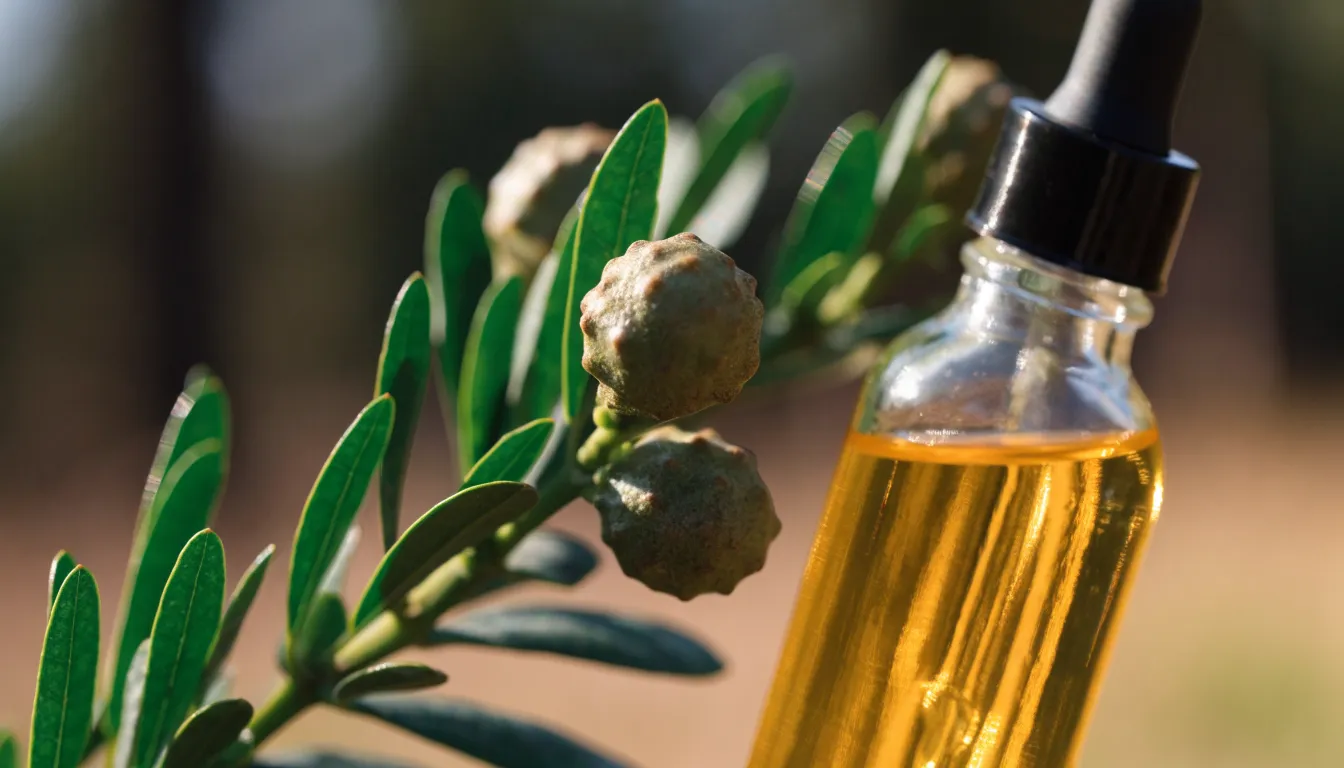
This molecular structure gives jojoba excellent stability. It does not easily break down when exposed to air or light, so it lasts a long time without synthetic preservatives. Its shelf life is long, and the product stays effective for extended periods.
Because its wax esters closely resemble human sebum, jojoba is easily recognized and absorbed by the skin. It provides deep moisture and helps balance the skin without clogging pores or leaving a greasy film. This makes it especially effective for skin health in ways that traditional oils often cannot match, unlike some essential oils that can irritate skin.
Liquid Sebum Twin
Jojoba oil is unique because its molecular structure closely resembles human sebum, the skin’s natural oil. While most plant oils are different, jojoba is actually a liquid wax ester, just like sebum. Because of this similarity, the skin treats jojoba as a familiar substance rather than something foreign. This allows it to interact smoothly with the skin’s natural processes.
When applied, jojoba oil easily blends into the skin’s existing lipid barrier. Unlike heavier oils that sit on the surface, it is quickly recognized and absorbed by the outer layer of skin. This means its beneficial compounds can reach deeper layers without clogging pores. This easy absorption is why jojoba is considered non-comedogenic.
The skin’s sebaceous glands constantly check oil levels on the surface and adjust production as needed. When jojoba oil is present, it mimics natural sebum and makes the glands think the skin is already well lubricated. As a result, the glands slow down their own oil production. Over time, this helps reduce excess oil, lessen shine, and keep pores from looking congested, leading to a healthier, more balanced complexion.
Non Comedogenic Moisture
Jojoba oil is an standout moisturizer because it won’t clog pores. It has a zero comedogenic rating, meaning it doesn’t block pores, which helps keep skin clear and healthy. Its molecular structure is very similar to the skin’s natural oil, so it blends easily into the skin’s barrier and hydrates deeply without feeling heavy or greasy.
Because it doesn’t seal off the skin, jojoba oil lets skin breathe naturally. This helps prevent the buildup of dead skin cells, excess oil, and dirt that can lead to blackheads, whiteheads, and other blemishes. It also means bacteria are less likely to get trapped in pores, lowering the risk of inflammatory breakouts.
As a result, jojoba oil works well for all skin types, including oily, sensitive, and acne-prone skin. It provides balanced moisture without congestion, keeping skin hydrated, comfortable, and healthy.
Blemish Control Basics
Jojoba oil helps manage blemishes in a gentle way by calming acne redness and soothing irritated skin. Its natural anti-inflammatory compounds work directly on active breakouts, reducing the redness and making blemishes less noticeable while helping the skin look more even.
It also has antimicrobial properties that target bacteria involved in acne. By limiting their growth, jojoba oil helps keep the skin’s surface balanced and supports a cleaner healing environment for breakouts.
Because jojoba oil closely resembles the skin’s own sebum, it absorbs well without clogging pores. It supports the skin’s natural barrier, helping existing blemishes heal calmly and reducing the chance of new ones forming.
Youthful Skin Support
Jojoba oil helps keep skin youthful by smoothing fine lines and improving elasticity. It contains vitamins E and B-complex, plus antioxidants, which protect skin from environmental damage that causes premature aging.
Vitamin E works as an antioxidant to neutralize free radicals that harm skin cells and speed up wrinkles and loss of firmness. This helps preserve the skin’s structure and keeps it looking smooth. The B-complex vitamins, like B5 and B7, support healthy skin cell renewal and strengthen the skin barrier, which locks in moisture and keeps irritants out.
The antioxidants in jojoba oil also help boost collagen retention. Collagen is the main protein that keeps skin firm and springy, but its production drops with age. By supporting collagen, jojoba oil helps reduce existing fine lines, prevent new ones, and leave skin feeling plump, resilient, and smooth.
Skin Barrier Repair
Jojoba oil helps repair the skin’s protective barrier. Its composition is very similar to human sebum, so it blends easily with the skin and strengthens the stratum corneum, the outermost layer. Rather than sitting on top, it reinforces this shield by forming a light, non-comedogenic seal that protects without clogging pores.
This seal has two key jobs. First, it acts as a shield against everyday pollutants like dust and airborne irritants. By keeping these particles out, it helps prevent oxidative stress and inflammation inside the skin.
Second, it locks in moisture. When the barrier is damaged, skin loses water, leading to dryness and weakness. Jojoba oil reduces that water loss while still letting the skin breathe, keeping cells hydrated and healthy. This supports skin regeneration and helps all skin types stay resilient, without any greasy feeling.
Oil Production Reset
Jojoba oil helps with oily skin by working with the skin’s natural biology. Its structure is very similar to human sebum, so the skin accepts it easily.
When applied, the sebaceous glands sense that enough oil is already on the skin. This signals them to slow down their own oil production. In simple terms, jojoba oil gently “tricks” the skin into feeling balanced.
With regular use, the glands become less overactive. This reduces excess grease and daytime shine. Unlike harsh products that strip oil and cause more production, jojoba oil encourages a healthier, more regulated oil balance.
Irritation Relief Formula
Jojoba oil works as a natural irritation relief formula, especially for eczema flare-ups and dry patches. Its power comes from wax esters that closely resemble the skin’s own sebum, so the skin recognizes and absorbs it easily. This allows for deep, gentle soothing that starts quickly and lasts.
Once applied, these wax esters form a thin, non-greasy layer on the skin. This barrier locks in moisture, preventing the dryness that makes eczema worse, while also blocking outside irritants that can trigger itching. As a result, the urge to scratch fades, and the skin feels calmer and more comfortable.
Over time, jojoba oil helps repair and strengthen the skin’s natural barrier. By mimicking healthy lipids, it improves resilience, reduces future flare-ups, and restores softness and smoothness. This supports the skin’s overall healing and keeps it balanced and comfortable.
Natural Makeup Eraser
Jojoba oil offers a remarkably gentle yet powerful way to remove even the most stubborn, waterproof makeup. Its natural composition closely mimics the skin’s own sebum, making it ideal for the “like dissolves like” cleansing method.
Since long-wear makeup relies on oil-based ingredients to stay put, jojoba’s wax esters easily bind with the oils and waxes in foundations and mascaras. A gentle massage allows the oil to lift pigments and binders from the skin and pores, removing them without the harsh scrubbing that water-based cleansers often require.
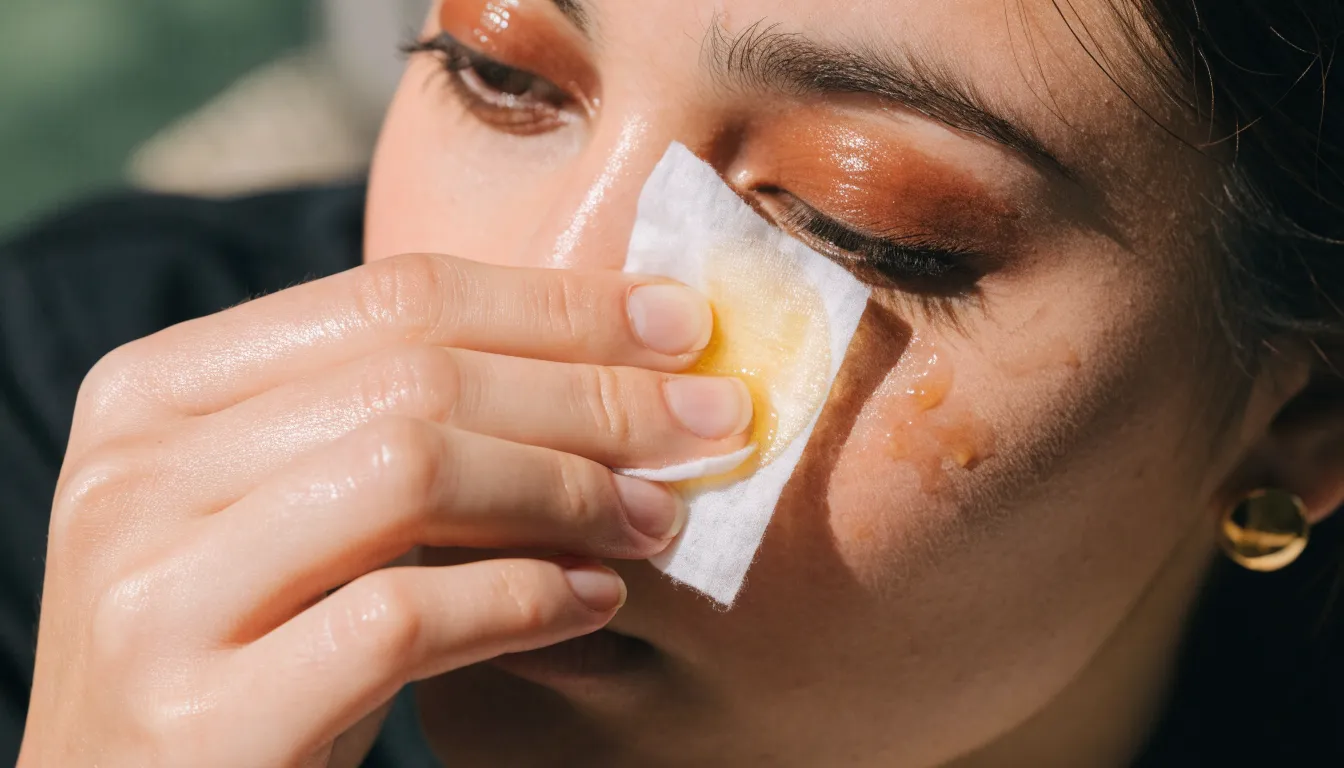
Unlike traditional removers, jojoba oil breaks down makeup without stripping the skin’s protective lipids. Instead, it cleanses thoroughly while keeping the skin soft, hydrated, and clean, preserving the natural moisture barrier and preventing any tight, dry feeling after removal.
Hair Follicle Unclogger
The Problem: Over time, the skin’s natural oil, called sebum, can harden and pile up around hair roots. This buildup blocks the hair follicle openings, trapping bacteria and causing inflammation. As a result, hair struggles to grow out properly, which leads to weaker strands, thinning hair, and increased shedding.
How Jojoba Works: Jojoba oil has a special molecular structure that is very similar to our own skin oil. Because of this, it can sink deep into the hardened sebum instead of just sitting on top. It works gently to break down and dissolve the waxy plugs that are clogging the roots, effectively clearing the path for each hair to grow without any obstacles.
The Result: Once the follicles are clear, hair can emerge stronger and healthier with normal, unblocked growth. With less sebum buildup, there is also less of a breeding ground for bacteria, which significantly reduces scalp inflammation. This creates the perfect environment for a fuller head of hair, allowing for thicker and more resilient strands to sprout from roots that are free to breathe and thrive.
Split End Eraser
Jojoba oil closely resembles the scalp’s natural sebum, so it can easily blend with the hair. When applied, just a few drops work to seal damaged cuticles. Healthy cuticles lie flat, but heat styling and chemical treatments lift them, causing rough texture and split ends. The oil acts like a glue to press these cuticles back down, creating a smoother hair shaft right away.
This sealing action is especially useful for protecting against heat from straighteners, curling irons, and blow dryers. The oil forms a light, breathable coat around each strand, buffering it from high temperatures that usually strip moisture and weaken the hair. By keeping cuticles intact, jojoba oil reduces the chances of new split ends forming while also helping to repair existing damage.

Beyond protection, jojoba oil restores flexibility and shine to brittle, dry ends. It sinks into the hair shaft to hydrate deeply without feeling greasy. This moisture rebuilds the hair’s internal structure, giving it back its natural bounce and resistance to breakage. With sealed cuticles and proper moisture, light reflects more evenly off the hair, boosting shine. Regular use turns dry, fragile ends into healthier strands and visibly erases damage.
Beard Care Solution
Jojoba oil is a great all-around beard care solution because it works on both the beard hair and the skin underneath. Its structure is very close to the natural oil human skin produces, so it absorbs easily without feeling greasy. It sinks deep into coarse beard hairs, softening them from the inside out, making stiff whiskers more pliable and manageable while reducing frizz.

The oil also helps the skin beneath the beard, which is often dry and irritated because it doesn’t get enough air or moisture. Jojoba oil hydrates this area and creates a protective barrier, preventing moisture loss. This helps stop beard dandruff and keeps the skin balanced and comfortable.
Jojoba oil also has anti-inflammatory properties that calm irritated skin and reduce the itching that often comes with growing or wearing a beard. Using it daily keeps both the beard and the skin below it hydrated, healthy, and free from common beard problems.
Nail Bed Restorer
Jojoba oil is a great restorative treatment for nail beds and cuticles. Its structure is similar to human skin’s natural oils, so it absorbs deeply and adds moisture without feeling greasy. This makes it especially helpful for dry, cracked cuticles that cause discomfort.
Massaging jojoba oil into the cuticles regularly conditions the skin deeply. It softens rough patches, repairs small cracks, and restores the skin’s natural moisture barrier around the nails. This soothes existing soreness and helps prevent future cracking, peeling, and dryness, leaving cuticles soft and healthy. It also improves elasticity, so the skin resists everyday damage better.
Jojoba oil also helps strengthen brittle nails. Nails that chip or split often lack moisture and nutrients inside. The oil can penetrate the nail and reach the nail matrix, where growth begins, delivering lipids and vitamins to that source. This strengthens the nail from within, supporting stronger, more flexible nails that break less often. With regular use, nails become more resilient, healthier, and less fragile over time.
Ultimate Carrier Oil
Jojoba oil is an excellent carrier oil for essential oils because it is very stable. It is actually a liquid wax, not a typical oil, so it does not go rancid quickly. This means blends made with jojoba oil stay fresh and effective for a long time, protecting the delicate compounds in essential oils.
Its scent is very mild and barely noticeable. This allows the natural fragrance of the essential oils to come through clearly without being changed or overpowered. Jojoba oil simply carries the essential oils well, preserving their aroma and therapeutic qualities in every use.
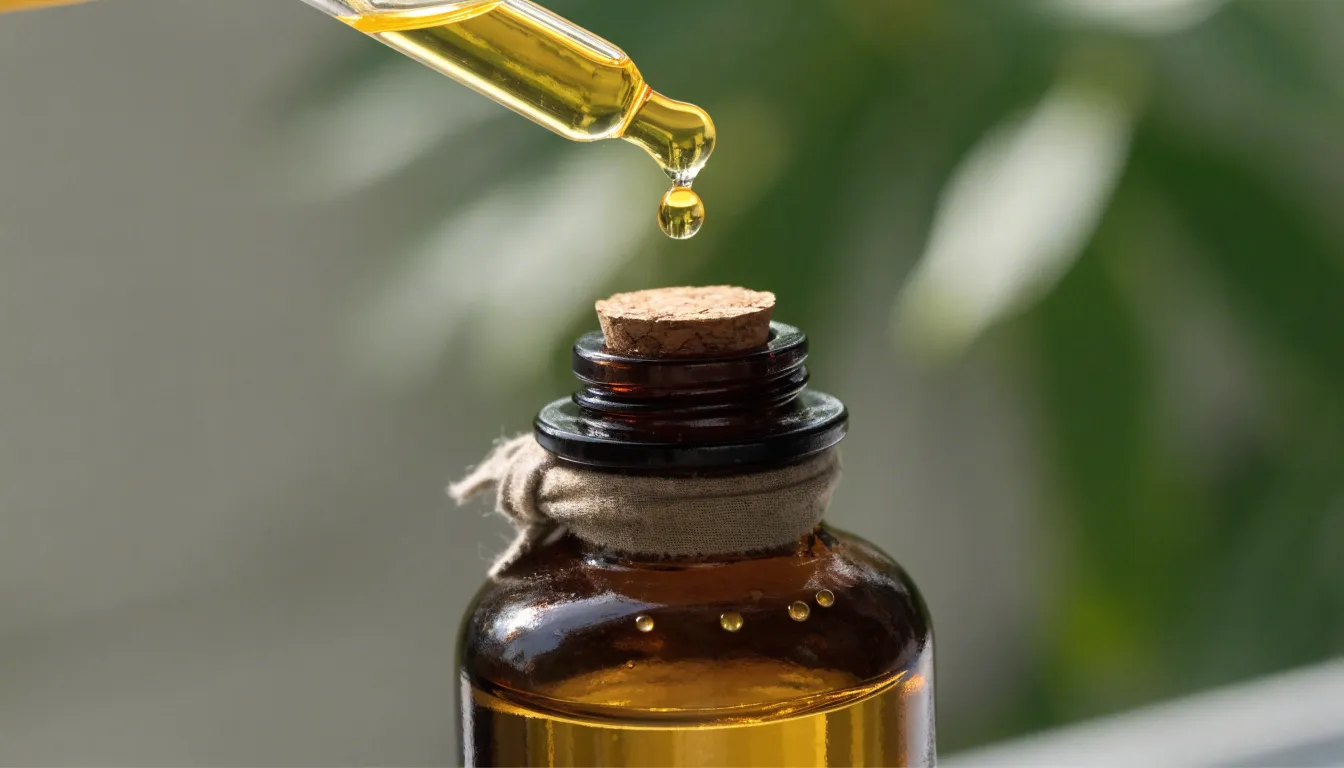
It also has a light texture and does not clog pores. It absorbs easily into the skin without leaving a greasy feeling. These qualities make jojoba oil a safe, effective base for diluting concentrated essential oils and applying them to the skin.
Frequently Asked Questions
What exactly is jojoba oil, and how is it different from other oils?
Jojoba is not a true oil but a liquid wax produced by the seeds of the jojoba plant. Unlike common seed oils made of triglycerides, jojoba is mainly composed of long-chain wax esters. This molecular structure gives it excellent stability, allowing it to last a long time without synthetic preservatives.
Can jojoba oil help with oily or acne-prone skin?
Yes, jojoba oil is beneficial for oily and acne-prone skin because its molecular structure mimics human sebum, tricking sebaceous glands into slowing down their own oil production. It is non-comedogenic, meaning it won’t clog pores, and its anti-inflammatory and antimicrobial properties help calm blemishes and prevent new ones.
Is jojoba oil good for removing makeup?
Yes, jojoba oil is effective for removing stubborn, waterproof makeup. Its wax esters easily bind with the oils and waxes in foundations and mascaras, lifting pigments and binders from the skin and pores without harsh scrubbing. It cleanses thoroughly while keeping the skin soft and hydrated.
How does jojoba oil support youthful skin?
Jojoba oil smooths fine lines and improves elasticity. It contains vitamins E and B-complex, plus antioxidants, which protect skin from environmental damage, support healthy skin cell renewal, and help boost collagen retention. This helps preserve the skin’s structure and leaves it feeling plump and resilient.
Can jojoba oil be used for hair?
Yes, jojoba oil can be used for hair by sinking deep into hardened sebum to unclog hair follicles, promoting stronger growth and reducing scalp inflammation. It also helps seal damaged cuticles to reduce split ends, protect against heat, and restore flexibility and shine to brittle hair.
Why is jojoba oil considered a good carrier oil for essential oils?
Jojoba oil is an excellent carrier oil because it is very stable and does not go rancid quickly, preserving the delicate compounds in essential oils. Its scent is mild, allowing the natural fragrance of essential oils to come through clearly. It also has a light texture and absorbs easily into the skin without clogging pores.