
Marula oil benefits the face by deeply hydrating, strengthening the skin barrier, and balancing oil production with its rich fatty acid profile. It provides antioxidant protection against environmental damage with vitamins E and C, soothes sensitive skin, reduces fine lines, and offers antimicrobial properties to brighten and clarify the complexion.
Table of Contents
- Unlocking Marula Oil
- Essential Fatty Acid Profile
- Antioxidant Protection Factor
- Lightweight Texture Benefits
- Soothing Sensitive Skin
- Strengthening the Skin Barrier
- Balancing Oil Production
- Brightening Dull Complexions
- Reducing Fine Lines
- Antimicrobial Properties Explained
- Mixing with Other Products
- Ideal Application Techniques
- Comparing Marula to Argan Oil
Unlocking Marula Oil
Marula oil comes from the nuts of the Sclerocarya birrea tree, native to Southern Africa. The nuts are cold-pressed to produce a pure, potent oil that is packed with beneficial compounds. Its traditional harvesting and processing methods help preserve its quality, making it a standout natural skincare ingredient, and understanding why quality matters more than brand names can enhance your skincare choices.
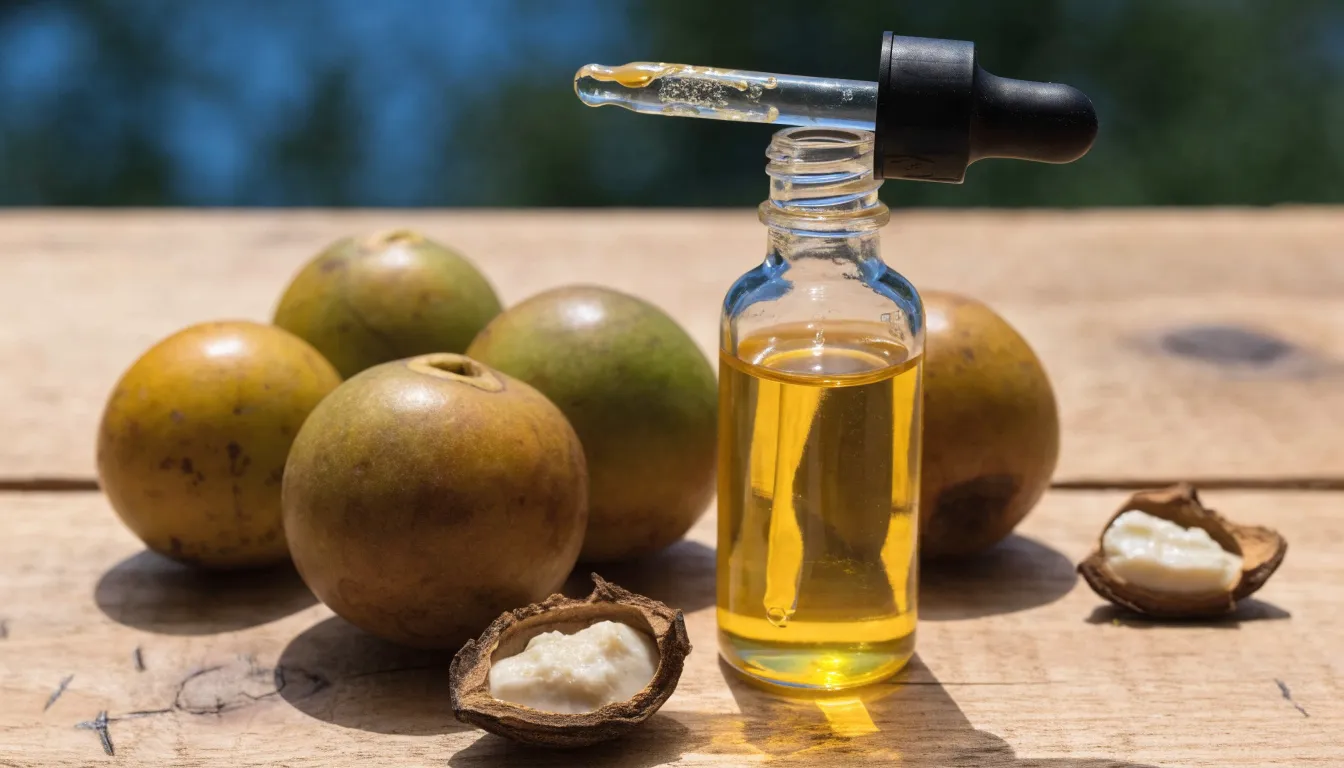
The oil is rich in antioxidants, including vitamins E and C, flavonoids, and phenolic compounds. These work together to protect skin from pollution and UV damage, fight oxidative stress, and help maintain collagen. This supports skin strength and keeps a youthful, healthy glow.
Marula oil also has a balanced fatty acid profile. Oleic acid, an omega-9 fatty acid, easily penetrates the skin’s surface, acting as an emollient, and you can learn more about its role and other oils in a simple guide to carrier oils. Linoleic acid, an omega-6 fatty acid, helps keep the barrier healthy and reduces moisture loss. Despite being nourishing, it feels light and non-greasy, making it suitable for all skin types, including sensitive and acne-prone skin.
Essential Fatty Acid Profile
Marula oil’s ability to deeply hydrate without clogging pores comes from its unique fatty acid profile. It is rich in both oleic and linoleic acids, which work together to nourish the deeper layers of the skin.
Oleic acid, an omega-9 fatty acid, easily penetrates the skin’s surface. It acts as an emollient, helping to restore and maintain the skin’s natural moisture barrier. This locks in hydration and leaves the skin smooth, supple, and nourished from within.
Linoleic acid, an omega-6 fatty acid, supports healthy skin by helping form ceramides, which strengthen the skin’s protective barrier. It is lightweight, easily absorbed, and non-comedogenic, so it won’t block pores. Together with oleic acid, it provides lasting hydration while allowing the skin to breathe and helping to prevent breakouts.
Antioxidant Protection Factor
Marula oil gives your facial skin a strong antioxidant shield, protecting it from daily environmental stress. Sun exposure and urban pollutants can trigger free radicals—unstable molecules that damage skin cells and cause premature aging, such as fine lines, wrinkles, and dullness. Marula oil helps defend against this constant attack.
It is rich in vitamin C, vitamin E, and flavonoids. Vitamin C neutralizes free radicals, helping protect collagen and elastin that keep skin firm and elastic. Vitamin E works as a fat-soluble antioxidant, guarding cell membranes and stopping free-radical chain reactions that can harm skin cells.
The flavonoids in marula oil also act as powerful free-radical scavengers, seeking out and neutralizing damaging molecules. Together, these antioxidants form a complete defense system against UV damage and pollution, helping your skin stay healthy, resilient, and youthful-looking. Regular use of marula oil supports your skin’s ability to resist and recover from environmental harm, promoting a radiant complexion.
Lightweight Texture Benefits
Marula oil is naturally lightweight, so it feels delicate and non-greasy on the skin. Unlike heavier oils, it doesn’t leave a sticky film or residue. Instead, it sinks in almost instantly, making it perfect for daily use.
Because it absorbs so quickly, it fits easily into a busy morning routine. After cleansing and toning, a few drops can be massaged into the face, and within moments the skin feels soft and ready. This fast absorption means makeup like foundation or tinted moisturizer goes on smoothly without pilling or heaviness.

It also layers well under sunscreen. The oil delivers antioxidants and hydration without creating a thick barrier that could reduce sun protection. So marula oil works as a clean, effective base for both SPF and makeup, keeping the skin nourished and protected all day.
Soothing Sensitive Skin
Marula oil is a gentle but powerful way to For rosacea-prone skin or skin stressed by environmental factors, marula oil offers comfort and repair, making it especially important to know how to patch test essential oils properly before full application. Its natural anti-inflammatory compounds—including antioxidants and beneficial fatty acids—work together to reduce inflammation at the cellular level and tackle the root causes of discomfort, without harsh synthetic ingredients that can make sensitivity worse.
For rosacea-prone skin or skin stressed by environmental factors, marula oil offers comfort and repair. It helps strengthen the skin’s natural barrier, reducing hypersensitivity and promoting a calmer, more even tone. Its lightweight molecules absorb deeply without feeling heavy or clogging pores, so the skin gets intensive care while staying clear.
Used regularly, marula oil supports a healthier skin environment through purely botanical means. It can turn easily irritated, reactive skin into a more resilient, comfortable, and visibly calmer complexion, creating lasting relief and a more balanced, less inflamed appearance.
Strengthening the Skin Barrier
Marula oil strengthens the skin’s natural barrier by replenishing lost lipids, locking in essential moisture, and blocking out environmental pollutants. This barrier, known as the stratum corneum, is the body’s first line of defense; when it is compromised, skin becomes dry, sensitive, and more prone to damage.
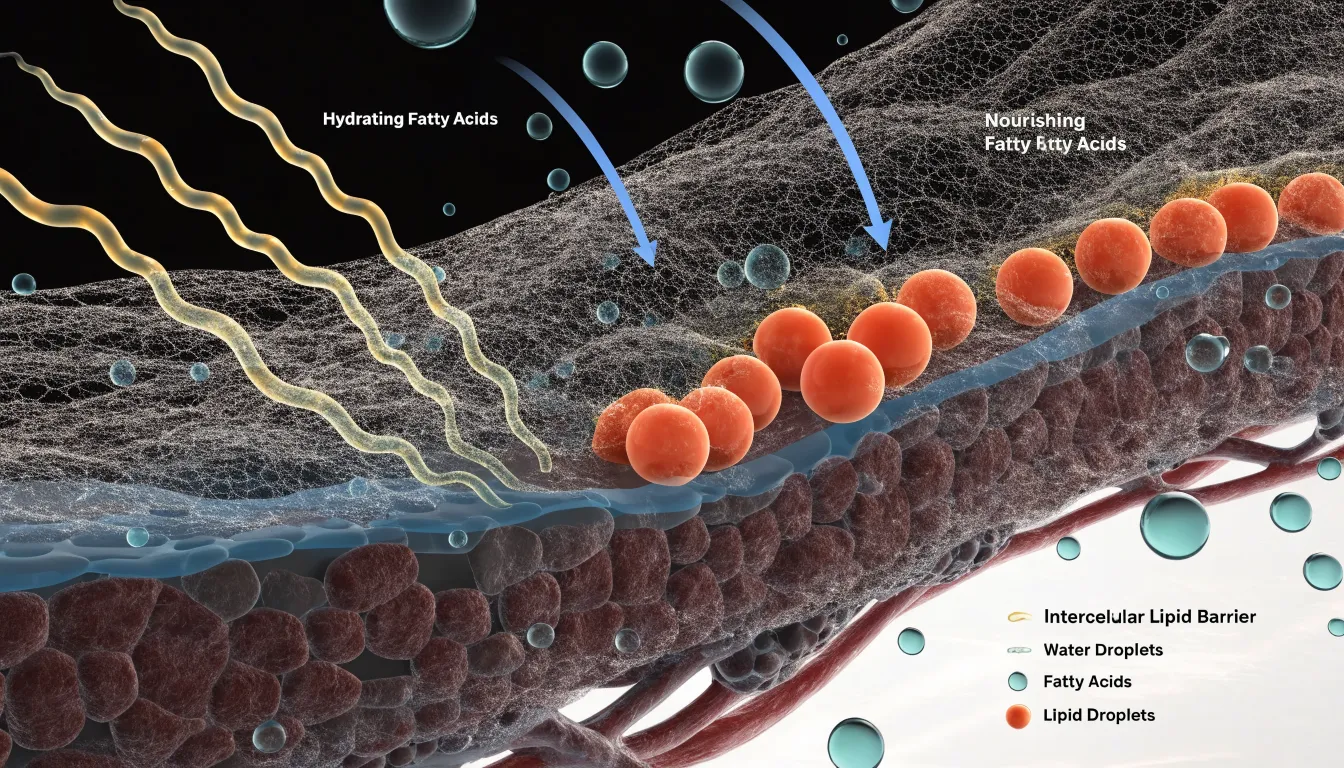
Its rich composition of oleic and linoleic acids closely mirrors the skin’s own fats, allowing it to fill in microscopic gaps in the barrier. This process significantly reduces water loss by forming a breathable, protective layer that traps hydration inside skin cells, keeping the complexion supple and plump.
Beyond retaining moisture, this reinforced barrier acts as a shield against harsh weather, chemical irritants, and microscopic pollutants that cause inflammation and oxidative stress. With regular use, marula oil maintains the integrity of this protective layer, leading to more resilient, healthier-looking skin that is better equipped to withstand daily environmental challenges.
Balancing Oil Production
Marula oil helps manage overactive sebaceous glands, which are a major cause of acne-prone skin. When the skin makes too much sebum, pores can clog and breakouts can form. Many people think applying oil to oily skin makes things worse, but certain plant oils actually do the opposite, and you can explore more options among the top carrier oils to use with essential oils.
The skin has its own feedback system. When it senses beneficial, non-comedogenic oil on its surface, it gets a signal to slow down its own oil production. Marula oil is rich in oleic and linoleic fatty acids, so applying it regularly tells the sebaceous glands that enough oil is present. Over time, this helps regulate and normalize sebum output, preventing the constant overproduction that leads to clogged pores.
Marula oil also has a lightweight texture, so it absorbs quickly without feeling heavy or blocking pores. This makes it a great choice for balancing the skin’s natural oil levels and reducing the chance of new blemishes forming.
Brightening Dull Complexions
Marula oil helps turn dull skin into a healthy, glowing complexion. It works on uneven skin tone and loss of brightness by improving the skin’s texture and color. Rather than giving only a temporary shine, it truly brightens the skin from within.
It is especially good at evening out skin tone and fading dark spots caused by sun, hormones, or breakouts. The oil’s antioxidants and essential fatty acids support the skin’s natural repair process, helping dark marks fade over time. This reduces the contrast between discolored and normal areas, leading to a smoother, more even look.
Marula oil also revives tired skin by providing deep hydration and nourishment. Well-hydrated skin looks plumper, smoother, and reflects light better, giving a natural radiance. With regular use, these effects build over time, making the complexion gradually brighter, more balanced, and visibly healthier.
Reducing Fine Lines
Marula oil helps reduce fine lines and wrinkles by making skin look smoother and plumper. It contains natural compounds that boost the skin’s elasticity your skin needs to stay youthful. These compounds encourage the body to produce collagen and elastin, which strengthen the skin’s structure and make it less likely to crease. That inner support makes early signs of aging less visible.
The oil also holds moisture inside the skin. Its fatty acids form a protective barrier that prevents water loss, keeping skin deeply hydrated. When skin cells are full of moisture, they puff up and fill in small surface lines. This helps fade common early wrinkles, like crow’s feet around the eyes and soft creases near the mouth.
Together, these actions give a holistic anti-aging effect. The skin becomes more elastic and better hydrated, leaving it softer to touch and visibly smoother. The result is a more refined, supple complexion with a healthy, well-nourished glow.
Antimicrobial Properties Explained
Marula oil is especially helpful for acne-prone skin because it has natural antimicrobial properties. It works gently but effectively against bacteria that can trigger breakouts, particularly Cutibacterium acnes. This bacterium grows inside clogged pores, feeds on sebum, and causes the redness and swelling of pimples. Marula oil helps make the skin’s surface less welcoming to these bacteria.
The oil’s blend of antioxidants and fatty acids helps balance the skin’s microbial environment without stripping away natural oils or disrupting pH. Unlike many harsh acne treatments that dry out and irritate the skin, marula oil reduces acne-causing bacteria while keeping the skin barrier healthy. This prevents the cycle of irritation that can sometimes lead to even more breakouts.
At the same time, marula oil supports the skin’s own defenses. It limits the overgrowth of C. acnes, reduces bacterial triggers of inflammation, and supplies oleic and linoleic acids that strengthen the skin barrier. A well-hydrated, calm barrier protects against external irritants and retains moisture, resulting in a clearer and more resilient complexion.
Mixing with Other Products
Marula oil fits easily into a skincare routine when you follow the simple rule of applying products from thinnest to thickest. Because marula oil is lightweight, it usually goes near the end, but it can be used flexibly. If you use a hyaluronic acid serum, apply it first to damp skin so it can pull in moisture, then follow with a few drops of marula oil. The oil seals in the serum, locks in hydration, and helps prevent moisture loss, leaving skin plump and dewy.
Marula oil also pairs well with retinol by helping to calm dryness and irritation. One option is to apply the retinol first, let it absorb, then gently pat marula oil over the top for a soothing layer. For sensitive skin, you can mix a small amount of marula oil directly with the retinol in your palm before applying. This For sensitive skin, you can mix a small amount of marula oil directly with the retinol in your palm before applying, as this slightly dilutes the retinol, making it gentler while still letting it work, illustrating why dilution matters more than you might expect.
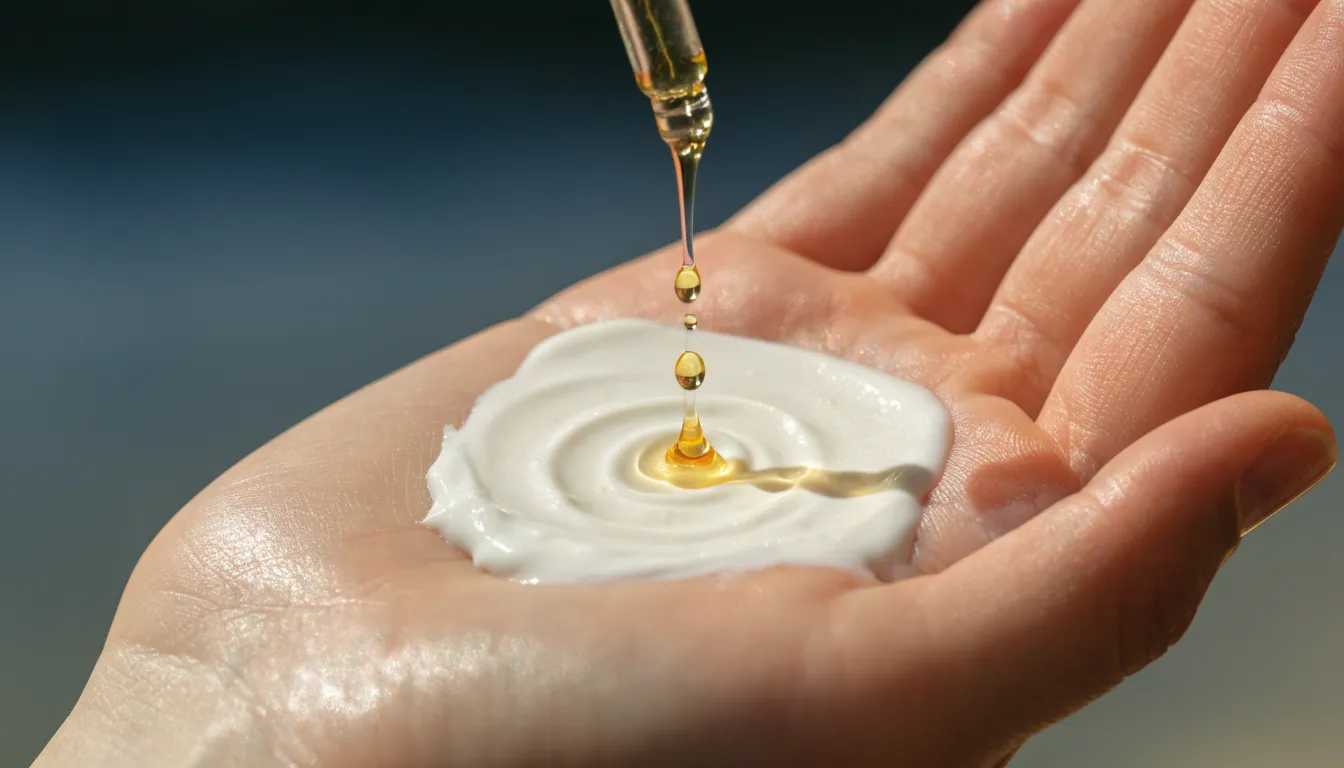
When using a cream moisturizer, simply add one or two drops of marula oil to your usual amount of cream, mix them together, and apply to your face and neck. This enriches the moisturizer, boosts hydration and softness, and adds extra antioxidant protection without feeling heavy or greasy. Start with a small amount, since a little goes a long way, and adjust based on what your skin needs.
Ideal Application Techniques
To get the most from marula oil, how you apply it matters. Start with a clean, slightly damp face. The water helps the oil spread evenly and sink into the skin more easily, so it hydrates deeply without leaving a greasy residue.
Use just two to three drops, warmed briefly between your palms. Then use a gentle press-and-pat method rather than rubbing. Pat the oil onto your cheeks, forehead, chin, and neck with light, rhythmic motions. This helps the oil absorb naturally, avoids friction, and stimulates circulation for better penetration.
This technique delivers marula oil’s antioxidants and fatty acids deep into the skin, where they can hydrate, protect, and rejuvenate. With regular use, it leaves your complexion supple, smooth, and radiant—day and night.
Comparing Marula to Argan Oil
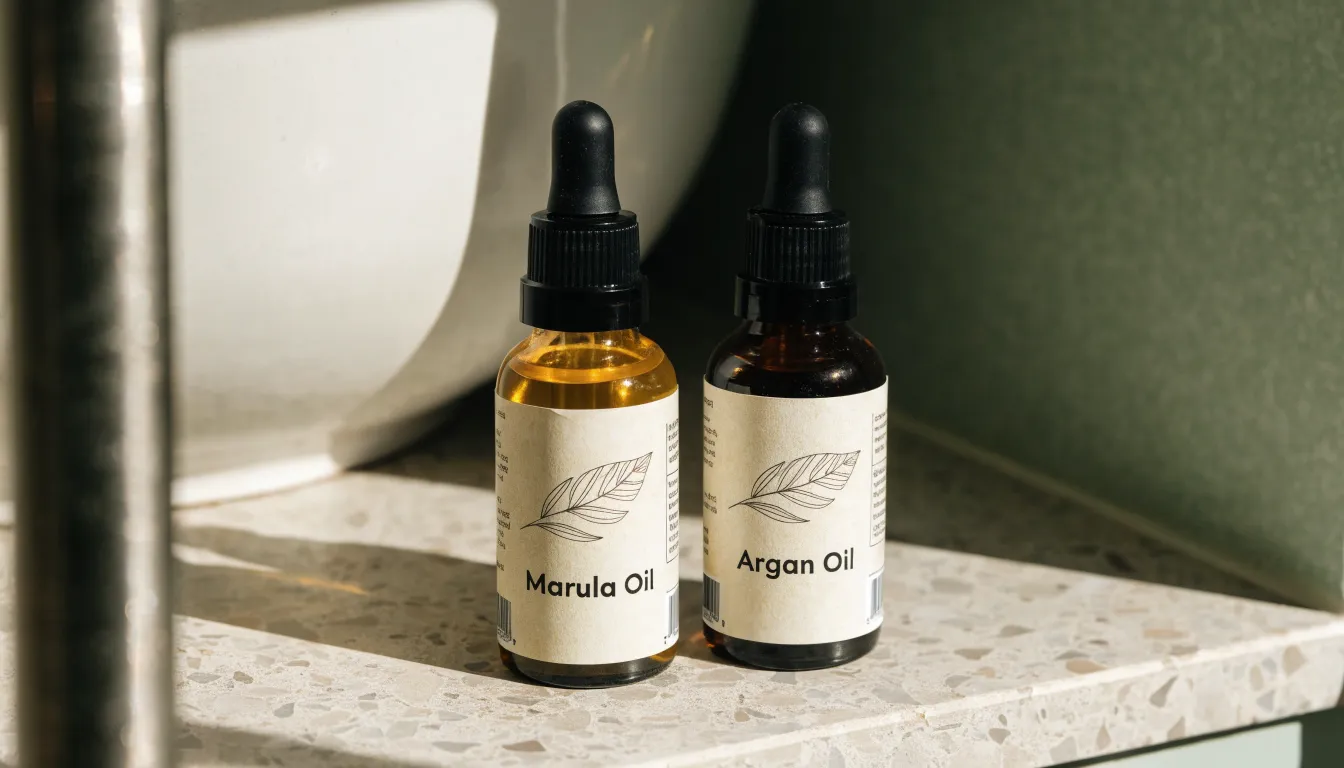
Marula oil comes from the kernels of the African marula tree. It is rich in oleic acid (an omega-9 fatty acid) and also contains a good amount of linoleic acid (an omega-6 fatty acid). This balance gives it a light texture that absorbs quickly without leaving a greasy feel. It is great for normal to dry skin, and also works well for mature or sensitive skin, because it hydrates deeply and calms the skin. Its antioxidants help protect against environmental damage.
Argan oil, known as “liquid gold” from Morocco, also contains oleic and linoleic acids, but with a higher proportion of linoleic acid than marula. It is especially high in vitamin E, a powerful antioxidant. It absorbs at a moderate pace and feels a little richer than marula, though it still sinks in well. This makes it helpful for normal to combination skin, and it is often recommended for people prone to breakouts because it can balance oil production without clogging pores.
Choosing between the two depends on your skin’s needs and your preference for texture and finish. Marula is lighter and more soothing for drier, more sensitive skin, while argan is slightly richer and better for balancing oil-prone or combination skin. Both oils offer clear benefits for keeping skin healthy and glowing.
Frequently Asked Questions
What is marula oil and where does it come from?
Marula oil comes from the nuts of the Sclerocarya birrea tree, from Southern Africa. They are cold-pressed to produce a pure, potent oil.
What are the key benefits of marula oil for facial skin?
Marula oil is rich in antioxidants that protect skin from pollution and UV damage, and its balanced fatty acid profile deeply moisturizes and strengthens the skin barrier. It is also lightweight, non-greasy, and helps soothe sensitive skin.
Is marula oil good for acne-prone or oily skin?
Yes, marula oil is suitable for acne-prone and oily skin because it is lightweight and non-comedogenic, meaning it won’t block pores. It also helps balance overactive sebaceous glands to regulate sebum production and possesses natural antimicrobial properties against acne-triggering bacteria.
How does marula oil help reduce fine lines and wrinkles?
Marula oil helps reduce fine lines by boosting skin elasticity through compounds that encourage collagen and elastin production. It also holds moisture inside the skin, which plumps up skin cells and fills in small surface lines, making early signs of aging less visible.
Can marula oil be used with other skincare products like serums or moisturizers?
Yes, marula oil fits easily into a skincare routine. You can apply it after a hyaluronic acid serum to seal in moisture, mix a small amount directly with retinol for a gentler application, or add a few drops to your usual cream moisturizer to boost hydration and softness.
What is the recommended way to apply marula oil to the face?
Start with a clean, slightly damp face, then warm two to three drops of marula oil between your palms. Gently press and pat the oil onto your cheeks, forehead, chin, and neck with light, rhythmic motions to help it absorb naturally without friction.