The Most Popular Essential Oils and Why People Use Them
Essential oils have worked their way into homes, routines, and personal rituals across the world. I see them on nightstands, tucked into gym bags, sitting beside bathtubs, and lined up on kitchen shelves. Their popularity did not happen by accident. Each oil carries a distinct aroma, history, and purpose that draws people in for different reasons, whether emotional, physical, or simply sensory.
What fascinates me most is how these oils show up in everyday life in quiet but meaningful ways. Some are used to unwind at the end of a long day, others to feel more awake and focused, and some simply because they smell comforting. Popularity in the essential oil world often comes from versatility, familiarity, and results that people feel rather than measure. These are the oils that tend to appear again and again, and the reasons behind their staying power say a lot about what people are looking for.
Lavender Essential Oil
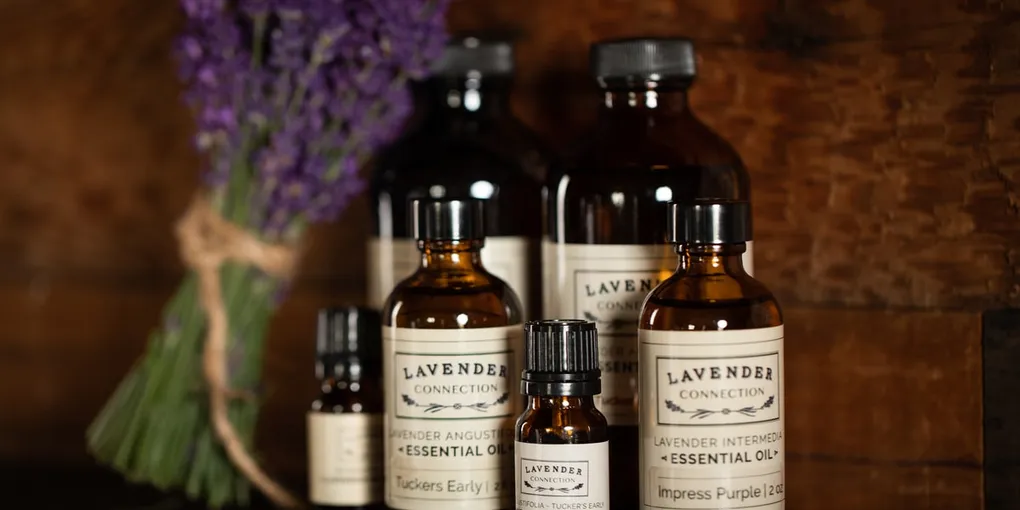
Lavender essential oil sits at the top of most popularity lists for a reason. Its scent feels familiar even to people who have never intentionally used essential oils before. I notice that many people associate lavender with calm, rest, and emotional ease long before they learn anything about aromatherapy.
People often reach for lavender because it fits easily into daily routines. It shows up in bedtime rituals, diffusers, bath blends, and massage oils. The aroma feels soft without being boring, floral without being overwhelming, which makes it approachable for beginners and long-term users alike.
Another reason lavender remains popular is its flexibility. It blends well with a wide range of other oils and does not demand a specific mood or setting. That adaptability allows people to use it in many ways without overthinking the process.
Peppermint Essential Oil
Peppermint essential oil brings a completely different energy. The sharp, cool aroma immediately grabs attention and feels refreshing almost on contact. I often notice how quickly people recognize it, even from across a room.
Many people use peppermint because it feels energizing and clarifying. The scent cuts through mental fog and brings a sense of alertness that is hard to ignore. It often finds a place in morning routines, workspaces, or moments when focus feels scattered.
Peppermint also earns popularity because it feels practical. People associate it with cooling sensations, freshness, and relief, even if they cannot fully explain why. That strong sensory feedback creates trust and repeat use.
Eucalyptus Essential Oil
Eucalyptus essential oil has a clean, sharp aroma that people often associate with open air and deep breathing. I see it used frequently during seasonal shifts or times when the body feels heavy and sluggish. The scent itself feels expansive and clearing.
Many people turn to eucalyptus because it gives the impression of space. Diffusing it can make a room feel fresher and more breathable, even without changing the physical environment. That psychological effect plays a large role in its popularity.
Eucalyptus also carries a sense of purpose. It does not feel decorative or purely emotional. People often choose it when they want a functional aroma that feels strong, direct, and reliable.
Lemon Essential Oil
Lemon essential oil appeals to people almost instantly. The scent is bright, clean, and familiar in a way that feels cheerful rather than sharp. I often notice how quickly it lifts the mood of a space without demanding attention.
People use lemon because it feels refreshing and light. It pairs easily with cleaning routines, diffusers, and personal care blends. The aroma feels uplifting without becoming distracting, which makes it suitable for shared spaces.
Another reason lemon remains popular is its association with cleanliness and clarity. Even without conscious thought, people link the scent to freshness and renewal. That emotional shortcut keeps lemon essential oil in constant rotation.
Tea Tree Essential Oil
Tea tree essential oil has a strong reputation that extends beyond aromatherapy circles. Its sharp, medicinal aroma signals seriousness, and people often approach it with respect rather than casual curiosity. I see it used intentionally rather than passively.
Many people turn to tea tree because it feels powerful. The scent suggests protection, cleanliness, and defense. That perception plays a major role in why people keep it on hand even if they do not love the smell.
Tea tree also benefits from long-standing word-of-mouth trust. People hear about it from friends, family, and personal care traditions. That shared knowledge reinforces its place as a staple oil rather than a trend.
Frankincense Essential Oil
Frankincense essential oil carries a sense of depth that sets it apart. The aroma feels resinous, warm, and grounding in a way that encourages slower breathing and reflection. I often associate it with quiet moments rather than busy routines.
People use frankincense because it feels meaningful. It has historical and cultural weight that adds emotional value beyond the scent itself. That sense of tradition draws people who want their oil use to feel intentional.
Its popularity also comes from balance. Frankincense does not overwhelm, yet it does not disappear into the background. That steady presence makes it a favorite for meditation, reflection, and grounding practices.
Lavender and Peppermint Together
Certain combinations gain popularity almost as much as individual oils. Lavender and peppermint together create a contrast that many people find appealing. The softness of lavender balances the sharpness of peppermint in a way that feels complete.
People use this pairing because it offers both calm and clarity. It suits moments when relaxation and focus need to coexist. That dual effect explains why the combination appears in so many blends and recommendations.
The familiarity of both scents also lowers the barrier to experimentation. People feel comfortable mixing them because each oil already feels safe and known on its own.
Orange Essential Oil
Sweet orange essential oil carries warmth and friendliness. The scent feels cheerful without being childish, making it appealing across age groups. I often notice it brings a sense of ease into a room almost immediately.
People use orange oil because it feels emotionally uplifting. It does not demand stillness or focus. Instead, it supports lightness and a positive atmosphere, which makes it popular in shared spaces and family settings.
Its popularity also stems from accessibility. The scent is easy to enjoy, easy to blend, and rarely feels overwhelming. That simplicity makes it a reliable favorite.
Rosemary Essential Oil
Rosemary essential oil has a sharp, herbaceous aroma that feels purposeful and focused. I often associate it with mental clarity and alertness rather than relaxation. The scent feels active rather than passive.
People use rosemary when they want to feel awake and engaged. It often shows up in workspaces, study areas, or moments that require concentration. That mental association keeps it in regular use.
Another reason rosemary remains popular is its connection to memory and tradition. Many people recognize it from cooking or cultural references, which adds familiarity and trust.
Chamomile Essential Oil
Chamomile essential oil offers a gentle, soothing presence. The aroma feels soft and comforting without being overly floral. I notice people often describe it as calming rather than relaxing, which is an important distinction.
People use chamomile because it feels nurturing. It supports moments of rest, emotional softness, and winding down without demanding sleep. That makes it suitable for both daytime and evening use.
Its popularity also comes from its reputation for gentleness. People who feel overwhelmed by stronger scents often gravitate toward chamomile as a safer starting point.
Patchouli Essential Oil
Patchouli essential oil tends to inspire strong opinions. Some people love its deep, earthy aroma, while others need time to warm up to it. I have noticed that those who connect with patchouli often do so deeply.
People use patchouli because it feels grounding and rich. The scent carries weight and presence, which appeals to those seeking stability or emotional anchoring. That depth sets it apart from lighter oils.
Patchouli also blends well with many popular oils, adding complexity and warmth. Its ability to anchor blends contributes to its continued popularity despite its polarizing nature.
Ylang Ylang Essential Oil
Ylang ylang essential oil has a lush, floral aroma that feels expressive and full-bodied. I often notice it associated with emotional openness and sensory indulgence. The scent does not fade quietly into the background.
People use ylang ylang because it feels emotionally rich. It supports moments of connection, creativity, and self-expression. That emotional association keeps it in use for personal rituals and evening routines.
Its popularity also comes from contrast. Ylang ylang offers a different experience from lighter florals, appealing to those who want depth without heaviness.
Why These Oils Remain Popular Over Time
Popularity in essential oils is not driven by novelty alone. The oils that last are the ones that integrate easily into real life. I see the same names come up repeatedly because they meet everyday needs without requiring expertise.
Familiarity plays a large role. Scents that people recognize from childhood, culture, or shared experiences tend to feel safer and more approachable. That emotional connection keeps people returning to the same oils.
Versatility also matters. Oils that work across different moods, spaces, and routines naturally rise to the top. They adapt to changing needs without becoming obsolete.
Personal Connection and Scent Memory
Scent memory shapes essential oil popularity in powerful ways. I have noticed how quickly people form attachments to oils that remind them of specific moments or feelings. That emotional layer often outweighs technical information.
Popular oils often align with common emotional needs. Calm, clarity, comfort, and energy are universal desires. Oils that consistently support those feelings earn lasting trust.
This personal connection explains why popularity does not always follow logic. An oil becomes popular because people feel something meaningful when they use it.
Trends Versus True Staples
Trends come and go in the essential oil world, often driven by social media or marketing. I see certain oils rise quickly and fade just as fast. Popular staples, on the other hand, maintain steady use regardless of trends.
Staple oils earn their place through reliability. People know what to expect from them, which builds confidence. That trust matters more than novelty over time.
The most popular essential oils tend to be the ones people repurchase without hesitation. That quiet loyalty says more than any viral moment.
Final Thoughts
The most popular essential oils earn their reputation through a mix of familiarity, versatility, and emotional resonance. They fit into daily life without demanding perfection or expertise. I find that their continued popularity reflects human needs more than marketing claims.
Each oil tells a story about why people turn to scent for support, comfort, and clarity. Popularity does not mean superiority, but it does signal connection. These oils remain in use because they feel useful, comforting, and real in the lives of the people who choose them.