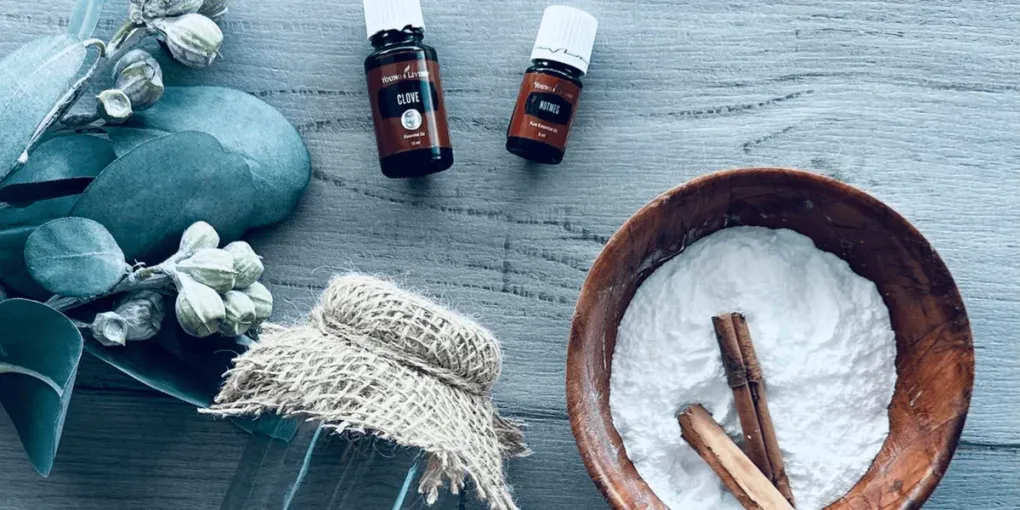
Why “Natural” Doesn’t Always Mean Safe
Natural has become one of the most comforting words in the wellness world. I see it everywhere, on labels, in marketing, and in conversations where safety is assumed without much thought. The word itself feels gentle and reassuring, as if anything derived from nature must automatically be harmless. That assumption is where many problems begin, especially with essential oils.
Essential oils are powerful plant extracts, not mild herbal teas or decorative fragrances. I have learned that treating them casually because they are natural can lead to irritation, reactions, and misuse. Respecting what they actually are, rather than what we want them to be, is the key to using them wisely. Natural does not equal safe by default, and understanding that distinction protects both health and confidence.
The Comfort Trap of the Word Natural
The word natural creates a sense of trust before any facts are considered. I have noticed how easily people relax their guard when something is described this way. It feels familiar, earthy, and wholesome, which makes critical thinking take a back seat. That emotional response is powerful and often unexamined.
Nature produces incredible healing substances, but it also produces poisons, irritants, and allergens. Poison ivy, venomous snakes, and toxic mushrooms are all natural. Essential oils sit somewhere in the middle, offering benefits alongside real risks. Ignoring that complexity does not make it disappear.
Plants Are Chemically Active by Design
Plants create chemical compounds to survive. These compounds protect them from insects, fungi, and environmental threats. Essential oils are concentrated forms of those defensive chemicals. That concentration is exactly what makes them effective, but it is also what makes them potentially irritating.
I remind myself that essential oils are not passive substances. They interact with skin, lungs, and internal systems in very real ways. Their natural origin does not soften their impact. Recognizing their chemical activity helps me use them with respect rather than blind trust.
Concentration Changes Everything
One of the biggest misunderstandings around essential oils is how concentrated they are. It takes large amounts of plant material to produce a single small bottle of oil. That concentration amplifies both benefits and risks. A drop of essential oil is not the same as a leaf or flower.
I think of essential oils as distilled intensity. They are not diluted by default, and that matters. Using them without considering concentration can overwhelm the body. Natural concentration does not make something gentle, it makes it potent.
Skin Is Not Invincible
Skin reactions are one of the most common consequences of assuming natural equals safe. I have seen how quickly redness, burning, or itching can appear when oils are applied incorrectly. Skin is resilient, but it has limits. Essential oils can cross those limits easily.
The skin absorbs what is placed on it. Natural substances are not filtered out just because they come from plants. Respecting the skin’s barrier and limits prevents long-term sensitivity. Natural products still require thoughtful application.
Inhalation Deserves Respect Too
Diffusing essential oils often feels harmless because nothing touches the skin directly. That sense of safety can be misleading. Inhalation delivers aromatic compounds straight to the respiratory system and nervous system. Those systems respond quickly and sometimes unpredictably.
I have learned to pay attention to headaches, dizziness, or irritation during diffusion. Natural vapors can still overwhelm sensitive systems. Ventilation, timing, and oil selection all matter. Breathing something in does not make it automatically safe.
Internal Use Is Not Casual
The idea that natural substances are safe to ingest is deeply rooted in wellness culture. With essential oils, this assumption can be especially risky. These oils are highly concentrated and not meant to be treated like food ingredients. Natural origin does not make them digestive friendly.
Internal exposure introduces essential oils to organs that are not designed to process them in large concentrations. The liver, kidneys, and digestive tract can become stressed. I treat internal use with extreme caution and professional guidance. Natural does not mean edible.
Individual Bodies React Differently
Another overlooked reality is individual sensitivity. One person’s safe experience can be another person’s reaction. Genetics, health conditions, medications, and stress levels all play a role. Natural products do not bypass these variables.
I have seen people dismiss reactions because an oil worked for someone else. That comparison does more harm than good. Each body communicates its own limits. Respecting those differences is essential for safe use.
Children and Pets Are Not Small Adults
Natural products are often assumed to be gentle enough for everyone. Children and pets are especially vulnerable to this assumption. Their bodies process substances differently, and essential oils can overwhelm them quickly. Natural does not adjust itself to size or species.
I take extra care around young children and animals. Lower exposure, careful storage, and thoughtful oil selection matter. What feels mild to an adult can be intense to a smaller body. Natural does not mean universally appropriate.
Marketing Shapes Perception
Marketing plays a huge role in how natural products are perceived. Words like pure, clean, and plant-based create an image of safety. That image often replaces education. I have learned to read beyond the front label.
Marketing rarely highlights proper use, dilution, or contraindications. It focuses on appeal, not responsibility. Separating marketing language from practical reality helps prevent misuse. Natural branding does not equal safe instruction.
Tradition Does Not Replace Modern Knowledge
Essential oils have a long history, and tradition is often used as proof of safety. While history matters, it does not replace modern understanding of chemistry and physiology. Past use does not always reflect current concentrations or extraction methods.
Modern essential oils are often more potent than historical preparations. Distillation techniques have improved efficiency and strength. Applying ancient practices to modern products without adjustment can lead to problems. Natural history still needs modern context.
Overuse Is Still Overuse
Using too much of a natural product does not make it more effective. With essential oils, overuse often leads to sensitization or irritation. The body can only process so much at a time. Natural does not override biological limits.
I remind myself that subtle use is often more supportive than heavy application. More drops do not equal better results. Moderation protects long-term use. Natural substances still require restraint.
Allergies Do Not Care About Origins
Allergies are immune responses, not value judgments. The immune system does not differentiate between natural and synthetic substances. It reacts based on perceived threat. Essential oils can trigger allergies just like any other compound.
I take allergic responses seriously, even when they are mild. Ignoring them because the source is natural can worsen sensitivity. The body’s response deserves respect regardless of the product’s origin.
Essential Oils Are Not One-Size-Fits-All Solutions
Natural wellness culture sometimes promotes essential oils as solutions for everything. That mindset creates unrealistic expectations. No substance, natural or otherwise, works universally. Essential oils have specific uses and limits.
I focus on matching oils to situations rather than forcing them into every routine. Recognizing limits makes use more effective and safer. Natural tools work best when used appropriately, not excessively.
Education Creates Safety, Not Labels
Safety comes from knowledge, not from labels. Learning how essential oils interact with the body makes a real difference. I rely on reputable sources, training, and experience rather than assumptions. Natural labels are not enough.
Education includes knowing dilution ratios, contraindications, and proper storage. It also includes recognizing when not to use oils at all. Natural products demand informed use, not blind faith.
Respect Builds Long-Term Trust
Respecting essential oils as powerful substances changes the relationship entirely. Instead of fear or blind trust, there is balance. I feel more confident using oils when I acknowledge both benefits and risks. That balance supports consistency and safety.
Trust built on realism lasts longer than trust built on idealism. Natural substances deserve honesty. Treating them with respect honors both the plants and the people using them.
Cultural Beliefs Influence Assumptions
Cultural narratives often frame nature as gentle and nurturing. While that can be true, it is not the whole story. Nature is also intense, reactive, and sometimes dangerous. Essential oils reflect that duality.
I examine my own assumptions shaped by culture and language. Questioning those assumptions leads to safer habits. Natural imagery does not replace practical awareness.
Responsibility Is Personal
Ultimately, safety with essential oils is a personal responsibility. No label or trend can replace listening to the body and learning proper use. Natural products place that responsibility firmly on the user.
I take that responsibility seriously because the consequences are personal. Respecting natural substances protects health and builds confidence. Responsibility turns natural tools into supportive allies rather than hidden risks.
Final Thoughts
Natural does not automatically mean safe, gentle, or appropriate for everyone. Essential oils are powerful substances that deserve respect, education, and moderation. Treating them casually because they come from plants ignores their chemical reality.
Safety grows from informed use, not comforting labels. By recognizing both the benefits and limits of natural substances, essential oils can be used thoughtfully and responsibly. That balanced approach protects health and keeps natural wellness grounded in reality rather than assumption.