
Breastfeeding mothers should exercise extreme caution with essential oils due to potential risks to the infant, whose immature organs cannot efficiently process compounds. Always consult a doctor or lactation consultant before use. Dilute oils properly for topical application (0.5%-1%), avoid direct nipple application, and ensure good ventilation if diffusing. Ingesting oils is not recommended, and certain oils like wintergreen, wormwood, sage, and peppermint (due to lactation suppression) should be avoided entirely.
Table of Contents
- Breastfeeding and Essential Oils
- How Essential Oils Enter Your Body
- Oils to Avoid Entirely
- Peppermint Oil Risks
- Safe Oils for Nursing Mothers
- Proper Dilution Rules
- Inhalation and Aromatherapy Safety
- Oils That May Boost Lactation
- Applying Oils Near the Breast
- Recognizing Allergic Reactions
- Citrus Oils and Sun Sensitivity
- The Dangers of Internal Use
- Spotting Warning Signs
- Talking to Your Pediatrician
- Essential Oil Safety Checklist
Breastfeeding and Essential Oils
Nursing mothers should know that babies process essential oils very differently than adults. An infant’s liver and kidneys are still immature, so their body cannot clear oil compounds as efficiently. This means those compounds can build up in a baby’s system more easily. Also, an infant’s skin is much thinner and more permeable, so anything applied to the mother’s skin can be absorbed more readily, and a baby can even be affected through indirect contact.
Another issue is that essential oils are not regulated like prescription medicines. There is Another issue is that essential oils are not regulated like prescription medicines. There is no strict government oversight to ensure consistent quality, purity, or strength. Different brands and batches can vary widely, and some products may contain undisclosed additives, synthetic fragrances, or different concentrations than the label says. This makes it hard for mothers to trust exactly what they are using or know whether it is safe.
Because of these risks, breastfeeding mothers should be very cautious with essential oils. Always talk to a doctor or lactation consultant before using them. If you do use oils on your skin, dilute them properly and never apply undiluted oil directly. Diffusing oils in a well-ventilated room may be safer than skin application. Avoid ingesting essential oils, especially while nursing. Watch your baby closely for any reactions, and put their safety first.
How Essential Oils Enter Your Body
Essential oils don’t just sit on the skin. Because of their chemical makeup—small molecules that love fat—they can pass through the skin in a process called transdermal absorption. They move past the outer layer and into deeper skin, where they reach tiny blood vessels.
.
Once in the bloodstream, essential oil compounds travel throughout the whole body. The circulatory system carries them, just like it carries oxygen and nutrients, to nearly every tissue and organ. This means the oils become part of the mother’s systemic circulation, not just a local effect.
The mammary glands, which make breast milk, have many blood vessels and are closely linked to this circulation. So when essential oil compounds are in the mother’s blood, they can cross into her breast milk. In other words, anything absorbed into the mother’s system—including essential oils—may end up passing to her nursing baby through milk.
Oils to Avoid Entirely
Wintergreen essential oil is one to avoid completely while breastfeeding. Its active ingredient, methyl salicylate, is similar to aspirin. If the mother absorbs it, it can pass into breast milk and cause aspirin-like toxicity in the baby, including stomach bleeding, metabolic acidosis, and Reye’s syndrome. Because an infant’s body is still immature, even a small amount is dangerous.
Wormwood essential oil is also unsafe. It contains thujone, a strong neurotoxin. If absorbed, it can cause seizures, tremors, and nervous system damage. Since a baby’s brain and nervous system are still developing, any exposure, even in tiny amounts, carries too much risk.
Sage essential oil, especially common sage, also contains thujone, though usually less than wormwood. It is still not recommended during breastfeeding because it can affect the nervous system, may have strong hormone-like activity, and may reduce milk supply. Overall, the potent chemicals in wintergreen, wormwood, and sage make them too risky for nursing mothers, no matter the possible benefit.
Peppermint Oil Risks
Peppermint oil is known for its invigorating scent and soothing effects, but its main active compound, menthol, can be a problem for breastfeeding mothers. Menthol has properties that can suppress lactation, meaning it may reduce the amount of breast milk a mother produces. This risk isn’t only from drinking or eating it directly—accidental exposure through common products can also be an issue.
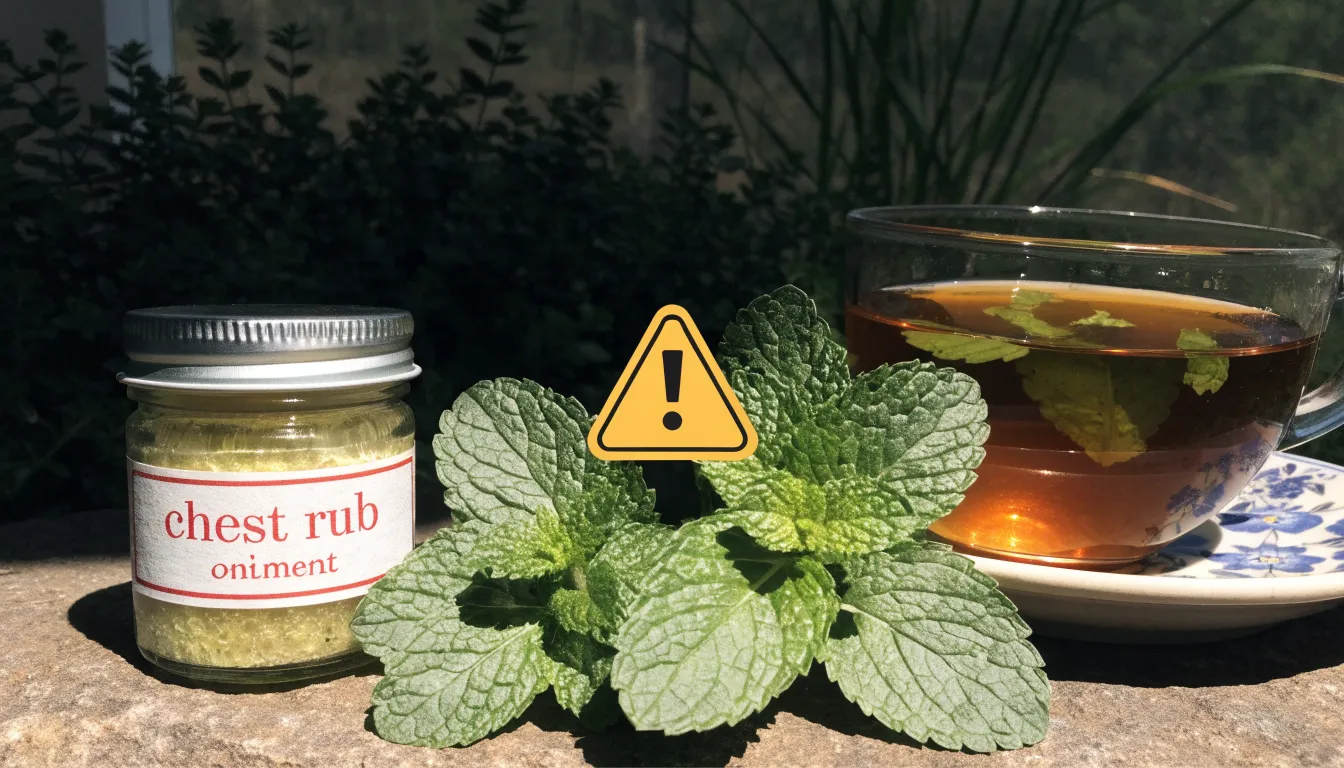
Menthol is surprisingly common in everyday items. Chest rubs used for colds or muscle aches often contain peppermint oil or menthol, and applying them near the chest can allow the compound to be absorbed into the body. That absorption can interfere with the hormones needed for milk production. Similarly, drinking peppermint herbal teas or sucking on peppermint lozenges, even in small amounts, can introduce enough menthol to trigger a drop in milk supply.
Because of this, breastfeeding mothers should carefully check ingredient labels on personal care products, over-the-counter remedies, and even foods and drinks. Choosing menthol-free options for coughs, colds, or muscle discomfort, and reviewing herbal tea ingredients, can help prevent an unintended effect on lactation. Knowing that menthol may suppress milk production allows mothers to make safer choices and protect their milk supply for their babies.
Safe Oils for Nursing Mothers
Navigating daily wellness as a nursing mother can be easier with gentle, supportive options, and certain essential oils can help when used carefully. For mild, low-risk choices, lavender and Roman chamomile stand out. These oils are known for calming and soothing properties, making them especially helpful for easing anxiety and These oils are known for calming and soothing properties, making them especially helpful for easing anxiety and promoting restful sleep.
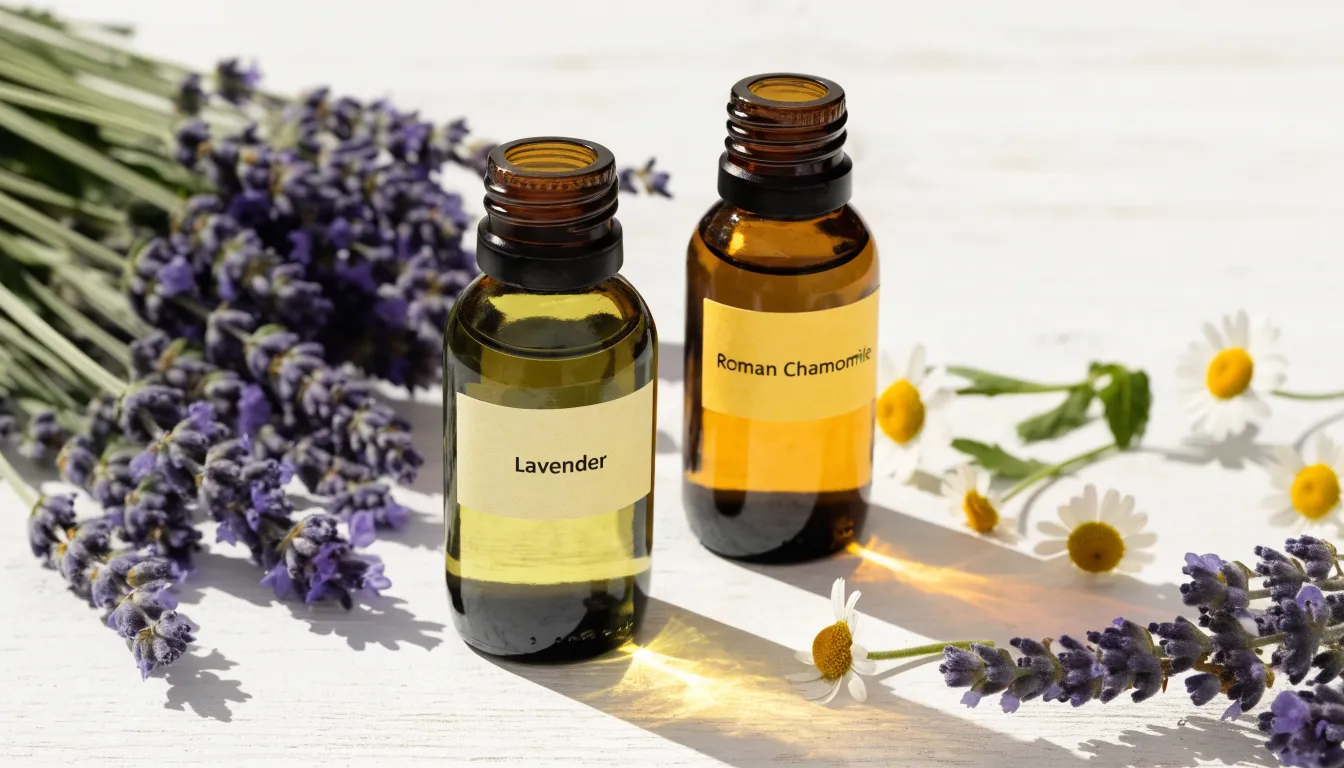
Lavender is a classic aromatherapy oil known for encouraging relaxation. Its gentle scent helps quiet a busy mind, reduce anxious feelings, and prepare the body for sleep. Nursing mothers often diffuse a small amount of properly diluted lavender oil or add a drop to a warm bath with a carrier oil. This creates a peaceful atmosphere that supports winding down, especially during stressful or sleep-disrupted times with a newborn.
Roman chamomile offers a similarly gentle approach, with a mild, apple-like scent and deeply soothing effects. It helps calm the nervous system, which can ease tension and bring a sense of tranquility. It can be diffused or applied topically—always with good carrier oil dilution—to areas like the wrists or temples. Its mild nature makes it a comforting choice for supporting emotional balance and improving rest quality. For both oils, proper dilution and safe application are essential for the well-being of both mother and baby.
Proper Dilution Rules
Proper dilution is essential for safely using essential oils while breastfeeding, especially on the skin. Because these oils are highly concentrated plant extracts, applying them undiluted can cause skin irritation, sensitization, or even toxic effects. Since a baby’s skin is thinner and more sensitive, extra care is needed to protect them from any potential exposure through contact with the mother.
A safe guideline for topical use is to dilute essential oils to about 0.5% to 1% A safe guideline for topical use is to dilute essential oils to about 0.5% to 1% in a carrier oil, such as fractionated coconut oil, jojoba oil, or sweet almond oil. This means adding only a small amount of essential oil to a larger amount of carrier oil—for example, roughly one drop of essential oil per one to two teaspoons of carrier oil. These low concentrations help keep the oils effective while greatly lowering the risk of irritation or absorption.
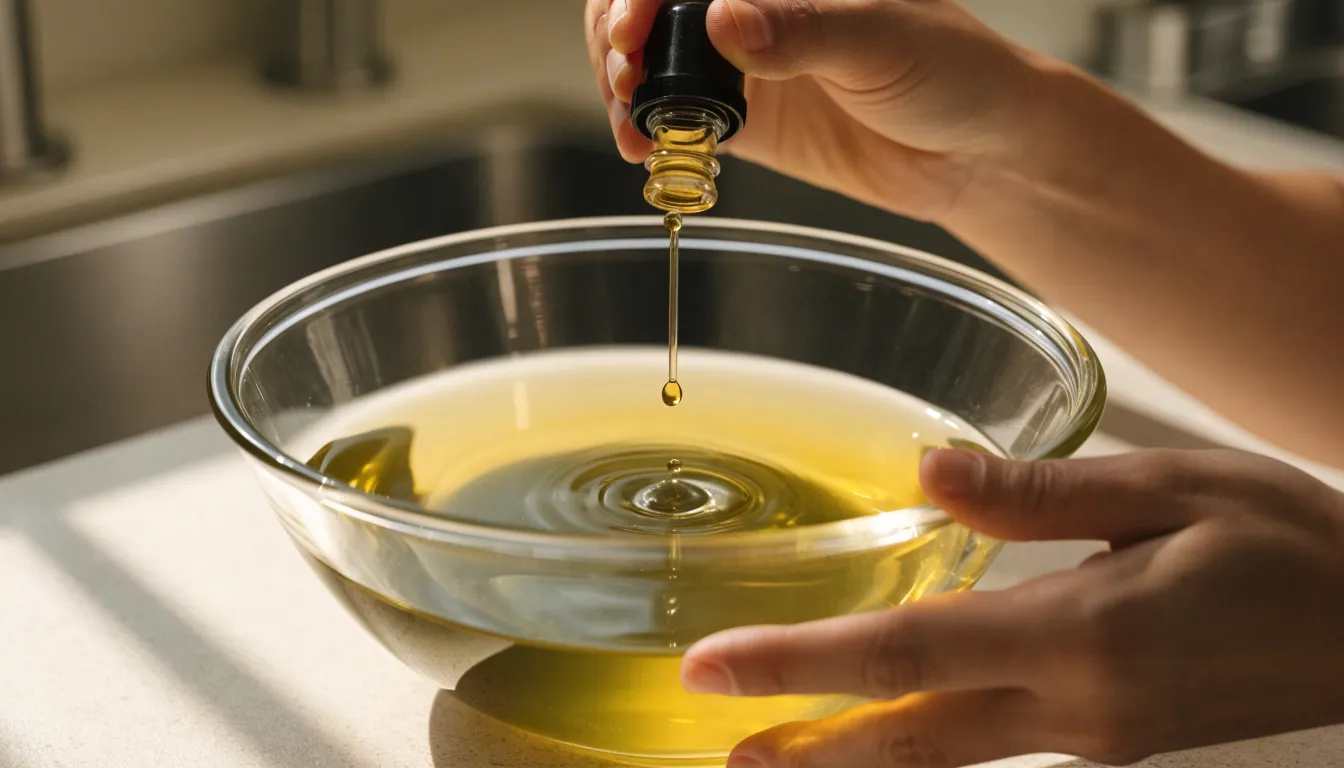
Proper dilution acts as a protective barrier between the mother and baby. It allows a breastfeeding mother to benefit from essential oils while minimizing the chance of adverse reactions in her infant. Following these dilution rules is a simple but vital way to support both her well-being and her baby’s safety.
Inhalation and Aromatherapy Safety
When using essential oils by inhalation or aromatherapy around a newborn, safety is the top priority. A baby’s respiratory system is still delicate and developing, so it is very sensitive to airborne particles. Essential oil diffusion should therefore be done with great care and clear safety guidelines.
Keep diffusion sessions short—about 15 to 30 minutes—followed by longer breaks so the oil particles can clear from the air. Always diffuse in a well-ventilated room with good airflow, such as an open window, to keep the concentration of oil particles low. Poor ventilation can cause oils to build up in the air, which is not safe for an infant.
Place the diffuser well away from the baby’s breathing zone—ideally in another part of the room or even in a nearby room with the door slightly open. This keeps the baby from directly breathing in concentrated oil. Watch the infant closely for any signs of discomfort or changes in breathing. Following these simple steps helps create a safer environment for everyone.

Oils That May Boost Lactation
Sweet fennel oil is often explored for its potential to help boost milk supply while breastfeeding. Traditionally, fennel has been used as a natural remedy to support lactation, and when distilled into an essential oil, it retains some of the active compounds thought to stimulate breast milk production.
However, using this oil comes with significant caution because it has estrogen-like effects. These compounds can mimic the hormone estrogen in the body, which may disrupt hormonal balance for both the nursing parent and the baby. Since infants are highly sensitive to hormonal changes, even small amounts of these compounds should be handled with great care due to these risks.
As a result, sweet fennel oil should only be used for a very short time and never for prolonged periods. Before trying it or any similar herbal blend, it is essential to talk to a healthcare provider, such as an obstetrician, lactation consultant, or an aromatherapist who specializes in maternal health. They can offer personalized advice and ensure that whatever method is chosen is safe for both mother and baby.
Applying Oils Near the Breast
Essential oils should never be applied directly to the nipple or areola while breastfeeding. This is the most important safety rule, because a baby’s mouth comes into direct contact with these areas during feeding, and even a tiny amount of oil can be swallowed. A nursing baby’s digestive and immune systems are still developing, so substances that are harmless to adults may cause problems in an infant.
Essential oils are very strong, concentrated plant extracts. Even though they can be helpful for adults when used for smell or on the skin, they are not meant to be taken internally, especially by babies. The skin on the nipple area is very thin, and any oil there can easily transfer into the baby’s mouth. Unlike oils applied to other parts of the adult body, this direct transfer gives the baby a much larger exposure, which is risky.
If a baby swallows essential oils, possible problems include an upset stomach, allergic reactions, or more serious effects depending on the oil and amount. To stay safe, keep essential oils away from the breast area altogether. If you use oils on your back, shoulders, or feet, wash your hands well before holding the baby or breastfeeding, and cover your skin so the baby doesn’t touch it. The best choice is to be very cautious with anything applied to your skin while nursing.
Recognizing Allergic Reactions
Watch your baby closely after any exposure to essential oils, even if you’re careful. A baby’s system can react unexpectedly. A common sign is contact dermatitis—red, itchy patches or a rash on the skin, often where the oil touched or where it was diffused nearby. The skin may also look dry, flaky, or slightly swollen.
Also watch for behavior changes like sudden or ongoing fussiness that seems linked to oil use. Your baby may cry more, seem unsettled, or have trouble sleeping without another clear cause. More serious reactions include wheezing—a high-pitched whistling sound while breathing. This means the airways are narrowing and needs urgent attention.
Look for sudden reddening of the skin that appears quickly without an obvious irritant. This may be a flush that signals an allergic response. If any of these symptoms appear, stop using all essential oils right away and call your pediatrician promptly so your baby gets proper care.
Citrus Oils and Sun Sensitivity
Cold-pressed citrus essential oils, like bergamot and lemon, can cause phototoxicity—meaning they make skin extremely sensitive to UV light. This happens because they contain furanocoumarins, which can trigger severe sunburn-like reactions, including redness, blistering, and lasting discoloration. For nursing mothers, managing this risk is important for staying comfortable and healthy.
If these oils are used on the skin while breastfeeding, extra care is needed. Even if the oil isn’t applied near the baby, skin damage can make the mother uncomfortable and affect her ability to care for her infant. Also, oil residue on hands or clothing could accidentally transfer to the baby or to skin that will be exposed to the sun. Keeping skin safe helps ensure a smoother nursing experience.
To avoid phototoxic reactions, wait at least 12 to 18 hours after applying cold-pressed citrus oils before going into direct sunlight or using artificial UV light like tanning beds. Covering treated skin or staying indoors can help if you can’t wait that long. Remember, diluting the oil lowers the risk but doesn’t remove it. Choosing steam-distilled citrus oils is a safer option, since the distillation process removes most of the furanocoumarins.
The Dangers of Internal Use
Ingesting essential oils while breastfeeding is risky because they are highly concentrated, often much stronger than the plants they come from. When swallowed, these potent chemicals enter the bloodstream and are processed by the liver. Some of their components are hepatotoxic, meaning they can damage liver cells, and this extra chemical load can stress a nursing mother’s liver, especially since her body is already under strain.
Essential oils are not meant to be taken internally unless under medical supervision, and safe use usually requires extreme dilution—something rarely achieved in practice. Because even a small amount carries a large chemical load, these concentrated compounds can pass into breast milk. A nursing infant’s liver and detox systems are still immature, so substances that an adult can handle may be harmful or even dangerous to the baby.
So drinking or swallowing essential oils while breastfeeding creates a double danger: it can harm the mother’s liver, and it can expose the infant to concentrated, potentially toxic chemicals through breast milk.
Spotting Warning Signs
If a baby touches or gets essential oils on their skin, act fast and stay calm. Check the baby for signs like redness, rash, skin irritation, unusual fussiness, or trouble breathing. Figure out how the oil got in—on the skin, swallowed, or breathed in—so you can respond the right way.
For oil on the skin, remember essential oils mix with fats, not water. Water will not wash them off and can actually spread the oil. Instead, pour a fatty carrier oil—like fractionated coconut, jojoba, sweet almond, or olive oil—right onto the skin. Gently wipe it with a soft cloth, then put on more carrier oil and wipe again. Repeat this several times to pull the essential oil off the baby’s skin and lessen irritation or absorption.
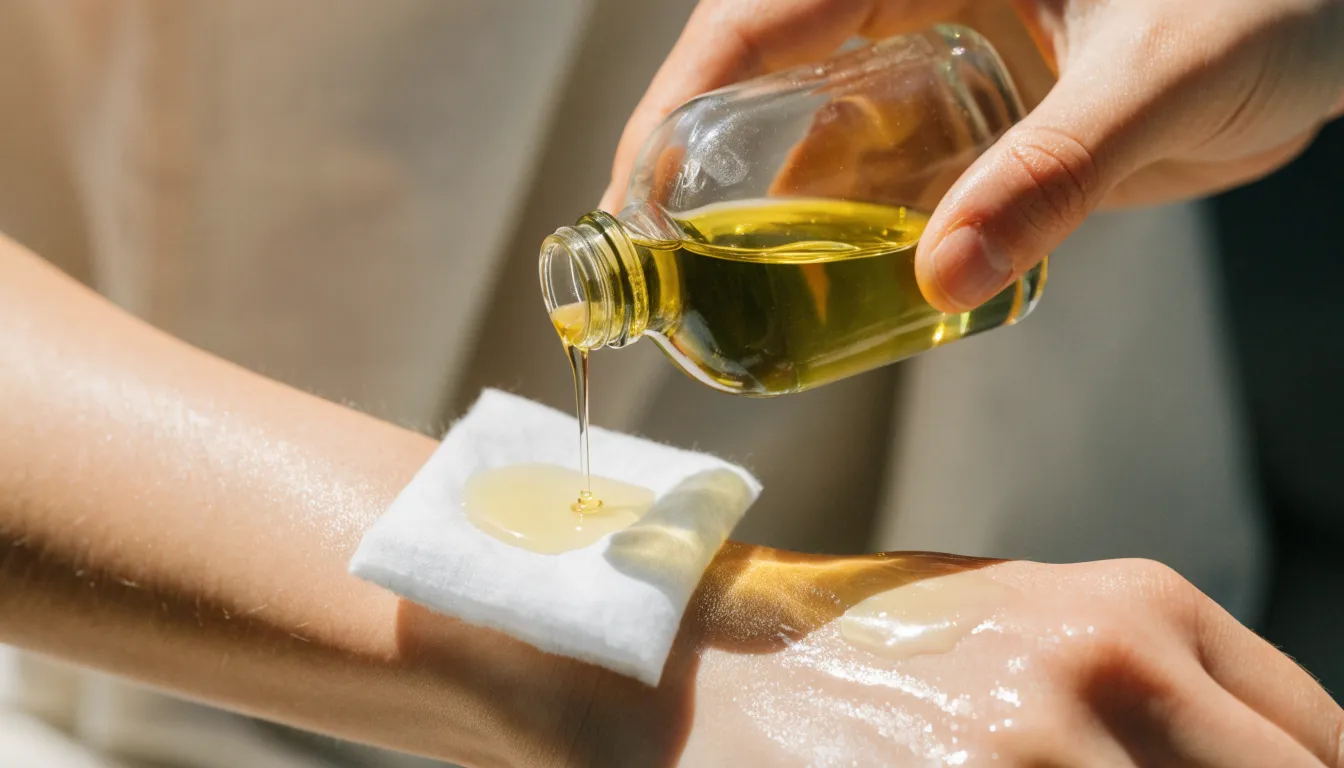
If the baby swallows or breathes in essential oils, do not make them vomit. Call a doctor or poison control right away, and keep the oil bottle nearby because its label tells what is in it. Even after first aid, watch the baby closely for delayed issues like ongoing symptoms, breathing changes, or tiredness, and get medical help if anything seems wrong. Also, always store essential oils far out of reach to prevent accidents.
Talking to Your Pediatrician
Before using essential oils while breastfeeding, talk to your pediatrician first. To get the best advice, come prepared with a clear list of every oil you use or want to use. For each oil, include its botanical name, brand, and how you use it—whether on your skin, in a diffuser, or another way. Be specific about where on your body you apply oils, especially near the breast, and how often. Also explain why you want to use them, such as for relaxation, skin support, or general wellness. This helps your pediatrician understand your goals and judge any risks.
Ask your pediatrician about possible interactions. Find out if any oils could interfere with medicines you or your baby take, or if they could harm your baby’s developing body through breast milk or breathing. Talk about whether diffusing oils near your baby is safe, and if any oils should be avoided around infants. These questions are important for protecting your baby while you still get the benefits you’re looking for.
Stay open-minded during the conversation. Your pediatrician’s advice is based on medical evidence and safety practices, so listen carefully. Ask questions respectfully, not just to get approval but to truly understand. The goal is to make smart, informed choices that keep your baby safe while responsibly combining natural wellness practices with professional medical guidance.
Essential Oil Safety Checklist
For nursing mothers using essential oils, the first step is to get professional guidance. Talk to your healthcare provider or a certified aromatherapist before trying any new oil, especially while breastfeeding. This helps make sure the choice is safe for both you and your baby.
Always dilute oils properly before use. A gentle dilution of 0.5% to 1% is best, meaning about 1 to 2 drops of essential oil per teaspoon of a carrier oil like jojoba, sweet almond, or fractionated coconut oil. Never put undiluted oil on your skin, never ingest essential oils while breastfeeding, and do a small patch test first to check for reactions. Use oils topically or diffuse them in a well-ventilated room.
Keep all oils and diffusers away from your baby, and avoid applying oils on your chest or breasts where your baby could touch or ingest them. Some oils are best avoided during breastfeeding: peppermint may lower milk supply, eucalyptus can irritate a baby’s breathing, and oils high in phenols like clove or oregano should also be used with caution. Following these steps helps create a safe, calm environment for both mother and baby.
Frequently Asked Questions
How do essential oils affect babies differently than adults?
Babies’ immature livers and kidneys cannot clear essential oil compounds as efficiently as adults, leading to easier buildup in their system. Additionally, an infant’s skin is much thinner and more permeable, allowing more ready absorption of oils applied to the mother’s skin.
Which essential oils are considered unsafe to use at all while breastfeeding?
Wintergreen, wormwood, and sage essential oils are unsafe and should be avoided entirely while breastfeeding. Wintergreen contains methyl salicylate, which is similar to aspirin, while wormwood and common sage contain thujone, a strong neurotoxin that carries significant risk for a baby’s developing brain and nervous system.
Can peppermint essential oil reduce milk supply?
Yes, peppermint oil’s main active compound, menthol, has properties that can suppress lactation, potentially reducing the amount of breast milk a mother produces. This risk can arise from applying menthol-containing chest rubs or even consuming peppermint herbal teas or lozenges.
Are there any essential oils considered safer for nursing mothers?
Lavender and Roman chamomile are mentioned as gentle, low-risk choices for nursing mothers when used carefully. These oils are known for their calming and soothing properties, which can be helpful for easing anxiety and promoting restful sleep.
Is it safe to apply essential oils directly to the nipples or breast area while breastfeeding?
No, essential oils should never be applied directly to the nipple or areola while breastfeeding. This is the most important safety rule because a baby’s mouth comes into direct contact with these areas during feeding, and even a tiny amount of oil can be swallowed, posing risks to their developing digestive and immune systems.
What should I do if my baby shows signs of a reaction to essential oils?
If your baby shows signs like redness, rash, skin irritation, unusual fussiness, or trouble breathing, stop using all essential oils right away. If oil is on the skin, do not use water; instead, pour a fatty carrier oil (like fractionated coconut, jojoba, sweet almond, or olive oil) onto the skin and gently wipe it off with a soft cloth. Call your pediatrician promptly for proper care.