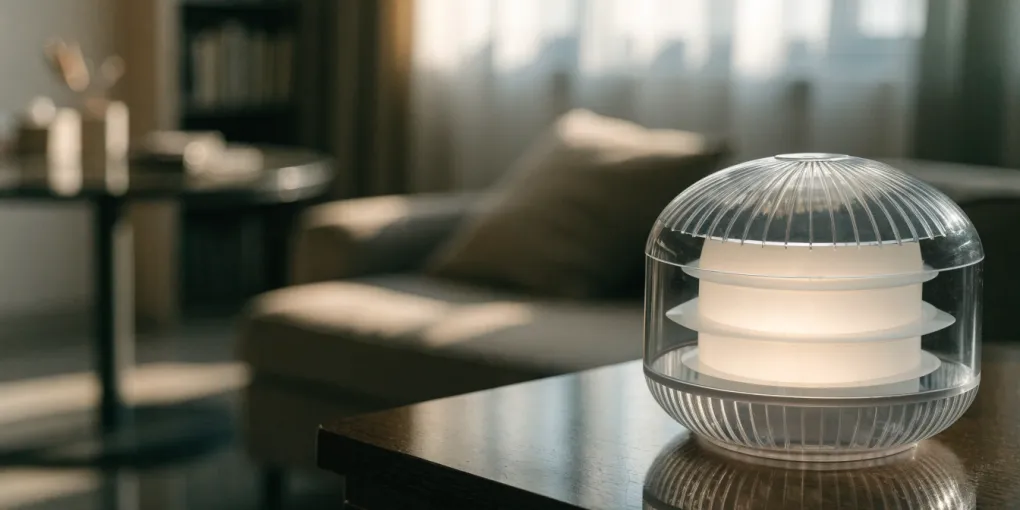
The best diffusers for large rooms typically cover 400 to 1,000+ square feet and feature large water tanks (500-1000ml+), continuous or intermittent run time settings, and strong essential oil dispersion often via heatless nebulizing technology. Proper placement in central, open areas away from strong drafts, using distilled water, and adjusting oil dosage are also key.
Table of Contents
- Room Size Dynamics
- Square Footage Coverage
- Ultrasonic Versus Nebulizing
- Water Tank Capacity
- Run Time Settings
- Essential Oil Dispersion
- Heatless Cold Air Technology
- Airflow and Room Placement
- Noise Levels and Motors
- Maintenance and Cleaning
- Water Quality Matters
- Essential Oil Dosage
- Top Features Checklist
- Final Setup Guide
Room Size Dynamics
Standard diffusers often fail in large living areas because they release only a small amount of essential oil vapor. In a big room, that vapor spreads through hundreds of square feet of air, so the scent concentration drops too low to notice. The larger the space, the faster the fragrance disappears before it can fill the room.
High ceilings make this worse by increasing the total air volume. A small diffuser cannot push its mist upward well, so the scent hangs low or drifts into the open space above and gets lost. This is especially true in open-concept layouts, where kitchens, dining areas, and living rooms connect without walls. Without barriers, the essential oil molecules spread too thin and become imperceptible.
Overall, a small-capacity diffuser simply cannot produce enough aromatic output for a large, open, high-ceilinged room. Its limited reservoir and weak output are no match for the rapid dilution caused by extensive square footage and open-plan design. For a noticeable, lasting scent, you need a stronger diffuser with larger capacity and better coverage.
Square Footage Coverage
To get a consistent essential oil scent across a large room, you first need to know your room’s square footage. Measure the length and width in feet and multiply them. For example, a 20 by 25-foot room is 500 square feet. If the room is oddly shaped, like an L-shape, split it into smaller rectangles, find each area, and add them together so you don’t underestimate the space.
With that number, look for a diffuser rated for 400 to 1,000 or more square feet. A diffuser with enough capacity will spread the mist evenly, so you don’t get a strong smell right next to the device and almost nothing across the room.
It’s also smart to choose a diffuser that covers a bit more space than your room measures, especially if you have high ceilings or an open floor plan. That extra capacity helps the essential oil reach every corner, giving you an even, inviting aroma throughout the entire space.
Ultrasonic Versus Nebulizing
For large rooms, ultrasonic diffusers use water mixed with essential oils. A ceramic disc vibrates to break the mixture into a fine mist, releasing a subtle aroma while also adding humidity. This can be nice in dry spaces, but because the oil is diluted, the scent is less powerful and takes longer to fill a big room, often requiring more oil and longer run times.
Nebulizing diffusers work without any water. An air pump turns pure, undiluted essential oil into a fine, dry mist of concentrated droplets. This releases a much stronger and more immediate scent, making it highly effective for quickly filling a large area with fragrance.
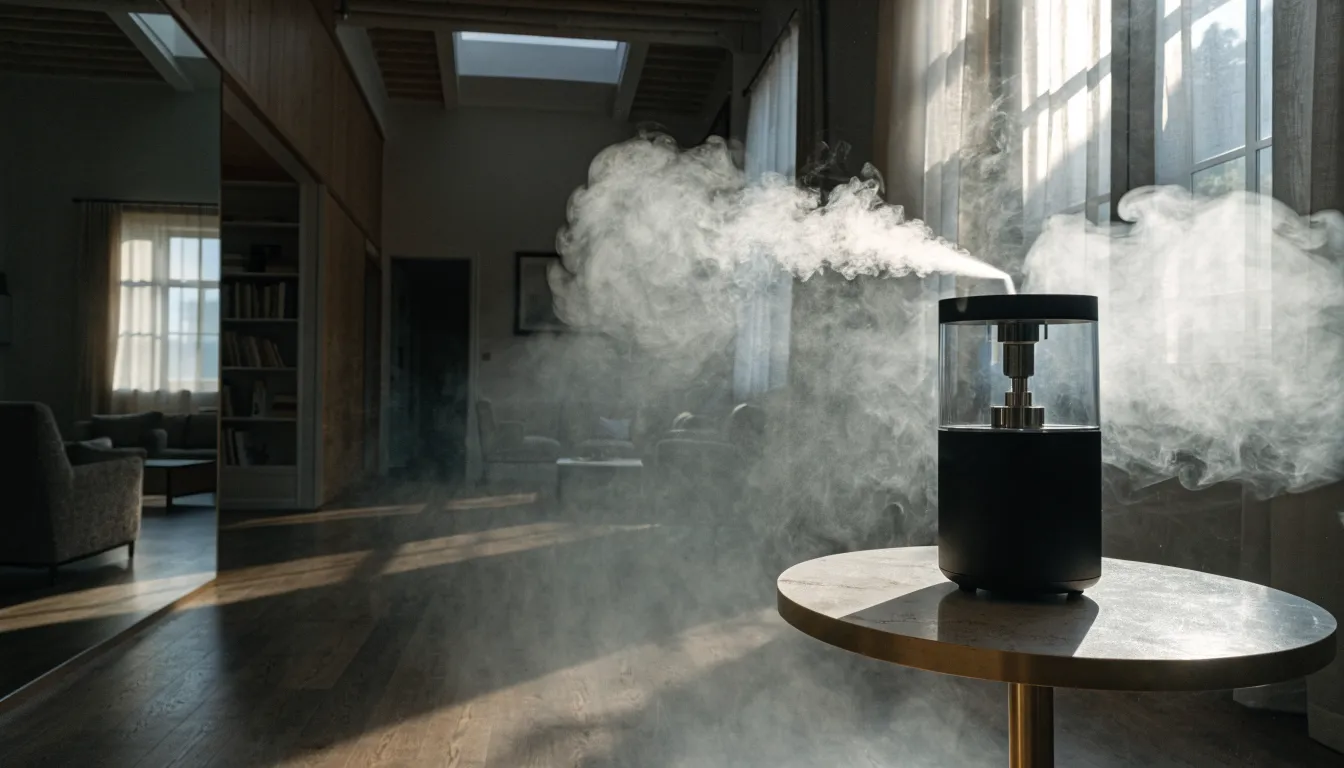
Because there is no water dilution, nebulizers deliver a noticeably stronger aroma in expansive spaces. They are the better choice when you want a potent, far-reaching scent that stays consistent throughout the room.
Water Tank Capacity
For large rooms, water tank size is key when using a diffuser for essential oils. A bigger tank means the mist and scent can spread steadily throughout the day. Look for tanks between 500ml and 1000ml, as they work much better than small ones.
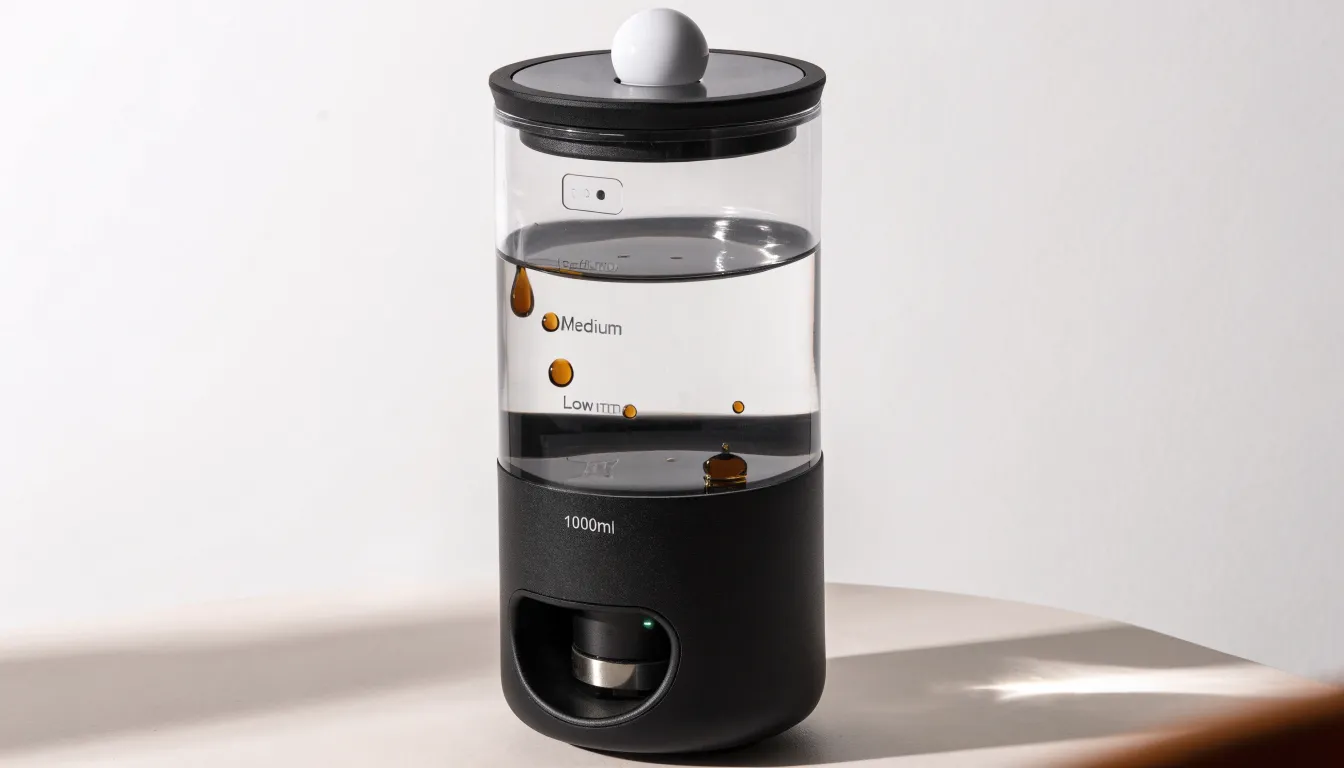
With a larger tank, the diffuser can run for many hours without needing a refill. You can enjoy your favorite essential oils from morning to night, or even while sleeping. Some models last 12 to 24 hours on one fill. Smaller tanks often need refilling every few hours, which interrupts the aroma and requires constant attention.
A large water tank supports the whole point of using essential oils in a big room: keeping the space pleasantly fragrant for a long time. It makes the diffuser a true set-and-forget device, perfect for living rooms, offices, or open areas where you want continuous aroma without hassle.
Run Time Settings
Run time settings are key to getting the most from a large-room diffuser. Timer modes let you choose between steady continuous operation and intermittent cycles, giving you control over how essential oils are released and how the scent fills the space.
Continuous running provides a strong, constant aroma, which is useful for fully scenting a big room or keeping a bold fragrance during an event. But it uses up essential oils quickly, and the scent can become too heavy over time. Intermittent pulse cycles—like 10 to 15 minutes on, then 30 minutes off—release fragrance in controlled bursts, letting the aroma fade slightly before the next one. This keeps the room pleasant and helps prevent scent fatigue.
Adjusting these pulse intervals is also a smart way to conserve essential oils. Because the diffuser isn’t actively dispersing the whole time, each bottle lasts much longer. It also stretches the diffuser’s overall runtime, since water and battery power drain more slowly. Managing run time settings well creates the right balance between effective fragrance and lasting efficiency.
Essential Oil Dispersion
For large open-concept homes, a diffuser must push scent far beyond where it sits. High-output models do this with specialized mist nozzles and built-in fans, designed to handle much larger volumes of air.
These diffusers use advanced ultrasonic technology inside high-volume nozzles to create a very fine, cool mist. Each tiny water particle carries essential oil molecules, and the nozzle design helps release a large amount of mist with strong initial force, giving the scent particles a powerful start.
After that, internal fans add extra momentum, drawing in the mist and pushing it steadily outward so it doesn’t just settle nearby. This combined force lets the scented mist travel much farther, overcome open-air resistance, and spread evenly through large rooms and into connected spaces like kitchens, hallways, and dining areas—turning a big, scent-free area into a consistently fragrant environment.
Heatless Cold Air Technology
Heatless cold air technology is a top method for diffusing essential oils, especially when keeping their natural quality matters most. It works through cold-air atomization, turning liquid oils into a fine, dry mist without any heat. A high-speed air pump pushes air through a nebulizer, creating a strong jet that breaks the oil into microscopic particles and releases them into the air.
Because no heat is used, the therapeutic value of the oils is preserved. Many beneficial compounds in essential oils—like terpenes, esters, and phenols—are sensitive to heat. High temperatures can cause them to break down or oxidize, reducing their effectiveness and changing their makeup. Cold-air atomization keeps these delicate parts intact, so users get the full range of natural benefits each oil offers.
This method also protects the oil’s true scent. Heat can distort aromas, making some notes stronger, others weaker, or creating unwanted smells from chemical changes. By keeping the oil in its natural state, cold-air diffusion faithfully releases the complete, balanced fragrance into the room, giving an authentic and true olfactory experience.
Airflow and Room Placement
To fill a large room with essential oil scent, where you put your diffuser matters a lot. Just turning it on in a corner may only scent that small area. For better coverage, place it where natural air moves, like near doorways or open spaces. These gentle currents carry the mist farther across the room.
A central spot often works best. Putting the diffuser on a coffee table, island, or console away from walls lets the mist spread in all directions. This helps the aroma reach every corner of the room over time.
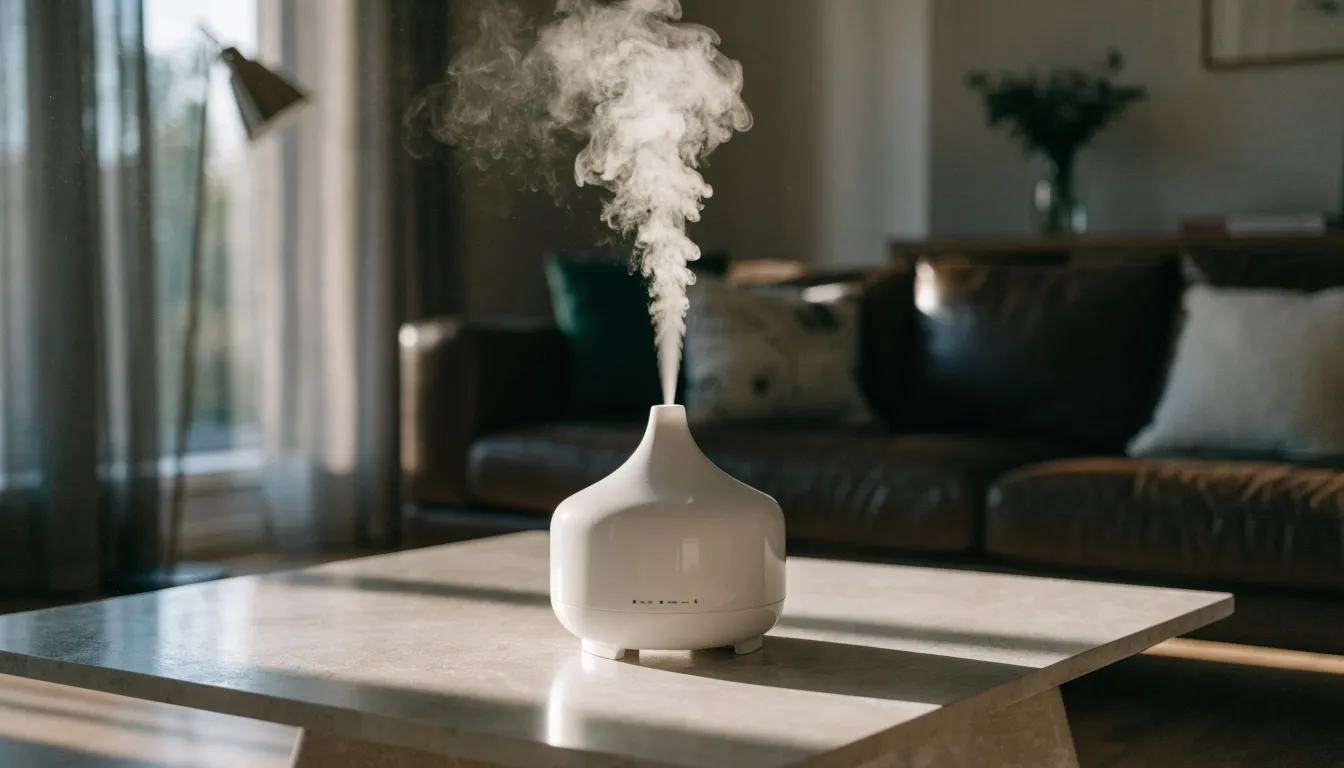
Avoid placing the diffuser under a drafty window or in front of a strong AC vent. Direct air can break up the mist too fast, making the scent weak or pushing it away. Thoughtful placement—using gentle airflow and central spots while avoiding strong drafts—will keep your large room smelling consistently fresh.
Noise Levels and Motors
When choosing a diffuser for a large room, you need a motor strong enough to send the aromatherapy mist into every corner. But power should not come with a loud hum. The best option offers strong diffusion while staying quiet enough for relaxation, focus, or sleep.
A good way to check quietness is the decibel rating. Many quality large-room diffusers stay below 30 to 35 decibels, about as soft as a whisper or rustling leaves. This quiet performance comes from a well-made motor that reduces friction and vibration, so it can run powerfully without making much noise.
On the other hand, weaker or cheaper motors may still be strong but often create buzzing or humming sounds. That can be annoying in living spaces and especially bad for bedrooms. So look for models with clearly stated low decibel levels and durable, quiet motors—this ensures a calm, effective aromatherapy experience in any large room.
Maintenance and Cleaning
Keeping a large-capacity diffuser well-maintained helps it last longer and keep performing, especially when it’s constantly scenting a big room. Regular cleaning stops essential oil residues from building up, which can reduce efficiency and even clog the inner parts. A simple vinegar solution can keep the diffuser working smoothly, so it continues to release its full aroma without interruptions.
To clean, unplug the diffuser and empty any leftover water and essential oil from the tank. Fill the tank halfway with clean tap water and add a tablespoon or two of white vinegar. The vinegar’s acidity breaks down the greasy oil residue left behind on the inside surfaces and on the ultrasonic disc. Let the solution sit for about 30 minutes so it can loosen any stubborn buildup.
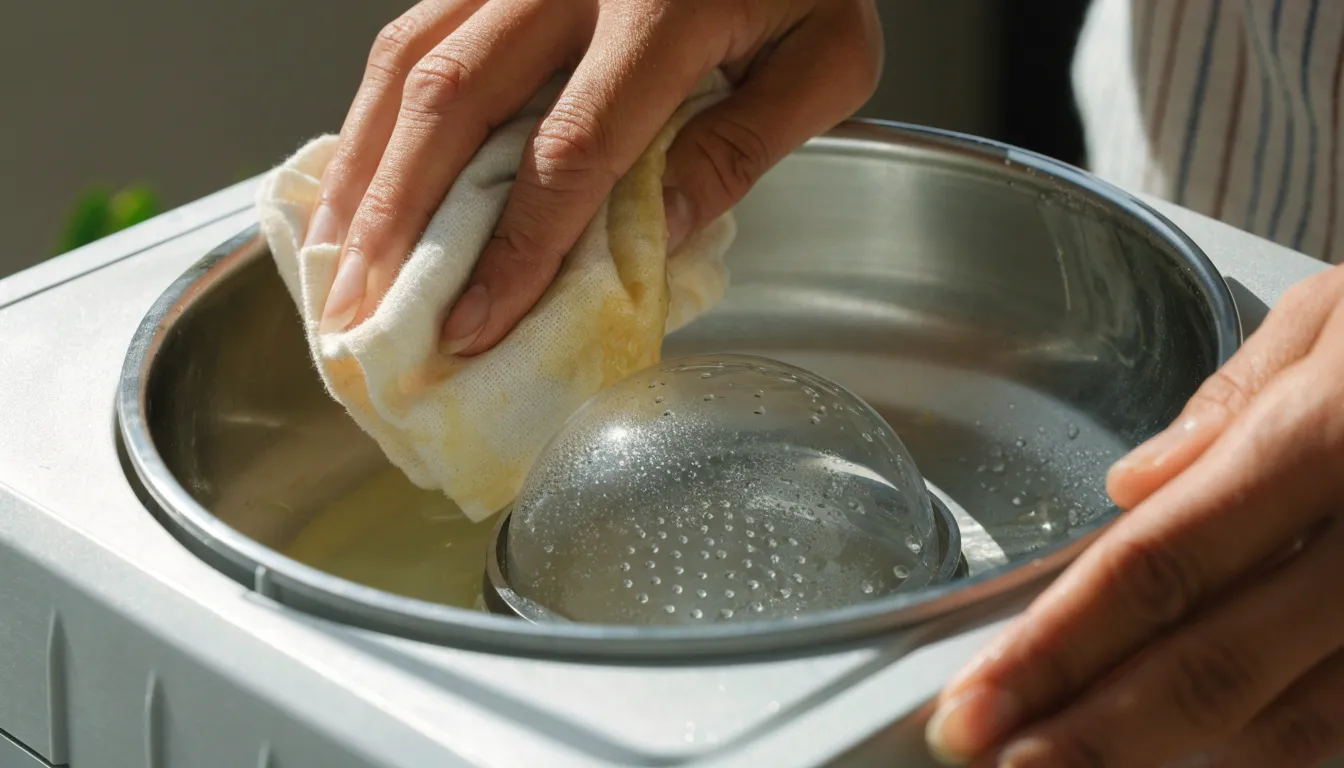
After soaking, pour out the vinegar solution and gently wipe the inside with a soft cloth or cotton swab, giving extra attention to the ultrasonic disc where mist is produced. Make sure all visible oil and mineral deposits are gone, then rinse thoroughly with fresh water to remove any vinegar smell. Refill with clean water and run the diffuser for a few minutes, then empty it again. This routine clears away oil residue, prevents clogs, and keeps your large-room diffuser working at its best.
Water Quality Matters
Tap water often contains minerals like calcium and magnesium. In a large ultrasonic diffuser, those minerals don’t evaporate with the water. Instead, they’re left behind as white dust on nearby surfaces and build up inside the tank and on the ultrasonic plate. This buildup is called calcification, and it directly affects how well your diffuser can spread essential oils.
When the ultrasonic plate gets coated with minerals, it can’t vibrate as effectively. That means less fine mist is produced, so the essential oil scent doesn’t fill the room as well. Large diffusers use more water, so mineral buildup happens faster and puts extra strain on the machine, leading to weaker performance and a shorter lifespan.
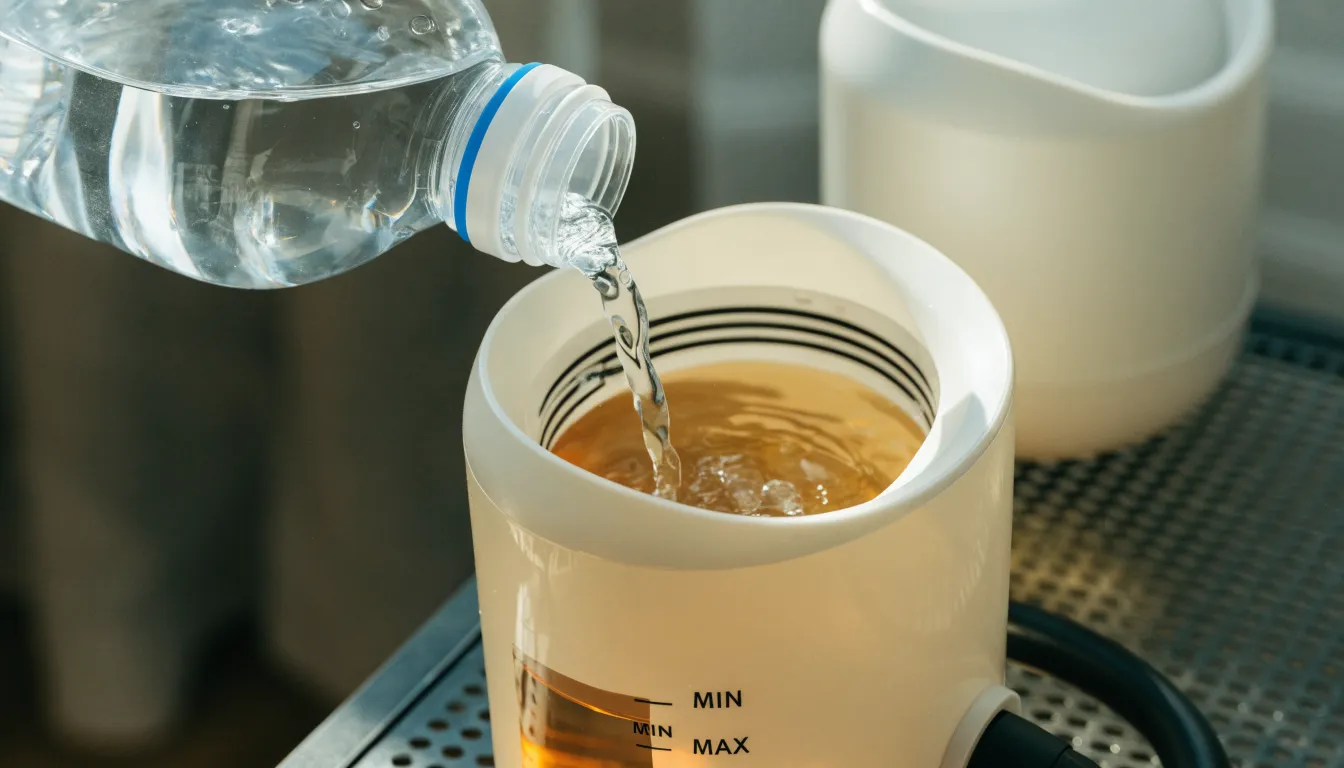
The best fix is to use distilled water. Distilled water has had nearly all minerals removed, so there’s nothing left to create white dust or damage the plate. A clean plate vibrates smoothly and creates a steady, fine mist that carries your essential oils properly. This keeps your large-room diffuser running efficiently, lasts longer, and saves you from constant cleaning and costly replacements.
Essential Oil Dosage
For large-room diffusers, getting the right essential oil amount is key to a good scent throw. High-capacity diffusers run for many hours, so they need a different approach to drops than smaller models. You want a noticeable, pleasant aroma throughout the space, but not so strong that it overpowers people or bothers those with sensitivities.
For diffusers with 300ml to 500ml reservoirs, start with about 10 to 15 drops. For very large tanks of 700ml or more, you can gradually increase to 18 to 25 drops. Always begin on the lower end. After an hour, check how well the scent has spread. If it’s too weak, add a few more drops and wait again before adjusting. This slow, step-by-step method avoids wasting oil and helps create a balanced aroma.
Different oils also need different amounts. Stronger oils like peppermint or eucalyptus may require fewer drops, while citrus oils often need more to be noticeable. Experimenting with each oil’s natural strength will help you find the perfect amount for your large room.
Top Features Checklist
When buying a diffuser for a large room, focus on the key features that keep it safe and useful. Automatic shut-off is essential—it turns the diffuser off when the water runs out, preventing damage and fire risk. This lets you run it unattended, even overnight, without worry.
Next, look for adjustable mist settings. One mist level may not be enough for a big space. A higher setting spreads scent widely, while a lower setting gives a lighter background aroma. This lets you match the diffusion to the room size and your preference. Ambient lighting is a nice extra, adding mood and acting as a gentle nightlight, but it doesn’t affect scent distribution.
Finally, check the warranty. A good warranty means the manufacturer trusts the product and protects your purchase if something goes wrong. With automatic shut-off, adjustable mist settings, and reliable warranty coverage, you can confidently choose a diffuser that fills your large room with essential oil aroma safely and effectively.
Final Setup Guide
When your new diffuser arrives, unpack it carefully and check for any damage. Make sure all parts—like the power adapter, water tank lid, and accessories—are included. Wipe the tank and lid with a soft, damp cloth to remove dust, then place the diffuser on a flat, stable surface away from drafts or air vents that could disrupt the mist. Once that’s done, plug it in and get ready to enjoy it.
For the best scent output, use room-temperature or slightly cool water. This helps the ultrasonic vibrations break down your essential oils properly, producing a strong, pleasant aroma throughout a large room. Avoid hot water, since it can harm the diffuser and doesn’t improve scent. Lukewarm water is fine, but extreme temperatures should be avoided for the best performance and longevity.
If the scent seems weak at first, do a quick check: make sure the water level sits between the minimum and maximum fill lines, and add about 5–10 drops of essential oil for a larger space, adjusting to your preference. Confirm the power cord is secure, press the mist button for continuous or intermittent mode, and check that nothing is blocking the mist outlet or fan vents. These simple steps will help your diffuser produce strong, steady scent right from the start.
Frequently Asked Questions
Why don’t small diffusers work well in large rooms?
Standard diffusers often fail in large living areas because they release only a small amount of essential oil vapor, which spreads too thin to notice. High ceilings and open-concept layouts make this worse, causing the scent to become imperceptible. A small-capacity diffuser simply cannot produce enough aromatic output for a large, open, high-ceilinged room.
Which type of diffuser is better for a large space, ultrasonic or nebulizing?
Nebulizing diffusers are generally better for large rooms as they work without water, turning pure, undiluted essential oil into a fine, dry mist for a much stronger and more immediate scent. Ultrasonic diffusers use water, which dilutes the oil, making the scent less powerful and slower to fill a big room.
How do I clean my large-room essential oil diffuser?
To clean, unplug the diffuser and empty it, then fill the tank halfway with water and add one to two tablespoons of white vinegar. Let the solution sit for about 30 minutes, then pour it out and gently wipe the inside with a soft cloth, paying extra attention to the ultrasonic disc. Rinse thoroughly with fresh water and run the diffuser for a few minutes with clean water.
What kind of water should I use in my diffuser?
The best fix is to use distilled water, as it has nearly all minerals removed. Tap water contains minerals that can build up as calcification on the ultrasonic plate, reducing mist production and putting extra strain on the machine, leading to weaker performance and a shorter lifespan.
How many drops of essential oil should I use in a large diffuser?
For diffusers with 300ml to 500ml reservoirs, start with about 10 to 15 drops, and for very large tanks of 700ml or more, you can gradually increase to 18 to 25 drops. Always begin on the lower end and adjust after an hour to find a balanced aroma. Stronger oils like peppermint or eucalyptus may require fewer drops, while citrus oils often need more.
What important features should a large-room diffuser have?
Essential features include automatic shut-off to prevent damage and fire risk when water runs out, and adjustable mist settings to match the diffusion to the room size and your preference. A good warranty also means the manufacturer trusts the product and protects your purchase.