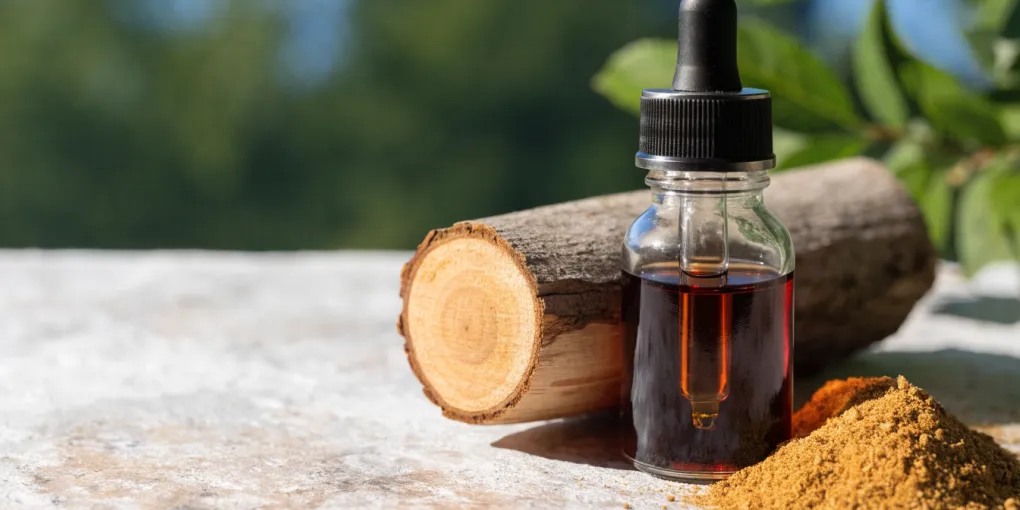
Cedarwood essential oil is derived from cedarwood trees, primarily through steam distillation, yielding a warm, woodsy, and earthy aroma. Rich in compounds like cedrol and sesquiterpenes, it offers diverse benefits including promoting relaxation, supporting skin and hair health, aiding respiratory comfort, acting as an insect repellent, and serving as a grounding base note in aromatherapy blends.
Table of Contents
- The Rich Roots of Cedarwood
- Aromatic Profile Unveiled
- Soothing Troubled Skin
- Natural Hair Care Booster
- Unwinding After Long Days
- Respiratory Comfort Support
- Natural Insect Repellent
- Healthy Scalp Maintenance
- Blending Cedarwood Successfully
- Safe Application Methods
- Room Diffuser Blends
- Home Cleaning Solutions
- Daily Cedarwood Integration
The Rich Roots of Cedarwood
Cedarwood has been valued since ancient times for its durability and rich scent. Early civilizations used cedarwood oil in mummification because of its preservative qualities, and they also added it to cosmetics and perfumes. Its strong, rot-resistant wood was used to build ships and temples, while cultures such as the Sumerians, Babylonians, Romans, and Greeks used cedar in religious ceremonies, as incense, and in early medicines. The famous Cedars of Lebanon became especially prized for their fragrant timber and lasting role in ancient history.
Today, cedarwood essential oil is made mainly through steam distillation. Wood chips or sawdust are placed in a still, and superheated steam is passed through them. This gentle process releases the wood’s aromatic compounds as vapor, which then cools and condenses back into liquid. Since oil and water don’t mix, the pure cedarwood oil rises to the top and is separated from the water.

This careful method keeps the important compounds intact, especially cedrol, which gives cedarwood its warm, woody scent and calming effect. The oil also contains sesquiterpenes, which are responsible for many of its deeper therapeutic benefits. Together, these compounds make cedarwood essential oil useful for relaxation, aromatherapy, and natural wellness.
Aromatic Profile Unveiled
Cedarwood essential oil has a warm, woodsy, and earthy scent that feels comforting and familiar, like a calm forest. Its aroma comes from a complex mix of chemical compounds, so you may notice subtle resinous, lightly sweet, or even smoky hints depending on the variety. This keeps the scent from being flat, making it a rich and inviting fragrance.
In aromatherapy and perfumery, cedarwood works mainly as a grounding base note. Base notes form the foundation of a blend, giving it depth and helping the fragrance last longer after lighter top and middle notes fade. Cedarwood’s stable, earthy presence promotes a sense of steadiness and calm, which is why it is often used in blends for relaxation, meditation, or creating a peaceful space. Diffused, it helps you unwind after stress or stay focused during quiet activities.
Cedarwood also strengthens other aromatherapy blends by acting as a master blender. It pairs well with bright citrus oils like bergamot and orange, herbaceous oils like lavender and clary sage, and woody or spicy oils like frankincense and sandalwood. It lets lighter scents open up gently while keeping the whole blend balanced and long-lasting, making it an essential part of well-rounded aromatic mixes.
Soothing Troubled Skin
Cedarwood essential oil helps soothe troubled skin and supports a clearer, more comfortable complexion. It works through antimicrobial and anti-inflammatory properties that calm irritation, making it a useful addition to skincare routines for redness and blemishes.
Its antimicrobial compounds help stop bacteria from growing on the skin, which is a common cause of acne. By targeting this root issue, the oil purifies the skin and helps reduce the number and severity of new breakouts.
Cedarwood oil also lessens inflammation, which is especially helpful for conditions like eczema that cause red, itchy, irritated skin. When diluted and applied, it calms flare-ups, eases discomfort, and evens out skin tone. With regular use, it can visibly reduce redness and improve the overall texture and look of troubled skin.
Natural Hair Care Booster
Cedarwood essential oil is a powerful natural hair care booster. It helps hair look thicker and stronger while supporting a healthy scalp. To get these benefits, massage a diluted amount directly into the hair roots and scalp. This targeted application is key, as massaging helps stimulate blood circulation in the scalp. Better blood flow means more oxygen, nutrients, and growth factors reach the hair follicles, which supports stronger strands and overall scalp vitality.
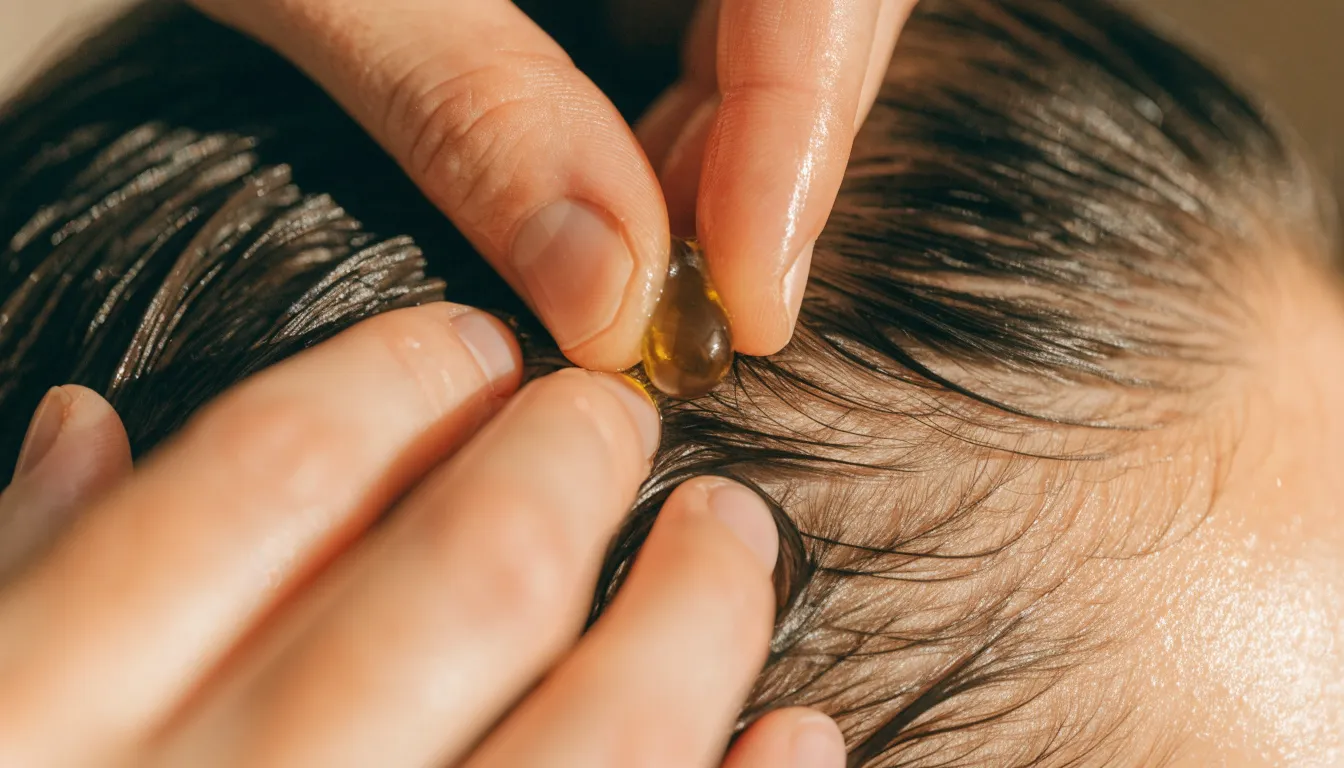
The oil also helps strengthen individual hair follicles. Stronger follicles are less likely to break or shed prematurely, so hair loss and breakage are reduced. By reinforcing the hair’s structural foundation, cedarwood oil helps hold existing hair in place and creates a stable base for new growth. Over time, this leads to greater hair density and a visibly fuller appearance. With better circulation and stronger follicles working together, the hair growth cycle becomes more efficient, producing hair that looks thicker, healthier, and more lustrous.
Cedarwood oil benefits the scalp itself as well. A well-nourished, balanced scalp gives hair the best conditions to keep growing. The oil can help regulate sebum production, keeping the scalp clean and receptive to healthy hair development. With regular use, cedarwood oil can visibly transform hair, making it feel and appear noticeably more abundant and healthy.
Unwinding After Long Days
Cedarwood essential oil is a natural way to unwind after stressful days. Its calming, sedative properties work directly on the nervous system. Inhaling the aroma through a diffuser or from the bottle signals the brain to relax, slowing the racing thoughts and anxiety caused by tension.
It also helps promote restful sleep. Adding it to an evening routine—through a bedroom diffuser, on pulse points with a carrier oil, or in a warm bath—can help you fall asleep faster and enjoy deeper, more restorative rest. This supports physical and mental recovery, so you wake up feeling refreshed instead of drained.
Finally, cedarwood oil helps lower cortisol, the main stress hormone. High cortisol from prolonged pressure can cause fatigue and poor focus. By encouraging relaxation, cedarwood oil may support the body’s return to a peaceful, balanced state, making it a valuable tool for stress relief.
Respiratory Comfort Support
Cedarwood essential oil can naturally support respiratory comfort, especially through steam inhalation. Its warm, woodsy vapors help make breathing feel clearer and easier. To use this method, simply add a few drops of the oil to a bowl of hot water and gently breathe in the infused steam.
The warm, moist air carries cedarwood’s beneficial compounds into the airways, helping them relax and ease any tightness. This allows air to move more freely in and out of the lungs. Cedarwood also helps with congestion by loosening mucus and phlegm in the nasal passages and bronchial tubes, supporting the body’s natural clearing process and reducing stuffiness and pressure.
With open airways and reduced congestion, cedarwood supports overall bronchial comfort, especially during seasonal changes when respiratory sensitivities are common. Regular use of cedarwood-infused steam can help maintain a sense of ease and openness in the breathing system, offering a simple and comforting way to support respiratory well-being and bring calm and clarity when extra care is needed.
Natural Insect Repellent
Cedarwood essential oil works as a natural insect repellent thanks to its active compounds, especially cedrol and other sesquiterpenes. These chemicals disrupt insects’ sensory systems, disorienting them and making treated areas less appealing for nesting or feeding.
This makes it useful against several pests. Moths avoid laying eggs in cedar-treated clothing and storage spaces, protecting fabrics from damage. Fleas find treated pet bedding and homes inhospitable, and mosquitoes are deterred by the oil’s scent, reducing outdoor irritation without strong chemical repellents.

Because cedarwood oil comes from a natural botanical source, it offers a gentler alternative to synthetic products. It helps keep your home and family protected from pests while avoiding harsh toxins, supporting a cleaner and more naturally comfortable living space.
Healthy Scalp Maintenance
Cedarwood essential oil is a natural way to keep a healthy scalp and fight off dandruff and flakiness. Its main power is its antifungal action, which works to restore the scalp’s natural balance. This helps regulate sebum production, keeping the scalp from becoming either too oily or too dry—both of which can cause dandruff—and stops problematic microbes from growing.
When the scalp is balanced, dead skin cells don’t pile up as quickly. Dandruff flakes are simply too many dead skin cells shedding at once. By calming the scalp and slowing down this rapid cell turnover, cedarwood clears up existing flakes and prevents new ones from forming, leaving a consistently cleaner and healthier scalp surface.
On top of that, cedarwood provides great relief from the constant itchiness linked to dandruff. Its soothing properties reduce irritation and discomfort. A calmer scalp means less scratching, which protects the skin barrier from damage. With regular use, it encourages an overall healthier, more comfortable scalp environment through a gentle and natural approach.
Blending Cedarwood Successfully
Cedarwood essential oil serves as a powerful base note in any blend, bringing a deep, woody, and grounding aroma. Its rich, smoky character anchors the mix and gives more volatile oils a stable foundation to build upon.
Lavender is an excellent partner for cedarwood. As a middle note, lavender’s sweet, herbaceous floral scent softens cedarwood’s intensity and adds a calm, serene balance. Together, they create an aroma that is both earthy and gentle, promoting relaxation and tranquility.
Adding citrus oils like bergamot, sweet orange, lemon, or grapefruit lifts the blend with bright, zesty top notes. These fresh, cheerful scents keep the mixture from becoming too heavy or flat. The combination of cedarwood’s grounding depth, lavender’s soothing middle, and citrus’s vibrant lift results in a balanced, full-bodied fragrance that supports calm, mental clarity, and an overall steady mood.
Safe Application Methods
Before using cedarwood essential oil, always do a patch test on a small area like your inner forearm to check for skin reactions. Never apply it undiluted, and keep it away from your eyes, inner ears, and other sensitive areas. Don’t take it internally unless a qualified healthcare professional tells you to. Pregnant or nursing people, children, and anyone with medical conditions should talk to a doctor first.
For most adults, a safe dilution is 1–2%, which means adding about 6–12 drops of cedarwood oil to every ounce (30 ml) of carrier oil. For a small, specific skin concern, you might use up to 5%, but only after a successful patch test and with care. For children or sensitive skin, use a much lower dilution—around 0.5% or less. It’s always better to use less oil and add more if needed.
Choosing the right carrier oil also matters. Jojoba oil closely matches the skin’s natural oils, sweet almond oil is gentle and moisturizing, fractionated coconut oil is light and non-greasy, and grapeseed oil is non-comedogenic, making it good for breakout-prone skin. These carrier oils dilute the potent essential oil, reduce irritation risk, and add their own skin-loving benefits.
Room Diffuser Blends
Cedarwood essential oil helps turn a bedroom or office into a calm, woodsy retreat. Its grounding aroma brings a sense of peace and stability, making it easier to unwind from daily stress and feel more at ease in your own space, especially when using one of the 6 best essential oil diffusers for small spaces. Its grounding aroma brings a sense of peace and stability, making it easier to unwind from daily stress and feel more at ease in your own space.
For better sleep, try a “Deep Forest Slumber” blend: 4 drops cedarwood, 3 drops lavender, and 2 drops vetiver or frankincense. Cedarwood forms a warm, earthy base, lavender adds gentle floral calm, and vetiver deepens the grounding effect—together they soothe the mind and prepare the body for deep rest.
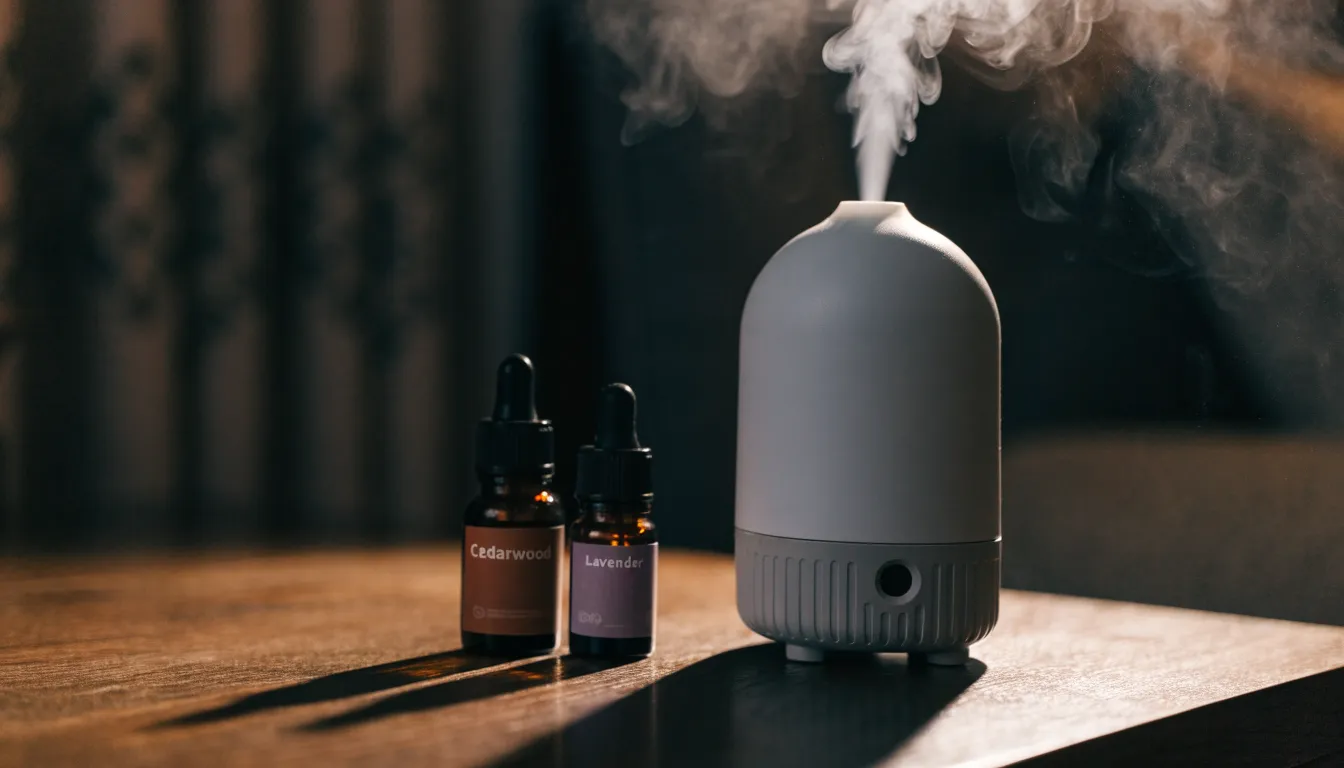
For clearer focus at work, use a “Focused Forest Workspace” blend: 4 drops cedarwood, 3 drops lemon or bergamot, and 2 drops fir needle or spruce. Cedarwood keeps you centered, citrus oils lift and sharpen the mind, and fir or spruce adds a fresh pine scent that reduces stress and keeps your workspace feeling inspiring and clear.
Home Cleaning Solutions
Cedarwood essential oil is a great addition to homemade cleaners. Its fresh, woodsy smell makes cleaning more enjoyable, and its natural antibacterial qualities mean you can avoid harsh chemical products and use safer, non-toxic alternatives instead.
For an all-purpose surface cleaner, fill a spray bottle with one cup of distilled water and half a cup of white vinegar. Mix in 15-20 drops of cedarwood oil (and optionally a little castile soap). Shake it before each use. This spray works well on countertops and hard surfaces, leaving a fresh smell and a clean result without harsh chemical residues.
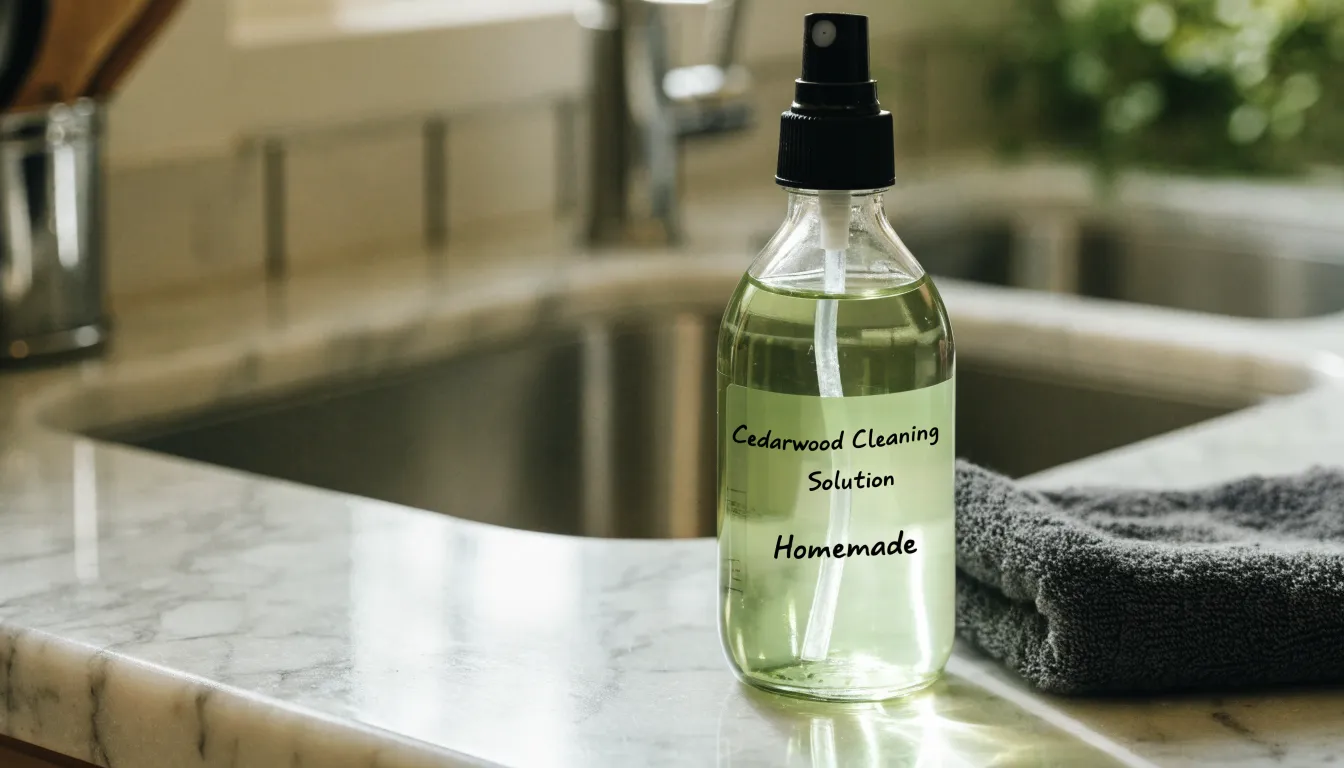
Cedarwood oil also makes a great linen spray. Combine three-quarters of a cup of distilled water with two tablespoons of witch hazel and 10-15 drops of cedarwood oil. Shake and mist it over curtains, upholstery, or bedding. It neutralizes odors and adds a calming, fresh scent. These simple, homemade recipes provide an eco-friendly and healthy way to keep your whole home clean and smelling wonderful.
Daily Cedarwood Integration
Start your day with a grounding boost by adding one drop of cedarwood essential oil to your usual face serum or moisturizer. Mix it in your palm, then apply to your face and neck after cleansing. The soft woodsy scent helps center your mind for the day ahead, while the oil supports your skin.
In the evening, turn your bath into a calming ritual. Mix 5–10 drops of cedarwood oil with a tablespoon of carrier oil, like jojoba or almond, or with a cup of Epsom salts. Add this to warm bathwater before getting in. The steam carries the relaxing aroma, soothing your body and mind and helping you prepare for restful sleep.
During the day, use cedarwood for quick moments of calm. Add a few drops to a small diffuser for five to ten minutes while you take a break, meditate, or reflect. Or simply inhale the scent from the bottle or a tissue for instant grounding. These small practices can uplift your mood and bring a steady sense of peace.
Frequently Asked Questions
How is cedarwood essential oil produced?
Cedarwood essential oil is primarily made through a process called steam distillation, where superheated steam passes through wood chips or sawdust. This process releases aromatic compounds as vapor, which then condenses, allowing the pure oil to be separated from the water.
What does cedarwood essential oil smell like and what can I blend it with?
Cedarwood essential oil has a warm, woodsy, and earthy scent, often with subtle resinous, sweet, or smoky hints. It works well as a grounding base note and pairs successfully with bright citrus oils like bergamot, herbaceous oils such as lavender, and other woody or spicy oils like frankincense.
Can cedarwood essential oil benefit my skin and hair?
Yes, cedarwood essential oil can soothe troubled skin due to its antimicrobial and anti-inflammatory properties, helping to calm irritation, redness, and blemishes. For hair, it supports thickness and strength by stimulating scalp circulation and strengthening follicles, while its antifungal action helps combat dandruff and flakiness.
How can cedarwood essential oil help me unwind and improve my sleep?
Cedarwood essential oil’s calming, sedative properties work directly on the nervous system, helping to relax racing thoughts and anxiety. Incorporating it into an evening routine, such as diffusing it or adding it to a bath, can help you fall asleep faster, enjoy deeper rest, and lower cortisol levels.
What are the important safety guidelines for using cedarwood essential oil?
Always perform a patch test on a small area of skin before use, and never apply cedarwood essential oil undiluted to the skin. Keep it away from your eyes and other sensitive areas, and do not take it internally unless specifically advised by a qualified healthcare professional. Pregnant or nursing individuals, children, and those with medical conditions should consult a doctor first.
Can cedarwood essential oil be used for natural home cleaning and pest control?
Yes, cedarwood essential oil is a great addition to homemade cleaners, offering a fresh, woodsy scent and natural antibacterial qualities for surfaces and linens. It also acts as a natural insect repellent against pests like moths, fleas, and mosquitoes, thanks to compounds that disrupt their sensory systems.