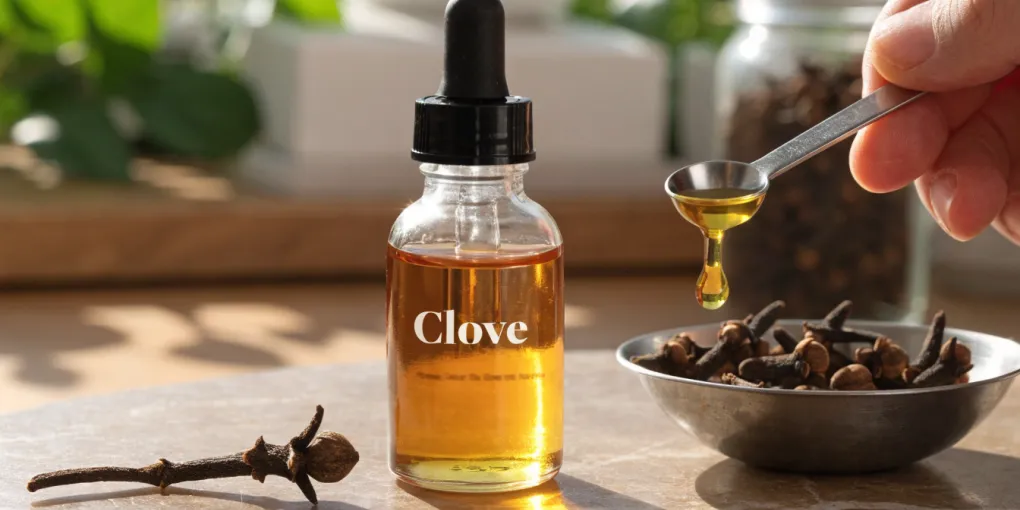
Clove essential oil, sourced from the evergreen Syzygium aromaticum tree’s unopened flower buds via steam distillation, is rich in eugenol. It offers natural pain relief, supports oral and scalp health, acts as a powerful antimicrobial agent, aids digestion, promotes clear skin, enhances energy, and creates a cozy home atmosphere. Always dilute before topical use.
Table of Contents
Warm Spice Origins
Clove essential oil comes from the evergreen Syzygium aromaticum tree, a member of the myrtle family. These trees grow steadily in tropical conditions, and their year-round green foliage and natural resilience help produce consistent, high-quality aromatic compounds. Traditional growing and harvesting methods support both potency and sustainability.
The tree’s original home is the Maluku Islands in Indonesia, once the Spice Islands. The rich volcanic soil, frequent rain, and warm, humid climate help the trees reach their full aromatic potential. These conditions naturally boost the compounds that give clove its signature scent and beneficial properties.
The best essential oil comes from the tree’s unopened flower buds. These small, nail-shaped buds are hand-picked just before blooming, when their aromatic compounds are strongest. Steam distillation then gently extracts the oil, preserving its warm, spicy, slightly sweet aroma and concentrated benefits.Clove essential oil comes from the evergreen Syzygium aromaticum tree, a member of the myrtle family that keeps its green leaves all year. Growing well in warm tropical climates, these sturdy trees produce consistent aromatic compounds. Traditional growing and harvesting methods, passed down through generations, help protect the plant’s natural qualities and keep the oil strong and effective.
The tree originally comes from the Maluku Islands in Indonesia—also called the Spice Islands—where it thrives in rich volcanic soil with plenty of rain and warm, humid air. These unique natural conditions help the tree concentrate the compounds responsible for clove’s signature scent and benefits. The area’s biodiversity and clean environment support the health and vitality of the oil-producing trees.
The most valuable part for essential oil is the unopened flower bud. These small, nail-shaped buds are hand-picked just before they bloom, when their aromatic compounds are strongest. Steam distillation then gently extracts the pure oil, preserving its warm, spicy, and slightly sweet notes and ensuring a potent, natural product.

Essential Oil Distillation
Steam distillation is the key method for turning clove buds into a concentrated essential oil, often called “liquid gold.” The process starts with high-quality dried flower buds, leaves, and stems of the clove tree, which are naturally rich in eugenol, the main compound responsible for clove oil’s therapeutic effects.
The plant material is placed into a stainless steel chamber, and pure steam is pumped in. The heat and pressure from the steam burst the tiny oil glands inside the plant cells, releasing volatile aromatic compounds like eugenol. These vapors rise and travel into a condenser, where cool water rapidly turns them back into liquid form.
The condensed liquid flows into a separator, where the oil naturally floats above the water because it is lighter and doesn’t mix. This makes it easy to collect the pure clove essential oil. The result is a potent, eugenol-rich oil that keeps its full aroma and healing benefits without any harsh chemicals.
Natural Pain Relief
Clove oil is a great natural option for physical aches and pains. Its main pain-fighting ingredient is eugenol, which provides a numbing effect when applied to the skin. It works directly on nerve endings to quiet pain signals, acting much like a natural topical painkiller.
It is especially helpful for easing stiffness after exercise or long activity. The warming sensation it creates relaxes tight muscles, soothes tired joints, and helps reduce general muscle fatigue, making movement feel smoother and more comfortable.
To use it safely, always mix clove oil with a carrier oil, such as jojoba or almond oil. This simple step prevents skin irritation and allows the oil to work effectively, delivering its pain-relieving benefits without any harsh side effects.

Mouth Booster
Clove oil has a long history of being a powerful helper in dental care. Its strong germ-fighting properties actively kill the bacteria that cause bad breath. Instead of just covering up the smell, it deeply cleans the mouth, giving a fresh feeling that lasts and keeps your mouth healthy.
The oil is also known for easing mouth pain and irritation. Its natural anti-inflammatory properties help reduce swelling and pain from minor wounds, canker sores, or sore gums. When used properly, it comforts these areas and supports the mouth’s natural healing process.
Its most famous use is for toothaches. The main active ingredient, eugenol, works as a natural anesthetic. Applying a small, diluted amount to the sore tooth or gum can briefly numb the area, offering quick relief. This makes it a trusted home remedy for temporary comfort until you are able to see a dentist.
Scalp Care Solution
Clove essential oil can greatly improve scalp health and support natural hair growth. When diluted properly and applied to the scalp, it boosts blood flow in the skin. Better circulation means hair follicles receive more oxygen and nutrients, helping them grow stronger and making hair less likely to break.
This oil also helps keep the scalp balanced, which reduces dandruff and prevents dryness or irritation. A calmer, healthier scalp gives hair the right environment to thrive. With regular use, clove oil can also add a healthy shine. Well-nourished hair becomes smoother and reflects light better, giving it a natural, lustrous look.
Always dilute clove oil before applying it to your scalp. Used this way, it supports overall hair vitality and makes a simple, valuable addition to your hair care routine.
Powerful Plant Shield
Clove essential oil acts as a powerful plant shield against everyday germs and bacteria. Its main active compound, eugenol, along with other natural components, works by breaking down the cell membranes of harmful microbes, stopping their growth. Studies show it is effective against common household threats like E. coli, Staphylococcus aureus, and Salmonella, which are often found on kitchen surfaces, cutting boards, and in bathrooms.
It also offers strong antifungal benefits. Clove oil helps fight molds and yeasts that tend to grow in damp areas such as shower curtains, basements, and humid corners of the home. By preventing their spread, it keeps these spaces cleaner and helps avoid musty odors.
In addition, clove oil can neutralize airborne microbes. Diffusing it helps cleanse the air, reducing microscopic invaders and creating a fresher, more sanitized atmosphere. This natural plant-based oil is a simple yet potent way to support a healthier living environment.
Can Clove Oil Boost Immunity?
Clove oil is mostly eugenol, which has strong antioxidant and antimicrobial activity in lab studies. That doesn’t translate into a stronger immune system, and there’s no human evidence that clove essential oil helps you fight off colds or flu.
Clove oil is also a strong skin and mucous-membrane irritant. Keep it at 0.5% or less on skin, don’t use it on children, keep it away from cats, and never swallow it; eugenol can affect blood clotting and is toxic in larger amounts. For staying well, the basics with real evidence behind them are vaccination, handwashing, sleep, and staying home when you’re sick. If you’re ill and not improving, see a doctor.
Digestion Relief Secret
Clove essential oil is a natural option for digestive discomfort, helping to calm an upset stomach and reduce bloating. It works by soothing the smooth muscles of the digestive tract, which can sometimes become overactive or spastic. When these muscles relax, painful cramps loosen, trapped gas is released more easily, and feelings of nausea are less likely to occur.
There are two simple ways to use clove essential oil for digestion. Inhaling its aroma allows beneficial compounds to enter the bloodstream, creating a calming effect throughout the body that can quickly ease nausea and general unease. Alternatively, you can mix clove oil with a carrier oil and massage it directly onto the abdomen, where it is absorbed locally to relieve gas and cramps right where they happen.
Both methods support the same goal: helping the digestive system relax and function more smoothly. Whether used through inhalation or topical massage, clove essential oil promotes a sense of digestive calm and comfort.
Radiant Skin Care
Clove essential oil can help give you clearer, more radiant skin, especially if you deal with blemishes or acne. It works because it has both antimicrobial and anti-inflammatory properties. The oil fights acne-causing bacteria on the skin and inside pores, which helps prevent new breakouts and manage existing ones.
Its anti-inflammatory side also helps calm redness and swelling around pimples. That makes blemishes less noticeable and less irritated. Together, these actions help spots heal faster, so your complexion looks smoother instead of dealing with lingering breakouts.
Still, clove oil is strong and can irritate skin if used directly. Always dilute it with a gentle carrier oil like jojoba, argan, or sweet almond oil. A good rule is one or two drops of clove oil per teaspoon of carrier oil, and Be sure the oils are blended thoroughly, and do a patch test on a small area like the inner forearm.

Natural Energy Boost
Clove essential oil is a natural energy booster that helps shake off sluggishness and clear brain fog. Its warm, spicy aroma works as a gentle stimulant for both the mind and body.
When inhaled or diffused, the scent travels through the olfactory system and influences the limbic system, which controls mood and emotions. This helps sharpen focus, improve cognitive function, and increase alertness, making it easier to concentrate during long tasks or busy workdays.
Clove oil also reduces mental fatigue and lifts low energy without relying on artificial stimulants. It can be especially helpful during mid-afternoon slumps, providing steady focus and revitalization without jitters or crashes.
Cozy Home Aromatherapy
Clove essential oil helps make your home feel warm and welcoming. Its rich, spicy, and slightly sweet scent naturally brings comfort and coziness to any room. Using a diffuser with just a few drops is an easy way to fill a large space with this inviting aroma, creating a calm and uplifting atmosphere.
Clove oil also pairs well with other scents. Mixing it with citrus oils like sweet orange or mandarin adds a bright, cheerful note that balances its depth—great for cooler months. For even more warmth, blend clove with cinnamon to create a cozy, baked-goods smell that makes your living room feel like a true retreat.
Beyond its pleasant fragrance, diffusing clove oil helps freshen the air. Its natural properties can make your indoor space feel cleaner and more wholesome. This makes clove oil a simple, versatile addition to your home aromatherapy routine, improving both the mood and the atmosphere of your living spaces.
DIY Household Cleaner
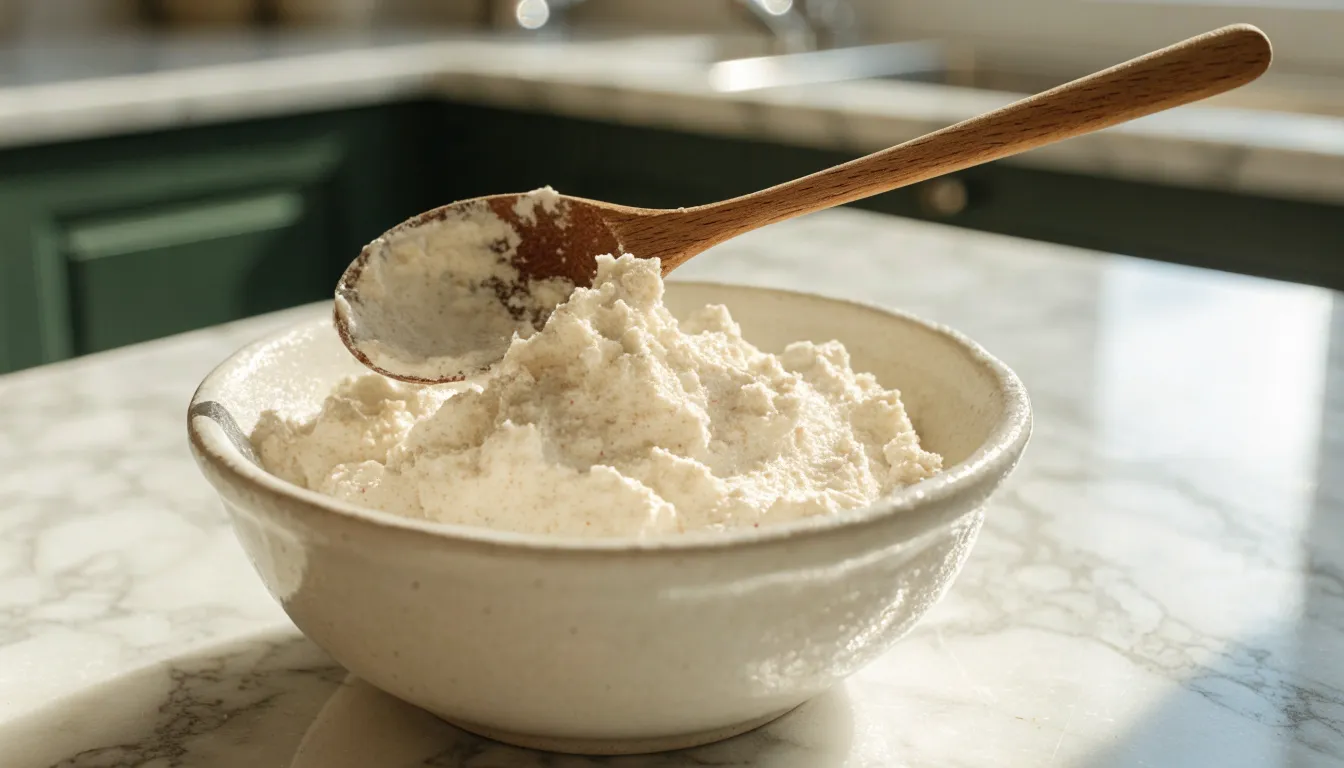
Creating your own household cleaner is a powerful, gentle alternative to store-bought products. This simple, non-toxic scrub uses common ingredients — baking soda, Castile soap, and clove essential oil — to clean kitchen counters, bathroom tiles, and tough grout without harsh chemicals.
Baking soda gently scrubs away dirt and odors, while Castile soap breaks down grease and leaves surfaces clean. Clove essential oil adds a natural antimicrobial boost, helping to sanitize as you clean, and leaves behind a warm, fresh spice scent.
To make it, mix 1 cup of baking soda with ¼ cup of liquid Castile soap to form a paste, then stir in 10–15 drops of clove essential oil. Apply, let sit, scrub, and rinse for a clean, refreshed space.
Safe Dilution Rules
Clove essential oil is extremely potent, so dilution is essential, especially for use on the skin. Its maximum dermal limit is very low, meaning only a tiny amount should ever be applied. Skipping this safety step can easily cause skin sensitivity, irritation, or a burning sensation, which would outweigh any possible benefits and lead to discomfort.
To use it safely, always mix clove oil with a carrier oil such as jojoba, sweet almond, fractionated coconut, or grapeseed. These oils reduce the clove oil’s strength to a skin-safe level while preserving its beneficial properties. A typical safe dilution is 0.5% to 1%, which means about 3 to 6 drops of clove oil per 30 milliliters (one fluid ounce) of carrier oil.
If your skin is sensitive, or if you plan to use the mixture on large body areas, aim for a lower concentration, such as 0.25%. Be sure the oils are blended thoroughly, and do a patch test on a small area like the inner forearm. Watch for any redness, itching, or discomfort for at least 24 hours before using it more widely. Following these steps helps you enjoy clove oil’s benefits while protecting your skin.
Everyday Usage Tips
Clove essential oil is easy to add to your daily routine, and one simple way to enjoy it is in the shower. Place one to two drops on the shower floor, away from the drain, before you turn on the water. The rising steam carries the oil’s scent, creating a warm, clarifying, spa-like atmosphere—perfect for an energizing start or a relaxing end to the day.
For a gentle, lasting aroma in your home, make scented sachets by putting a few drops of clove oil on a cotton ball or small piece of fabric inside a breathable pouch. Tuck these into drawers, closets, or linen cupboards to keep belongings smelling fresh and spicy, and reapply the oil every few weeks as the fragrance fades. You can also use a diffuser to spread the warming, cozy scent through a room, making living spaces feel especially inviting in cooler months.
When applying clove oil to your skin, always dilute it first with a carrier oil like jojoba or almond oil. Use one to two drops of clove oil per teaspoon of carrier oil, then gently massage the blend into areas that benefit from its warming sensation. These simple methods let you safely enjoy the comforting, aromatic benefits of clove essential oil every day.
Frequently Asked Questions
What is clove essential oil used for?
Clove essential oil is a versatile natural product known for pain relief, supporting dental health, and acting as a powerful plant shield against germs. It can also be diffused to boost energy, improve scalp health, and help with digestive discomfort.
Where does clove essential oil come from?
Clove essential oil originates from the unopened flower buds of the Syzygium aromaticum tree, which grows in tropical conditions like the Maluku Islands in Indonesia. The oil is extracted from these hand-picked buds through a process called steam distillation.
Can clove essential oil help with toothaches?
Yes, clove essential oil is well-known for its ability to ease mouth pain, including toothaches, due to its main active ingredient, eugenol, which acts as a natural anesthetic. Applying a small, diluted amount to the sore tooth or gum can provide temporary relief.
How should I dilute clove essential oil before applying it to my skin?
Clove essential oil is very potent, so it should always be diluted with a carrier oil like jojoba, sweet almond, or fractionated coconut oil before skin application. A safe dilution is 0.5% to 1%, which means about 3 to 6 drops of clove oil per 30 ml of carrier oil. Always perform a patch test on a small area first to check for any reaction.
What are the benefits of clove oil for scalp and hair?
Clove essential oil can improve scalp health by boosting blood flow to hair follicles, which helps them receive more oxygen and nutrients for stronger growth. It also helps balance the scalp, reducing dandruff, preventing dryness, and adding a healthy shine to hair.
Can clove essential oil be used in home cleaning?
Yes, clove essential oil can be used to create DIY household cleaners that offer antimicrobial benefits. Its main active compound, eugenol, helps sanitize surfaces and fight common household germs like E. coli, Staphylococcus aureus, and Salmonella.