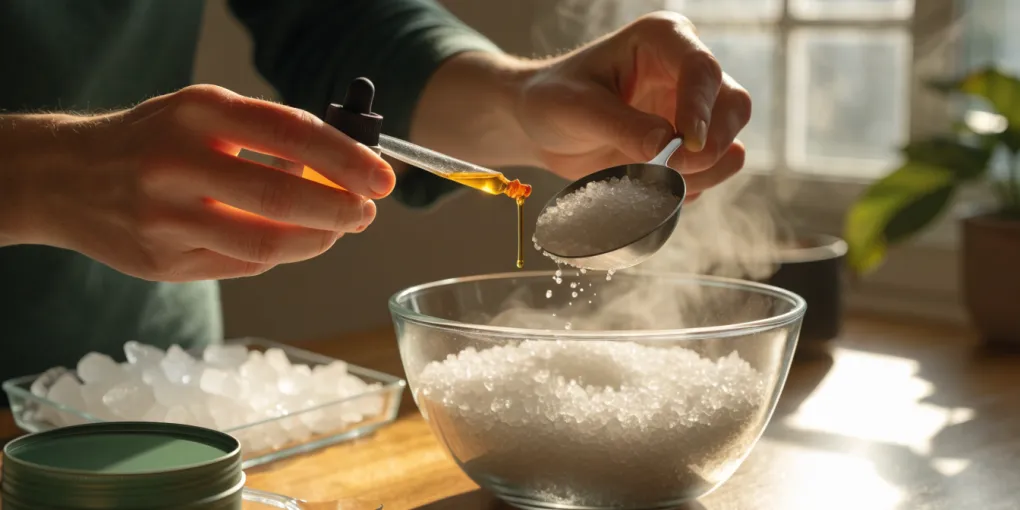
Making bath salts with essential oils involves combining Epsom, sea, or Himalayan pink salts with a carrier oil and essential oils in a non-reactive bowl. Essential oils offer therapeutic benefits, but proper dilution with a carrier oil is crucial for essential oil safety and even dispersion in bathwater, preventing skin irritation. Store in airtight, dark glass jars for up to six months.
Table of Contents
- The Ultimate Soak
- Salt Selection Breakdown
- Essential Oil Basics
- Safety First Rules
- The Carrier Oil Secret
- Essential Supplies Checklist
- Lavender Chamomile Fusion
- Eucalyptus Peppermint Boost
- Citrus Floral Harmony
- Skin Hydration Helpers
- Step by Step Mixing Guide
- Storage and Shelf Life
- Avoid Common Pitfalls
- Customizing Homemade Gifts
The Ultimate Soak
Making your own bath salts gives you complete control over what goes into your bath. You can avoid the fillers, artificial scents, and dyes often found in store-bought products, which can sometimes irritate sensitive skin. Instead, you choose high-quality salts like Epsom salt for muscle relief or Himalayan pink salt for its minerals, ensuring every ingredient is pure and serves a purpose for your body.
You also get to fine-tune the fragrance to your exact liking. By adding essential oils drop by drop, you can create a scent that is just right—not too overpowering and not too weak. Whether you prefer a light, subtle aroma or a strong, immersive fragrance, this hands-on approach lets you craft the perfect olfactory experience for your soak.
Essential oils also bring targeted therapeutic benefits to your bath. Lavender helps you relax, eucalyptus supports easier breathing, and frankincense can ground and calm your mind. You can blend these oils to address specific needs, such as soothing sore muscles after exercise, easing a stressed mind, or lifting your spirits—turning your bath into a personalized, intentional wellness ritual.
Salt Selection Breakdown
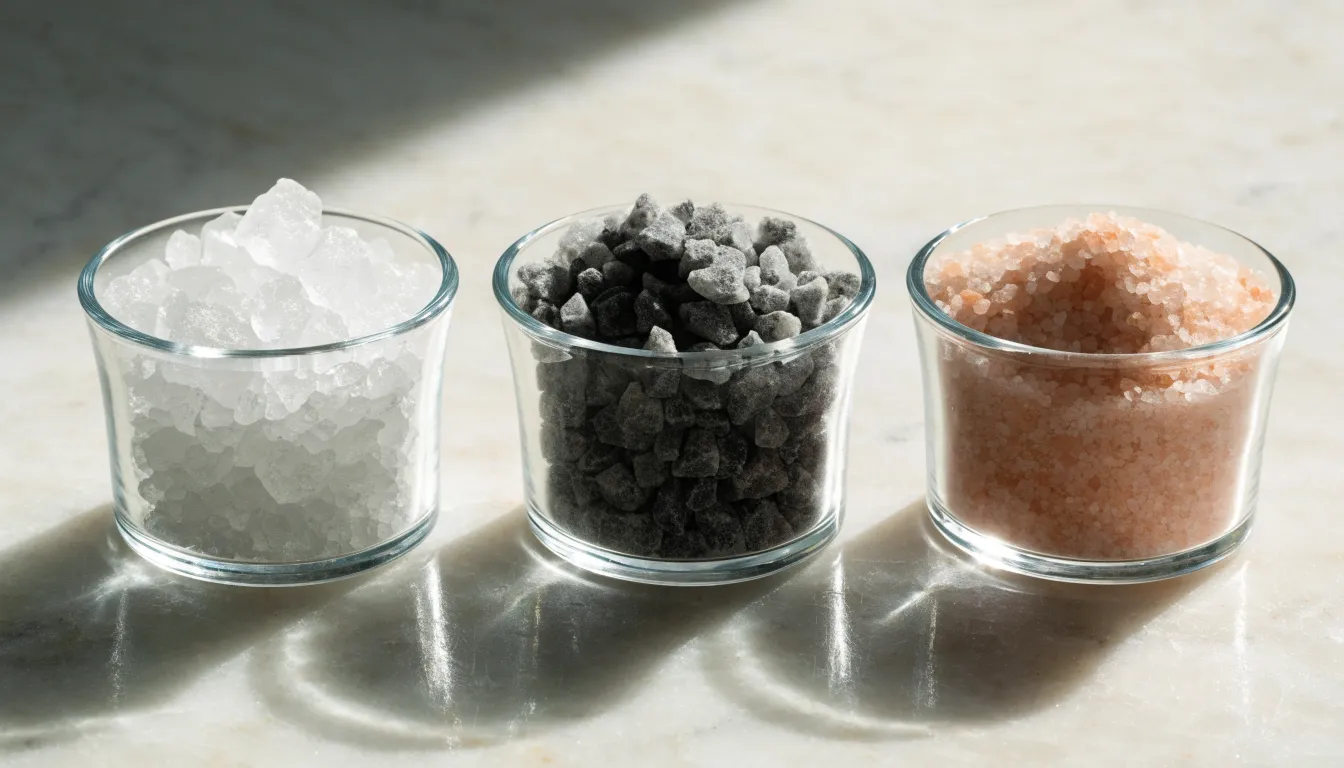
Epsom salt isn’t really salt—it’s a mineral compound made of magnesium and sulfate. When dissolved in a warm bath, magnesium is absorbed through the skin. This can help relax muscles, reduce inflammation, ease cramps, and relieve general soreness. It’s a good choice for athletes or anyone needing physical calm.
Sea salts come from evaporated seawater and contain many trace minerals. These minerals are absorbed by the skin during a bath and are thought to help with detoxification. They can draw out impurities, cleanse pores, and nourish the skin with elements that support healthy skin function.
Himalayan pink salt comes from ancient seabeds and has a unique mix of minerals, including potassium, calcium, iron, and magnesium. Like sea salt, it supports detoxification. It also helps balance the body’s pH and supports the skin’s natural barrier, leaving skin feeling soft, supple, and deeply nourished. This makes it a great option for a mineral-rich bath soak.
Essential Oil Basics
Essential oils can turn a simple bath into a therapeutic experience. These concentrated plant extracts contain active compounds that interact with the body, offering benefits for both mind and body. Choosing the right oils can help you target specific needs, such as relaxation, inflammation, or mental fatigue.
For relaxation and stress relief, lavender is a top choice. Its compounds linalool and linalyl acetate calm the nervous system, quieting an overactive mind and preparing the body for rest. Bergamot also helps with tension and emotional stress; its limonene and linalyl acetate bring a soothing, uplifting aroma that supports a sense of well-being.
For inflammation, frankincense is powerful, with natural anti-inflammatory compounds like alpha-pinene that soothe sore muscles and ease discomfort. German chamomile contains chamazulene and bisabolol, which calm irritated or sensitive skin and reduce inflammation. Eucalyptus, through 1,8-cineole, also helps relieve pain and physical tension.
To fight mental fatigue, peppermint offers a refreshing, cooling sensation from menthol that clears brain fog and sharpens focus. Lemon, rich in limonene, uplifts and energizes, reducing sluggishness and boosting alertness. Rosemary, containing 1,8-cineole, stimulates the mind and improves clarity. Always choose pure, high-quality oils and dilute them properly in a carrier oil or bath salts to protect your skin and get the best results.
Safety First Rules
Prioritizing safety is key when using essential oils in bath salts because these extracts are very potent. For a standard bath with one to two cups of salts, stick to a maximum of five to ten total drops. Always start at the lower end, especially if you have sensitive skin or are new to oils, and only increase the amount in future baths if your skin handles it well.
Keeping the drop count low prevents irritation, redness, or discomfort. Never add essential oils undiluted to a bath, as they spread across your whole body in the water. Even mixed with salts, they come into direct contact with a large skin surface, so a conservative amount is always safest.
Warm bath water naturally makes essential oils stronger. The heat opens your pores, helping your skin absorb the oil more easily, while the steam lets you inhale the aromatic vapor—another pathway into your system. Because both your skin and lungs take in the oils so effectively, even a tiny amount has a big impact, so staying cautious with dilution ensures a soothing bath rather than an irritating one.
The Carrier Oil Secret
Carrier oils are essential for making bath salts safe and effective with essential oils. Essential oils are powerful plant extracts that do not mix with water. If added straight to a bath, they stay on the surface as concentrated droplets, which can irritate the skin.
Undiluted essential oils can cause redness, itching, burning, or allergic reactions when they touch the skin directly. The skin absorbs easily, so these strong oils can overwhelm it. A carrier oil—like jojoba or fractionated coconut oil—helps by gently diluting the essential oils with a nourishing, stable base.
When essential oils are first mixed with a carrier oil, they spread evenly through the bathwater instead of floating in irritating puddles. The carrier oil acts as a protective buffer, letting the essential oils deliver their soothing and aromatic benefits safely. This turns a potentially harsh experience into a calm, enjoyable bath.
Essential Supplies Checklist
Having the right tools makes mixing bath salts with essential oils easy and effective. Use non-reactive bowls made of glass or stainless steel. These won’t react with your ingredients, so your essential oils and salts stay pure. Having different sizes helps you blend without spills.
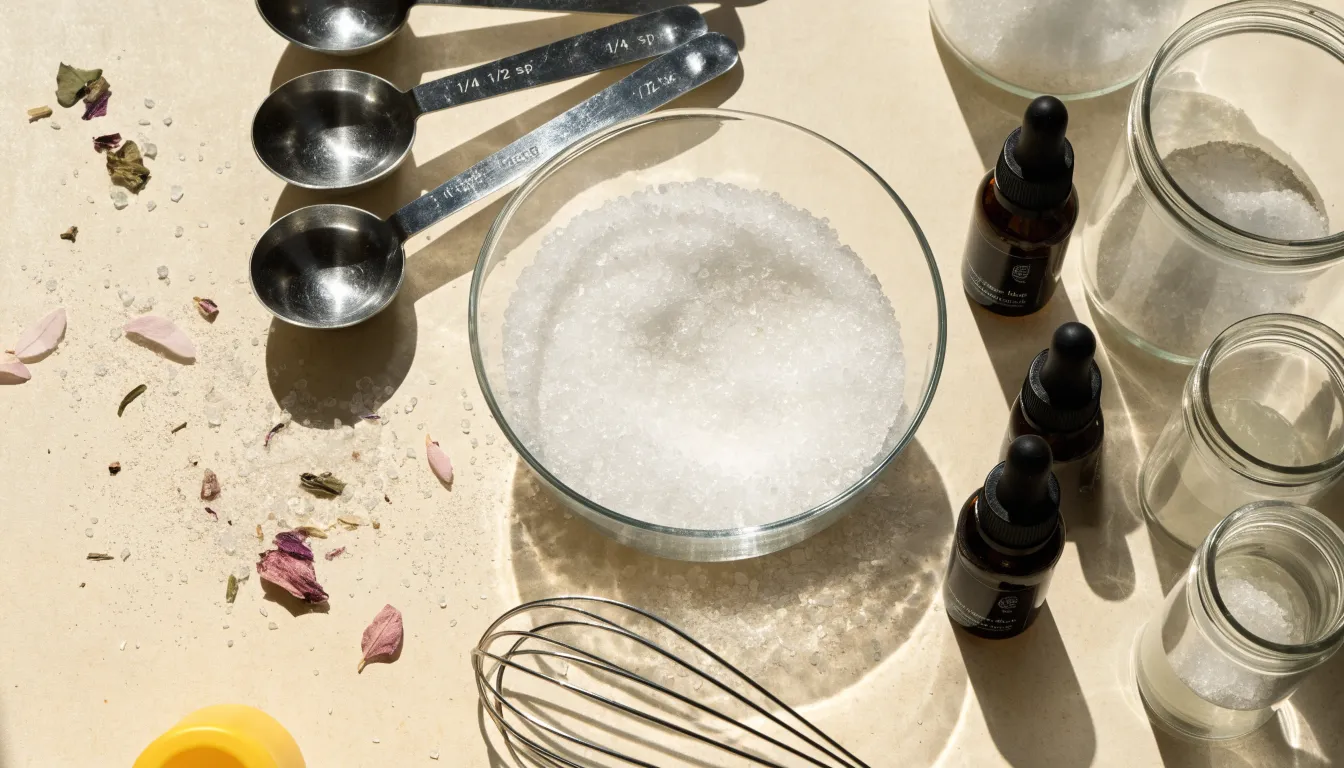
Accurate measuring spoons matter because essential oils are strong. Even small differences can change the scent and benefits. A standard set from quarter teaspoon to tablespoon helps you follow recipes and get consistent results in every batch.
Store finished bath salts in glass jars with airtight seals. Glass won’t leak chemicals, and the seals keep moisture out and preserve the aroma. Finally, use a simple whisk or fork to mix everything well. This spreads the essential oils evenly through the salt, so every crystal is scented perfectly.
Lavender Chamomile Fusion
To make the Lavender Chamomile Fusion bedtime bath salts, gather two cups of Epsom salts, one tablespoon of a gentle carrier oil like jojoba or sweet almond, ten drops of lavender essential oil, and five drops of Roman chamomile essential oil. The Epsom salts provide magnesium, which helps relax muscles and ease tension, while the carrier oil safely disperses the essential oils and prevents skin irritation.
In a glass bowl, mix the Epsom salts and carrier oil until the salts are lightly coated. Then stir in the lavender and Roman chamomile oils. Lavender brings a calming, soothing aroma that encourages tranquility, while Roman chamomile helps calm nerves and reduce anxiety, Lavender brings a calming, soothing aroma that encourages tranquility, while Roman chamomile helps calm nerves and reduce anxiety, making the two a powerful pair for promoting sleep.
Once fully blended, store the salts in an airtight glass jar in a cool, dark place. To use, add half a cup to warm bathwater, let it dissolve, and soak for at least twenty minutes. The relaxing scent and magnesium work together to ease your body and mind, helping you fall into a deeper, more peaceful sleep.
Eucalyptus Peppermint Boost
The Eucalyptus Peppermint Boost is a refreshing, muscle-soothing bath soak that pairs two key essential oils. Eucalyptus oil is known for its fresh, camphor-like scent and helps promote clear breathing by opening up the respiratory passages, making it great for congestion or simply feeling refreshed.
Peppermint oil adds a crisp, cooling sensation that is especially helpful for tired or overworked muscles, offering relief and a sense of revitalization. To make it, start with Epsom salts (rich in magnesium for relaxation), add a small amount of carrier oil like jojoba or almond to help the essential oils disperse, then mix in a few drops of eucalyptus and peppermint per cup of salts, adjusting to your preference.
Together, the two oils work synergistically: as steam carries their aroma to support easy breathing, the diluted oils absorb through the skin and work with the mineral salts to soothe sore muscles. The result is a dual-action soak that leaves you feeling clear-headed, relaxed, and ready for whatever comes next.
Citrus Floral Harmony
The Citrus Floral Harmony blend is designed to give you a deep energy boost, lift your mood, fight morning sluggishness, and clear your mind. It combines sweet orange, grapefruit, and ylang-ylang essential oils to create an uplifting and balancing fragrance that helps you feel refreshed and ready to start the day.
Sweet orange oil has a bright, cheerful scent that is known for boosting your mood, easing stress, and creating a sense of positivity. Grapefruit oil adds a sharp, fresh smell that is stimulating and works to reduce fatigue while sharpening mental alertness, making it perfect for a morning pick-me-up or an afternoon re-energizer.
Ylang-ylang oil brings a sweet, creamy floral richness to the blend. It grounds the experience, calming the sharpness of the citrus and promoting a peaceful mood without making you sleepy. Together, the citrus oils wake up your senses with a clean energy burst, while the lasting floral note of ylang-ylang provides emotional balance and mental peace. This synergy fights the heaviness of the morning, brightens your outlook, and improves focus, giving you renewed energy and a fresh perspective to take on your day.
Skin Hydration Helpers
Simple bath salts give a great mineral soak, but adding skin-loving extras makes them feel truly spa-like. Rich carrier oils are a key part of this. Oils like jojoba, sweet almond, and argan are full of fatty acids and vitamins that soak into the skin, locking in moisture and leaving a soft, silky feel. They also form a protective layer that stops your skin from drying out in a warm bath, so you stay smooth and hydrated long after getting out. While essential oils mainly add aroma, carrier oils are the real workhorses for conditioning your skin.
Botanical extras add even more to the experience. Dried rose petals, lavender buds, or chamomile flowers bring beautiful color and a gentle natural scent, making the bath feel more calming and special. These botanicals also have mild soothing benefits for the skin. Clays, such as kaolin or rose clay, are another great addition. They help draw out impurities gently while adding minerals and a velvety softness to the water, leaving your skin feeling refined and smooth, never stripped or harsh.

Together, the mineral-rich salts, nourishing oils, pretty botanicals, and purifying clays work as a team to turn an ordinary bath into an indulgent ritual. Each ingredient supports the others to provide deep hydration and leave skin remarkably soft, creating a complete spa-like experience at home. This simple but thoughtful blend makes your bath more than just relaxing—it becomes a real treatment for healthy, glowing skin.
Step by Step Mixing Guide
First, mix all your dry salts—like Epsom, sea, or Himalayan pink salt—in a large bowl until evenly combined. This creates a smooth, consistent base so the oils can spread evenly later without clumping.
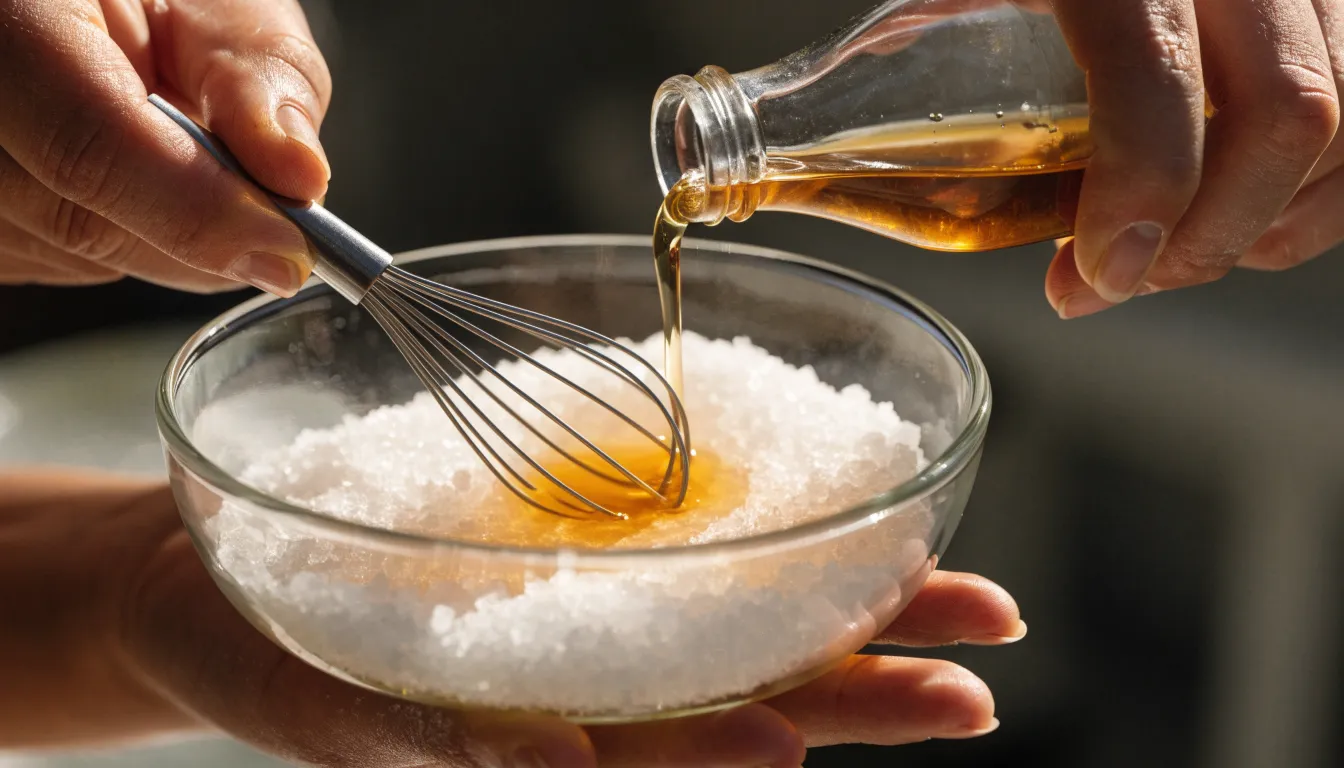
Next, don’t add essential oils straight to the dry salts. Instead, blend them first with a light carrier oil, such as jojoba, almond, or fractionated coconut oil. The carrier oil helps disperse the essential oils, preventing strong patches and making the scent distribute much more evenly.
Finally, add this liquid blend to the dry salts little by little, stirring or mixing thoroughly after each small pour. Keep going until all the oil is worked through the salts. This gradual method ensures every grain is lightly coated, giving you a whole batch with consistent, balanced fragrance.
Storage and Shelf Life
To keep your bath salts effective and aromatic, protecting the essential oils is the main priority. The salts need to stay dry, and the oils need to be shielded from air, moisture, and light, which can weaken their scent and therapeutic qualities.
For best results, use dark glass containers, like amber or cobalt blue. Glass won’t absorb the oils or react with the salts, and the darker color blocks UV light that can damage the oils. Choose jars with airtight seals, such as tight-fitting lids or rubber gaskets, and close them securely to keep out humidity and air.
Store the bath salts in a cool, dry, dark place, like a cabinet or pantry, away from direct sunlight. Avoid bathrooms or anywhere too humid, since moisture can still cause clumping and fade the fragrance. With these simple steps, your bath salts can stay fresh and fragrant for up to six months.
Avoid Common Pitfalls
To avoid common pitfalls, start by preventing your bath salts from hardening into a solid block. This usually happens when the salts absorb moisture. Make sure your Epsom salts or other salts are completely dry before adding essential oils. If they’re humid, spread them on a baking sheet and air dry them for a few hours, or warm them gently in a very low oven. Adding cornstarch or arrowroot powder at about one to two teaspoons per cup of salts also helps absorb moisture. Finally, store the finished salts in an airtight container away from humid spaces like bathrooms.
Another common issue is essential oils separating and pooling on top of the bathwater. Because essential oils don’t dissolve in water, they need to be thoroughly mixed into the salt mixture instead. After adding your essential oils, stir the salts vigorously for several minutes so the oil coats the salt crystals evenly. This helps the oils spread through the bath rather than floating on the surface.
You can also improve how well essential oils disperse by mixing them with a light carrier oil, such as jojoba or almond oil, before combining them with the salts. For a stronger effect, add a cosmetic solubilizer like Polysorbate 20 to the essential oil blend first. Using about a 1:1 or 2:1 ratio of solubilizer to essential oil helps the oils blend safely into the bathwater, preventing concentrated slicks.
Customizing Homemade Gifts
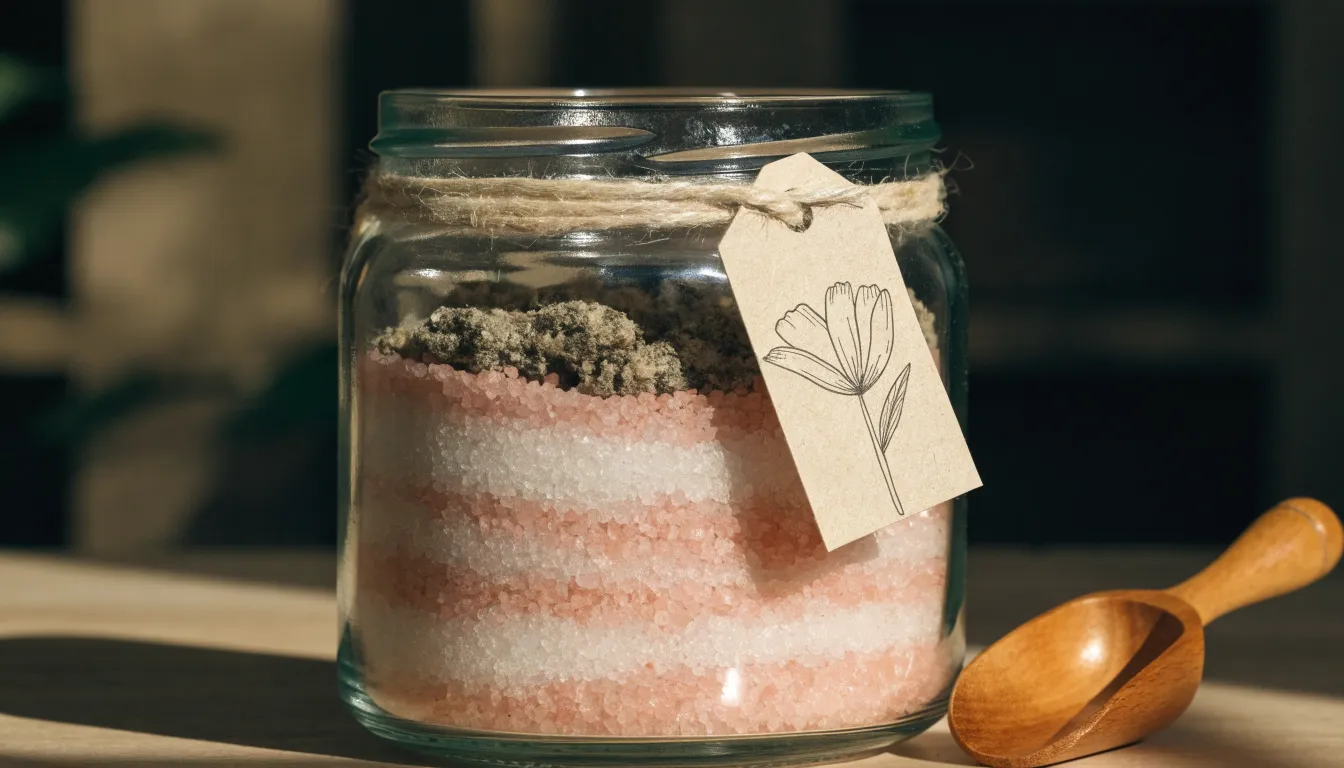
- To turn homemade bath salts into gifts, choose packaging that works well with essential oils. Airtight glass jars keep the scents fresh and show off the salts, and they can be reused later. Small organza or muslin bags give a softer look and let a little of the aroma escape gently. Adding twine, ribbon, or a small wooden scoop or loofah makes the gift feel more like a spa experience.
-
Layering different colored salts or dried botanicals in a clear jar makes the gift look striking. You can alternate plain Epsom salts, colored salts, and dried petals in repeating layers. This also lets you use different essential oil blends in each layer, so the person gets a pleasant surprise as they use the bath salts and the scents blend together. It shows care and effort.
-
Personalized labels make the gift feel truly special. Handwrite the recipient’s name, the date, and a fun blend name like “Relaxing Lavender Bliss” or “Citrus Sunshine Soak” that describes the essential oils inside. A small drawing or a printed label also works well, especially for making several gifts at once. This extra detail makes your bath salts feel like a thoughtful, finished present.
Frequently Asked Questions
Why should I make my own bath salts with essential oils?
Making your own bath salts allows you to control ingredients, avoiding artificial scents and dyes that can irritate sensitive skin. You can also fine-tune the fragrance to your liking and add essential oils for targeted therapeutic benefits, such as relaxation or muscle relief.
What types of salts are best for making bath salts?
Epsom salt is a good choice for muscle relaxation and reducing inflammation due to its magnesium content. Sea salts and Himalayan pink salt are excellent for detoxification, nourishing the skin with trace minerals, and supporting skin health.
How many drops of essential oil should I use in my bath salts, and is it safe to add them directly to the water?
For a standard bath with one to two cups of salts, use a maximum of five to ten total drops of essential oils, starting at the lower end. Never add essential oils undiluted to a bath, as they can cause skin irritation; always blend them with a carrier oil or bath salts first.
Why are carrier oils important when making bath salts with essential oils?
Carrier oils are essential because concentrated essential oils do not mix with water and can cause skin irritation if added directly to a bath. These oils dilute the essential oils, helping them spread evenly through the water and acting as a protective buffer for your skin.
What is the best way to store homemade bath salts to maintain their effectiveness and scent?
To keep bath salts effective and aromatic, store them in dark glass containers with airtight seals, like amber or cobalt blue jars. Keep them in a cool, dry, dark place, such as a cabinet or pantry, away from direct sunlight and humidity.
What should I do if my homemade bath salts start to harden?
If your bath salts harden, it’s usually due to moisture absorption. Ensure your salts are completely dry before mixing, air drying them or gently warming them in a low oven if needed. Adding one to two teaspoons of cornstarch or arrowroot powder per cup of salts can also help absorb moisture.