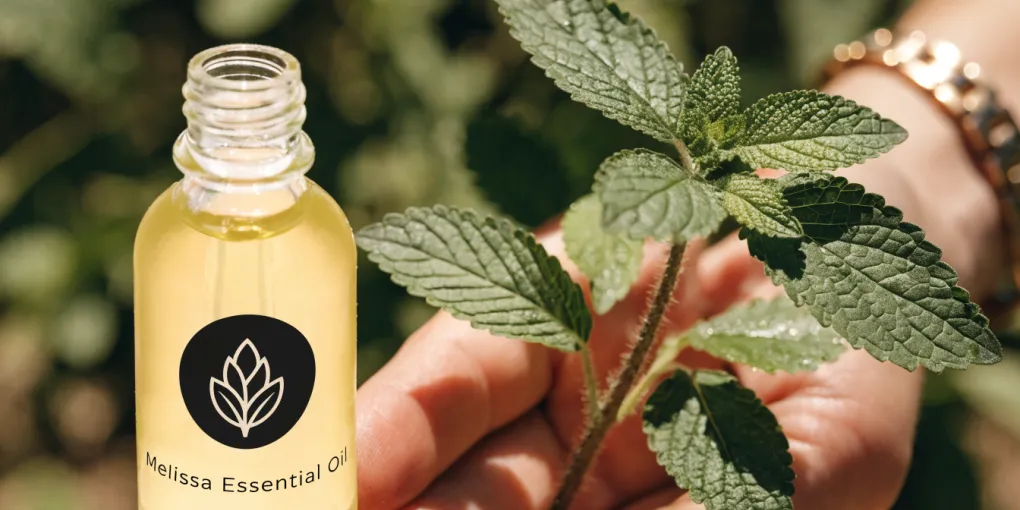
Melissa essential oil, derived from lemon balm, is highly valued for its calming and uplifting qualities. It supports emotional balance, Melissa essential oil, derived from lemon balm, is highly valued for its calming and uplifting qualities. It supports emotional balance, aids restful sleep, and eases stress thanks to compounds like rosmarinic acid. The oil also offers benefits for skin health, cold sore relief, and digestive support.
Table of Contents
- Meet Melissa Oil
- Scent and Sensation
- Calming the Mind
- Restful Sleep Solutions
- Skin Health Boost
- Cold Sore Relief
- Digestive Support
- Lemon Balm and Immunity
- Emotional Balance
- Diffuser Blend Ideas
- Topical Application Guide
- DIY Skincare Recipes
- Spotting Quality Drops
- Understanding the Price Tag
- Safety and Precautions
- Carrier Oil Matchmaking
- Morning Energy Boost
- Evening Relaxation Routine
- Frequently Asked Questions
- Everyday Wellness Summary
Meet Melissa Oil
Melissa officinalis, known as lemon balm, has a long history as a calming, fragrant herb. In ancient Greece and Rome, it was prized for its lemon-mint scent and ability to support digestion, ease nervous tension, and encourage restful sleep. Herbalists often used it as a soothing tea or infused oil to relax the mind and lift the spirit.

Its reputation continued through the centuries, especially among medieval monks and nuns. The Carmelite nuns of France made a famous remedy called Carmelite water, or Eau de Mélisse des Carmes, which used Melissa to promote vitality and soothe nervous complaints. This aromatic blend became widely valued across Europe for its restorative and calming effects.
Today, Melissa essential oil carries on this legacy. It is known for its gentle, uplifting, and deeply calming qualities, making it a useful choice for relieving stress, supporting emotional balance, and encouraging peaceful sleep.
Scent and Sensation
Lemon Balm essential oil, also called Melissa essential oil, has a unique and inviting scent. Its top note is bright and citrusy, like fresh lemons, but with a sweet, sparkling quality. This lively opening helps awaken the senses and creates a feeling of clarity and alertness.
Beneath the citrus, a soft, green, and slightly earthy herbal note comes through. It is not sharp or pungent, but gentle and grounding, like a sunny meadow or garden. This layer balances the tartness of the citrus and adds a natural depth, which supports the oil’s calming and stabilizing effects.
Delicate floral hints weave through the blend as well. They are light and subtle, not heavy or perfumey, suggesting the soft sweetness of white blossoms or nectar. These floral touches round out the aroma, bringing harmony and a gentle sweetness. Together, the layers make the oil refreshing and balancing, helping to create a peaceful, calming atmosphere when used.
Calming the Mind
Melissa essential oil is highly effective at calming the mind, offering a gentle way to ease daily stress. This comes from its natural makeup, especially its high levels of rosmarinic acid and terpenes. These compounds work together, boosting each other’s effects to create a deep sense of calm.
Rosmarinic acid acts as a strong antioxidant and anti-inflammatory agent. It helps calm overactive nerves and supports the body’s natural relaxation, reducing mental chatter and nervous tension. At the same time, the terpenes in the oil interact with brain receptors, promoting well-being and a peaceful mood.
Together, these compounds help lower cortisol, the main stress hormone. High cortisol levels can cause anxiety and overwhelm, but Melissa oil helps reduce its release during stressful times. This restores balance and inner peace, making it easier to handle daily pressures with a more serene mind.
Restful Sleep Solutions
Lemon balm, or melissa, essential oil has a gentle citrus scent that calms the mind and helps you unwind. It’s a natural way to quiet racing thoughts and prepare for restful sleep.
To use it, try diffusing three to five drops in your bedroom 30 to 60 minutes before bed. This fills the room with a soothing aroma that tells your brain it’s time to relax. You can also add a drop or two to a warm bath, or mix one drop with a carrier oil like jojoba or almond and massage it into your pulse points, temples, or the soles of your feet.
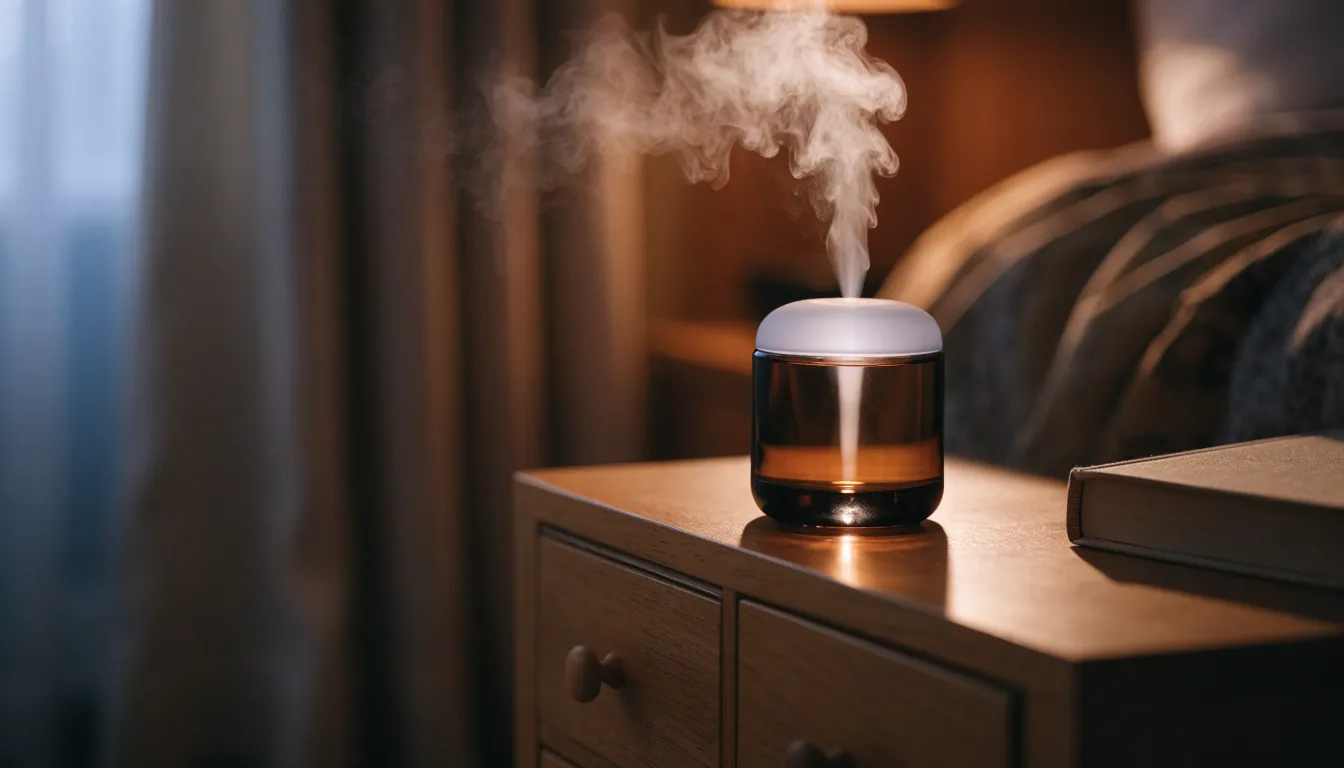
These simple methods help ease tension in the nervous system and make it easier to fall asleep and stay asleep. The result is deeper, more refreshing rest that leaves both mind and body feeling restored.
Skin Health Boost
Lemon balm essential oil helps keep skin healthy by calming irritation and reducing redness. Its anti-inflammatory properties soothe sensitive or reactive skin, quieting flare-ups and leaving the complexion looking more even and comfortable.
It also fights bacteria on the skin’s surface, which helps prevent clogged pores and breakouts. By controlling microbial activity, it supports the skin’s natural defenses and helps keep blemishes from spreading.
Finally, the oil helps balance the skin’s natural oil production. This is especially useful for oily or combination skin, as it normalizes sebum without drying the skin out. The result is fewer clogged pores, smoother texture, and a clear, healthy-looking complexion.
Cold Sore Relief
Melissa essential oil, from lemon balm, has scientifically backed antiviral power against HSV-1, the main cause of cold sores. Its active compounds, especially polyphenols like rosmarinic acid, stop the virus from attaching to and entering cells. This blocks viral replication and helps prevent full outbreaks, especially when applied at the first sign of tingling.

Regular use also lowers how often cold sores come back. It acts as a helpful barrier and proactive defense. The oil does more than prevent—it supports healing too. Its anti-inflammatory effects reduce redness, swelling, and pain around sores.
In addition, Melissa oil encourages faster tissue repair and skin regeneration. By both fighting the virus and speeding recovery, it offers natural, soothing care that limits the impact of cold sores and helps keep lip blemishes under control.
Digestive Support
Lemon balm essential oil is a gentle, natural option for easing digestive discomfort. It helps soothe the digestive tract, which can relieve common issues like stomach spasms, trapped gas, and bloating, especially after heavy meals.
To use it, simply dilute the oil and massage it directly over the abdominal area. This allows the beneficial compounds to absorb right where needed, helping to relax the digestive muscles and encourage trapped gas to move through the intestines, reducing pressure and that heavy, full feeling.
This natural approach helps the body process food more comfortably, bringing a sense of calm to the gut after rich or large meals. It’s a simple, non-invasive way to support the body’s own digestive balance and ease bothersome tummy troubles.
Lemon Balm and Immunity
Lemon balm (melissa) shows antiviral and antioxidant activity in lab studies, and creams made from lemon balm extract have been studied for cold sores. There’s no human evidence that the essential oil strengthens your immune system or protects your respiratory system.
Melissa oil is also a skin sensitizer, and because it’s so expensive it’s often adulterated. Use it at a very low dilution (well under 1%), buy from suppliers that publish batch test reports, and patch-test first.
Emotional Balance
Lemon balm essential oil supports emotional balance by lifting mood during low-energy periods. Its aromatic compounds interact with the brain’s limbic system, which controls emotions, memory, and motivation. When sadness, fatigue, or heaviness set in, the oil’s gentle influence can create a positive shift in how a person feels.
When inhaled, the aroma helps activate and calm the limbic system, encouraging the release of mood-regulating chemicals like serotonin. This can dispel heavy feelings and ease emotional slumps. Instead of staying stuck in low spirits, people often notice a gentle sense of relief and upliftment, as though a cloud is lifting.
This process supports the body’s natural ability to restore joy and vitality, rather than just covering up negative emotions. On days when motivation is low, using lemon balm oil can boost cheerfulness, renew energy, and help a person reconnect with a more positive and engaged outlook on daily life.
Diffuser Blend Ideas
Melissa essential oil has a fresh, lemony-herbaceous scent that can make any home feel more peaceful and welcoming. Diffusing it helps create a calm, comfortable atmosphere, and mixing it with other oils lets you tailor the effect to exactly what you need.
For a quiet, grounded mood, blend Melissa with frankincense. The warm, resinous aroma of frankincense complements Melissa’s bright notes, making the mix ideal for meditation, clearing your mind, or winding down before sleep. Use three drops of Melissa and four drops of frankincense in your diffuser.
For gentle happiness and relaxation, pair Melissa with bergamot. Bergamot is light, citrusy, and a little floral, and together they refresh the mood while staying soothing. This blend is great for daytime, offering a mild energy lift without making you feel wired. Try two drops of Melissa and five drops of bergamot. For deeper, full-body relaxation, combine two drops of Melissa, three drops of frankincense, and three drops of lavender. Lavender boosts the calming effect, making the blend a comforting, balanced way to turn any room into a stress-free haven.
Topical Application Guide
Melissa essential oil is very potent, so always dilute it before putting it on your skin. Mix it with a carrier oil like jojoba, sweet almond, or fractionated coconut oil. For adults, a safe general amount is about 1 to 2 drops of Melissa oil per teaspoon of carrier oil. For your face or sensitive skin, use less: about 1 drop per two teaspoons of carrier oil.
Before using it on a larger area, do a patch test. Put a little of the diluted oil on your inner forearm or behind your ear, then wait 24 to 48 hours. If you see redness, itching, burning, or swelling, stop using it. If no reaction appears, it is likely safe to use.
When applying, put the diluted oil on clean, dry skin and massage it in gently. Avoid your eyes, inner ears, and mucous membranes. Start by using it once a day and adjust as your skin allows. Following these steps lowers the risk of irritation and helps you safely enjoy Melissa oil’s calming and soothing benefits.
DIY Skincare Recipes
Creating your own skincare at home is a rewarding way to use natural lemon balm (melissa) oil for gentle, personalized care. For a quick refresh, make a facial mist by mixing half a cup of distilled water with two tablespoons of witch hazel in a clean spray bottle. Add three to five drops of the lemon balm oil and a teaspoon of vegetable glycerin for hydration, shaking well before each use. Mist this onto your face throughout the day to calm and revitalize your complexion.
To protect dry lips, craft a simple lip balm by melting two tablespoons of beeswax pellets with two tablespoons of coconut oil or shea butter in a double boiler. Once melted, remove it from the heat and stir in three drops of the lemon balm oil, then carefully pour the mixture into small tubes or tins. After it cools completely, this balm forms a comforting shield against dryness.
For deep nourishment, prepare a face serum by combining two tablespoons of a carrier oil like jojoba, argan, or sweet almond oil in a small, dark glass dropper bottle. Add four to six drops of the lemon balm oil and, optionally, a capsule of Vitamin E for extra antioxidant support, then shake gently. Apply a few drops to your clean face morning and night, massaging it in for a healthy glow. Always perform a patch test when introducing any new ingredients to your routine.
Spotting Quality Drops
To identify genuine Melissa essential oil, first check the botanical name on the label. Authentic oil will clearly state Melissa officinalis, confirming it comes from the correct plant and not a cheaper, lemon-scented substitute. Trustworthy brands display this scientific name prominently.
Another key quality check is the availability of GC/MS testing reports. These laboratory breakdowns verify the oil’s purity, potency, and freedom from synthetic additives or fillers. Reputable suppliers provide third-party results for each batch, allowing you to confirm the oil matches the true chemical profile of pure Melissa officinalis.
Watch for red flags that suggest adulteration. An unusually low price is a major warning sign, since true Melissa oil requires a large amount of plant material and is naturally expensive. Vague labeling that omits the botanical name, origin, or extraction method is also suspicious. Finally, pure Melissa has a complex, herbaceous, intensely lemony scent; if the oil smells overly sweet, chemical, or flat, it likely is not authentic. Keeping these indicators in mind helps you choose a genuine, high-quality product.
Understanding the Price Tag
Pure Melissa essential oil, often called lemon balm oil, is expensive mainly because the extraction yield is extremely low. You need several tons of fresh lemon balm leaves and flowering tops to produce just one liter of oil. That is far less efficient than most other plants used for essential oils, so the cost per bottle is naturally very high.
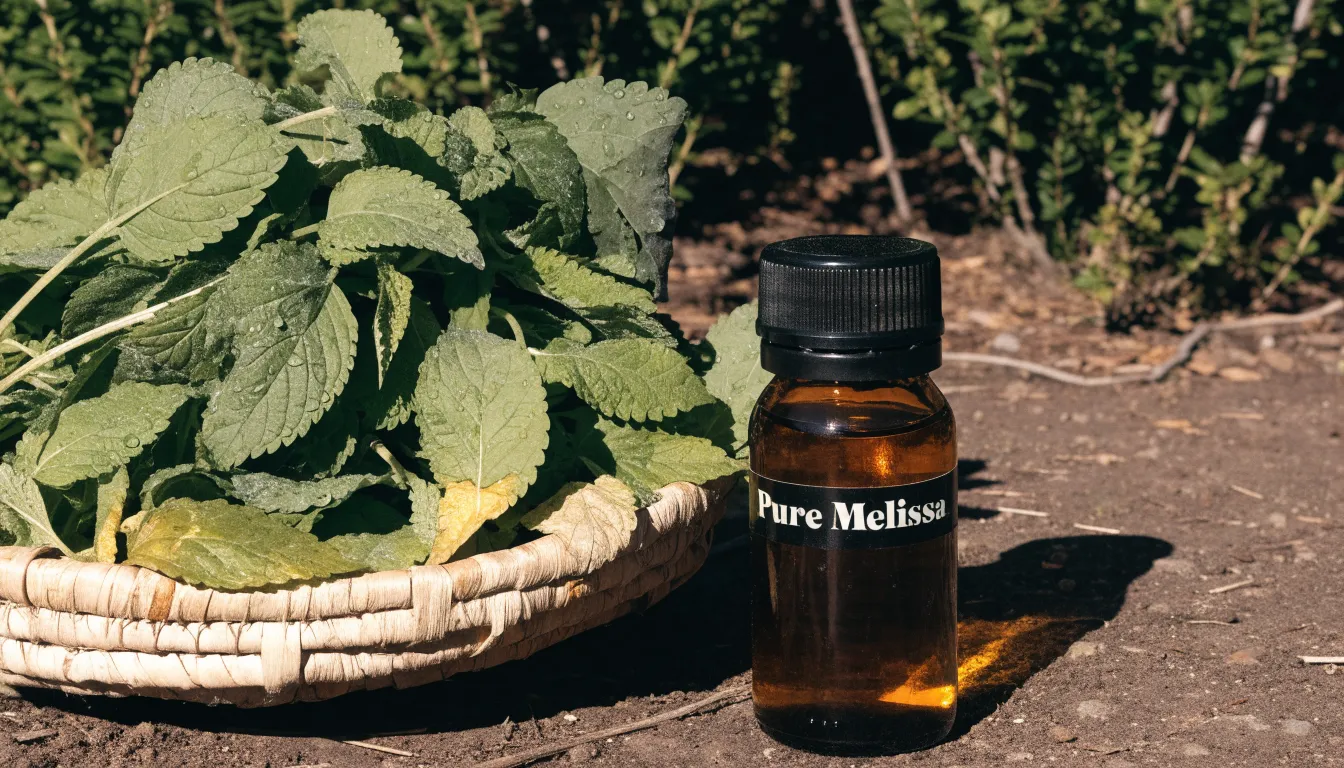
The lemon balm plant is delicate, so it must be hand-harvested with care at the exact right time. Once picked, it spoils quickly, which means the plant material has to be distilled almost right away to protect the oil’s quality. This urgent, careful process adds extra labor and expense to every batch.
The distillation itself also has to be done very gently, using precise steam distillation, so the fragile compounds aren’t damaged. When you think about how much hand-harvested, quickly processed, and carefully distilled plant material it takes to make just one small bottle, it’s easy to see why pure Melissa oil is one of the most precious and expensive essential oils around. Its high price reflects the rarity, hard work, and true potency behind it.
Safety and Precautions
Lemon balm essential oil should be avoided by pregnant women. There is not enough safety research, and certain oils can affect uterine activity, so it’s safest to skip it entirely to protect both mother and baby.
It is also not suitable for young children. Their bodies are still developing and more sensitive to concentrated oils, and their skin absorbs substances more easily. So do not apply it to infants or young children, or diffuse it around them.
People with thyroid conditions should not use lemon balm oil if they take thyroid medication. The oil can affect thyroid stimulating hormone (TSH) and iodine uptake, which may interfere with prescribed treatments. Anyone on thyroid medication should talk to a doctor first. Also, people with sensitive skin should always dilute lemon balm oil in a carrier oil like jojoba or almond oil, and do a patch test first to avoid irritation or allergic reactions.
Carrier Oil Matchmaking
Choosing the right carrier oil is key to getting the most from lemon balm essential oil. Carrier oils dilute the strong oil so it can be absorbed safely while also nourishing the skin. The best choice usually depends on your skin type and what you want to achieve.
Jojoba oil works well for many skin types, especially oily, acne-prone, or balanced skin. It closely mimics the skin’s natural oils, helping to balance oil production without clogging pores. Combined with lemon balm, jojoba supports a clear, calm, and even-looking complexion.
Rosehip oil is great for mature, dry, or damaged skin. It is rich in fatty acids and vitamins, and helps improve skin tone and texture while reducing the look of scars and fine lines. Blended with lemon balm, rosehip promotes renewal and a healthy glow. Sweet almond oil is another versatile option, with a light texture that moisturizes without heaviness. It suits sensitive and dry skin, offering gentle hydration and a soothing feel, perfect for massage or daily moisture when paired with lemon balm.
Morning Energy Boost
Melissa essential oil, also known as lemon balm oil, has a fresh, lemony, and slightly herbaceous scent that is both uplifting and calming without making you drowsy. It helps support feelings of tranquility and mental clarity, making it a strong base for a natural morning energy boost.
When blended with bright citrus oils, its effects are amplified. Wild orange adds uplifting, mood-enhancing qualities that inspire positivity. Grapefruit refreshes and purifies the senses while helping reduce mental fatigue. Lemon brings a clean, bright scent that awakens the mind and supports concentration. Together, these oils create a stimulating yet balanced aromatic mix.
This blend works through the sense of smell, directly influencing mood and alertness. Diffusing it in the morning at home or in the office helps clear away grogginess and promotes focus and readiness. The zesty citrus notes combined with Melissa’s gentle herbal touch create an environment that encourages productivity and motivation, making it a natural way to start the day feeling energized and clear-headed.
Evening Relaxation Routine
An evening relaxation routine is a great way to get your body and mind ready for deep sleep. A key part of this is using calming essential oils, specifically lavender and lemon balm. These oils naturally promote a sense of calm and ease physical tension, making them perfect for winding down after a stressful day.
You can use a calming blend of these oils in a warm bath or in a bedroom diffuser. Adding a few drops to your bath helps relax your muscles and settle your nervous system. As you inhale the steam, the comforting scents quiet your thoughts and release built-up stress. Alternatively, a diffuser will steadily release these soothing aromas into your bedroom all evening. This constant presence of calming scents helps build a relaxing environment that gently guides your body toward rest.
Practicing this aromatic ritual consistently sends a powerful signal to your body. It tells you that the day’s activities are over and it’s time to wind down. Making this deliberate shift helps you naturally relax, making it much easier to fall asleep and reach a deeper, more peaceful state of rest.
Frequently Asked Questions
Melissa essential oil is very strong, so internal use requires special care. While some oils can be taken internally in specific situations, melissa oil can affect the body even in small amounts. You should always ask a qualified aromatherapist or healthcare provider before ingesting it. They can help with proper dilution, dosage, and checking for interactions or sensitivities. Direct, unsupervised ingestion is generally not advised.
It is also important to choose pure melissa oil over synthetic versions. Pure oil comes from steam distillation of the melissa plant and contains many natural compounds that work together for its aroma and benefits. Synthetic versions are made in labs and only copy a few scent components, so they lack the full range of helpful plant chemicals. For health and wellness uses, always pick 100% pure, unadulterated melissa oil.
No single oil can fully replace melissa essential oil. Lemon oil smells similarly citrusy but has different properties, and lavender offers calming effects but works differently. If melissa oil is unavailable or too costly, decide what specific benefit you need. A knowledgeable aromatherapist can suggest the closest alternative, but a perfect, complete substitute for melissa’s unique qualities does not exist.
Everyday Wellness Summary
Melissa essential oil can easily become part of your daily routine. In the morning, add a few drops to a diffuser to create a calm, uplifting atmosphere. The gentle scent helps you start the day with a peaceful mindset and supports a sense of overall well-being.
For quick calm anytime, dilute the oil with a carrier oil like jojoba or almond and apply it to your wrists or temples. This allows the oil to absorb gently and gives you a subtle, soothing aroma. You can also place a drop on a cotton ball or tissue and inhale directly whenever you need to refresh or refocus.
In the evening, add a few drops to a warm bath so the steam releases the relaxing scent, helping you wind down before sleep. You can also mix Melissa oil into unscented lotion for soft skin with a gentle fragrance. Using it in these simple ways keeps its supportive benefits woven throughout your day.
Frequently Asked Questions
What is Melissa essential oil good for?
Melissa essential oil, also known as lemon balm oil, has a legacy of being calming, uplifting, and supporting emotional balance. It is useful for relieving stress, encouraging peaceful sleep, and easing digestive discomfort. Additionally, it helps keep skin healthy, fights bacteria, and has antiviral power against cold sores.
How do I use lemon balm essential oil for sleep?
To use lemon balm essential oil for restful sleep, you can diffuse three to five drops in your bedroom 30 to 60 minutes before bed. Alternatively, add one or two drops to a warm bath, or mix one drop with a carrier oil to massage into pulse points, temples, or the soles of your feet. These methods help ease tension in the nervous system for better sleep.
Why is pure Melissa essential oil so expensive?
Pure Melissa essential oil is expensive because it has an extremely low extraction yield, requiring several tons of plant material for just one liter of oil. The delicate plant must be hand-harvested and distilled almost immediately to preserve its quality, adding to the labor and expense. The careful steam distillation process also contributes to its high cost, reflecting its rarity and potency.
How can I tell if my Melissa essential oil is pure?
To identify genuine Melissa essential oil, check that the label clearly states the botanical name Melissa officinalis. Reputable suppliers also provide GC/MS testing reports to verify purity and potency. Be wary of unusually low prices, vague labeling, or an overly sweet, chemical, or flat scent, as these can indicate adulteration.
Are there any safety concerns with using lemon balm essential oil?
Yes, lemon balm essential oil should be avoided by pregnant women and is not suitable for young children due to their sensitivity. People with thyroid conditions should consult a doctor before use, especially if taking thyroid medication, as it may interfere with treatments. For sensitive skin, always dilute the oil with a carrier oil and perform a patch test first.
Can Melissa oil help with cold sores?
Yes, Melissa essential oil has scientifically backed antiviral power against HSV-1, the main cause of cold sores. Its active compounds, like rosmarinic acid, help stop the virus from attaching to cells, which can prevent outbreaks and lower their recurrence. It also reduces redness, swelling, and pain, while encouraging faster tissue repair around sores.