
Frankincense Essential Oil: Production, Benefits & Safe Use
Table of Contents
- How Frankincense Essential Oil is Made: The Steam Distillation Process
- Benefits for Body & Skin
- Benefits for Skin Care
- Treating Acne: How It Fights Breakouts & Redness
- Improving Skin Tone & Fading Dark Spots
- Enhanced Deep Breathing & Respiratory Support
- Oral Hygiene: Antiseptic & Plaque Reduction
- Digestive Health: Enzymes & Gut Inflammation
- Stress Relief: Calming the Nervous System & Lowering Cortisol
- How to Use Frankincense Essential Oil Safely & Effectively
- Internal Use: Extreme Caution & Expert Supervision
- How to Purchase Quality Oil: Purity & Testing
- Frequently Asked Questions
- Where does frankincense essential oil come from?
- How is frankincense essential oil produced?
- Can frankincense essential oil improve my skin?
- How can frankincense essential oil help with stress?
- How should I apply frankincense essential oil to my skin safely?
- Is it safe to take frankincense essential oil internally?
Frankincense essential oil, from the Boswellia sacra tree resin, has a wonderful aroma and many beneficial properties. Treasured for thousands of years, it offers benefits like promoting healthy skin, aiding digestion, relieving stress, and enhancing oral hygiene.
Frankincense Essential Oil: Uses and Benefits
Frankincense essential oil comes from the resin of the Boswellia sacra tree, which grows in the dry, rocky lands of the Arabian Peninsula and the Horn of Africa. Key growing areas include Oman’s Dhofar region, parts of Yemen, and countries across the Red Sea such as Somalia and Eritrea.
These routes connected the remote growing regions with major markets in the Mediterranean, the Roman Empire, Mesopotamia, Egypt, and India. The oil was so valued because of its many practical uses, especially as a fragrant resin that could be burned, applied, and made into perfumes and remedies.
Frankincense was used in ancient medicine for its anti-inflammatory and antiseptic properties, and added to perfumes and cosmetics for its pleasant scent.
How Frankincense Essential Oil is Made: The Steam Distillation Process
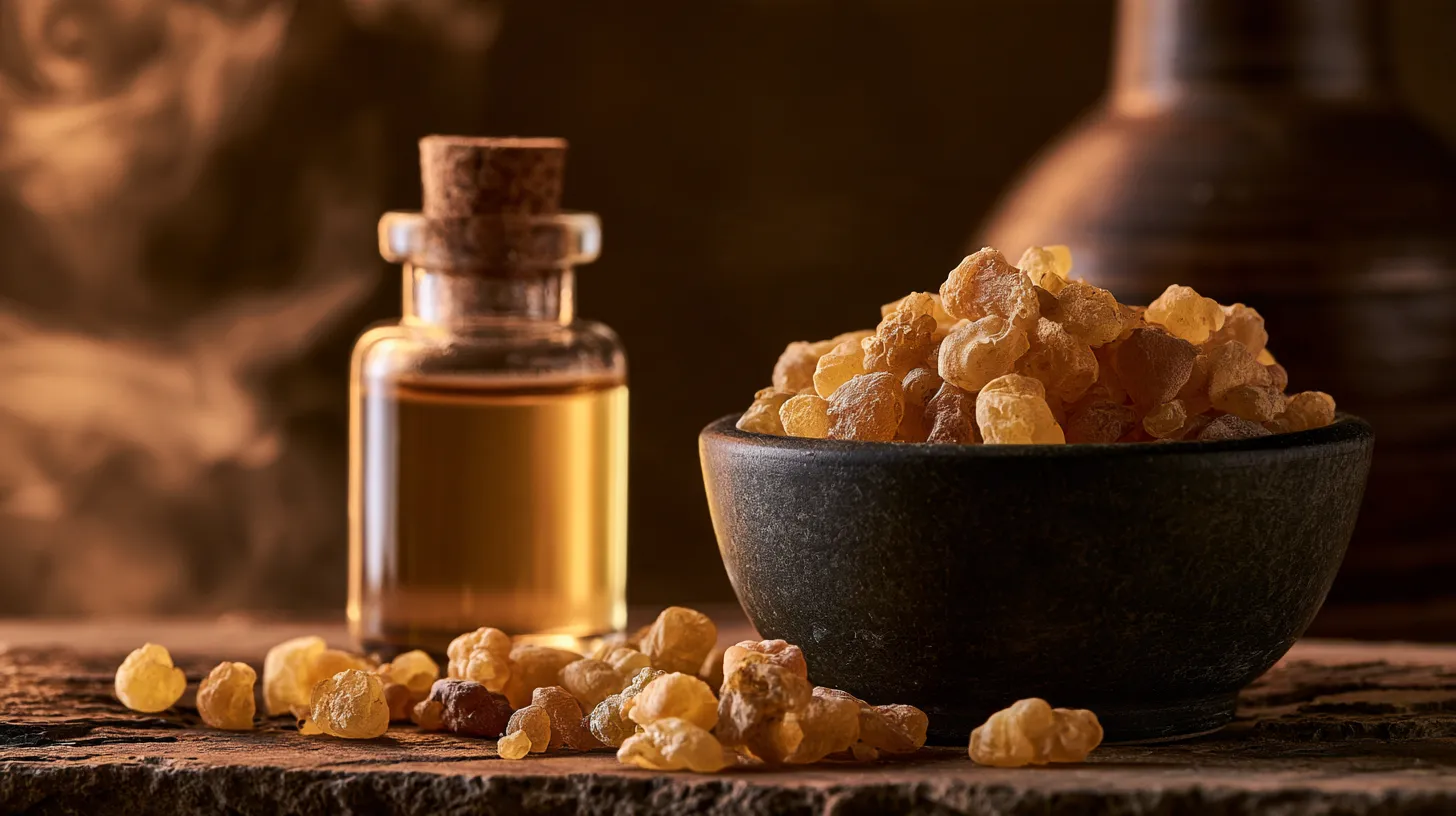
Frankincense essential oil is made through steam distillation, which is designed to capture the fragrant compounds found in the resin of Boswellia trees.
The process begins by selecting and preparing the hardened, aromatic resin tears, which are then placed into a distillation still.
Inside the still, water is heated either in a separate chamber or directly beneath the resin, creating steam. This method is controlled so that the heat-sensitive aromatic components are not destroyed during extraction.
The steam, now carrying the oil, travels into a condenser where cold water around the coils quickly cools it back into liquid form. Because the oil does not mix with water and is lighter, it floats to the surface and can be easily collected.
Benefits for Body & Skin
Frankincense essential oil, harvested from the resin of the Boswellia tree, is a key part of natural wellness. It is valued for many physical benefits, from improving the skin’s appearance to supporting deeper functions in the body.
It supports a healthy, glowing complexion by reducing the look of imperfections and helping skin tone look more even. Used regularly, it can also help skin stay elastic and firm, which gives it a smoother, more youthful appearance.
Beyond skin care, frankincense essential oil also supports the whole body. It is recognized for helping promote a healthy inflammatory response across different tissues and organs, which can support joint comfort, ease of movement, and the body’s natural repair processes.
Benefits for Skin Care
Frankincense oil is very helpful for skin care because it supports the natural processes that keep skin looking healthy and glowing. One of its main jobs is encouraging healthy cell turnover. This is the process where the skin constantly replaces old, worn-out cells with fresh new ones. Frankincense oil helps this happen by supporting the shedding of dead skin cells and making way for healthier cells underneath.
Frankincense oil also helps protect the skin cells you already have. It contains beneficial compounds that support cell health and keep skin cells strong. By helping skin cells defend themselves, frankincense oil keeps them healthier and more vital, so the skin looks brighter, feels stronger, and is less likely to show everyday wear and tear.
In addition, frankincense oil strengthens the skin’s natural barrier. This barrier is the outer layer that keeps moisture in and helps keep irritants, allergens, and harmful microorganisms out. By making this barrier stronger and healthier, frankincense oil helps the skin hold onto the moisture it needs.
Treating Acne: How It Fights Breakouts & Redness
Frankincense works naturally against acne by fighting bacteria and reducing inflammation. By making the skin a less friendly place for these germs, frankincense helps stop new breakouts from forming and lowers the number of bacteria on the skin’s surface and in the pores.
Acne is a condition that makes the skin red, swollen, and irritated around blocked pores. The natural substances in frankincense soothe this irritation, which reduces redness and pain from active pimples. This soothing effect is another key function of the oil, working alongside its antibacterial action.
With regular, proper use, it can help the skin clear up, lower redness, and create a smoother, more even tone.
Improving Skin Tone & Fading Dark Spots
Using certain essential oils on a regular basis can make a big difference in your skin tone. One important function is fading dark spots.
Age spots, which are a common type of dark spot on sun-exposed areas like the face, hands, and chest, also get better with regular use. Essential oils with natural brightening and exfoliating effects help remove pigmented cells and make room for new, evenly colored skin.
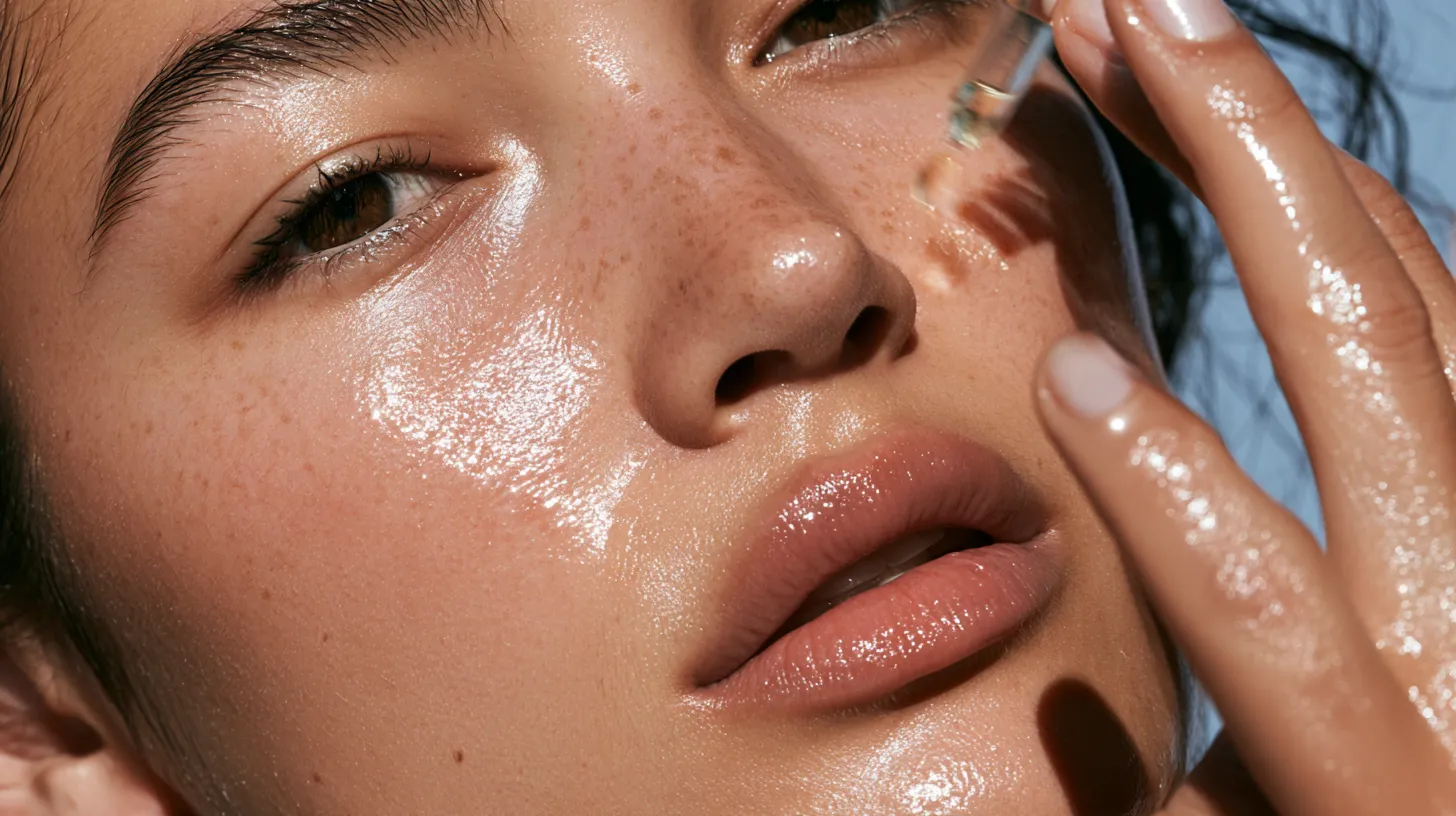
Roughness, small bumps, and enlarged pores can all make skin look uneven. The combined result—fewer dark spots and smoother texture—is a better look overall.
Enhanced Deep Breathing & Respiratory Support
Deep breathing is excellent for your overall health, and using frankincense oil—whether in a diffuser or by gently inhaling it—can make this practice even more powerful. This helps your respiratory passages feel more open, allowing you to take complete, effortless breaths without any tightness.
Try it and see if it works for you.
Oral Hygiene: Antiseptic & Plaque Reduction
Essential oils bring powerful natural antiseptic qualities to oral care. These properties make the mouth a much harder place for harmful bacteria to survive and multiply. They achieve this by breaking down the bacteria’s structure or stopping their growth, which lowers the total number of germs in the mouth.
A good natural defense is vital for stopping plaque, the sticky layer of bacteria that constantly forms on teeth. By slowing down plaque, the buildup of tartar is also delayed. This directly benefits the gums, keeping them less prone to swelling and infection.
Additionally, a balanced oral environment supported by these antiseptics contributes to lasting fresh breath, since the bacteria that cause bad odors are effectively managed.
Digestive Health: Enzymes & Gut Inflammation
Frankincense essential oil has been used for a long time and is still studied today for its many health benefits, especially for digestion.
One key function is stimulating digestive enzymes. When enzyme activity is stronger, the body gets more nutrients and energy from meals, and digestion feels easier.
Another important function is reducing gut inflammation. When the digestive tract is inflamed, it can cause uncomfortable symptoms and lead to ongoing digestive problems. Frankincense helps calm and soothe irritated tissues in the gut, which supports a healthier internal environment.
Stress Relief: Calming the Nervous System & Lowering Cortisol
Frankincense oil is a powerful natural aid for stress relief, mainly by calming the central nervous system.
When you breathe in its aromatic compounds, they can encourage a deep sense of calm throughout the body. It can also slow the heart rate and steady the breath, helping the body move out of the fight-or-flight state.
Beyond its calming action on the brain, frankincense may help lower cortisol, the body’s main stress hormone.
This is an oil that helps bring the mind and body into the present moment. The relaxation frankincense promotes helps restore mental focus and emotional balance, which is good for us all.
How to Use Frankincense Essential Oil Safely & Effectively
| Use Case | How to Apply | Recommended Duration |
|---|---|---|
| Skin Care | Mix 1-3 drops with 1 tsp carrier oil; massage onto skin. | Regular use |
| Deep Breathing/Respiratory Support | Diffuse, inhale directly from bottle/tissue, or steam inhale. | As appropriate |
| Stress Relief | Diffuse, inhale directly from bottle/tissue, or massage into skin. | Up to you |
A simple rule of thumb is combining one or two drops of essential oil with a teaspoon of carrier oil, like jojoba, sweet almond, or fractionated coconut oil.
Gently massaging helps the oil spread and soak in. This is great for treating specific sore spots or just nourishing your skin, letting the strong plant compounds work gently.
You can change the number of drops based on how big the room is or how strong you want the smell. If you want a quicker, more focused scent, put one or two drops on a tissue or cotton ball and breathe it in from a short distance.
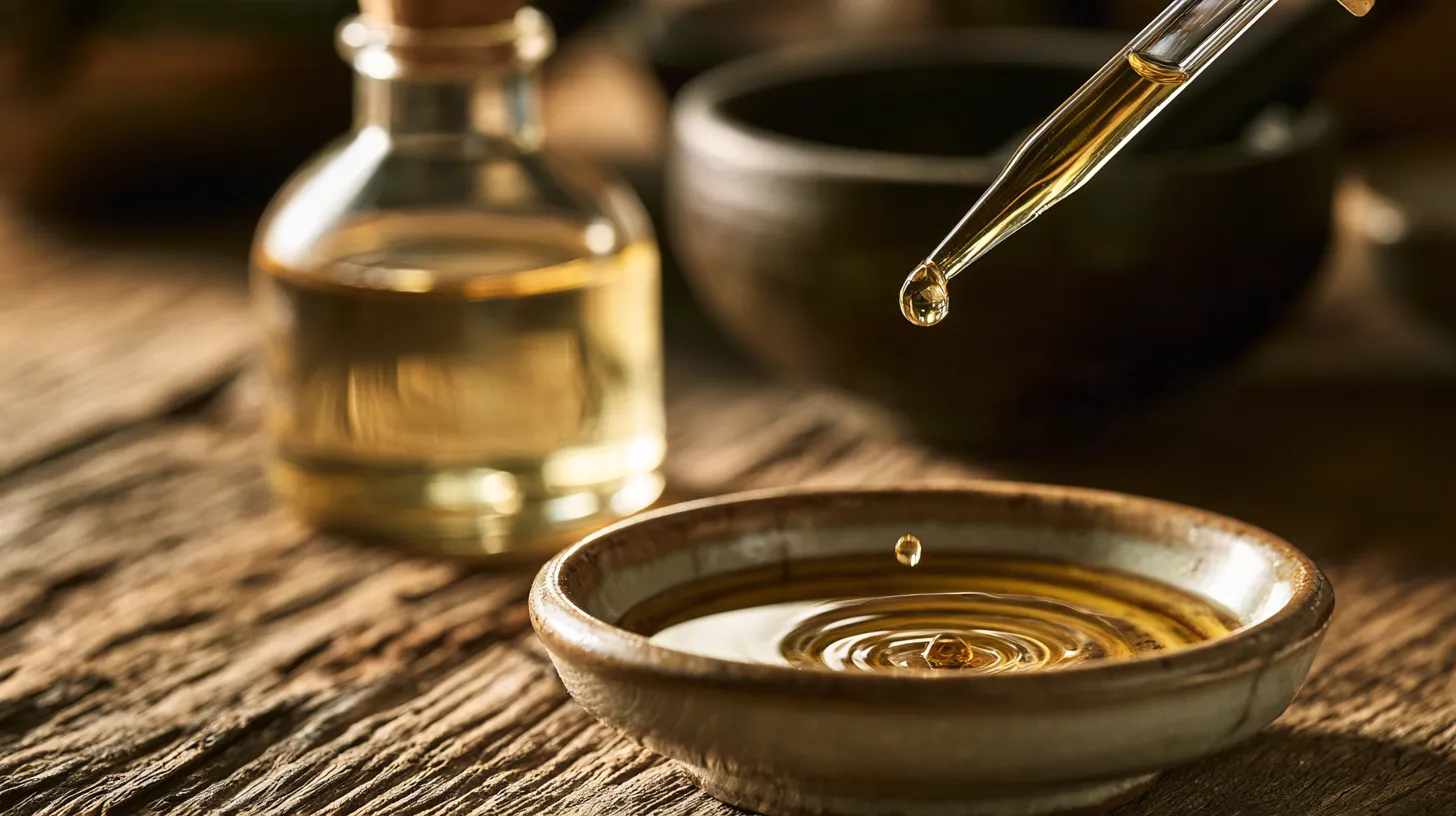
Before using a new oil on a large area, do a patch test. Put a diluted drop on a small spot of skin, like the inside of your arm, and wait 24 hours to see if you have a bad reaction.
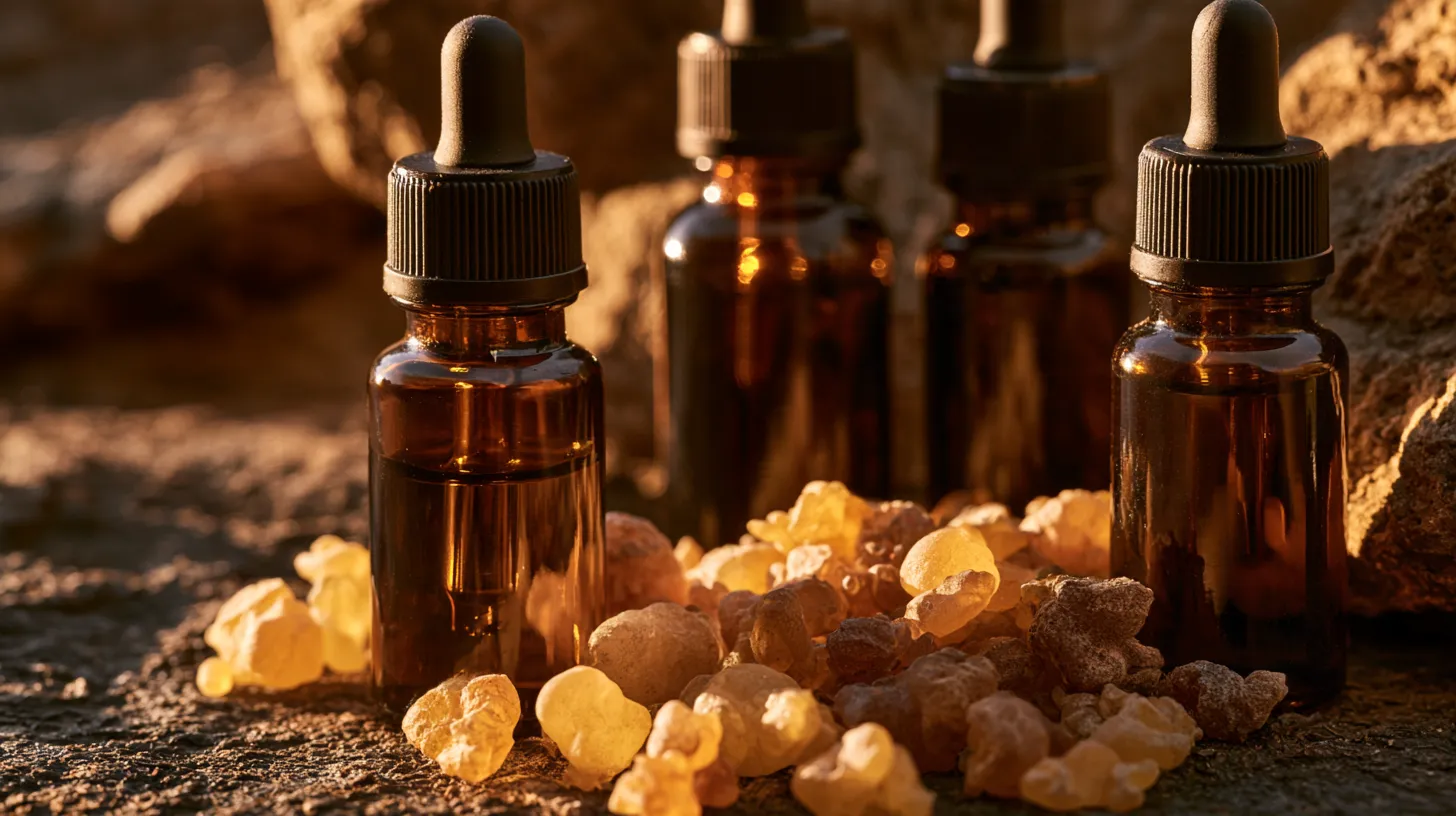
Store oils in their original dark glass bottles in a cool, dark place, away from heat and sunlight, so they stay strong.
Aromatherapy: Diffusing & Direct Inhalation
Aromatherapy uses essential oils to support well-being, and how you release them into the air matters a lot. Diffusers are a great way to keep a steady, gentle scent in a room.
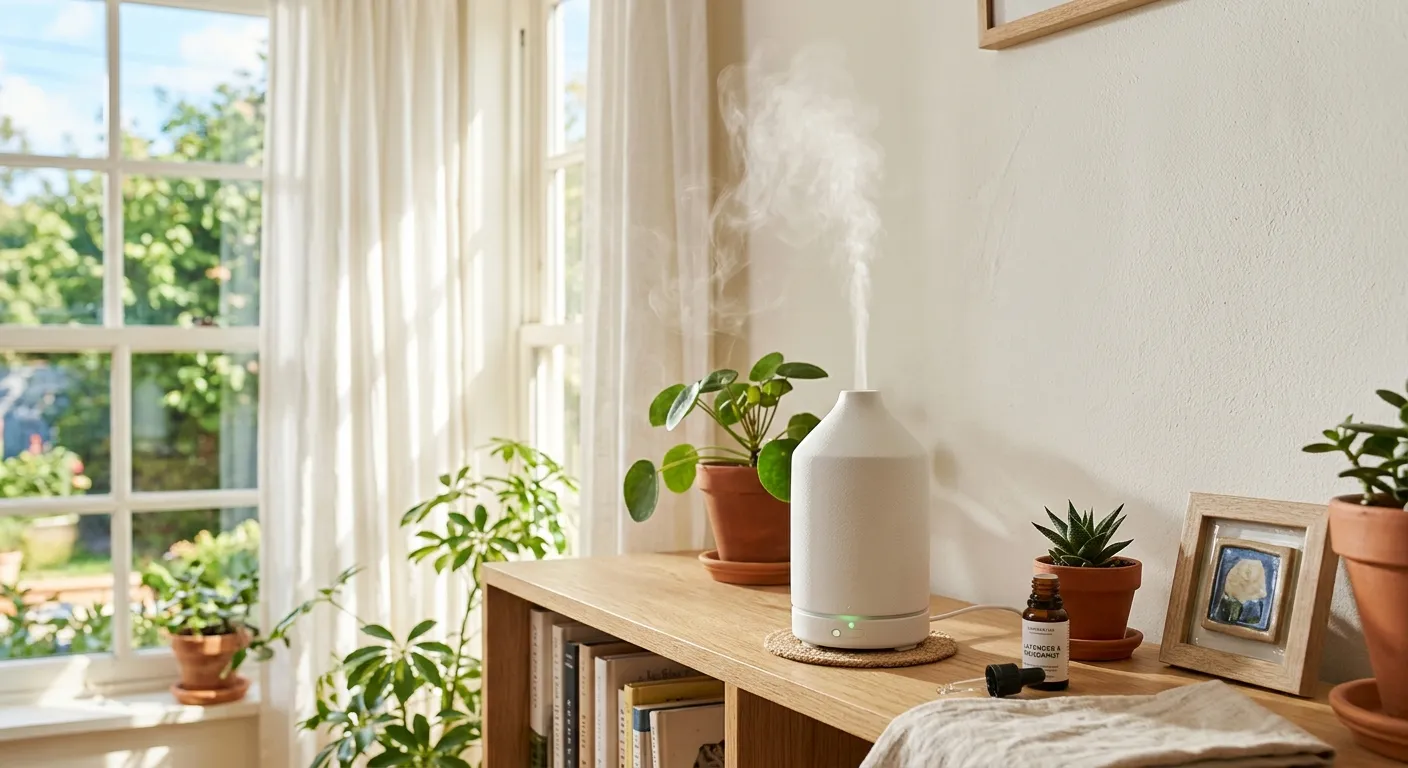
Breathing in essential oils directly is another powerful way to enjoy their effects. Inhaling straight from the bottle gives a quick, intense hit that can help shift your mood or support your breathing. Steam inhalation means adding a few drops to hot water, covering your head with a towel, and breathing in the steam.
Essential oils can also shape the atmosphere of an entire space. Calming oils like lavender can turn a bedroom into a peaceful retreat for rest, while energizing oils like lemon or peppermint can make a workspace feel more focused and lively.
Applying Frankincense Oil to Skin: Dilution & Carrier Oils
Applying essential oils to your skin takes care, because these plant extracts are very strong. If you use them without diluting them, they can easily irritate your skin or make it sensitive.
The best way to get benefits safely is to mix them with a carrier oil. This helps prevent bad reactions and lets your skin absorb the helpful compounds slowly and safely.
Carrier oils are the important base that makes essential oils safe to use and helps them sink into your skin. Jojoba oil is a popular choice because its structure is very close to your skin’s natural oil. It absorbs easily without feeling greasy and can help balance oil production without clogging pores. Sweet almond oil is also excellent, especially for sensitive skin.
The right dilution rate is key for a good result. For most adults, a common guide is to mix 1 to 3 drops of essential oil with one teaspoon of carrier oil.
For sensitive skin, children, or the face, use even less—about one drop per teaspoon.
Internal Use: Extreme Caution & Expert Supervision
Taking essential oils internally is a very specialized and rare practice that requires extreme caution. This is very different from cooking, where only minuscule, diluted amounts are used for flavor.
Essential oils taken internally can have strong effects on the body, and without expert supervision there is a real risk of bad reactions or even toxicity. Please consult your doctor before underaking any experimens.
How to Purchase Quality Oil: Purity & Testing
To get the best results from your oils, focusing on purity is essential. Pure oils are more effective and safer for your body because they don’t contain synthetic additives or harmful contaminants. Look for products that come with independent lab reports, such as a Certificate of Analysis or GC/MS results.
If you are looking for healing benefits, be sure to avoid products simply labeled as “fragrance oils,” as these often lack the therapeutic qualities you need.
When plants are grown and harvested responsibly, the oil they produce is healthier and more potent. Certifications like USDA Organic, Fair Trade, or Rainforest Alliance show that a brand follows strict environmental and social rules.
Finally, authentic sourcing ensures the oil you use actually works as intended. Reputable brands are transparent about exactly where their plants come from, often naming the specific farm or region.
Frequently Asked Questions
Where does frankincense essential oil come from?
Frankincense essential oil is derived from the resin of the Boswellia sacra tree, which thrives in the dry, rocky regions of the Arabian Peninsula and the Horn of Africa. Key growing areas include Oman’s Dhofar region, Yemen, Somalia, and Eritrea.
How is frankincense essential oil produced?
Frankincense essential oil is produced using steam distillation, a process that captures fragrant compounds from the Boswellia tree’s resin. Steam carries the oil into a condenser where it cools into liquid form, then the lighter oil separates from the water for collection.
Can frankincense essential oil improve my skin?
Yes, frankincense essential oil can improve skin by fighting acne-causing bacteria and reducing inflammation, which soothes redness and pain. It also helps fade dark spots and promotes cell turnover, leading to a smoother, more even skin tone and a radiant glow.
How can frankincense essential oil help with stress?
Frankincense essential oil aids stress relief by calming the central nervous system and interacting with the brain’s limbic system to soothe overactive pathways. It can also help lower cortisol, the body’s main stress hormone, promoting a deep sense of calm and improving mood.
How should I apply frankincense essential oil to my skin safely?
Essential oils are potent and should always be diluted with a carrier oil like jojoba or sweet almond oil to prevent skin irritation. For most adults, mix 1 to 3 drops of frankincense essential oil with one teaspoon of carrier oil, or less for sensitive skin or facial use.
Is it safe to take frankincense essential oil internally?
Taking frankincense essential oil internally is a very specialized and rare practice that requires extreme caution and is not for self-prescription or general wellness. Ask your doctor first.