
Neroli oil, derived from the bitter orange tree’s blossoms, is a prized essential oil known for its calming and uplifting properties. It is steam-distilled from hand-picked flowers, requiring thousands of blooms for a small amount of oil, which contributes to its It is steam-distilled from hand-picked flowers, requiring thousands of blooms for a small amount of oil, which contributes to its high value. Neroli oil is used in perfumery, aromatherapy for stress reduction and improved sleep, and skincare to enhance glow and control blemishes.
Table of Contents
- Bitter Orange Blossoms
- A Distillation Journey
- Calming Nervous Tension
- Restful Sleep Solutions
- Blemish Control Power
- Natural Glow Enhancer
- Mood Elevation Basics
- Diffuser Recipe Guide
- Topical Application Rules
- DIY Skin Serums
- Relaxing Bath Blends
- Natural Perfumery Tips
- Patch Testing Steps
- Purity and Sourcing
- Cost and Value
Bitter Orange Blossoms
Neroli oil comes from the delicate white blossoms of the bitter orange tree, Citrus aurantium. These fragrant flowers grow mainly around the Mediterranean, especially in Tunisia, Morocco, and Egypt. The blossoms are picked by hand in late spring, often before dawn, to keep their scent strong. Since thousands of flowers are needed to make just a little oil through The time-honored method is steam distillation.
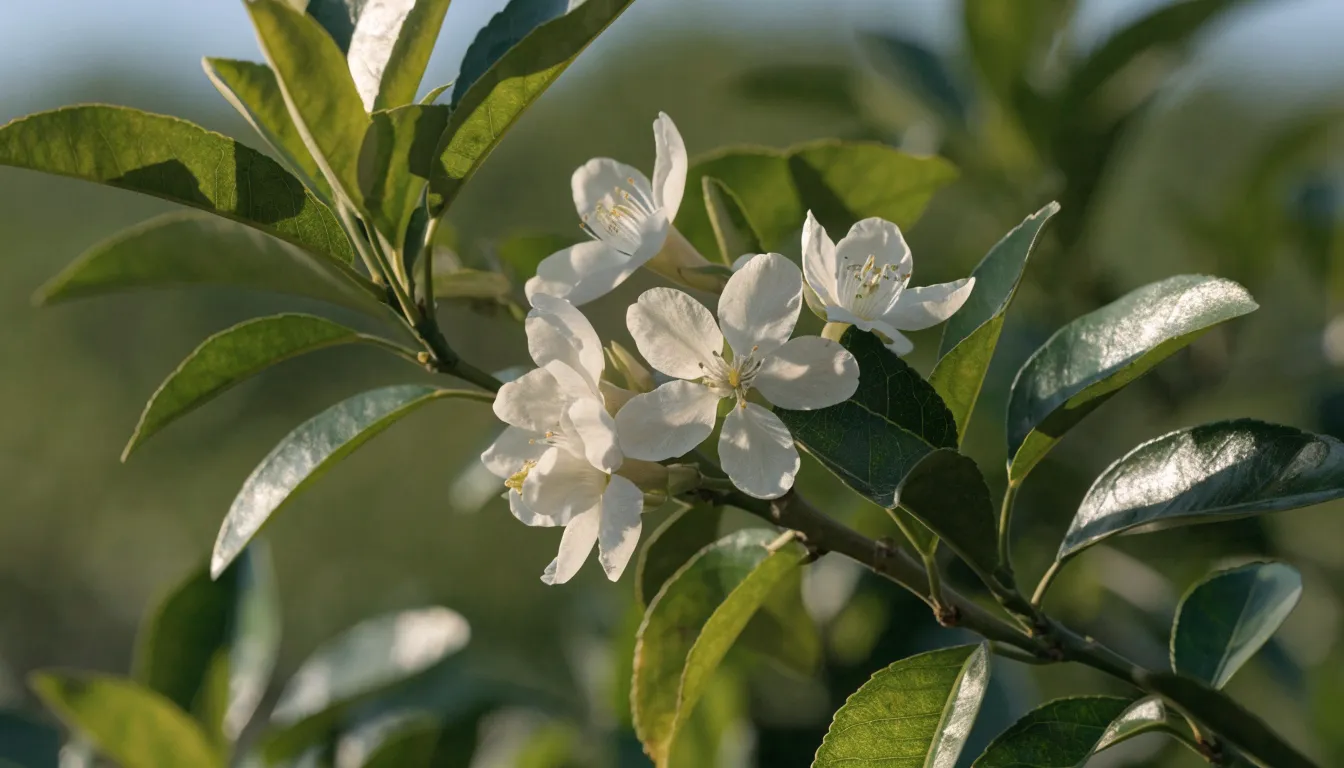
The bitter orange tree originally came from the Himalayan region of Southeast Asia. Arab traders brought it to the Mediterranean around the 10th and 11th centuries. There, it became valued not only for its fruit, used in marmalades and liqueurs, but also for its intensely fragrant flowers and leaves, which are used to make related oils like petitgrain.
Neroli oil has long been prized for its calming and soothing effects. Its lovely scent made it a favorite in perfumery, and it was named after the Princess of Nerola, who used it on her gloves and in her bathwater. The blossoms also appeared in weddings as symbols of purity and fertility, while traditional medicine used them to ease stress and encourage relaxation.
A Distillation Journey
Neroli essential oil comes from the delicate flowers of the bitter orange tree. The blossoms must be picked by hand at just the right moment and processed within hours, because their fragrant compounds fade quickly. This urgency makes a careful extraction method essential for capturing the oil’s full scent and beneficial qualities.
The time-honored method is steam distillation. Fresh flowers are placed in a large still, and steam gently moves through them. The moist heat releases the volatile aromatic compounds from the petals without damaging their subtle chemistry. The steam, now carrying the plant’s essence, then flows into a condenser, where it cools and turns back into liquid.
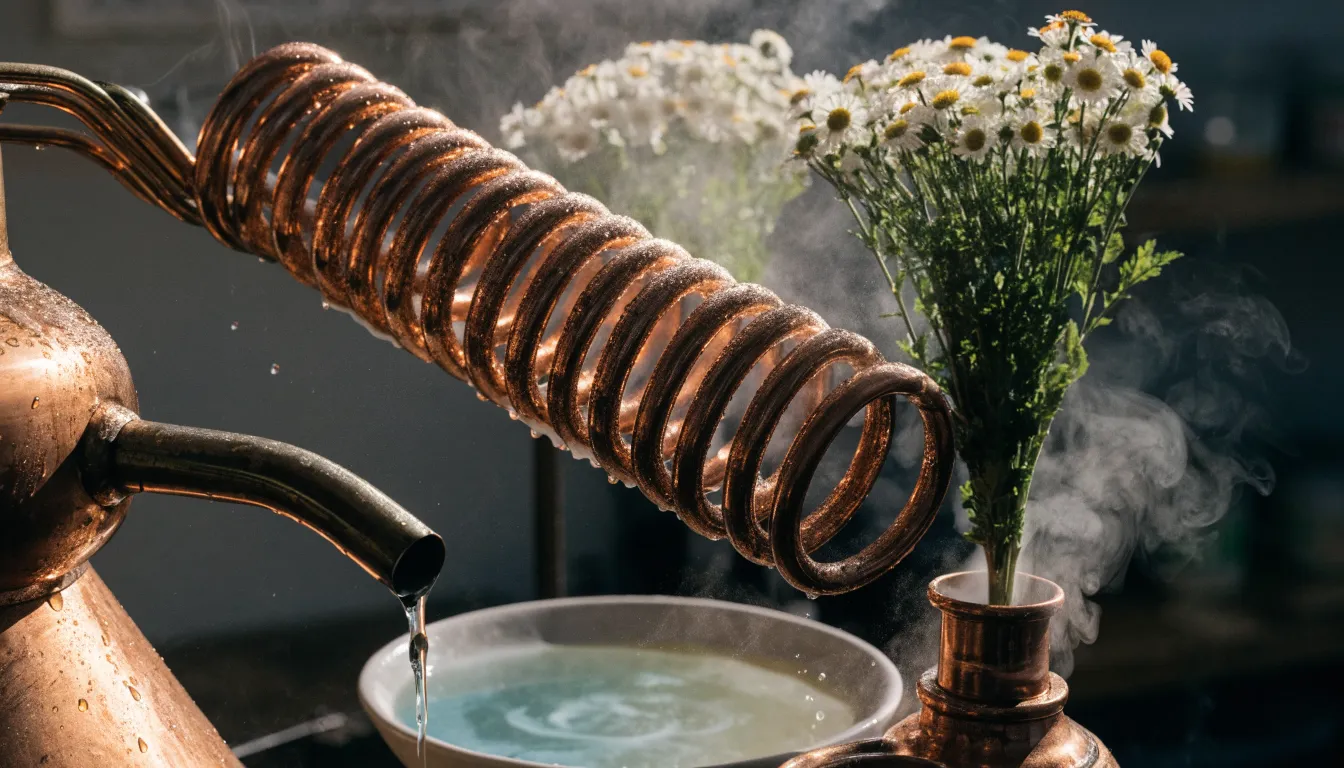
The cooled liquid contains both water and essential oil. Because they have different densities, they naturally separate: the lighter neroli oil floats on top and is siphoned off. The remaining water is orange blossom water, or neroli hydrosol, which holds many of the same soothing and aromatic properties in a milder form. The process is carefully controlled so the oil’s complex blend of natural compounds stays intact, producing a pure, high-quality floral oil.
Calming Nervous Tension
Neroli oil is highly effective at promoting calm and inner peace, making it a helpful Neroli oil is highly effective at promoting calm and inner peace, making it a helpful remedy for modern-day stress. Its main active compounds, linalool and linalyl acetate, are natural substances known for their anxiety-relieving properties. Together, they work in the body to reduce feelings of tension and nervousness.
When inhaled or absorbed through the skin, these compounds directly affect the limbic system, the part of the brain that controls emotions, motivation, and memory. They help balance neurotransmitter activity in this area, shifting the body from a state of alertness to one of relaxation. This action also helps regulate the body’s stress response, easing the constant feeling of being “on edge.”
A major benefit of this process is lower cortisol, the body’s main stress hormone. High cortisol over time can lead to ongoing anxiety, mental exhaustion, and poor well-being. Neroli oil helps keep cortisol at healthier levels, which in turn reduces acute anxiety and daily stress. As a result, people feel more relaxed, find it easier to let go of worry, and experience a natural sense of calm that supports both mental and physical balance.
Restful Sleep Solutions
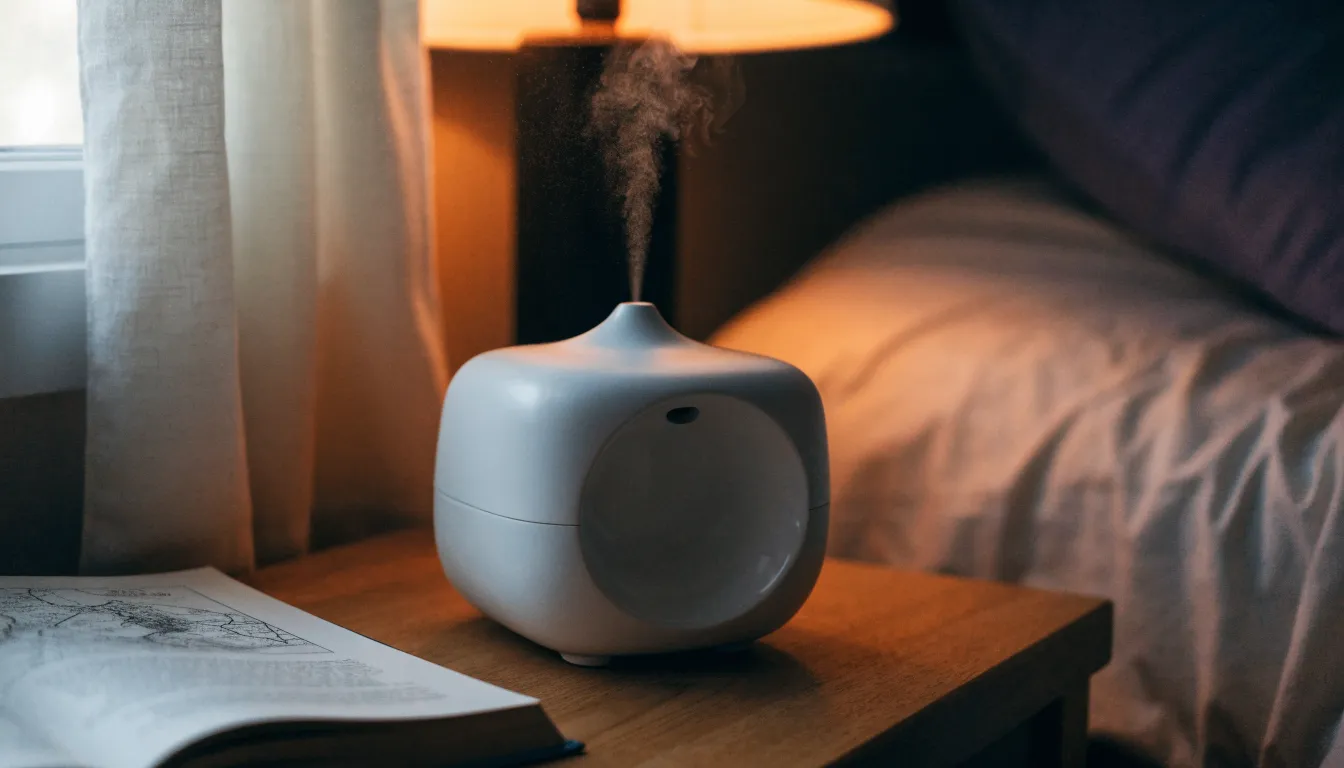
A consistent nighttime aromatherapy routine can greatly improve sleep, and neroli oil is a beautiful choice, among the best essential oils for sleep. About 30 to 60 minutes before bed, add a few drops of pure neroli essential oil to a cold-air About 30 to 60 minutes before bed, add a few drops of pure neroli essential oil to a cold-air diffuser in your bedroom. As its soft, sweet, floral scent fills the room, it signals your mind and body to slow down, helping quiet racing thoughts and build a calm mood for deep relaxation.
You can also make a neroli pillow spray by mixing neroli essential oil with distilled water in a small spray bottle. Lightly mist your pillowcase just before lying down. Having the scent so close throughout the night offers steady, gentle benefits that support calmness and ease as you sleep.
Using both methods together works even better. Diffusing neroli through the room while also applying it directly to your sleep surface soothes a busy mind, reduces tension, and prepares your nervous system for restorative rest. These simple nightly rituals help you fall asleep faster and encourage deeper, more uninterrupted sleep, leaving you truly refreshed in the morning.
Blemish Control Power
Neroli oil helps control blemishes by taming stubborn breakouts and easing the redness that comes with them. It works through a natural combination of antimicrobial and anti-inflammatory actions.
Its antimicrobial properties target acne-causing bacteria on the skin’s surface and inside pores. By making the skin less welcoming to these bacteria, neroli oil helps prevent new breakouts and supports clearing of existing pimples, blackheads, and whiteheads.
Its anti-inflammatory effects soothe irritated skin, reducing redness and discomfort. This calming action also lessens the urge to touch or pick at blemishes, helping skin heal better. Together, these functions make neroli oil a well-rounded option for managing breakouts and promoting calmer, clearer skin.
Natural Glow Enhancer
Neroli oil brightens dull, tired skin by encouraging healthy cell renewal. It helps old, sluggish skin cells shed and fresh new ones come to the surface. This faster turnover reveals a newer, more vibrant layer of skin, reducing dullness caused by aging or environmental stress, and improving overall texture for a more youthful look.
Neroli oil also helps improve skin elasticity by supporting its natural structure. This keeps skin firm and supple, making it better able to resist sagging and fine lines. The result is a smoother, more toned appearance with a subtle lifting effect, especially helpful for mature or tired skin that has lost its bounce.
Overall, neroli oil works to restore a healthy, luminous glow to lackluster complexions. By promoting cell turnover and strengthening elastic fibers, it helps even out skin tone and improves how light reflects off the skin. The skin looks brighter, feels softer, and radiates natural vitality instead of looking fatigued.
Mood Elevation Basics
Neroli oil helps lift your mood through its scent, which blends calming floral notes with bright, energizing citrus. This combination makes it useful for common struggles like low energy and emotional burnout.
The citrus side of neroli acts like a gentle natural stimulant. It clears mental fog and tiredness, giving your spirits a noticeable boost. When you feel unmotivated or your energy dips, the fresh, zesty smell can help you re-energize and refocus.
At the same time, neroli’s floral side soothes and relaxes. It eases stress and tension, calms a busy mind, and supports inner peace. Together, these two effects—uplifting and calming—create a balanced mood boost. Neroli doesn’t just stimulate; it also nurtures, helping you build emotional resilience and enjoy a brighter, more steady state of mind.
Diffuser Recipe Guide
Neroli oil has a light floral, slightly citrusy scent and works well as a base for Neroli oil has a light floral, slightly citrusy scent and works well as a base for diffuser blends. Because it is soothing and uplifting, it pairs nicely with other oils to boost their therapeutic effects. By choosing the right combinations, you can create a blend for relaxation, focus, or an energizing atmosphere.
A classic calming blend is neroli with lavender. Together, their sweet floral and fresh herbal notes promote deep relaxation and restful sleep, making them ideal for evening use, winding down, or meditation. For grounding and emotional balance, neroli can be paired with frankincense. Frankincense adds a warm, woody, and spiritual depth that encourages quiet reflection, reduces anxiety, and helps create a sense of stability.
For a more uplifting option, mix neroli with bergamot. The bright citrus scent lifts mood, relieves stress, and fights tiredness or sadness. This blend works well in the morning or in workspaces, bringing clarity and a cheerful atmosphere. You can adjust the drop counts to suit your preferences, using around three drops of neroli with lavender, frankincense, or bergamot as a starting point.
Topical Application Rules
Dilution with a carrier oil is crucial for safe and effective topical use of neroli oil. It prevents skin irritation and ensures you get the full aromatic and therapeutic benefits. For the delicate facial area, use a gentle 0.5% to 1% dilution, which is about 3 to 6 drops of neroli oil per ounce (30ml) of carrier oil. For the rest of your body, a safer 2% to 3% concentration works well, translating to 12 to 18 drops per ounce.
Choosing the right carrier oil enhances the experience. Jojoba oil is excellent because it closely matches the skin’s natural sebum, making it suitable for all skin types, including oily or acne-prone skin, without clogging pores. Rosehip oil is another top choice, prized for its regenerative properties; rich in vitamins and fatty acids, it supports skin health, reduces blemishes, and promotes an even skin tone. Other beneficial options include sweet almond oil for deep nourishment and moisturizing, fractionated coconut oil for a light, non-greasy feel, and argan oil for its hydrating and antioxidant benefits.
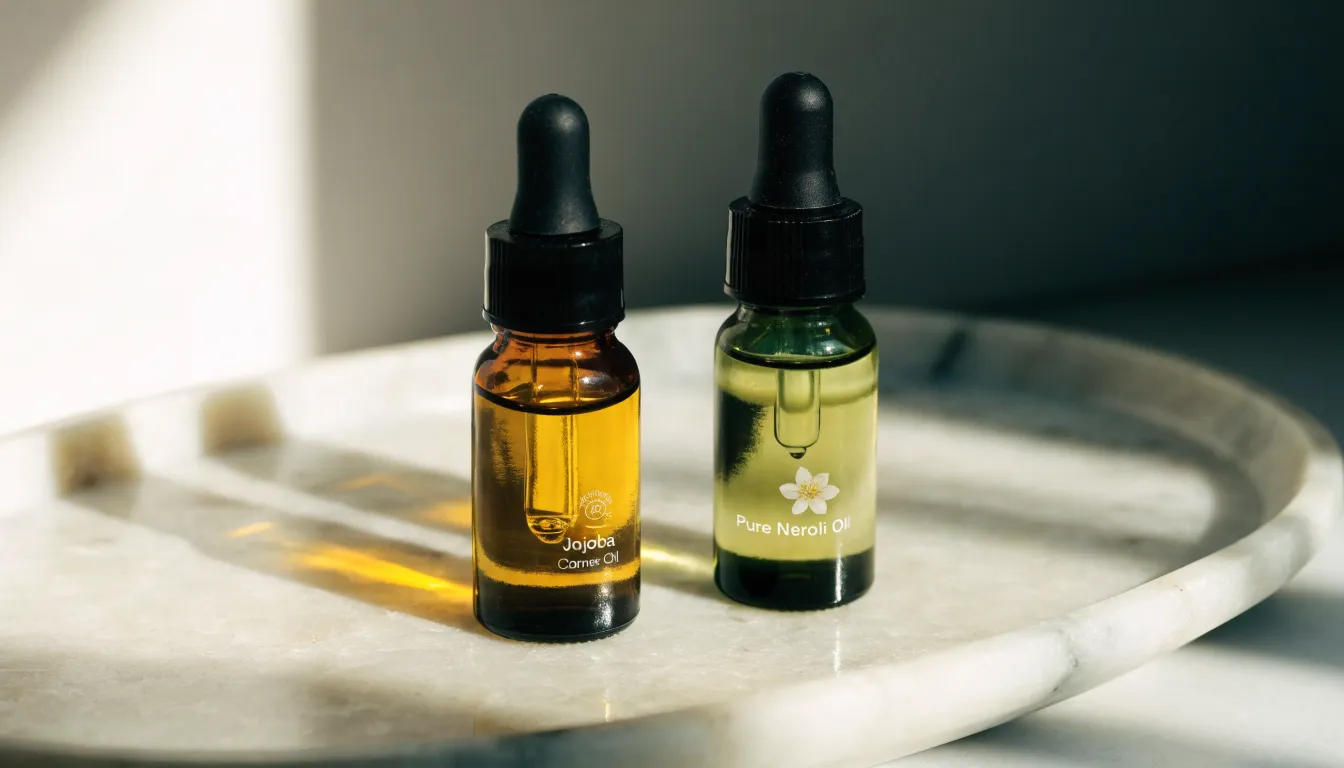
Before applying the blend widely, always perform a patch test on a small area of skin to check for reactions. Also, prepare your mixtures in small batches to ensure optimal freshness and potency.
DIY Skin Serums
Making your own skin serums at home lets you control every ingredient and creates treatments tailored to your skin. You choose a carrier oil as the base, then add a few drops of essential oils for targeted benefits.
For sensitive skin, use gentle bases like jojoba or sweet almond oil, and add chamomile or lavender essential oil to calm and soothe. For oily skin, lighter carriers like grapeseed or hazelnut oil work well, with tea tree or frankincense essential oils to clarify and keep pores clear.
Dry skin benefits from richer bases like argan or avocado oil, blended with frankincense or geranium essential oils for deep hydration and a supple feel. These homemade serums are easy to customize, helping you build a deeper connection with natural ingredients and healthier, more radiant skin.
Relaxing Bath Blends
Adding neroli oil to your bath turns an ordinary soak into a relaxing, spa-like escape that helps ease daily fatigue and tension. Since essential oils are strong and don’t mix with water, putting them directly in the tub can leave concentrated oil on your skin and cause irritation. To use neroli safely and evenly, you need to dilute it with a carrier oil first.
One easy way is to make relaxing bath salts. Mix 5–10 drops of neroli oil with one tablespoon of a gentle carrier oil, like jojoba, sweet almond, or fractionated coconut oil. Then stir this blend into one to two cups of Epsom, Dead Sea, or Himalayan pink salts. Let the mixture sit for a few minutes so the salts absorb the oils, then add it to your warm bathwater. The carrier oil helps disperse the neroli evenly, preventing irritation while supporting calm, skin-soothing effects.
Another option is preparing a body oil for your bath. Combine 10–15 drops of neroli oil with two ounces of your chosen carrier oil. Add one to two tablespoons of this blend directly to the tub and swirl it through the water. This disperses the neroli well, creating a fragrant, skin-softening soak. These careful methods let you enjoy neroli’s calming benefits, promoting deep relaxation and a sense of well-being as you unwind.
Natural Perfumery Tips
Neroli oil serves as a bright, floral heart note in natural perfumery, offering an uplifting scent that anchors a fragrance without overwhelming it. For a simple liquid roll-on perfume, mix 10–20 drops of neroli essential oil into 10 ml of a stable carrier like jojoba oil. This blend can be applied directly to pulse points—wrists, behind the ears, or the décolletage—where body heat gently releases its delicate aroma over several hours.
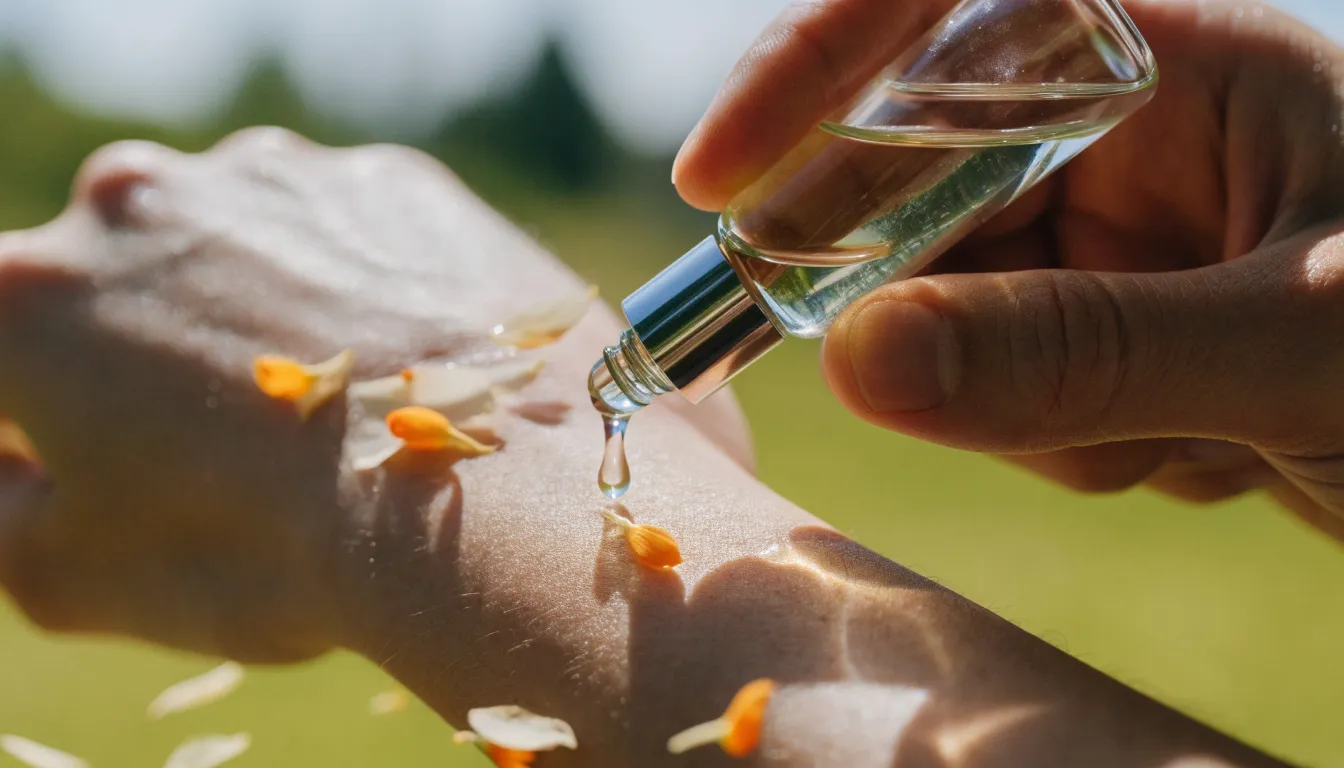
For a solid perfume, melt together beeswax and a nourishing butter such as shea or cocoa butter, then stir in neroli oil after removing from heat. Pour the mixture into small tins or balm tubes to set. This format offers a more discreet, intimate application, leaving a subtle scent trail close to the skin.
To extend neroli’s longevity and depth, blend it with complementary base notes. Sandalwood is an ideal partner, with its creamy, woody warmth grounding neroli’s brightness—try two parts neroli to one part sandalwood, adjusting to taste. Cedarwood, vetiver, or a touch of vanilla also work well. Experimentation is key to creating a personal, signature fragrance.
Patch Testing Steps
Before using neroli oil, especially on your face or whole body, always do a patch test first. This helps prevent skin irritation or allergic reactions. The oil must be diluted—never apply it undiluted. Mix it with a carrier oil like jojoba, almond, or fractionated coconut oil, using about 1–2 drops of neroli oil per 100 drops of carrier oil.
Choose a small, less visible spot on your skin, such as your inner forearm, behind the ear, or the side of your neck. Make sure the area is clean and dry. Then apply a tiny amount of the diluted mixture to a dime-sized patch of skin using a cotton swab or fingertip. Let it air dry, and avoid washing that area or applying other products to it.
Watch the spot for 24 to 48 hours. If you see redness, itching, swelling, or any discomfort, wash the area with mild soap and water and stop using the oil. A brief mild tingling can happen but should fade quickly. If no irritation appears, your skin likely tolerates diluted neroli oil, so you can use it more widely with confidence.
Purity and Sourcing
To identify high-quality neroli oil, first check the exact botanical name: Citrus aurantium amara. This confirms the oil comes from bitter orange blossoms, the only true source of neroli. Reputable sellers clearly provide this name, helping you avoid substitutes or blended citrus oils.
Next, look for GC/MS batch testing reports. These scientific analyses verify the oil’s chemical makeup and prove it is pure, with no synthetic additives. Trustworthy vendors share these reports for each batch, either online or on request, so you can confirm the oil contains the natural components expected of real neroli.
Finally, consider sustainable sourcing. Neroli requires many delicate blossoms, so ethical producers support tree health, fair pay for workers, and responsible resource use. Choosing sustainably sourced neroli protects the environment and the communities involved, adding value to your purchase.
Cost and Value
Genuine neroli oil is expensive, but that price reflects its true value and the great effort needed to make it. The high cost comes from the demanding process of turning delicate orange blossoms into essential oil. One big reason for its luxury status is the intense manual labor: the blossoms are fragile and must be picked by hand, usually early in the morning, when their aroma is strongest and before the sun weakens the oils. This careful, time-sensitive work means skilled labor is a major part of every small batch produced.
Another major factor is the sheer amount of plant material required. Thousands of tiny orange blossoms are needed to produce just one ounce of pure neroli oil. This extremely low yield means large orchards must be carefully grown and maintained, and the fleeting flowers must be gathered in massive quantities. Like other rare natural extracts, neroli is made by concentrating nature’s essence through a slow, resource-heavy process.
All these factors make genuine neroli oil far more valuable than synthetic imitations. The journey from tree to bottle involves intense care, precise timing, and a huge concentration of natural resources. That is why neroli holds its place as a luxury ingredient: its premium price is justified by its authentic botanical origin, its complex and true aroma, and the dedication required to bring such a pure essence to market.
Frequently Asked Questions
Where does neroli essential oil come from?
Neroli oil comes from the blossoms of the bitter orange tree, Citrus aurantium. They are mainly picked by hand around the Mediterranean, especially in Tunisia, Morocco, and Egypt.
How does neroli oil help reduce stress and anxiety?
Neroli oil’s main active compounds, linalool and linalyl acetate, affect the limbic system to help balance neurotransmitter activity. This action helps regulate the body’s stress response, easing tension and lowering cortisol levels.
Can neroli oil be used to improve skin appearance?
Yes, neroli oil helps control blemishes through its antimicrobial and anti-inflammatory actions, reducing breakouts and redness. It also encourages healthy cell renewal and improves skin elasticity, revealing a more vibrant and toned complexion.
How should I apply neroli oil topically to my skin?
It is crucial to dilute neroli oil with a carrier oil before topical use to prevent skin irritation. For the face, use 3 to 6 drops of neroli oil per ounce of carrier oil, and for the body, use 12 to 18 drops per ounce. Always perform a patch test on a small skin area first to check for reactions.
What essential oils blend well with neroli for diffusion?
Neroli oil pairs well with lavender for deep relaxation and restful sleep, and with frankincense for grounding and emotional balance. For an uplifting and cheerful atmosphere, you can mix neroli with bergamot.
Why is neroli essential oil considered expensive?
The high cost of genuine neroli oil reflects the intensive manual labor required to hand-pick delicate blossoms, often before dawn. Additionally, thousands of tiny orange blossoms are needed to produce just one ounce of pure neroli oil, making it a rare and valuable extract.