Sandalwood essential oil is derived from Santalum trees and valued for its warm, woody aroma. Rich in santalols, it promotes relaxation, emotional balance, and supports skin health by moisturizing, reducing inflammation, and offering anti-aging benefits. Used in aromatherapy, skincare, and perfumery, it also aids meditation, stress relief, and sleep by calming the mind and body.
Table of Contents
- What Is Sandalwood Essential Oil
- The Aromatherapy Experience
- Skin Care Basics
- Anti Aging Potential
- Stress Relief Habits
- Meditation and Mindfulness
- Sleep Support Strategies
- Natural Perfumery Secrets
- Mood Boosting Properties
- Safe Application Methods
- Diffuser Recipe Collection
- Australian vs East Indian
- Sustainability Concerns
- DIY Beauty Recipes
- Bath and Body Rituals
What Is Sandalwood Essential Oil
Sandalwood essential oil comes from the heartwood of Santalum trees, a careful extraction process used for thousands of years to capture the tree’s most fragrant compounds. It has long held a sacred place in ancient Ayurvedic traditions, where it was used in ceremonies, spiritual rituals, and healing preparations.
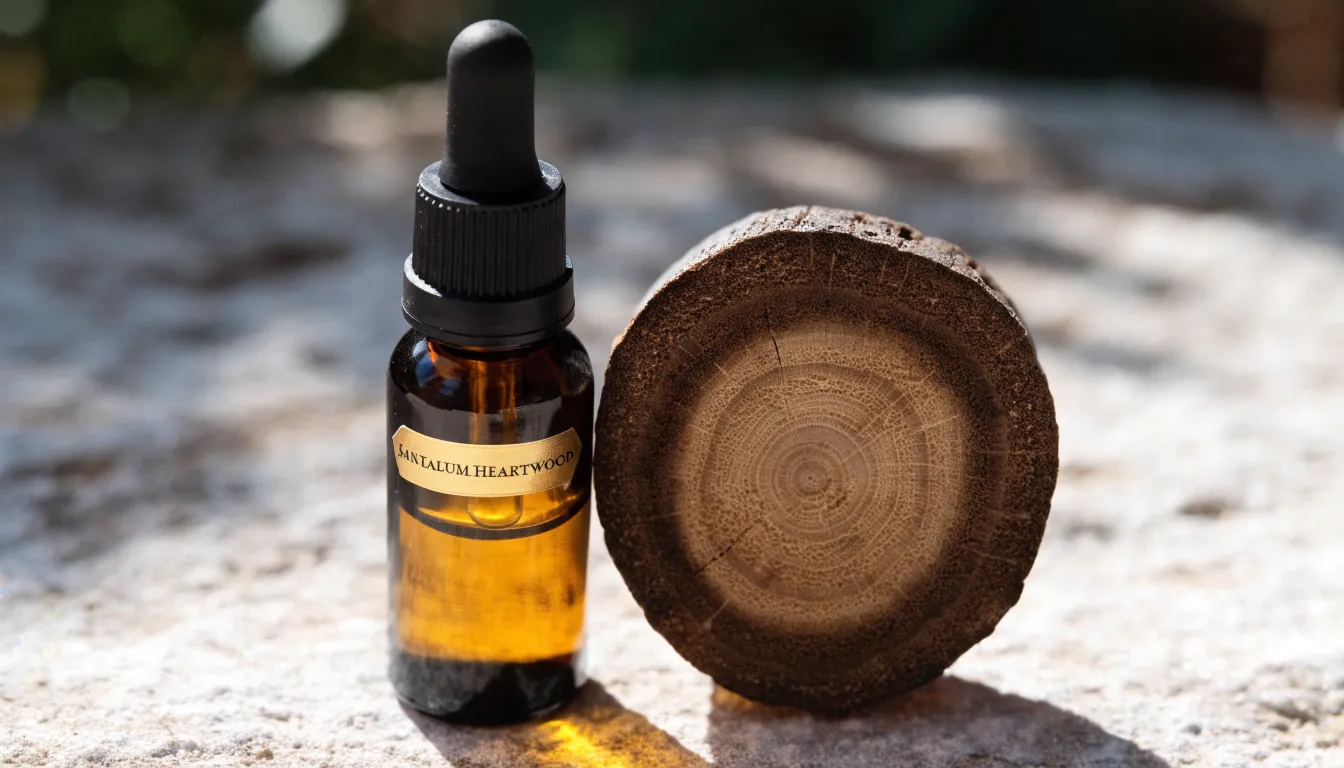
Its main function in those traditions was to ground and calm the mind. Practitioners used it during meditation to improve focus and soothe emotional or physical imbalances. It was also valued as an anointing oil and perfume, symbolizing purity and deep spiritual connection.
The oil’s effects come mainly from its unique chemical profile, especially alpha-santalol and beta-santalol. These compounds give it a warm, woody, sweet aroma and are responsible for its key benefits, such as promoting relaxation and supporting skin health. Different Santalum species have slightly different santalol ratios, which can change the scent and therapeutic qualities.
The Aromatherapy Experience
Sandalwood essential oil’s calming effect comes from its woody aroma and key compounds called santalols. When inhaled, these molecules travel through the olfactory system to the brain’s limbic system, which controls emotion, memory, and motivation. There, they interact with neuroreceptors and help shift brain wave activity.
Anxiety and stress are linked to high beta brain waves, which reflect an alert or agitated mind. Sandalwood helps lower this excessive beta activity, while also encouraging more alpha brain waves, which are tied to relaxed wakefulness and calm awareness. This shift reduces anxiety and supports a peaceful, quiet mental state.
The result is a grounded sense of calm, better mental clarity, and emotional balance through simple breathing. By soothing an overactive mind and promoting serene introspection, sandalwood essential oil becomes a valuable tool for stress relief and deep relaxation wherever it is used.
Skin Care Basics
Sandalwood essential oil is deeply moisturizing, making it helpful for dry, irritated skin. It works to repair a weakened moisture barrier by replenishing lost hydration and helping the skin hold onto water more effectively. This strengthens the skin’s protective outer layer, prevents further moisture loss, and leaves the complexion smoother and more supple. Its natural emollients also soften and condition the skin, easing the tight, uncomfortable feeling often linked to dryness.
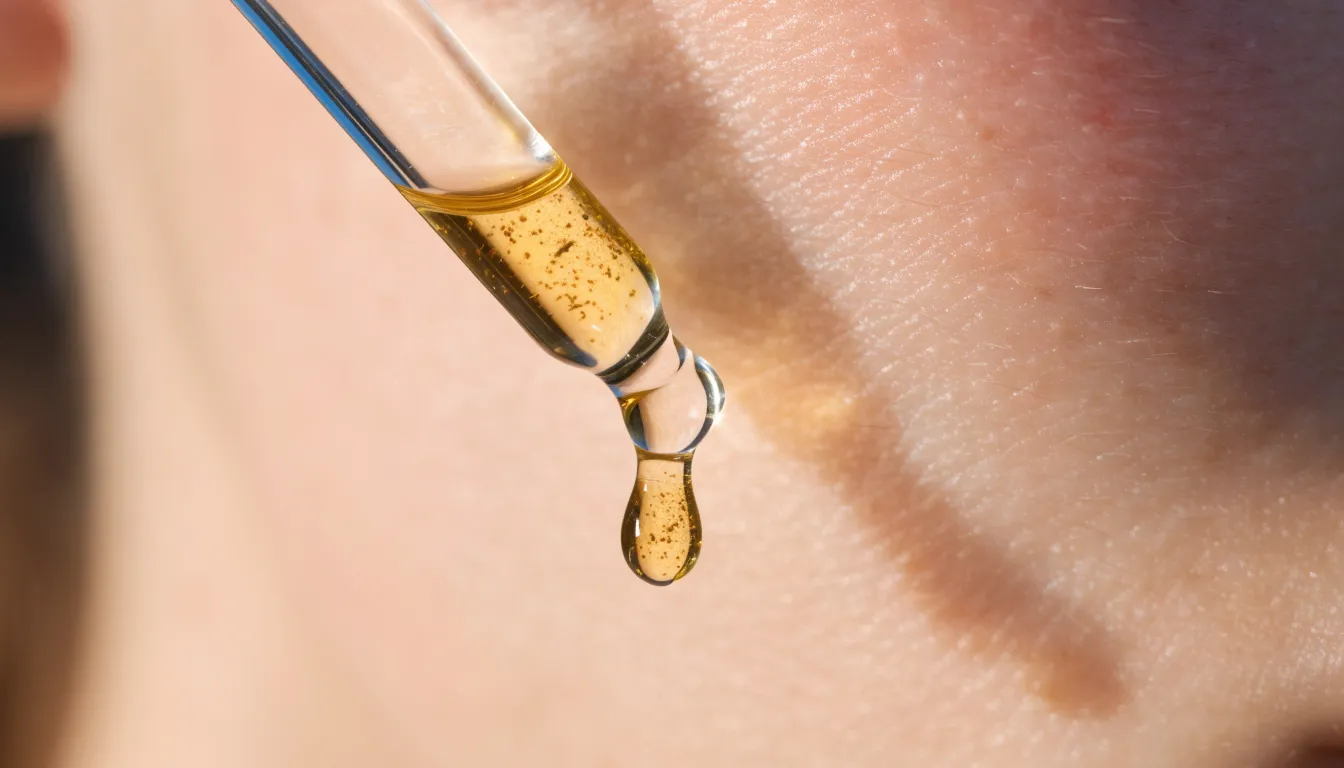
Beyond hydration, sandalwood essential oil has strong anti-inflammatory properties. It helps calm various forms of skin irritation, including eczema. For people prone to flare-ups, it can reduce redness and itching, bringing visible relief. When the skin feels inflamed or looks red, the oil’s gentle compounds soothe the area and lower overall skin sensitivity. This creates a calmer, more balanced environment on the skin, which supports recovery in stressed or sensitive areas.
Adding sandalwood essential oil to a skin care routine offers a simple, natural way to support healthy, resilient skin. It addresses both core needs: providing lasting moisture and delivering soothing relief from common irritation. With regular use, it helps the skin stay hydrated, calm, and better able to defend itself against daily stressors.
Anti Aging Potential
Sandalwood essential oil is especially valued for its anti-aging benefits, particularly its ability to soften fine lines and create a smoother skin texture. This happens largely because the oil is rich in antioxidants. These compounds help protect skin cells from damage caused by free radicals—unstable molecules triggered by UV rays and pollution. When free radicals build up, they can create oxidative stress that breaks down collagen and elastin, leading to premature aging.
The antioxidants in sandalwood work by neutralizing those free radicals, helping to maintain the skin’s natural support structure and preserving its firmness and elasticity. The oil also helps tighten sagging tissue by supporting the skin’s framework and encouraging a more toned, lifted appearance. This makes it useful for reducing the loose, lax feeling that often comes with age.
Together, these actions lead to visible results: softer fine lines, less prominent wrinkles, and an improved overall skin texture. With regular use, skin feels supple, looks more refined, and takes on a refreshed, revitalized glow that has a youthful radiance.
Stress Relief Habits
Sandalwood essential oil can help ease daily tension and bring a sense of calm. Its warm, woody scent is grounding during a busy day. For quick support, place one drop of diluted sandalwood oil on your wrists, temples, or the back of your neck before a stressful meeting or when you feel overwhelmed. These pulse points help gently release the aroma, so you can stay composed without drawing attention from coworkers.
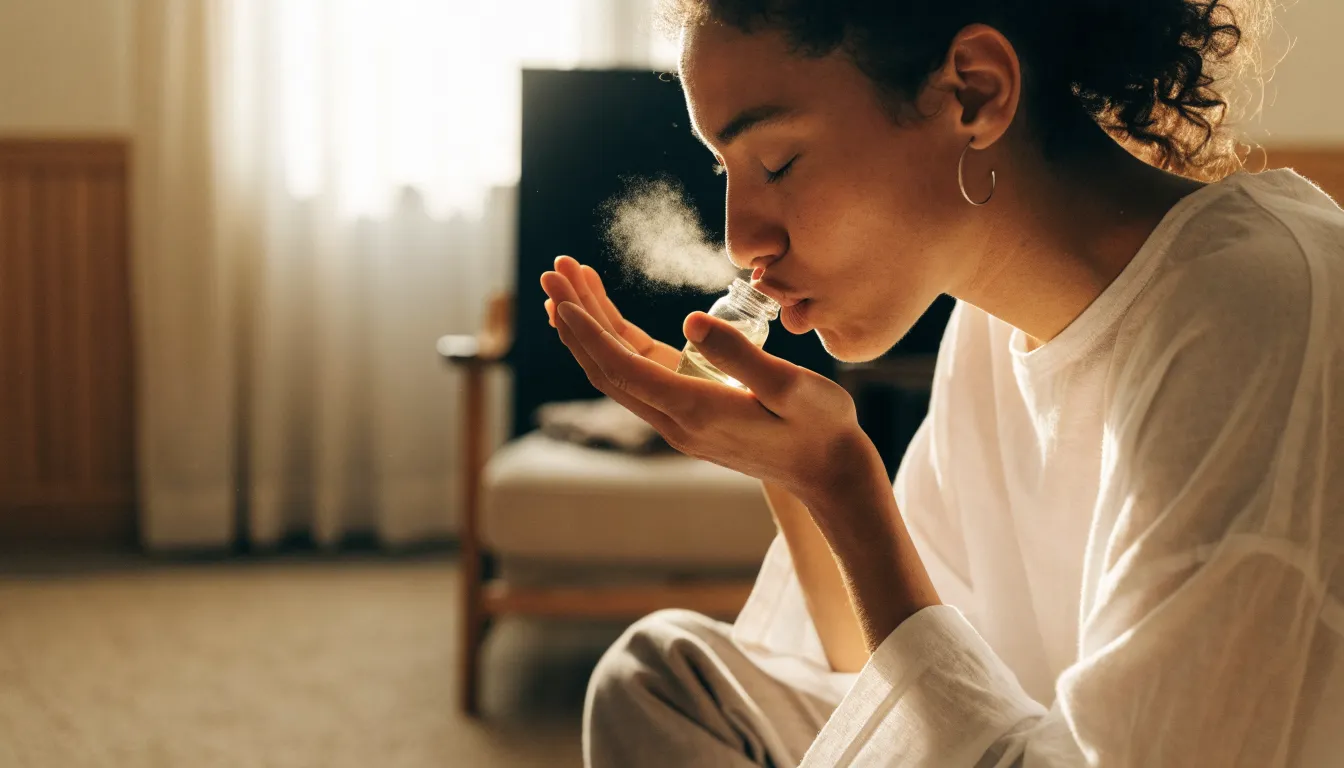
You can also combine sandalwood with breathing exercises. In a quiet moment, put a drop of diluted oil in your palm, rub your hands together, and cup them over your nose and mouth. Inhale slowly for a count of four, hold for seven, then exhale for eight. Repeating this cycle several times helps calm your mind, release tension, and refocus your attention.
Sandalwood also fits easily into daily routines. Add a few drops to a diffuser in your home office to start the day with a peaceful, productive mood. For evening relaxation, mix a few drops with a carrier oil in a warm bath, or apply a diluted drop to your chest before bed to support restful sleep. Using sandalwood this way turns it into a helpful part of a steady, proactive stress management routine.
Meditation and Mindfulness
Sandalwood essential oil has long been used in meditation and mindfulness to improve focus and create a deep sense of inner peace. Across ancient spiritual traditions, its rich, woody, sweet scent has helped build a calm, grounded atmosphere that supports deep contemplation.
Diffusing or applying sandalwood before or during meditation helps clear mental chatter, a common obstacle for practitioners. Its gentle, lasting fragrance acts as a subtle focal point, guiding attention away from distractions and toward calm clarity, making it easier to reach quieter, more aware states.
The oil also supports breath awareness during mindfulness practice. Its calming nature encourages slower, more deliberate breathing, helping people become more in tune with their natural rhythm. This deepens presence and tranquility, making sandalwood a helpful natural partner for meditation.
Sleep Support Strategies
Diffusing sandalwood essential oil as part of a consistent, calming bedtime routine can help your body shift into rest more easily. Its warm, woody aroma is deeply grounding and has long been used to create a sense of tranquility, making the bedroom feel like a peaceful space for sleep.
When inhaled, the scent molecules travel to the brain’s limbic system, which controls emotions and memory. There, they trigger natural sedative effects that calm an overactive mind and soothe the nervous system. This helps quiet mental chatter and lowers stress and anxiety—two common barriers to falling asleep.
The oil’s gentle influence also helps slow heart rate and encourage steadier breathing, signaling to the body that it is safe to enter deep rest. As a result, falling asleep feels more effortless, sleep is more likely to stay uninterrupted, and you can wake up feeling genuinely refreshed.
Natural Perfumery Secrets
Sandalwood essential oil is a key ingredient in natural perfumery, mainly used as a warm, rich base note. It gives blends a deep, creamy, and grounding foundation, and its warmth helps the scent settle smoothly into the skin while slowly revealing more of its character over time.
Its most valued function is as a natural fixative. Lighter top notes like citrus or delicate florals tend to fade quickly, but sandalwood holds onto them, keeping them present in the blend for much longer. This helps the fragrance stay balanced and cohesive as different layers evaporate.
Sandalwood also adds depth and lasting power to custom scents. Its aroma is soft, woody, milky, and slightly sweet, giving perfumes a sophisticated richness. With sandalwood as a backbone, a fragrance evolves gracefully over hours and leaves a lasting impression of balance and natural elegance.
Mood Boosting Properties
Sandalwood essential oil is valued in aromatherapy for boosting mood and supporting emotional balance, especially on hectic days. Its warm, woody scent has a gentle uplifting effect while also calming the nervous system. It works with the brain’s limbic system, which controls emotions, helping to quiet an overactive mind without causing drowsiness or agitation.
It is also helpful for easing emotional fatigue. When long work hours leave you feeling drained, unfocused, or irritable, sandalwood acts as a gentle restorative. It helps release built-up stress and brings a sense of inner calm, shifting you from overwhelm to a more grounded, peaceful state so you can think more clearly and feel more purposeful.
Sandalwood is useful for steadying mood swings that come with high stress. Its consistent, grounding aroma smooths out emotional highs and lows, making it easier to stay composed. By promoting a deeper sense of calm resilience, it helps you handle demanding schedules with greater stability and a lighter spirit.
Safe Application Methods
Proper dilution is essential for safely using sandalwood essential oil. Because essential oils are very concentrated, applying them undiluted can irritate the skin or cause allergic reactions, especially for sensitive skin. For most adults, a safe amount is a 2% to 3% dilution—about 12 to 18 drops of sandalwood oil per For most adults, a safe amount is a 2% to 3% dilution—about 12 to 18 drops of sandalwood oil per ounce of carrier oil. For sensitive skin or first-time use, start with a gentler 0.5% to 1% dilution, or 3 to 6 drops per ounce, so the skin can adjust gradually.
The carrier oil you choose also matters. Jojoba oil works well because it closely matches the skin’s natural oils and suits all skin types, even oily or acne-prone skin. Argan oil is rich in vitamin E and fatty acids, making it good for dry, mature, or damaged skin. Sweet almond oil is gentle and moisturizing, while fractionated coconut oil is light, non-greasy, and absorbs quickly.
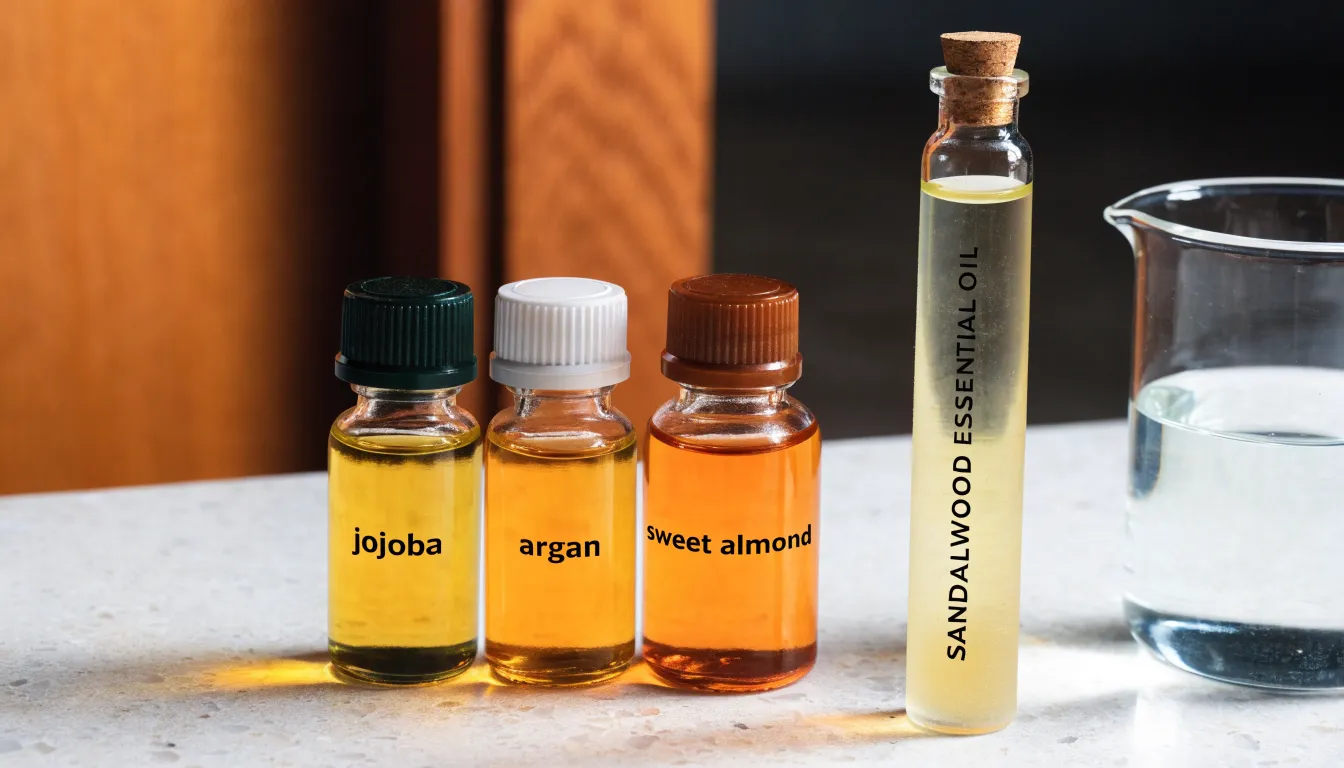
Before using the diluted oil on a larger area, always do a patch test. Apply a small amount to a hidden spot, like the inner forearm or behind the ear, and wait 24 to 48 hours. If you see redness, itching, burning, a rash, or any irritation, stop using it immediately. If no reaction appears, the diluted sandalwood oil is likely safe for broader use.
Diffuser Recipe Collection
Sandalwood is a rich, grounding base oil that blends easily with many others to change the mood of your home. For an energizing and bright feel, pair it with citrus oils like sweet orange, grapefruit, lemon, or bergamot. A simple mix of 3 drops sandalwood, 2 drops sweet orange, and 1 drop lemon helps lift your mood and clear your mind, making it perfect for mornings or a gentle pick-me-up.
For a calm and romantic setting, combine sandalwood with floral oils like lavender, rose, or ylang-ylang. A blend of 2 drops sandalwood, 2 drops lavender, and 1 drop ylang-ylang helps you relax and wind down, promoting a peaceful space that is ideal for unwinding or preparing for a restful night’s sleep.
To create a cozy and comforting atmosphere, use sandalwood with warm spice oils such as cinnamon, clove, or cardamom. Try mixing 3 drops sandalwood, 1 drop cinnamon, and 1 drop clove for a warm, festive scent that feels deeply grounding. This combination is especially nice for colder months when you want a rich, enveloping aroma that adds comforting complexity to your space.
Australian vs East Indian
Sandalwood essential oil comes in two main types: East Indian, from Santalum album, and Australian, from Santalum spicatum. East Indian has a rich, creamy, sweet, deeply woody scent that feels smooth, buttery, and long-lasting. It has been a favorite in perfumery and aromatherapy for centuries. Australian sandalwood has a drier, earthier, sharper aroma that is more resinous and less sweet, giving it a grounding, robust woody character.
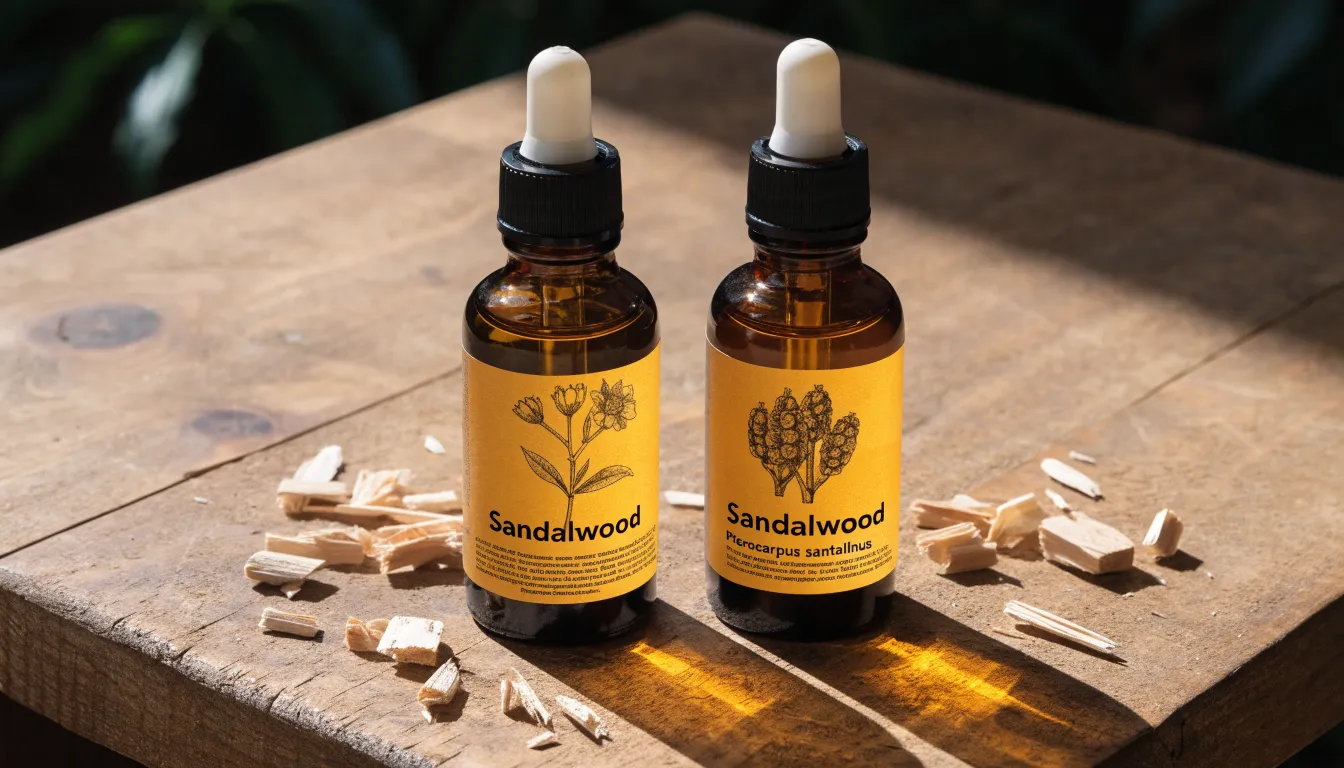
The oils also differ chemically, mainly in their santalol content. East Indian sandalwood is high in alpha-santalol and beta-santalol, the compounds behind its classic aroma and many of its therapeutic effects. Australian sandalwood has a different mix of sesquiterpenols and less total santalol, so its scent is unique, though it still offers useful aromatic and wellness benefits.
Price is another difference. East Indian sandalwood oil usually costs more because of its history, scarcity, slow-growing trees, and high global demand. Australian sandalwood is more affordable and more accessible, making it a good choice for people who want the benefits and scent of sandalwood without the higher cost. Both types have their own strengths, so the best pick depends on personal preference and how the oil will be used.
Sustainability Concerns
Sandalwood essential oil is highly prized, but using it comes with serious environmental concerns. Overharvesting has badly hurt important species like Indian sandalwood, which is now scarce in many native forests. Removing too many trees harms ecosystems by destroying animal habitats, causing soil erosion, and reducing biodiversity. Because sandalwood trees grow slowly, natural regrowth cannot keep up with demand, causing long-term damage to local environments and the climate.
Illegal logging also makes the problem worse. Because sandalwood is so valuable, some people harvest it without permits or rules. This speeds up deforestation and hurts ethical, legal producers. Illegal operations often take young trees before they are mature, which prevents future growth and creates a cycle of depletion. It also causes economic problems for communities that depend on responsible tree farming.
Consumers can help by making careful choices. Before buying sandalwood products, it is important to look for certifications that prove the oil comes from sustainably managed plantations. These certifications check the whole supply chain and ensure that trees are grown in an environmentally friendly way, with proper replanting, biodiversity protection, and fair labor practices. Choosing products with clear, verified sustainability credentials supports responsible forestry and helps protect sandalwood for future generations.
DIY Beauty Recipes
Making your own beauty products lets you control exactly what goes on your skin. For an anti-aging facial oil, start with a nourishing carrier oil like jojoba or argan. Add a few drops of sandalwood essential oil—it helps rejuvenate and calm the skin—and combine them in a dark glass bottle. Applying a few drops daily gives you a custom, natural treatment.
For a deeply hydrating night cream, melt shea or cocoa butter with a liquid oil like sweet almond. Once it cools slightly, whisk in a bit of distilled water or aloe vera until creamy. Then blend in sandalwood oil along with calming oils like chamomile. This rich mixture moisturizes your skin overnight, thanks largely to sandalwood’s soothing effects.
To create a soothing body balm, melt beeswax with coconut or olive oil. When it’s slightly cool, stir in sandalwood essential oil and a touch of vanilla for comfort. Pour the mix into jars to set. These handcrafted products nourish your whole body, using sandalwood’s natural power to calm and restore your skin from head to toe.
Bath and Body Rituals
Sandalwood essential oil can turn an ordinary bath into a calming, skin-nourishing ritual. Its soothing aroma helps relax the mind, while the warm soak eases tired muscles. But never add the oil directly to bathwater—undiluted essential oils can irritate your skin. Always mix 5–10 drops of sandalwood oil with one tablespoon of a carrier oil, such as jojoba, almond, or fractionated coconut oil, to keep it safe and effective.
Because essential oils do not naturally dissolve in water, you also need an emulsifier to spread the oil evenly through the bath. Add one to two tablespoons of liquid castile soap or a bath oil dispersant to your diluted sandalwood oil, and stir gently. Epsom salts can help somewhat, but a true emulsifier works much better at preventing the oil from floating in concentrated patches on the surface.
To prepare the bath, fill the tub with warm water. In a small bowl, combine the sandalwood oil, carrier oil, and soap, then pour the mixture into the running water so the stream helps distribute it. Add one to two cups of Epsom salts and let them dissolve fully. Step in, breathe in the aromatic steam, and let the blend relax your body and quiet your mind—a simple, careful method for a safe and deeply soothing bath.
Frequently Asked Questions
Where does sandalwood essential oil come from and what was its traditional use?
Sandalwood essential oil is extracted from the heartwood of Santalum trees. Historically, it held a sacred place in ancient Ayurvedic traditions, where it was used in ceremonies, spiritual rituals, and healing preparations to ground and calm the mind.
How does inhaling sandalwood essential oil help with relaxation and stress?
When inhaled, sandalwood molecules travel to the brain’s limbic system, interacting with neuroreceptors to help shift brain wave activity. This process helps lower excessive beta brain waves, which are linked to anxiety, and encourages alpha brain waves, promoting relaxed wakefulness and a peaceful mental state.
What are the benefits of sandalwood essential oil for skin health?
Sandalwood essential oil is deeply moisturizing, helping to repair the skin’s moisture barrier and replenish lost hydration, making it helpful for dry, irritated skin. It also has strong anti-inflammatory properties that calm various forms of skin irritation, including eczema, reducing redness and itching.
Can sandalwood essential oil help with anti-aging concerns like fine lines?
Yes, sandalwood essential oil is valued for its anti-aging benefits, particularly its ability to soften fine lines and create a smoother skin texture. It is rich in antioxidants that protect skin cells from damage caused by free radicals, helping to maintain the skin’s firmness and elasticity.
What are the safety guidelines for applying sandalwood essential oil to the skin?
Proper dilution is essential, with a safe amount for most adults being a 2% to 3% dilution (12 to 18 drops per ounce of carrier oil). Always perform a patch test by applying a small amount to a hidden spot like the inner forearm and waiting 24 to 48 hours for any irritation before broader use.
Are there sustainability concerns when purchasing sandalwood essential oil?
Yes, overharvesting has severely impacted important sandalwood species like Indian sandalwood, causing scarcity and environmental damage. To help, consumers should look for certifications that prove the oil comes from sustainably managed plantations, ensuring responsible growth and protection of the species.