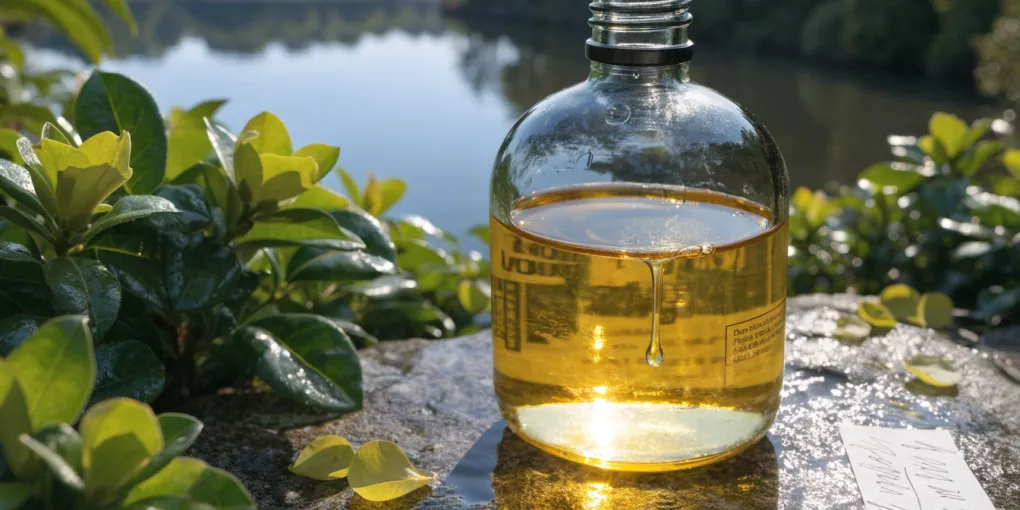
Ylang ylang essential oil, derived from the Cananga odorata tree, features a distinct sweet, fruity, and exotic floral aroma. Its various grades, extracted via steam distillation, offer benefits ranging from mood enhancement and stress relief to radiant skin and hair care. It also supports romantic intimacy, nighttime relaxation, and can be used in baths, massages, and homemade perfumes.
Table of Contents
- Tropical Botanical Origins
- Distinct Floral Aroma
- Extraction Grades Explained
- Natural Mood Enhancement
- Daily Stress Relief
- Radiant Skin Care
- Hair And Scalp Nourishment
- Natural Romance Booster
- Nighttime Relaxation Rituals
- Essential Diffuser Recipes
- Custom Massage Oils
- Soothing Spa Baths
- Homemade Floral Perfumes
- Emotional Balance Techniques
- Safe Dilution Guidelines
Tropical Botanical Origins
Ylang ylang essential oil comes from the Cananga odorata tree, which is native to tropical places like Indonesia and Madagascar. The tree grows best in warm, humid equatorial regions with plenty of rainfall year-round. These consistent tropical conditions help the tree grow lush and healthy, producing bright yellow, highly fragrant flowers in a continuous cycle — and those flowers are what get used for essential oil extraction.
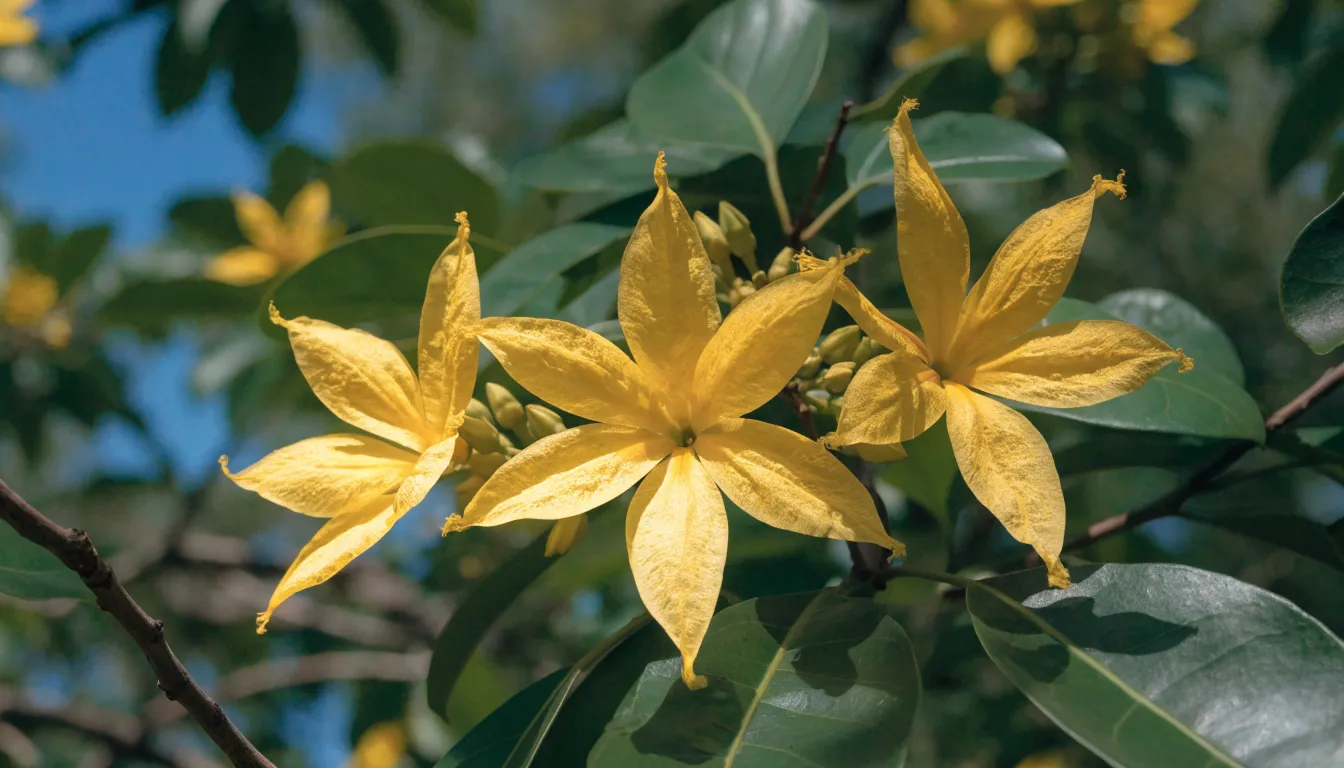
The stable climate also shapes the flowers’ color and their strong aromatic compounds. Lots of sunlight, fertile volcanic soil, and steady moisture boost the plant’s natural processes. This leads to a complex mix of volatile compounds, including terpenes, esters, and sesquiterpenes. These chemical ingredients are what give ylang ylang its signature scent: deeply sweet, slightly fruity, and exotic.
Because the local climate controls the exact balance and concentration of those compounds, the tree’s tropical origins are essential to the oil’s unique aroma and therapeutic qualities. In short, the environment where ylang ylang grows is a major reason the essential oil has its distinctive, beneficial profile.
Distinct Floral Aroma
Ylang ylang essential oil has a very distinct floral smell that stands out right away. Its top notes are bright and sweet, with a creamy, fruity feel—like tropical fruit warmed by the sun, with hints of banana or custard apple. This opening is uplifting and welcoming, setting the stage for the more complex layers underneath.
As the scent settles, the heart of ylang ylang comes through: a rich, exotic floral bouquet. These deeper notes are velvety, sensuous, and almost intoxicating, calling to mind moonlit gardens and blossoms heavy with dew. This creamy, luxurious floral core also has a balsamic quality, which helps the scent last a long time on the skin.
Because of this blend of bright sweetness and deep floral richness, ylang ylang works especially well in perfumery. It acts as a superb heart note, adding warmth and fullness to a fragrance. It can soften sharper ingredients, lift other floral notes, and help create perfumes that feel elegant, balanced, and memorable.
Extraction Grades Explained
Ylang Ylang essential oil is made by steam distillation, and the process is timed to produce different grades. Each grade has its own scent and uses, from fine perfumes to therapeutic products. The first fraction, Ylang Ylang Extra, is the most intense and floral, with a very sweet top note. It is prized by perfumers for high-end fragrances. The next grade, Ylang Ylang I, is slightly softer but still rich and floral, making it useful in cosmetics and more accessible perfumes.
The later fractions become heavier and deeper. Ylang Ylang II has a warmer, longer-lasting floral scent and is often used in soaps, lotions, and body care products. Ylang Ylang III comes last and has the heaviest, creamiest, woody notes. It works well in candles, diffusers, and industrial fragrance applications where a long-lasting aroma is needed.
There is also Ylang Ylang Complete, made by collecting all fractions together or blending them back into one oil. This grade has a balanced, full-spectrum scent and is the best choice for aromatherapy and general wellness uses. Its complete chemical makeup supports relaxation, mood balance, and skin care, offering the broadest range of therapeutic benefits.
Natural Mood Enhancement
Ylang ylang essential oil helps improve mood through its scent. Its floral aroma contains tiny compounds that, when inhaled, travel straight to the brain’s limbic system. This part of the brain controls emotions, memory, and motivation. The scent triggers the release of endorphins, the body’s natural “feel-good” chemicals, which ease sadness and emotional discomfort.
The comforting, exotic aroma also brings a sense of inner peace and calm. With regular use, ylang ylang can support emotional resilience and encourage a more positive, relaxed state of mind. It gently lifts overall optimism.
In this way, ylang ylang helps create better emotional balance. It makes daily stress easier to handle and supports a hopeful, contented outlook.
Daily Stress Relief
Ylang ylang essential oil is a natural way to help with daily stress, which often shows up as both physical tension and mental overload. In clinical studies, inhaling the oil has been shown to support the body’s relaxation response. It may help lower blood pressure, bringing the circulatory system back into balance, especially after physical activity or emotional strain when the body’s stress response stays high.
The oil also affects other stress markers. Research suggests it can reduce cortisol, known as the stress hormone, helping the body shift from alertness to calm. This internal change eases physical stress symptoms like muscle tightness and soreness. After long days of sitting, repetitive work, or exertion, ylang ylang’s soothing properties help relax tense muscles and support deeper recovery.
Together, these effects—lower blood pressure, reduced stress hormones, and relaxed muscles—help calm an overactive mind. As the body unwinds and the stress response settles, mental chatter and anxious thoughts tend to fade. This makes ylang ylang a helpful tool for evening relaxation or for finding peaceful moments during a busy day.
Radiant Skin Care
Ylang ylang essential oil is excellent for skin because it helps balance the skin’s natural oil production. It works with the body’s own processes to regulate sebum. For dry patches, it gently soothes and moisturizes without leaving a heavy feeling, supporting the skin’s barrier to keep hydration locked in, resulting in a softer, more supple complexion.
For those with oily or combination skin, ylang ylang is very versatile and helps moderate excess oil. This action stops oil from building up and clogging pores, which often leads to blemishes. By bringing oil levels into harmony, it reduces breakouts and makes large pores appear smaller, promoting an even-toned and healthier look.
Instead of aggressively stripping the skin (which usually triggers even more oil), this essential oil encourages a natural equilibrium. This balanced approach fosters a clear, luminous glow that shows the skin is well-nourished and properly regulated. It is a valuable addition to any simple skin care routine aiming to boost natural radiance and clarity.
Hair And Scalp Nourishment
Ylang ylang essential oil is highly beneficial for hair and scalp health. It has been used for generations in traditional scalp treatments to support overall hair vitality and encourage stronger, shinier hair.
This oil helps stimulate hair growth by balancing sebum production on the scalp. When the scalp is neither too oily nor too dry, hair follicles function better, leading to stronger strands and less breakage or shedding.
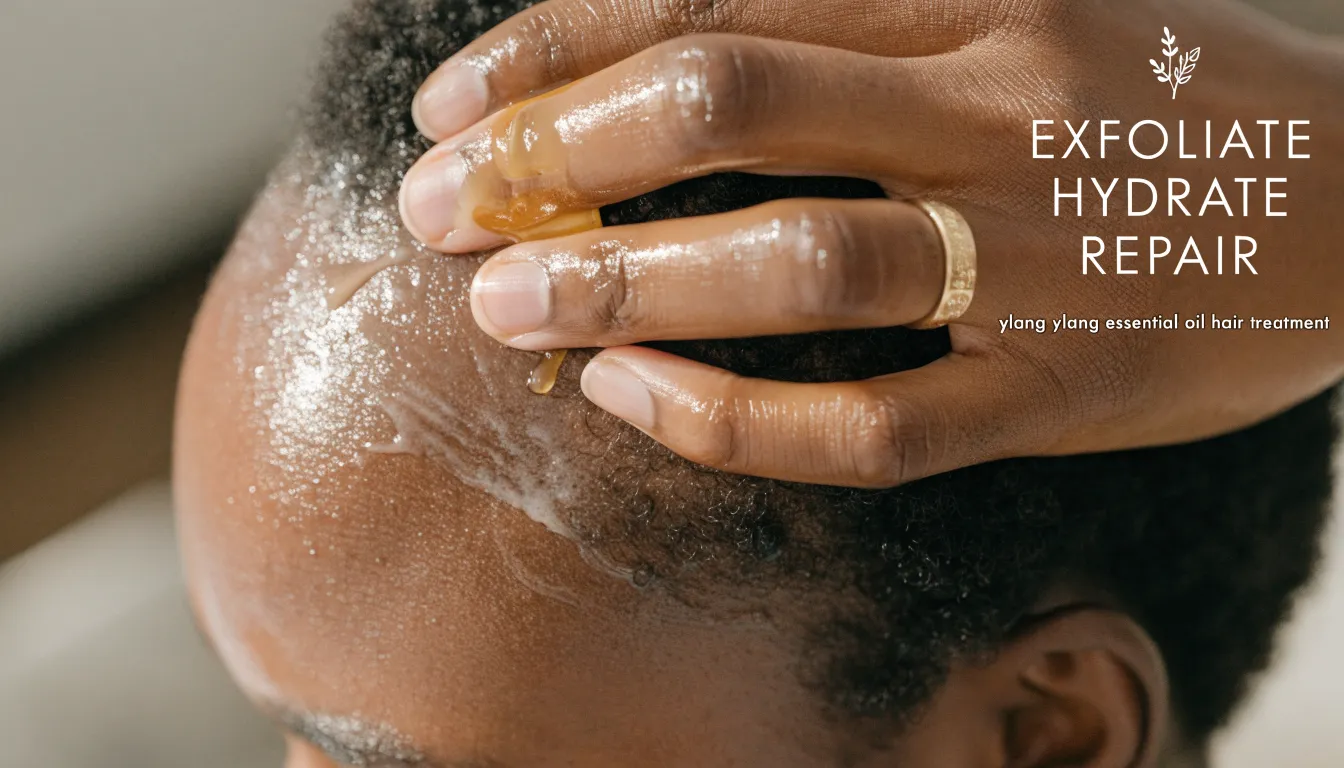
Ylang ylang also acts as a natural conditioner for brittle hair. Its emollient properties smooth the hair cuticles, adding softness and natural shine. Regular use, often mixed with carrier oils like coconut or jojoba, can transform dull, fragile hair into more resilient, vibrant locks.
Natural Romance Booster
Ylang ylang essential oil is known as a natural romance booster, using its sweet scent to enhance intimacy. Historically, its blossoms were valued in Southeast Asia, where they were scattered on newlyweds’ beds to create a passionate, inviting atmosphere. This tradition reflects a long-standing belief in the flower’s power to inspire love and connection.
The oil’s rich, intensely sweet aroma helps create an alluring environment. When diffused or added to massage oil, it gently fills the space and sets the mood. Its calming effect on the nervous system helps reduce performance anxiety and mental tension, allowing partners to relax, let go of inhibitions, and be more present and confident with each other.
Beyond relaxation, ylang ylang supports emotional closeness. Feeling calm and secure makes it easier to be vulnerable and authentic. The oil eases stress, encourages heartfelt communication, and helps dissolve emotional barriers, deepening the bond and creating a shared sense of warmth and connection between partners.
Nighttime Relaxation Rituals
A consistent nighttime relaxation ritual helps your brain shift from daily busyness into rest mode. Adding ylang ylang essential oil to this routine supports calmness through its soothing, lightly sweet scent, which helps quiet mental chatter and release physical tension.
Simple methods work well. Add a few drops of ylang ylang to a warm bath, alone or with lavender or bergamot, to relax muscles while breathing in the calming aroma. You can also use a diffuser in your bedroom about an hour before sleep, blending ylang ylang with cedarwood or frankincense to create a deeply peaceful atmosphere.
For a more direct effect, dilute ylang ylang oil and massage it onto pulse points, temples, or the soles of your feet. This combines touch with scent to reinforce relaxation throughout your nervous system. Used consistently, these rituals and oil blends support deeper REM sleep, lower the chance of insomnia, and help your body and mind recover fully each night.
Essential Diffuser Recipes
Ylang ylang essential oil can easily be used at home through a diffuser. Making your own blends lets you create the exact mood you want, turning any room into a calm, welcoming space. These simple recipes pair ylang ylang with other oils to match different moments of your day.
For deep relaxation, mix ylang ylang with lavender. The sweet, floral scent of ylang ylang blends well with lavender’s soft, herbal aroma, helping you feel calm and ready for sleep. Try three drops of ylang ylang with four drops of lavender, and adjust to your liking. This blend works best in the bedroom or during a quiet evening routine.
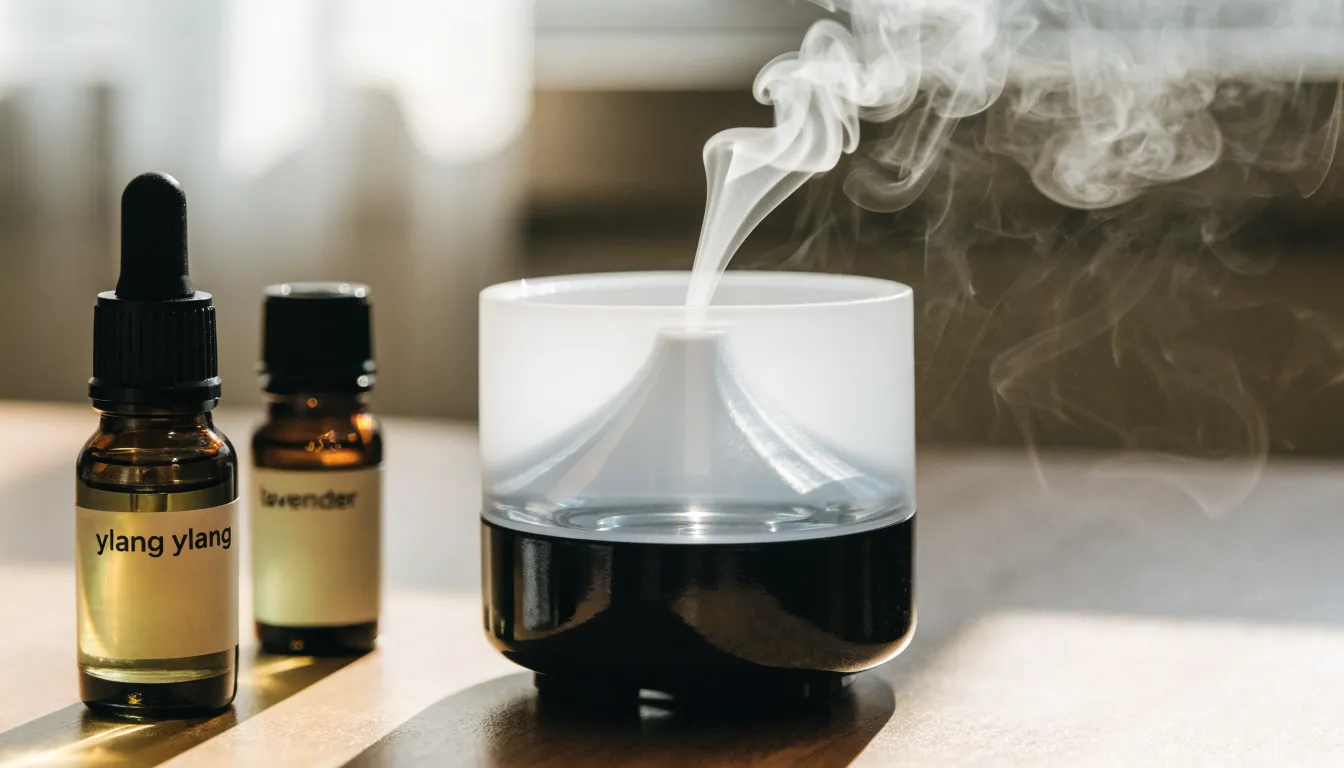
For a balance of energy and peace, combine ylang ylang with bergamot. Bergamot adds a bright, citrus lift that improves your mood, while ylang ylang keeps you grounded with its rich floral scent. Use three drops of each in a living area or home office for a focused yet calm atmosphere. For deeper stillness, mix ylang ylang with sandalwood. Sandalwood’s warm, earthy smell supports ylang ylang’s intense floral notes, creating a peaceful, meditative space—great for yoga or quiet reflection. Try two drops of ylang ylang with three drops of sandalwood. These easy blends help you enjoy the benefits of essential oils throughout your day.
Custom Massage Oils
Making your own massage oil is a great way to use ylang ylang essential oil for your body. You safely mix this strong oil with a carrier oil to make it gentle on the skin. Good choices are jojoba oil, which soaks in well and is not greasy because it mimics your skin’s natural oil, or sweet almond oil, which is rich in vitamins and leaves skin feeling smooth. The goal is a relaxing, skin-softening rub for your self-care routine.
To make it, gather a clean dark glass bottle, about two tablespoons (30 ml) of your chosen carrier oil, and 6-9 drops of pure ylang ylang oil. This gives a safe dilution of about 1-1.5%, ideal for adults. Pour the carrier oil into the bottle, add the ylang ylang drops, then secure the cap and gently roll the bottle between your palms for a minute or two to mix them well. It is always a good idea to do a patch test on a small area, like your inner arm, before applying it all over.
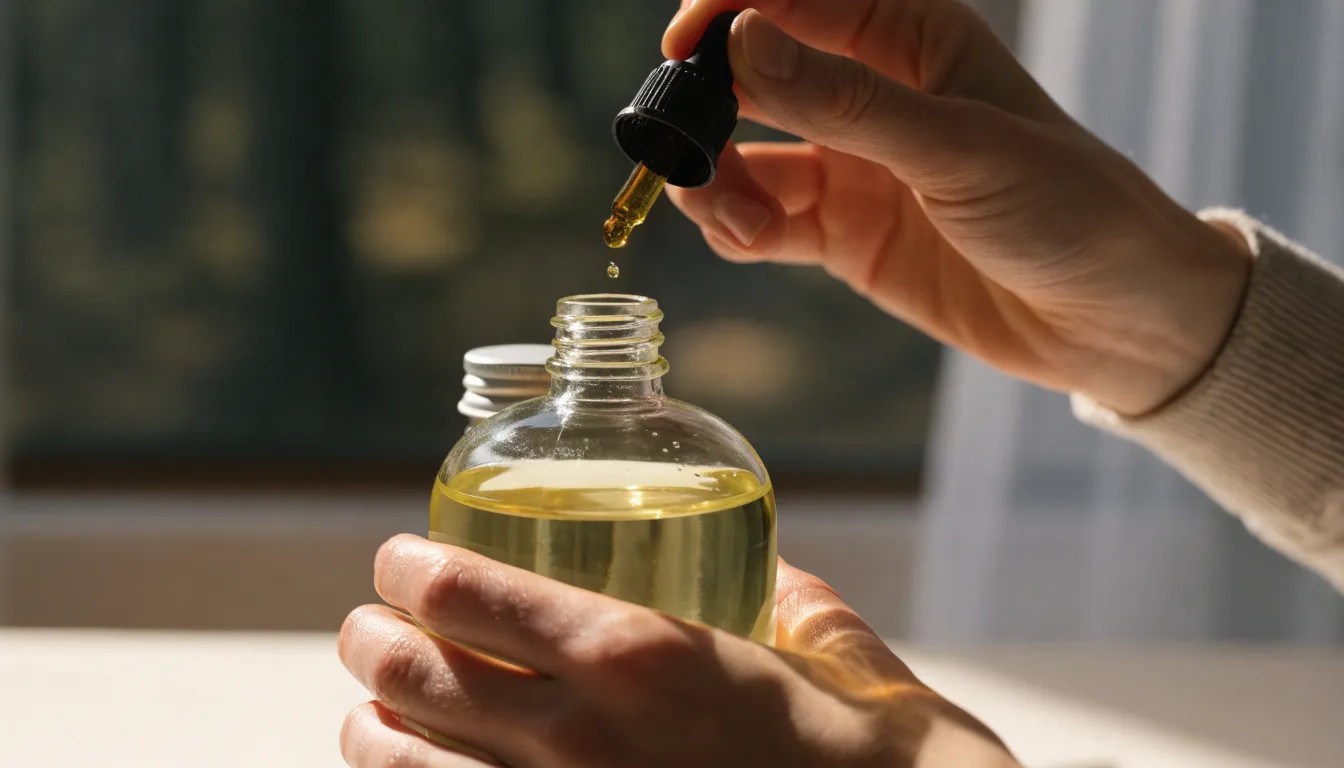
Once ready, put a little oil on your hands, rub them together to warm it, and massage it into your skin with gentle circular motions. The exotic floral smell helps you feel calm and relaxed, while the carrier oil deeply moisturizes, leaving your skin soft, nourished, and lightly scented. This simple blending method lets you safely enjoy both the scent and topical benefits of ylang ylang in a luxurious way.
Soothing Spa Baths
Ylang ylang essential oil can turn a regular bath into a calming, spa-like soak. Its sweet, floral scent is deeply relaxing, making it perfect for unwinding. But you should never add the oil directly to bathwater, because oil and water don’t mix. Instead, the oil floats on top in strong droplets that can irritate your skin.
The best way to use it safely is to blend the oil with a carrier first. Bath salts work well. For a standard bath, mix 5 to 10 drops of ylang ylang oil with one cup of Epsom salts in a bowl. Stir well so the salt absorbs the oil, then add the mixture to warm running water and let the salts dissolve. This spreads the oil evenly through the bath.
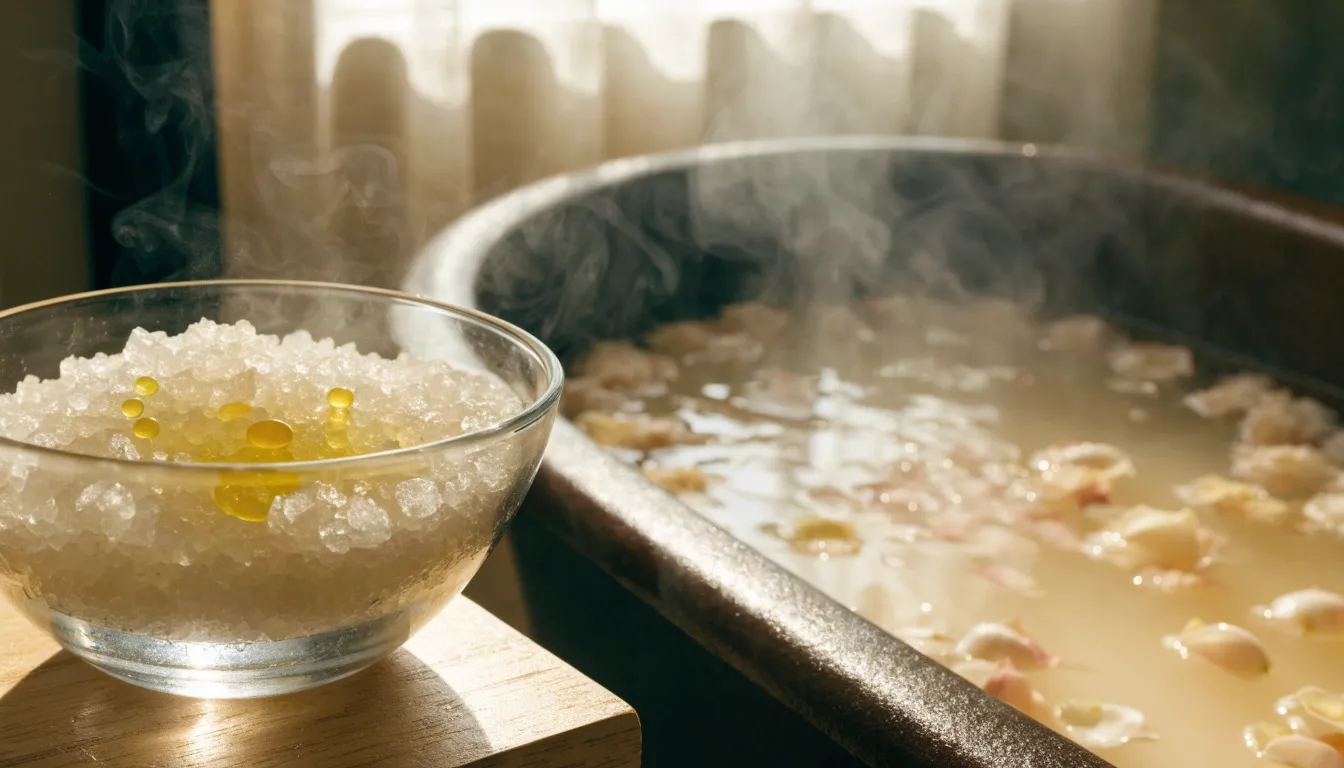
Other good emulsifiers include a little liquid castile soap, a tablespoon of mild carrier oil like jojoba or sweet almond oil, or a quarter cup of whole milk. These all help carry the essential oil safely into the water. With this simple step, you get a gentle, irritation-free aromatherapy bath that lets you fully relax and enjoy the calming benefits of ylang ylang.
Homemade Floral Perfumes
Creating your own floral perfumes lets you explore natural perfumery and avoid synthetic ingredients. Essential oils like ylang ylang add rich, sweet, exotic aromas while also bringing their own beneficial properties. The two main bases for homemade perfume are alcohol and carrier oils, and each handles essential oils differently.
Alcohol, such as perfumer’s alcohol or unflavored vodka, works as a solvent that helps carry the essential oils into the air as it evaporates. You blend your chosen oils, balancing top, middle, and base notes for depth, then let the mixture sit in a cool, dark place for several weeks so the scents merge into a smooth, lasting fragrance.
Carrier oils, like jojoba or sweet almond oil, make gentler, more skin-hugging perfumes. They slow the evaporation of essential oils, so the scent develops gradually and stays close to the skin. You can simply dilute your oil blend into a carrier oil for a roll-on perfume, and letting it rest for a few days helps deepen the aroma. Both methods keep your perfume completely natural and free of artificial additives.
Emotional Balance Techniques
Grounding inhalation practices offer a fast way to steady emotions, especially during panic or anxiety. Ylang ylang essential oil is known for its calming, floral, slightly sweet scent. When inhaled, its aromatic molecules reach the limbic system—the brain area tied to emotion and memory—helping to soothe an overactive nervous system.
The core technique is slow, intentional breathing. Instead of shallow, rapid breaths, you inhale gently through the nose, let the abdomen rise, hold briefly, then exhale slowly through the mouth. Adding a drop or two of ylang ylang to a tissue, a diffuser necklace, or the air makes each breath more calming. This pairing of focused breathing and aromatherapy works together to trigger the body’s natural relaxation response.
Deep breathing also stimulates the vagus nerve, which helps regulate heart rate and turns on the parasympathetic “rest and digest” system. As your breathing slows, your brain gets the signal that the threat has passed, so your heart rate drops and muscles relax. Ylang ylang reinforces this shift, guiding the body away from heightened alarm. With regular practice, these ylang ylang–infused breathing techniques can build lasting inner calm and offer a reliable way to handle emotional distress.
Safe Dilution Guidelines
Ylang ylang essential oil is very concentrated, so it should always be diluted with a carrier oil before putting it on skin. For sensitive skin, the recommended maximum is about 0.8% for the face and a little higher for the body. It’s best to start even lower, around 0.25% to 0.5%, to see how your skin reacts. This is roughly 1 to 2 drops of essential oil per teaspoon of carrier oil.
Patch testing is an important safety step before applying the blend more widely. Put a small amount on a hidden area like the inner forearm or behind the ear, then wait 24 to 48 hours. If you notice any redness, itching, burning, or discomfort, stop use and wash the area gently with soap and water.
Choose a mild, non-comedogenic carrier oil such as jojoba, sweet almond, or fractionated coconut oil to reduce irritation. Make sure your skin is clean and dry before applying. Start with the lowest effective dilution and only raise it slowly if no sensitivity appears. Always prioritize your skin’s comfort and health.
Frequently Asked Questions
What is ylang ylang essential oil used for?
Ylang ylang essential oil is used for various purposes including mood enhancement, daily stress relief, and skincare. It also supports hair and scalp health, acts as a natural romance booster, and is excellent for nighttime relaxation rituals.
Where does ylang ylang essential oil come from?
Ylang ylang essential oil comes from the bright yellow, highly fragrant flowers of the Cananga odorata tree. This tree is native to tropical regions like Indonesia and Madagascar, thriving in warm, humid equatorial conditions.
How do you use ylang ylang for relaxation or sleep?
For relaxation or sleep, you can add a few drops of ylang ylang to a warm bath, diffuse it in your bedroom, or dilute and massage it onto pulse points. Blending it with oils like lavender, cedarwood, or frankincense can enhance its calming effects.
Is ylang ylang essential oil good for skin?
Yes, ylang ylang essential oil is excellent for skin care as it helps balance the skin’s natural oil production. It can soothe and moisturize dry patches while also moderating excess oil to reduce breakouts and make large pores appear smaller.
What are the different grades of ylang ylang essential oil?
Ylang ylang essential oil is available in different grades, including Extra, I, II, III, and Complete. Each grade is produced by steam distillation at different times, resulting in unique scents and uses, from intense floral for high-end perfumes to full-spectrum for aromatherapy.
Is it safe to put ylang ylang oil directly in bathwater?
No, you should never add ylang ylang essential oil directly to bathwater, as it can float on top in strong droplets and irritate your skin. Instead, blend 5 to 10 drops of the oil with one cup of Epsom salts or an emulsifier like liquid castile soap before adding it to your bath.