Best Essential Oils for Better Sleep and Nighttime Routines
Sleep shapes how the next day feels long before the alarm goes off. Restless nights tend to spill into foggy mornings, tense bodies, and short patience, while good sleep quietly supports focus, mood, and energy. Essential oils have become part of my nighttime rhythm because they help signal to my body that it’s safe to slow down. Their scents create an atmosphere that supports rest without forcing anything or demanding immediate results.
Quick answer: lavender is the most reliable single oil for sleep — well-studied, gentle, and works alone or blended. Roman chamomile and cedarwood are the next best picks if lavender’s scent isn’t for you. Whichever oil you choose, diffuse it 20-30 minutes before bed and turn it off before you actually fall asleep, rather than running it all night.
Nighttime routines matter because the body responds to consistency more than quick fixes. Essential oils fit naturally into these routines by adding a sensory cue that encourages calm. Over time, certain scents become linked with rest, making it easier to unwind even on stressful days.
Why Scent Matters Before Sleep
The sense of smell has a direct connection to the parts of the brain responsible for emotion and memory. This connection explains why certain aromas can trigger relaxation almost instantly. A familiar calming scent tells the nervous system that it’s time to rest, and that signal grows stronger when the same oils are used consistently at night.
Mental overstimulation is one of the biggest barriers to quality sleep. Scents that feel grounding or soothing help shift attention away from racing thoughts and support slower breathing. This shift doesn’t happen through force but through repetition and gentle cues — the same principle behind building any daily oil routine.
Lavender and Its Calming Reputation
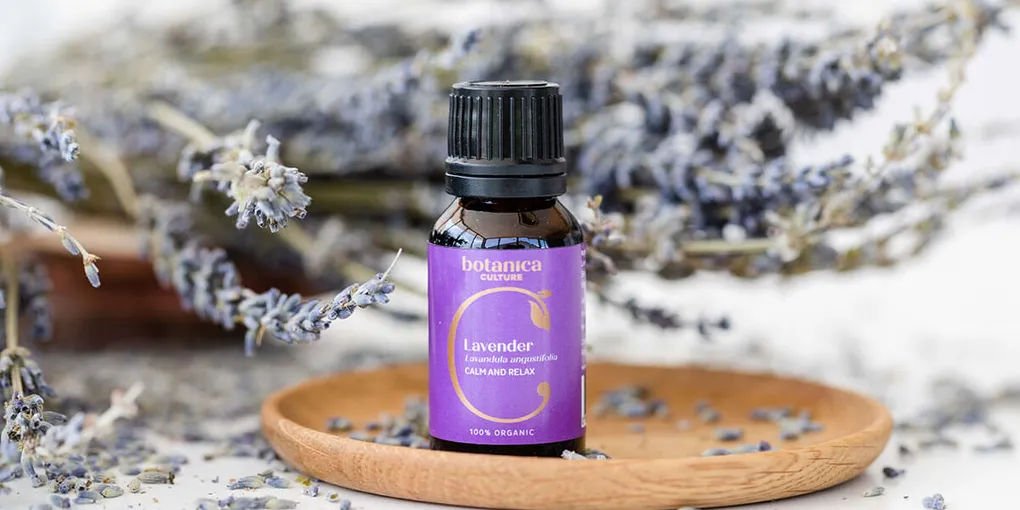
Lavender is often associated with sleep for good reason. Its scent feels soft, steady, and familiar, making it ideal for easing tension at the end of the day. I rely on it when my mind feels overstimulated or emotionally cluttered. The aroma encourages a slower pace without feeling heavy or dull.
Lavender works well on its own or blended with other oils, which makes it easy to incorporate into different nighttime habits. Diffusing it before bed or applying it in diluted form to pulse points helps create a sense of routine — if you want to compare specific lavender products, our lavender roundup for relaxation covers a few worth trying.
Roman Chamomile for Emotional Ease
Roman chamomile carries a gentle, comforting scent that feels emotionally supportive. It reminds me of quiet evenings and slower breathing. This oil is especially helpful when stress feels emotional rather than physical, and its aroma encourages softness and release rather than alertness.
Using chamomile as part of a nighttime routine helps ease lingering worries. Diffusion creates a peaceful environment, while topical use adds a grounding physical element — the same broader approach covered in using essential oils for relaxation and stress relief.
Bergamot for Nighttime Balance
Bergamot stands out because it balances relaxation with emotional uplift. Its citrus notes feel lighter than typical sleep oils, which makes it helpful when stress feels heavy or draining, without creating mental fog.
One important caveat: bergamot is one of the more strongly phototoxic citrus oils, meaning skin exposed to sunlight after topical application is more prone to burns or discoloration than with most other citrus oils. If you’re using it on skin rather than just diffusing, our explainer on photosensitivity is worth reading first — for an evening routine this is rarely an issue, but it matters if you’re applying it earlier in the day. Diffusing bergamot during wind-down time, or blending it with deeper oils to soften its brightness, works well for easing the transition from activity to rest.
Cedarwood for Grounding the Mind
Cedarwood offers a warm, woody scent that feels deeply grounding. It helps quiet mental chatter by encouraging a sense of stability, and it’s particularly helpful on nights when thoughts feel scattered or restless.
Diffusing cedarwood in the bedroom creates a cocoon-like atmosphere, while topical use on the feet or lower back enhances its grounding quality (diluted first, as with any topical application — see our safety rules if you’re new to topical use). Over time, this scent becomes associated with safety and rest.
Frankincense for Deep Relaxation
Frankincense has a resinous, calming aroma that supports deeper relaxation and slower breathing. This oil feels especially supportive during meditation or reflective nighttime practices, helping create a sense of emotional space before sleep. Its grounding presence pairs well with other sleep oils without overwhelming the senses.
Ylang Ylang and Nervous System Calm
Ylang ylang has a floral scent that feels soothing and emotionally balancing. It helps release tension stored in the body after long or stressful days, and works well when physical relaxation is needed before sleep.
Careful use matters here because ylang ylang’s scent can be strong — blending it with lighter oils keeps the aroma gentle. Used thoughtfully, it adds warmth and comfort to nighttime routines without becoming overpowering.
Diffusing Essential Oils Before Bed
Diffusion is one of the easiest ways to use essential oils for sleep. Running a diffuser for a short period before bedtime fills the room with a calming scent and creates a consistent cue that it’s time to unwind — subtlety matters more than intensity here.
Timing matters too: turn the diffuser off before falling asleep to prevent overstimulation, and ventilate the room afterward to keep the air fresh. For more on building this into a full evening sequence, see essential oils for evening wind-down rituals.
Topical Use in Nighttime Rituals
Topical application adds a physical dimension to sleep routines. Diluted oils applied to the neck, shoulders, or feet help release tension, and the act of slow massage encourages mindfulness on its own, separate from the scent itself. Any oil used topically should be diluted in a carrier oil first — undiluted contact is one of the more common and avoidable mistakes in a nighttime routine.
Using the same application points each night strengthens the routine, since the body begins to associate those specific actions with rest.
Essential Oils in Bedtime Baths
Warm baths provide an ideal environment for relaxation, and essential oils enhance the experience when properly diluted. Oils don’t dissolve in water on their own, so mixing them with a carrier oil, milk, or unscented bath product before adding them to the water is essential — adding them directly is the same undiluted-contact issue as topical use, just in a bathtub instead of on skin. The warmth helps release muscle tension while the scent supports slower breathing and quiet reflection.
Creating a Simple Nighttime Oil Blend
Blending oils allows for personalization within sleep routines. Combining one main calming oil with supporting notes creates balance — floral, woody, and citrus elements can work together harmoniously, and simplicity keeps blends effective. If you’re new to combining oils, our beginner’s guide to blending covers ratios and pairing basics before you start experimenting.
Recording successful blends helps refine routines over time. Small adjustments based on mood or stress levels keep the experience adaptable rather than repetitive.
Avoiding Common Sleep Oil Mistakes
Overusing essential oils can interfere with sleep rather than support it — strong scents may overstimulate the senses, and using fewer drops maintains subtlety and comfort. What actually happens if you use too much covers this in more depth if you’re tempted to go heavier for a stronger effect.
Ignoring personal sensitivity can also disrupt routines. Some scents may feel calming one night and irritating another, and it’s worth paying attention to skin reactions specifically if a usually-fine oil starts feeling off.
Nighttime Routines Beyond Oils
Essential oils work best as part of a broader nighttime routine. Reducing noise, dimming lights, and slowing activity complement their effects — these environmental cues reinforce the message that rest is approaching, and oils enhance rather than replace them. Pairing scent with intentional actions like reading, stretching, or quiet breathing supports deeper rest and turns the routine into something to look forward to rather than rush through.
FAQ
What’s the single best essential oil for sleep? Lavender — it’s the most researched and reliable option, works alone or blended, and suits most people without needing much adjustment.
Should I run a diffuser all night while sleeping? No — diffuse for 20-30 minutes before bed and turn it off before falling asleep. Continuous overnight diffusion can overstimulate rather than help, and isn’t necessary for the calming effect to work.
Is bergamot safe to use before bed? Yes, diffusing bergamot in the evening is fine. The main caution is topical use followed by sun exposure, which isn’t a concern for a nighttime routine, but is worth knowing if you use bergamot at other times of day too.
Final Thoughts
Essential oils offer gentle support for rest without forcing results. Their power lies in consistency, subtlety, and mindful use — over time, certain scents become trusted signals that guide the body toward relaxation. Sleep improves when routines feel comforting rather than complicated, and used thoughtfully, essential oils become a quiet, reliable part of a nighttime rhythm rather than one more thing to manage.