Essential Oil Safety Rules Everyone Should Follow
Essential oils are powerful plant extracts, and I treat them with the same respect I’d give any concentrated substance. They come from flowers, leaves, roots, and resins, but their natural origin doesn’t automatically make them gentle or risk-free. Over time, I’ve seen how small safety mistakes turn a helpful oil into a source of irritation, discomfort, or wasted money. These rules exist for a reason — following them protects the person using the oils and everyone around them.
Quick answer: the core safety rules are: always dilute before applying to skin, patch test anything new, avoid internal use without expert guidance, use extra caution around kids, pregnancy, and pets, watch for photosensitivity with citrus oils, and store oils in dark glass away from heat. The details below cover why each one matters and how to actually do it.
Mistakes I Made Before I Learned These Rules
When I first started using essential oils, I made nearly every mistake on this list. I applied lemon oil to my wrists before spending an afternoon outside and ended up with a patch of discoloration that took weeks to fade, a textbook photosensitivity reaction I hadn’t even heard of yet. I also went through a phase of assuming “natural” meant “can’t really hurt me,” which led to skipping dilution more than once and dealing with skin that stayed irritated for days. None of this was dangerous in a dramatic sense, but it was avoidable, and it’s exactly why I hold these rules as non-negotiable now rather than optional extras. If you’re newer to this, treat the list below as the shortcut I didn’t have.
Essential Oils Are Highly Concentrated Substances
Essential oils aren’t comparable to herbal teas or fresh plants, even when they come from the same source. It can take pounds of plant material to produce a small bottle of oil, and that concentration matters — one drop can contain the chemical equivalent of a large amount of the original plant. That’s why they smell so strong and why they need to be handled with care rather than treated like a casual fragrance. If you’re new to this altogether, our beginner’s guide is a good starting point before you dive into safety specifics.
Dilution Is Not Optional
Applying essential oils directly to the skin without a carrier oil can lead to irritation, sensitivity, or even burns. I rely on carrier oils like jojoba, sweet almond, or fractionated coconut oil to reduce intensity and spread the oil evenly — see our guide to carrier oils for which ones pair best with which oils. Dilution levels should shift based on age, skin sensitivity, and the specific oil involved; there’s a short list of oils you should never use undiluted worth bookmarking. Skipping this step is convenient in the moment but tends to cause problems that were easy to avoid.
Patch Testing Protects Against Reactions
Skin reactions don’t always show up immediately, which is why patch testing matters. Before using a new essential oil topically, apply a diluted drop to a small area and wait at least 24 hours — here’s exactly how to patch test properly. This matters even more when trying a new brand or batch, since natural products vary depending on growing conditions and processing. If a reaction does happen anyway, here’s what to do about it.
Internal Use Requires Extra Caution
Internal use is one of the most debated topics in the essential oil world, and I approach it with real caution rather than casually. Not all oils are suitable for internal use, and improper dosing can cause harm — even oils labeled for internal use deserve care. If you’re wondering whether this is ever a good idea, I break down the honest answer here. Aromatic or diluted topical use often delivers similar benefits with far less risk.
Essential Oils and Sensitive Groups
Children, elderly individuals, pregnant women, and pets all react differently to aromatic compounds, and usage needs to adjust accordingly:
- Kids — lower dilutions and gentler oils are the priority; see using essential oils safely around kids
- Pregnancy — several common oils are best avoided or reserved for later trimesters; what’s safe and what’s not
- Pets — cats and birds in particular process compounds very differently than humans; what’s safe for pets
Paying attention to who shares the space is part of responsible use — safety rules protect more than just the person applying the oil.
Photosensitivity Is Often Overlooked
Photosensitivity can occur when certain oils are applied to skin and then exposed to sunlight — citrus oils are the best-known example, and this can happen even on cloudy days. Here’s a simple explanation of how it works and how to plan around it. I reserve photosensitive oils for nighttime use or apply them somewhere sun won’t reach, and I wash the area thoroughly before any sun exposure.
Storage Matters More Than People Think
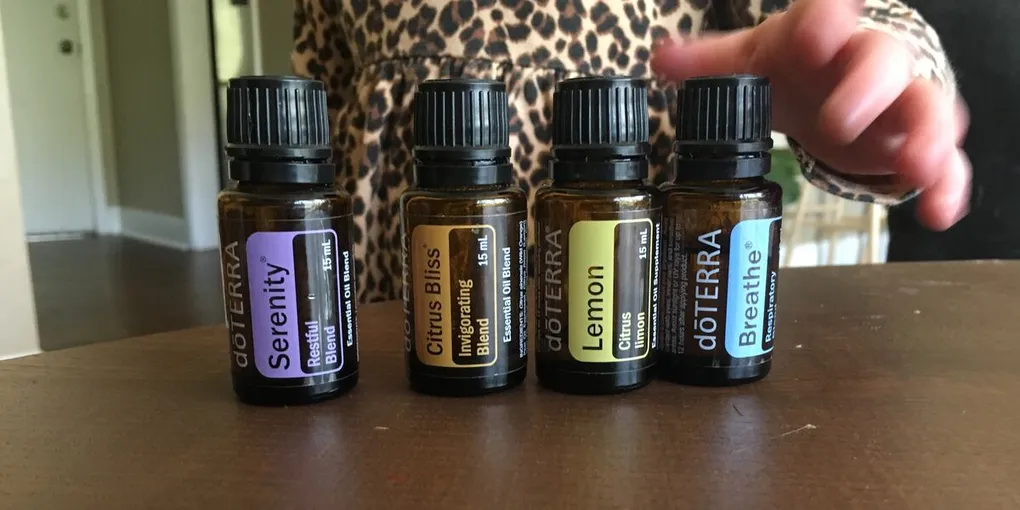
I keep my oils in dark glass bottles, away from heat and direct sunlight — light and heat change an oil’s chemical composition, making it less effective and more likely to irritate skin. Tightly closing bottles after each use also slows oxidation, which is its own safety issue. For the full rundown, see how to store essential oils for long-term use and how to tell when one’s gone bad.
Essential Oils Should Never Go Undiluted Into Water
Adding essential oils directly to bathwater or a spray bottle is a common mistake — oils don’t dissolve in water, so they float on the surface and can hit skin at full concentration. In baths, I mix oils with a carrier oil, milk, or unscented bath product first; for sprays, a proper solubilizer does the same job. This is the same undiluted-contact problem covered above, just in a different setting — if you’re building shower or diffuser routines, here’s how to use oils in the shower the right way.
More Drops Do Not Mean Better Results
Using more oil doesn’t increase the benefit and often creates problems — overuse can overwhelm the senses and, over time, lead to sensitization, where the body starts reacting negatively to an oil that never bothered it before. What actually happens if you use too much is worth a read if you’re the type to assume more is better. Subtle, consistent use outperforms heavy application almost every time.
Essential Oils and Medication Interactions
Some oils affect the liver enzymes that process medications, which can alter how a drug works in the body — either making it less effective or intensifying its effects. This matters most with frequent or internal use, but topical and aromatic use can have systemic effects too, especially with regular exposure. A few combinations worth being aware of: certain citrus oils can interact with medications processed by the CYP3A4 enzyme pathway, some oils have mild blood-thinning properties worth flagging if you’re on anticoagulants, and sedative-leaning oils like lavender can compound the drowsiness of sleep aids or anti-anxiety medication when used heavily. None of this means avoiding essential oils altogether if you’re on medication — it just means checking with a pharmacist or doctor before making regular use a habit, which takes five minutes and removes the guesswork entirely.
Quality and Authenticity Affect Safety
Adulterated or poorly distilled oils can contain synthetic additives or contaminants, and low-quality oils are more likely to cause irritation or simply not do what they claim. I look for sources that are transparent about sourcing and testing — see how to spot low-quality oils quickly and the truth behind “pure” and “therapeutic grade” labeling, since that terminology is loosely regulated and often misleading. One concrete thing to look for: a GC/MS (gas chromatography-mass spectrometry) report from a third-party lab, which shows the actual chemical makeup of a specific batch rather than just a marketing claim. Brands that publish these per-batch, not just for one “representative” bottle, are generally the ones worth trusting.
Ventilation Is Important During Aromatic Use
Diffusing affects everyone in the room, not just the person who set it up. Continuous diffusion in a closed space can lead to headaches or nausea, so I run shorter sessions with breaks and keep some air circulation going. Aromatic use should feel pleasant, not overwhelming — that’s a good signal to dial back.
Safety Looks Different Depending on How You Use the Oil
The rules above apply broadly, but risk isn’t identical across every method of use, and it helps to think about them separately:
- Topical application carries the highest risk of direct skin reactions, which is why dilution and patch testing matter most here. This is also where photosensitivity and undiluted contact cause the most damage.
- Diffusion and inhalation are generally gentler on skin but can still cause headaches, nausea, or respiratory irritation in a closed room — ventilation and session length matter more than concentration here.
- Household or cleaning use — adding oils to homemade cleaning sprays or home-freshening blends — is usually low-risk for the person using them, but pets and small children in the space still need consideration, since surfaces and air can carry residue longer than a quick topical application would.
- Internal use sits in its own category entirely, covered above, and deserves the most caution of the four.
Matching the safety approach to the method, rather than applying one blanket rule to everything, is what actually keeps things simple in daily practice.
Essential Oils Are Not First Aid Substitutes
Essential oils have plenty of supportive uses, but they’re not a replacement for medical care. Cuts, burns, infections, and serious symptoms need proper treatment — oils can offer comfort alongside that, not instead of it. Knowing this limit is part of using them responsibly.
Labeling, Organization, and Listening to Your Body
Clear labeling — ingredients and dates on every blend — prevents mix-ups when you’re storing more than a few bottles, and keeping oils out of reach of kids matters for the same reason small, pleasant-smelling bottles are tempting to little hands. Beyond that, tolerance can shift over time: if an oil that always felt fine starts causing irritation, that’s your signal to stop and reassess, not push through. If you want a fast pre-flight check before you start using oils regularly at all, this beginner safety checklist covers the basics in one place, and it’s worth revisiting common safety myths since a lot of bad advice circulates in this space.
FAQ
Are essential oils safe to use every day? Most oils are fine for regular use when properly diluted and rotated rather than applied to the same skin area constantly — daily use itself isn’t the risk, overuse and skipping dilution are.
Can essential oils be used undiluted at all? A small number of oils (like lavender, in some cases) are sometimes used undiluted for spot application, but as a general rule, dilution is the safer default for topical use.
What’s the biggest essential oil safety mistake beginners make? Applying oils directly to skin without dilution and skipping the patch test — both are quick to fix and prevent most reactions before they happen.
Quick Safety Checklist
If you only remember a handful of these, make it these ten:
- Dilute before applying to skin — always
- Patch test anything new and wait 24 hours
- Avoid internal use without expert guidance
- Use lower dilutions and gentler oils around kids
- Check safety before using around pregnancy or pets
- Avoid sun exposure after applying photosensitive oils like citrus
- Store in dark glass, away from heat and light
- Never add oils directly to bathwater or spray bottles undiluted
- Diffuse in short sessions with good ventilation
- Check with a doctor or pharmacist if you’re on regular medication
Final Thoughts
Essential oils offer a lot, but they demand respect and thoughtful handling. Safety rules aren’t about limiting enjoyment — they’re what makes the experience reliable enough to actually enjoy. Following the ground rules above keeps essential oils a positive, low-drama part of daily life instead of a source of avoidable irritation.