
Camphor essential oil, sourced from camphor tree leaves, is steam-distilled to create a potent oil used in traditional medicine. It offers relief for sore muscles, joint stiffness, and congestion, acts as an antifungal, and cools skin irritation. This invigorating oil also boosts mental focus, repels pests, and provides a refreshing aroma for diffusion.
Table of Contents
- Uncovering Camphor Essential Oil
- Sourcing and Steam Distillation
- Soothing Sore Muscles
- Easing Joint Stiffness
- Clearing Coughs and Congestion
- Boosting Local Circulation
- Fighting Off Fungal Issues
- Cooling Down Irritation
- Refreshing Mind and Focus
- Repelling Household Bugs
- Blending Camphor Safely
- Steam Inhalation Techniques
- DIY Muscle Rubs
- Essential Safety Guidelines
- Aromatherapy Diffuser Recipes
Uncovering Camphor Essential Oil
Camphor oil has a long history as a remedy, starting in Asia, mainly India and China. Used in Ayurveda and Traditional Chinese Medicine, its primary functions included soothing discomfort and aiding breathing, usually added to ointments and balms for external application.
Beyond physical healing, its sharp scent was used in spiritual rituals, incense, and embalming to purify and preserve. The oil’s main active ingredient, camphor, gives it this strong smell and creates a cooling sensation on the skin. It also acts as a mild counterirritant, helping to relieve localized pain.
The combination of deep traditional use and a scientifically recognized active ingredient explains its lasting value. Its proven ability to relieve pain and support respiratory health keeps it useful in many products today, making it a timeless natural remedy.
Sourcing and Steam Distillation
Sustainable harvesting of camphor tree leaves is the first step in making quality camphor essential oil. Harvesters pick mature leaves and small branches, using methods like rotational harvesting so different parts of the grove can recover. This keeps the trees healthy and ensures a steady supply of plant material without harming the ecosystem.
Once collected, the leaves are prepared for steam distillation. They are placed in a large still, and steam is pumped through them. The heat from the steam gently breaks open the oil glands in the leaves, causing the essential oil to vaporize and rise with the steam.

The steam and oil vapor then pass through a condenser, where cold water cools them back into liquid form. Because oil and water do not mix, the camphor oil floats on top of the water. The pure oil is then carefully collected, filtered, and bottled, ready for use.
Soothing Sore Muscles
Camphor essential oil is a natural way to ease everyday aches and muscle tension. It works as a pain reliever, and when applied to the skin, it soaks deep into the muscle tissue. There, its active ingredients reach sore spots and interact with nerves, creating a numbing or warming feeling that helps quiet pain signals.
Beyond surface relief, camphor helps loosen tight and stiff muscles caused by activity, poor posture, or stress. With regular use, it can help unwind knotted areas and increase relaxation and flexibility. Rather than just hiding the pain, it helps muscles actually feel released and more comfortable.
Active people often use camphor oil to recover from workouts. It helps with post-exercise soreness, known as delayed onset muscle soreness, by reducing inflammation and pain. Applied after strenuous exercise, it eases stiffness and soreness, helping muscles recover faster, stay limber, and stay ready for the next physical challenge.
Easing Joint Stiffness
Camphor essential oil naturally helps ease joint stiffness and supports better movement. When properly diluted and applied to the skin, it soothes discomfort often linked to arthritic stiffness. Its warming effect boosts circulation in the affected area, which can reduce inflammation and relax tense muscles around the joints.
Camphor also has mild pain-relieving properties, helping to lower the feeling of pain that often comes with stiff joints. With regular, gentle massage using diluted camphor oil, joint flexibility can gradually improve. As discomfort fades and surrounding tissues relax, the joints move more freely, making everyday activities easier and more comfortable.
Always mix camphor oil with a carrier oil, such as jojoba or almond oil, before massaging it over stiff joints. This ensures safe and effective use, promoting better overall joint health and well-being.
Clearing Coughs and Congestion
Camphor essential oil helps clear coughs and congestion by supporting healthier airways and making breathing easier. One common way to use it is through steam inhalation. When added to hot water, its active compounds rise with the steam, and breathing in that medicated vapor carries them directly into the respiratory tract. This helps loosen thick mucus in the nose, throat, and lungs so it can be coughed out more easily. The warm, moist air also feels soothing and helps calm irritated mucous membranes.
Another effective method is using chest rubs. When camphor products are massaged onto the chest and throat, they create a warming sensation on the skin. This allows the camphor to be absorbed while its aromatic vapors are inhaled slowly over time. It works as a decongestant by reducing swelling in the bronchial passages, which opens up the airways and improves airflow for anyone struggling with congestion.
Camphor also has antitussive, or cough-suppressing, properties. It helps quiet persistent coughing, giving the body a chance to rest and recover. By loosening mucus, opening bronchial passages, and reducing the urge to cough, camphor essential oil supports a return to more comfortable and healthier breathing.
Boosting Local Circulation
Camphor essential oil works as a rubefacient, meaning it causes redness and warmth when applied to the skin. It stimulates the capillaries and small blood vessels just beneath the surface, increasing blood flow to the area. This boost in circulation is what creates the familiar warming sensation after application.
This improved local blood flow helps deliver fresh oxygen and nutrients to the cells more efficiently, while also aiding the removal of metabolic waste. As a result, it can bring noticeable relief to areas of stiffness, minor aches, or general discomfort. Many people use it to soothe overworked muscles and fatigued joints, as the gentle warmth helps relax tense tissues and ease tightness.
The same warming action is also the reason camphor is found in chest rubs. Applied to the chest, it encourages surface circulation and a feeling of openness and ease, which can be comforting during congestion or mild respiratory irritation. Overall, camphor offers a natural, simple way to support physical well-being through localized warmth and improved circulation.
Fighting Off Fungal Issues
Camphor essential oil is a natural option for dealing with fungal issues on both skin and nails. Its strong antifungal properties make it useful against common dermatological problems.
For conditions like athlete’s foot, which causes itching, redness, and flaking between the toes, camphor oil works by inhibiting the fungi responsible. Applied regularly, it can soothe the area, reduce discomfort, and help restore healthy skin.
It also helps with toenail fungus, or onychomycosis, which can make nails discolored, thick, and brittle. Camphor oil penetrates the nail to reach the fungi beneath the surface, disrupts their cellular structure, and supports the growth of clear, strong nails over time. This makes it a helpful botanical remedy for maintaining healthy nails and skin.
Cooling Down Irritation
Camphor essential oil quickly soothes skin irritation by creating a strong cooling sensation on the affected area. This happens because camphor interacts with specific sensory receptors in the body, especially TRPM8 receptors—the same ones triggered by menthol or cold temperatures. When applied topically, it makes the skin feel cool almost instantly, helping to balance discomfort like redness and swelling.
This cooling effect also helps calm overactive nerve signals. By stimulating cold receptors, camphor can override or reduce pain and itch signals from irritated skin, producing a mild numbing effect. That desensitizing action brings fast relief from minor surface irritation and makes the skin feel more comfortable overall.
Beyond the sensory effects, camphor works on visible signs of irritation as well. It helps reduce localized redness by influencing blood flow near the skin’s surface, calming an inflamed appearance. It also helps ease swelling, supporting the skin’s recovery. Together, these functions give camphor essential oil a well-rounded role in quickly rebalancing irritated skin.
Refreshing Mind and Focus
Camphor essential oil gives the mind a strong, refreshing boost. Its sharp, penetrating scent works quickly when inhaled, stimulating the nervous system and helping to break through mental fatigue. This makes it effective for clearing away brain fog and replacing sluggishness with alertness and renewed mental energy.
The aroma also helps sharpen concentration by anchoring attention and reducing distractions. This is especially useful during studying, demanding intellectual work, or when dealing with the usual afternoon drop in focus. With camphor, thoughts become clearer and more organized, making sustained effort feel easier and less tiring.
Beyond just a temporary lift, camphor supports better cognitive performance overall. It improves the ability to process information, stay engaged, and maintain productive mental output. For anyone needing a natural boost in focus and clarity, camphor essential oil offers a clean surge of mental vitality when it’s needed most.
Repelling Household Bugs
Camphor essential oil uses its strong, distinctive smell to keep common household pests away. The scent that many people find refreshing or medicinal is highly unpleasant to insects, acting as a natural deterrent. It sends a clear signal to moths, mosquitoes, ants, and other intruders to avoid the area, creating an invisible barrier without relying on synthetic chemicals or harsh treatments that could harm family members or pets.
Rather than directly killing insects, camphor works by disrupting their sensory systems. An environment saturated with its aroma becomes unwelcoming and unsuitable for pests to settle, build nests, or lay eggs. This makes it an effective, indirect way to discourage infestations.
In practical use, small sachets of camphor near clothing help protect garments from moths, diffusing the oil can keep mosquitoes out of living spaces, and a diluted solution wiped onto surfaces leaves a residue that repels ants and other crawling insects. This fits well with a more natural, low-impact approach to home pest control, offering peace of mind through a time-tested botanical substance.
Blending Camphor Safely
Camphor essential oil is very potent, so dilution is essential for safe use on the skin. Applying it undiluted can cause irritation, redness, or sensitization. Carrier oils act as a gentle buffer, spreading the camphor out and helping the skin accept it without reducing its benefits. In fact, they make delivery safer and improve absorption, allowing camphor’s invigorating and soothing effects to work effectively.
Among carrier oils, jojoba is a top choice. It is technically a liquid wax that closely mimics human sebum, so most skin types tolerate it well, including sensitive and acne-prone skin. It is non-comedogenic, light, quickly absorbed, and non-greasy, plus it has a long shelf life. Sweet almond oil is another excellent option. Rich in vitamins E and A, fatty acids, and minerals, it moisturizes, softens, and calms dry or irritated skin while still allowing camphor to penetrate comfortably. Fractionated coconut oil is also useful for a lightweight, non-greasy feel, and grapeseed oil suits oily skin due to its mild astringent properties.
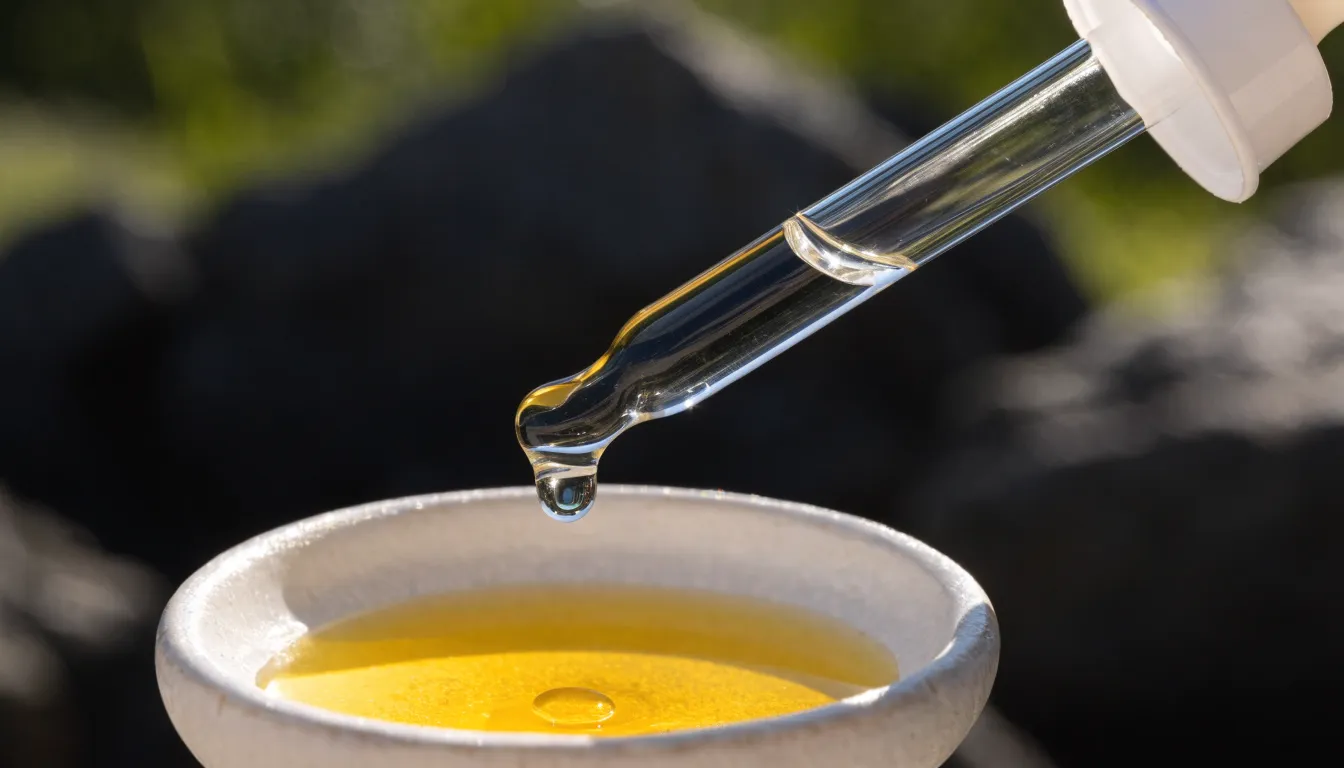
The main role of these carrier oils is to create a safe buffer between concentrated camphor and the skin, lowering the risk of adverse reactions while preserving its benefits. For general topical use, a common guideline is 1–2 drops of camphor essential oil per teaspoon of carrier oil. Choosing the right carrier oil ensures a gentle, effective experience and keeps skin comfortable and healthy.
Steam Inhalation Techniques
To clear blocked sinuses and ease congestion, camphor essential oil works well through steam. This method helps loosen mucus and calm irritated nasal passages. To start, gather a large heatproof bowl, freshly boiled water, a clean towel, and pure camphor oil. Boil four to six cups of water, pour it into the bowl, and let it sit for a minute so the steam isn’t dangerously hot.
Add two to three drops of camphor oil to the water; the steam quickly spreads its beneficial aromatic compounds. Lean comfortably over the bowl, keeping your face eight to twelve inches away to avoid burns. Drape the towel over your head and the bowl to trap the steam, close your eyes, and breathe slowly and deeply through your nose for five to ten minutes. If the steam feels too hot, lift the towel or move back slightly.

Afterward, gently blow your nose to remove loosened mucus. You can repeat this process two to three times daily as needed. Always check that the water isn’t excessively hot before starting, and stop immediately if you feel any irritation.
DIY Muscle Rubs
Camphor essential oil is the key active ingredient in a homemade muscle rub, chosen for its soothing and comforting effects. Applied to the skin, it helps create a sensation of relief in tired muscles, making it especially useful after a workout. Making your own rub lets you control the ingredients while still getting a simple, effective recovery treatment.
The rub is built with coconut oil as a smooth, moisturizing base and beeswax to give it a solid balm texture. The beeswax can be adjusted to make the rub softer or firmer, depending on what you prefer. Camphor essential oil is added in a proper, gentle dilution so it stays effective without being too strong or overwhelming.
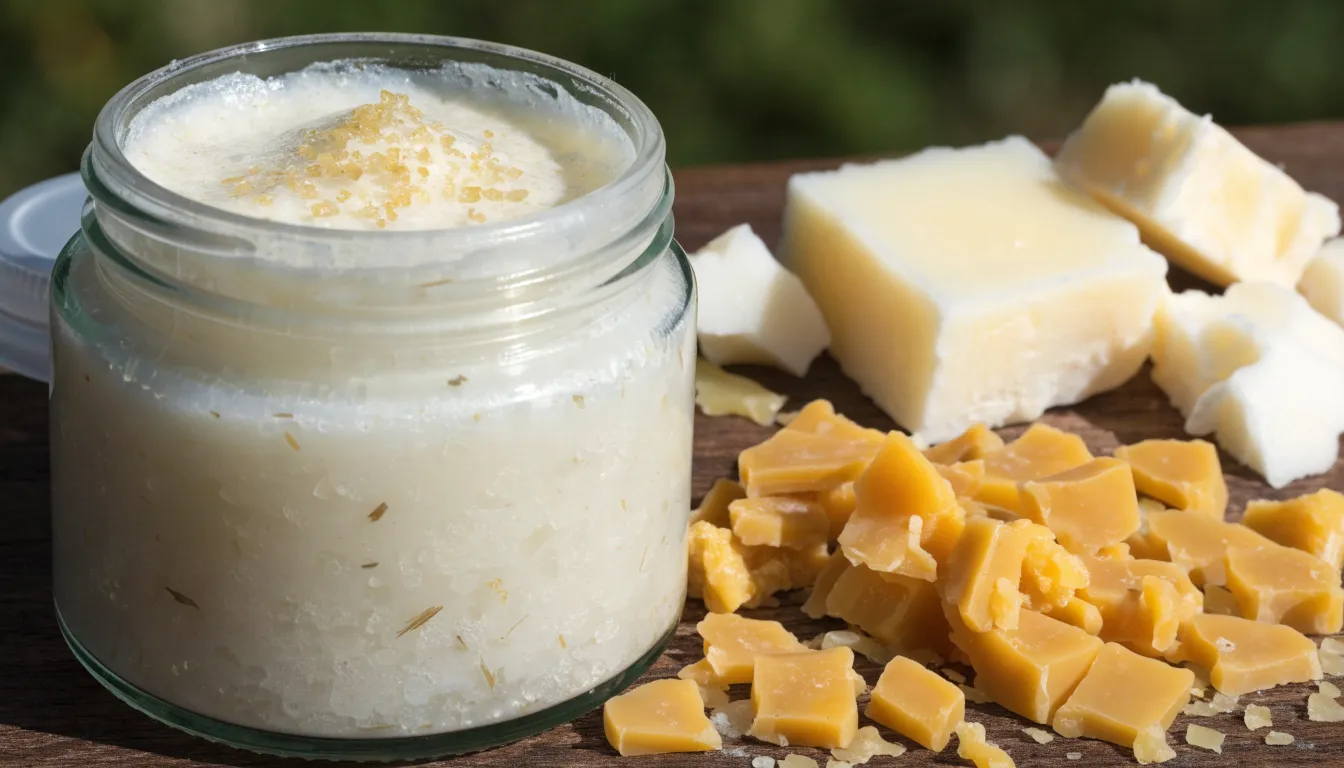
To make it, melt the coconut oil and beeswax together using a double boiler, then remove the mixture from the heat. Once it is slightly cooled, stir in the camphor essential oil so the heat does not weaken its properties. Pour the liquid into small clean containers and let it cool and harden. The result is a ready-to-use, personalized muscle rub for easing discomfort after physical activity.
Essential Safety Guidelines
Always dilute camphor essential oil with a carrier oil—like jojoba, almond, or coconut—before putting it on your skin. For adults, a safe mix is about 1 to 2 drops of camphor oil per teaspoon of carrier oil. Test it on a small patch of skin, such as your inner forearm, first. If you see any redness, itching, or discomfort, stop using it right away.
Do not swallow camphor essential oil, as taking it internally is dangerous and can be toxic. It can lead to severe health problems if ingested, so it is never meant to be eaten or drunk.
Certain people need to be extra careful. Pregnant and nursing women should avoid camphor oil completely, since it can reach the baby and cause harm. Young children and infants are also very sensitive to it, so do not expose them to it—even through diffusion, as it may trigger breathing or nervous system issues. Always keep the bottle locked away safely, out of reach of both children and pets.
Aromatherapy Diffuser Recipes
Camphor essential oil works well in diffuser blends, bringing a strong, penetrating aroma that helps refresh and energize a room. When paired with other oils, its stimulating effect is boosted, creating a clean, uplifting atmosphere.
Eucalyptus oil shares camphor’s crisp, clear scent. Together they make a powerful, awakening blend that helps a space feel open and breathable, perfect for promoting clarity. Peppermint oil adds a sharp, cool kick that complements camphor’s woody notes, forming an energizing duo that clears stagnant air and fills the room with alert, vibrant energy.
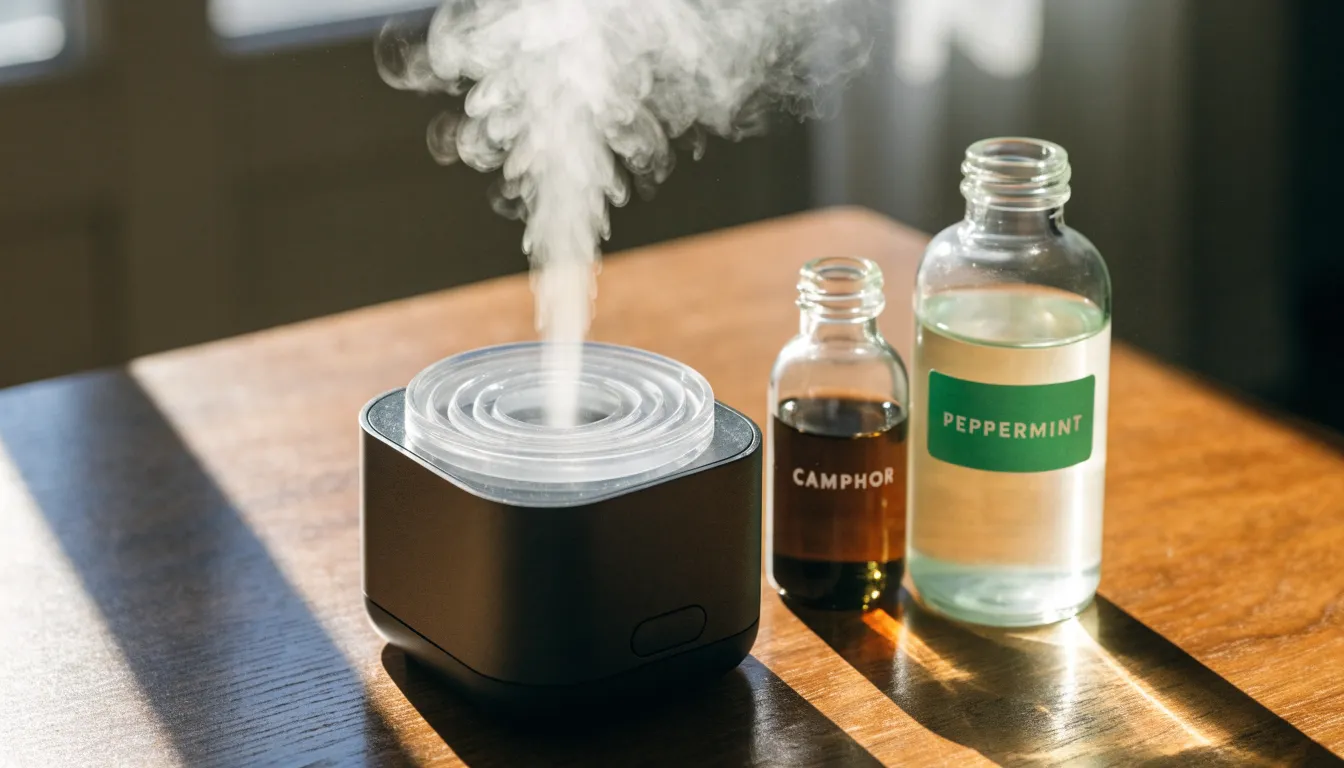
Citrus oils like lemon, orange, or grapefruit bring a bright, cheerful contrast to camphor’s stronger character. Their zesty, sweet notes lighten the blend and add a sunny, optimistic feel. A camphor-citrus mix is refreshing and uplifting, great for starting the day or beating an afternoon slump. These blends leave your home feeling clean, fresh, and full of positive, inviting energy.
Frequently Asked Questions
What are the traditional uses of camphor essential oil?
Camphor oil has a long history as a remedy in Asia, particularly in Ayurveda and Traditional Chinese Medicine. It was primarily used to soothe discomfort, aid breathing, and was often added to ointments and balms for external application. Its sharp scent was also valued in spiritual rituals and for purification.
How is camphor essential oil extracted from camphor trees?
Camphor essential oil is made by first sustainably harvesting mature leaves and small branches from camphor trees. These are then subjected to steam distillation, where steam passes through the leaves, vaporizing the oil, which is then condensed and separated from the water.
Can camphor essential oil help with muscle soreness after exercise?
Yes, camphor essential oil is used by active people to recover from workouts and ease everyday muscle tension. When applied to the skin, it acts as a pain reliever and helps reduce post-exercise soreness and inflammation, speeding up muscle recovery and increasing flexibility.
How does camphor essential oil relieve symptoms of congestion?
Camphor essential oil helps relieve congestion by supporting healthier airways and making breathing easier. It can be used in steam inhalation to loosen thick mucus or applied as a chest rub to reduce swelling in bronchial passages and open up airways.
Is camphor essential oil effective against fungal issues like athlete’s foot?
Yes, camphor essential oil is a natural option for fungal issues on skin and nails due to its strong antifungal properties. For conditions like athlete’s foot, it works by inhibiting the responsible fungi, soothing the area, and helping to restore healthy skin.
What are the important safety precautions for using camphor essential oil?
Always dilute camphor essential oil with a carrier oil before applying it to the skin, using about 1 to 2 drops per teaspoon for adults, and perform a patch test first. It is dangerous and toxic if swallowed, and should be avoided completely by pregnant or nursing women, and young children or infants, even through diffusion.