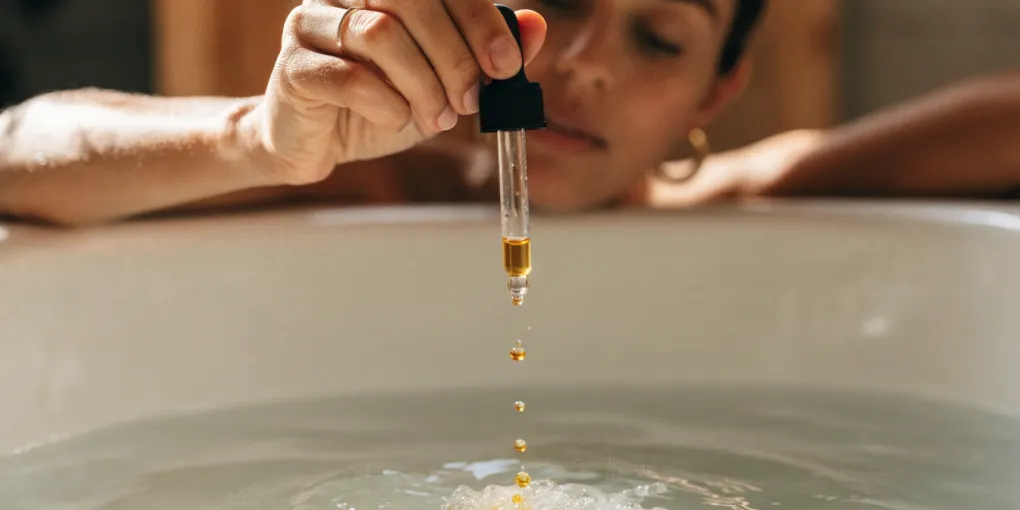
Yes, you can put essential oils in bath water safely by first diluting them with a carrier oil like jojoba or sweet almond, or by mixing them with a dispersant such as Epsom salts, milk, or honey. Adding essential oils directly to water can cause skin irritation, as they float undiluted on the surface and can lead to burns or dermatitis.
Table of Contents
- Safe Soaking Basics
- Chemical Safety Concerns
- The Best Carrier Oils
- Epsom Salt Integration
- Milk and Honey Methods
- Ultimate Relaxation Oils
- Muscle Relief Blends
- The Drop Count Guide
- Water Temperature Tips
- Safe Baths for Kids
- Pregnancy Bath Safety
- Protecting Your Tub
- Absorption and Inhalation
- Perfect Bath Prep
- Quick Shower Alternatives
Safe Soaking Basics
Essential oils are naturally hydrophobic, meaning they cannot dissolve in water. Their molecules are non-polar and lack the electrical charge that water molecules have. Since water is polar, it repels the oils, so they stay separate instead of mixing into the bath.
If you add essential oils straight to bathwater, they do not spread out. Instead, they sit on the surface as small, concentrated droplets. These undiluted droplets can stick to your skin in strong amounts, especially when warmed by the bath. This may cause irritation, redness, burning, or even make your skin increasingly sensitive to that oil. For more on general essential oil use, learn what every beginner should know about essential oil safety.
To avoid these problems, you need a carrier or dispersing agent. Something like a dispersible bath oil, a little castile soap, or certain properly mixed salts can bridge the oil and water. These carriers break the essential oil into tiny droplets and suspend them throughout the bath, so the oil is well diluted and spread out. This keeps the oil from contacting your skin in concentrated form, making the bath both safe and enjoyable.
Chemical Safety Concerns
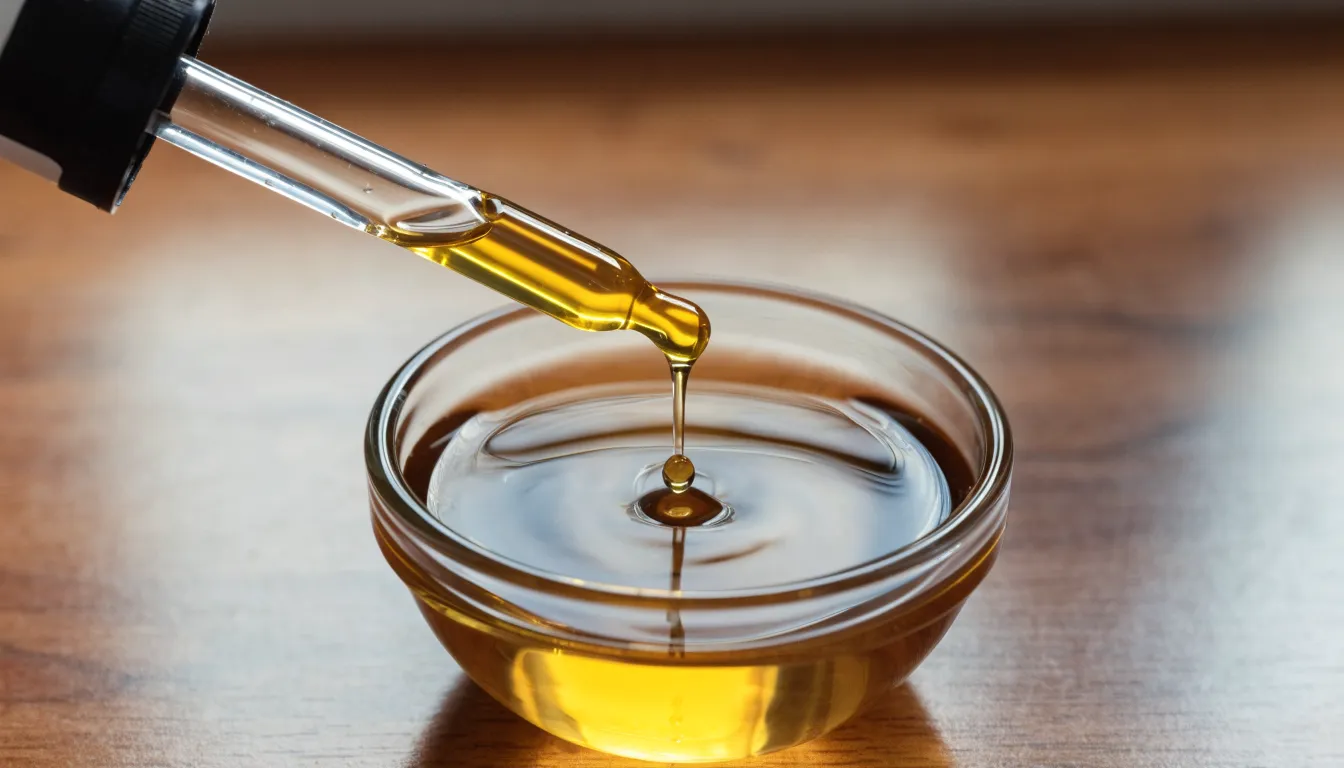
Pure essential oils are powerful, concentrated plant extracts. Because they are so strong, they can irritate skin if used undiluted. In bathwater, they don’t mix evenly; instead, they float on top or form droplets that stick to the skin. Warm bath water opens pores, making it easier for these strong compounds to get through the skin’s protective barrier. This greatly increases the chance of a bad reaction.
One major problem is chemical burns. When undiluted oil sits on warm, open skin, it can overwhelm the skin’s defenses and cause a burn-like reaction. This is not a heat burn, but it can still cause redness, blistering, and pain. Essential oils can also cause contact dermatitis, which is skin inflammation. This can be irritant contact dermatitis, caused by a harsh substance, or allergic contact dermatitis, where the body becomes sensitized to a specific oil after exposure. Symptoms include itching, rash, swelling, and flaking.
Using undiluted essential oils again and again, especially in warm baths, can make the skin more sensitive over time. Skin that used to be fine may start reacting to oils that never caused problems before. As a result, even diluted essential oils may become too irritating to use in the future.
The Best Carrier Oils
Choosing the right carrier oil is key for an essential oil bath. These plant oils dilute the potent oils safely, so they can be used on skin without irritation, and they add moisture at the same time. Great options include jojoba, sweet almond, fractionated coconut, and argan oils, each with its own benefits.
Jojoba oil closely matches the skin’s natural oils, so it hydrates well and absorbs without feeling greasy. It won’t clog pores and is gentle enough for most skin types. Sweet almond oil is light and full of vitamin E, making it soothing and softening, especially for dry or sensitive skin.
Fractionated coconut oil stays liquid at room temperature, absorbs quickly, and feels non-greasy, making it a handy base for bath blends. Argan oil, known as liquid gold, is rich in antioxidants and fatty acids, helping improve skin elasticity and hydration. Together, these carrier oils deliver the essential oils’ aromatics while leaving the skin soft and deeply moisturized.
Epsom Salt Integration
Using Epsom salts is a better way to add essential oils to your bath. Because oils don’t dissolve in water, adding them directly can leave them pooling on the surface. Epsom salt crystals act as a carrier, absorbing the oils and helping them spread evenly instead of forming a concentrated, irritating film.
To make your own infused bath salts, put one to two cups of Epsom salt in a glass or ceramic bowl. Add about five to ten drops of your chosen essential oil, then mix gently with a spoon or your fingers. The salt will absorb the oil within a minute or two, leaving the crystals evenly coated.
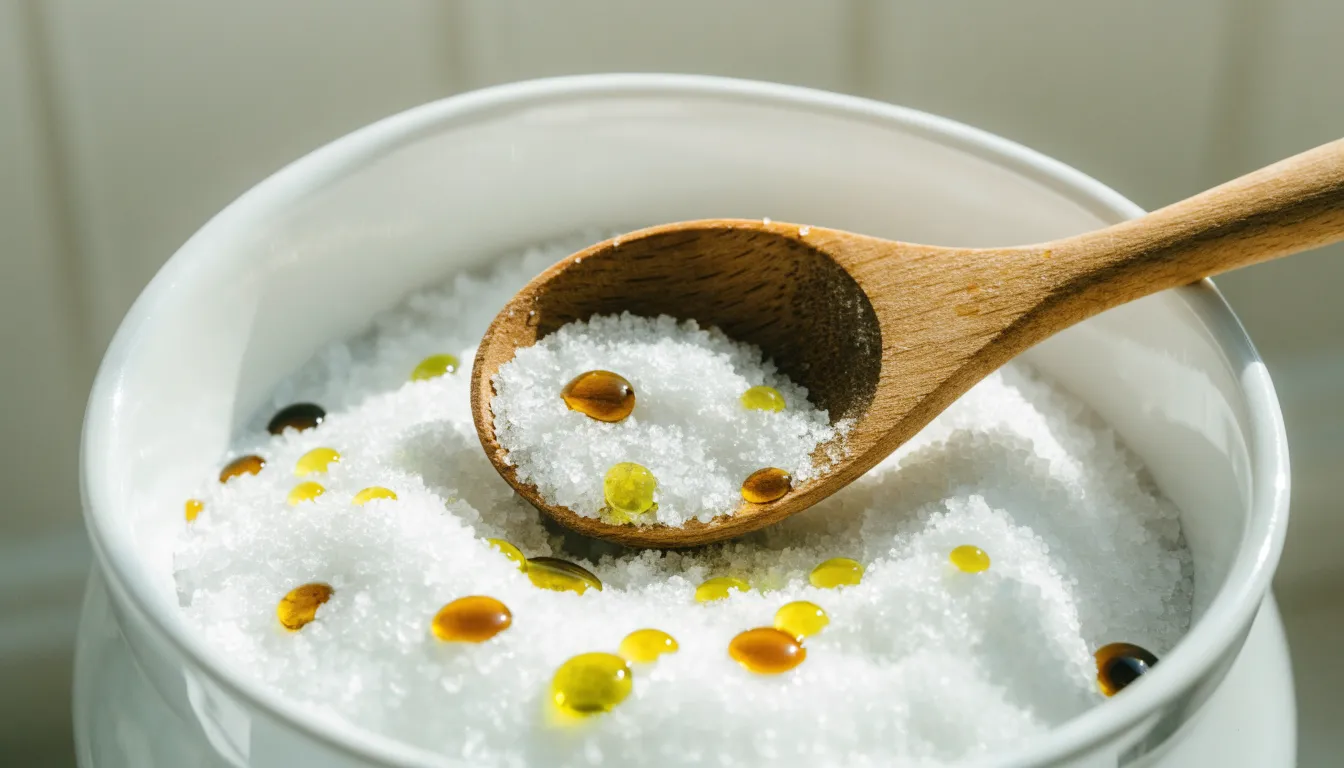
Once the infused salts are ready, simply add them to your warm bathwater. As the Epsom salts dissolve, they release the essential oils uniformly throughout the water. This creates a consistent, soothing aroma and allows the oils’ benefits to be enjoyed without harsh spots or skin irritation.
Milk and Honey Methods
Essential oils are strong plant extracts that don’t mix with water. If you add them directly to a bath, they sit on top as undiluted drops, which can irritate your skin or even cause burns. To use them safely, you need to dilute and spread them well, and common kitchen ingredients can help with that.
Whole milk and heavy cream work great because they contain fat. Since essential oils dissolve in fat, mixing them into milk or cream first lets the fat surround the tiny oil droplets. This spreads the oils through the bathwater instead of leaving them in a concentrated layer on the surface, so the oils are distributed more evenly and safely.
Honey is another good option. It doesn’t have fat, but its thick, sticky texture helps hold the essential oil droplets and keeps them from floating to the top. Warm the honey slightly to make it easier to stir in the oils. Always mix your essential oils thoroughly with the milk, cream, or honey before adding them to the bath, so you avoid direct contact with undiluted oil and can enjoy the benefits safely.
Ultimate Relaxation Oils
Lavender is the most well-known oil for relaxation and sleep. Its floral, herbaceous scent tells your brain it’s time to wind down, and its compounds help ease tension and encourage calm, making it an excellent choice for melting away stress before bed.
Roman chamomile has a gentle, apple-like sweetness and is deeply calming. It helps reduce anxiety and promotes peaceful sleep without making you drowsy, offering a comforting sense of relief when your mind feels busy or overwhelmed.
Sweet orange may smell bright and citrusy, but it also works to reduce stress. It lifts your mood while easing tension and promoting inner peace, helping you let go of lingering worry or sadness. Used alone or together, these oils create a powerful relaxing bath that prepares you for a restful evening.
Muscle Relief Blends
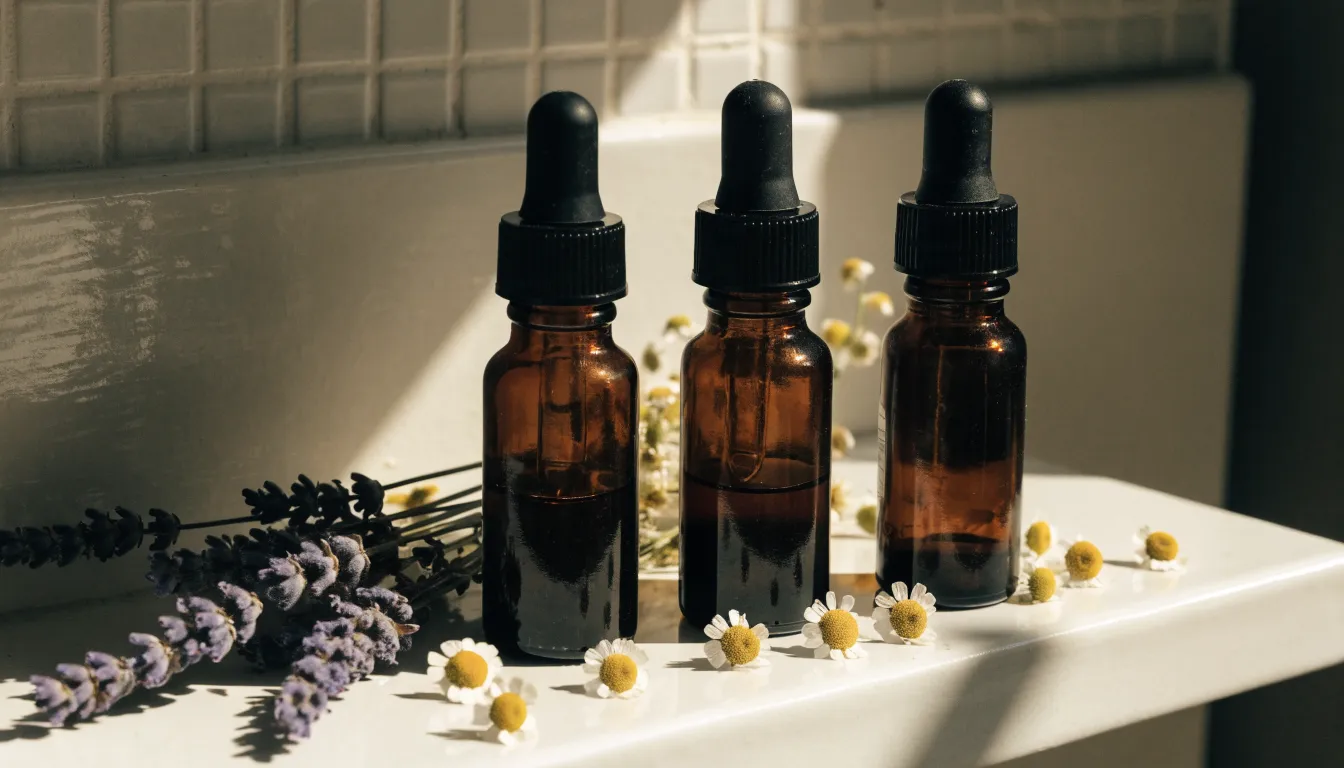
Eucalyptus oil helps ease muscle discomfort and supports recovery. Its compounds can penetrate the skin to create a comforting sensation in tired muscles, while also promoting healthy blood flow. Better circulation helps deliver nutrients and remove waste from muscle tissue, which speeds up the body’s natural healing process.
Peppermint oil provides a cooling, invigorating feeling thanks to its active ingredient, menthol. It is especially helpful for overworked, stiff muscles, as it soothes soreness and refreshes the area. The strong, stimulating scent also helps clear the mind and boost mental energy after a hard workout.
Rosemary oil works to relax tense, contracted muscles and improve circulation. Its fresh, herbaceous aroma is calming, while its ability to increase blood flow ensures that oxygen and nutrients reach muscles that need repair. Together, these three oils form a powerful blend that supports recovery and leaves you feeling restored.
The Drop Count Guide
Essential oils only work well in a bath if you dilute them properly, and a simple drop guide helps make sure you get it right. For adults, the safe target is a 1% to 2% concentration. This is strong enough to give you the benefits without irritating your skin.
Because essential oils are very concentrated and don’t mix with water on their own, you should never drop them straight into the tub. They will just float on top in strong pockets and could irritate your skin. Instead, mix your drops with a carrier oil like jojoba, sweet almond, or fractionated coconut oil first. The carrier helps spread the oil evenly through the water.
For a standard full bathtub of about 40 gallons or 150 liters, use around 30 drops for a 1% dilution, or 60 drops for a stronger but still safe 2% dilution. Always blend the total drops with at least one tablespoon of carrier oil before adding to running water. If your tub is smaller or only half full, just use half as much: 15 to 30 drops. This way, the oils are safely dispersed, your skin is protected, and you still get the full soothing and therapeutic bath experience.
Water Temperature Tips
Bath water temperature plays a big role in how well essential oils work, both for aromatherapy and for skin safety. If the water is too hot, the delicate scent molecules in the oils quickly evaporate into the air. Since these aromatic compounds are volatile, high heat makes the fragrance disappear fast, often before you can fully enjoy it. This weakens the calming scent and reduces the therapeutic benefit of the aromatherapy.
Overly hot water also makes your skin absorb essential oils much faster, which raises the risk of irritation. Warm water causes blood vessels to expand and softens the skin barrier, making it more permeable. As a result, the concentrated oil compounds enter the body more deeply and quickly than they should. This is especially risky for sensitive skin or with strong oils like cinnamon and clove, and can lead to redness, itching, burning, or other uncomfortable reactions.
Choosing comfortably warm water instead of very hot water is the better option. It allows the essential oils to release their fragrance more slowly, giving you a longer-lasting aromatic experience. It also keeps absorption at a gentler level, reducing the chance of skin irritation while still letting you enjoy the oil’s benefits safely.
Safe Baths for Kids
For children, essential oil baths need extra care because their skin and bodies are far more sensitive than adults’. Choose gentle oils known to be safe for young kids, such as Roman chamomile, lavender, and tangerine or sweet orange. These oils work well because they can calm or uplift a child without being too strong. Avoid harsher oils like peppermint, eucalyptus, and tea tree, since their powerful properties can irritate a child’s skin, especially in warm bath water.
Dilution is very important and stricter than for adults. For children two years and older, mix one to two drops of essential oil with a tablespoon of a mild carrier oil—like jojoba or sweet almond—before adding it to the bath. Never put undiluted essential oils straight into water, because they won’t disperse and can form strong, irritating pockets on the skin.
Age limits also matter. Essential oils are not recommended for infants under three months, and many experts say children under two should avoid them entirely. For kids two to six, always use the lowest safe amount. Before a full bath, do a patch test on a small area of skin and watch the child during and after the bath to make sure they stay comfortable and safe.
Pregnancy Bath Safety
Being very careful with essential oils in bath water is crucial during pregnancy because your skin is more sensitive and absorbs oils easily. Stick to gentle, well-studied scents for safety. After the first trimester, calming options like lavender are great for promoting relaxation and sleep, while frankincense offers soothing properties, and Roman chamomile helps ease tension. Always be sure to use high-quality, pure oils and dilute them correctly.
Certain essential oils are not safe during pregnancy because they can trigger uterine contractions or disrupt hormone levels. For this reason, you should avoid clary sage, rosemary, jasmine, and peppermint, especially in early pregnancy or in strong concentrations. Oils like pennyroyal, wormwood, and birch are completely unsafe to use at any time during pregnancy. Knowing which scents to skip is essential for safe bathing.
The concentration of oil is just as important as the type you choose. Pregnant women should use a much lower dilution than normal—a typical starting point is just one or two drops mixed into a carrier oil like jojoba or almond before adding it to the water. Essential oils should never be added directly to bath water without a dispersant. It is also highly recommended to talk to your healthcare provider or a certified aromatherapist who specializes in pregnancy before you start using any of these oils.
Protecting Your Tub
Essential oils can be great for a bath, but they can also leave slick residue or slight discoloration on your tub. To protect acrylic and enamel tubs, clean up after use. A little dish soap works well to cut through oily areas—scrub gently with a soft sponge and rinse with warm water. For tougher spots, make a paste with baking soda and water, let it sit, then scrub and rinse. Cleaning right away is best, so oil doesn’t set in.
Safety is also important. Essential oils can make the tub slippery, so put a non-slip mat inside before filling the bath. Be careful getting in and out, and use grab bars if you have them. After bathing, wipe down the tub floor and rim to remove any oily film.
To make cleanup easier and reduce slipperiness, dilute essential oils with a carrier oil before adding them to the bath. This helps keep the oils from sticking to tub surfaces and makes your bath safer.
Absorption and Inhalation
Essential oils in a bath work through two main pathways at once. As warm water evaporates, it releases tiny oil molecules into the air. Breathing them in carries these molecules to the olfactory bulb, which links directly to the brain’s limbic system—the center for emotions, memory, and motivation. This is why scents can quickly lift mood, ease stress, or promote relaxation.
The second pathway is through the skin. Essential oils are fat-soluble, so they can pass through the skin’s lipid layers. Warm bath water helps by dilating blood vessels and opening pores, making the skin more absorbent. Once absorbed, the oils enter the bloodstream and travel through the body, providing systemic effects.
Together, these two routes create a synergistic effect: inhalation delivers emotional and psychological benefits through scent, while dermal absorption supports direct physical effects. This combination makes bath aromatherapy a more complete therapeutic experience.
Perfect Bath Prep
To make a safe and effective essential oil bath, start by blending your chosen oils with a carrier oil like jojoba, sweet almond, or fractionated coconut oil. This dilution is key: it prevents skin irritation and helps the essential oils disperse properly. For a standard bath, use about 5 to 10 drops of essential oil per tablespoon of carrier oil, and when trying new oils or if you have sensitive skin, use less.
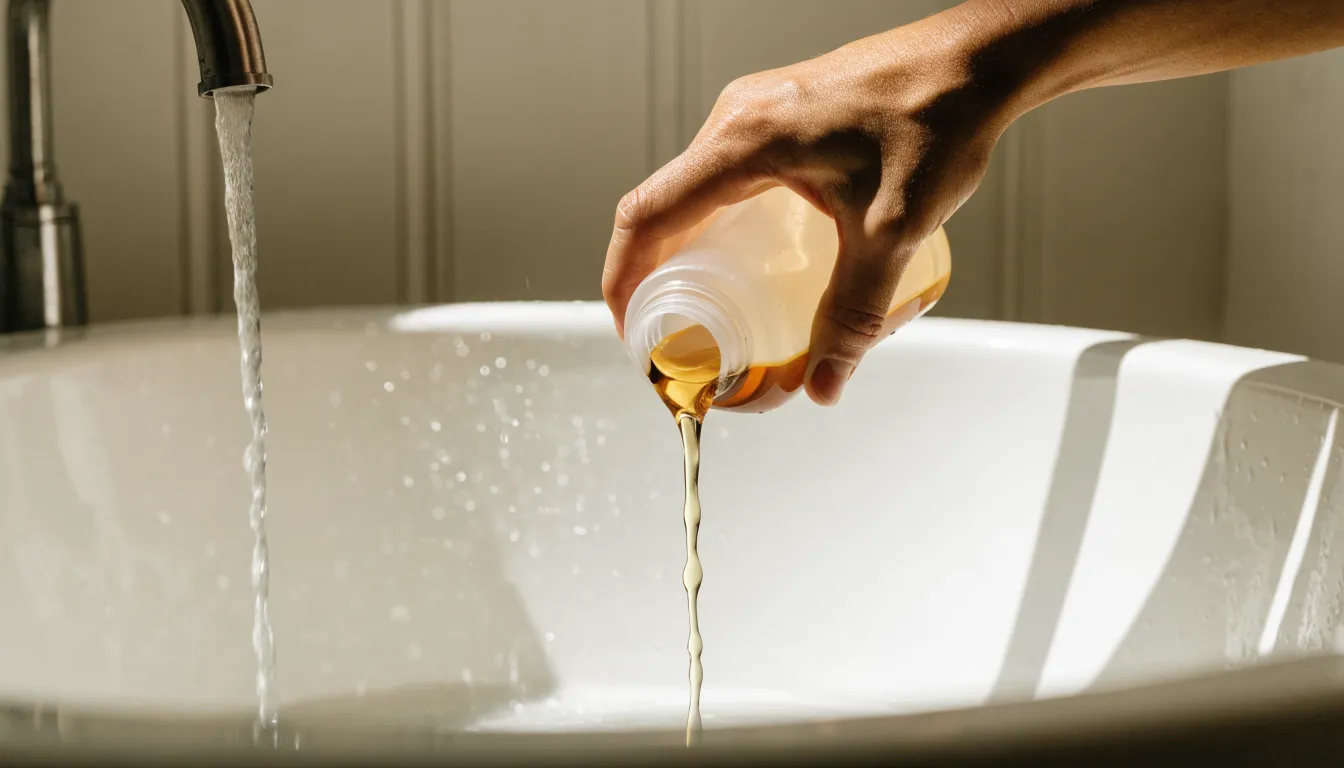
Mix the oils thoroughly in a small glass or non-reactive bowl before adding them to the tub. This step matters because essential oils and water don’t mix—without a carrier oil, they’d float on top and form concentrated, irritating pockets. Once blended, pour the mixture into the bathwater while the tub is filling, directing it under the running water. The water flow helps spread the oils evenly, and a gentle swirl once the tub is full ensures the aromatic blend is well distributed.
Before getting in, do a quick safety check. Step in just enough to let your feet or part of your leg meet the water, and wait for any stinging, burning, itching, or discomfort. If anything feels off, get out right away, drain the tub, and rinse your skin. For the future, try a weaker dilution or different oils. This small test confirms the bath is gentle and truly relaxing, giving you the aromatherapy benefits without irritation.
Quick Shower Alternatives
Even without a bathtub, you can still enjoy essential oil aromatherapy in your daily shower. These quick alternatives give you a spa-like experience without a long soak, fitting easily into busy routines.
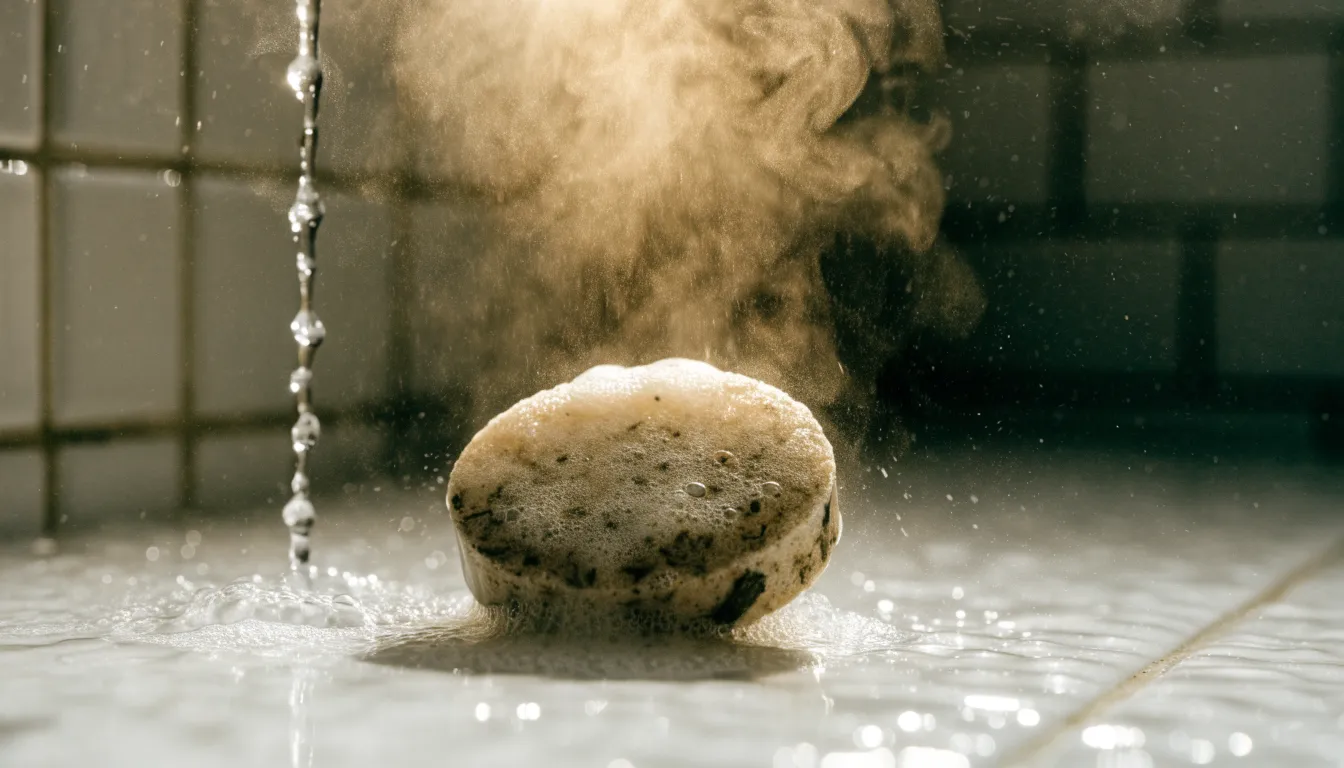
One easy option is using shower steamers. These work like bath bombs but are made for the shower. Place one on the shower floor where it gets splashed but not hit by a strong stream of water. As warm water dissolves it, the steamer releases essential oils into the steam, creating an aromatic cloud you can breathe in deeply. For example, eucalyptus can help clear your breathing, while lavender can bring calm relaxation.
Another simple method is the washcloth drop. Put a few drops of your favorite essential oil on a damp washcloth and set it near the showerhead or on a shelf. The warm steam heats the cloth, causing the oil to evaporate and spread its scent through the shower. You can easily control how strong the aroma is by using more or fewer drops. You can also make a wall spray by mixing water and essential oil in a small bottle, then misting the shower walls before or during your shower—avoiding your face and eyes. The steam activates the oils, filling the air with their therapeutic scent, and you can customize the blend and strength each time without any special equipment.
Frequently Asked Questions
Why can’t you put essential oils directly into bathwater?
Essential oils do not dissolve in water and will sit on the surface in concentrated droplets. These undiluted droplets can stick to your skin, potentially causing irritation, redness, burning, or even increasing skin sensitivity. Warm bath water opens pores, making it easier for these strong compounds to get through the skin’s protective barrier, which increases the chance of a bad reaction.
What can I use to dilute essential oils for a bath?
To safely dilute essential oils for a bath, you need a carrier or dispersing agent. Options include carrier oils like jojoba, sweet almond, or fractionated coconut oil, a little castile soap, or certain properly mixed salts. Whole milk, heavy cream, or honey also work well as dispersing agents, helping to spread the oils evenly throughout the bathwater.
How many drops of essential oil should I add to a full bath for an adult?
For a standard full bathtub of about 40 gallons, use around 30 drops for a 1% dilution or 60 drops for a stronger but still safe 2% dilution. Always blend the total drops with at least one tablespoon of a carrier oil before adding to running water to ensure proper dispersion and prevent skin irritation.
Are essential oil baths safe for children?
Essential oil baths for children require extra care due to their heightened sensitivity; it’s crucial to choose gentle oils like Roman chamomile, lavender, or tangerine, and to avoid harsher ones such as peppermint or eucalyptus. For children two years and older, mix one to two drops of essential oil with a tablespoon of a mild carrier oil before adding it to the bath. Essential oils are not recommended for infants under three months, and many experts advise avoiding them entirely for children under two.
Which essential oils are good for relaxation in a bath?
Lavender is a well-known oil for relaxation and sleep, as its scent helps ease tension and encourages calm. Roman chamomile offers deep calming effects, helping to reduce anxiety and promote peaceful sleep without making you drowsy. Sweet orange can also lift your mood while easing tension and promoting inner peace.
Does bath water temperature affect essential oils?
Yes, bath water temperature plays a big role; overly hot water causes delicate scent molecules to evaporate quickly, weakening the aromatic experience. Hot water also makes your skin absorb essential oils much faster, significantly raising the risk of irritation. Choosing comfortably warm water instead allows the essential oils to release their fragrance more slowly and keeps absorption at a gentler level, reducing the chance of skin irritation.