Yes, you can put essential oils in a washing machine, but always dilute them first with unscented liquid detergent or white vinegar before adding them to the rinse cycle or fabric softener dispenser. Never add oils directly to the machine or clothes, as this can stain fabrics, damage rubber seals over time, and pose a fire risk in the dryer.
Table of Contents
- Fresh Laundry Basics
- Safe Application Methods
- Soap Compartment Drops
- Vinegar Dispenser Tricks
- Dryer Ball Aromas
- Scent Selection Guide
- Citrus Oil Warnings
- Proper Oil Dosage
- Fire Risk Prevention
- Water Temperature Impact
- Skin Sensitivity Tips
- Odor Elimination Strategies
- Bedding Refresh Methods
- Appliance Care Steps
- Home Plumbing Effects
Fresh Laundry Basics
Using essential oils in your laundry is a simple way to naturally freshen clothes and linens with a lasting scent. Start with high-quality, pure oils from trusted brands. Lavender helps you relax, lemon gives a clean citrus smell, and tea tree adds a refreshing touch. Never add oils directly to the detergent drawer or main wash water, since undiluted oils can leave spots or fail to spread through the load.
The key is to dilute the oil first. Add about five to ten drops to a quarter cup of distilled white vinegar or a tablespoon of unscented liquid detergent. This carrier mixes the oil evenly into the water. Pour this mixture into the rinse cycle, where the scent can bond to clean fabric and won’t be washed away by detergent.
For delicate items or when trying a new oil, use just two to three drops at first. This lets you see how the fabric reacts and how strong the scent turns out. With this gentle method, your laundry comes out clean, lightly fragranced, and safe from damage, adding natural freshness without affecting wash quality.
Safe Application Methods
Essential oils can add a fresh scent to laundry, but they need careful handling to avoid oily stains. Dropping concentrated oil directly onto fabric, even inside the machine, can leave residue, especially on delicate or light-colored clothing. The safest approach is to pre-dilute the oils before they ever touch your clothes.
A simple method is to mix your chosen essential oil drops with unscented liquid laundry detergent. The detergent works as a carrier, helping the oil disperse evenly through the wash water instead of clumping onto fabric fibers. Another option is to combine 10–20 drops of essential oil with half a cup of white vinegar, then pour the mixture into the fabric softener dispenser. The vinegar helps spread the oil, naturally softens fabrics, and leaves a subtle, clean scent.
Placement also matters. Always add diluted essential oil mixtures to the detergent or fabric softener compartment, never directly onto dry clothes in the drum. For even gentler results, add the diluted mixture during the rinse cycle to limit contact time with concentrated oils. Testing on a small, hidden area of an old garment first can give you peace of mind before scenting a full load. These steps help ensure your laundry comes out fragrant and stain-free.
Soap Compartment Drops
Choose an unscented liquid laundry detergent as your base so the essential oil’s scent can come through clearly. In a small container, mix the detergent with about 5–10 drops of your chosen essential oil, adjusting the amount based on how strong you want the fragrance.
Stir or swirl the mixture until the oil is fully blended in. This step is important because essential oils don’t mix well with water, and the detergent works as an emulsifier to help spread the oil evenly.
Pour the scented detergent into the washing machine’s main liquid detergent compartment. As the machine fills and agitates, the oil-infused detergent disperses throughout the wash and rinse cycles, leaving your clothes consistently fresh and lightly scented.
Vinegar Dispenser Tricks
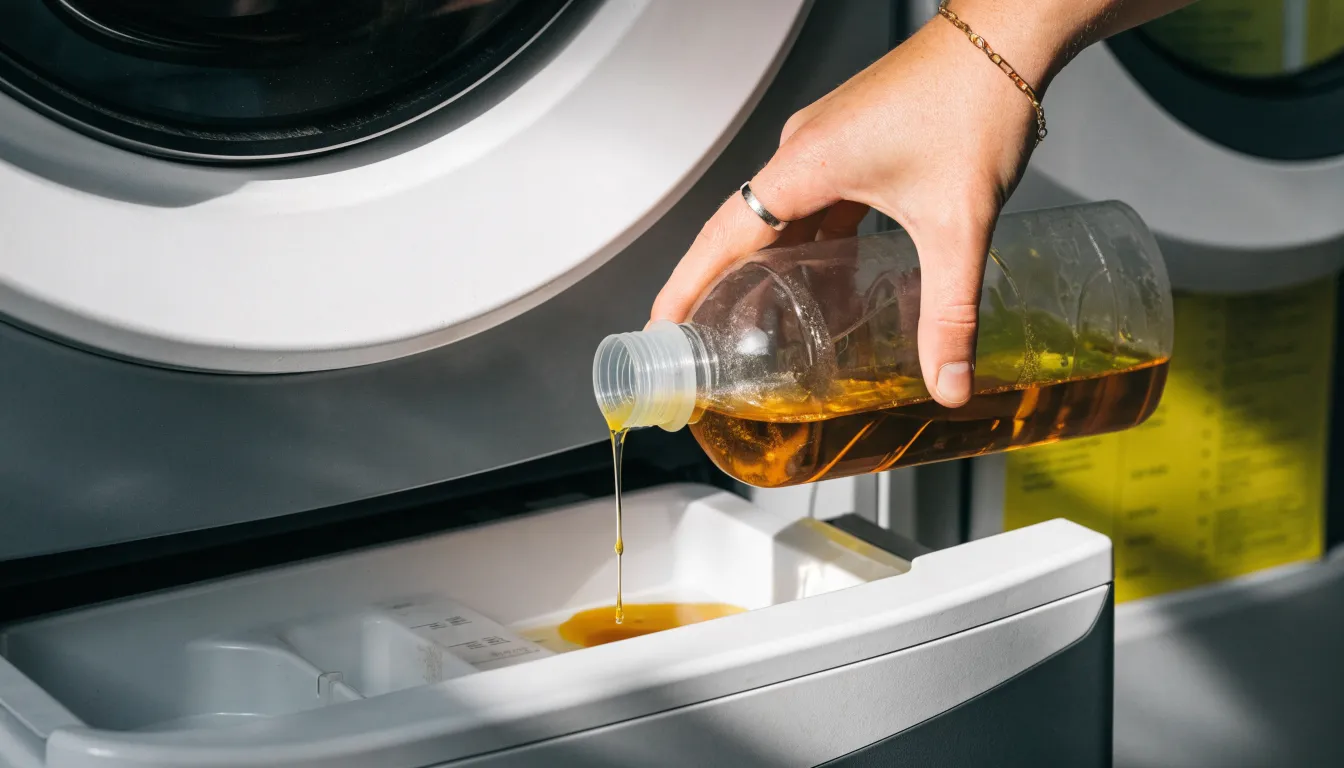
Use your washing machine’s fabric softener dispenser to combine white vinegar with essential oils for a natural alternative to regular softeners. The vinegar removes leftover detergent, softens fabrics, reduces static, and eliminates odors, while essential oils add a light, pleasant scent. The vinegar smell disappears during the rinse, leaving only the aroma you choose.
Pick high-quality pure oils like lavender for a calming floral scent, lemon or grapefruit for a fresh citrus smell, or eucalyptus for a clean, refreshing feel. You can easily customize the fragrance or mix your own blends. Just add about 10–20 drops of your chosen oil to half a cup of white vinegar and pour it into the dispenser.
When the rinse cycle begins, the machine releases the mixture evenly through the load. Your clothes come out softer, less staticky, and subtly fragrant. This simple method is safe for all washers, including high-efficiency models, and helps you avoid harsh chemicals while keeping your laundry fresh and gentle.
Dryer Ball Aromas
Wool dryer balls offer a natural way to add a pleasant scent to laundry. To use them, simply put 3 to 5 drops of essential oil on each ball. After applying the oil, let the balls sit for at least 15 to 30 minutes so the oil soaks into the wool fibers. This resting period is important because it prevents the oil from leaving spots or marks on your clothes during drying.
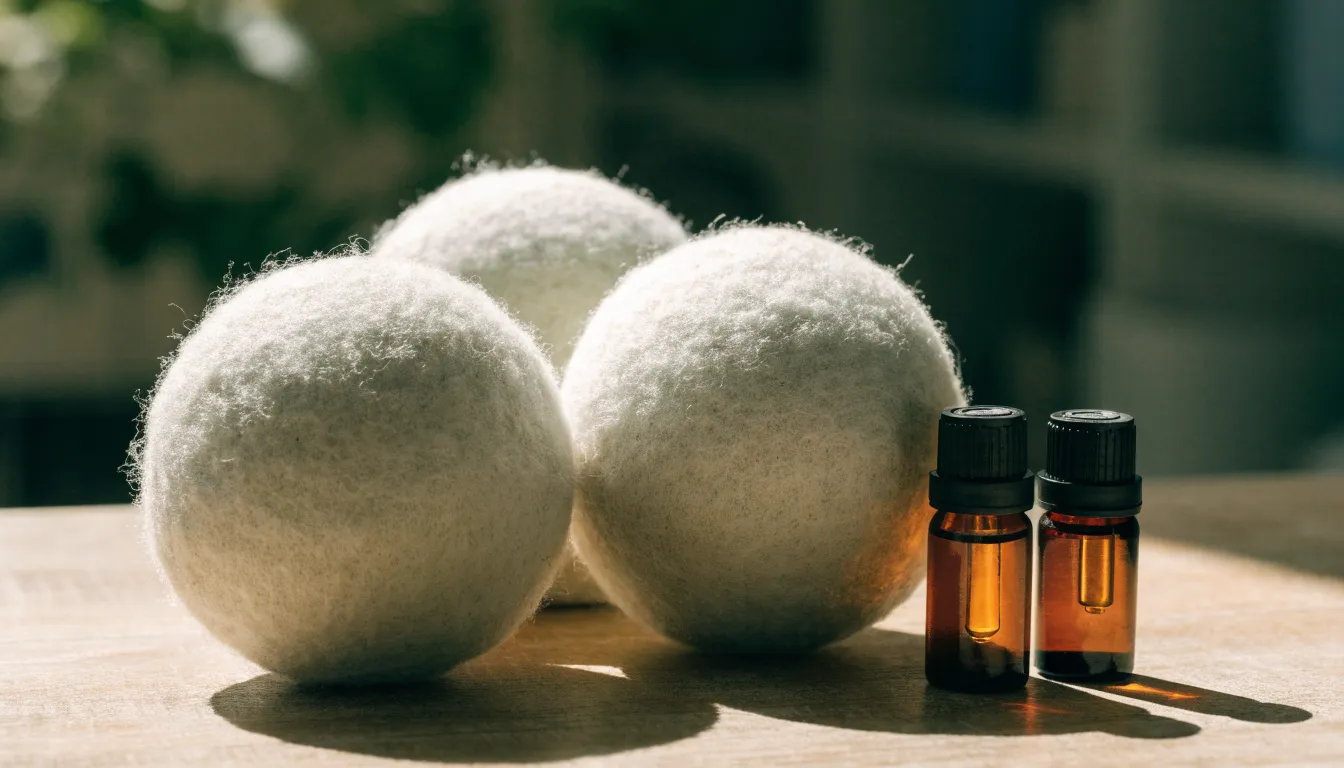
For a stronger fragrance, you can add a few more drops to the dryer balls halfway through the drying cycle, especially after the initial heat has faded. Using lower heat is best because very high temperatures cause the essential oils to evaporate too quickly. A medium to low heat setting helps the scent last longer and is gentler on your clothes.
For most loads, a drying time of 30 to 45 minutes on lower heat works well. If your laundry needs more time, refresh the oil on the dryer balls during the final 15 to 20 minutes of the cycle. This gives your clothes a fresh, lasting aroma without any oily residue.
Scent Selection Guide
Choosing the right essential oils can make your laundry feel and smell fresher. When picking oils for your washing machine, look for ones with purifying properties and scents that last. The best options not only add a pleasant smell but also help keep fabrics truly clean.
Lavender oil is a classic choice. It has a sweet, floral scent that feels calming and clean. Lavender also has mild antibacterial qualities, making it great for refreshing everyday clothes. It leaves a soft, comforting smell that lingers even after drying, bringing a little calm to your wardrobe.
Tea tree oil is known for its strong antibacterial power. Its clean, medicinal scent fights odors and helps make fabrics deeply clean. It’s especially useful for towels and activewear. Eucalyptus oil has a bright, refreshing smell and strong antimicrobial benefits, so it sanitizes fabrics and leaves them crisp and revitalized. Together, lavender, tea tree, and eucalyptus give you a range of aromas and purifying strengths, keeping your laundry hygienically clean and pleasantly scented for a long time.
Citrus Oil Warnings
When using essential oils in laundry, citrus oils like lemon, orange, grapefruit, and lime need extra care. They contain limonene, a natural compound that gives them their fresh scent but also acts like a solvent. This makes them harsh on the rubber gaskets and door seals inside modern washing machines. Over time, repeated exposure can cause the rubber to become brittle, crack, or break down, weakening these important parts.
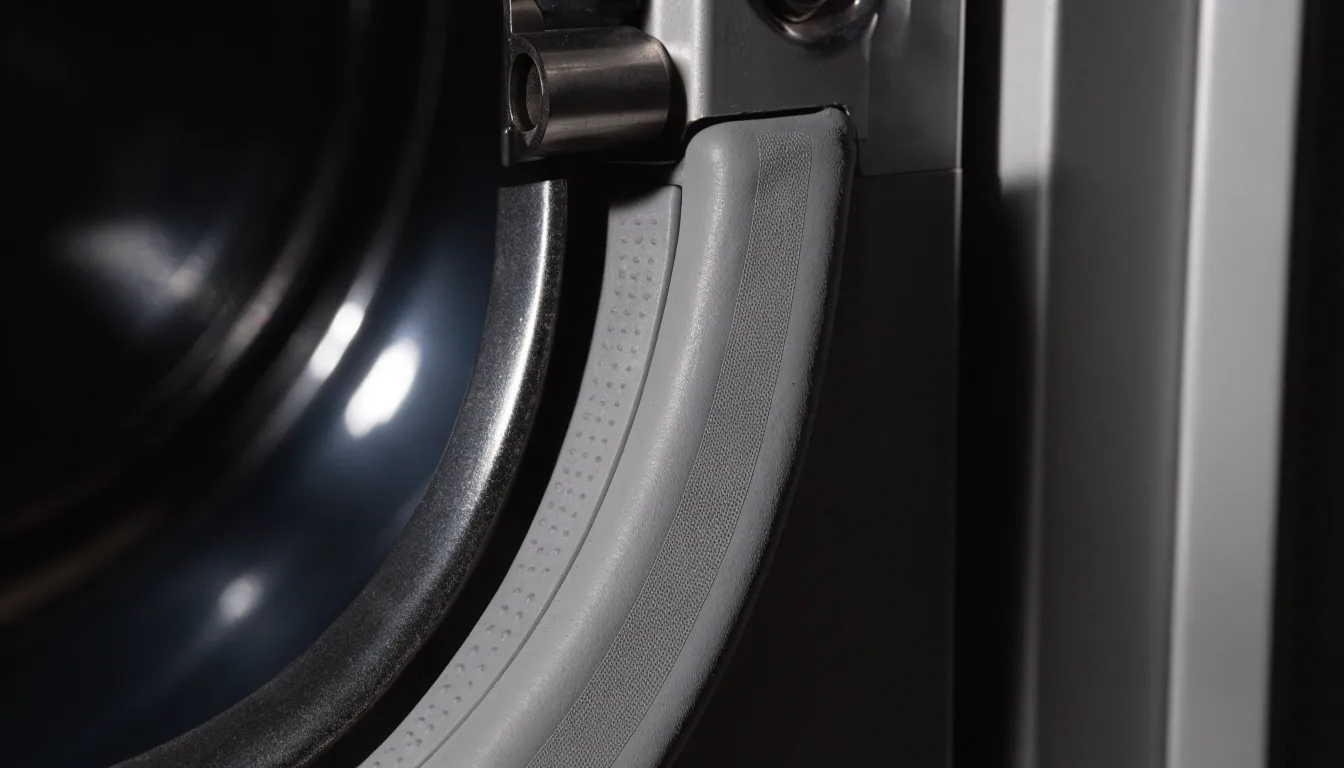
The rubber seals keep water from leaking out during the wash and rinse cycles. If they get damaged by limonene, they may no longer form a tight seal. This can lead to small leaks that may eventually harm your floors or nearby cabinets. Damaged seals also lower the machine’s efficiency and shorten its lifespan, which could mean expensive repairs or having to replace the washer sooner.
To avoid these problems, try not to let concentrated citrus oils touch the rubber parts directly. Choose non-citrus oils instead, or dilute the oils well before use. You can also put a few drops on an old cloth and toss that into the wash, so the oil has less direct contact with the seals while still adding scent to your laundry.
Proper Oil Dosage
Proper dosage is the key to getting a pleasant scent without causing problems in the washing machine. For a normal, average-sized load, a good starting point is five to eight drops of essential oil. This amount is flexible and can be adjusted based on your laundry needs and personal taste.
Load size matters when deciding how many drops to use. A small load, like a few delicates, only needs two to four drops. A medium load works well with four to six drops, while a large or very dirty load can handle six to ten drops. Be careful not to overdo it—Be careful not to overdo it—too much oil can leave residue on fabric or create an overpowering smell.
Delicate fabrics like silk, lace, or certain synthetics need a lower amount, usually two to three drops, to avoid staining or damage. Stronger fabrics like cotton, denim, or towels can handle a bit more oil. For lighter colored clothes, start with fewer drops to check for discoloration. Your chosen scent strength is also up to you: use the lower end of the range for a subtle aroma, or increase gradually toward the upper limit for a stronger scent. Starting small and adjusting with each wash helps you find the perfect balance.
Fire Risk Prevention
Essential oils are highly concentrated plant extracts, and many are flammable. A key safety factor is their flash point—the lowest temperature at which they give off vapors that can catch fire. Many oils have low flash points, so they can release flammable vapors at temperatures easily reached inside a tumble dryer. To learn more about general safety, read our essential oil safety rules everyone should follow.
Even after washing, a small amount of oil can stay on fabric. When those fabrics go into a hot dryer, the heat can exceed the oil’s flash point. The residue then vaporizes and can ignite, causing a fast-moving fire or even spontaneous combustion inside the machine.
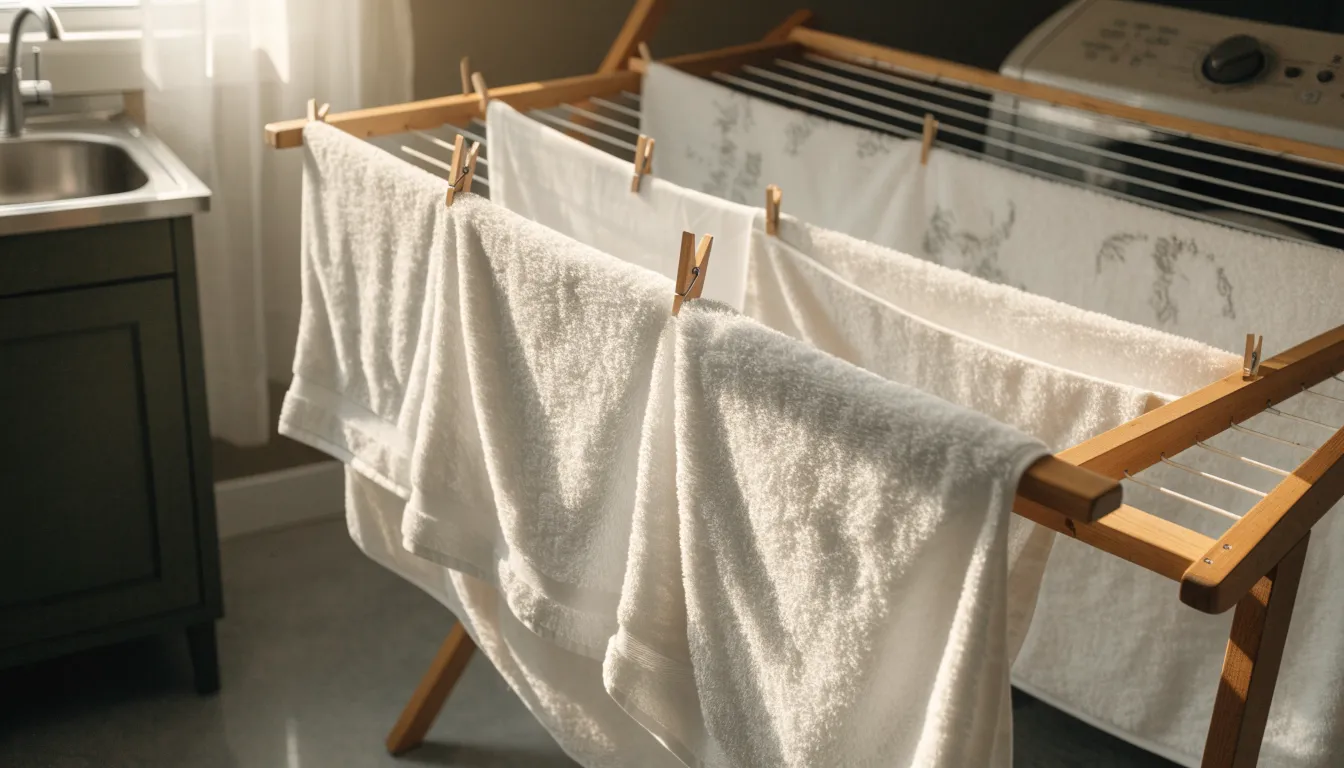
To stay safe, always air dry anything that has been in contact with essential oils. Hang items on a line or rack instead of using a heated dryer. Never put oil-treated or oil-washed fabrics in a dryer—this simple step prevents a serious fire hazard.
Water Temperature Impact
Warm water is more effective for using essential oils in the washing machine. The heat lowers the oil’s viscosity, making it thinner and easier to mix into the wash water. This helps the oils spread evenly, soak into fabric fibers more deeply, and prevents clumping or concentrated residue. Warm water also opens up fabric pores slightly, allowing the fragrance and beneficial properties to absorb better and last longer.
Cold water has the opposite effect. Essential oils stay thicker and do not disperse as well, often forming small droplets or clinging to the surface of water and fabric. While cold water is good for delicate clothes and saving energy, it may lead to uneven scent distribution or leave oil spots unless the oil is properly emulsified before being added.
Overall, choosing the right water temperature is key to getting the most out of essential oils. A temperature that helps the oils spread and absorb thoroughly will improve scent coverage and reduce the risk of buildup or residue.
Skin Sensitivity Tips
Essential oils contain natural compounds like limonene, linalool, geraniol, and citral that can cause skin irritation, redness, or itching for people with sensitive skin. When you use them in the washing machine, these compounds stay on the fabric and touch your skin for long periods, making allergic reactions much more likely.
To stay safe, choose milder oils like true lavender or Roman chamomile, but remember that everyone reacts differently. A helpful trick is to wash just one garment with a tiny bit of oil and wear it briefly to see if your skin reacts before washing a full load.
You should also use much less oil, especially for items like underwear, bedding, or baby clothes. Try using fragrance-free detergent and add just a drop or two of a very mild oil to the rinse cycle, or simply scent dryer balls instead of adding oil to the water. Always pick pure oil brands that list their ingredients. If you notice any redness or itching, stop using the oil right away and talk to a doctor. Making careful choices keeps your skin comfortable and safe.
Odor Elimination Strategies
Persistent smells like mildew and sweaty gym clothes are a common laundry problem. Synthetic activewear fibers trap sweat and bacteria, while damp fabrics can grow mildew, leaving a musty odor that regular detergents may not fully remove. Antimicrobial essential oils can help by targeting the actual bacteria and fungi causing these deep-set smells.
Tea tree oil is especially strong at fighting bacteria and mildew, making it great for activewear and damp fabrics. Eucalyptus oil adds a clean, fresh scent and also works against microbes. Lavender brings a pleasant smell with mild antiseptic qualities, while lemon and peppermint oils refresh fabrics and add natural cleansing power.
When added to the wash, these oils break down odor-causing germs instead of just covering up the smell. Put a few drops in the detergent dispenser or into the rinse cycle to help remove sweat residue and mildew, leaving clothes smelling clean and fresh. This gives you a natural, effective way to get rid of stubborn odors for good.
Bedding Refresh Methods
Bring a touch of nature into your daily routine to make your home, especially your bedroom, feel calmer and more comfortable. A simple way to do this is by using soothing essential oils on bed sheets and towels. These plant-based oils can turn everyday fabrics into fresh, peaceful sources of relaxation, with scents like chamomile and lavender adding a gentle layer of tranquility.
Chamomile has a mild, apple-like fragrance that is known for helping the body let go of daily stress. Lavender offers a floral, herbal scent that is famous for calming the mind and supporting deeper sleep. When these essential oils are added to pillowcases, sheets, and bath towels, they create a warm and inviting atmosphere that helps you rest and recharge.
Every time you get into bed or reach for a clean towel, the soft, natural scent reminds you to relax. This small habit supports better sleep hygiene by making it easier to unwind at night and improving the restfulness of your sleep. The cozy freshness from these natural essences makes your bedding feel more luxurious and your space more comforting, boosting your overall sense of well-being.
Appliance Care Steps
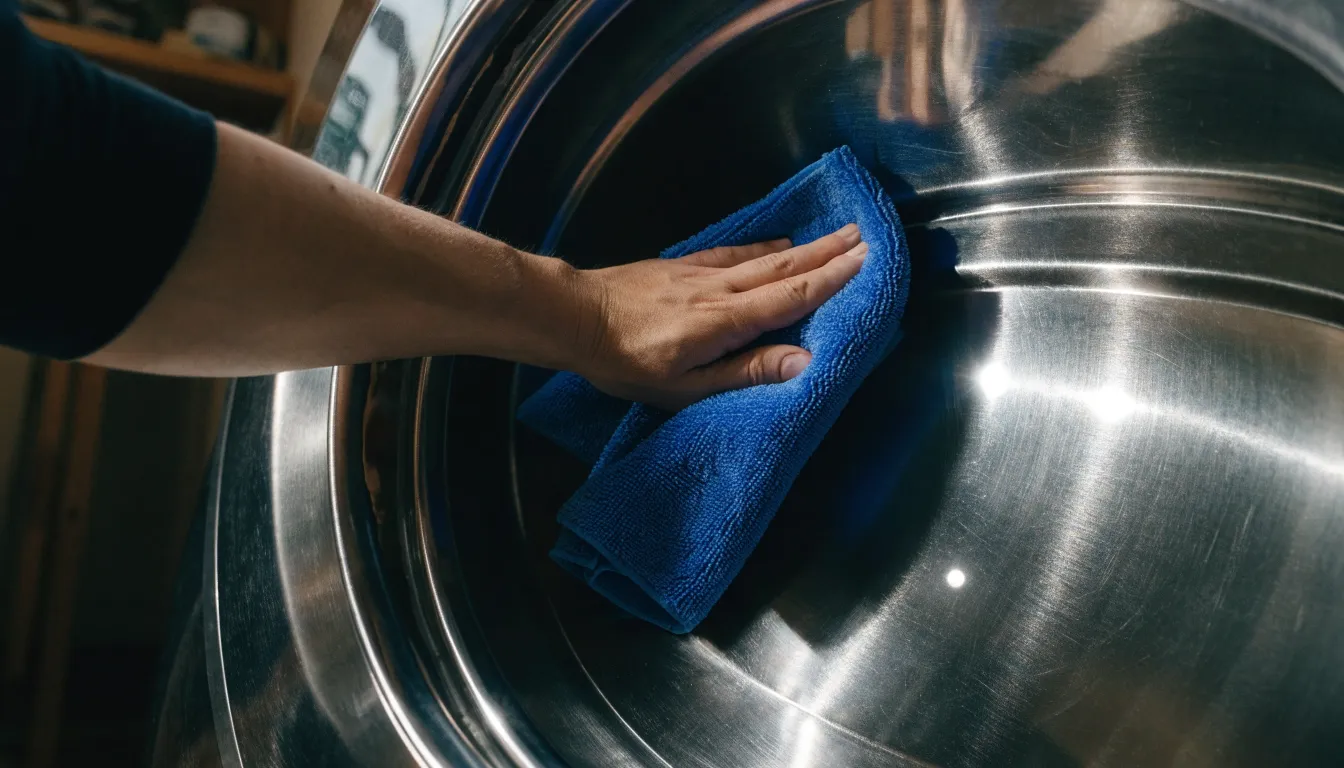
To keep your washer working well after using essential oils, wipe down the drum after each wash. Use a soft, damp microfiber cloth to clean the entire inside surface, including the rubber door seal on front-loaders. This removes surface oils right away before they can dry and form a sticky film.
You also need to run a monthly maintenance wash to clear out hidden oil residue. Leave the drum empty, add a cup of white vinegar or half a cup of baking soda, and run the hottest water cycle. The hot water and cleaning agent work together to dissolve and flush away leftover oils, soap scum, and mineral deposits from the drum and internal hoses.
These simple steps are very effective for anyone using essential oils. They stop oil from building up on your clothes or inside the machine, keeping your washer pristine and ensuring your laundry always comes out clean and fresh.
Home Plumbing Effects
Essential oils can add pleasant scents and other useful benefits to laundry, but they can also affect your home’s plumbing. After a wash cycle, the oils flow into the drain pipes along with the water. Over time, the oil residue—even though it is natural—can stick to the inside of the pipes and begin to build up.
Once that sticky layer forms, it catches things like lint, loose fabric fibers, pet hair, and leftover soap or detergent. Instead of washing away, these bits get trapped in the oily coating. Slowly, the buildup narrows the pipes, which can cause slower draining. If it keeps growing, it may form a hard, wax-like blockage that is difficult to remove and could lead to costly plumbing repairs.
To help prevent this, flush your drain pipes with very hot water on a regular basis, especially after using essential oils in your laundry. The heat keeps the oils more liquid so they can flow through more easily. You can also pour a cup of white vinegar followed by hot water, or a mixture of baking soda and hot water, down the drain to break up oily residue. Doing these flushes consistently helps keep your drains clear and your plumbing system working well.
Frequently Asked Questions
Can I put essential oils directly into my washing machine?
No, you should never add undiluted essential oils directly to the detergent drawer, main wash water, or onto dry clothes. Undiluted oils can leave spots, fail to spread evenly, or potentially damage machine parts.
What’s the safest way to add essential oils to my laundry?
The safest method is to pre-dilute the oil first. You can mix about five to ten drops with a quarter cup of distilled white vinegar or a tablespoon of unscented liquid detergent, then pour this mixture into the rinse cycle. Another option is to combine 10–20 drops of essential oil with half a cup of white vinegar and add it to the fabric softener dispenser.
Which essential oils are good for freshening laundry?
Lavender oil is a classic choice for a calming floral scent, while lemon gives a clean citrus smell. Tea tree oil and eucalyptus oil are also good options, known for their strong antibacterial and antimicrobial properties, making them effective for fighting odors and deeply cleaning fabrics.
Can essential oils cause damage to my washing machine?
Yes, certain essential oils, particularly citrus oils like lemon or grapefruit, contain limonene which can be harsh on the rubber gaskets and door seals inside washing machines. Over time, repeated exposure can cause these rubber parts to become brittle, crack, or lead to leaks.
How many drops of essential oil should I use for a typical load of laundry?
A good starting point is five to eight drops of essential oil. This amount can be adjusted; smaller loads might need two to four drops, while large or very dirty loads can handle six to ten drops.
Is it safe to put clothes treated with essential oils in the dryer?
No, it is crucial to always air dry anything that has been in contact with essential oils. Many oils are flammable and have low flash points, meaning residual oil on fabrics can ignite in a hot tumble dryer, posing a serious fire hazard.