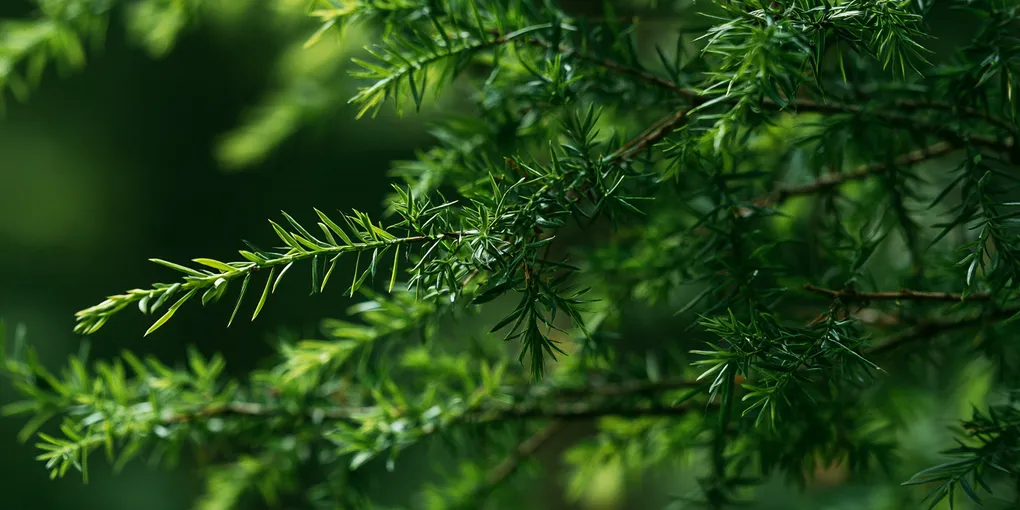
Tea tree oil, from the Melaleuca alternifolia plant, has well-documented antimicrobial activity in the lab, and a handful of small human studies support it for mild acne and athlete’s foot. It’s also a handy ingredient for homemade cleaners and deodorants. It is not a cure-all, it must be diluted before it touches skin, it should never be swallowed, and it’s toxic to cats and dogs.
Table of Contents
- Understanding Tea Tree Oil
- Acne
- Skin Irritation and Inflammation
- Minor Cuts and Scrapes
- Athlete’s Foot and Nail Fungus
- Why I Don’t Recommend a DIY Mouthwash
- Household Cleaner
- Bugs: What It Can and Can’t Do
- Deodorant Alternative
- Diffusing and Steam Inhalation
- How to Dilute Tea Tree Oil
- Side Effects and Who Should Be Careful
- Patch Testing Essentials
- Storing Your Essential Oil
- Final Takeaways on Tea Tree
Understanding Tea Tree Oil
Tea tree oil comes from the Melaleuca alternifolia plant, a shrub native to the coastal areas of northern New South Wales and southeastern Queensland, Australia. It belongs to the aromatic Myrtaceae family, the same family as eucalyptus and clove.
Australia’s Aboriginal peoples, especially the Bundjalung, used the leaves long before the oil was commercialized. They crushed them and breathed in the vapors for coughs and colds and applied leaf poultices to wounds. That history is interesting, but it involved whole leaves, not concentrated oil, and it isn’t a reason to swallow tea tree oil today.
The oil’s main active compound is terpinen-4-ol, which usually makes up the largest share of a good-quality oil. In lab studies it damages the membranes of bacteria and fungi. Lab results don’t automatically translate to the same effect on skin, so the sections below say how strong the human evidence is for each use.
Acne
This is tea tree oil’s best-studied use, though the studies are small. In a 1990 trial of 124 people published in the Medical Journal of Australia, a 5% tea tree gel reduced acne lesions about as well as 5% benzoyl peroxide, though it worked more slowly and caused less dryness and irritation. A later placebo-controlled trial of 60 people (Enshaieh et al., 2007) also found a 5% gel helped mild to moderate acne.
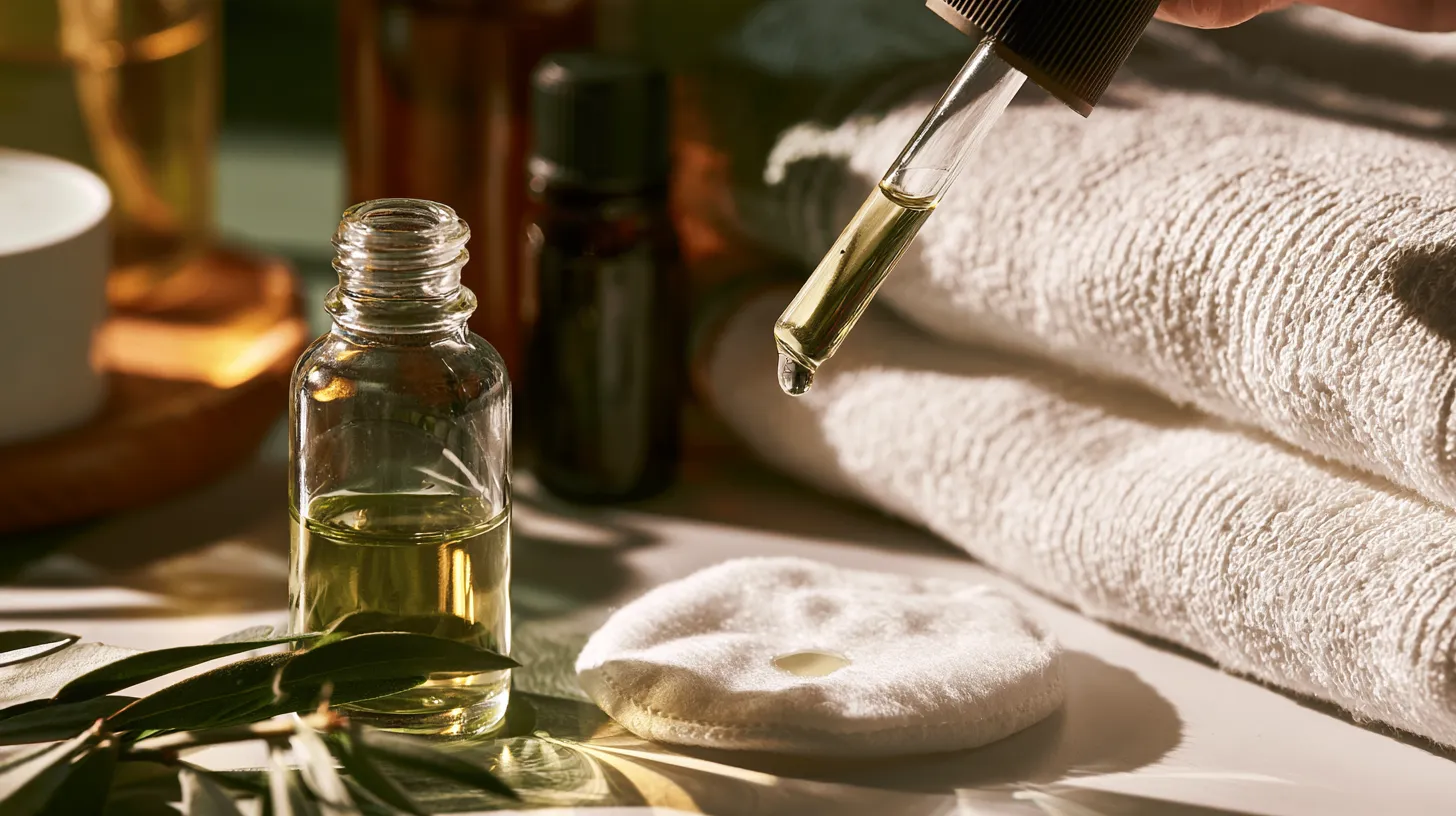
What that means in practice: a diluted tea tree product (around 5%, the strength studied) may help mild breakouts if you’re patient. It isn’t a replacement for proven acne treatments, and it won’t fix cystic or severe acne. If your acne is painful, scarring, or not improving, see a dermatologist. The US National Center for Complementary and Integrative Health summarizes the evidence as promising but limited (NCCIH).
Never put undiluted tea tree oil on a pimple. Neat oil is a common cause of irritation and allergic reactions, which can leave skin worse than the breakout did.
Skin Irritation and Inflammation
Tea tree oil shows anti-inflammatory activity in lab studies, and one small human study found it reduced histamine-induced skin swelling. That’s a long way from treating a skin condition.
Be especially careful with eczema, psoriasis, and dermatitis. Damaged or inflamed skin absorbs more and reacts more easily, and tea tree oil (especially old, oxidized oil) is a known cause of allergic contact dermatitis. If you have one of these conditions, talk to your dermatologist before trying it, and don’t apply it to broken or flaring skin.
Minor Cuts and Scrapes
For a small scrape, soap and running water do the most important job. Tea tree oil’s antimicrobial activity is real in the lab, but there’s little human evidence that adding it helps a minor wound heal faster, and an open wound is exactly where irritation and sensitization are most likely.
If you choose to use it, keep it to a well-diluted product on minor, shallow scrapes only. Don’t use it on deep cuts, burns, punctures, bites, or anything showing signs of infection (spreading redness, warmth, pus, fever). Those need medical care.
Athlete’s Foot and Nail Fungus
Athlete’s foot has some of the better evidence. In a 2002 placebo-controlled trial (Satchell et al., Australasian Journal of Dermatology), 25% and 50% tea tree oil solutions improved symptoms, and the 50% solution cleared the fungus in a majority of participants. About 4% of people on the stronger solution developed dermatitis, so those strengths are for feet, not general use.
Nail fungus is much harder to treat. One older trial found 100% tea tree oil performed similarly to a topical antifungal cream, but results were modest for both. If a nail infection is spreading or you have diabetes or poor circulation, see a doctor rather than relying on tea tree oil.
There’s little good human research on tea tree oil for ringworm, so it’s best treated with proven antifungals.
Why I Don’t Recommend a DIY Mouthwash
Tea tree oil does reduce oral bacteria in lab and dental studies, and a few commercial oral-care products include it. Even so, I don’t recommend making a tea tree mouthwash at home.
Tea tree oil is toxic if swallowed, even in small amounts. Swallowing it can cause vomiting, confusion, drowsiness, and loss of coordination, and children are at the highest risk. Swishing homemade drops in water makes accidental swallowing easy, especially if kids copy you. For fresh breath, regular brushing, flossing, cleaning your tongue, and a store-bought mouthwash are safer and more effective.
Household Cleaner
Tea tree oil is a reasonable addition to a homemade cleaner for keeping your home fresh. It adds a clean scent and some antimicrobial activity, though homemade sprays aren’t a substitute for an EPA-registered disinfectant when you actually need to disinfect (after raw meat or illness, for example).
To make a simple all-purpose spray, mix one cup of distilled water with one cup of white vinegar in a spray bottle, then add 10 to 15 drops of tea tree oil. Shake well before each use.
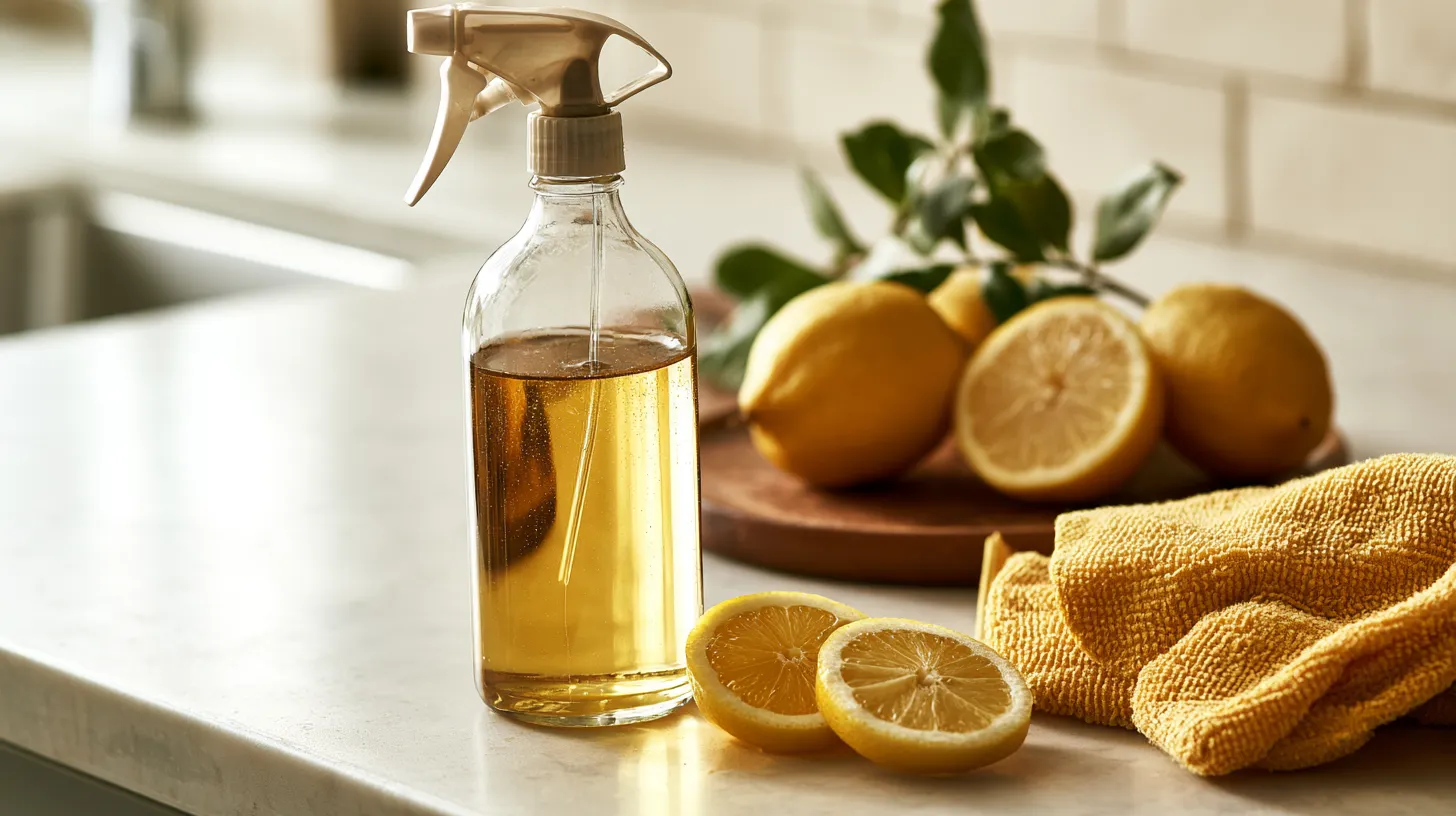
It works well on counters, sinks, and bathroom tiles. Skip it on marble, granite, and other natural stone, since vinegar can etch them. Never mix vinegar with bleach. If you have cats or dogs, let surfaces dry fully and keep pets away from freshly sprayed areas, because tea tree oil is toxic to them.
Bugs: What It Can and Can’t Do
Tea tree oil may deter some insects for a short time, and cotton balls with a few drops can help discourage ants along a trail or entry point. Keep those well out of reach of pets and kids.
What it shouldn’t be used for is protection against mosquitoes or ticks. There’s no good evidence that tea tree oil prevents bites well enough to protect against mosquito- or tick-borne disease. If you’re going somewhere with ticks or mosquitoes, use an EPA-registered repellent such as DEET, picaridin, or oil of lemon eucalyptus, as the CDC recommends. For more on natural options and their limits, see essential oils for bugs and mosquitoes.
Deodorant Alternative
Body odor comes from skin bacteria breaking down sweat, and tea tree oil’s antimicrobial activity makes it a sensible ingredient in a homemade deodorant. It won’t stop you sweating, and results vary from person to person.
For a simple cream deodorant, mix a few drops of tea tree oil with coconut oil, shea butter, arrowroot powder, and a small amount of baking soda. Store it in a small jar. Baking soda irritates some people’s underarms; if you get redness or a rash, reduce it or leave it out.
For a lighter spray, dilute tea tree oil in witch hazel or distilled water with a little vegetable glycerin, and shake before each use. Don’t apply either version to freshly shaved or irritated skin.
Diffusing and Steam Inhalation
Tea tree oil has a fresh, medicinal scent. Some people find steam inhalation comfortable when they’re stuffed up: add one or two drops to a bowl of hot (not boiling) water, close your eyes, and breathe in the steam. It may make breathing feel easier for a while, but it doesn’t treat the cause of congestion. Keep your eyes closed, don’t do this with young children, and stop if it makes you cough.
You can also diffuse it in an essential oil diffuser. Run it in short sessions (30 to 60 minutes on, then a break), keep the room ventilated, and give pets a way to leave the room. Diffusing makes a room smell fresh; it doesn’t purify the air.
How to Dilute Tea Tree Oil
Always dilute tea tree oil before it touches your skin. A carrier oil spreads it out and lowers the chance of irritation. Good options are jojoba oil and fractionated coconut oil.
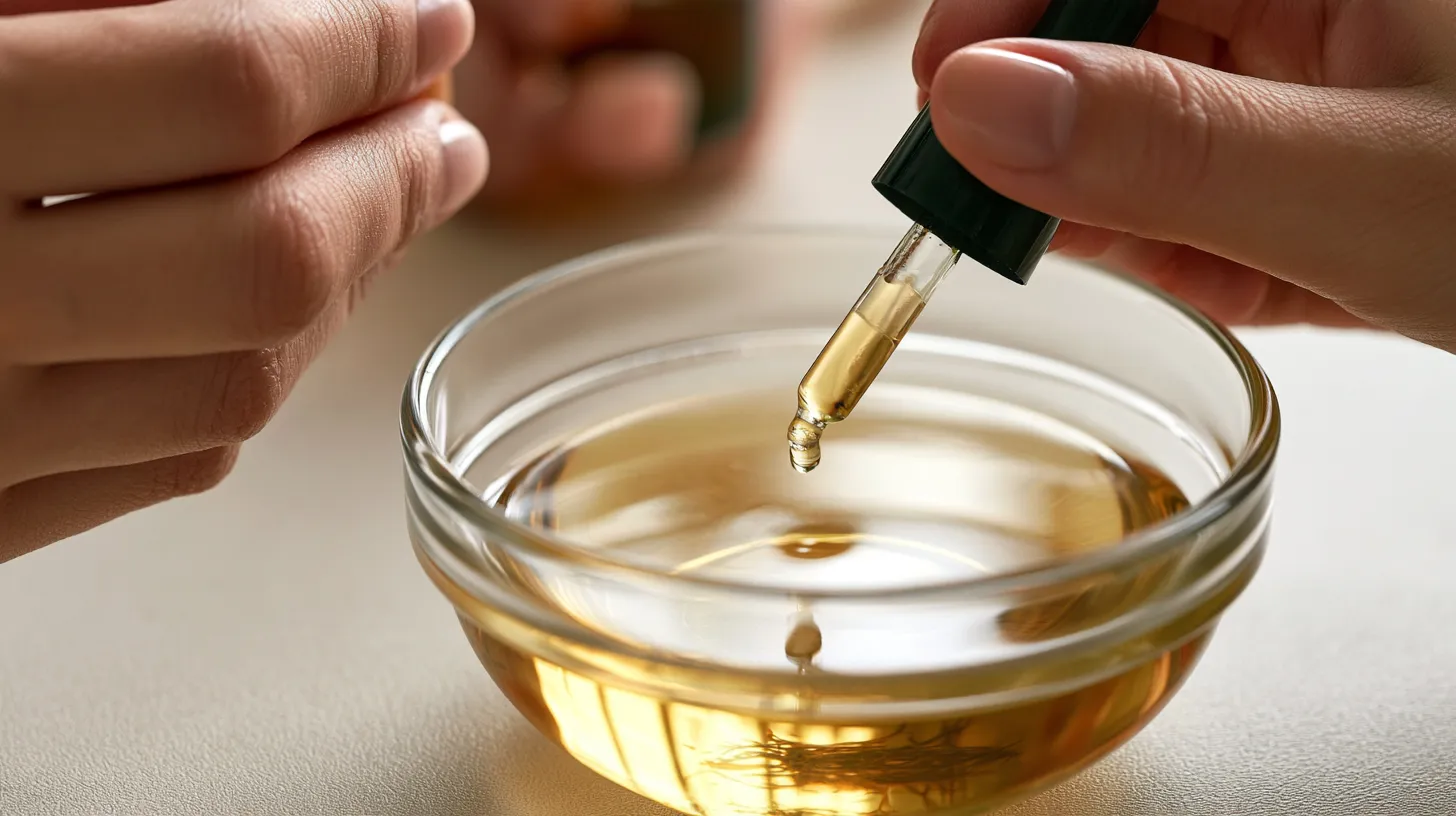
A rough guide, since one drop is about 0.05 ml:
- Sensitive skin or face: 0.5% to 1%, which is 1 drop per 2 teaspoons (10 ml) up to 1 drop per teaspoon (5 ml) of carrier oil.
- General body use: 1% to 2%, about 1 to 2 drops per teaspoon.
- Children: follow the age-based amounts in our dilution chart and our guide to using oils around kids.
The stronger solutions used in athlete’s foot studies are specifically for the feet. Start low and always do a patch test first.
Side Effects and Who Should Be Careful
The most common side effect is skin irritation or allergic contact dermatitis: an itchy rash, redness, stinging, or peeling where the oil was applied. Risk is highest with undiluted oil, frequent use, and old oil, because tea tree oil that has been exposed to air oxidizes into compounds that are much more likely to cause allergy (Tisserand Institute). If a reaction happens, stop using it and wash the area.
The most serious danger is swallowing it. Tea tree oil is for external use only. Ingestion can cause vomiting, diarrhea, drowsiness, confusion, and loss of coordination. If anyone swallows it, especially a child, call Poison Control (1-800-222-1222 in the US) or seek emergency care right away.
Pets: tea tree oil is toxic to cats and dogs. One review of poison-center records documented 443 tea tree oil exposures in cats and dogs, many from owners applying it to treat skin or flea problems (Khan et al., 2014). Never apply it to a pet, and keep bottles, cotton balls, and sprayed surfaces away from them. See Pet Poison Helpline and our guide to essential oils and pets.
Also keep it away from your eyes and the inside of your nose and mouth, and talk to your doctor before using it if you’re pregnant, breastfeeding, or have a skin condition.
Patch Testing Essentials
Before using tea tree oil regularly, do a patch test. Mix one drop of tea tree oil with one teaspoon of carrier oil (about 1%), then dab a small amount, about the size of a dime, onto a clean spot on your inner forearm. Let it dry and leave the area alone.
Wait 24 hours and watch for redness, itching, burning, swelling, or bumps. If anything appears, wash the area and don’t use tea tree oil on your skin. Keep in mind that a clean patch test doesn’t guarantee you won’t develop an allergy later; sensitization can build up over months of use, which is another reason to keep using fresh, diluted oil.
Storing Your Essential Oil
Good storage matters more for tea tree oil than for many oils, because oxidized tea tree oil is a stronger skin sensitizer.
Keep it in a dark amber glass bottle with the cap tightly closed, in a cool, dark cupboard away from heat and sunlight. Refrigeration extends its life further.
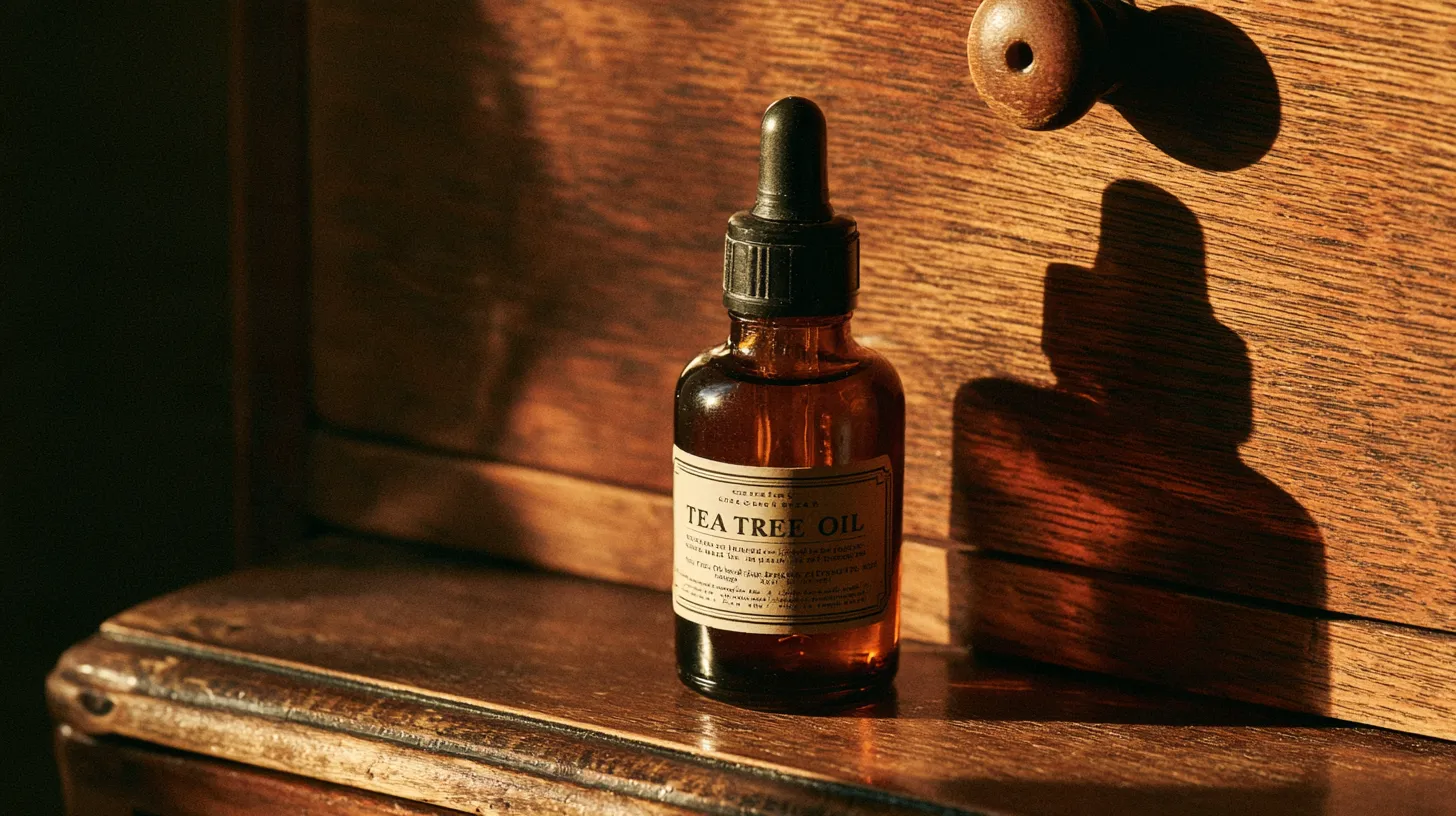
If your tea tree oil smells sharp or different from when you bought it, has turned cloudy, or has been open for more than a year or so, replace it rather than putting it on your skin.
Final Takeaways on Tea Tree
Tea tree oil is one of the more useful essential oils, as long as you’re realistic about it. The best human evidence supports diluted tea tree products for mild acne and athlete’s foot. It’s also a pleasant, practical ingredient for homemade cleaners and deodorants.
Always dilute it, patch-test it, and use fresh oil. Never swallow it, don’t use it as protection against ticks or mosquitoes, and keep it well away from cats and dogs. For anything beyond a mild, everyday problem, see a doctor or dermatologist.
Frequently Asked Questions
Where does tea tree oil come from?
Tea tree oil is distilled from the leaves of Melaleuca alternifolia, a shrub native to coastal northern New South Wales and southeastern Queensland, Australia. Aboriginal peoples, especially the Bundjalung, traditionally used the crushed leaves for coughs, colds, and wounds.
Does tea tree oil help acne?
Small studies suggest a 5% tea tree gel can help mild to moderate acne, working about as well as 5% benzoyl peroxide in one trial but more slowly. It isn’t a substitute for treatment of severe or scarring acne, and it should never be applied undiluted.
Can I use tea tree oil as a mouthwash?
I don’t recommend a homemade tea tree mouthwash. Tea tree oil is toxic if swallowed, and children are at particular risk. Brushing, flossing, and a store-bought mouthwash are safer choices.
Is tea tree oil safe for cats and dogs?
No. Tea tree oil is toxic to cats and dogs, and poisoning cases often happen when owners apply it to a pet’s skin. Never apply it to pets, and keep it out of their reach. If your pet is exposed, call your vet or a pet poison helpline.
Does tea tree oil repel ticks?
There’s no good evidence that tea tree oil protects against tick bites. Where ticks are a concern, use an EPA-registered repellent such as DEET or picaridin, as the CDC recommends.
How much should I dilute tea tree oil for sensitive skin?
Use about 0.5% to 1%, which is 1 drop per 2 teaspoons up to 1 drop per teaspoon of carrier oil, and patch-test first.