
Castor Oil Benefits and Uses
Castor Oil Benefits and Uses
Table of Contents
- What is Castor Oil and Where Does It Come From?
- History of Castor Oil Uses
- Castor Oil Composition: Ricinoleic Acid Benefits
- Castor Oil as a Natural Remedy
- Castor Oil for Skin Moisturization
- Castor Oil for Soothing Irritated Skin
- Castor Oil for Wound Healing
- Castor Oil for Acne, Dry Skin, and Fine Lines
- How to Apply Castor Oil for Skin
- Castor Oil for Hair Growth and Strengthening
- Castor Oil for Deep Hair Conditioning
- Castor Oil for Dry Scalp and Dandruff
- Castor Oil for Eyebrow and Eyelash Growth
- DIY Castor Oil Hair Masks
- Castor Oil for Joint and Muscle Pain Relief
- Castor Oil for Digestive Support and Laxative Use
- Castor Oil Packs for Detoxification
- Castor Oil for Lymphatic Drainage
- External Uses of Castor Oil
- How to Choose High-Quality Castor Oil
- Castor Oil Patch Test for Allergies
- Castor Oil Dilution Guidelines
- How to Store Castor Oil
- Castor Oil Precautions and Doctor Consultation
Castor oil, derived from the Ricinus communis plant, is a natural remedy with a high ricinoleic acid content. This unique acid gives it potent anti-inflammatory, pain-relieving, and moisturizing properties. Used for thousands of years, it supports the skin, soothes irritation, promotes hair growth, and even works as a laxative.
| Use Case | How to Apply | Recommended Duration |
|---|---|---|
| Skin moisturizing | Massage onto clean, damp skin. | Overnight or 15-20 min |
| Soothing irritation | Apply to calm irritated skin. | Regular use |
| Acne/Dry skin | Gently massage onto clean skin. | Overnight or 15-20 min |
| Hair growth | Gently massage into scalp. | 30 min or overnight, with regular use |
| Deep conditioning | Massage into hair strands. | 30 min or overnight |
| Dandruff/Scalp | Massage into scalp. | 30 min or overnight |
| Eyebrows/Eyelashes | Brush lightly onto brows/lash line with wand. | Overnight, daily use |
| Joint/Muscle pain | Apply warm oil-soaked cloth over painful area. | 45-90 min, repeat over days/weeks |
| Digestive/Laxative | Take orally (with doctor’s guidance). | Occasional, short-term use |
| Detox packs | Place oil-soaked cloth over abdomen with heat. | Not specified in article |
| Lymphatic drainage | Apply to lymph node areas, massage, or use pack. | Consistent use |
Understanding Castor Oil
What is Castor Oil and Where Does It Come From?
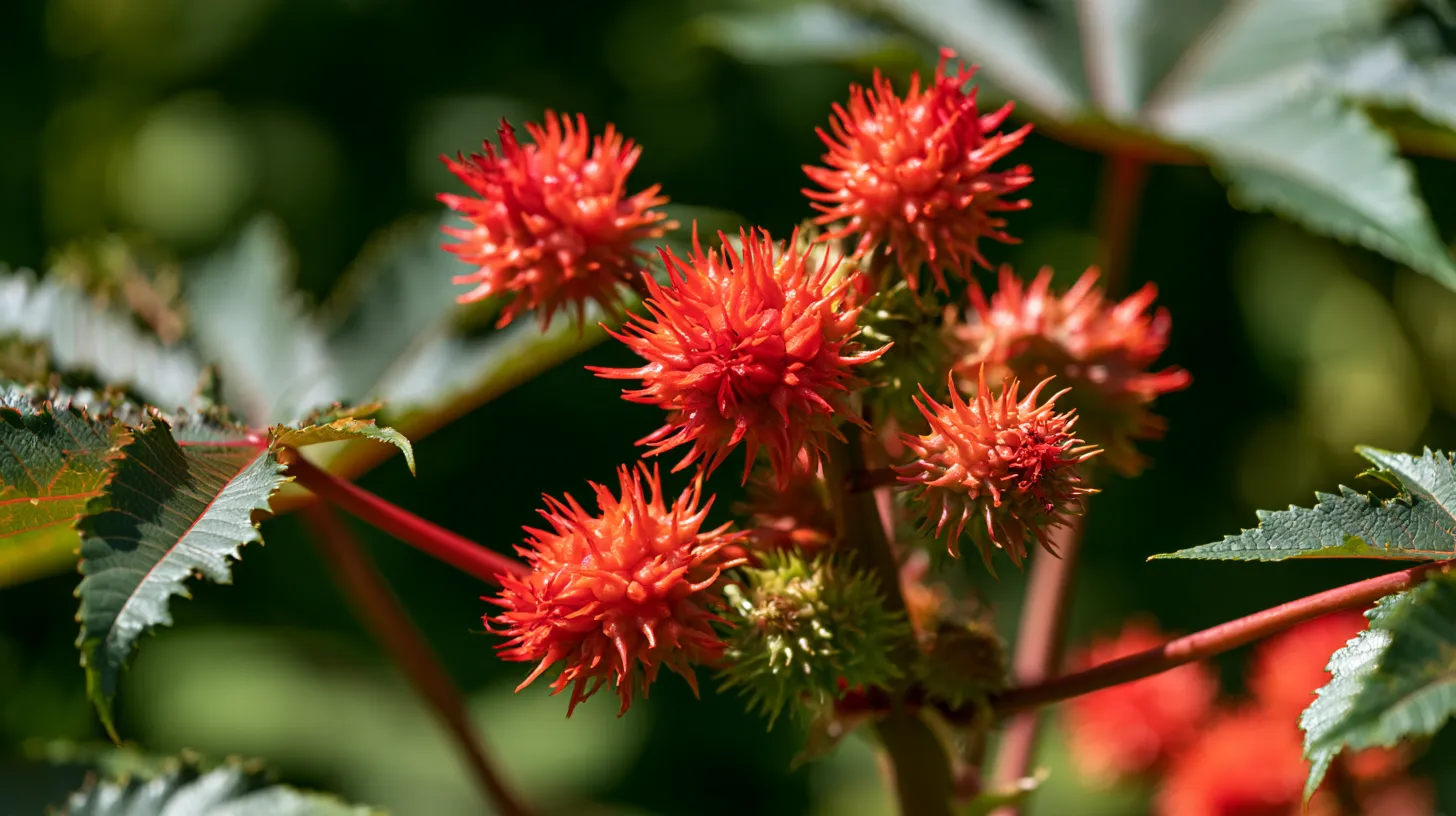
Castor oil comes from the seeds of the castor bean plant, Ricinus communis. This plant originally grows in tropical parts of Africa and India, but today it is cultivated in many regions around the world. Even though it’s called a “bean,” the plant actually produces seeds, not beans, which can be pressed to create a pale yellow liquid with a distinct smell and taste.
Because of its unique chemical makeup, castor oil behaves differently from most other plant oils and has special properties that make it valuable in many situations.
History of Castor Oil Uses
Castor oil has been used for thousands of years, with some of the earliest records coming from ancient Egypt: people burned it in lamps for light but also used it as a simple medicine.
In ancient India, Ayurvedic medicine valued castor oil highly under the name “eranda oil.” It was especially known for helping with inflammation and pain, and it was also used to support digestion and cleanse the body. Ancient China also made use of castor oil in traditional herbal remedies, to restore balance and health.
Greek doctors, including Hippocrates, thought of it as a strong purgative, and Roman writers like Pliny the Elder described its use for skin conditions and constipation.
Castor Oil Composition: Ricinoleic Acid Benefits
Castor oil stands out among natural remedies because of its unusual chemical makeup. The key is ricinoleic acid, which makes up about 90% of the oil’s fatty acids.
When applied to the skin, ricinoleic acid works as a powerful anti-inflammatory agent. It helps calm irritated skin, reduce swelling, and ease discomfort. It also has pain-relieving properties, which is why castor oil compresses are often used on sore muscles and aching joints.
When taken internally, castor oil acts as a well-known laxative.
Castor Oil as a Natural Remedy
Castor oil is highly valued as a natural remedy because of its long history of use and its many health benefits. The main reason it works so well is its high amount of ricinoleic acid, a special fatty acid that gives the oil strong anti-inflammatory and pain-relieving properties.
When it comes to skin care, castor oil works as a deep moisturizer and emollient. It helps hydrate and soothe dry or irritated skin, and because it can penetrate deeply, it also supports better circulation and helps the body remove toxins.
Castor oil can also support digestion when used properly also.
Castor Oil Benefits for Skin
Castor Oil for Skin Moisturization
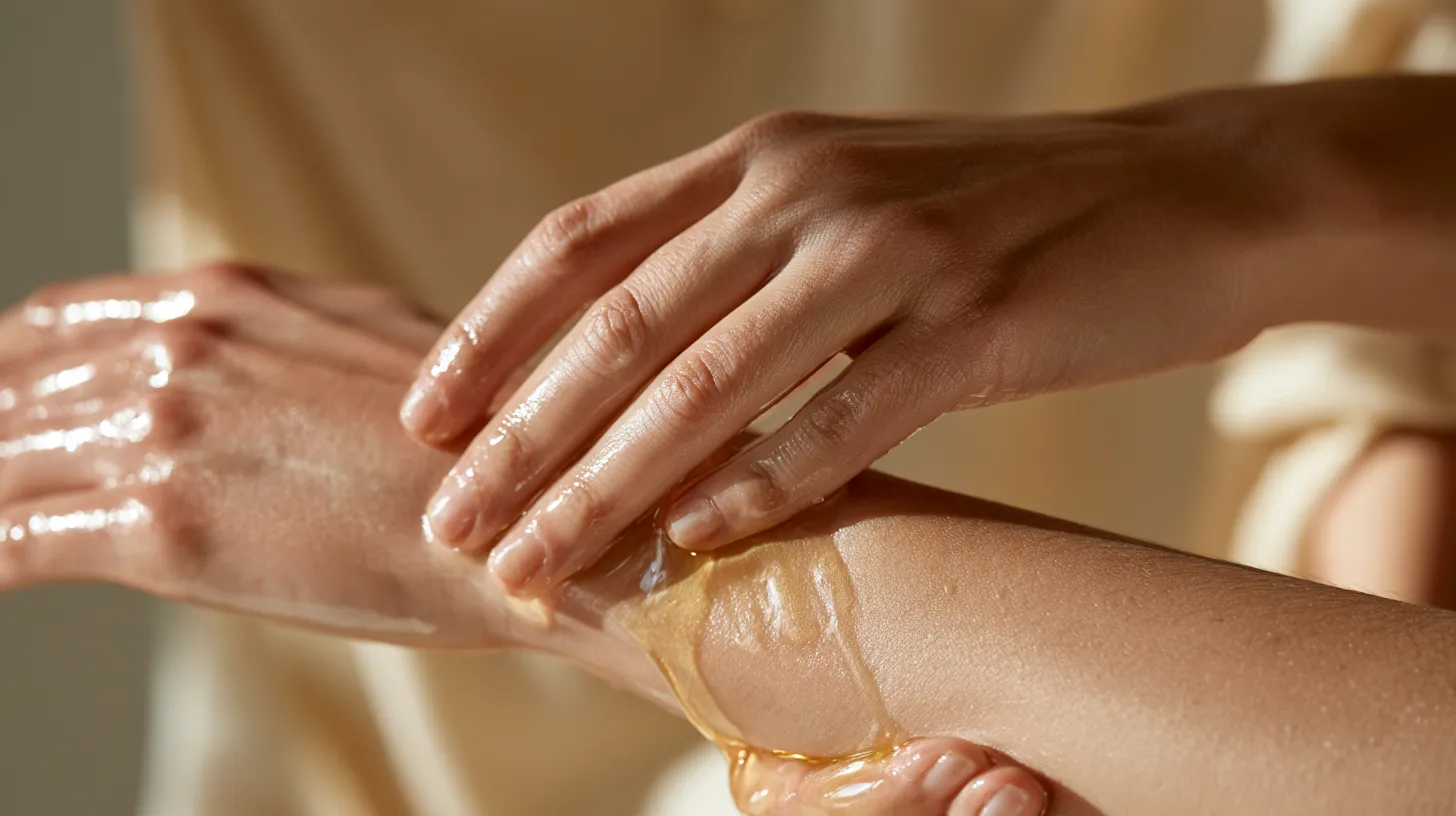
Castor oil is excellent at providing deep moisture to the skin because it works as a natural humectant. Humectants are compounds that draw and hold water, and castor oil is rich in ricinoleic acid, which makes it very effective at this job. When applied, it pulls water molecules from the air and from the skin’s lower layers up to the outer surface.
In addition to pulling in moisture, castor oil forms a thin, protective coating on the skin. This seal works to lock all that hard-won water in, greatly reducing the amount of moisture that escapes.
Castor Oil for Soothing Irritated Skin
Castor oil is very helpful for the skin because it works as a natural anti-inflammatory medicine. It is also a gentle emollient, meaning it softens and soothes the skin.
The main reason castor oil helps in this way is because of its ricinoleic acid. This compound targets inflammation in the skin and helps calm the reactions that lead to irritation.
Castor Oil for Wound Healing
Castor oil has a long history in traditional medicine, mainly for helping the skin heal. People commonly use it on minor cuts and scrapes. This use comes from generations of passed-down knowledge and cultural habits; its main traditional role is to support the body’s natural recovery.
To apply it, clean the affected area first. Then, they gently dab or rub a small amount of oil onto the wound. Often, they cover it with a clean cloth or bandage to keep the oil in place. The oil creates a protective layer on the skin, which helps keep the wound moist.
Castor Oil for Acne, Dry Skin, and Fine Lines
Castor oil is a versatile remedy for managing acne-prone skin. Because it penetrates deeply to cleanse pores without stripping away essential moisture, it remains a gentle but effective treatment for breakouts.
It also provides significant relief for dry, flaky, and rough patches of skin. Acting as an emollient and humectant, it draws moisture from the environment and locks it into the skin’s surface. By deeply hydrating, it repairs the skin’s protective barrier, prevents further moisture loss, and transforms what it touches into softer, more supple, and smoother textures.
How to Apply Castor Oil for Skin
To use castor oil on your face, start with clean skin. Wash away makeup, dirt, and oil, then pat dry. Because castor oil is thick, a pea-sized drop is enough for the whole face.
For body skin, do the same but on a larger scale. our a moderate amount into your palm, warm it between your hands, then massage it into your skin with broad, circular motions.
Castor Oil Benefits for Hair and Scalp
Castor Oil for Hair Growth and Strengthening

Castor oil is known for helping hair grow healthier and stronger. One of its main functions is improving blood flow to the scalp. When gently massaged in, it boosts circulation to the hair follicles, which helps deliver important nutrients, vitamins, and oxygen to the roots. This nourished scalp supports the active growth phase of hair.
Castor Oil for Deep Hair Conditioning
Deep conditioning can bring dry, dull hair back to life. When hair becomes brittle, the outer cuticle lifts, making it feel rough and look flat because it no longer reflects light well. Castor oil works well here because it is thick and rich, so it coats every strand and delivers moisture deep beneath the surface.
That deep moisture helps repair and flatten the cuticle, creating a smoother hair surface. With a smooth cuticle, light can bounce off the hair more easily, giving it a healthier shine. At the same time, the oil restores lost hydration, which is also good for the hair.
Castor Oil for Dry Scalp and Dandruff
Castor oil can help with common scalp issues like dryness. Its ricinoleic acid allows the oil to sink deep into the scalp and provide lasting moisture. With regular use, castor oil can restore the scalp’s natural moisture barrier, helping it hold onto hydration longer and stay more comfortable throughout the day.
It also helps reduce flakiness. Flakes often happen when the scalp is irritated or too dry, causing skin cells to shed faster than normal. By deeply moisturizing and soothing the scalp, castor oil helps calm irritation and supports a more normal skin cell turnover process.
Castor Oil for Eyebrow and Eyelash Growth
Castor oil is a natural way to help your eyebrows look thicker and fuller.
Start with a clean, dry face, and be sure all makeup and skincare products are gone from the brow area. Dip a clean cotton swab or a disposable mascara wand into pure, cold-pressed castor oil, then wipe off any excess so the coat is light and even. Brush the oil through each brow in the direction hair grows, covering from root to tip.
Daily use gives the best, most reliable results.
DIY Castor Oil Hair Masks
Making your own hair masks at home lets you tailor the treatment to your hair and scalp needs. Castor oil is often used as a base, but essential oils are the key to boosting its benefits.
Adding a few drops of rosemary or peppermint essential oil can stimulate the scalp, improve blood flow, and help deliver important nutrients to the hair roots.
While castor oil supports moisture and overall hair health, rosemary and peppermint help wake up the scalp and encourage a better environment for hair growth. A simple mix of warm castor oil with a few drops of either essential oil is enough to start.
Therapeutic Uses of Castor Oil
Castor Oil for Joint and Muscle Pain Relief
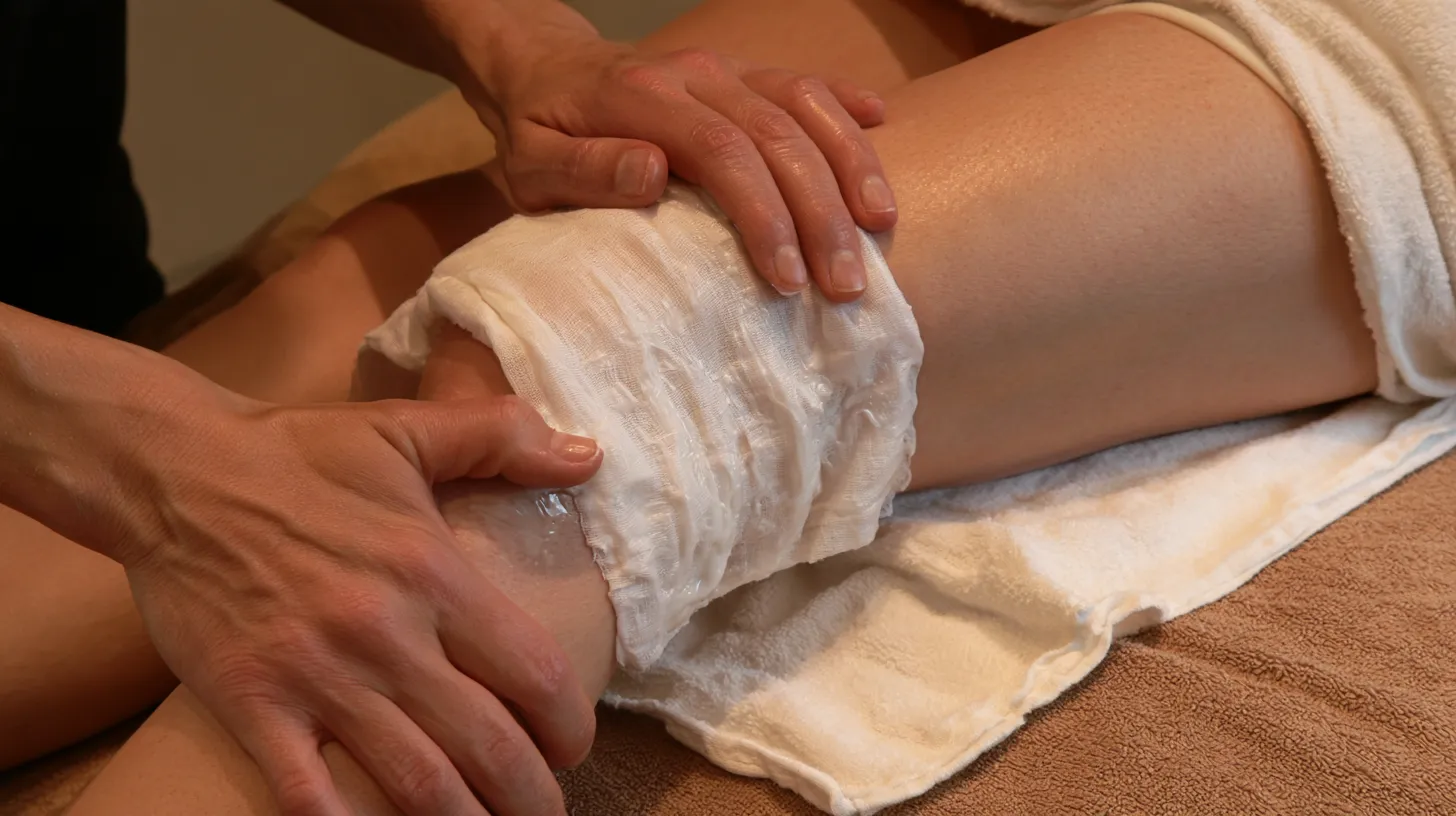
Castor oil has long been used as a topical remedy in traditional medicine. One well-known way to use it for joint and muscle discomfort is by making a castor oil pack. This pack is placed right on the sore area, helping to ease aches and stiffness from overworked muscles or creaky joints. When absorbed through the skin, it penetrates the tissues and helps reduce the swelling and irritation that often cause pain in muscles, joints, and ligaments.
To make a pack, soak a clean piece of flannel or cotton cloth in pure, cold-pressed castor oil, then place it directly over the painful area. Cover it with plastic wrap to protect your clothes, and put a warm heat source on top, such as a hot water bottle or heating pad. Leave the pack on for about 45 to 90 minutes, and repeat over several days or weeks for the best results.
Castor Oil for Digestive Support and Laxative Use
Castor oil has long been used in traditional medicine to help with digestion. Its main role is as a mild laxative for occasional constipation. When the oil reaches the small intestine, it releases ricinoleic acid. This stimulates nerve receptors in the intestinal walls, which triggers muscle contractions, which help move waste through the bowels.
Even though castor oil can help internally, it must be used with caution. It is very important to talk to a healthcare provider before taking it internally, so please do that first.
Castor Oil Packs for Detoxification
The active compound in castor oil, ricinoleic acid, is believed to penetrate the skin and stimulate the lymphatic system, which is a key part of the body’s immune and waste-removal network.
When the lymphatic system is activated, it becomes more efficient at moving toxins and excess fluids away from tissues and toward the liver and kidneys for processing and elimination. This improved circulation supports the liver’s natural ability to filter the blood, offering indirect but very beneficial help to your bodily systems.
Castor Oil for Lymphatic Drainage
The lymphatic system acts as the body’s internal cleanup crew. It is a network of vessels and nodes that removes waste, toxins, and extra fluid from tissues, while also carrying immune cells and absorbing fats from digestion. Unlike the circulatory system, it has no central pump, so it relies on muscle movement, breathing, and manual touch to keep fluid flowing.
Castor oil can help support lymphatic drainage when applied externally. The oil is absorbed through the skin, and its main active ingredient, ricinoleic acid, is thought to reduce inflammation and stimulate local circulation.
External Uses of Castor Oil
Castor oil’s health benefits mostly come from putting it on the skin. When applied this way, the oil touches the skin and underlying tissues directly, allowing the key compound, ricinoleic acid, to be absorbed right where it is needed.
This targeted absorption is what makes it great for calming skin irritations and reducing inflammation in muscles and joints. You can massage it onto a sore muscle or use a warm compress, and the anti-inflammatory effects work right at the point of discomfort, giving relief right where it is needed.
Safe and Effective Castor Oil Use
How to Choose High-Quality Castor Oil
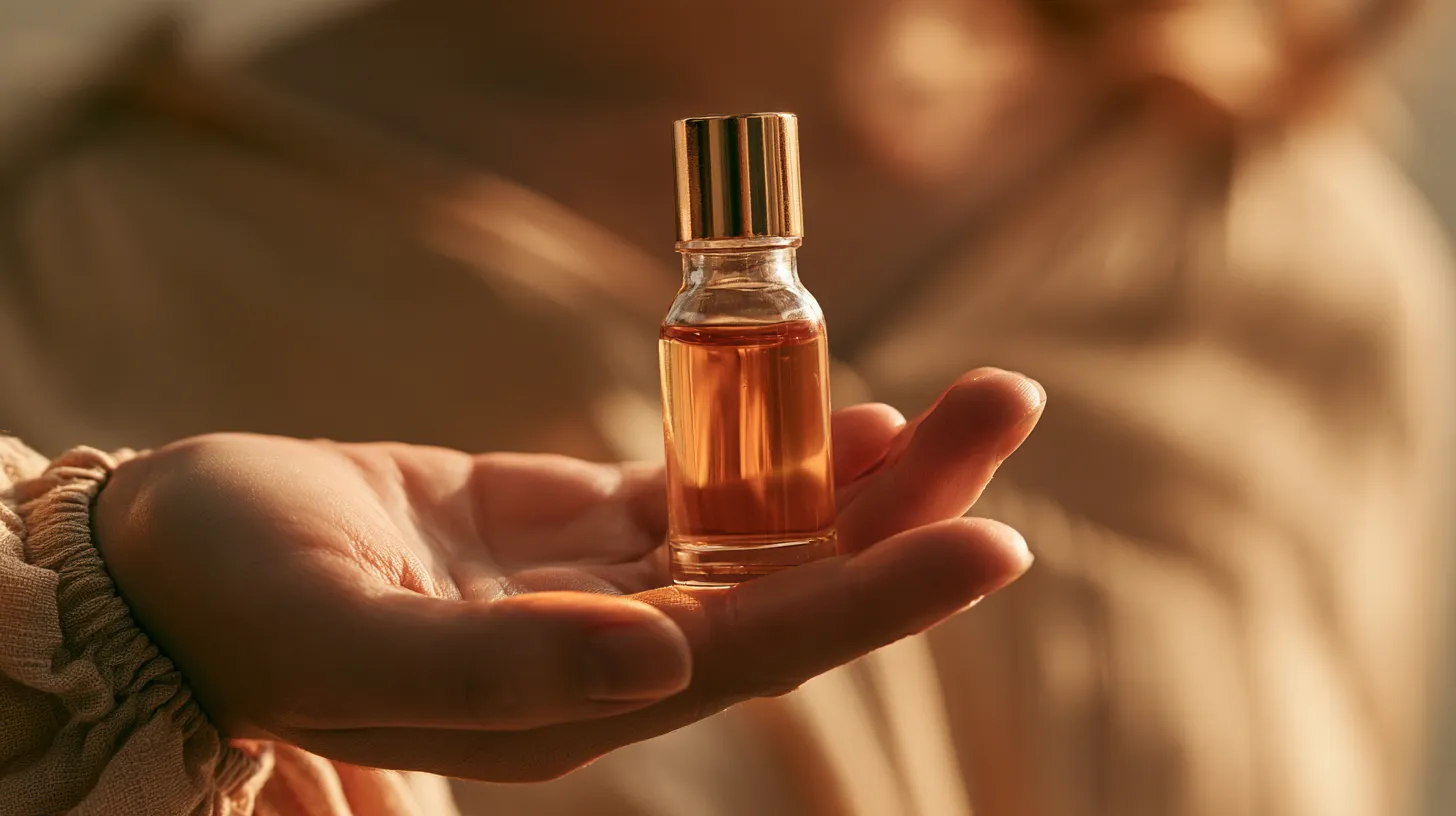
Picking the right castor oil is the most important part of using it. The best choices are labeled as both cold-pressed and hexane-free, as these factors directly affect how well the oil works and how safe it is for your skin and health.
The cold-pressed method means the oil is extracted from castor beans without using heat. This matters because high temperatures can destroy the delicate compounds, especially ricinoleic acid, which is the main active ingredient that gives the oil its powerful soothing, moisturizing, and anti-inflammatory benefits.
Choosing a hexane-free product ensures that no harsh chemical solvents were used during extraction. This keeps the oil pure and avoids leaving behind any irritating chemical residues.
Castor Oil Patch Test for Allergies
Before using castor oil, it’s a good idea to do a patch test first.
To do a patch test, put a small, diluted drop of castor oil on a hidden spot, like your inner arm or behind your ear. Leave it there for 24 to 48 hours. During that time, check for any signs of trouble, such as redness, itching, swelling, bumps, or a rash.
If you notice any of those issues, rinse the area with water right away and stop using the oil. If everything looks clean and calm, you can continue to use it.
Castor Oil Dilution Guidelines
Castor oil is thick and strong, so putting it directly on sensitive or delicate skin can sometimes cause redness or discomfort.
This is especially true for first-time users, people with easily irritated skin, and areas like the face, around the eyes, or other thin-skinned spots. Diluting it first is a simple way to enjoy its key skin benefits—like moisturizing and conditioning—without irritation.
To make a gentler blend, mix castor oil with a mild, non-comedogenic carrier oil such as jojoba, sweet almond, argan, or grapeseed oil.
How to Store Castor Oil
The main things that damage castor oil are light, heat, and air. These cause oxidation, which breaks down the oil and reduces its helpful properties.
To protect it, keep the oil in a cool, dark spot, like a cupboard or a drawer away from the stove or radiators.
Castor Oil Precautions and Doctor Consultation
To protect your health, it’s important to know how to use castor oil correctly. Many people use it safely on the skin, but there are times when you need medical advice first. This is especially true if you’re thinking about taking it internally or if you already have a health condition.
Taking castor oil by mouth works as a strong laxative, so it should not be done without a doctor’s guidance. If used on your own, it can cause severe dehydration, electrolyte imbalances, and painful stomach issues like cramping and diarrhea.
Internal use is not recommended for anyone with inflammatory bowel disease, appendicitis, or other acute abdominal problems. Pregnant or breastfeeding women should also avoid taking it internally because it may affect the uterus and could harm infants. Those with kidney disease, liver conditions, or heart problems should check with their doctor before using castor oil any way, since it may interfere with medications.
Even for external use, it’s smart to do a patch test first to check for allergies, so consider your needs and your conditions carefully before use.
Frequently Asked Questions
What is castor oil and where does it come from?
Castor oil is derived from the seeds of the Ricinus communis plant, which is cultivated worldwide but originated in tropical Africa and India. The seeds are pressed to produce a light yellow liquid known for its unique chemical structure and special properties.
How can castor oil benefit my skin?
Castor oil acts as a deep moisturizer and emollient, drawing and holding water to hydrate and soothe dry or irritated skin. Its main component, ricinoleic acid, helps calm inflammation, reduce redness, and can even cleanse pores for acne-prone skin.
Can castor oil help my hair grow?
Castor oil is believed to help hair grow healthier and stronger by improving blood flow to the scalp. When massaged in, it boosts circulation to hair follicles, delivering important nutrients, vitamins, and oxygen to the roots. It can also be used to help eyebrows look thicker and fuller.
Is it safe to take castor oil internally for constipation?
Castor oil has traditionally been used as a mild laxative for occasional constipation, releasing ricinoleic acid in the small intestine to stimulate muscle contractions. However, it must be used with caution, and it is very important to talk to a healthcare provider before taking it internally.
What kind of castor oil should I buy for the best results?
For the best results, choose castor oil that is labeled as both cold-pressed and hexane-free. Cold-pressed extraction avoids high heat which can destroy beneficial compounds like ricinoleic acid, while hexane-free means no harsh chemical solvents are left in the oil.
How do I know if I’m allergic to castor oil before using it widely?
Before widespread use, always perform a patch test by applying a small, diluted drop of castor oil to a hidden skin spot like your inner arm or behind your ear. Leave it for 24 to 48 hours and check for any signs of an adverse reaction. If you see irritation, rinse the area and stop your usage.