
Rosemary Essential Oil: Benefits and Uses
Rosemary Essential Oil: Uses and Benefits
Nothing smells quite as good as rosemary essential oil, in our opinion. Use it for its health, medicinal or herbal properties, all of which have deep roots in human history.
Rosemary Essential Oil: Source and Origin
Rosemary essential oil is an aromatic liquid extracted from the Rosmarinus officinalis plant. The oil is usually made through steam distillation, and the resulting amber liquid has the herbaceous aroma that characterizes rosemary, making you think of herb gardens and summer days.
Cultures from ancient Greece and Rome to Egypt revered rosemary for its sensory and medicinal properties. It was used in cooking for its distinct flavor, in traditional healing practices, and in spiritual rituals as a symbol of remembrance. Today, it is one of the most popular essential oils available on the market.
How Rosemary Oil Is Extracted (Steam Distillation)
Rosemary essential oil is typically extracted through the process of steam distillation.
It begins with rosemary plants, specifically the leaves and flowering tops, which are placed into a still. As the water is heated to boiling, it produces steam that rises and passes through the plant material.
The mixture of steam and vaporized essential oil then travels through a tube, which is typically coiled and surrounded by cold water. This sudden drop in temperature causes the steam and oil vapors to condense back into liquid form.
Because oil and water do not mix and have different densities, the rosemary essential oil will naturally separate and float on top of the water. The oil is simply skimmed off or drained from the top, the same basic process explaining how essential oils are made from plant to bottle.

What Does Rosemary Oil Smell Like?
Rosemary essential oil has a distinctive scent most people can recognize immediately, evoking a pleasant garden on a warm day.
Together, its main qualities – herbaceous, camphoraceous, and piney – create a singular, memorable scent that is both uplifting and grounding, and which can be used for many purposes.
Rosemary Oil Benefits at a Glance
I’ve used rosemary oil, properly diluted, for everything from muscle massages to sharper focus, so here’s the quick rundown before we get into the details.
Hair growth: add a few drops to my scalp routine to help reduce shedding and support thicker-looking hair
Memory & focus: diffuse it while working; some research backs it for mental clarity
Skin health: helps calm irritation and gives my skin a more even tone
Pain relief: rub it (diluted) into sore muscles and joints after workouts
Circulation: supports healthy blood flow, especially when massaged in
Stress relief: a few drops in my diffuser is part of my wind-down routine
Antimicrobial properties: use it around the house as a natural cleaning booster
Keep reading for the science behind each one.

Rosemary Oil for Hair Growth and Scalp Health
Does Rosemary Oil Actually Grow Hair? What the Research Shows
The short answer is: yes, it can help.
The most frequently cited research in this area is a 2015 comparative study published in Skinmed. It directly compared the efficacy of rosemary oil to minoxidil 2% for treating androgenetic alopecia, a common form of hair loss, over a six-month period.
Participants with androgenetic alopecia were randomly assigned to use either rosemary oil or minoxidil 2% topically twice daily. The results were noteworthy: after three months, neither group showed significant changes, but by the six-month mark, both groups experienced a statistically significant increase in hair count.
Other research suggests rosemary oil may work by improving blood circulation to the scalp, delivering essential nutrients to hair follicles, and potentially reducing inflammation.
How Rosemary Oil Stimulates Scalp Circulation
Rosemary oil contains bioactive compounds that contribute to scalp health and hair growth. Among these, carnosic acid is a particularly important active ingredient. When applied topically to the scalp, these beneficial compounds interact with the skin’s surface and penetrate the structure of the blood vessels underneath.
Rosemary oil’s components possess properties that promote vasodilation, a physiological process involving the widening of blood vessels. This effect directly leads to an increase in blood flow to the treated areas of the scalp.

Rosemary Oil for Dandruff and Dry Scalp
Rosemary oil provides a direct solution for individuals grappling with dandruff and dry, irritated scalp. It contains significant antifungal properties which directly target and help to control the microorganisms that cause this.
A dry scalp typically indicates a lack of adequate moisture, manifesting as tightness, itchiness, and fine flakes. The oil’s well-documented capacity to enhance blood circulation brings an increased supply of essential nutrients and oxygen to the hair follicles and surrounding skin cells.
Plus, it smells good and feels good to have near your face.
How to Use Rosemary Oil for Hair Growth

Incorporating rosemary oil into your hair care routine for growth and scalp health is a straightforward process that gives the best results with consistent application.
-
Pure rosemary essential oil is potent and should always be diluted before direct application to the scalp. A good ratio involves combining a few drops of rosemary oil with a carrier oil. For every 5 drops of rosemary essential oil, use approximately one teaspoon of a good carrier oil.
-
After dispening the drops, mix them thoroughly in a small bowl or in the palm of your hand just before use.
-
Apply and massage the solution into your scalp. Focus on areas where you desire hair growth or where your scalp feels particularly dry. Using your fingertips, gently massage the oil into your scalp in circular motions for about 5 to 10 minutes.
Aim to apply the rosemary oil mixture to your scalp two to three times per week. You can leave the oil on your scalp for at least 30 minutes before washing your hair with a gentle shampoo and conditioner. Some people prefer to leave it on overnight for extended absorption.
Rosemary Oil for Focus, Memory, and Cognitive Function
Why Rosemary Is Called the “Herb of Remembrance”
Rosemary has long been cherished as the “Herb of Remembrance,” a title that speaks to its deep-rooted historical and cultural association with mental clarity. For centuries, various cultures have linked rosemary with the mind, often using it in rituals and practices linked to memory.
Ancient Greek scholars were known to wear wreaths of rosemary while studying or taking examinations. They believed that the herb enhanced their ability to recall information and maintain focus during intense intellectual tasks - something you still might find to be true today!
Can Rosemary Oil Improve Memory and Focus? What Studies Show
Rosemary oil has been studied for its potential to enhance cognitive functions such as memory and focus, and it’s one of several essential oils for focus, energy, and mental clarity. The primary active compound, 1,8-cineole, is believed to play a significant role in these benefits.
A 2012 study published in Therapeutic Advances in Psychopharmacology looked at participants exposed to rosemary oil, who subsequently improved their scores on tasks involving actions in the future. The study also identified a direct correlation between higher levels of 1,8-cineole in the bloodstream and enhanced cognitive performance, suggesting a direct physiological link.
A 2017 study featured in the International Journal of Neuroscience explored the effects of rosemary essential oil aroma on mood and cognitive performance in healthy adults. It reported improvements in alertness and an overall enhancement in the quality of memory after exposure to the oil’s scent.
While more research still needs to be done, it’s looking like rosemary oil has postive associations with the mind’s performance.
Using Rosemary Oil to Fight Mental Fatigue
Rosemary oil presents a practical and accessible tool for combating mental weariness, offering a natural method to refresh the mind and restore alertness.
Diffusing a few drops in a study space provides a continuous, subtle stimulant, helping to sustain concentration during complex assignments or exam preparation. A quick inhale directly from the bottle before a lecture or during a study break can offer a small mental uplift right when you need it.
Keeping a small bottle or a pre-diluted rollerball blend at your desk allows for discreet and convenient application. A dab on the wrists or temples during the afternoon or prior to an intricate task can improve your mental energy.
Best Ways to Use Rosemary Oil for Focus
Integrating rosemary oil into your daily routine for enhanced focus is straightforward - but there are a few different ways to do it.
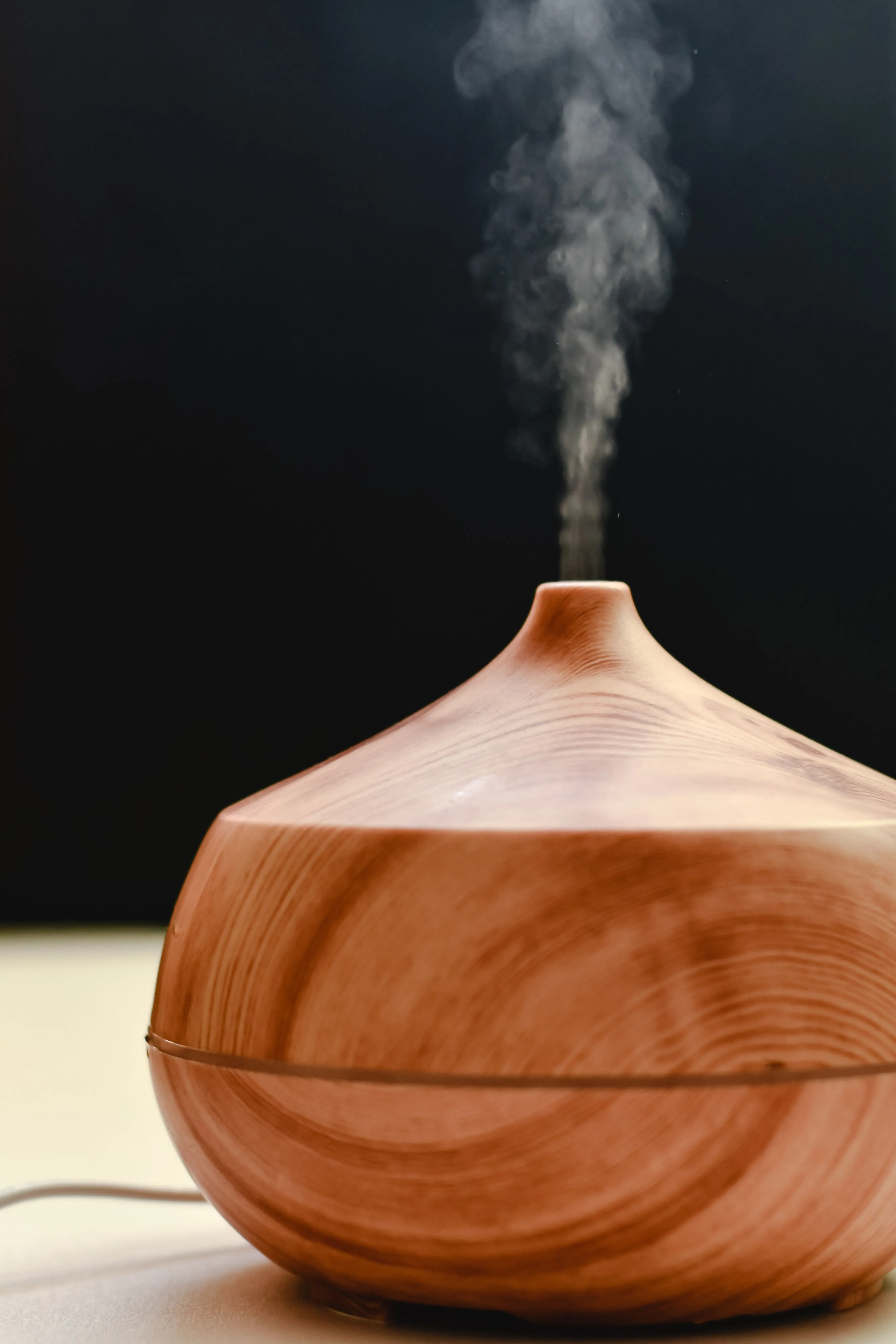
A small ultrasonic diffuser placed nearby can disperse the oil’s invigorating aroma throughout your immediate workspace. This can help to maintain concentration over long periods.
Another excellent method for direct and portable focus support is the use of an essential oil inhaler stick. These compact devices allow you to add a few drops of rosemary oil to an absorbent cotton wick. When you need a quick boost of focus, simply uncap the inhaler and take a few deep breaths.
For a more tactile application, rosemary oil can also be diluted with a carrier oil, such as jojoba or fractionated coconut oil, applied topically.
Rosemary Oil for Muscle and Joint Pain Relief
How Rosemary Oil Relieves Pain and Inflammation
Rosemary oil is thought to possess properties for alleviating pain and reducing inflammation. Its therapeutic benefits arise from a complex interplay of various bioactive compounds, including carnosol, carnosic acid, rosmarinic acid, and camphor, which work synergistically within the body.
The analgesic effect of rosemary oil is mediated by these potent phytochemicals. When applied topically, compounds like camphor are believed to interact with specific nerve endings, creating a sensation that can distract from or override pain signals. Additionally, carnosic acid and carnosol may influence internal pain pathways, potentially reducing the excitability of sensory neurons.

Using Rosemary Oil for Sore Muscles and Sprains
Rosemary oil offers a natural approach to addressing discomfort associated with sore muscles and minor sprain. The oil is recognized for its warming properties and its ability to help improve circulation.
For specific use on sore muscles, begin by diluting rosemary essential oil with a carrier oil such as jojoba, almond, or coconut oil. Gently massage this diluted blend directly onto the affected muscle groups.
For minor sprains, after ensuring there is no open wound, apply the diluted rosemary oil to the sprained area with a light, circular motion.
If you have a partner who enjoys massages, it can be a nice oil to add to your beside table, something I can vouch for myself.
Using Rosemary Oil for Joint Pain
Applying rosemary oil to affected joints can provide a soothing sensation and support the body’s natural processes for managing localized irritation.
Remember to blend a few drops of rosemary essential oil with a suitable carrier oil, such as jojoba oil, almond oil, or coconut oil.
How to Apply Rosemary Oil Topically for Pain Relief
Once you have prepared your diluted mixture, ensure the skin area you intend to treat is clean and dry. Apply a small amount of the blended oil to the specific muscle or joint experiencing discomfort. Gently rub the oil into the skin using slow, circular motions.
Continue this gentle massage for several minutes, allowing the oil to penetrate the skin and its therapeutic properties to begin working. Remember, it takes some time, so take your time.
Rosemary Oil for Stress, Anxiety, and Mood
Rosemary Oil’s Effect on Cortisol Levels
Rosemary oil’s ability to influence cortisol levels is a significant benefit. Cortisol, the body’s primary stress hormone, is released in response to stressors to help the body cope.
Studies have explored the impact of rosemary oil, particularly through aromatherapy, on this physiological stress marker. Research indicates that inhaling the distinctive aroma of rosemary essential oil can lead to a measurable reduction in salivary cortisol levels. The aromatic molecules in rosemary oil are believed to interact with olfactory receptors, moderating the body’s stress response.
By helping to lower physiological markers of stress, rosemary oil can temper feelings of tension and anxiety. It’s one of several essential oils for stress relief worth keeping on hand.
Using Rosemary Oil for Anxiety and Fatigue
Rosemary oil offers a compelling natural resource for people navigating anxiety and fatigue.
Diffuse the oil into your living or workspace room to let its aromatic compounds gently fill the air. For more direct application, diluting rosemary oil with a suitable carrier oil and massaging it into areas like the wrists, temples, or the back of the neck can provide targeted relief.
If you want something faster, a quick inhalation directly from the bottle or from a few drops on a tissue can also help at any time of the day.
Best Aromatherapy Methods for Mood Support
Rosemary oil offers a few applications for those seeking mood support through aromatherapy. For instance, creating a pleasant atmosphere or applying the oil in a place where you can smell it can both be very effective.
In my experience, rosemary oil integrates seamlessly into daily routines, whether at home, in the workplace, or while traveling, and fits naturally into evening wind-down rituals as well.
Rosemary Oil for Skin: Antimicrobial and Antioxidant Benefits

Rosemary Oil’s Antimicrobial Properties
Rosemary oil is thought to possess antimicrobial properties, which can make it a valuable natural agent for skin health. These benefits stem from its rich composition of bioactive compounds, including alpha-pinene, camphor, 1,8-cineole, and rosmarinic acid.
Rosemary oil can inhibit the growth of common skin bacteria, which are often implicated in conditions like acne and other superficial infections. By disrupting bacterial cell membranes and interfering with their metabolic processes, the oil helps to reduce bacterial populations on the surface of the skin.
Beyond bacteria, rosemary oil also exhibits antifungal capabilities. It is effective against certain types of fungi that can cause skin irritation or conditions like athlete’s foot and ringworm.
Rosemary Oil for Blemishes and Skin Health
Rosemary oil offers a valuable natural approach for addressing blemishes and promoting overall skin health through direct application. Beyond its ability to combat unwelcome microorganisms, rosemary oil also delivers notable antioxidant benefits to the skin.
The oil possesses anti-inflammatory qualities that can soothe irritated skin. Rosemary oil can help to reduce visible irritation and promote a more even skin tone.
Rosemary Oil’s Antioxidant Power and Cellular Health
The presence of potent compounds within rosemary oil, notably carnosic acid and rosmarinic acid, allow it to guard against harmful free radicals. By doing so, rosemary oil helps to safeguard the structural integrity and functional efficiency of skin cells.
Rosemary Oil for Colds, Congestion, and Respiratory Health
How Rosemary Oil Helps Clear Congested Airways
Rosemary oil offers significant support for respiratory health, particularly when dealing with congested airways, due to its notable expectorant properties. An expectorant is a substance that helps to clear mucus from the airways. When you inhale rosemary oil, its active compounds, primarily 1,8-cineole, interact with the respiratory system to thin accumulated mucus, making it easier to expel.
Using Rosemary Oil for Colds, Flu, and Allergies
Rosemary oil offers a natural approach to supporting well-being when dealing with common ailments like colds, flu, and seasonal allergies, especially if you are looking for something mild to gently help, similar to other essential oils for seasonal comfort and wellness.
For colds and flu, the oil contains compounds that act as natural expectorants and decongestants, helping to clear nasal passages and ease breathing. Inhaling rosemary vapor can help to relieve chest congestion, making it easier to breathe and promoting openness in the respiratory system.
Best Inhalation Methods: Steam vs. Diffusing
Steam inhalation provides a direct and immediate route for utilizing rosemary oil’s respiratory benefits. This method involves adding one to two drops of rosemary essential oil to a bowl of freshly boiled, though slightly cooled, water. The person then leans over the bowl, covering their head and the bowl with a towel, and inhales the aromatic steam for five to ten minutes.

Alternatively, diffusing rosemary oil offers a more subtle and sustained way to feel the benefit. An electric diffuser disperses a fine mist of water and essential oil into the surrounding air. Adding three to five drops of rosemary oil to the diffuser’s water tank and running it for 30-60 minutes allows for continuous inhalation over a longer period.
How to Use Rosemary Oil Safely
Always Dilute Before Topical Use
Applying rosemary essential oil directly to the skin without proper dilution can cause irritation, redness, or allergic reactions. Essential oils are highly concentrated plant extracts, possessing potent properties that require careful handling to ensure your safety, which is why dilution matters more than you think.
Carrier oils, such as jojoba, almond, or coconut oil, dilute the essential oil, reducing its intensity while still allowing your skin to absorb its beneficial compounds. If you’re unsure which to reach for, this carrier oil guide breaks down the options.
The following ratios serve as general guidelines:
- For every 1 teaspoon of carrier oil, add 1-2 drops of rosemary essential oil.
- To create a 1% dilution, mix 6 drops of rosemary essential oil per 1 fluid ounce (approximately 30 ml) of carrier oil.
- For a slightly stronger 2% dilution, combine 12 drops of rosemary essential oil with 1 fluid ounce (30 ml) of carrier oil.
- When preparing a larger batch, combine 30 drops of rosemary essential oil with 5 tablespoons of carrier oil.
Before applying any new mixture to a larger area of your body, always perform a patch test.
How to Do a Patch Test
Performing a patch test is a good preliminary step before fully incorporating rosemary oil into your routine. For the full walkthrough, see how to patch test essential oils properly.
-
Select a small, discreet skin area, such as your inner forearm or behind the ear.
-
Gently cleanse the chosen skin patch with mild soap and water, then pat it dry.
-
Prepare the rosemary oil exactly as intended for use. If diluting with a carrier oil, mix a tiny amount to your desired ratio. Apply a small drop of this diluted mixture to the clean skin.
-
Allow the diluted oil to remain on your skin. Covering the area with a small, breathable bandage is optional.
-
Wait for a minimum of 24 to 48 hours, since skin reactions can be delayed.
-
Observe the tested area for any adverse reactions, including redness, itching, burning, swelling, or a rash.

Is It Safe to Ingest Rosemary Oil?
The short answer is no, it is generally not safe to ingest rosemary essential oil. Don’t do this. For more on this, see can you ingest essential oils: the honest answer.
While fresh or dried rosemary herb is commonly used in cooking and offers various health benefits when consumed as food, rosemary essential oil is a highly concentrated substance that is not intended for internal use.
Rosemary Oil During Pregnancy and Other Contraindications
When considering the use of rosemary oil, particularly for topical or aromatic applications, it is essential to be aware of specific situations where its use may not be advisable. For a broader rundown, see essential oils and pregnancy: what’s safe and what’s not.
One area of caution involves pregnancy and breastfeeding. Due to a lack of extensive research on the effects of concentrated essential oils on fetal development and infant health, it is generally recommended that pregnant individuals avoid its use.
People with epilepsy should not use rosemary oil, as its stimulating properties could potentially trigger seizures or exacerbate existing conditions. Those with high blood pressure should also be careful, as rosemary oil can sometimes cause an increase in blood pressure. People with bleeding disorders or those preparing for surgery should be wary as well, since rosemary oil may affect blood clotting.
Always consult with a healthcare professional before incorporating rosemary oil into your routine, and review these essential oil safety rules as a general baseline.
How to Store Rosemary Oil Properly
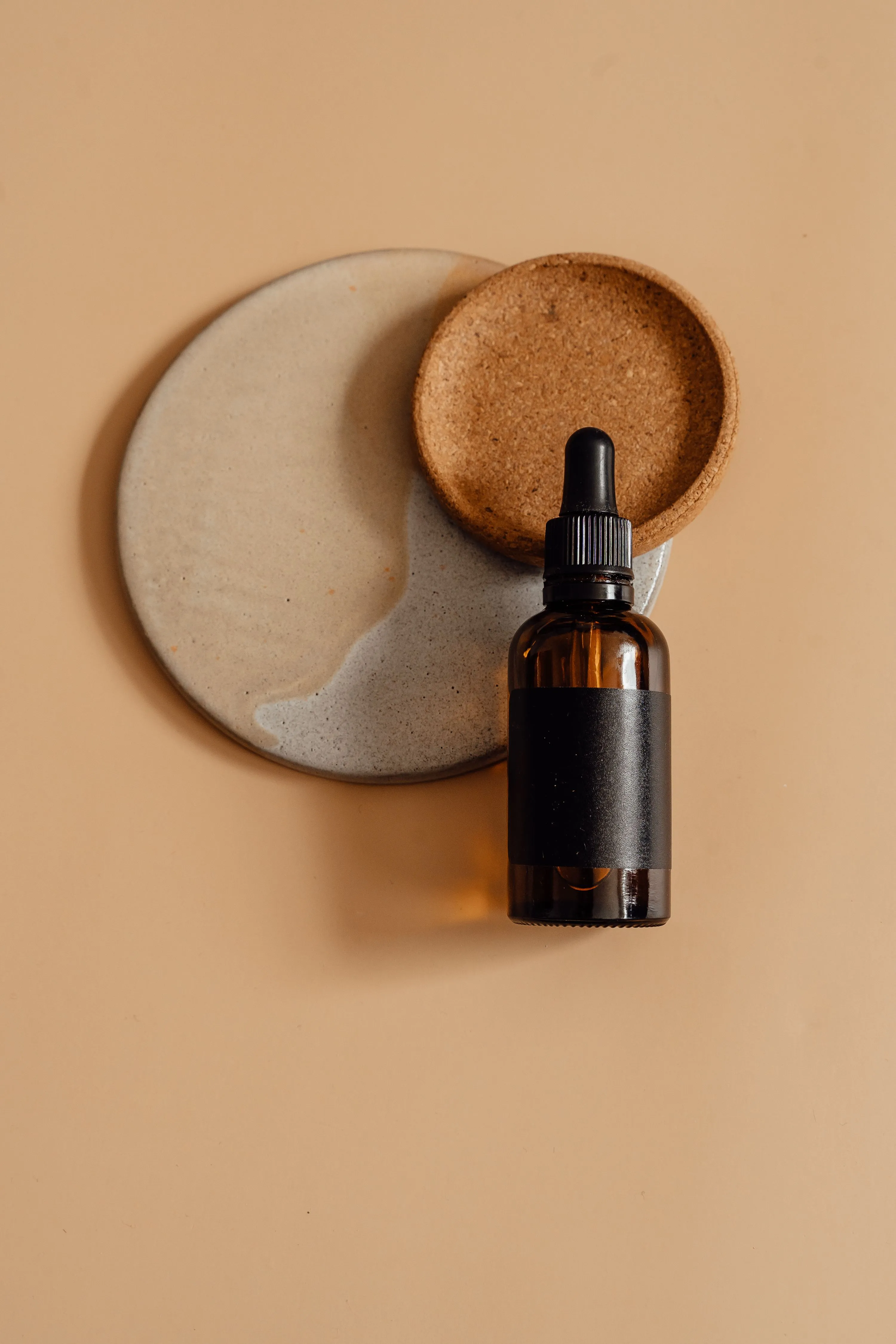
Essential oils, including rosemary oil, are volatile compounds that can degrade when exposed to certain environmental factors. For the complete guide, see how to store essential oils the right way.
The most important step is to keep rosemary oil in its original dark glass bottle. These bottles are specifically designed to protect the oil from light degradation. Amber or cobalt blue glass bottles are ideal.
Beyond the container, the cap plays a significant role. Always ensure the bottle is tightly sealed immediately after each use.
Temperature is another critical factor. Rosemary oil should be stored in a cool, stable environment. Do not let your rosemary oil bottles overheat.
Frequently Asked Questions About Rosemary Oil
Can I Put Rosemary Oil Directly on My Scalp?
Applying rosemary essential oil directly to your scalp is not generally recommended. Essential oils are highly concentrated plant extracts, and their potency can cause irritation, redness, or sensitivity when applied undiluted to the skin.
Common carrier oils you can safely use to mix with rosemary oil include jojoba oil, coconut oil, almond oil, or argan oil. A good general guideline is to mix a few drops of rosemary oil, typically 3 to 5 drops, with about a teaspoon of your chosen carrier oil.
Is Rosemary Oil Safe During Pregnancy?
Regarding rosemary oil use during pregnancy, it is recommended that you exercise caution and consult with a healthcare professional before use. Some concerns relate to the potential for certain compounds in concentrated rosemary oil to stimulate uterine contractions or affect blood pressure.
How Often Should I Use Rosemary Oil for Hair Growth?

For optimal hair growth results, most experts and users recommend a consistent application of rosemary oil. A good starting point is to use it two to three times per week. This frequency allows your scalp and hair follicles to regularly benefit from the oil’s properties without overwhelming them. If that works for you without any ill effects, you can up the frequency.
How Long Does It Take to See Results?
Understanding the timeline for experiencing the benefits of rosemary oil requires a realistic perspective. Most users begin to notice initial changes after consistent application for at least two to three months.
Can I Mix Rosemary Oil with Other Essential Oils?
Yes, you can mix rosemary oil with other essential oils. Blending essential oils is a common practice in aromatherapy and for topical applications, allowing for a synergistic effect where the combined properties can offer enhanced benefits or a more complex aromatic experience.
If you’re new to this, a beginner’s guide to blending essential oils is a good place to start.
Choosing and Buying High-Quality Rosemary Oil
What “Therapeutic-Grade” Actually Means
The term “therapeutic-grade” often appears on essential oil bottles, including rosemary oil, suggesting a superior level of quality or efficacy. However, it is important to understand that this phrase is primarily a marketing term and does not denote an official certification or standard set by any regulatory body. For a deeper breakdown, see the truth about pure and therapeutic grade oils.
A key indicator of a high-quality essential oil is the availability of Gas Chromatography-Mass Spectrometry (GC/MS) test results. For rosemary oil, GC/MS testing confirms the presence and proper ratios of key beneficial components like 1,8-cineole, alpha-pinene, and camphor.
Beyond chemical analysis, sourcing transparency is equally crucial. Understanding where the rosemary plants are grown, the agricultural practices employed, and the distillation methods used provides invaluable insight into the oil’s quality.
How to Spot a Low-Quality Oil

To identify low-quality or adulterated rosemary oil, several key indicators can guide your selection process — the same red flags covered in how to spot low-quality essential oils quickly.
Producing pure essential oils requires significant plant material and meticulous extraction methods. Review the product label carefully for a clear indication of 100% pure essential oil, along with its botanical name, Rosmarinus officinalis.
A quick test involves placing a single drop on a piece of paper; pure essential oils evaporate cleanly, leaving no greasy ring. An oily residue indicates dilution with a fixed or carrier oil, a no-no if you ordered the pure essential oil.
Where to Buy Pure, Ethically Sourced Rosemary Oil
Prioritize companies that specialize in essential oils and provide comprehensive information about their products. Look for brands that clearly state the botanical name, Rosmarinus officinalis, to confirm you are purchasing the correct species.
Companies committed to responsible practices will often detail their harvesting methods, support for local communities, and environmental sustainability efforts. Some brands go a step further by offering certifications like organic or fair trade. High-quality essential oil suppliers frequently provide Gas Chromatography Mass Spectrometry, or GC/MS, reports.
Pure rosemary oil should generally be sold in dark glass bottles, such as amber or cobalt blue, to protect it from light degradation.