
Citronella essential oil is extracted by steam-distilling Cymbopogon grasses, primarily Cymbopogon nardus and Cymbopogon winterianus. Known for its strong citrus and rose-like aroma from compounds like citronellal and geraniol, it is widely used for creating comfortable outdoor spaces by masking human scents from insects, air purification, odor elimination, skin care, hair care, soothing muscles, and mood-boosting aromatherapy.
Table of Contents
- A Citrus Scented Legend
- Sourcing The Sweet Grass
- Patio Power
- Beyond The Bug Repellent
- Fresh Air Sanctuary
- Scalp And Hair Care
- Glowing Skin Routines
- Soothing Tired Muscles
- Mood Boosting Aromatherapy
- Odor Busting Cleaner
- Smelly Shoe Solution
- Pet Safety Rules
- Safe Dilution Guidelines
- Spotting Pure Quality
A Citrus Scented Legend
Citronella essential oil comes from aromatic Cymbopogon grasses, mainly two species: Cymbopogon nardus (Ceylon citronella) and Cymbopogon winterianus (Java citronella). These tropical grasses grow in warm parts of Asia, forming dense green clumps rich in fragrant compounds. The oil is extracted by steam-distilling the grass, producing a clear to pale yellow liquid.

The oil’s key active ingredients are citronellal and geraniol. Citronellal gives the sharp, fresh lemon-like top note, while geraniol adds a softer, rose-like floral undertone. Together they create citronella’s signature scent—uplifting and recognizable. Other compounds like citronellol, limonene, and various esters also contribute to the overall aroma.
These compounds are what make the essential oil useful. They give it its strong citrus fragrance and natural functional properties, making citronella oil valued for its aromatic and botanical effects. The balance of citronellal and geraniol is especially important, as it forms the core of the oil’s character and effectiveness.
Sourcing The Sweet Grass
To get citronella oil, farmers first grow and cut the sweet citronella grass. The cut grass is placed into a large vessel for a To get citronella oil, farmers first grow and cut the sweet citronella grass. The cut grass is placed into a large vessel for a process called steam distillation. Below the grass, water is heated until it becomes steam, which then rises and flows directly through the plant material.
As hot steam passes through the blades, it opens the tiny glands inside them, releasing the plant’s aromatic oil. These oil droplets turn into a vapor and mix with the steam. This scented vapor travels through a cooling tube, where the rapid drop in temperature turns it back into a liquid.
After cooling, the liquid is a mix of water and oil, but since they don’t blend, the lighter oil floats on top of the heavier water (called a hydrosol). The pure oil is then carefully siphoned off, leaving just the water below. The result is a strong, unaltered oil that keeps all its natural freshness and effectiveness, ready for many uses.
Patio Power
Citronella essential oil is a time-honored way to make time outdoors more comfortable, especially when insects are bothersome. Its fresh, lemony scent helps create a more pleasant space for patio gatherings or backyard barbecues. The oil works mainly by hiding human scents: mosquitoes and biting insects locate people through the carbon dioxide, lactic acid, and other compounds our bodies naturally release.
When you diffuse citronella or burn candles and torches infused with it, the oil sends out a strong fragrance that spreads through the air. That aroma overpowers and masks the faint human scent trails insects normally follow. Instead of picking up a group’s carbon dioxide plume, mosquitoes run into a dense cloud of lemony smell, which makes it far harder for them to find their target and creates a protective barrier around your outdoor area.

This method is not about repelling bugs with a harsh odor—it’s about confusing their navigation. By scrambling their scent sensors, citronella encourages pests to move toward areas where human smells are easier to detect. That way, hosts and guests can enjoy meals, conversations, and relaxation without constant buzzing and biting. It’s a simple, natural approach to pest control that keeps outdoor gatherings pleasant and focused on people, not insects.
Beyond The Bug Repellent
Citronella essential oil is known for keeping bugs away, but it has many other useful everyday functions. Its natural cleaning properties make it a great addition to DIY surface cleaners. When diluted and used on countertops or sinks, it leaves a fresh, crisp scent while helping clean without harsh chemicals.
It can also support skincare routines when properly diluted with a carrier oil and added to lotions or balms. This gives a refreshing feeling, but it’s important to Before applying to a larger area, do a patch test. Beyond physical uses, its bright, lemony, woody aroma is uplifting. Diffusing it can create a more positive and energized atmosphere, which is helpful for mental pick-me-ups at home or in a home office.
Citronella is also excellent at removing odors. Its strong, fresh scent can neutralize unpleasant smells in stale rooms, pet areas, or shoe cabinets. A few drops in a diffuser or a water spray bottle can quickly refresh a space with a clean, invigorating fragrance. These uses show that citronella essential oil is a versatile natural resource for a healthier, more pleasant home.
Fresh Air Sanctuary
Citronella essential oil is a great way to freshen up any home. Its bright, herbal scent is more than just pleasant—it helps purify the air by fighting airborne germs and getting rid of stubborn, lingering odors. Adding it to your regular home care routine makes indoor spaces feel cleaner, livelier, and more inviting.
A simple method is to put a few drops of citronella oil into a cold-air diffuser. Running it for 20–30 minutes in living rooms or kitchens helps break down odor molecules and refresh the space. For ongoing freshness, you can diffuse it off and on throughout the day, especially after cooking or when a room feels stuffy.
You can also mix citronella with other oils for better results. For an uplifting blend, combine 5 drops of citronella, 3 drops of lemon, and 2 drops of eucalyptus. To tackle tough smells like pet odors or mustiness, mix 6 drops of citronella with 4 drops of tea tree oil. These diffuser recipes help deep-clean the air, leaving every breath feeling fresh and rejuvenating.
Scalp And Hair Care
Citronella essential oil can help soothe an itchy scalp when properly diluted and used in hair care. Its natural properties calm irritation and reduce the urge to scratch, which supports overall scalp comfort and health.
It also helps balance the scalp’s natural oil production. By regulating sebum, it prevents the scalp from becoming too oily or too dry, creating a healthier environment for hair to grow.
In addition, citronella oil can help reduce dandruff by restoring balance to the scalp and easing flakiness. With a healthier scalp, hair follicles work better, leading to smoother, shinier hair. Adding diluted citronella oil to shampoos, conditioners, or leave-in treatments can boost hair’s natural glow without artificial additives.
Glowing Skin Routines
Citronella essential oil can be a helpful addition to a glowing skin routine, especially for people with acne or very oily skin. Its natural antibacterial properties work to fight the bacteria that cause breakouts inside pores. By making it harder for bacteria to grow, the oil supports the skin’s healing and helps prevent new blemishes from forming.
The oil also helps balance the skin’s oil production. For those with oily or combination skin, this is important. When properly diluted and applied, citronella can regulate sebum levels, reducing that greasy feeling and helping to prevent clogged pores. This leads to a clearer, more even complexion that feels less oily through the day and has a fresher, matte look.
This dual action—fighting acne-causing bacteria and balancing oil—makes citronella a valuable part of a gentle, radiant skin routine. Always dilute it with a carrier oil before use to avoid irritation and let your skin adapt slowly to its clarifying effects.
Soothing Tired Muscles
Citronella essential oil is a great addition to massage blends for tired muscles and everyday aches. It works well in topical applications that promote comfort and relaxation. To use it safely, it should always be mixed with a carrier oil, such as jojoba, almond, or fractionated coconut oil. This dilution helps prevent irritation and allows the skin to absorb the oil properly, making the blend more effective.
One key use is easing joint stiffness. A citronella massage blend can be gently rubbed onto sore or stiff areas to bring warmth and improve flexibility, making movement feel easier and daily tasks less straining. It also helps with post-workout soreness. Applying the blend to tired, overworked muscles after exercise reduces tension and supports faster recovery, leaving muscles feeling refreshed and less fatigued.
These blends can also help with localized inflammation. The calming effect of citronella, combined with the massage, soothes irritated areas and reduces discomfort from minor inflammation. Together, the oil and massage create a relaxing experience that supports muscle recovery and overall well-being. With regular use, this simple routine can offer lasting relief and greater physical ease throughout the day.
Mood Boosting Aromatherapy
Citronella essential oil plays a useful role in aromatherapy by lifting mood and reducing stress. Breathing in its bright, lemony scent triggers a gentle response in the brain’s limbic system, which controls emotion and memory. This natural reaction helps bring emotional balance and supports a more positive mental state.
The crisp aroma also creates a quick sense of clarity and renewed energy. It helps relieve mental fatigue when the mind feels drained from daily tasks or long focus, acting like a reset button that clears fog and It helps relieve mental fatigue when the mind feels drained from daily tasks or long focus, acting like a reset button that clears fog and improves concentration without being overwhelming. Citronella can also soothe nervous tension by sending calming signals that quiet racing thoughts and ease mild anxiety, leaving you feeling grounded, refreshed, and calmly focused rather than drowsy.
Together, these effects refresh the spirit and build emotional resilience. Citronella oil’s clean, uplifting energy supports overall well-being and a more optimistic outlook. Adding it to a daily routine—through a diffuser or a properly diluted topical application—offers a simple way to invite more lightness and serenity, helping maintain a brighter mood and a relaxed demeanor.
Odor Busting Cleaner
Citronella essential oil is the star of a simple DIY cleaner that combines it with white vinegar and water. This mix works well on kitchen and bathroom countertops, cutting odors without harsh chemicals. The citronella adds a fresh, crisp scent that masks bad smells, while vinegar disinfects and breaks down grease and grime. Water dilutes the mix so it’s safe for everyday use.
Making the spray is easy: in a 16-ounce bottle, add about one cup of filtered water, half a cup of white vinegar, and 15–20 drops of pure citronella essential oil. Shake well before each use to blend everything together. Spray it on counters after meals, wipe clean, and use it on sinks, vanities, and tiles in the bathroom.
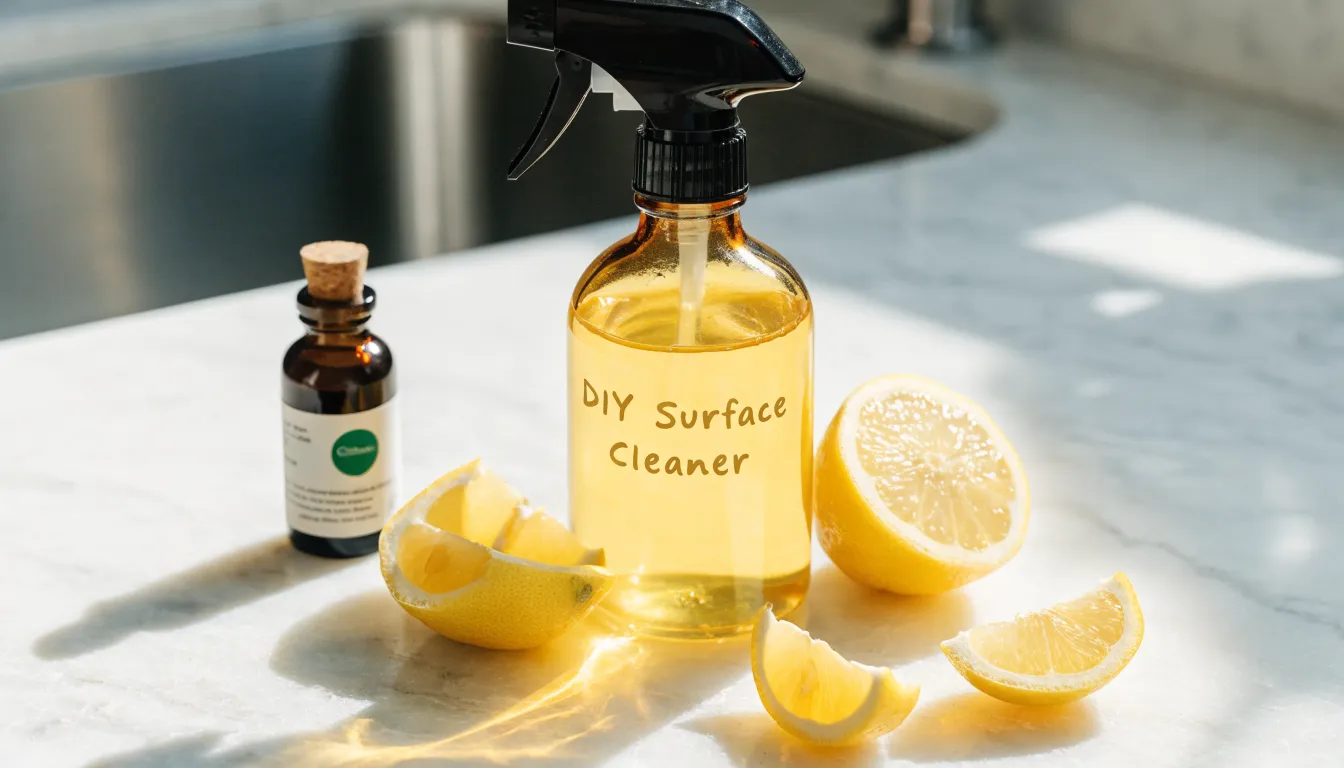
This homemade cleaner leaves a fresh, natural scent instead of chemical smells. It also helps break down mild stains and grime, supports a healthier home with fewer synthetic chemicals, and offers a cheap, eco-friendly alternative to store-bought products.
Smelly Shoe Solution
Citronella essential oil is a natural, effective way to fight the stubborn odors that build up in athletic shoes and gym bags. These smells usually come from bacteria growing in warm, moist places. Instead of just covering up the odor, citronella helps neutralize the bacteria that cause it.
One simple method is to make a shoe spray. Fill a small spray bottle mostly with water, add a splash of rubbing alcohol or witch hazel to help the oil mix evenly, then add 15 to 20 drops of citronella essential oil for every two ounces of liquid. Shake well before each use and spray the inside of your shoes, sneakers, and gym bags, especially in areas where odor collects. Let everything air dry completely, ideally overnight. This leaves a clean, crisp scent while targeting the bacterial source of the smell.
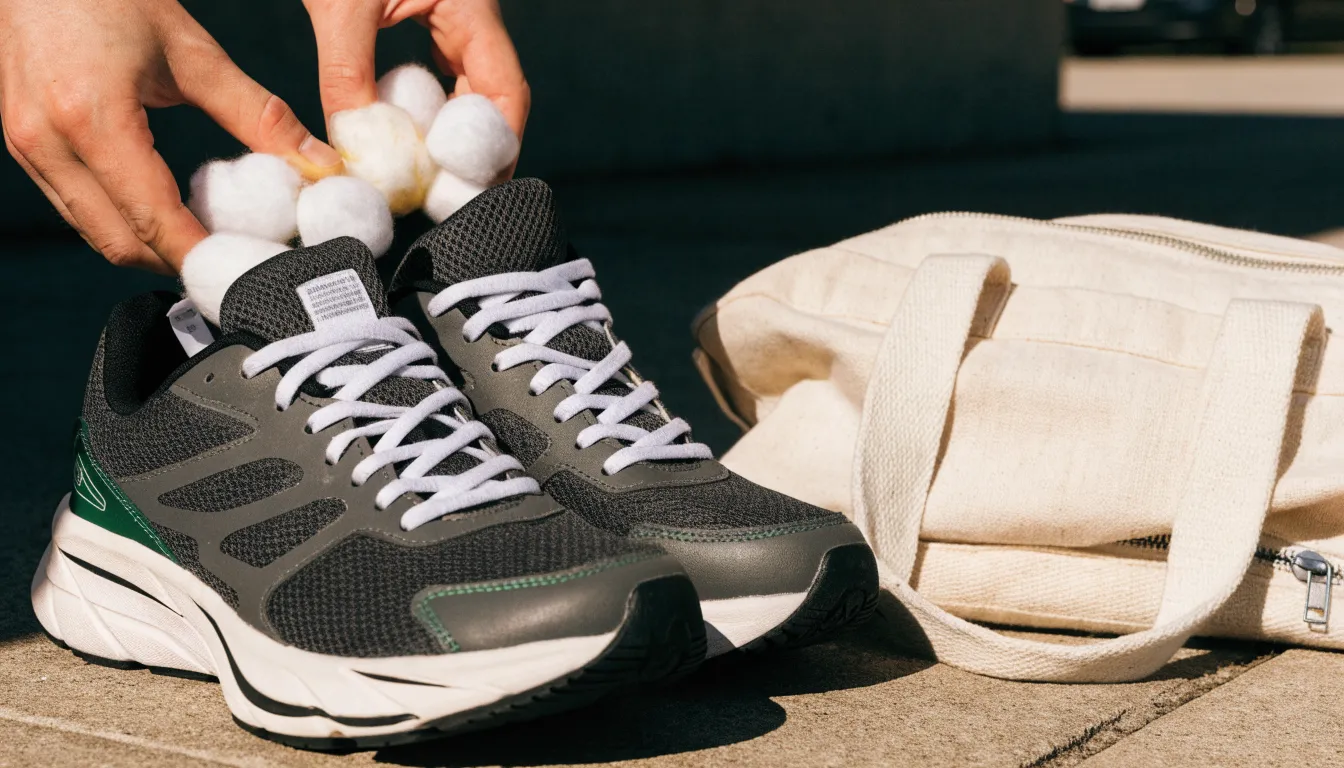
Another easy option is using cotton balls. Put a few drops of citronella oil on several cotton balls, then place them inside your shoes or tuck them into the pockets and compartments of your gym bag. Leave them overnight or between uses. The cotton balls slowly release the fresh scent while absorbing bad odors and making it harder for bacteria to grow. Used regularly, these methods keep your athletic gear smelling fresh and ready for your next workout.
Pet Safety Rules
Citronella essential oil can be risky for pets, even though it’s safe for humans. Dogs and cats process essential oils differently, and citronella can be toxic if swallowed, absorbed through the skin, or inhaled. Symptoms may include vomiting, diarrhea, tiredness, weakness, tremors, or trouble walking. Cats are especially at risk because their livers can’t break down certain oil compounds well.
If you use a diffuser, keep it in a well-ventilated room and make sure your pet can leave the area if the smell is too strong. Diffuse for only 15 to 30 minutes, and never leave it running unattended. Store diffusers and oil bottles where pets can’t reach them, so there’s no chance of spills or accidental ingestion.
Never apply citronella oil directly to a pet’s skin. Their skin absorbs oils more easily than human skin, and they may lick it off, leading to ingestion. Even diluted oil can cause irritation, burns, or toxicity. Don’t use citronella as a flea or tick treatment on pets. Always check with a veterinarian before using essential oils around animals, especially if your pet is young, old, or has health issues.
Safe Dilution Guidelines
Applying citronella essential oil directly to skin isn’t recommended because it’s strong and can irritate. Always dilute it with a carrier oil to enjoy its benefits safely. Good choices include jojoba oil, which mimics skin’s natural oils and absorbs without feeling greasy, and fractionated coconut oil, which is light, odorless, and moisturizing without clogging pores.
For adults, a standard dilution is 1% to 2%. For a 1% dilution, add about 6 drops of citronella oil to 1 ounce (30 mL) of carrier oil. For 2%, use about 12 drops. People with sensitive skin, children, and older adults should use even less, often 0.5% or lower. Measure carefully to keep the blend safe.
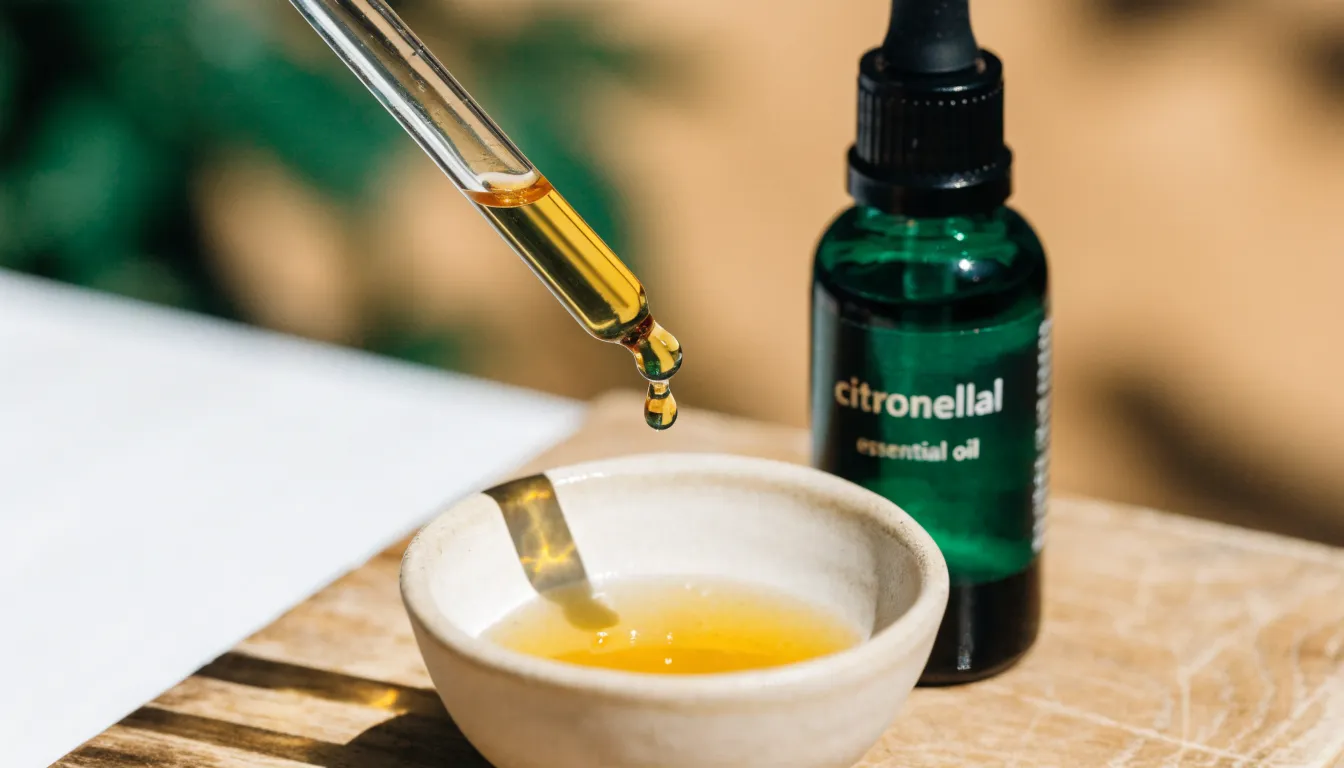
Before applying to a larger area, do a patch test. Mix your diluted oil, then apply a pea-sized amount to a small area like the inner forearm or behind the ear. Wait 24 to 48 hours and watch for redness, itching, burning, swelling, or rash. If none appear, the blend is generally safe for broader use.
Spotting Pure Quality
When choosing high-quality citronella essential oil, look for products that come with GC/MS testing results. This test breaks down the oil’s chemical makeup, proving it is pure and contains the right natural compounds. Trustworthy sellers offer these reports openly, so you can be sure the oil has no synthetic additives or fillers.
Another good sign is the Latin botanical name on the label. Citronella can come from different species, usually Cymbopogon nardus or Cymbopogon winterianus. Knowing the exact type helps you understand the oil’s scent and benefits, and it shows the producer cares about accuracy and plant integrity.
The packaging also matters. Pure citronella oil should be kept in dark glass bottles, like amber or cobalt blue, because these protect the oil from light damage. UV rays can break down the oil and reduce its strength and shelf life. Plastic bottles are a poor choice, since chemicals can seep into the oil over time. Choosing oil that meets these simple standards helps ensure you get a pure, potent, and well-preserved product.
Frequently Asked Questions
How is citronella essential oil made?
Citronella essential oil is extracted by steam-distilling aromatic Cymbopogon grasses. The process involves heating water to create steam that passes through the grass, releasing the oil as vapor, which is then cooled into a liquid and separated from the water.
What are the main uses for citronella essential oil around the home?
Around the home, citronella essential oil is valued for making outdoor spaces more comfortable by confusing insects, as a natural cleaning agent, and for uplifting mood through diffusion. Its strong, fresh scent also helps neutralize unpleasant odors in stale rooms, pet areas, or shoe cabinets.
Can I use citronella essential oil directly on my skin?
No, applying citronella essential oil directly to the skin is not recommended because it is strong and can cause irritation. It must always be diluted with a carrier oil, such as jojoba or fractionated coconut oil, and a patch test should be performed before wider application.
Is citronella essential oil safe to use around pets?
Citronella essential oil can be risky for pets, as it can be toxic if swallowed, absorbed through the skin, or inhaled, potentially causing symptoms like vomiting or weakness. Cats are particularly at risk. Never apply it directly to a pet’s skin, and always consult a veterinarian before using essential oils near animals.
How does citronella oil help with insects outdoors?
Citronella oil helps outdoors by releasing a strong, lemony fragrance that overpowers and masks human scents like carbon dioxide and lactic acid, which insects use to locate people. This method confuses their navigation, making it harder for them to find their target and creating a protective barrier.
What should I look for to ensure I’m buying pure citronella essential oil?
To ensure purity, look for citronella essential oil products that come with GC/MS testing results and display the Latin botanical name, such as Cymbopogon nardus or Cymbopogon winterianus, on the label. The oil should also be packaged in dark glass bottles like amber or cobalt blue to protect it from light damage.