
An essential oil foot soak uses warm water to relax muscles, boost circulation, and open pores for better oil absorption. Essential oils, diluted with carrier oils or salts like Epsom, deliver compounds that ease pain, calm inflammation, reduce odor, or promote relaxation. This combination soothes tired feet, reduces soreness, and supports skin health.
Table of Contents
- Sore Foot Relief Essentials
- Safe Dilution Basics
- Epsom Salt Benefits
- Lavender Oil Magic
- Peppermint Oil Power
- Tea Tree Oil Defense
- Eucalyptus Oil Refresh
- Roman Chamomile Blend
- Citrus Oil Boost
- Home Setup Guide
- The Bedtime Soak Recipe
- The Active Lifestyle Recipe
- Cracked Heel Treatment
- Step by Step Technique
- Aftercare Foot Routine
Sore Foot Relief Essentials
Warm water in a foot soak helps sore feet by relaxing muscles and boosting blood flow. Better circulation brings oxygen and nutrients to tired tissues and helps flush out waste like lactic acid, which reduces soreness and speeds up recovery.
The warmth also opens the pores on your feet, making it easier for the skin to absorb essential oils. These oils contain natural compounds that can ease pain, calm inflammation, or relax muscles. For example, peppermint oil creates a cooling feeling that helps distract from pain, while lavender oil soothes and reduces swelling.
Once absorbed, the oils work directly on the painful areas in the feet. With improved circulation and targeted botanical action working together, an essential oil foot soak can effectively relieve soreness and leave tired feet feeling refreshed.
Safe Dilution Basics
Essential oils are highly concentrated and can irritate skin if used undiluted. Safe use means dispersing them properly in a foot soak so their benefits come through without harm.
Carrier oils like jojoba, almond, or fractionated coconut oil dilute the essential oils and help spread them evenly. Pre-mixing them prevents oil from pooling in one spot and making direct contact with skin.
Coarse salts such as Epsom or Dead Sea salt hold the essential oil droplets on their surfaces. When the salt dissolves in warm water, the oils are released in a gentle, dispersed form instead of floating on top as undiluted oil.
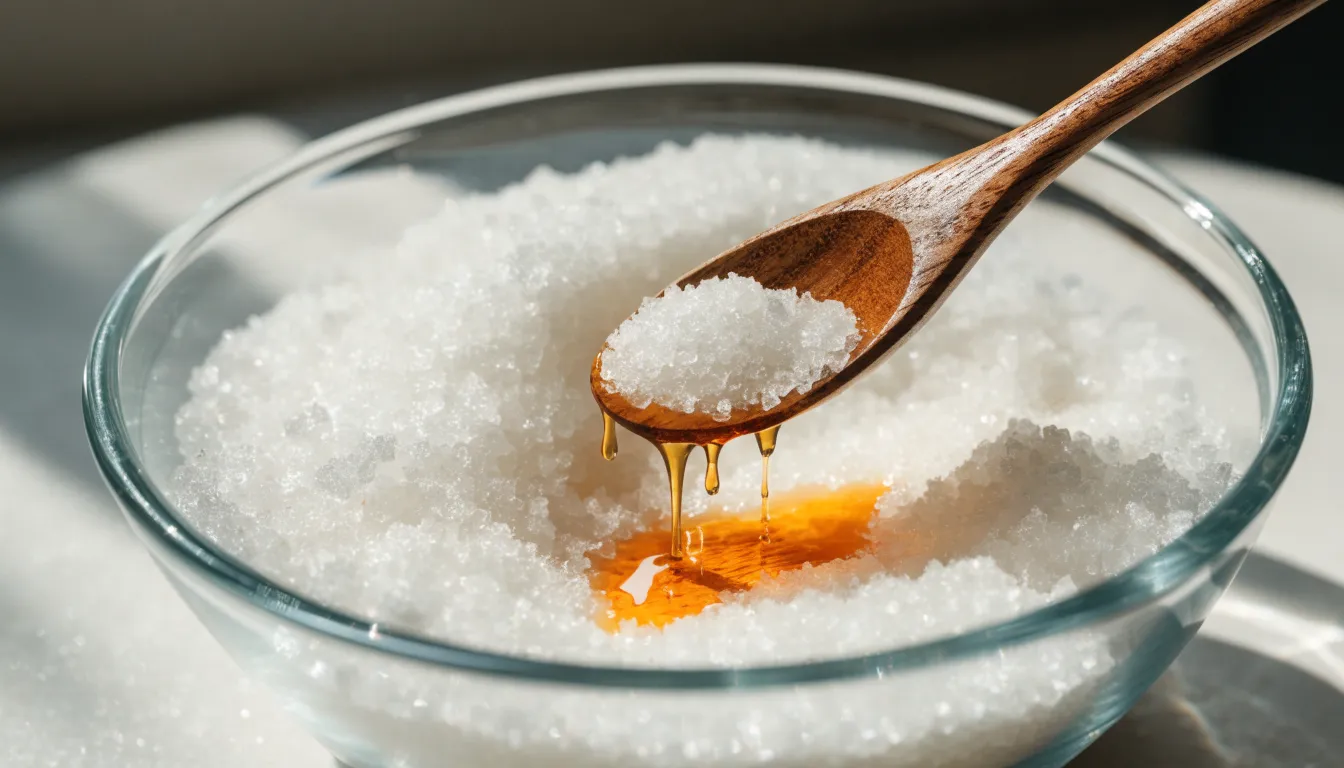
Emulsifiers like liquid solubilizer or a tiny bit of unscented castile soap bind oil and water together. This allows the essential oils to mix fully into the soak, avoiding direct contact with undiluted oil and making the foot soak safer and more effective.
Epsom Salt Benefits
Epsom salt, or magnesium sulfate, is a great base for a foot soak. When absorbed through the skin, magnesium helps calm inflammation, soothe sore muscles, and ease aches and pains in your feet. This makes it perfect for relaxing after a long day.
Epsom salt also helps draw out impurities. In warm water, it creates an osmotic effect that pulls toxins and heavy metals from the skin. This cleanses your feet, removes odors, and leaves them feeling fresh and renewed.
The real magic happens when you combine Epsom salt with essential oils. Warm water opens your pores, helping magnesium reach your bloodstream and relax your muscles. This relaxed state lets oils like lavender or peppermint work even better. Together, they deeply soothe tired feet and create a stronger, more calming experience than either could alone.
Lavender Oil Magic
Lavender oil works directly on the nervous system to calm the mind, which in turn signals the body to release tension held in the muscles, especially the feet. Soaking in a warm lavender bath brings immediate, whole-body relief after a long day.
For feet that have been tired from standing, walking, or tight shoes, lavender’s natural compounds ease throbbing aches and lingering soreness in the soles and arches. This gentle comfort helps dissolve fatigue and prepares your entire body to shift into a more relaxed state.
Using lavender in an evening foot soak actively promotes deep relaxation, making it an ideal pre-sleep habit and a great way to explore the best essential oils for sleep. The scent, the warm water, and lavender’s tranquil qualities work together to create a deeper sense of peace. As your feet soak, your mind unwinds, stress melts away, and your body gets ready for a restful night, turning a simple soak into a complete calming and restoring ritual.
Peppermint Oil Power
Peppermint oil is a powerful ingredient for a DIY foot soak, especially for tired, aching feet. Its main active compound, menthol, creates a strong cooling sensation when your feet meet the warm water. This refreshing chill activates skin receptors, cools the feet deeply, and brings quick relief to sore arches and soles, washing away the heat and strain of the day.
Beyond the coolness, peppermint oil helps stimulate blood flow in the feet. Better circulation helps flush out waste products that build up in tired muscles, while also bringing in fresh oxygen and nutrients. This supports natural muscle recovery, reduces stiffness, and leaves the feet feeling lighter and less heavy.
Together, the cooling menthol and improved circulation work as a team. This double action quickly eases fatigue, soothes discomfort, and revives your whole foot. A simple soak with peppermint oil becomes a restorative experience, leaving your feet refreshed, comfortable, and ready for more.
Tea Tree Oil Defense
Tea Tree Oil’s key compound, terpinen-4-ol, gives it strong antimicrobial and antifungal powers. Foot odor happens when bacteria grow in warm, damp shoes and break down sweat, creating bad smells. Tea tree oil tackles this directly by killing those odor-causing bacteria, reducing their numbers and keeping your feet fresher for longer.
Beyond odor, tea tree oil is also effective against fungal problems like athlete’s foot. This condition causes itching, redness, and peeling skin, especially between the toes. Terpinen-4-ol stops the fungus from growing and spreading. Using tea tree oil regularly in a foot soak makes the skin less welcoming to fungi, which helps prevent new infections and supports healing for existing ones.
Adding tea tree oil to a foot soak gives you a natural and practical way to keep your feet clean and comfortable. It addresses both bacterial smells and persistent fungal issues, helping your feet stay healthy and irritation-free.
Eucalyptus Oil Refresh
Eucalyptus oil is deeply revitalizing, especially for heavy, achy legs. Its fresh scent gives an instant lift, but the real benefit comes from eucalyptol, its main active compound. This helps ease swollen ankles and reduces that puffy, weighed-down feeling, leaving your feet and lower legs feeling lighter and more comfortable.
It also boosts blood flow, which is key for tired limbs. Better circulation delivers oxygen and nutrients to muscles while flushing out waste that causes aches. The warm, invigorating sensation you feel comes from this increased blood activity, leaving your legs re-energized from the inside out.
In addition, eucalyptus oil works well on deep muscle tension. It penetrates into overworked muscles and tendons, releasing tightness and discomfort. Adding it to a foot soak turns a simple routine into a soothing ritual that brings whole-body relief, easing strain and restoring a sense of lightness to your lower body.
Roman Chamomile Blend
Roman chamomile essential oil is known for being very gentle yet effective, especially for feet that feel sensitive or irritated. Its main benefit is a natural anti-inflammatory action. When added to a warm foot soak, it helps calm skin distress by reducing redness and relieving itchiness, offering a soothing sense of relief.
Tight footwear is a common cause of foot discomfort, leading to chafing, tenderness, and soreness. The anti-inflammatory properties of roman chamomile are especially helpful here, as they settle the skin and ease the inflammation that makes feet feel painful or uncomfortable.
Choosing a roman chamomile blend gives your feet a gentle and nurturing treatment. It helps restore comfort, leaves skin feeling calm and balanced, and creates a deeply relaxing, healing experience for overworked feet.
Citrus Oil Boost
Citrus oils like sweet orange and lemon can turn a simple foot soak into a refreshing treat. Their bright, clean scents help wake up your senses, while the natural plant compounds work on your skin. These oils are known for gently brightening skin tone, leaving your feet looking more vibrant and feeling invigorated. As part of your self-care routine, they support a healthy glow with only mild, gentle enhancement.
Beyond the skin benefits, the aroma itself is deeply uplifting. The cheerful, zesty fragrance helps clear mental tiredness and boosts your mood. Soaking your feet while the scent surrounds you washes away stress and leaves you with calm energy and a clearer mind. It’s a great way to relax after a long day or refresh yourself before an evening of productivity.
One safety note is important: lemon oil, and to a lesser extent sweet orange oil, can make your skin more sensitive to sunlight. This is called phototoxicity, and it can lead to sunburn or irritation if your feet are exposed to the sun soon after soaking. To stay safe, always dilute the oils properly in a carrier oil or dispersant before adding them to water, and plan your soak for the evening or a time when your feet won’t be in direct sunlight.
Home Setup Guide
-
Pick a basin that works for you. A foot spa with heat and massage is great, but a large, sturdy bowl or clean bucket is fine too. Make sure it’s deep enough to cover your ankles and wide enough for both feet to sit comfortably. This setup lets your feet fully soak so the essential oils can do their job.
-
Use warm to hot water, around 95 to 105°F (35 to 40°C). This temperature helps open your pores, so the essential oils can absorb into your skin more effectively. Always test the water before putting your feet in to avoid burns. Keep a soft, absorbent towel for drying off afterward, and place a smaller towel under the basin to catch splashes.
-
Set up a calm space where you can truly relax. Choose a quiet spot, dim the lights, and play soothing music or nature sounds if you like. Sit in a comfortable chair with good back support, add a cushion or blanket, and keep water or herbal tea nearby. A peaceful environment helps you unwind, making the essential oil soak feel more soothing and restorative.

The Bedtime Soak Recipe
The Bedtime Soak is designed to help your mind and feet relax before sleep. Its main essential oil is lavender, which is known for calming properties. Lavender helps quiet a busy mind and reduces the everyday stress that can keep you awake.
Cedarwood essential oil adds a warm, earthy scent with sedative qualities. It helps create a peaceful atmosphere and brings a sense of stability and calm. These oils are blended with Epsom salt, which dissolves in warm water to relax muscles and ease tension from the day. Magnesium absorbed through the skin may also support relaxation and help regulate sleep-related chemicals.
As you soak your feet in the warm, fragrant water, the oils work together to signal your nervous system that it’s time to unwind. This can naturally lower your heart rate, quiet your thoughts, and release physical discomfort, leaving both your mind and feet ready for deep, restful sleep.
The Active Lifestyle Recipe
Peppermint oil cools and invigorates tired feet. Its menthol soothes overworked muscles, eases fatigue, and supports healthy circulation, which helps reduce throbbing pain and speeds recovery after intense activity.
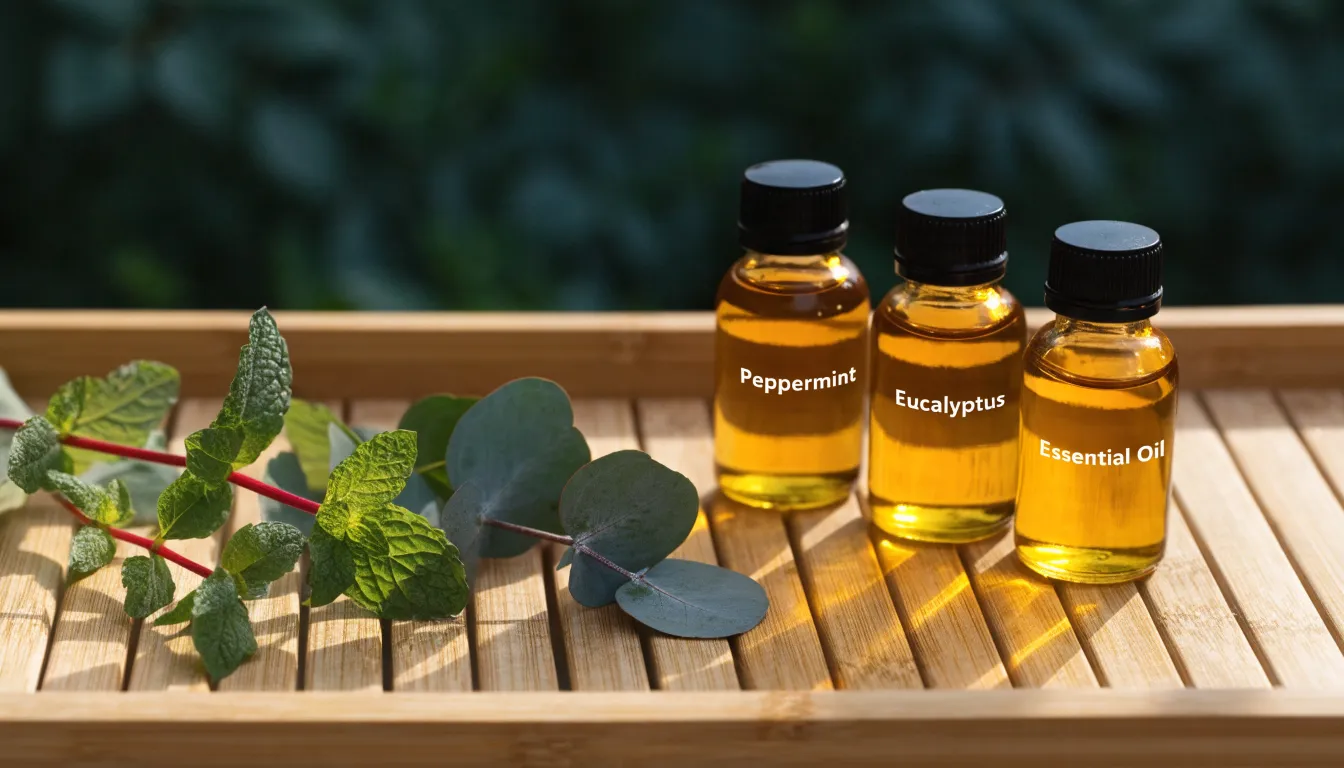
Eucalyptus oil brings a refreshing, anti-inflammatory effect. It helps calm mild swelling and soreness in stressed muscles, while its crisp aroma and soothing qualities leave the feet feeling lighter and more relaxed.
Marjoram oil adds a warming, muscle-relaxing touch. It helps ease deep stiffness, cramps, and lingering aches. Together, these oils work together to relieve tension in the foot and plantar fascia, helping active people recover faster and stay comfortable in their routine.
Cracked Heel Treatment
Dry, cracked heels can be uncomfortable and rough, but this DIY foot soak is made to help. It works as a deeply moisturizing, restorative treatment for very dry skin and stubborn cracks, flooding the skin with nourishment and focusing on the areas that need softening and repair most.
The soak is built on carrier oils that do the heavy lifting. Jojoba oil is a standout because it closely mimics the skin’s natural sebum. This lets it sink in deeply without feeling greasy, delivering long-lasting moisture to dry skin cells. It also helps soften tough, callused layers, making them more pliable and easier to smooth out over time.
Frankincense essential oil adds another layer of healing. It’s known for its restorative powers, helping skin regenerate and reducing the look of minor flaws. When paired with jojoba, frankincense helps mend the skin around cracks, supports faster recovery, and leaves feet feeling softer, smoother, and truly renewed.
Step by Step Technique
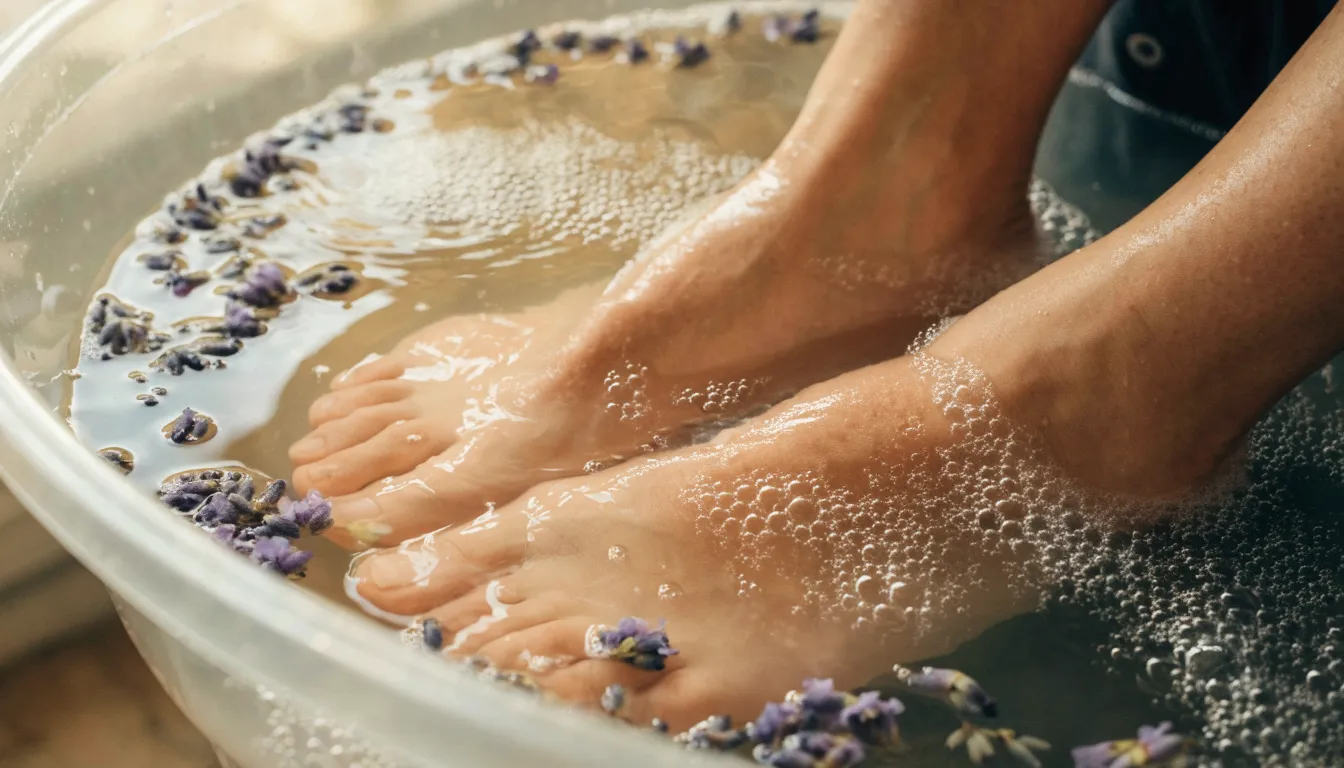
Begin by filling a basin large enough for both feet with warm water, ideally around 100–104°F. The warmth relaxes your muscles and opens your pores, which helps your skin better absorb the essential oils you’ll add. Make sure the water covers your ankles.
Add your chosen essential oil drops to the water, along with any Epsom salts, and swirl the water gently to spread the oils evenly. Sit in a comfortable chair with your back supported and your feet resting naturally in the basin, staying relaxed and upright. This helps the oils do their work while your whole body stays at ease.
Soak for 15 to 20 minutes, giving the oils time to penetrate the skin, soften calluses, and soothe tired muscles. Use the time to relax, then pat your feet dry with a clean towel and follow up with moisturizer if you like. This simple routine lets the essential oils work effectively and turns your soak into a soothing foot-care ritual.
Aftercare Foot Routine
After your DIY essential oil foot soak, the right aftercare makes all the difference. It helps lock in moisture and keeps the soothing, softening benefits of the essential oils working longer.
Start by drying your feet thoroughly. Pay extra attention between your toes, since trapped dampness can encourage bacteria or fungi. A gentle, complete towel dry keeps your feet clean and prevents irritation.
Once your feet are fully dry, they’re ready to absorb any follow-up moisturizer or oil. This clean base helps support the skin’s recovery, so the calming and restorative effects of your foot soak can really last.
Frequently Asked Questions
How does a warm foot soak help relieve sore feet?
Warm water in a foot soak helps relax the foot. Better circulation brings oxygen and nutrients.
Why is it important to dilute essential oils in a foot soak?
Essential oils are concentrated and can irritate the skin. Diluting them properly ensures their benefits come through without harm, preventing direct skin contact with concentrated oil.
Can I use citrus essential oils in my foot soak, and are there any precautions?
Yes, citrus oils like sweet orange and lemon can brighten skin tone and uplift your mood. However, lemon oil (and to a lesser extent sweet orange oil) can make your skin more sensitive to sunlight (phototoxicity), so plan your soak for the evening or when your feet won’t be in direct sunlight.
What are the benefits of using Epsom salt in a foot soak?
Epsom salt, or magnesium sulfate, helps calm inflammation, soothe sore muscles, and ease aches and pains when absorbed through the skin. It also draws out impurities, cleansing your feet and removing odors.
What does lavender oil do in a foot soak?
Lavender oil works directly on the nervous system to calm the mind and helps release tension held in the muscles, especially the feet. Using lavender in an evening foot soak actively promotes deep relaxation and prepares your body for a restful night.
How long should I soak my feet in an essential oil foot bath?
You should soak for 15 to 20 minutes. This gives the essential oils time to penetrate the skin, soften calluses, and soothe tired muscles, making your soak a soothing foot-care ritual.