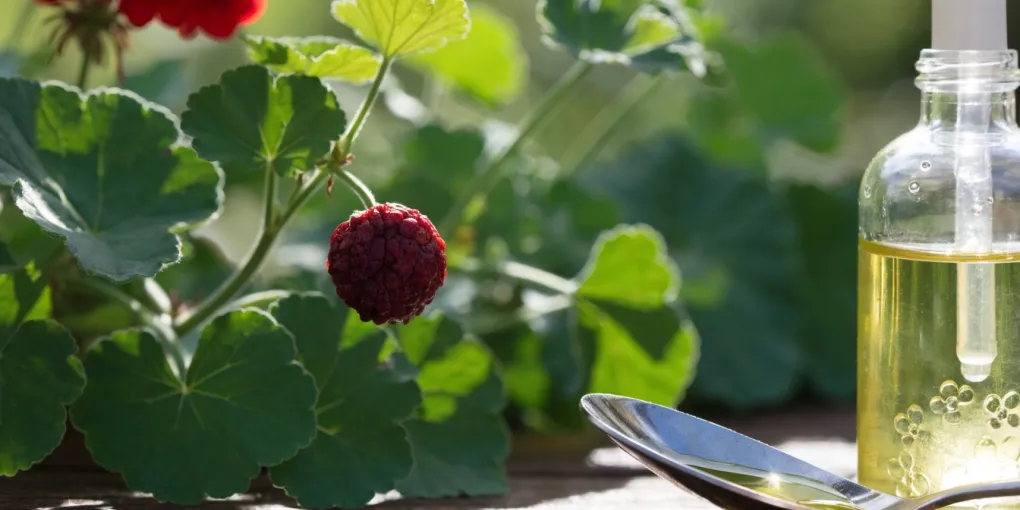
Geranium essential oil, derived from the Pelargonium graveolens plant, is prized for its sweet, floral aroma with rose and herbaceous undertones. It offers versatile wellness benefits, including balancing skin, calming the mind and body, repelling insects, and relieving muscle and joint pain, and should always be Geranium essential oil, derived from the Pelargonium graveolens plant, is prized for its sweet, floral aroma with rose and herbaceous undertones. It offers versatile wellness benefits, including balancing skin, calming the mind and body, repelling insects, and relieving muscle and joint pain, and should always be diluted with a carrier oil before topical application.
Table of Contents
- Understanding Geranium Essential Oil
- Harvesting and Distillation Methods
- Botanical Varieties Compared
- Supporting Youthful Skin
- Calming Mind and Body
- Geranium for PMS and Menopause Comfort
- Natural Insect Repellent
- Hair and Scalp Care
- Muscle and Joint Relief
- Enhancing Mood and Focus
- DIY Body Care Projects
- Safe Dilution Guidelines
- House Cleaning Applications
- Potential Side Effects
Understanding Geranium Essential Oil
Geranium essential oil comes from the Pelargonium graveolens plant. It has a sweet, floral scent that blends rose-like notes with green, herbaceous undertones. This aroma is often described as calming and balancing, making it a pleasant addition to daily wellness routines.
Its main functions are versatile. A few drops in a diffuser can help create a peaceful, inviting atmosphere in a room. When diluted with a carrier oil, it can also be massaged into the skin to support a sense of rejuvenation and balance.
It also works well in homemade lotions, serums, or bath salts. Its balancing qualities help maintain a refreshed feeling. Whether diffused, applied to the skin, or mixed into personal care products, geranium oil offers a simple and accessible way to support everyday self-care.
Harvesting and Distillation Methods
Geranium plants are hand-picked at full bloom, when their oil content is highest. This careful timing ensures the leaves and stems are full of the compounds that give the oil its signature scent and therapeutic value. Sustainable methods are also used, like selective picking, which allows the plants to regrow and protects the ecosystem, ensuring a steady supply of high-quality oil for the future.
The fresh plant material is quickly brought to a distillation facility to keep its delicate compounds intact. There, There, steam distillation is used. The leaves and stems are placed in a large still, and pressurized steam passes through them. The heat bursts the plant’s oil glands, releasing the essential oil as vapor, which then rises into a cooling condenser.
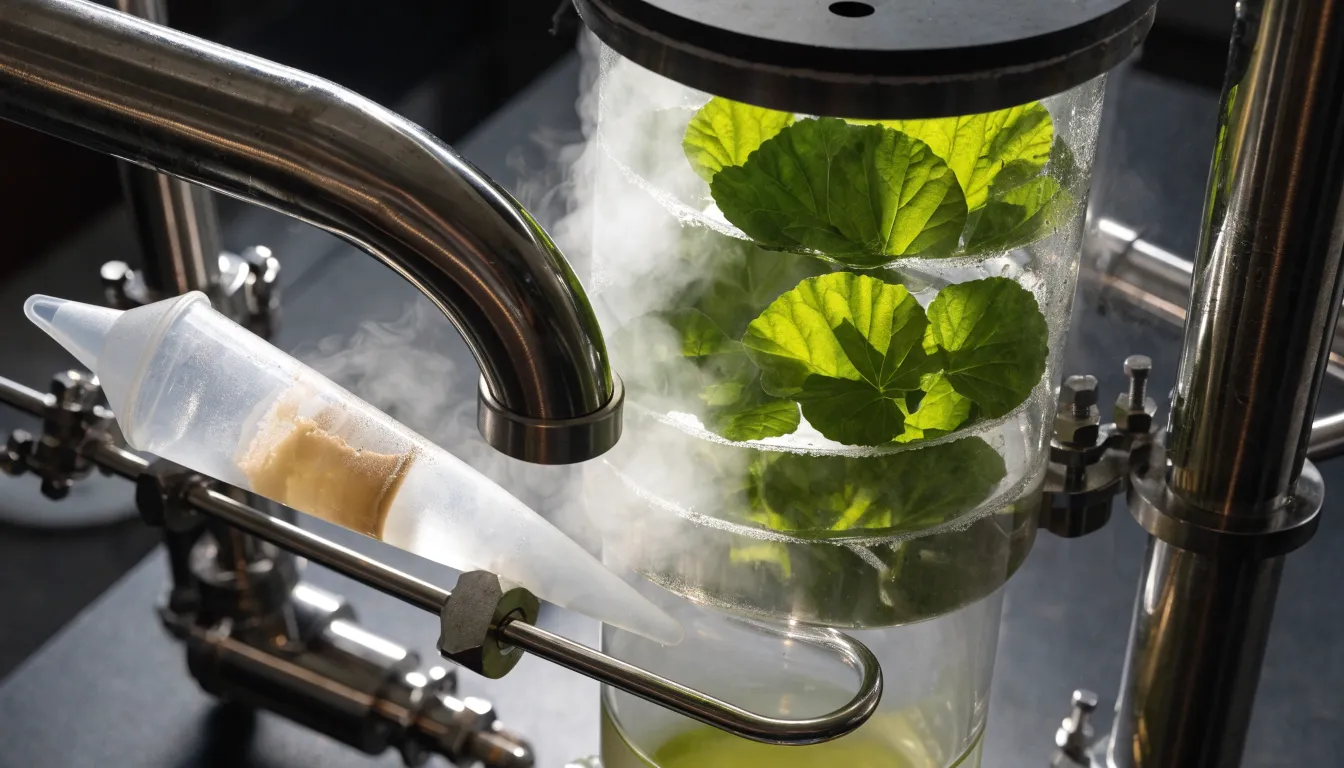
Inside the condenser, the steam and oil cool back into liquid form. The mixture flows into a separator, where the pure essential oil naturally floats on top of the water, which is called hydrosol. The oil is carefully skimmed off, leaving a pure and highly concentrated product. This method avoids harsh chemicals, preserving the oil’s purity and therapeutic benefits without any unwanted residues.
Botanical Varieties Compared
Egyptian Geranium essential oil comes from Pelargonium graveolens grown mainly in Egypt. It has a crisp, green, slightly minty scent with clear rose undertones. In wellness use, it is especially valued for balancing oily or combination skin and for helping calm emotions and reduce stress. Its well-rounded aroma also makes it a common ingredient in natural perfumes and skincare blends meant to refresh and revitalize.
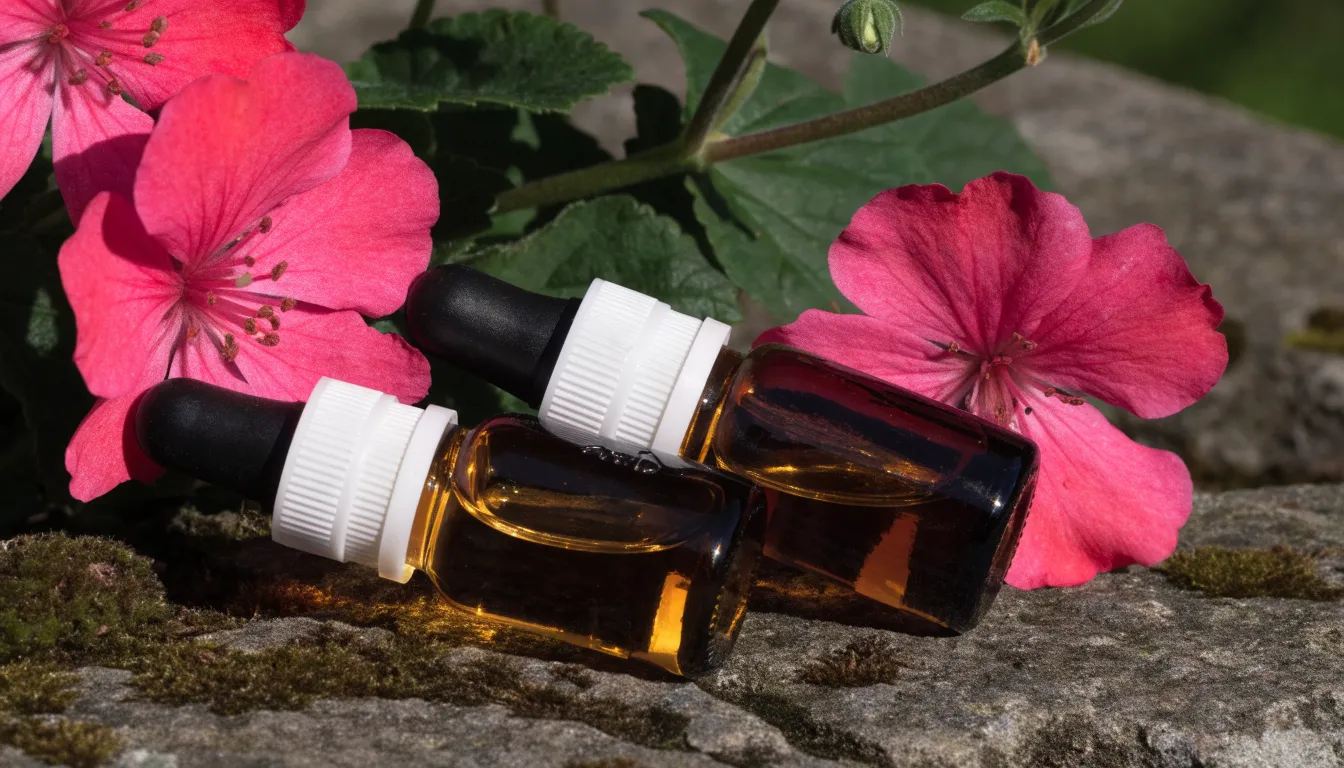
Rose Geranium essential oil, from Pelargonium roseum, has a sweeter, richer, and more intensely floral aroma, with a stronger rose note and less of the green, herbaceous edge. It is often chosen for its uplifting and comforting effects, helping create a calm, soothing atmosphere and ease feelings of tension. In skin care, it is prized for supporting overall skin health, encouraging a radiant complexion, and soothing irritated skin.
The main difference in how the two oils work comes down to their chemistry. Rose Geranium contains higher levels of certain citronellol isomers, which give it its deeper floral scent and more emotionally warming effects. Egyptian Geranium, with its lighter, greener profile, is better suited for oil-control and stress-balancing routines. Knowing these differences helps you pick the variety that best matches the specific effect you want.
Supporting Youthful Skin
Geranium essential oil helps keep skin youthful by balancing sebum production. This means skin stays neither too oily nor too dry, which supports a clear, even complexion and helps prevent early signs of aging.
It also encourages cell regeneration, speeding up the natural turnover of skin cells. As older, damaged cells are shed, fresher cells come to the surface, making skin look more vibrant and feel smoother over time.
In addition, geranium oil boosts collagen production. Collagen gives skin structure and firmness, so more collagen helps restore elasticity and plumpness, reducing fine lines and wrinkles for firmer, bouncier skin.
Calming Mind and Body
Geranium essential oil helps calm both mind and body through its floral, slightly herbaceous scent. When inhaled, the aroma travels from the olfactory receptors to the limbic system, the part of the brain that controls emotion, memory, and motivation.
Inside the limbic system, the oil’s compounds affect neurotransmitter activity and help regulate the body’s stress response. It signals the central nervous system to lower cortisol, the primary stress hormone, which reduces physical signs of stress like a racing heart or tense muscles. This allows the body to shift into a more relaxed state.
Many people find that geranium oil promotes emotional balance. Regular use in aromatherapy can help stabilize mood swings, reduce feelings of being overwhelmed, and ease anxiety-related reactions. By encouraging a grounded and tranquil mental state, it becomes a helpful tool for managing daily stress and supporting overall well-being.
Geranium for PMS and Menopause Comfort
Geranium oil is often described as balancing for PMS and menopause. There’s no good evidence that it affects hormone levels or treats those symptoms.
Its soft, rosy scent is still a pleasant choice for relaxation: diffuse a few drops, or use a 1% to 2% massage oil. Geranium can sensitize some people’s skin, so patch-test first. If PMS, irregular periods, or menopause symptoms are affecting your daily life, talk to your doctor; effective treatments exist.
Natural Insect Repellent
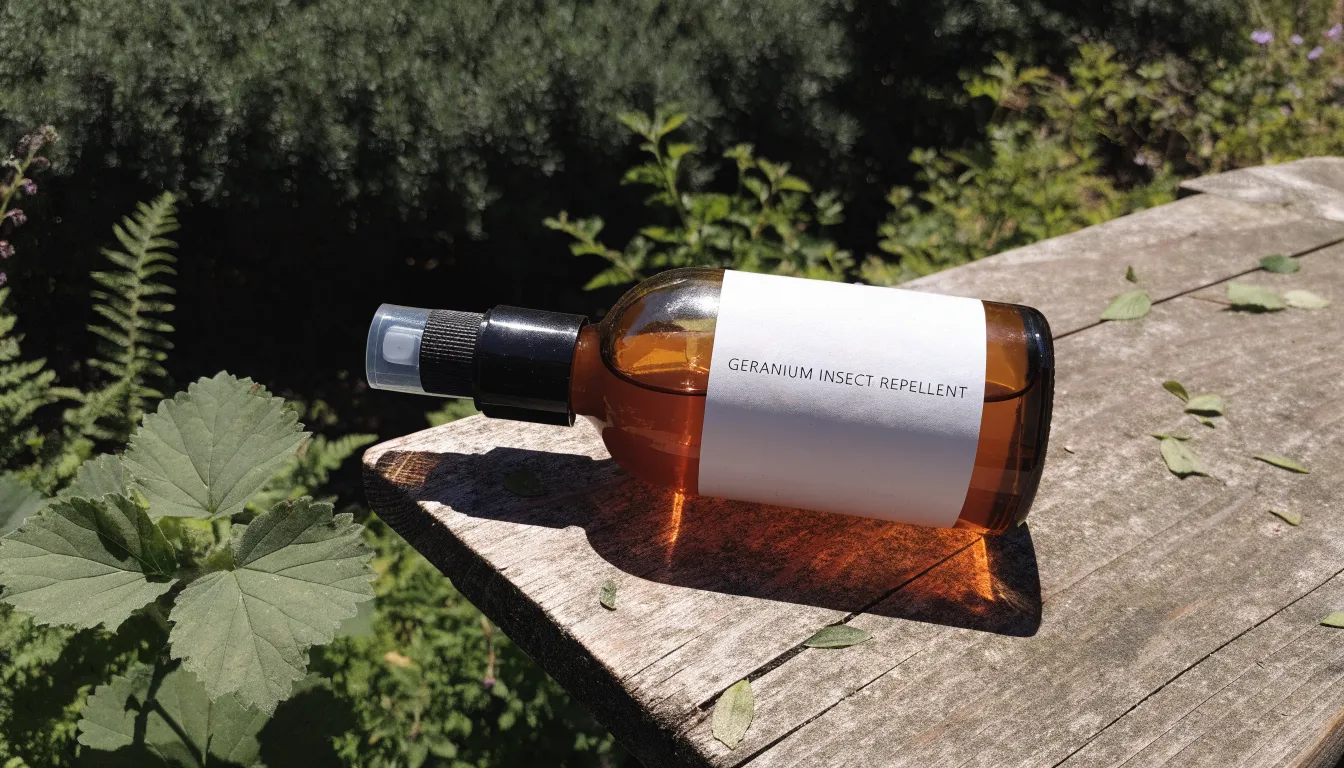
Geranium essential oil is a natural insect repellent that keeps bugs away without harsh chemical sprays. Its power comes from active compounds like citronellol and geraniol, which give the oil a floral, rosy scent. That smell is pleasant to people but very off-putting to mosquitoes, flies, and ticks.
These natural molecules work by overwhelming the insects’ sense of smell. They interfere with the insects’ olfactory receptors, creating a scent they instinctively avoid. This stops bugs from landing on skin or entering an area, making the oil a helpful barrier both outdoors and indoors.
You can use geranium oil in different ways: diluted on the skin, diffused in the air, or added to cleaning solutions. It offers gentle but effective protection without the skin irritation, breathing concerns, or environmental harm linked to synthetic insecticides. It’s a plant-based choice that works with nature and supports a safer, chemical-free approach to pest control.
Hair and Scalp Care
Geranium essential oil supports overall hair and scalp health by helping to balance oil production. Whether the scalp is too oily or too dry, it works to restore a natural equilibrium, which creates a healthier environment for hair growth and helps prevent greasiness, dryness, and discomfort.
It also helps fight dandruff by soothing an irritated scalp and reducing itchiness and flaking. Over time, regular use can lead to a calmer, clearer scalp. In addition, the oil nourishes hair follicles, helping to strengthen hair from the root, reduce breakage, and support fuller, healthier-looking hair with more natural shine.
For daily use, add a few drops to your shampoo or conditioner. For a deeper treatment, mix several drops with a carrier oil like jojoba or almond oil, then massage into the scalp before washing. This helps deliver the oil’s benefits directly to the scalp and hair, leaving your hair balanced, revitalized, and healthy.
Muscle and Joint Relief
Geranium essential oil is highly effective at easing muscle tension and joint soreness, especially after physical activity. Thanks to its natural anti-inflammatory properties, applying it topically in a massage blend helps calm irritated tissues and reduce swelling. By penetrating the skin, it supports the body’s own recovery process after strenuous workouts or prolonged exertion.
This oil is a great ally for athletes and anyone dealing with general body aches. It works to relax tight, fatigued muscles, improving ease and flexibility, while specifically targeting stiffness in joints from impact or repetitive motion. Using it regularly in a carrier oil allows its beneficial compounds to continuously interact with problem areas, leading to a more comfortable and faster recovery.
Beyond the physical relief, geranium oil’s pleasant aroma adds a sense of calm and well-being to the massage experience. This combined effect of soothing muscles and relaxing the mind makes recovery more restorative, helping the body return to a balanced and comfortable state with greater ease.
Enhancing Mood and Focus
Geranium essential oil helps uplift mood and improve mental focus. Its floral, rosy scent has balancing properties that calm the mind and ease stress, encouraging more positive thinking and clarity. Diffusing it creates a peaceful atmosphere that makes it easier to concentrate and face tasks with a brighter outlook.
Pairing geranium with bright citrus oils boosts these effects. Lemon, sweet orange, or bergamot add invigoration and cheerfulness, helping clear mental fogginess and increase alertness. This combination is great for creative projects or staying positive during a busy day. Adding woodsy oils like cedarwood, frankincense, or sandalwood brings calm and stability, reducing distractions and supporting steady focus.
Simple blends work well: three drops geranium with three drops sweet orange and two drops cedarwood turns a room into a calm, productive space. Or try three drops geranium, two drops lemon, and two drops frankincense for an uplifting, clarifying effect. These mixes help maintain positive thinking and concentration from morning to night.
DIY Body Care Projects
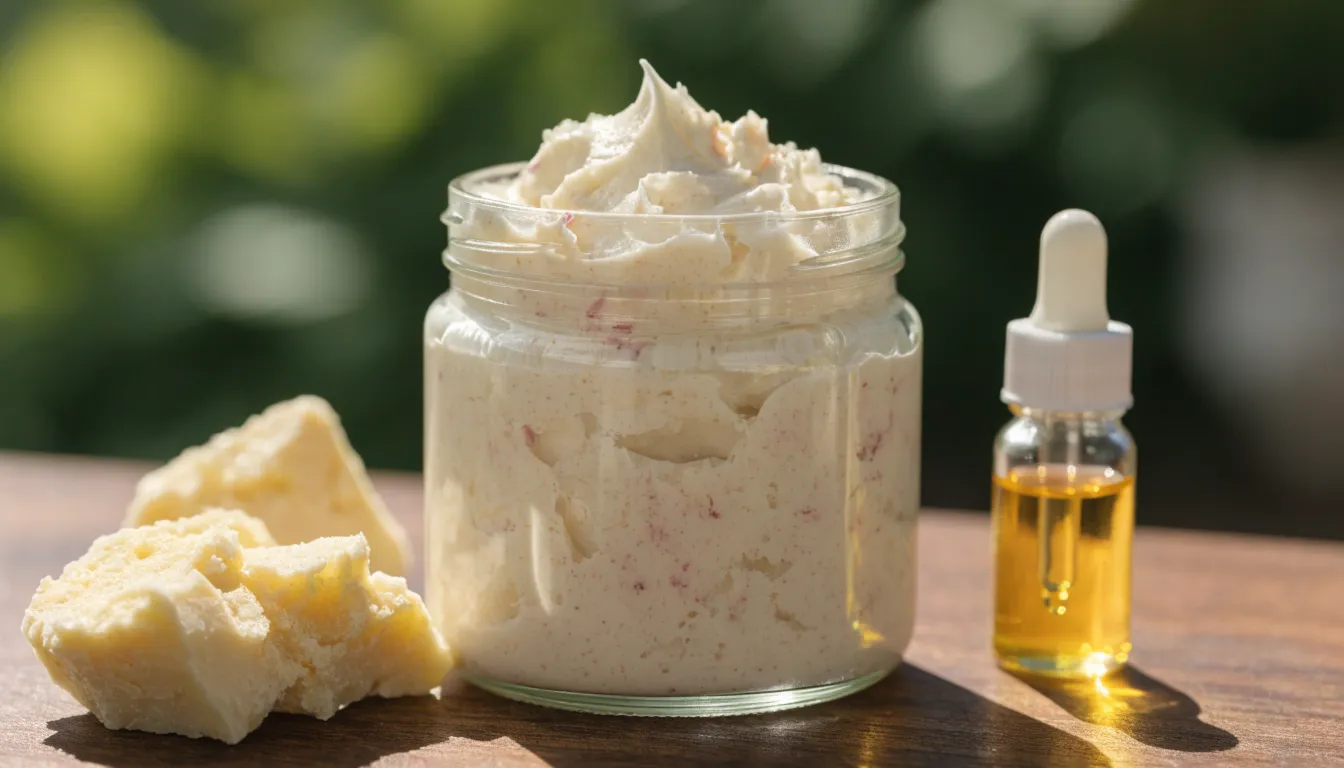
Making your own geranium body butter is easy and deeply moisturizing. Melt shea butter and coconut oil, then stir in almond oil and about 15–20 drops of geranium essential oil. Whip the mixture until light and fluffy. The geranium oil adds a gentle natural fragrance while the rich base leaves your skin soft and hydrated.
For an invigorating sugar scrub, mix granulated sugar with a carrier oil like jojoba or grapeseed oil, then add 10–15 drops of geranium essential oil. The sugar buffs away dead skin cells, while the oil and geranium help leave your skin smooth, refreshed, and lightly scented.
A relaxing bath soak is just as simple. Combine Epsom salts with baking soda and 10–15 drops of geranium essential oil, mixing well so the scent spreads evenly. Adding this to warm bathwater helps soothe muscles, soften skin, and promotes a calm, aromatic bathing experience.
Safe Dilution Guidelines
Always dilute geranium essential oil before putting it on your skin. It is highly concentrated and should never be applied directly. Start by doing a patch test: mix one drop of geranium oil into a teaspoon of carrier oil, apply a tiny amount to a small area like your inner forearm, and wait 24 hours to see if any redness, itching, burning, or discomfort appears. If there’s no reaction, it’s likely safe for wider use.

For general adult use, a safe dilution is about 1% to 2%, which means roughly 6 to 12 drops of essential oil per ounce (30 ml) of carrier oil. For sensitive skin, the face, children, or older adults, use a lower dilution of 0.5% to 1%. When unsure, use a lower percentage. Be sure to mix the essential oil evenly into the carrier oil so the blend is consistent throughout.
The carrier oil you choose matters for both safety and how well the blend works. Gentle, nourishing oils that absorb easily are best. Jojoba oil is especially good because it resembles the skin’s natural sebum and works well for many skin types, including oily and acne-prone skin. Argan oil is also recommended, thanks to its vitamin E and moisturizing benefits for dry or mature skin. Other good options include sweet almond oil, fractionated coconut oil, and grapeseed oil—each dilutes the geranium oil effectively while adding its own benefits.
House Cleaning Applications
Geranium essential oil is a great natural cleaner for your home. Its floral scent is a nice replacement for the strong synthetic smells in many store-bought cleaners. It also has antibacterial properties. To make a simple surface spray, mix distilled water, white vinegar, and a few drops of geranium oil in a spray bottle. This works well on countertops and sinks, and the oil helps tone down the strong vinegar smell while still cleaning surfaces and fighting daily grime and bacteria.
You can also make an easy air freshener to get rid of stale odors. Just mix distilled water with 10–15 drops of geranium oil in a small spray bottle. A few sprays will quickly refresh the air in places like pet areas, bathrooms, or kitchens after cooking. For a steady scent, you can also add geranium oil to a diffuser to gently fill the whole house with its fresh, floral fragrance.
Finally, geranium oil works well on fabrics. Make a linen spray by blending distilled water, a little witch hazel, and geranium oil. Spray it on bedding, curtains, upholstery, or clothes before ironing. This adds a clean, refreshing smell to fabrics and helps stop the microbes that cause bad odors. Using geranium oil in these simple recipes keeps your home naturally clean and pleasant without relying on harsh chemicals.
Potential Side Effects
Before using geranium essential oil, know that it can affect skin differently in different people. Some may notice mild irritation, redness, or a warm feeling after applying it, especially if the oil is too strong. This usually means the skin is sensitive, not that there is a serious allergy. To lower the risk, always mix geranium oil with a carrier oil like jojoba or almond oil. A simple guideline is to use 1–2 drops of essential oil per teaspoon of carrier oil.
A patch test is a smart safety step before regular use. Put a small amount of the diluted oil on a hidden area, like the inside of your forearm. Then wait 24 to 48 hours to see if any itching, redness, swelling, or hives appear. If irritation develops, stop using it right away. A true allergic reaction may cause more serious symptoms or even trouble breathing, though that is rare when the oil is used on the skin. If a severe reaction happens, get medical help quickly.
Extra caution is needed for people who are pregnant or nursing. Because essential oils can be absorbed through the skin, it is best to talk to a doctor or certified aromatherapist before using geranium oil during this time. They can give advice based on your personal health. Also, never swallow geranium essential oil, and keep it away from your eyes and other sensitive areas like the inside of the nose or mouth.
Frequently Asked Questions
How can I use geranium essential oil in my daily routine?
You can use geranium essential oil by diffusing a few drops to create a peaceful atmosphere, or by massaging it into the skin when diluted with a carrier oil for rejuvenation. It also blends well into homemade lotions, serums, or bath salts.
What is the difference between Egyptian Geranium and Rose Geranium essential oil?
Egyptian Geranium has a crisp, green, slightly minty scent with rose undertones, valued for balancing oily skin and calming emotions. Rose Geranium has a sweeter, richer, and more intensely floral aroma with a stronger rose note, chosen for its uplifting effects and supporting overall skin health.
Can geranium oil help keep my skin looking youthful?
Yes, geranium essential oil supports youthful skin by balancing sebum production, which helps prevent early signs of aging. It also encourages cell regeneration and boosts collagen production, leading to firmer, bouncier skin with reduced fine lines and wrinkles.
Is geranium essential oil safe to use directly on my skin?
No, geranium essential oil is highly concentrated and should never be applied directly to the skin. Always dilute it with a carrier oil like jojoba or almond oil before use and perform a patch test on a small area first to check for irritation. Pregnant or nursing individuals should consult a doctor before use.
Can geranium oil help with PMS or menopause?
There’s no good evidence that geranium oil affects hormones or treats PMS or menopause symptoms, but many people find its scent soothing. Use it diluted, patch-test first, and talk to your doctor about symptoms that affect your daily life.
How is geranium essential oil made?
Geranium essential oil is made through steam distillation after the plants are hand-picked at full bloom. The leaves and stems are placed in a still, where pressurized steam releases the oil as vapor, which is then cooled and separated from the water to obtain the pure, concentrated essential oil.