Coconut oil serves as an excellent carrier oil for essential oils due to its stability, emollient properties, and skin absorption benefits. Available in unrefined (solid, scented) and fractionated (liquid, odorless) forms, it dilutes potent essential oils for safe topical use, enhancing their application in various remedies from dry skin and irritation to hair nourishment and massage.
Table of Contents
- Understanding Carrier Oils
- Fractionated Versus Unrefined
- Aroma Profile Factors
- Skin Absorption Basics
- Nourishing Fatty Acids
- Safe Dilution Ratios
- Soothing Dry Skin
- Calming Skin Irritation
- Relaxing Massage Base
- Hair Scalp Nourishment
- Portable Roller Bottles
- Natural Lip Care
- Exfoliating Body Scrubs
- Sun Safety Guidelines
Understanding Carrier Oils
Essential oils are extremely powerful plant extracts, and using them directly on the skin can cause irritation, redness, or even burns, which is why essential oils you should never use undiluted should always be blended with a carrier. Carrier oils solve this by diluting the essential oils, spreading their active ingredients over a wider area. This lowers the strength applied to any single point of skin, acting as a buffer so the skin can safely absorb the benefits without being overwhelmed.
Coconut oil is an excellent carrier because it is very stable. It contains a high amount of saturated fats, especially lauric acid, which makes it highly resistant to going rancid compared to other oils. Because it stays fresh for a long time, it helps preserve the effectiveness and longevity of the essential oils mixed into it, keeping the blend potent and useful.
Furthermore, coconut oil has great emollient properties. It allows for smooth application and provides deep hydration without feeling too heavy or greasy. Its natural makeup also adds its own beneficial qualities to the skin, making the overall mix even more effective for topical use.
Fractionated Versus Unrefined
Unrefined coconut oil, also called virgin coconut oil, comes from fresh coconut meat and keeps a natural coconut smell and taste. It contains the full range of fatty acids, which makes it solid below about 76°F. You’ll need to warm it slightly before blending it with essential oils. This type is stable but can go rancid over time, usually lasting one to two years if stored properly.
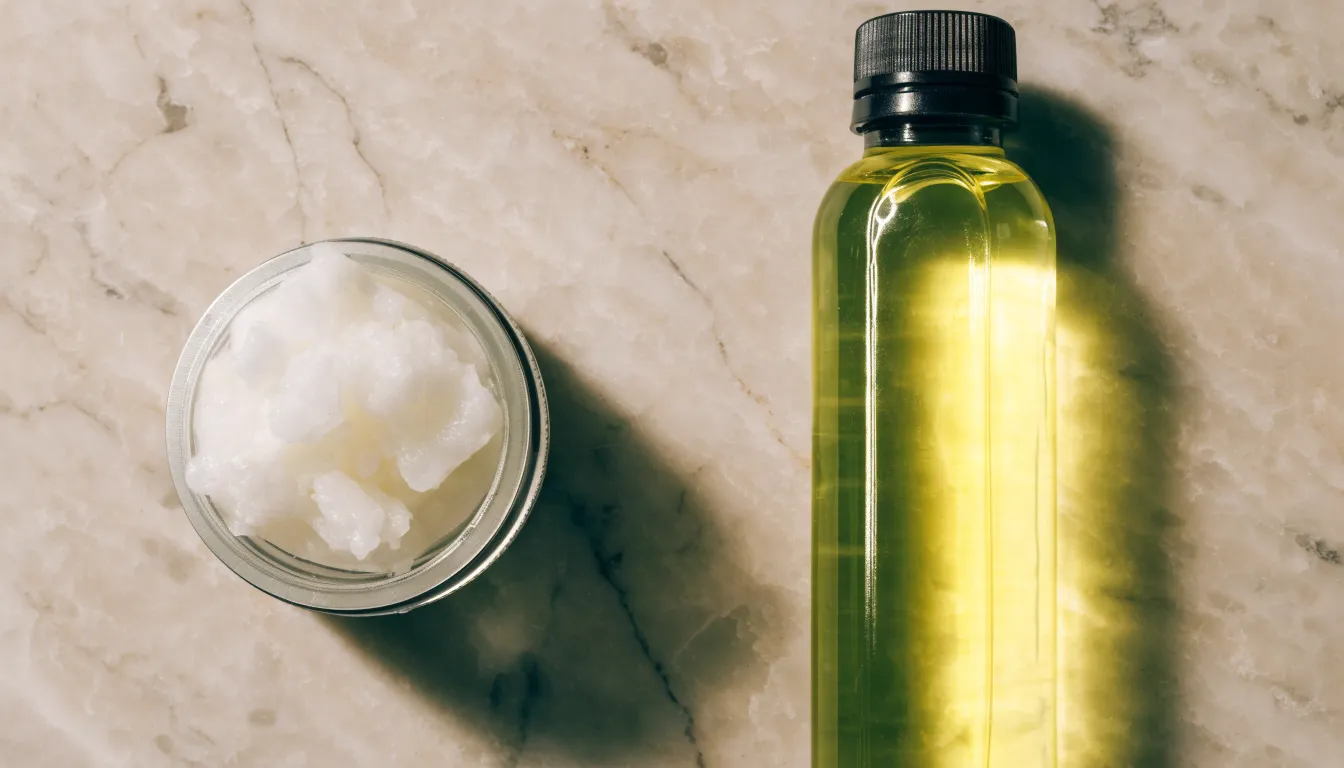
Fractionated coconut oil has had the long-chain fatty acids removed, leaving mostly medium-chain triglycerides. Because of this, it stays liquid at room temperature, so there is no need to warm it. It is light, clear, and non-greasy, which makes it easy to use and quick to absorb. It also has a much longer shelf life, often lasting several years, and has almost no scent, so it won’t change the aroma of your essential oils.
In short, the right choice depends on what you need. Choose unrefined coconut oil if you want a natural coconut scent and don’t mind warming it. Choose fractionated coconut oil if you prefer a long-lasting, odorless, easily absorbed oil that stays liquid and blends smoothly.
Aroma Profile Factors
Unrefined, virgin coconut oil has a natural sweet, nutty smell that affects how it works as a carrier for essential oils. This scent can either enhance the blend or clash with the essential oil, depending on what you want. To make it work well, choose essential oils that match coconut’s natural character.
For example, floral oils like ylang-ylang or jasmine mix beautifully with coconut, adding depth and an exotic feel. Woody oils such as sandalwood or cedarwood pair well with coconut’s creamy notes, creating a warm, grounding aroma. Citrus oils also work, since coconut adds a subtle tropical background while keeping their bright, uplifting quality. The goal is aromatic synergy, letting both carrier and essential oil contribute to a pleasant scent; for more tips on creating harmonious combinations, check out A Beginner’s Guide to Blending Essential Oils.
If you need a completely neutral base, fractionated coconut oil is the better choice. It is processed to remove long-chain fatty acids, making it virtually odorless and colorless. This means the essential oil’s pure aroma stays unaltered, no matter if it is floral, woody, or citrusy. Fractionated coconut oil gives you full control over the final fragrance, letting the essential oil take center stage.
Skin Absorption Basics
Coconut oil works especially well as a carrier because its unique lipid structure helps deliver active plant compounds deep into the skin. It is rich in medium-chain triglycerides (MCTs), including lauric, capric, and caprylic acids. These fatty acids are smaller than the long-chain fats found in many other oils, which allows them to slip through the skin’s outer layer, the stratum corneum, more easily.
The skin’s barrier is made of lipids, and coconut oil’s fats naturally blend with those skin lipids. By interacting with the intercellular lipid matrix, it temporarily increases the skin’s permeability. This lets fat-loving botanical extracts dissolve in the oil, bypass the surface barrier, and travel into the deeper epidermal and dermal layers, where they can have their full therapeutic effect.
Despite being rich, coconut oil is usually well tolerated and has a relatively low comedogenic rating for most people. Instead of sitting on top of the skin, it absorbs readily, so it can deliver active ingredients efficiently without typically clogging pores or causing breakouts. This gentle transport system helps potent botanicals reach their targets safely and effectively.
Nourishing Fatty Acids
Raw coconut oil is rich in nourishing fatty acids, and lauric acid is the main star for skin benefits. This medium-chain fatty acid works two ways: it hydrates deeply and protects the skin. When applied topically, it absorbs easily without leaving a greasy feel, forming a light protective layer on the skin’s surface. That layer helps reduce moisture loss, so the skin holds onto its natural hydration and feels softer, smoother, and more supple.
Lauric acid also has natural antimicrobial properties. By making the skin’s surface less welcoming to certain microorganisms, it supports a healthier balance of skin flora. This helps keep the complexion clearer and healthier-looking overall.
Together, lauric acid’s deep hydration and gentle protection strengthen the skin barrier. A stronger barrier means better defense against environmental stressors and better moisture retention. Over time, the skin becomes more resilient, better able to handle daily exposure, and stays consistently nourished and healthy.
Safe Dilution Ratios
Why Dilution Matters More Than You Think highlights why diluting essential oils with coconut oil is key for both safety and effectiveness. It helps deliver the oils to your skin without irritation. Knowing the right amount of drops per tablespoon of coconut oil makes the experience safer and more beneficial.
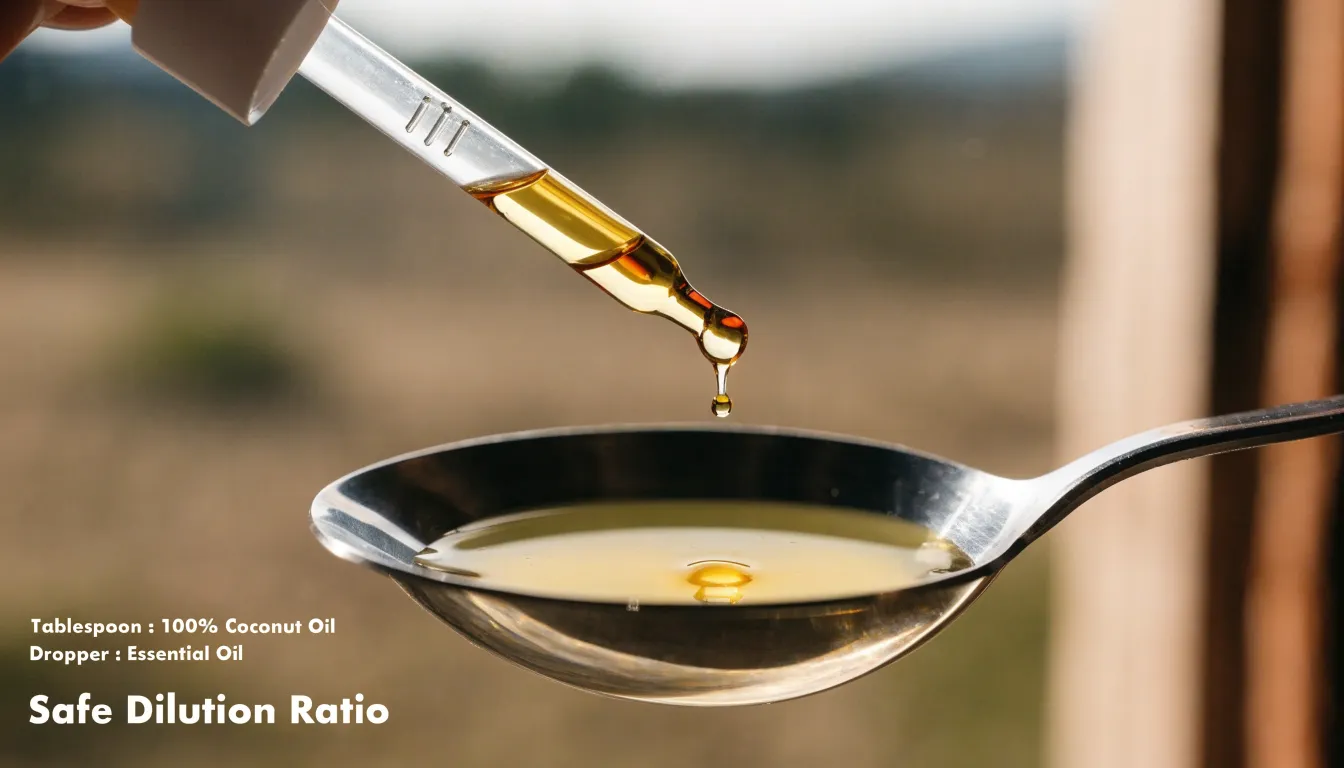
For sensitive skin or trying a new essential oil, start with a mild mix: one to two drops per tablespoon of coconut oil, which is about a 0.3% to 0.6% dilution. This lowers the risk of skin reactions while still giving some benefit, and it’s always wise to patch test essential oils properly on a small area of skin first.
For everyday use like lotions, massage oils, or general body care, three to six drops per tablespoon is a common range, giving a 1% to 2% dilution. For small, specific problem areas, you can use up to nine to fifteen drops per tablespoon, or about 3% to 5%. Use that stronger mix only on small spots for short periods, and never over large areas.
Soothing Dry Skin
Daily hydrating blends are a simple way to fight dry skin and keep your complexion smooth and supple. Coconut oil works well as the base because it is deeply emollient and creates a protective barrier that locks in moisture, preventing water loss that leads to dryness. Adding essential oils makes the blend even more effective for gentle, lasting facial hydration.
Frankincense essential oil adds rejuvenating power to the routine. It supports healthy-looking skin, helps reduce the appearance of blemishes and uneven tone, and brings a soothing aroma to the experience. Lavender essential oil is calming and restorative, helping to ease irritated skin and support overall skin health, making it especially useful for dry, flaky areas.
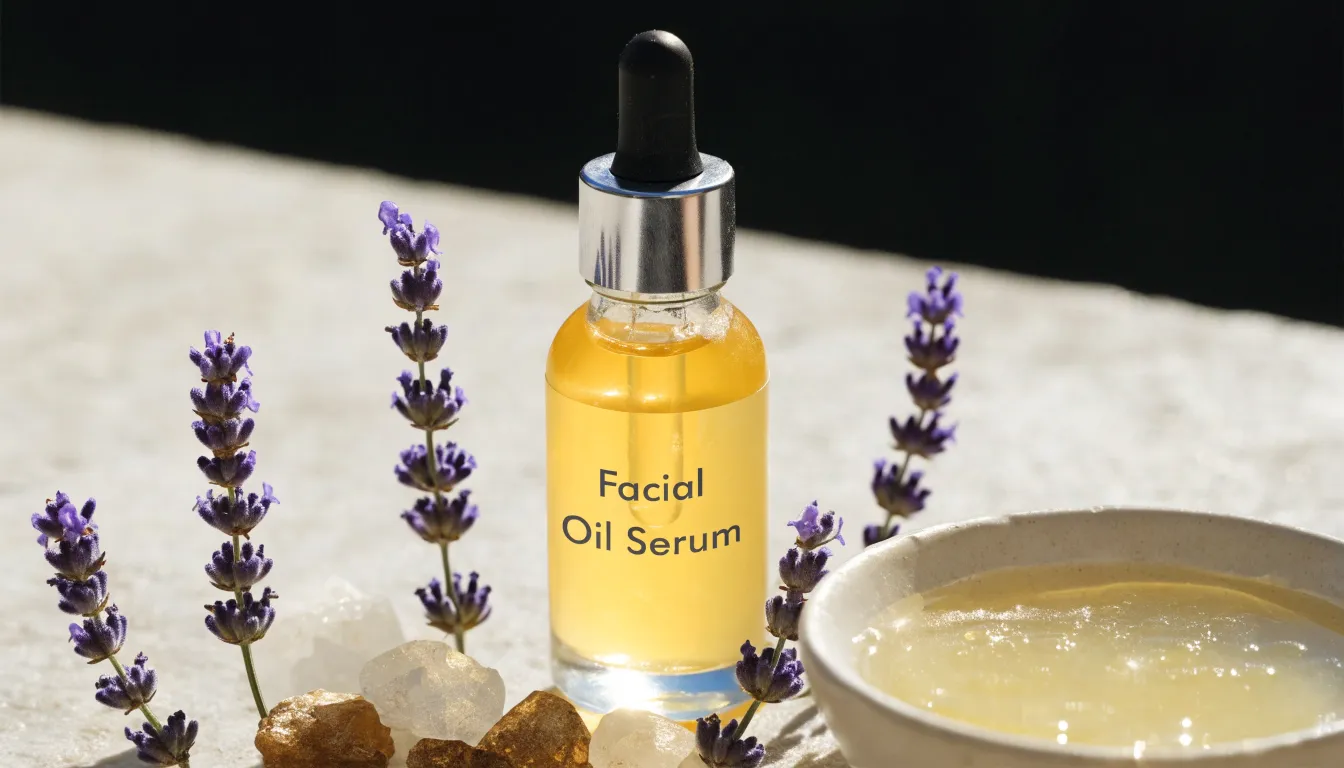
To make your own blend, combine two tablespoons of fractionated coconut oil with two drops each of frankincense and lavender essential oils. Stir well, then apply a few drops to cleansed skin using gentle upward circular motions, focusing on dry patches. Used morning and evening, this simple serum helps maintain moisture, smooth rough areas, and keep skin soft and resilient.
Calming Skin Irritation
Coconut oil forms a gentle, nourishing base for calming skin irritation. Its fatty acids deeply moisturize and support the skin’s natural barrier, which is key for reducing redness and sensitivity.
When blended with essential oils, its soothing power grows. When blended with essential oils, its soothing power grows, as Tea tree oil helps purify the skin’s surface, making it useful for breakouts or skin that feels compromised. Chamomile brings a calming effect, easing inflammation, redness, and itchiness.
Together, these natural ingredients work synergistically to restore irritated skin, such as after too much sun or wind. They reduce visible distress and provide comfort without harsh chemicals, offering relief for persistent itching, redness, or hypersensitivity.
Relaxing Massage Base
Crafting your own relaxing massage rub is simple and effective. Virgin coconut oil is a great base because it’s smooth and nourishing, helping essential oils glide easily over the skin. Warm a small amount of coconut oil gently—by placing the jar in warm water or heating it in short microwave bursts—until it’s comfortably warm, not hot. Warmth improves absorption and makes the massage more effective.
Once the oil is warm, add essential oils that encourage deep relaxation. Cedarwood is grounding and calming, helping you feel tranquil and at ease. Peppermint oil is refreshing and invigorating, working to ease muscle tension and soothe discomfort. Together, they create a balanced blend that calms both body and mind.
For every tablespoon of warm coconut oil, add about two to three drops of each essential oil. Start with fewer drops and adjust to your preference, then stir well with a clean spoon. Apply the warm mixture to tense areas like your shoulders, neck, or legs, using gentle circular motions with moderate pressure. This helps release knots and boost circulation, leaving muscles relaxed and your mind peaceful.
Hair Scalp Nourishment
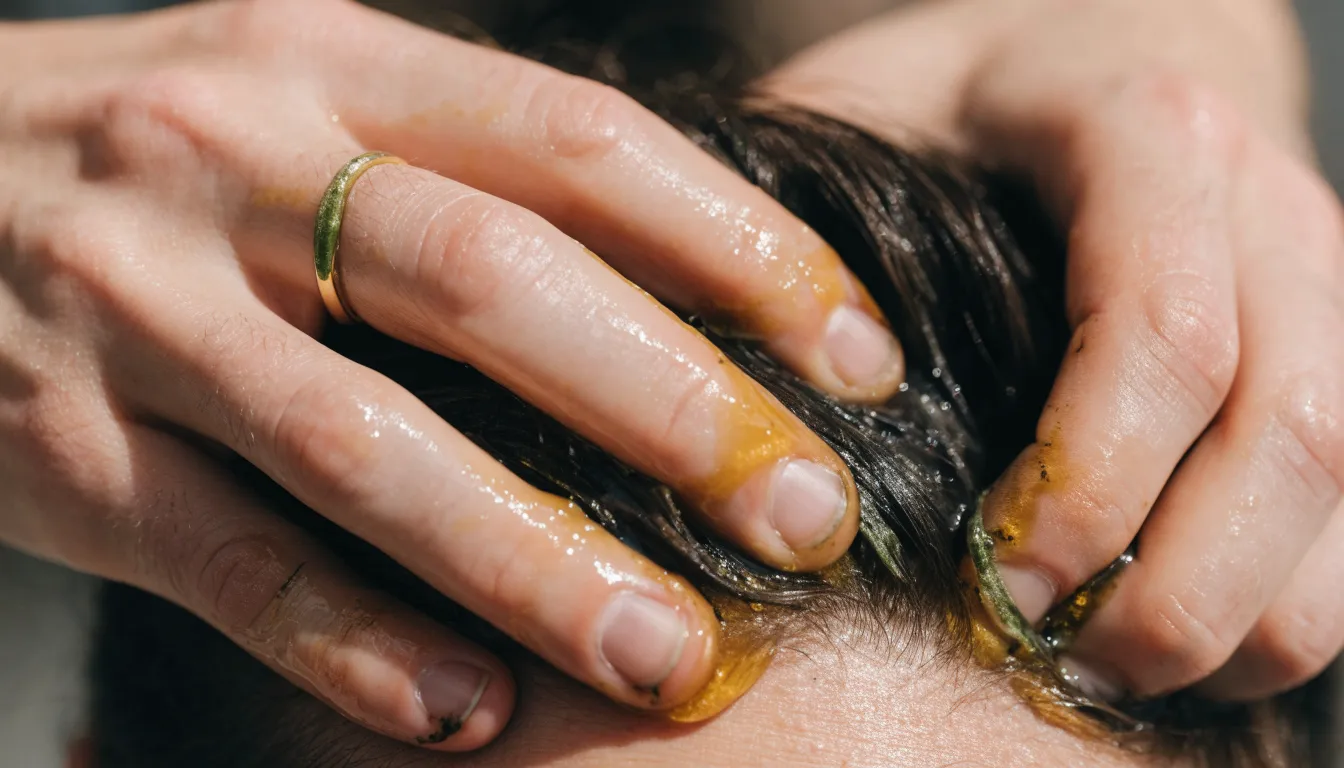
Coconut oil is an excellent base for essential oils in hair and scalp care. When blended with rosemary essential oil, it creates a restorative treatment that works from root to tip. This duo helps with a dry, flaky scalp and brittle ends, while supporting a healthier environment for hair growth.
To make the mask, gently warm a few tablespoons of virgin coconut oil until liquid. Coconut oil’s fatty acids, especially lauric acid, can penetrate deep into the hair shaft, not just coat it. Add several drops of rosemary essential oil and mix well. Rosemary helps stimulate blood flow in the scalp when massaged in, which brings more oxygen and nutrients to hair follicles. The coconut oil then strengthens hair, reduces protein loss, and provides deep moisture.
Massage the blend into your scalp in circular motions for a few minutes, then work it through the rest of your hair, focusing on dry ends. Cover with a shower cap and leave it on for at least 30 minutes or overnight. When you shampoo it out, your scalp should feel soothed, hair softer, and frizzy ends reduced. Used weekly, this simple mask can lead to shinier, stronger, healthier hair over time.
Portable Roller Bottles
Portable roller bottles are a simple way to use essential oils throughout a busy day. These small, 10ml glass bottles fit easily in a purse or pocket, letting you apply aromatherapy quickly and discreetly. The main idea is to mix fractionated coconut oil with your chosen essential oils to create an easy, on-the-go blend.
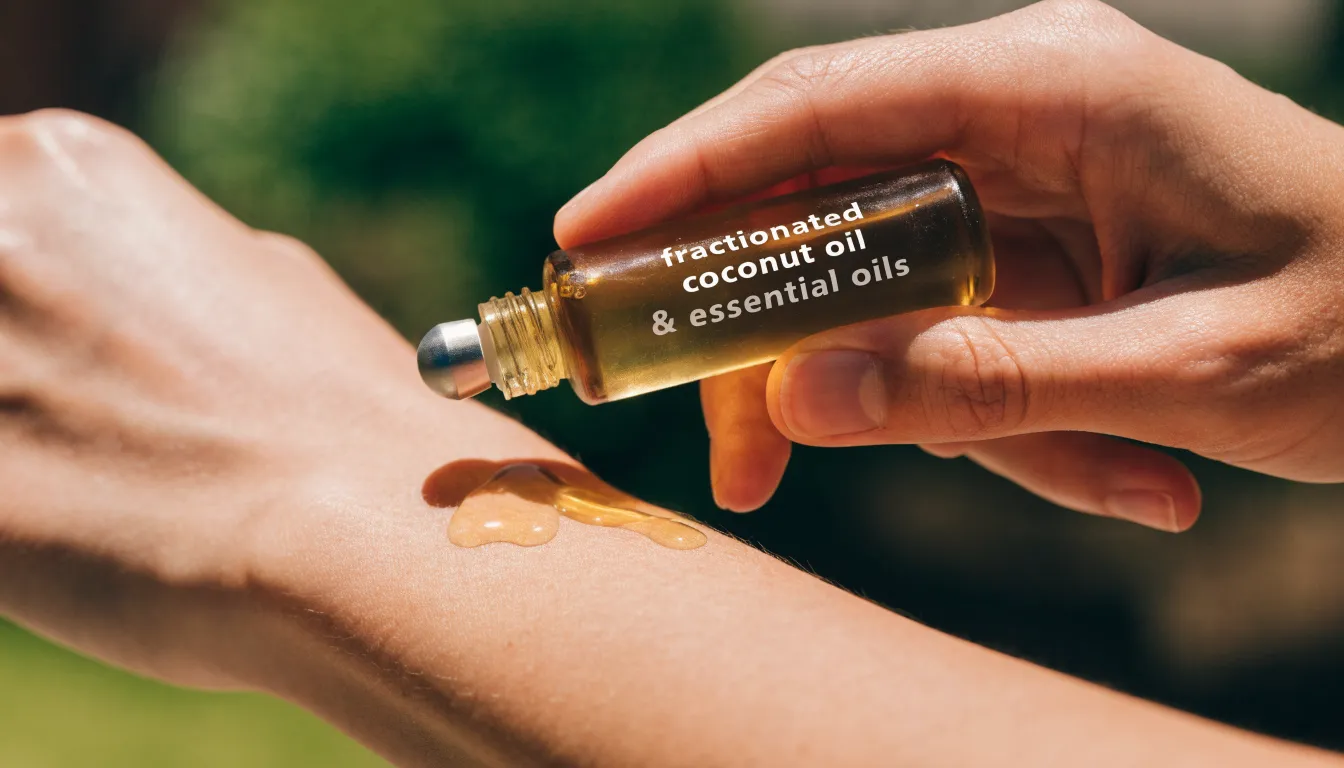
Fractionated coconut oil is a great carrier for this. It stays liquid at room temperature, feels light and non-greasy, and absorbs quickly into the skin. It also safely dilutes strong essential oils to prevent irritation and helps the scent last longer. To make a blend, choose a clean 10ml roller bottle, pick oils for your desired effect—such as relaxation, focus, energy, or comfort—and add about 10 to 20 drops of total essential oil, adjusting as needed.
After adding your oils, fill the rest of the bottle with fractionated coconut oil, leaving a little room at the top. Attach the rollerball and cap, then shake gently to mix. Apply the blend to your wrists, temples, back of the neck, or behind the ears whenever you want aromatic support. This gives you a personal, direct aromatherapy experience wherever you go.
Natural Lip Care
Coconut oil forms a smooth, moisturizing base for lip balm. It helps soften and hydrate the delicate skin on the lips, prevents dryness, and absorbs easily without feeling too greasy. When solid, it also gives the balm a stable texture that holds its shape.
Beeswax is then added to make the balm firmer and longer-lasting. It acts as a natural thickener and creates a protective barrier on the lips, sealing in moisture and guarding against wind and cold. The wax helps the balm stay solid in a tube while still melting slightly from body heat for smooth application.
To make the balm, coconut oil and beeswax are gently melted together, usually with a double boiler to avoid burning. Once slightly cooled, food-grade essential oils are added for aroma and extra benefits. Peppermint oil adds a refreshing, invigorating feel, while sweet orange or lavender can be used in very small, diluted amounts. Because lip balm is near the mouth, using food-grade essential oils is important for safety.
Exfoliating Body Scrubs
Homemade body scrubs can be simple and effective, using natural ingredients. A popular mix is raw brown sugar, coconut oil, and citrus essential oils. The sugar works as a gentle abrasive to buff away dead skin cells, and it also helps pull moisture into the skin, keeping it hydrated.
Coconut oil acts as the carrier oil, binding the sugar and essential oils into a smooth paste. It also deeply moisturizes and leaves a protective barrier on the skin. Citrus essential oils, like orange, lemon, or grapefruit, add a fresh, uplifting scent that can boost your mood and make the shower feel like a spa. They also help clarify and tone the skin.
To make it, mix melted coconut oil with brown sugar until a paste forms, then stir in a few drops of citrus essential oil. In the shower, apply it to damp skin with gentle circular motions and rinse well. Your skin will feel smooth, hydrated, and refreshed.
Sun Safety Guidelines
When using coconut oil blends outdoors, pay attention to sun safety. Certain photosensitive citrus essential oils—like lemon, lime, bergamot, and grapefruit—can make your skin much more sensitive to UV light, a topic further explained in Photosensitivity and Essential Oils Explained Simply. If you apply them to exposed skin before going outside, you may experience severe sunburn, blistering, or lasting discoloration.
To stay safe, avoid direct sun for several hours after applying these citrus blends. You can also apply them only to skin that will be covered by clothing, or use them in the evening. Coconut oil itself works well as a carrier oil, but it does not provide meaningful sun protection—its UV barrier is similar to a very low SPF, so relying on it alone leaves skin vulnerable to burning and premature aging.
For proper protection, always use a broad-spectrum sunscreen with an adequate SPF as part of your outdoor routine. Apply it generously to all exposed skin, and reapply as directed, especially after swimming or sweating.
Frequently Asked Questions
Why should I use a carrier oil with essential oils?
Carrier oils are used to dilute powerful essential oils and prevent skin irritation, redness, or burns that can occur from direct application. They help spread the active ingredients over a wider area, allowing the skin to safely absorb the benefits.
What is the difference between fractionated and unrefined coconut oil?
Unrefined coconut oil has a natural coconut scent, is solid below 76°F, and lasts 1-2 years. Fractionated coconut oil, with long-chain fatty acids removed, stays liquid at room temperature, is virtually odorless, and has a much longer shelf life.
How does coconut oil help deliver essential oils into the skin?
Coconut oil is rich in medium-chain triglycerides (MCTs), whose smaller fatty acids can easily penetrate the skin’s outer layer. These fats interact with the skin’s lipid matrix, temporarily increasing permeability and allowing botanical extracts to travel into deeper skin layers for therapeutic effects.
What are the recommended dilution ratios for essential oils with coconut oil?
For sensitive skin, use 1-2 drops of essential oil per tablespoon of coconut oil; for everyday use, 3-6 drops; and for small, specific problem areas, 9-15 drops. Always test a new blend on a small patch of skin first to check for reactions.
How can I use coconut oil and essential oils for hair and scalp nourishment?
To nourish hair and scalp, gently warm virgin coconut oil until liquid, then mix in several drops of rosemary essential oil. Massage the blend into your scalp and work it through your hair, covering it with a shower cap for at least 30 minutes or overnight before shampooing out.
Does coconut oil offer sun protection, and are there any sun-related essential oil precautions?
Coconut oil does not provide meaningful sun protection, offering only a very low SPF. Additionally, certain photosensitive citrus essential oils like lemon, lime, bergamot, and grapefruit can make your skin more sensitive to UV light, potentially leading to severe sunburn if applied before sun exposure.