
Grapeseed oil is a lightweight, non-comedogenic oil extracted from grape seeds, a byproduct of winemaking. Valued for its linoleic acid and antioxidant content, it provides gentle moisture, supports a healthy skin barrier, and defends against free radicals. It also helps even skin tone, reduce puffiness, and strengthen hair.
Table of Contents
- The Winemaking Byproduct
- Lightweight Moisture
- Antioxidant Powerhouse
- Acne Friendly Hydration
- Skin Barrier Support
- Evening Out Tone
- Under Eye Brightener
- Tightening and Toning
- Carrier Oil Basics
- Scalp Health Booster
- Hair Growth Support
- Heat Protection Partner
- Deep Conditioning Treatment
- Choosing Quality Oils
- Daily Application Tips
The Winemaking Byproduct
Grapeseed oil comes from a sustainable process tied to winemaking. After grapes are pressed and fermented, leftover pomace—skins, pulp, and seeds—is usually waste. Those seeds are collected and turned into useful oil, giving value to something that would otherwise be discarded.
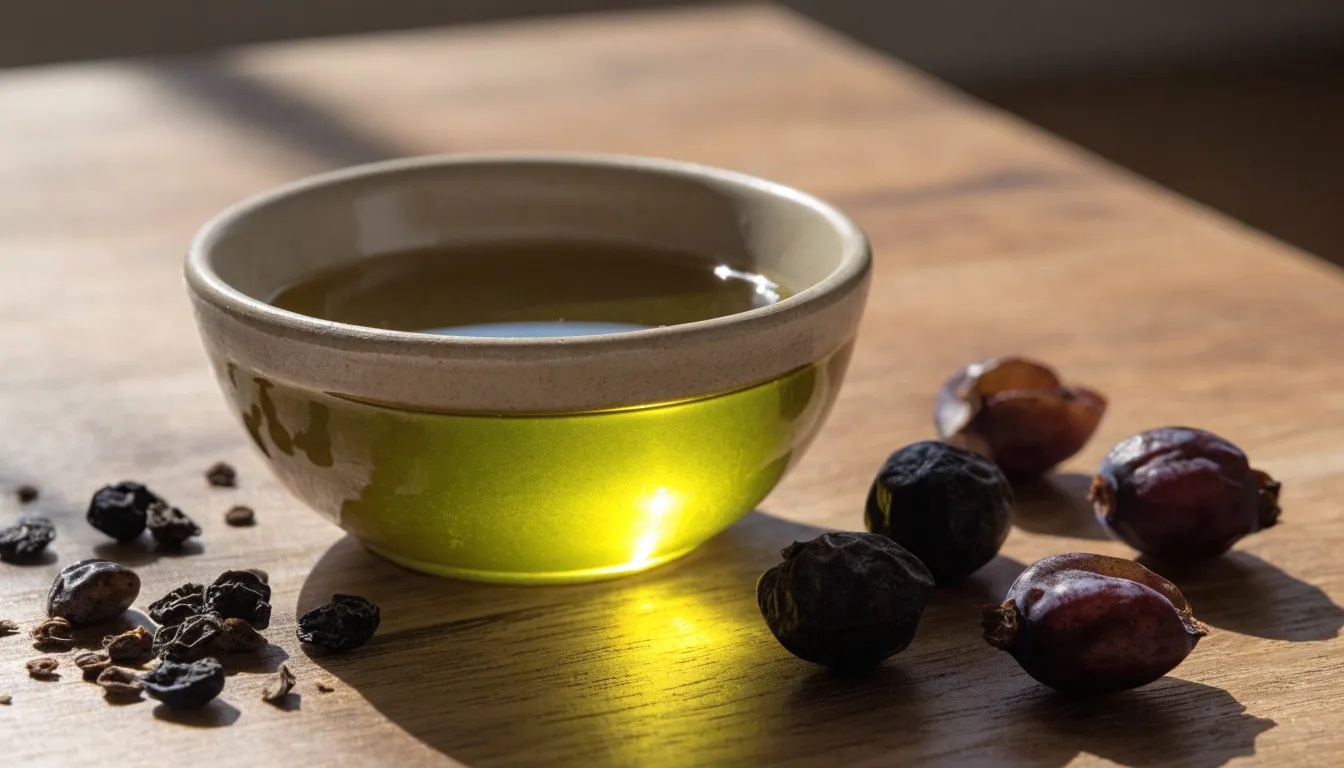
The seeds are first dried, then the oil is extracted either by cold pressing or solvent extraction. Cold pressing uses low heat and keeps more flavor and nutrients, while solvent extraction is more efficient and produces more oil. The raw oil is then refined to remove impurities and make it stable and neutral for use.
This cycle turns vineyard waste into a versatile oil for cooking and cosmetics. It shows how agricultural byproducts can be reused in a resourceful, environmentally friendly way.
Lightweight Moisture
Grapeseed oil is prized for giving skin lightweight moisture. It has a very light texture that feels smooth and not greasy, so it absorbs quickly into the skin. This delivers hydration without heavy or sticky residue, and its fast absorption helps explain why it does not clog pores.
Its reputation for supporting clear skin comes from its low comedogenic rating of 1. The scale runs from 0 to 5, measuring how likely an ingredient is to block pores. A rating of 1 means it is very unlikely to clog pores, making grapeseed oil suitable for most skin types, including oily, sensitive, and acne-prone skin. It sinks into the skin rather than sitting in pores, so the skin can breathe naturally.
Because it does not block sebum flow or build up in follicles, grapeseed oil lowers the risk of trapped debris. Dead skin cells, pollutants, and excess oil are less likely to get stuck in pores, which are common causes of blemishes. By providing hydration that blends into the skin instead of sitting on top, grapeseed oil helps maintain a clear, supple, and healthy complexion while working to prevent congestion and imperfections.
Antioxidant Powerhouse
Grapeseed oil is a powerful ally for skin health because of its strong antioxidant properties. Our skin faces constant attacks from pollution, bad weather, and the sun’s rays, which create harmful molecules called free radicals. These free radicals damage healthy skin cells, causing early aging, loss of elasticity, and a dull complexion. Grapeseed oil provides a strong defense against this daily damage.
A key part of its protection comes from vitamin E. This antioxidant neutralizes free radicals, stopping them from hurting the skin’s cell walls and fats. This keeps skin cells strong and supports the skin’s natural barrier. Using grapeseed oil regularly restores the vitamin E that the environment depletes, boosting the skin’s ability to protect itself.
Grapeseed oil is also packed with proanthocyanidins. These are powerful flavonoids that are much stronger antioxidants than vitamin C and even vitamin E. They seek out and disable free radicals, adding an extra layer of defense. They also protect collagen and elastin, the proteins that keep skin firm and flexible. By fighting off free radical damage, grapeseed oil helps keep skin looking youthful and clear, and better able to handle the daily stresses of its environment.
Acne Friendly Hydration
Grapeseed oil hydrates acne-prone skin gently by tackling the root cause: low linoleic acid. This essential fatty acid is often lacking in the sebum of people with acne, causing the oil to turn thick and sticky. That texture easily clogs pores and leads to blackheads, whiteheads, and pustules. When applied, grapeseed oil’s linoleic acid absorbs into the skin and blends with existing sebum, helping normalize its makeup.
The oil makes sebum thinner and more fluid, so it can flow out of pores freely. This reduces blockages that cause breakouts, while still delivering lightweight moisture. Asa result, oil production becomes more balanced, and the skin is less likely to form new acne lesions.
Beyond oil regulation, grapeseed oil also soothes irritated skin. Its natural components calm redness and inflammation around active breakouts. By combining a healthier sebum profile with anti-inflammatory action, it hydrates the skin’s moisture barrier without feeling heavy or greasy. This creates a calmer environment where breakouts are less likely to appear, and existing blemishes can heal more comfortably—supporting the skin’s own ability to regulate and repair itself.
Skin Barrier Support
Grapeseed oil is rich in omega-6 fatty acids, especially linoleic acid, which strongly supports the skin’s outer protective layer, the stratum corneum. Linoleic acid helps create ceramides—lipid molecules that act like natural mortar, holding skin cells together to form a strong, cohesive barrier.
When this barrier is intact, it prevents transepidermal water loss, meaning moisture stays locked in the skin. But if the barrier is weak, water escapes easily, causing dryness, flakiness, and tightness. By providing the building blocks for ceramides, grapeseed oil helps repair and strengthen the barrier, restoring dry skin and improving its natural ability to retain moisture.
With regular use, grapeseed oil builds a more resilient skin surface that can better resist environmental stressors and maintain healthy hydration. The result is smoother, healthier-looking skin that works effectively as the body’s protective shield, offering lasting benefits.
Evening Out Tone
Grapeseed oil helps even out skin tone by targeting dark spots and blemishes. It contains natural plant compounds and antioxidants that work inside the skin to address hyperpigmentation, including sun spots, age spots, and melasma. These antioxidants, especially proanthocyanidins and vitamin E, protect skin cells from environmental damage and neutralize free radicals. This reduces oxidative stress, which can trigger too much melanin production, and helps prevent new dark spots while supporting the skin’s natural healing.
With regular use, grapeseed oil can also help lighten existing dark areas. Its active components encourage a more balanced spread of melanin, which gradually fades hyperpigmentation and leaves the skin looking smoother and more even. This makes it a useful natural option for improving overall complexion.
The oil also helps reduce the look of post-acne marks. It may not erase deep scars, but its regenerative properties can lessen redness and discoloration from healed breakouts. By supporting skin repair, grapeseed oil improves texture and makes affected areas less noticeable, helping the skin appear more clear, even, and radiant.
Under Eye Brightener
Grapeseed oil is a gentle, lightweight solution for the delicate skin under your eyes. It helps reduce dark circles caused by visible blood vessels by absorbing easily without clogging pores. Over time, consistent use evens out skin tone and brightens this sensitive area.
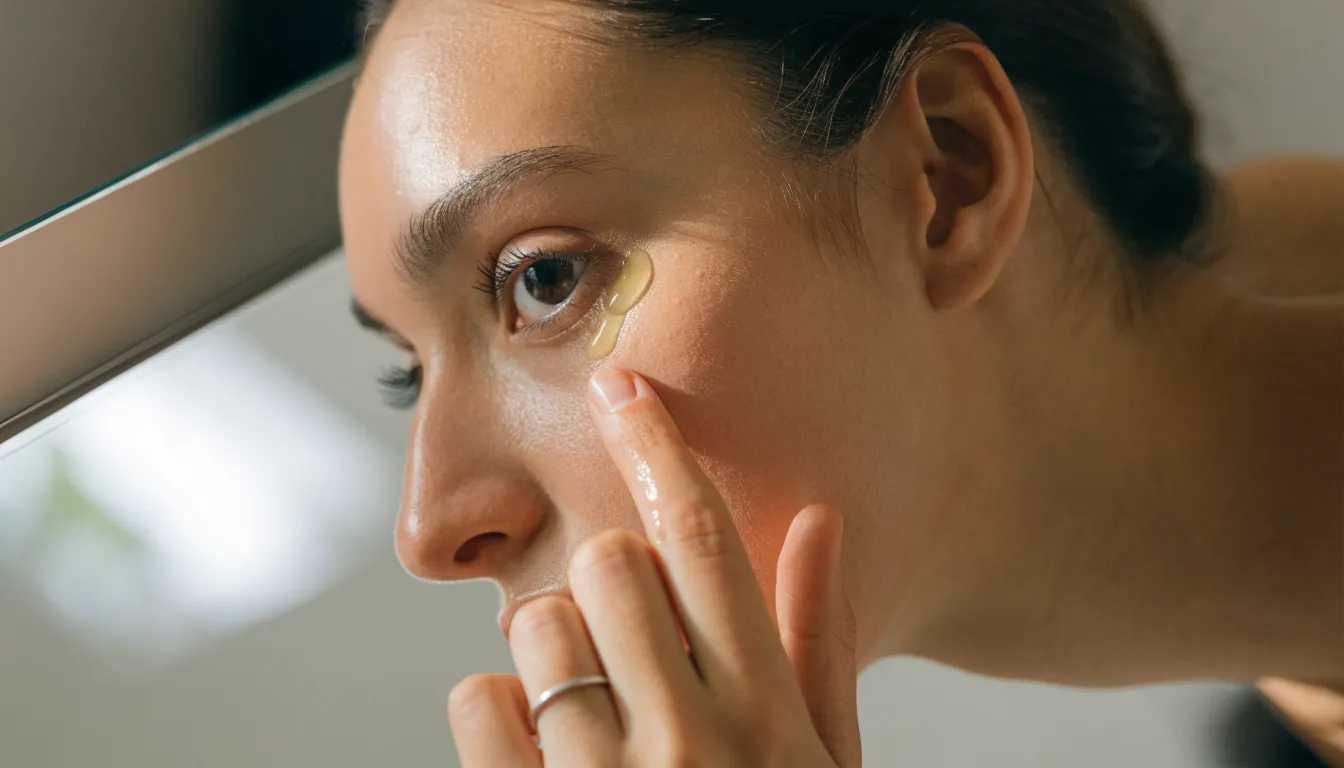
Its anti-inflammatory properties also help ease morning puffiness by soothing the skin and reducing swelling. You only need a tiny amount—about one drop per eye.
Put that drop on your fingertip, then use your ring finger to pat it gently along the bone under your eye, moving from the inner corner outward. Avoid rubbing, as this fragile skin is easily damaged. Letting the oil absorb naturally prevents irritation and leaves your under-eyes looking refreshed and revitalized.
Tightening and Toning
Grapeseed oil helps tighten and tone skin by boosting its elasticity over time. It contains antioxidants and linoleic acid, which support a healthier skin structure. A key way it works is by stimulating collagen production, a protein that keeps skin firm. Since collagen levels naturally drop as we age, this leads to fine lines and sagging skin.
Regular application of grapeseed oil encourages the skin to make more collagen, which helps rebuild and strengthen its support network. This makes the skin firmer and reduces sagging. The improved elasticity also smooths out the skin’s texture, making fine lines and other small imperfections much less visible.
For the best results, you need to use grapeseed oil consistently. Over several weeks or months, the ongoing collagen boost and antioxidant protection work together to refine skin texture and restore its natural, healthy bounce. This gentle, natural approach supports long-term skin health, making grapeseed oil a great addition to any routine aimed at keeping a firm and toned complexion.
Carrier Oil Basics
Grapeseed oil works as a carrier oil, meaning it safely dilutes potent essential oils so they can be applied to the skin without irritation. It is lightweight and non-comedogenic, so it absorbs easily without leaving a greasy residue. Always follow safe dilution ratios: for facial serums, use a 1–2% dilution, about 6–12 drops of essential oil per ounce of grapeseed oil. For body massage blends, a 2–3% dilution works, about 12–18 drops per ounce. To understand more, read about why dilution matters more than you think.
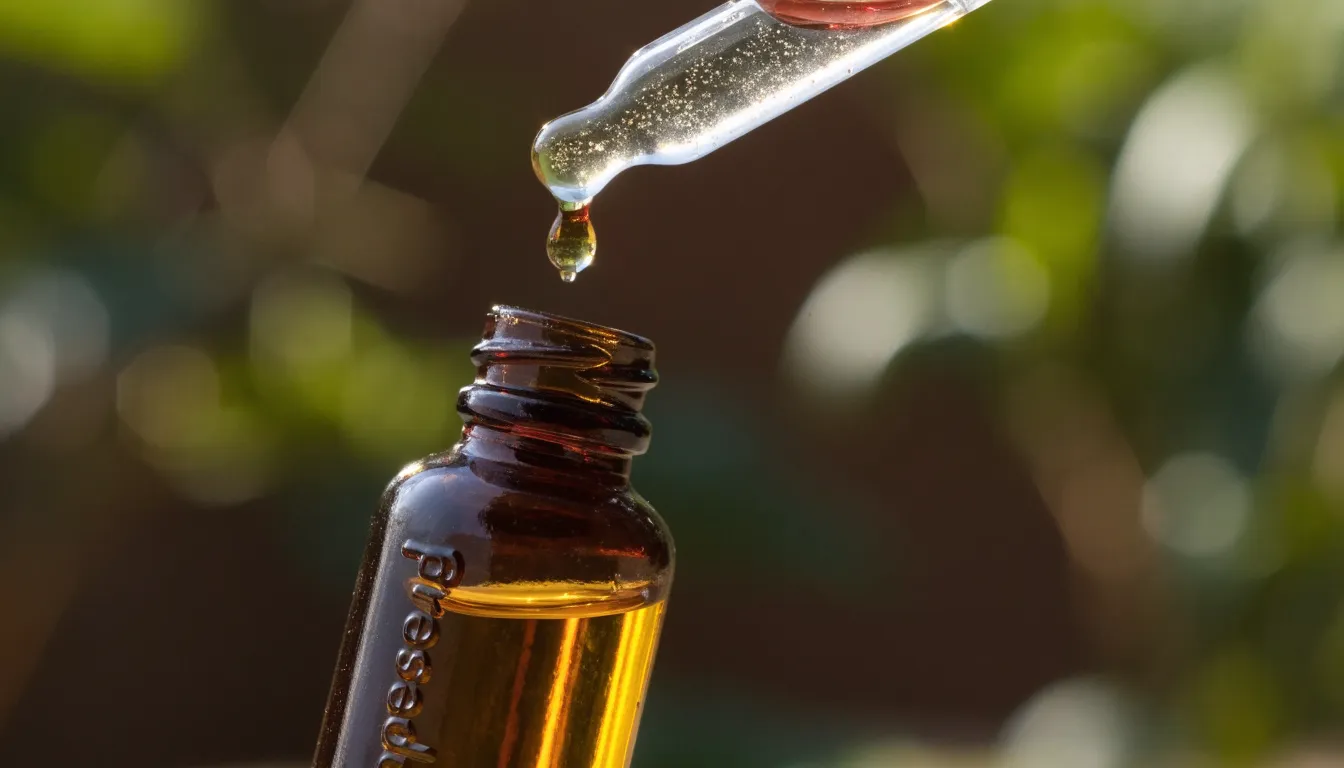
For facial serums, grapeseed oil pairs well with essential oils targeting specific skin concerns. Tea tree and lavender help clarify and soothe blemish-prone skin. Frankincense, geranium, or carrot seed support anti-aging and skin vitality. Rose or sandalwood add hydration and a pleasant, luxurious scent.
For body massage blends, grapeseed oil provides a smooth glide and carries essential oils effectively. Lavender, frankincense, or bergamot create a relaxing massage oil. Peppermint, rosemary, or marjoram help soothe tired muscles. Grapefruit or lemon add an invigorating, uplifting effect and may support circulation. These combinations let the essential oils and grapeseed oil work together for therapeutic and aromatic benefits.
Scalp Health Booster
Grapeseed oil helps keep the scalp healthy by addressing problems like dandruff and dry flakes. Its natural antimicrobial properties regulate microbial overgrowth on the scalp, creating an environment where irritants are less likely to thrive. This reduces the root causes of flaking and itching.
It also works as a lightweight emollient, deeply moisturizing the scalp without leaving a greasy residue. This hydration helps restore the scalp’s natural barrier, soothes dryness, and relieves persistent itching, leaving the scalp feeling calmer and more comfortable.
In addition, grapeseed oil softens and loosens existing dry flakes, making them easier to wash away without harsh scrubbing. Because it is non-comedogenic, it won’t clog hair follicles, keeping the scalp clear and supporting a healthy environment for hair growth.
Hair Growth Support
Grapeseed oil helps support healthy hair growth by nourishing hair follicles from root to tip. When applied with a gentle scalp massage, it improves the overall condition of both hair and scalp. The oil is packed with useful compounds like antioxidants and essential fatty acids, which are important for keeping hair strong and healthy.
Massaging grapeseed oil into the scalp boosts blood flow to the hair follicles. Better circulation means more oxygen and nutrients reach the roots of each strand. This creates a healthier environment for hair to grow, supports natural growth cycles, and helps wake up inactive follicles while keeping active ones working well.
The nutrients in grapeseed oil, such as linoleic acid and vitamin E, help strengthen hair roots. They support the cells around each follicle, making roots more secure and less likely to break. Stronger roots mean less hair falling out or snapping, which can reduce thinning and lead to fuller-looking hair over time. Regular use helps maintain this strength, making hair more durable against daily styling and stress while supporting continued growth.
Heat Protection Partner
Grapeseed oil helps protect hair during heat styling because it has a relatively high smoke point—the temperature at which oil starts to burn and break down. This means it can handle the high heat of flat irons, curling wands, and blow dryers without degrading. When applied to hair, it forms a protective barrier that absorbs much of the heat, so the hair’s outer cuticle isn’t exposed to intense, direct thermal damage. This helps prevent moisture loss, dryness, brittleness, and breakage.
Grapeseed oil also provides a very lightweight coating. Unlike heavier oils that can make hair greasy or weighed down, grapeseed oil leaves a thin, almost invisible film around each strand. This gentle layer acts as a shield, reducing friction and direct contact between the hair and hot styling tools. As a result, hair stays smoother and is less likely to suffer heat damage, while still keeping its volume and natural movement.
Using grapeseed oil before styling can greatly reduce the harmful effects of heat over time. Applying a small amount evenly to damp hair before blow-drying, or a tiny bit to dry hair before using irons, helps preserve the hair’s strength, shine, and overall health.
Deep Conditioning Treatment
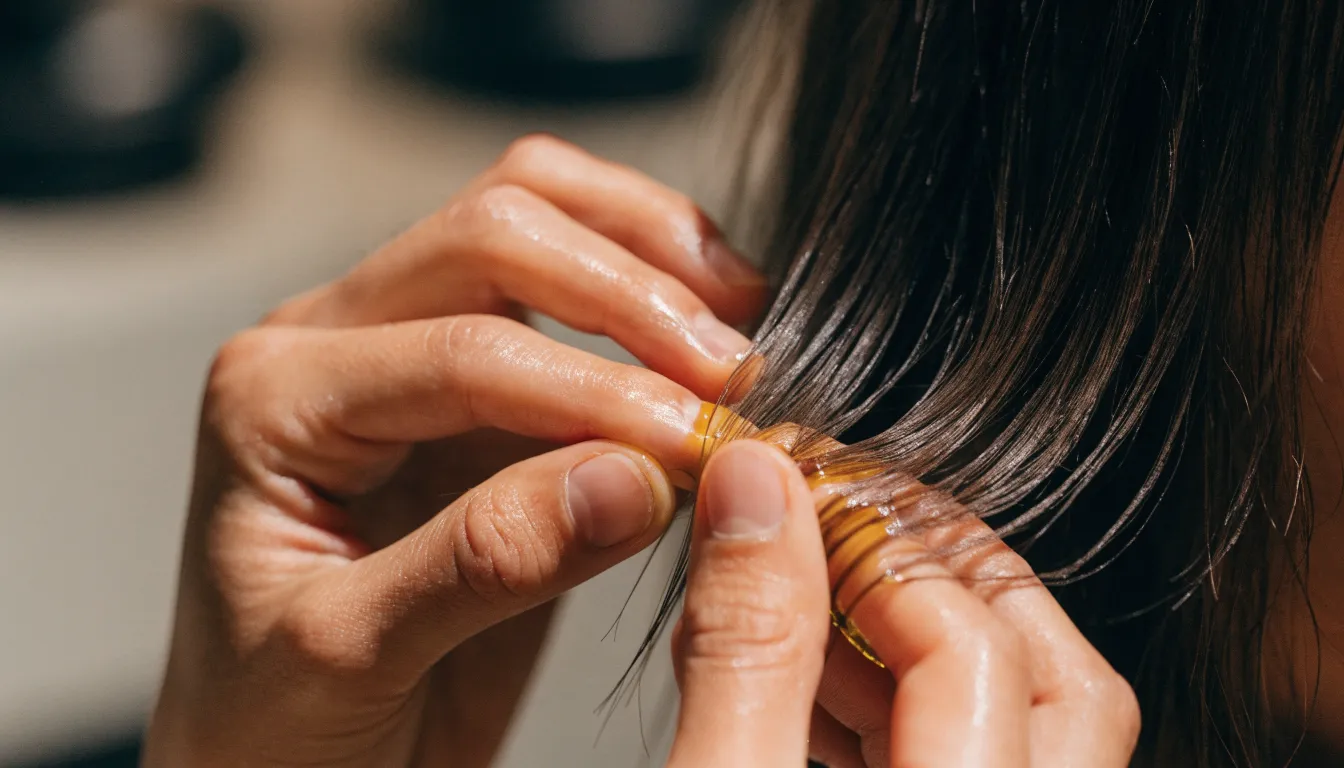
Grapeseed oil is great for reviving dull, tired hair. Its light texture and nutrients let it soak into hair strands, helping repair damage and add shine. When hair looks brittle, its outer cuticle layer is often damaged or raised. Grapeseed oil smooths and seals these cuticles, creating a reflective surface that makes hair look brilliantly shiny.
For a deep hot oil treatment, warm a small amount of grapeseed oil until it feels warm, not hot. Apply it generously to dry or slightly damp hair, focusing on the mid-lengths and ends, and massage a little into your scalp. Cover your hair with a shower cap or warm towel to help the oil penetrate, and leave it on for 30 minutes to an hour. Then shampoo thoroughly and condition as usual. Your hair should feel noticeably softer, smoother, and shinier.
You can also use grapeseed oil as a leave-in mask. After shampooing and towel-drying, apply a small amount mainly to the ends and distribute it evenly with your fingers or a wide-tooth comb. Leave it on for a few hours or overnight, protecting your pillow with a towel if needed. In the morning, rinse thoroughly and style as usual. This helps tame frizz, adds lasting hydration and shine, and with regular use keeps hair healthy and prevents dullness.
Choosing Quality Oils
Choosing a quality grapeseed oil starts with knowing how it was extracted. The main methods are cold pressing and solvent extraction, and this choice affects how much goodness the oil keeps.
Cold pressing crushes the seeds at low temperatures without chemicals. This keeps the oil’s natural flavor, aroma, and heat-sensitive nutrients intact, including antioxidants, polyphenols, and essential fatty acids. The oil stays unrefined, so valuable components are not stripped away.
Solvent extraction uses chemicals like hexane to get more oil out, but it needs high heat and refining afterward. Those harsh steps can damage delicate fatty acids, weaken antioxidants, and remove trace nutrients. That’s why cold-pressed, unrefined grapeseed oil is recommended—it keeps more of the plant’s natural benefits and works better for skin, hair, and overall wellness.
Daily Application Tips
Grapeseed oil works well in a morning skincare routine. Start by cleansing and toning your face, then press two to three drops of the oil onto your skin with your fingertips. It absorbs quickly, adds light moisture, and leaves a smooth base before sunscreen or makeup. Your skin stays soft and comfortable during the day without feeling greasy.
At night, grapeseed oil helps nourish and repair skin while you sleep. After cleansing and toning, use a little more oil—about four to five drops. Massage it gently into your face and neck using upward motions. It moisturizes deeply and supports overnight recovery. You can use it alone or under a richer night cream, depending on your skin’s needs.
For your body, apply grapeseed oil right after a shower while skin is still damp. This locks in moisture. Rub a small amount over your arms, legs, and torso, and it absorbs fast so you can get dressed quickly. You can also mix it with body lotion. Grapeseed oil also works as a gentle makeup remover: massage a little onto your face, even around the eyes, to lift away makeup, then rinse with warm water and cleanse as usual.
Frequently Asked Questions
Where does grapeseed oil come from and how is it processed?
Grapeseed oil comes from the leftover pomace—skins, pulp, and seeds—of grapes after winemaking. The seeds are collected, dried, and then the oil is extracted either by cold pressing or solvent extraction before being refined.
Will grapeseed oil clog my pores if I have oily or acne-prone skin?
No, grapeseed oil has a low comedogenic rating of 1 (on a scale of 0-5), meaning it is very unlikely to clog pores. Its lightweight texture absorbs quickly and helps normalize sebum, making it suitable for oily, sensitive, and acne-prone skin.
What benefits does grapeseed oil offer for aging skin?
Grapeseed oil is an antioxidant powerhouse, containing vitamin E and powerful proanthocyanidins that neutralize free radicals which cause early aging. It also protects collagen and elastin, helping to keep skin firm and flexible to reduce fine lines and sagging.
Can grapeseed oil be used to protect hair from heat styling?
Yes, grapeseed oil has a relatively high smoke point, forming a protective barrier that helps absorb heat from styling tools like flat irons and blow dryers. This prevents moisture loss and damage, while its lightweight coating keeps hair smooth without weighing it down.
How should I apply grapeseed oil under my eyes to reduce dark circles and puffiness?
Apply about one drop of grapeseed oil per eye onto your fingertip, then gently pat it along the bone under your eye with your ring finger, moving outward. It’s crucial to avoid rubbing, as this delicate skin is easily damaged.
How should I choose a quality grapeseed oil and use it with essential oils?
For quality, choose cold-pressed, unrefined grapeseed oil as it retains more natural benefits than solvent-extracted oil. When using it as a carrier oil, always follow safe dilution ratios (e.g., 1-2% for facial serums) and patch test first to prevent irritation.