Helichrysum Essential Oil: Benefits, Uses, & Buying Guide
Table of Contents
- In Folklore — How It Was Used Historically
- Soothing Skin — Calming Sunburned And Irritated Skin
- Fading Scars — Gentle Support For Skin Repair And Renewal
- Pain Relief — Natural Relief For Tired Muscles And Joints
- Wound Healing — Assisting Your Body Recovery Process Naturally
- Stress Release — Using It Oil To Soothe Stress
- Fighting Colds — How It Can Help
- Better Digestion — Traditional Uses For Abdominal Wellness
- Blending Helichrysum Oil — Perfect Carrier Oils For Safe Application
- Topical Application Methods — Simple Steps For Applying It Directly
- Patch Testing and Safety Check for Sensitive Skin
- Aromatherapy Diffuser Recipes — Creating Calming Scents For Your Home
- Safety Considerations and Potential Side Effects
- Who Should Avoid Helichrysum Essential Oil?
- Spotting Genuine Quality — How To Buy Pure Undiluted Helichrysum
- Price Expectations and Red Flags to Avoid
Helichrysum essential oil, derived from the Helichrysum italicum plant, is valued in natural wellness for its antimicrobial, anti-inflammatory, and skin-renewing properties. Historically used for wound healing and skincare, it supports physical recovery, soothes irritated skin, provides pain relief, and offers stress and cold-fighting benefits when diffused or topically applied with a carrier oil.
Helichrysum Essential Oil: Uses and Benefits
Helichrysum essential oil comes from the bright Helichrysum italicum plant and is highly valued in natural wellness. Because it offers so many helpful properties, it is a popular ingredient in holistic health routines. It also has antimicrobial effects that help protect against harmful germs and environmental stressors.
Let’s look at how it supports physical recovery and overall wellness, helping the body restore itself naturally.
In Folklore — How It Was Used Historically
This oil has deep roots in the ancient Mediterranean world, where the golden flower known as “Immortelle” was prized for its lasting beauty and ability to stay vibrant even after drying. In ancient Greece, it was used in spiritual ceremonies, with dried flowers shaped into wreaths and offered to the gods.
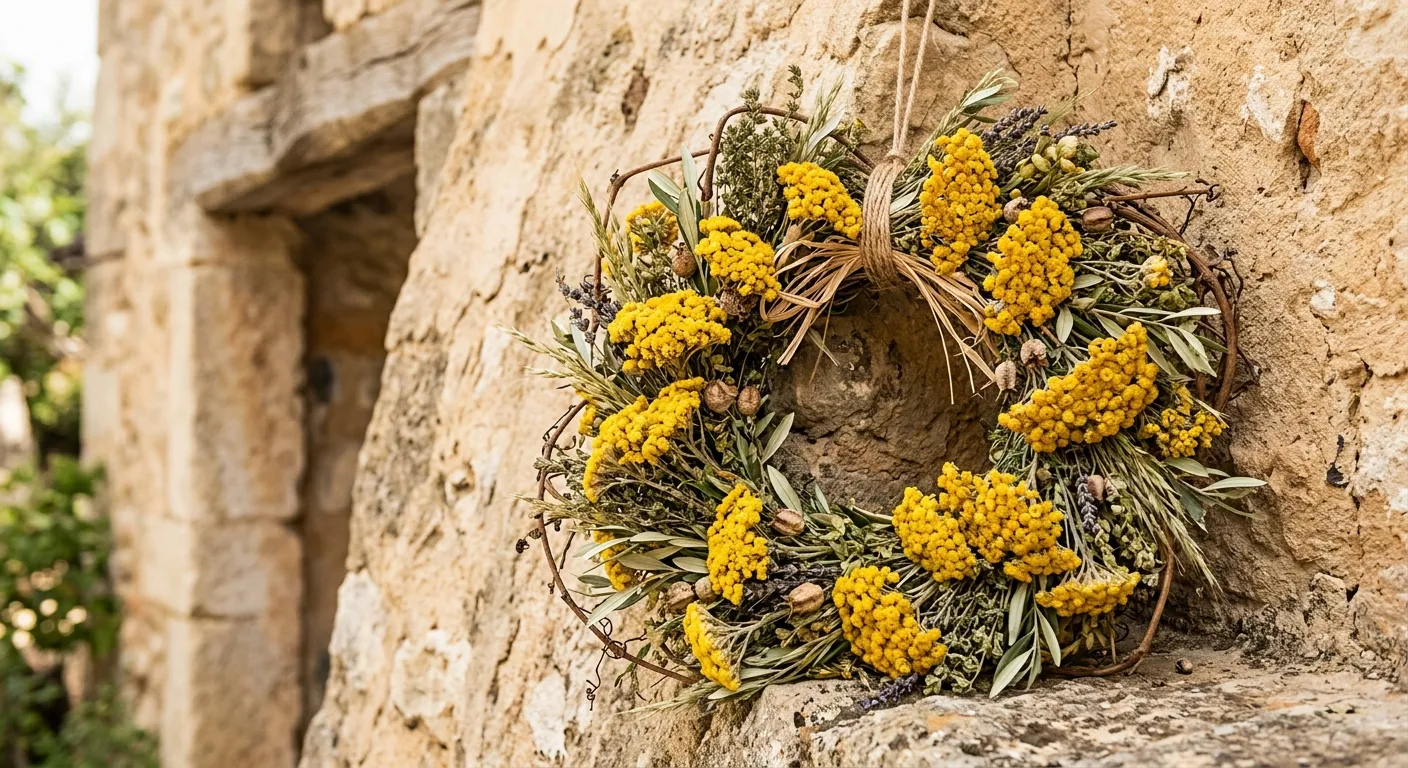
The ancients created soothing ointments and balms from the plant, and especially valued it for treating soldiers’ combat wounds.
It was added to daily care routines to keep the complexion fresh and fight visible signs of aging. These early uses, which were sacred, medicinal, and cosmetic, show how deeply helichrysum was trusted and given a position of honor in the home.
Soothing Skin — Calming Sunburned And Irritated Skin
Helichrysum oil is very helpful for calming irritated skin, offering a gentle way to care for sensitive or damaged areas.
When you apply it to the skin, it helps tone down the body’s inflammatory response, making redness less visible and easing discomfort.
For a fresh sunburn, a properly diluted blend of helichrysum oil can be very soothing. Mix a few drops with a mild carrier oil like jojoba, almond, or fractionated coconut oil, then gently apply it to the burned areas.
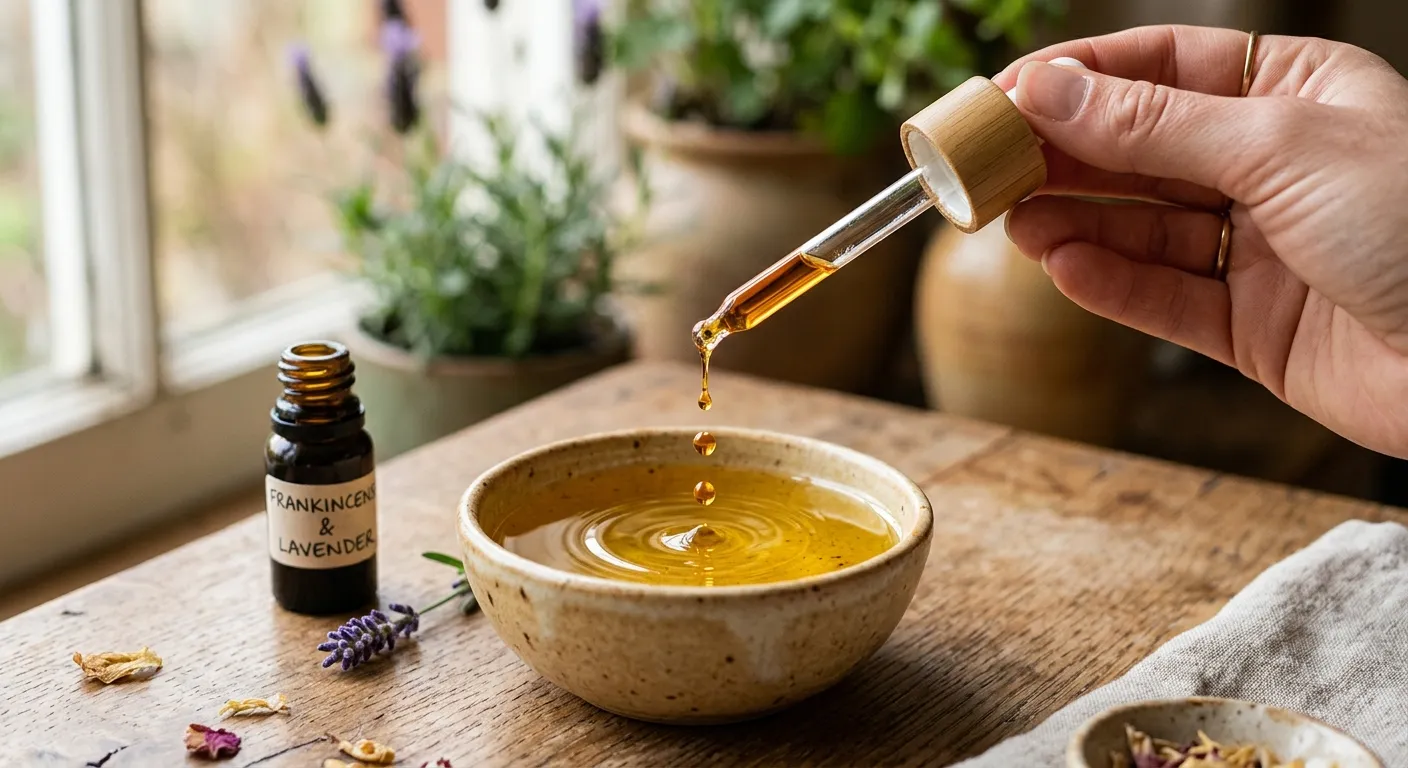
The same kind of diluted application can also ease eczema flare-ups, reducing itchiness, sensitivity, and visible redness. And for everyday problems like razor burn, using it after shaving can stop bumps from forming and relieve discomfort right away, leaving skin feeling smoother.
Remember: skin safety is always important when using essential oils. You should never put helichrysum oil directly on the skin without diluting it first, especially if the skin is already damaged or sensitive, such as with open wounds, severe sunburn, or active eczema flare-ups.
Fading Scars — Gentle Support For Skin Repair And Renewal
This essential oil is highly valued in natural skincare because it helps the skin repair and renew itself, especially when it comes to fading scars. It works by encouraging healthy cell turnover, which helps the skin shed old, damaged cells and bring fresh, healthy ones to the surface.
Helichrysum may also support collagen remodeling. Scar tissue often forms with uneven, disorganized collagen, which makes scars look raised or bumpy. The compounds in Helichrysum can help encourage a more organized collagen structure, gradually softening the texture of scars and making them less noticeable over time.
The exact timeline depends on factors like the age and depth of the scar, as well as your individual skin type.
One way you can use it is to gently massage a blend onto cleaned affected areas each night to support the skin’s natural repair process while you sleep.
Pain Relief — Natural Relief For Tired Muscles And Joints
Helichrysum essential oil is a gentle, natural option for soothing tired muscles and joints.
It works with the body’s natural healing process, bringing comfort, warmth, and flexibility to areas that feel tight or hard to move.
Mixing it with peppermint oil adds a cooling sensation that works well for localized muscle relief, while lavender oil brings a calming effect, ideal for a relaxing massage on stiff joints before bed. Always dilute these blends with a carrier oil, such as jojoba or almond oil, before applying to the skin.
Wound Healing — Assisting Your Body Recovery Process Naturally
This is an oil that can help the body recover naturally from minor skin problems. It also has mild coagulant-like qualities that may support the body’s natural ability to manage minor bleeding and reduce bruising. Together, these benefits make it a helpful addition to everyday skin care and repair.
When using it on minor wounds, it’s important to apply it safely. Gently clean the cut or scrape with mild soap and clean water, rinse it well, and pat it dry with a fresh cloth. Then, using a clean cotton swab or freshly washed fingertip, gently dab the mixture around the wound or over a clean scrape.
If a wound shows signs of infection, such as increasing redness, swelling, pus, warmth, or fever, see a healthcare professional. Helichrysum essential oil is a supportive aid for the body’s own healing in minor cases, not a replacement for medical treatment in serious ones.
Stress Release — Using Oil to Soothe
This essential oil has a calming, grounding scent with soft honey-like notes. When inhaled, its aroma works directly on the brain’s limbic system, the area that handles emotions, memory, and motivation. In folklore, this helps to ease nervous tension, quiet feelings of anxiety, and reduce emotional exhaustion.
Breathe it in slowly and deeply, keeping your attention on the scent while practicing mindful breathing. This allows the aromatic molecules to reach the brain quickly, helping you feel centered and calm almost immediately.
When inhaled, this oil can become a valuable daily tool for managing emotional demands and maintaining a peaceful, balanced mood.
Fighting Colds — How It Can Help
Helichrysum essential oil can be very helpful when you have a cold, mainly because it works in two important ways: it helps break up mucus and it reduces inflammation. The oil’s mucolytic action thins out the thick mucus that builds up in your nose and chest, making it easier to clear.
Another option is to mix it with a carrier oil, like jojoba or almond oil, and gently massage it onto your chest and throat.
It’s important to keep in mind that Helichrysum essential oil is not a cure for the cold virus. Its role is simply to make the cold easier to get through.
Better Digestion — Traditional Uses For Abdominal Wellness
This oil has a long history in folk medicine for supporting digestion and belly comfort. For generations, people used it to help the digestive system feel at ease, especially when the liver or gallbladder felt sluggish. These old practices show that helichrysum was recognized as a gentle but effective aid for gastrointestinal wellness.
Simply mix a few drops with a carrier oil like fractionated coconut oil, sweet almond oil, or jojoba oil. These carriers spread the oil evenly, lower the risk of skin irritation, and add their own nourishing benefits.
A gentle massage works best because it isn’t disruptive or invasive. Using this soothing massage regularly may help you feel more comfortable and support a healthy digestive rhythm, creating a sense of well-being from the inside out.
How to Use Helichrysum Essential Oil
There are a few ways you can use this oil in the home.
We’ll start with the simplest one:
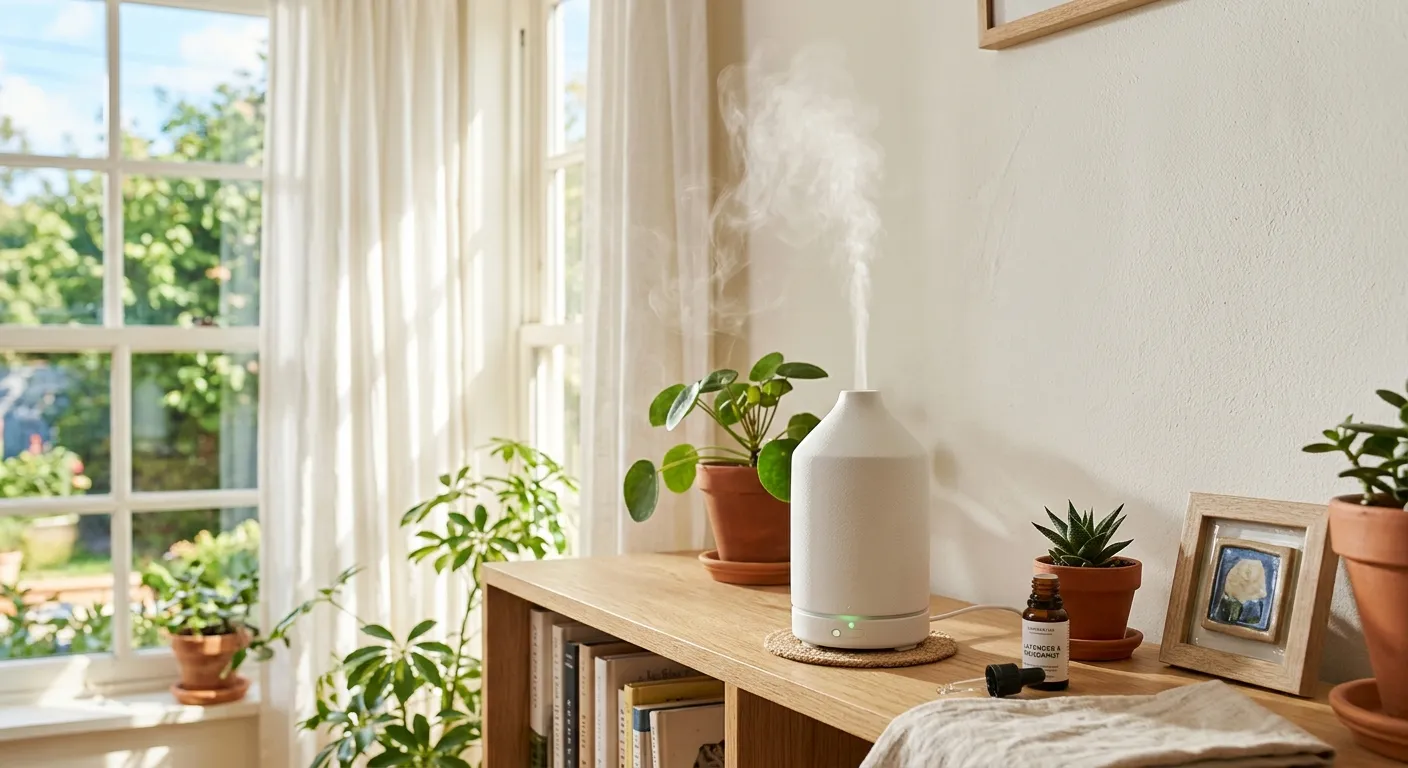
Add 3–5 drops to a diffuser and let it run for 15–30 minutes in a well-ventilated room.
You can also make a simple roll-on blend. For instructions on that, see the sections below.
Blending Helichrysum Oil — Perfect Carrier Oils For Safe Application
To use helichrysum essential oil safely and effectively, it should be mixed with a carrier oil that suits your skin type and needs. It absorbs quickly without leaving a greasy feel. Rosehip oil is full of vitamins and essential fatty acids, making it a good choice for mature skin, helping with fine lines, dark spots, and the look of scars while supporting skin renewal. Calendula oil is calming and anti-inflammatory, so it works well too.
The carrier oil also affects how quickly the helichrysum blend absorbs into the skin. Heavier or richer oils absorb more slowly, giving a gentler, more gradual release of benefits. Rosehip oil, while very beneficial, has a shorter shelf life because of its delicate fatty acids, so it needs careful storage to avoid going rancid.
When paired with the right carrier choices, helichrysum can work more effectively and meet specific skin concerns safely. Experiment and see which oil works best for you.
Topical Application Methods — Simple Steps For Applying It Directly
Make sure your hands are clean, and also gently wash the area of your skin where you will apply the oil.
Massage it gently into the area using small circular motions until your skin absorbs it. If you are using it on your temples to help you relax, you can just dab a small amount there and rub it in lightly.
Just add 10 to 20 drops of Helichrysum essential oil to a 10ml bottle, and fill the rest with your carrier oil. This gives you a handy, mess-free way to apply the oil exactly where you need it throughout the day.
Patch Testing and Safety Check for Sensitive Skin
To safely enjoy the skin benefits of helichrysum essential oil, especially if you have sensitive skin, always start with a patch test. Pick a small, hidden spot, like your inner forearm, and be sure to dilute the oil first. Then, use a clean finger or cotton swab to apply a tiny amount of this mixture to the spot and cover it with a bandage.
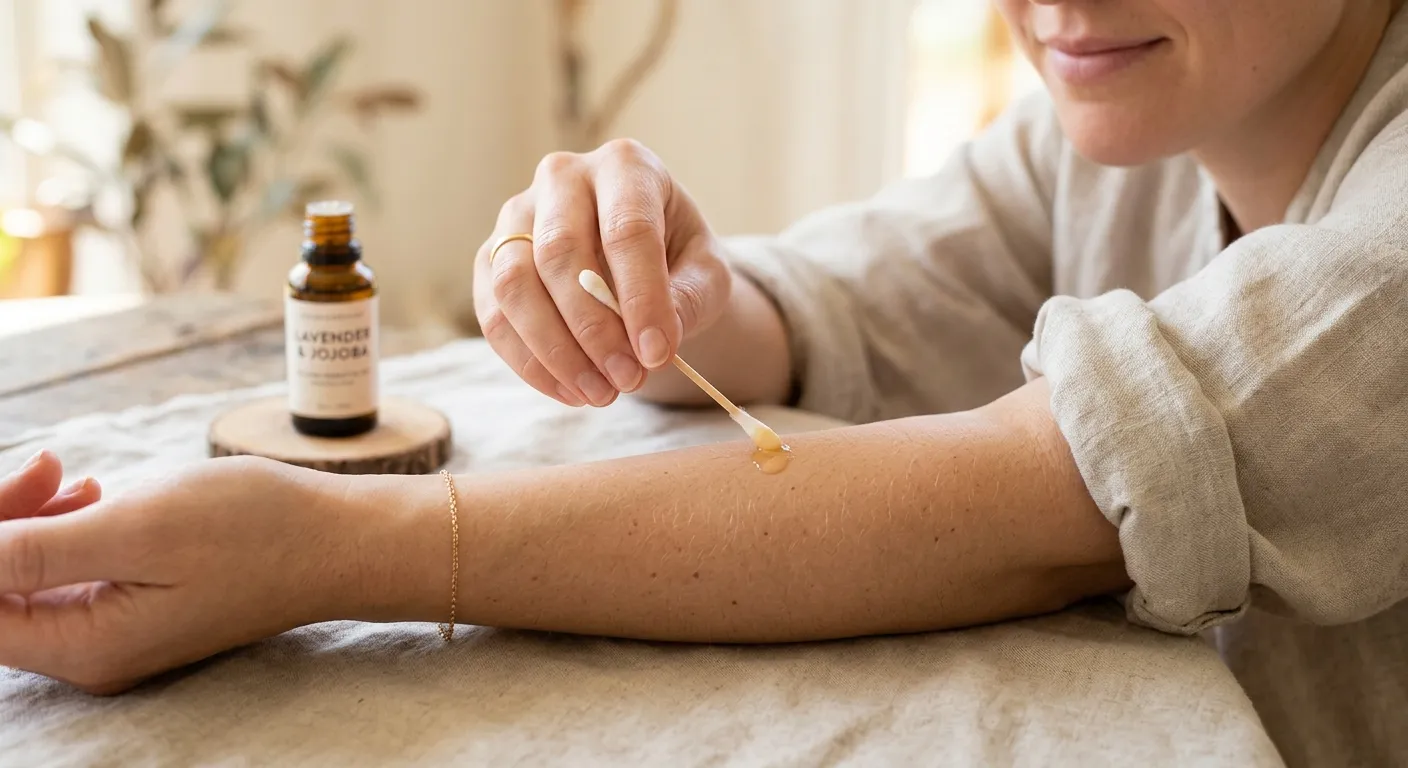
However, if you notice even a mild reaction, it means your skin is sensitive to the oil, and you should avoid using it topically.
Aromatherapy Diffuser Recipes — Creating Calming Scents For Your Home
Making your home calm often starts with the smells in the air. Using an ultrasonic diffuser helps spread these scents around your room.
For deep relaxation, especially at night, try mixing 2 drops of helichrysum, 3 drops of frankincense, 4 drops of lavender, 3 drops of bergamot, and 2 drops of cedarwood. This blend makes a calm, earthy aroma that is great for a bedroom or a quiet spot, helping you wind down and prepare for sleep.
Run it in short cycles—about 15 to 30 minutes on, then 30 to 60 minutes off—instead of leaving it on all the time to avoid overwhelming the room. Also, keep the room ventilated by opening a window now and then to keep the air fresh and stop the scents from building up.
Safety Considerations and Potential Side Effects
When using Helichrysum essential oil, safety should always come first. If you notice any redness, itching, or discomfort, stop using it right away.
This oil is not typically linked to phototoxicity, but it’s still wise to be cautious about sun exposure after applying any essential oil to your skin.
Certain compounds in the oil could potentially affect blood thinners, diabetes medications, or blood pressure treatments. If you are pregnant, nursing, taking prescription drugs, or managing a health condition, it’s strongly recommended to talk to a healthcare professional before using it.
You should also remember that essential oils should never be swallowed unless a qualified medical professional has given you direct instruction to do so. Keep the oil in its original dark glass bottle, tightly sealed, and stored in a cool, dark place away from sunlight and heat.
Who Should Avoid Helichrysum Essential Oil?
Helichrysum essential oil has many helpful uses, but some people should be careful and may want to avoid it altogether. To stay safe, it is best for these individuals to skip this oil.
Do not use it if you’re taking heavy medications without consulting a doctor. It can interfere with blood thinners and raise the risk of bleeding or bruising. It is also smart to stop using it well before any surgery.
No matter which oil you choose, always dilute it properly and do a patch test on your skin first, especially if you have sensitive skin.
How to Buy Helichrysum Essential Oil
Finding a genuine Helichrysum essential oil takes careful attention, because the market is full of products with very different quality levels and origins. If you want an oil that actually works, start by checking the botanical name.
Real Helichrysum oil comes from Helichrysum italicum, but some sellers offer oil from other species or even different plants and label it in a vague way.
A transparent supply chain shows that the producer cares about protecting the plant for the long term and treating the people involved fairly.
Spotting Genuine Quality — How To Buy Pure Undiluted Helichrysum
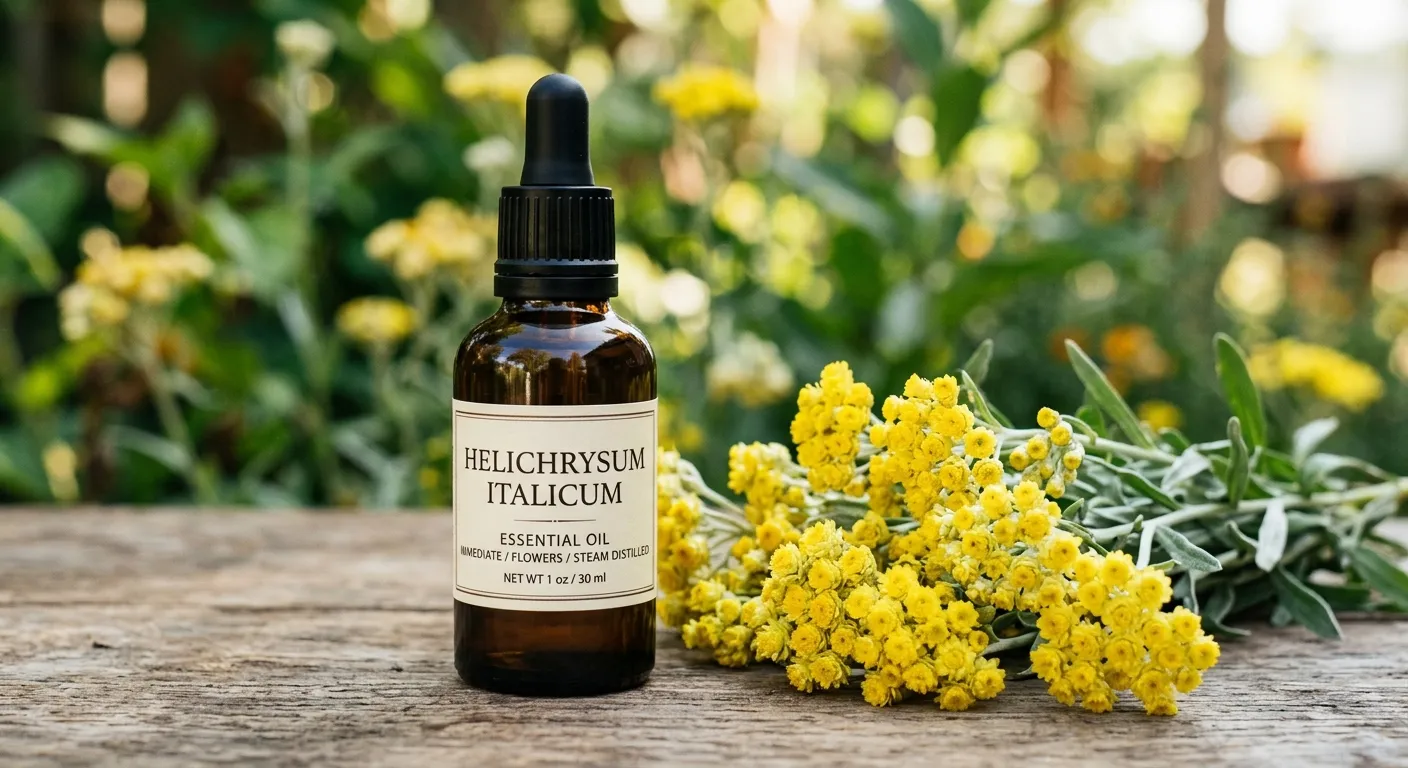
To be sure you’re getting genuine Helichrysum essential oil, take a close look at the label. It must clearly state the exact botanical name, Helichrysum italicum. This Latin name sets it apart from other plants that may share a common name but don’t offer the same therapeutic benefits.
Ideally, the label should also show the country of origin. Because Helichrysum italicum mainly grows around the Mediterranean, knowing where it comes from helps show authenticity and quality—the local climate and soil affect the plant’s chemistry and, in turn, how well the oil works.
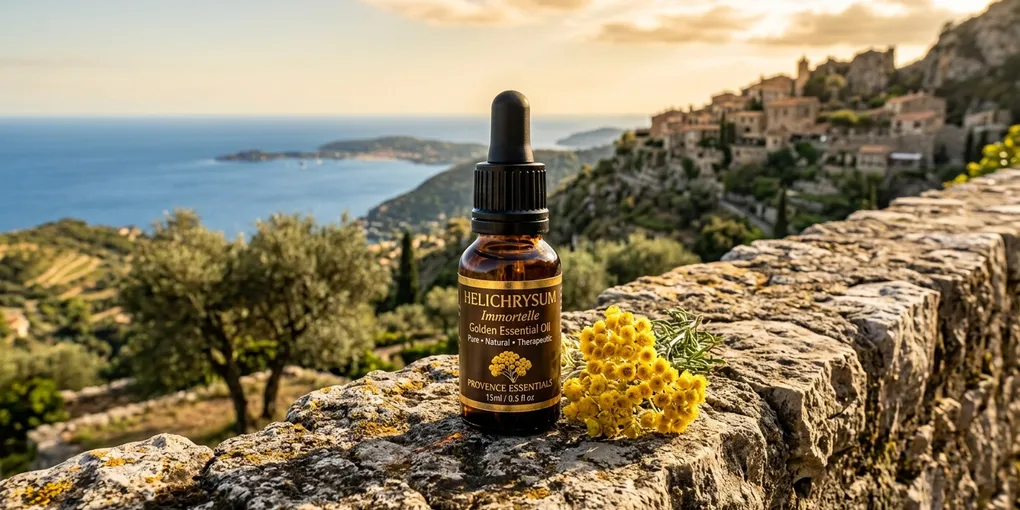
Pure, undiluted Helichrysum essential oil should always come in dark amber or cobalt glass bottles. Choosing oil in proper dark glass helps preserve its integrity and effectiveness until you’re ready to use it.
Price Expectations and Red Flags to Avoid
Helichrysum essential oil is highly valued in aromatherapy because of its powerful and versatile properties. To make even a small amount, you need a huge amount of plant material.
Because it’s so valuable, you need to watch out for fakes and low-quality products. The biggest warning sign is a very low price. If a bottle claims to be pure Helichrysum italicum but seems too cheap, it probably is.
So, buyer beware. Having said that, it’s always possible your seller is having a sale that’s made it available at a very good price. Use your head and verify your providers, and you should be able to get what you want at a price that’s fair.
Frequently Asked Questions
What are the main benefits of Helichrysum essential oil?
Helichrysum essential oil is valued for its antimicrobial, anti-inflammatory, and skin-renewing properties. It can support physical recovery, soothe irritated skin, aid in fading scars, provide pain relief, and offer stress-releasing and cold-fighting benefits.
How do you safely apply Helichrysum essential oil to the skin?
Always dilute helichrysum oil with a carrier oil like jojoba, almond, or fractionated coconut oil before applying it to the skin. Gently massage the blend into the desired area using small circular motions. Always do a small patch test on a hidden area first to check for any adverse reactions.
Can Helichrysum essential oil help improve the appearance of scars?
Yes, this essential oil is valued for helping the skin repair and renew itself, especially in fading scars. It encourages healthy cell turnover and may support collagen remodeling, gradually softening the texture of scars and making them less noticeable over time.
Is it safe to use Helichrysum essential oil if I’m on medication?
If you are pregnant, nursing, taking prescription drugs like blood thinners, diabetes medications, or blood pressure treatments, or managing a health condition, it is strongly recommended to talk to a healthcare professional before using Helichrysum essential oil. It is also advised to stop using it well before any surgery.
How can I use Helichrysum essential oil to help with cold symptoms?
Helichrysum essential oil can help with colds by thinning out thick mucus and reducing inflammation. You can diffuse it in a well-ventilated room for 15-30 minutes, or mix it with a carrier oil like jojoba or almond oil and gently massage it onto your chest and throat.
What should I look for to ensure I’m buying pure Helichrysum essential oil?
To buy genuine Helichrysum essential oil, look for a label that clearly states the exact botanical name, Helichrysum italicum. The label should also ideally show the country of origin, and the oil should come in a dark amber or cobalt glass bottle to preserve its integrity.