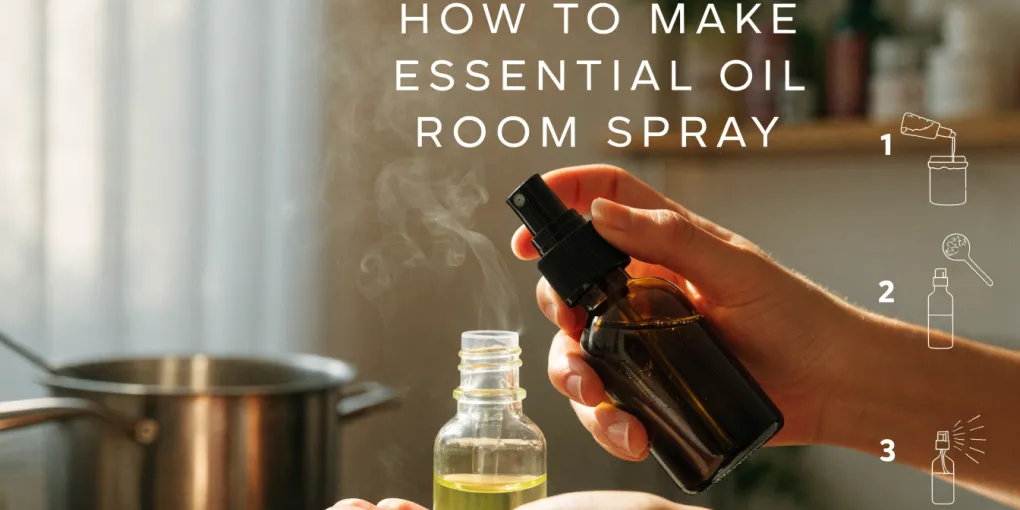
To make an essential oil room spray, combine distilled water with essential oils and a solubilizer like witch hazel or high-proof alcohol in a dark glass spray bottle. The solubilizer ensures oils disperse evenly. Choose essential oils based on desired room effects, such as calming lavender for bedrooms or invigorating lemon for offices, then dilute to a 1-3% concentration for an effective and balanced scent.
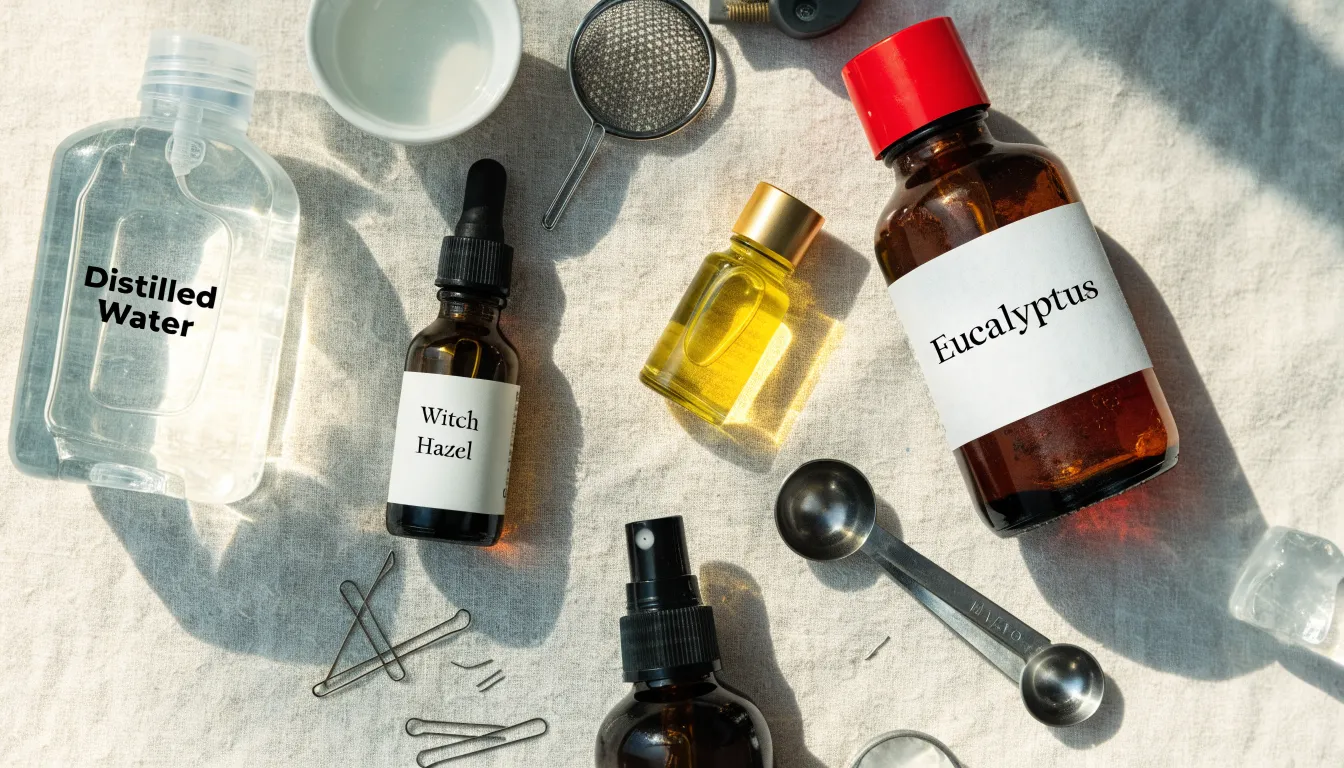
Table of Contents
- Basic Ingredients
- Selecting Essential Oils
- Choosing the Right Base Liquid
- Understanding Emulsifiers
- Spray Bottle Selection
- Simple Measuring Guide
- Lavender and Chamomile Blend
- Citrus Fresh Mix
- Eucalyptus and Mint Combo
- Cozy Spice Blend
- Step by Step Mixing
- Shaking and Testing
- Proper Storage Tips
- Troubleshooting Common Issues
- Cost Comparison Breakdown
Basic Ingredients
The foundation of an essential oil room spray is a clean base, and that means distilled water. Tap water contains minerals and impurities that can interfere with the oils and encourage bacteria. Distilled water keeps the spray pure, clear, and long-lasting, so the essential oil aromas come through properly.
The essential oils themselves are the heart of the spray. For the best scent and benefit, choose pure, undiluted oils from reputable sources, ideally labeled with their botanical name and country of origin. These high-quality oils provide natural fragrance and therapeutic effects, turning an ordinary spray into a more enriching experience.
Because essential oils naturally repel water, you need a carrier or solubilizer like witch hazel or polysorbate to help them blend evenly through the distilled water. This keeps the oil from floating on top, so every spray delivers the same balanced scent. Finally, use precise measuring tools to get the right oil amounts for a consistent, safe, and effective room spray.
Selecting Essential Oils
Choosing the right essential oils for each room can make your space feel more balanced and intentional. In bedrooms, focus on calming oils that support rest and relaxation. Lavender soothes the mind, cedarwood helps quiet racing thoughts, and Roman chamomile or bergamot ease tension before sleep.
For home offices or study areas, choose oils that boost focus and mental clarity. Lemon and grapefruit are uplifting and refreshing, peppermint sharpens alertness, and rosemary supports memory and concentration. These bright scents help keep the mind engaged and productive during work.
In living rooms, aim for inviting yet subtle scents. Citrus blends like sweet orange and mandarin create warmth, while frankincense and geranium add a grounded, balanced feel. For bathrooms, use purifying oils such as tea tree, eucalyptus, or pine to freshen the air and create a clean, revitalized atmosphere. Matching each oil’s function to the room’s purpose turns a simple spray into something that actively improves daily life.
Choosing the Right Base Liquid
To make an essential oil room spray, the base liquid you choose affects how the scent spreads, how long it lasts, and how stable the product is. The three common options are distilled water, high-proof alcohol, and witch hazel.
Distilled water is simple and gives a fine mist, but essential oils do not mix with it naturally. You must shake the bottle well before each use, or you may spray concentrated oil droplets instead of an even scent. Water evaporates slowly, so the aroma stays in the air longer, but it takes more time to spread. Water also grows microbes easily, so sprays using only water have a short shelf life unless you add a natural preservative.
High-proof alcohol, like grain alcohol or unflavored vodka, mixes very well with essential oils. It creates a consistent, fine mist that disperses evenly. Alcohol evaporates quickly, so the fragrance fills the room fast and leaves no damp residue. It also has natural antimicrobial properties, which greatly extends the shelf life and usually removes the need for extra preservatives. Witch hazel is a middle-ground option. It disperses oils better than water, though not as well as alcohol, and it evaporates faster than water but slower than alcohol. It offers some preservative benefits, making it more stable than water, but for very long storage, you may still need extra care. Each base lets you adjust your spray to fit your preferences.
Understanding Emulsifiers
Essential oils and water don’t naturally mix because of how their molecules are built. Water is polar, meaning it has slight positive and negative charges, so it is attracted to other polar molecules. Essential oils are mostly nonpolar—they lack those charges—so water molecules are much more drawn to each other than to the oil. This causes the oil and water to separate into layers, with the lighter oil floating on top.
To make an effective room spray, you need something that helps these two ingredients blend together. That’s where solubilizers or emulsifiers like high-proof grain alcohol or witch hazel come in. These ingredients have both polar and nonpolar parts, so they can act as a bridge. The polar part connects with water, while the nonpolar part connects with the essential oil.
Because of this bridging action, the essential oil becomes finely dispersed throughout the water instead of pooling into a separate layer. The result is a stable, uniform spray that delivers a consistent aroma with every use—no need to shake the bottle constantly before each spritz.
Spray Bottle Selection
Essential oils are delicate and can easily be damaged by light. Ultraviolet rays can cause them to break down, weakening their beneficial properties and altering their natural scent. To prevent this, using dark glass bottles—like amber or cobalt—is the best choice.
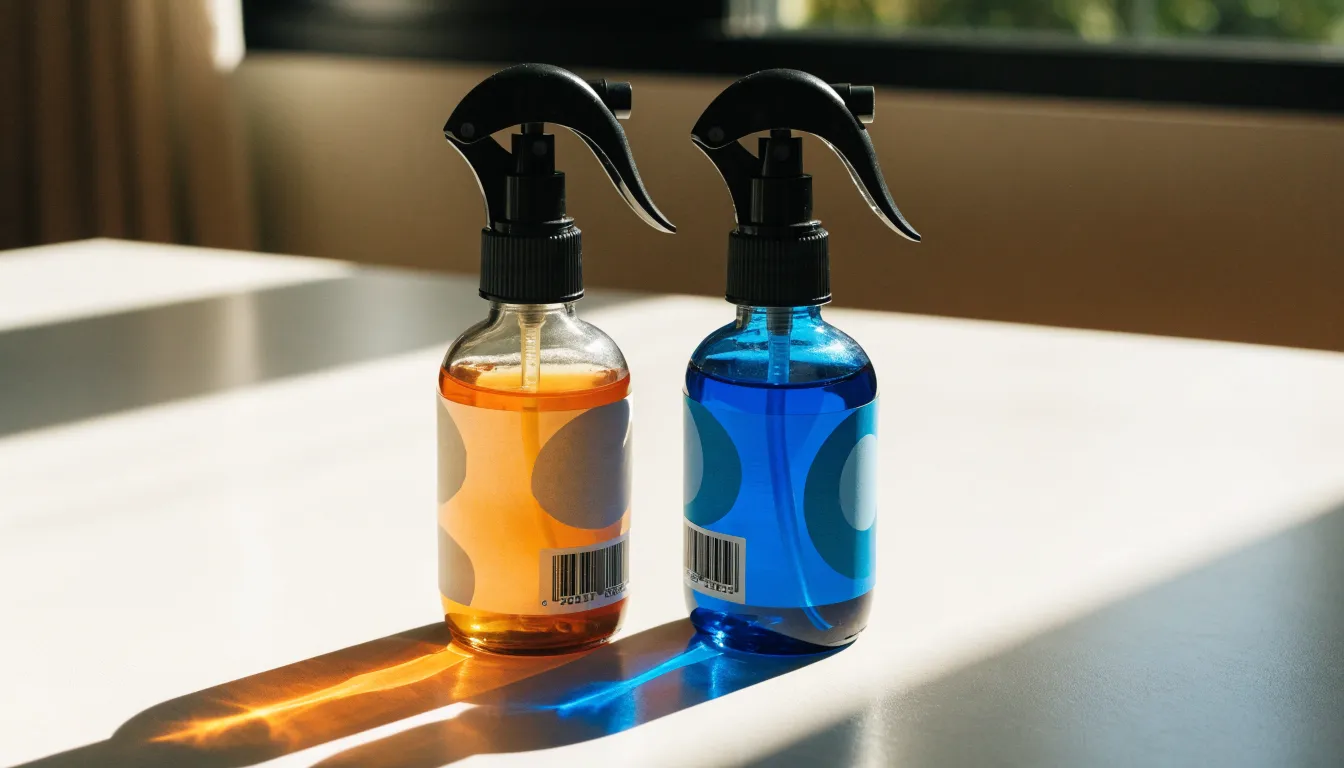
Dark glass acts as a shield, blocking out that harmful light and keeping the oils fresh and potent for a much longer time. Clear glass provides no protection, so it allows light to pass through and quickly ruin the quality of your room spray.
Plastic bottles are a poor alternative because oils can interact with the material. Over time, essential oils can degrade the plastic, causing chemicals to leak into your spray and contaminate it. While some specific plastics might work for heavily diluted mixtures, dark glass remains the superior option for storing your spray safely and keeping it effective.
Simple Measuring Guide
To make a well-balanced essential oil room spray, the dilution ratio matters most. A concentration between 1% and 3% gives a pleasant scent that enhances a room without becoming overwhelming. A 1% dilution is subtle and works well for small spaces or sensitive noses, while a 3% dilution provides a stronger fragrance for larger areas or when you want a bigger aromatic effect. More than 3% can overpower the senses and waste your oils.
Measuring is simple: about 20 drops of essential oil equal 1 milliliter. For a standard 2-ounce (60-milliliter) spray bottle, use roughly 12 drops for a 1% concentration, 24 drops for 2%, and 36 drops for the recommended maximum of 3%.
Start with the lower range, around 1% or 2%, and test the spray in your room. If you want more scent, add a few drops at a time until it feels right. This step-by-step approach helps you create a naturally fragrant spray that suits your space and preferences perfectly.
Lavender and Chamomile Blend
Lavender essential oil is the star of this calming blend, known for its soothing and sedative properties. Its sweet, floral aroma helps quiet the nervous system, ease feelings of anxiety, and signal to your body that it’s time to wind down. Spraying it in your sleep space makes it easier to fall asleep and stay asleep through the night.

Chamomile essential oil, especially Roman chamomile, brings its own gentle relaxation power. It helps release physical tension, calm an overactive mind, and reduce that sense of being overwhelmed. Its soft, apple-like, herbal scent adds warmth and comfort to the room, supporting a deeper sense of peace.
Together, lavender and chamomile work synergistically, boosting each other’s calming effects. The combined aroma creates a deeply tranquil atmosphere that prepares your mind and body for rest. Lightly misting this blend around your pillows and linens before bed can turn your nighttime routine into a true path to restorative sleep.
Citrus Fresh Mix
The Citrus Fresh Mix is an energizing kitchen spray made from three essential oils. It clears away stale cooking smells and replaces them with a bright, fresh scent that lifts your mood.
Lemon oil is the base, and it works as a strong natural deodorizer. It cuts through tough odors like leftover stir-fry or fish, leaving the air clean and renewed. Sweet orange oil adds a warm, cheerful note that brings happiness and comfort. It softens the blend and makes the kitchen feel welcoming instead of plain. Bergamot oil finishes the mix with a light floral, slightly spicy citrus smell. It adds depth and helps calm stress while keeping you alert, turning a busy kitchen into a more peaceful place.
Together, these oils create a balanced spray that not only removes bad odors but also boosts the whole atmosphere of the room. A few spritzes make the kitchen feel fresher and more inspiring, turning an ordinary workspace into a pleasant part of your home.
Eucalyptus and Mint Combo
Eucalyptus and mint essential oils make a wonderfully refreshing bathroom deodorizer. The crisp, purifying blend quickly neutralizes harsh odors and replaces them with a clean, spa-like freshness that lifts the whole room.
Eucalyptus essential oil brings a distinctively clean, camphor-like scent. It is valued for its clearing and purifying qualities, making it excellent for fighting stale or unpleasant smells. Its fresh, deep aroma makes the space feel more open, clean, and sanitized.
Peppermint essential oil adds a bright, cool, and uplifting note. Its sharp, minty fragrance is very effective at cutting through and removing odors, while adding an energizing layer that keeps the blend from feeling too heavy or medicinal. Together, eucalyptus and peppermint work in harmony: the robust clean scent of eucalyptus blends with the cool sharpness of peppermint, creating a fresh, invigorating aroma that leaves the bathroom smelling naturally clean, pleasant, and revitalized.
Cozy Spice Blend
Cinnamon, clove, and vanilla work together in this blend to create a warm, cozy scent for living spaces. Cinnamon adds sweet, spicy notes that instantly feel familiar and comforting, bringing to mind happy home environments and a sense of contentment.
Clove brings a rich, slightly woody, and deeply aromatic spice. It adds grounding depth and an exotic undertone, making the blend feel fuller and more enveloping. Vanilla rounds everything out with a creamy, sweet, and soothing fragrance, softening the sharper spice notes and creating a smooth, inviting balance.
When sprayed or diffused, the blend makes a room feel more welcoming and secure. It encourages relaxation and conversation, making it perfect for family gatherings, time with friends, or unwinding after a long day. The scent evokes moments like baking or enjoying a warm drink, turning busy common areas into calm, cozy retreats where everyone feels at ease.
Step by Step Mixing
Prepare your space with a clean towel, gloves, and all measured ingredients and tools. The emulsifier and essential oils are the main focus here: gloves protect your skin from the concentrated The emulsifier and essential oils are the main focus here: gloves protect your skin from the concentrated oils, which can cause irritation.
Start by pouring the emulsifier into your mixing container, then add the essential oils drop by drop. This order is important because the emulsifier surrounds each oil drop and keeps the oils evenly spread through the spray, instead of letting them float on top. Stir gently for about a minute until the blend looks slightly cloudy or milky.
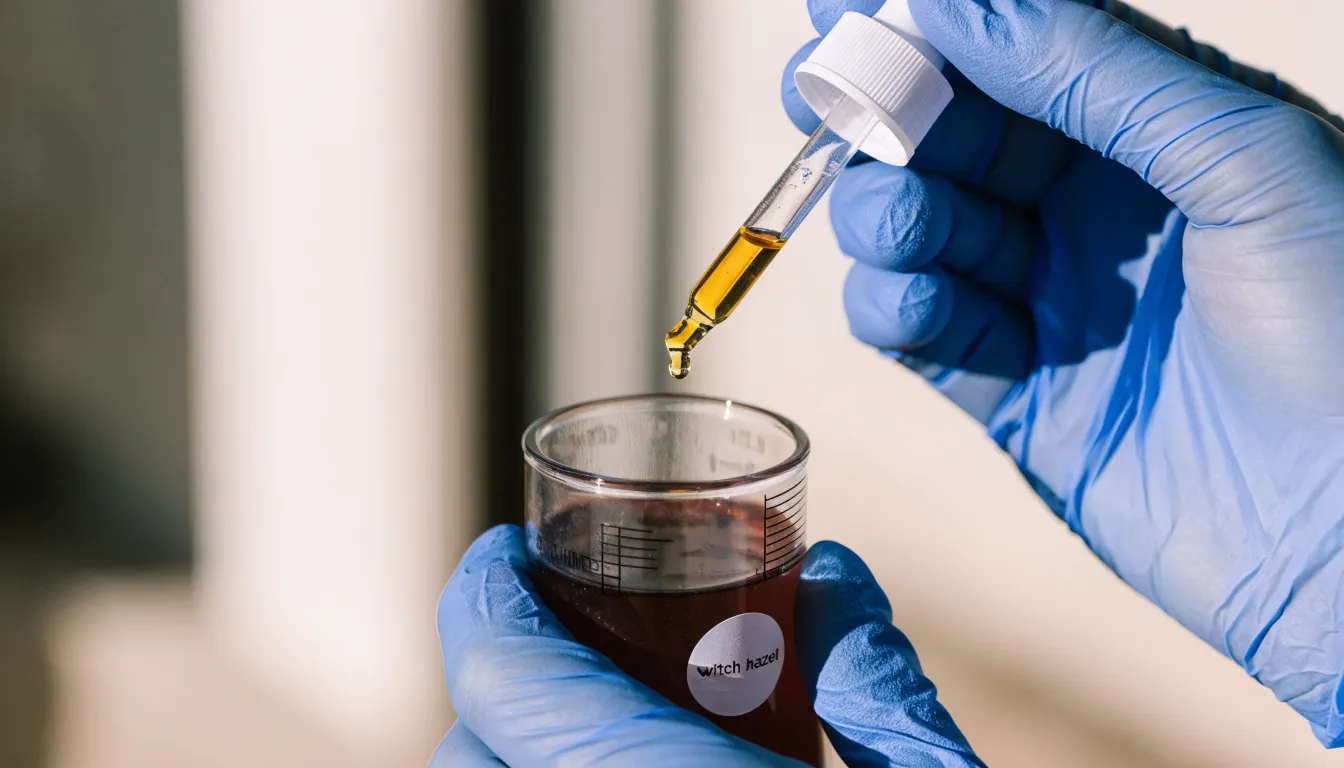
Slowly pour in your liquid base, like distilled water or witch hazel, while stirring. This keeps the oil mixture stable and fully dispersed. Finish by pouring the room spray into a bottle, shaking it gently before each use, and cleaning up any spills.
Shaking and Testing
After mixing your essential oils with the carrier liquid and water in the spray bottle, shake the bottle well for about 10–15 seconds. This helps the oils spread evenly through the whole mixture, so every spray delivers a balanced amount of scent.
Next, test the spray nozzle by pointing it away from your face and delicate surfaces. Press the sprayer a few times to make sure it works properly. The mist should be fine, even, and wide—not sputtering or making large drops. This also primes the pump for future sprays.
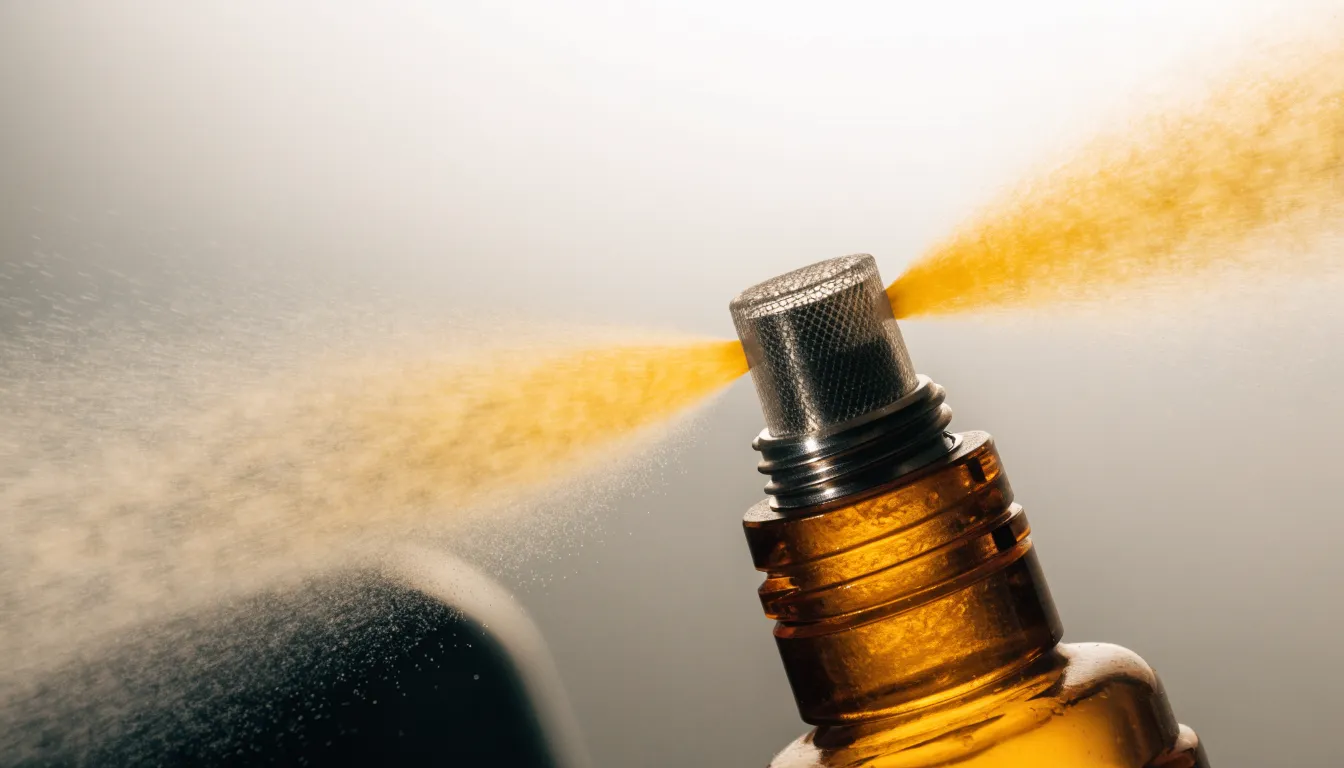
Now test the scent. Spray once or twice into the air in a neutral room, away from fabrics and furniture. Wait a moment, then walk around to see how far the scent spreads and how strong it is. If it’s too weak, add one drop of essential oil at a time and shake well. If it’s too strong, add a little more distilled water or witch hazel. Keep testing and adjusting until the aroma is pleasant, noticeable, and not overpowering.
Proper Storage Tips
Proper storage is key to keeping your homemade essential oil room sprays fresh and effective. The most important rule is to store them in cool, dark places. Heat speeds up oxidation, which makes the oils lose their scent and therapeutic power faster, while a steady cool temperature helps protect the oil molecules and keeps their benefits intact.
Light, especially UV rays, can also damage essential oils by changing their chemical structure and weakening their aroma and healing qualities. To avoid this, keep sprays in a dark cupboard, pantry, or drawer, and use amber or cobalt blue glass bottles, which filter out light and add extra protection. It’s also best to avoid spots near windows, heating vents, or anywhere temperatures fluctuate.
Finally, always seal bottles tightly after each use to prevent air exposure and evaporation, which can reduce both volume and potency. Following these simple storage tips helps your room sprays stay strong, aromatic, and ready to freshen your space whenever you need them.
Troubleshooting Common Issues
Even careful sprays can face a few common issues. One frequent problem is the oil and water separating inside the bottle, which is perfectly normal since they don’t naturally mix. The easiest solution is to give the bottle a good shake before every use to blend the oils evenly. For a longer-lasting fix, you can add a natural solubilizer during the initial mixing process to stop the separation from happening altogether.
Weak scents or a smell that fades quickly are also common. This can happen if the oils have evaporated, if you used too little oil for your space, or if you’ve simply gotten used to the fragrance. To fix this, gradually add a few more drops of your chosen essential oils, shaking and testing as you go. Storing the spray in a cool, dark place away from sunlight helps preserve the oils, and choosing essential oils with heavier “base notes” can give you a longer-lasting aroma.
Clogged spray nozzles happen when small oil residues build up in the fine opening of the sprayer. If the nozzle dribbles or stops spraying, take the head off and rinse it under warm running water, pressing the lever several times to flush out blockages. For tough clogs, soak the nozzle in warm soapy water or rubbing alcohol for 15 to 30 minutes, then rinse again. A fine needle or toothpick can safely poke out any visible blockages, and cleaning the sprayer head regularly—especially when using heavier oils—will keep future clogs away.
Cost Comparison Breakdown
Making your own essential oil room spray is much cheaper than buying commercial air fresheners. A homemade spray costs far less per ounce, so the savings add up quickly. The main ingredients are simple: distilled water, witch hazel or alcohol, and essential oils.
Essential oils are the star of the spray, providing natural fragrance in a very concentrated form. A small bottle of lavender oil may cost ten to twenty dollars, but it holds hundreds of drops, and you only need twenty to thirty drops for a four-ounce spray bottle. That means one bottle lasts through many batches. Witch hazel helps disperse the oils in water, while reusable spray bottles are a small one-time cost.
By contrast, store-bought air fresheners often cost three to six dollars for just four to six ounces. Homemade spray usually costs well under fifty cents per ounce, especially if you buy larger bottles of oil. Over a year, swapping store sprays for homemade ones saves a lot of money, making fresh scents an affordable everyday luxury.
Frequently Asked Questions
Why do essential oils not mix with water naturally?
Essential oils are nonpolar, while water is polar, meaning they have different molecular structures that do not attract each other. This causes the essential oils to separate and float on top of the water.
What kind of bottle should I use to store my essential oil room spray?
You should use dark glass bottles, such as amber or cobalt, to protect the essential oils from harmful UV light, which can weaken their beneficial properties. Clear glass provides no protection, and plastic bottles can degrade over time, potentially leaching chemicals into your spray.
How much essential oil should I add to my room spray?
Aim for a 1% to 3% dilution ratio, which means about 12 to 36 drops for a standard 2-ounce (60-milliliter) spray bottle. Start with a lower amount, around 1% or 2%, and gradually add more drops if you desire a stronger scent, but do not exceed 3% to avoid overpowering the senses and wasting oils.
What are the benefits of using high-proof alcohol as a base liquid?
High-proof alcohol mixes very well with essential oils, creating a consistent, fine mist that disperses evenly and quickly fills the room. It also has natural antimicrobial properties, which extends the spray’s shelf life and typically eliminates the need for extra preservatives.
How should I store my homemade essential oil room spray for best results?
Store your sprays in cool, dark places, such as a cupboard or drawer, to protect the oils from heat and UV light, which can degrade their scent and therapeutic power. Always seal bottles tightly after each use to prevent air exposure and evaporation.
What should I do if the essential oil and water separate in my spray bottle?
Oil and water separating is normal because they don’t naturally mix; the easiest solution is to shake the bottle well before every use to blend the oils evenly. For a longer-lasting fix, you can add a natural solubilizer during the initial mixing process to prevent separation altogether.