
Magnesium oil is a concentrated solution of magnesium chloride and water that you spray or rub onto the skin. People use it for a wide range of everyday needs: easing sore muscles and cramps, calming stress, winding down for sleep, soothing tension headaches, and supporting dry or irritated skin. Magnesium is involved in more than 300 processes in the body, from muscle contraction to nerve signaling, which is why a single bottle can earn a place in so many routines.
Table of Contents
- What Magnesium Does
- How Topical Magnesium Works
- Muscle Recovery and Cramps
- Stress and Mood Support
- Better Sleep
- Headache and Tension Relief
- Skin Health
- Essential Oil Synergies
- Application Best Practices
- Tingle Factor Explained
- Daily Dosage Guide
- Safety and Precautions
- Common Usage Mistakes
- DIY Magnesium Spray
- Daily Routine Upgrades
What Magnesium Does
Magnesium is an essential mineral, which means your body can’t make it and has to get it from outside sources. It helps muscles relax after they contract, keeps nerve signals steady, supports energy production in every cell, and plays a role in regulating the body’s stress response.
Many adults don’t get enough magnesium from food alone. Processed diets, high caffeine or alcohol intake, intense exercise, and ongoing stress can all draw down the body’s supply. Low magnesium is commonly linked to muscle cramps, fatigue, irritability, poor sleep, and headaches.
Magnesium oil is one way people add more of this mineral to their routine. Because it’s applied to the skin, it can be targeted at specific areas, like a tight neck or sore calves, while also fitting easily into a morning, post-workout, or bedtime habit.
How Topical Magnesium Works
When magnesium oil is applied to the skin, the goal is for magnesium ions to pass through the outer layers and reach the tissue and tiny blood vessels below. This route skips the digestive system, which is one reason people choose it.
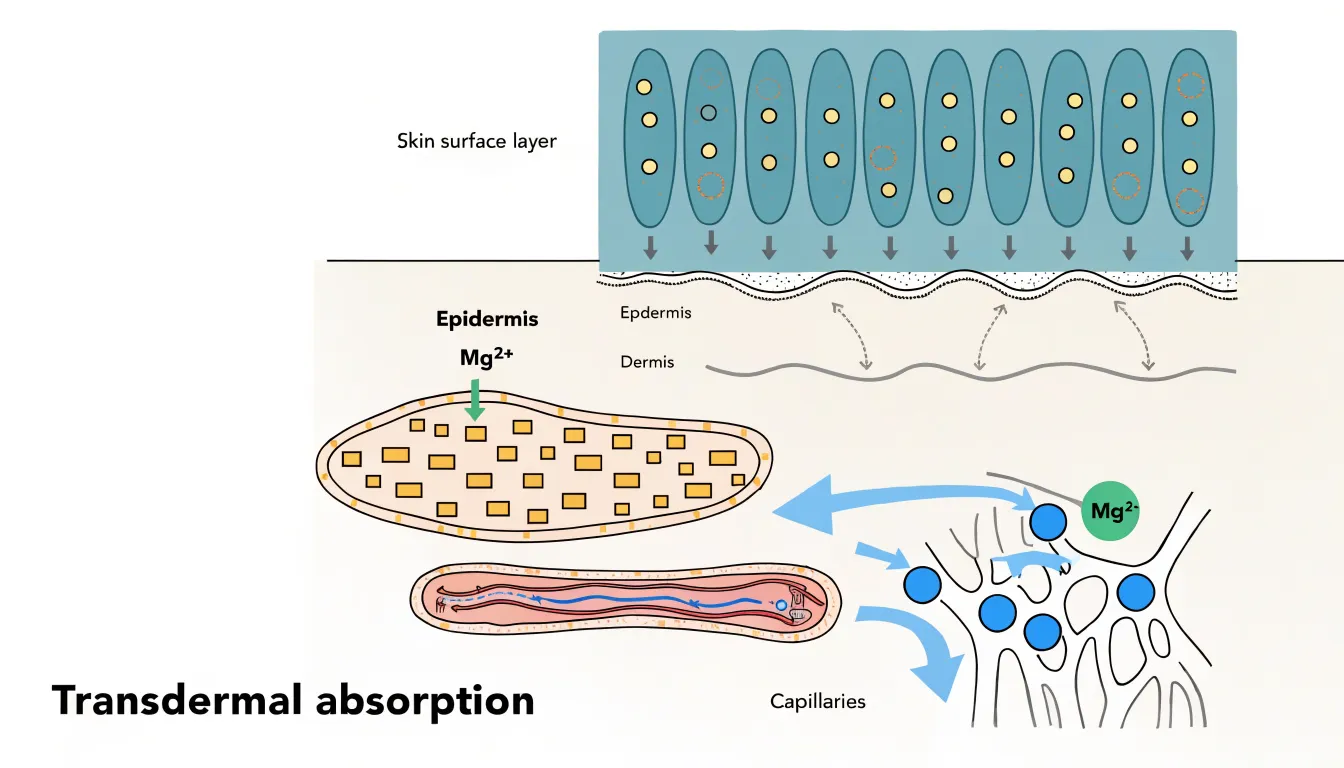
Oral magnesium supplements have to travel through the stomach and intestines first. Some forms, especially magnesium oxide and citrate in larger doses, can cause loose stools or stomach upset, which limits how much people can comfortably take. Topical use avoids those digestive side effects entirely.
It’s worth being honest about the science: research on how much magnesium actually crosses the skin is still limited and mixed. The skin is a strong barrier, and absorption likely happens mostly through hair follicles and sweat glands. Many people report real benefits, especially for local muscle relief, but if you have a diagnosed deficiency, oral or medical treatment is still the proven route. Think of magnesium oil as a helpful addition rather than a replacement.
Muscle Recovery and Cramps
Muscle soreness, cramps, and twitching are among the most popular reasons people reach for magnesium oil. Whether it’s tight calves after a run, a charley horse in the middle of the night, or general stiffness from a long day, these issues can drain your energy and make it hard to move comfortably.
Magnesium helps regulate muscle function by balancing calcium. Calcium triggers muscles to contract, while magnesium helps them release. When magnesium runs low, muscles can stay partially contracted, leading to cramping, spasms, and that persistent “knotted” feeling.

Applying magnesium oil directly to sore areas and massaging it in brings two benefits at once: the mineral itself, and the circulation boost from massage. Athletes often use it after workouts on legs, shoulders, and back, while others keep it handy for restless legs or nighttime cramps.
Stress and Mood Support
Magnesium plays an important role in how the body handles stress. It helps regulate the HPA axis, the system that controls cortisol, your main stress hormone. When magnesium is low, the stress response can become more reactive, leaving you feeling wired, tense, or on edge.
In the brain, magnesium supports calming GABA activity and helps dampen overactive NMDA receptors, which are involved in excitatory signaling. Together, these effects encourage a steadier, calmer nervous system.
For many people, the ritual of applying magnesium oil becomes a stress-relief habit in itself. A few sprays on the shoulders and neck during a hectic afternoon, followed by a slow massage and a few deep breaths, can be a simple reset for both body and mind.
Better Sleep
Sleep is one of the most common reasons people try magnesium oil, and it ties together many of the benefits above. A relaxed body, a calmer stress response, and quieter nerve activity all make it easier to drift off.
Magnesium helps GABA, the brain’s main “slow-down” chemical, work more effectively. This reduces nerve excitability and helps quiet racing thoughts at the end of the day. Meanwhile, its muscle-relaxing effects can ease the restlessness and leg tension that keep some people tossing and turning.
Unlike melatonin, magnesium doesn’t add hormones to the body. Melatonin can be useful for short-term issues like jet lag, but magnesium supports the body’s natural wind-down process, which makes it a popular choice for an ongoing nightly routine.
Headache and Tension Relief
Low magnesium levels have been linked to tension headaches and migraines, and oral magnesium is a well-studied option for migraine prevention. Topical magnesium oil is used more for in-the-moment comfort, particularly with headaches that stem from tight neck and shoulder muscles.
Massaging a few sprays into the back of the neck, the tops of the shoulders, and the base of the skull can help loosen the muscles that often contribute to tension headaches. Many people pair this with a warm compress or gentle stretching for extra relief.
If you get frequent or severe headaches, talk with a healthcare provider. Magnesium oil can be a comforting part of your routine, but recurring headaches deserve a proper look.
Skin Health
Magnesium-rich solutions have a long history in skin care, most famously through Dead Sea salt soaks. Studies on magnesium-rich salt solutions suggest they can support the skin’s barrier, improve hydration, and reduce roughness and redness in dry skin.
Some people use diluted magnesium oil on areas prone to dryness or irritation, or add magnesium flakes to a bath for an all-over soak. Others find it helpful for underarm odor, using it as a simple, aluminum-free deodorant alternative.
Because full-strength magnesium oil can sting sensitive skin, dilution matters here. Mixing it with equal parts water, or following up with a light moisturizer once it dries, keeps the experience comfortable while still giving your skin the benefits.
Essential Oil Synergies
Combining magnesium spray with calming essential oils like lavender or chamomile creates a stronger relaxation effect than using either alone. For other goals, you can pair it with oils that match the purpose: peppermint for a cooling muscle rub, eucalyptus for post-workout recovery, or frankincense for skin-focused blends.
Essential oils work largely through smell, sending scent signals straight to the brain’s limbic system, which governs emotion and memory. Lavender is known for easing stress, chamomile for soothing anxiety, and peppermint for a fresh, energizing lift.
Together, the two approaches target wellbeing from different angles. Magnesium works on the body by easing physical tension, while essential oils shift your mood and focus through aroma. The result is a more complete experience than either one offers alone.
Application Best Practices
Where you apply magnesium oil depends on what you’re using it for. For general use, the soles of the feet are a great place to start. The skin there is thicker and less likely to react with the tingling some people notice.

For muscle relief, apply directly to the area that’s sore, such as the calves, thighs, lower back, or shoulders, and massage it in. For tension headaches, focus on the neck and upper shoulders. For stress or sleep support, the stomach, legs, and feet are all good choices. For skin, use a diluted version on the area you want to treat.
Timing depends on your goal too. After a workout or shower is ideal for recovery, midday works well for a stress reset, and 20 to 30 minutes before bed is best for sleep. Start with 5 to 10 sprays and adjust based on how you feel.
Tingle Factor Explained
When you apply magnesium oil to your skin, it’s common to feel a tingling, itching, or stinging sensation. This happens because magnesium chloride is a concentrated salt. As the water evaporates, the salt left behind can draw moisture from the skin and mildly irritate it, especially if your skin is dry, freshly shaved, or naturally sensitive.
You may hear that a stronger tingle means you’re low in magnesium, but there’s no good evidence for that. The sensation is better explained by skin sensitivity and how concentrated the solution is. Many people notice that it fades with regular use as their skin gets used to it.
If the tingle is uncomfortable, dilute the oil with equal parts water, apply it to damp skin, or rinse it off after 20 to 30 minutes. Starting with a small amount and building up gradually also helps your skin adjust.
Daily Dosage Guide
Start your magnesium oil routine by checking the product label for its elemental magnesium content per spray. Begin with a modest 5 to 10 sprays applied to the skin once a day. This lets your skin get used to the oil and gives you a baseline for noticing its effects.
Adjust based on your goals and your body’s signals. For targeted muscle relief, you may use a few extra sprays on the sore area. For general wellness, once daily is usually enough. If you notice skin sensitivity or discomfort, cut back right away or dilute the oil.
Your goal is to find the lowest amount that gives you the results you want without irritation. Because magnesium content per spray varies widely between brands, always rely on the label. Consistent daily use tends to work better than occasional large amounts.
Safety and Precautions
Magnesium oil sprays are a simple, convenient addition to most routines. However, people with kidney disease should talk to their doctor first. The kidneys filter extra minerals, so if they aren’t working well, magnesium can build up in the blood and cause a condition called hypermagnesemia. The same goes for anyone who is pregnant, nursing, or taking medications that affect magnesium levels.
Do not spray magnesium oil on open wounds, cuts, scrapes, or rashes. The mineral salts can cause stinging, burning, and irritation on broken skin, and may slow healing. Keep it away from the eyes and mucous membranes as well.
People with sensitive skin may still notice redness, itching, or tingling. To be safe, new users should do a patch test first. Spray a small amount on a discreet area, like the inner forearm or behind the ear, and wait 24 hours to see if any irritation appears. If there is no reaction, it should be safe to use more widely. This simple step helps keep the experience comfortable and problem-free, serving as a good general safety guideline for beginners.
Common Usage Mistakes
Applying magnesium oil right after shaving is one of the most common mistakes. Shaving leaves tiny, invisible nicks that make the skin extra sensitive, and the oil can sting or burn on these areas. That discomfort often makes people give up before they see any benefits.
Another mistake is using it only now and then. Whether your goal is muscle recovery, stress relief, or better sleep, magnesium works best as part of a steady routine. Sporadic use makes it hard to tell whether it’s helping at all.
Finally, the quality of the oil matters. Low-concentration or poorly made formulas may contain very little magnesium, leaving people frustrated when they notice no difference. A high-quality, potent magnesium oil with a clearly labeled magnesium content makes it far easier to get consistent results.
DIY Magnesium Spray
Making your own magnesium oil is easy and lets you customize it for whatever you’re using it for. You only need half a cup of magnesium chloride flakes and half a cup of distilled water, plus a glass measuring cup, a spoon, and a clean dark glass spray bottle. The dark bottle helps protect any added essential oils from light damage.
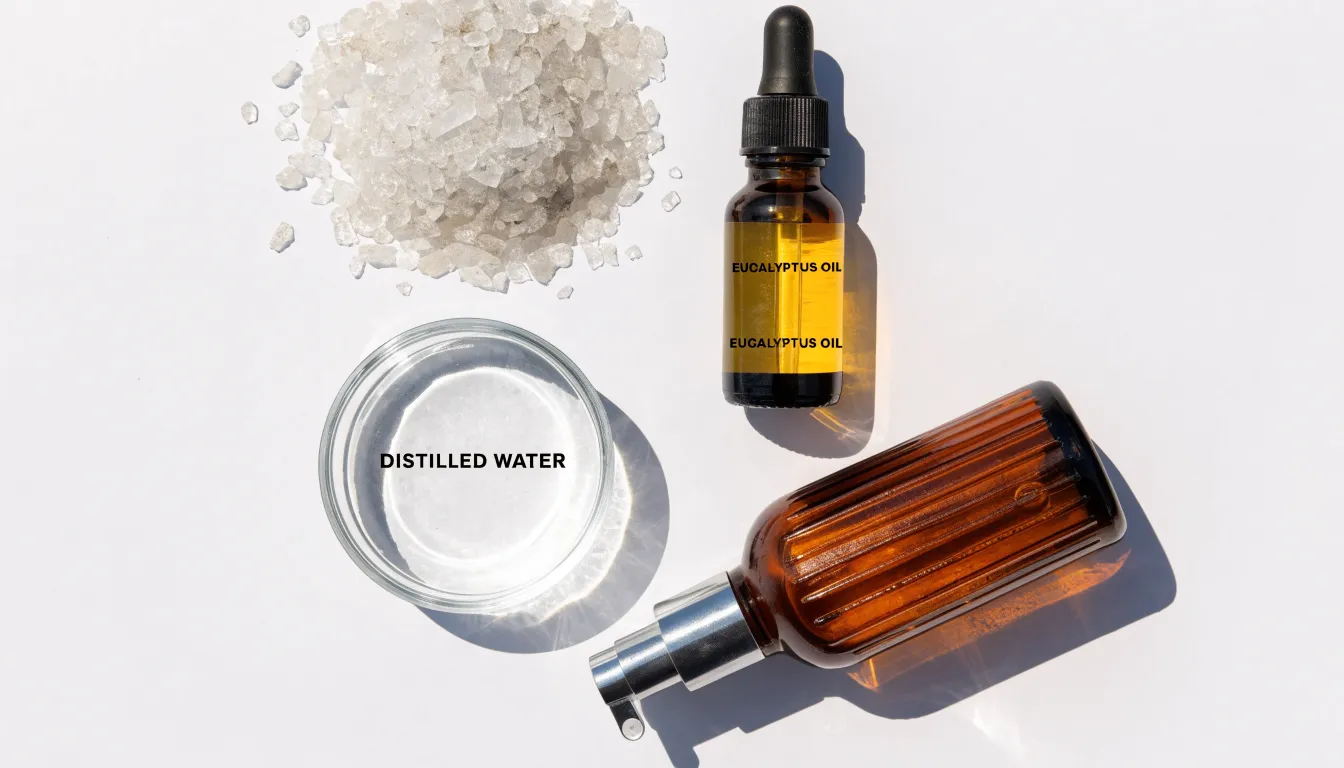
Warm the distilled water until it is warm but not boiling, then pour it into the glass measuring cup. Add the half cup of magnesium chloride flakes and stir until they are completely dissolved and the liquid looks clear. This is your basic magnesium oil. Let the solution cool completely before adding anything else.
Once cool, you can add essential oils to boost the relaxing effect or tailor the spray to your goal. Lavender, Roman chamomile, and cedarwood are good choices for sleep, while peppermint or eucalyptus suit a muscle-recovery blend. Add 10 to 20 drops of your chosen oil or blend, stir gently, then pour the mixture into the dark glass spray bottle. Shake before each use.
Daily Routine Upgrades
Magnesium oil fits easily into different parts of your day. In the morning or after a workout, spray it onto sore muscles and massage it in as part of your recovery. Midday, a few sprays on the neck and shoulders paired with slow breathing can help reset stress and ease building tension.

To get even more out of it, combine it with habits that support the same goals. Light stretching, like neck rolls or easy yoga poses, helps release physical tension. A warm bath with Epsom salts adds extra magnesium and warmth for tired muscles and dry skin.
In the evening, apply magnesium oil after a warm shower and cut back on screen time, since blue light can interfere with melatonin. Swap your phone for reading or soft music. By layering magnesium oil with movement, warm baths, and calmer evenings, you build a simple routine that supports your body all day and helps you settle into deep, restorative sleep every night.
Frequently Asked Questions
What is magnesium oil used for?
Magnesium oil is used for muscle soreness and cramps, stress relief, better sleep, tension headaches, and dry or irritated skin. It’s a concentrated solution of magnesium chloride and water applied directly to the skin, which makes it easy to target specific areas.
What is the difference between topical magnesium oil and oral magnesium supplements?
Topical magnesium oil is applied to the skin and skips the digestive system, so it avoids the stomach upset some oral forms can cause. Oral supplements are better studied for raising overall magnesium levels, while topical oil is especially popular for targeted muscle relief and as part of a relaxing routine.
Can magnesium oil help with muscle cramps and soreness?
Yes, many people use magnesium oil for cramps, twitching, restless legs, and post-workout soreness. Magnesium helps balance calcium in muscle fibers, allowing muscles to relax after contracting, and massaging the oil into sore areas adds a circulation boost.
Where should I apply magnesium oil and when is the best time?
It depends on your goal. Apply it to sore muscles after exercise, to the neck and shoulders for tension, to the feet, legs, or stomach for general use, and about 20 to 30 minutes before bed for sleep support. Start with 5 to 10 sprays and adjust from there.
Why does magnesium oil tingle or itch?
The tingle comes from the concentrated magnesium chloride salt irritating the skin as it dries, especially on dry, sensitive, or freshly shaved skin. Diluting it with water, applying it to damp skin, or rinsing it off after 20 to 30 minutes usually helps.
Are there any safety precautions I should know about when using magnesium oil?
People with kidney disease should consult their doctor before use, as magnesium can build up in the blood if the kidneys aren’t working properly. Avoid open wounds, cuts, scrapes, and rashes, keep it away from the eyes, and do a patch test first if you have sensitive skin.