Reed diffusers use porous reeds to draw scented oil from a bottle via capillary action, releasing a continuous, flame-free aroma as the oil evaporates. This passive system requires no electricity or heat, offering a safe, low-maintenance way to consistently fragrance a room for weeks or months with subtle, steady scent release.
Table of Contents
- The Basics of Flame Free Fragrance
- Capillary Action Explained Simply
- Essential Components of a Reed Diffuser
- Selecting the Best Reeds
- Understanding Carrier Oils and Solvents
- Fragrance Oil Versus Essential Oil
- Gathering Your DIY Supplies
- The Perfect Scent Ratio Formula
- Step by Step Mixing Guide
- Top Essential Oil Blends for Home
- Assembling Your New Diffuser
- Optimal Placement Strategies
- Flipping Your Reeds Safely
- Diffuser Maintenance and Cleaning
The Basics of Flame Free Fragrance
Reed diffusers are a safe, elegant way to scent a room because they need no flame and no electricity. Instead, they use a simple passive system: porous reeds sit in a bottle of fragrant oil, and capillary action draws the oil up the reeds. As the oil reaches the exposed surfaces, it evaporates gently into the air, providing continuous aromatherapy without heat or burning.
This design removes the main risks of other scenting methods. With no open flame, there is no fire hazard, so reed diffusers are safe around curtains, children, and pets. And because they use no electricity, there are no cords, outlets, or energy costs to worry about. That makes them a practical, low-cost choice for any room.
The fragrance release is steady and subtle, not sudden or overpowering. Once set up, a reed diffuser can fill a space with a consistent background scent for weeks or months, supporting a calm, stable atmosphere with little effort. This self-regulating, low-maintenance nature makes reed diffusers a uniquely worry-free option for continuous home fragrance.
Capillary Action Explained Simply
Reed diffusers create a steady, fragrant atmosphere through capillary action—a natural process that moves scented oil from the bottle up the reeds and into the air, without electricity or flame. The reeds are not just decoration; they are made of porous materials like rattan or synthetic alternatives, filled with thousands of tiny internal channels.
When the reeds are placed in the oil, the liquid begins climbing these microscopic tubes. This happens because of two forces: adhesion, which pulls oil molecules onto the reed’s inner surfaces, and cohesion, which makes the oil molecules pull each other upward. Together, these forces are strong enough inside the narrow capillaries to overcome gravity and keep the oil rising.
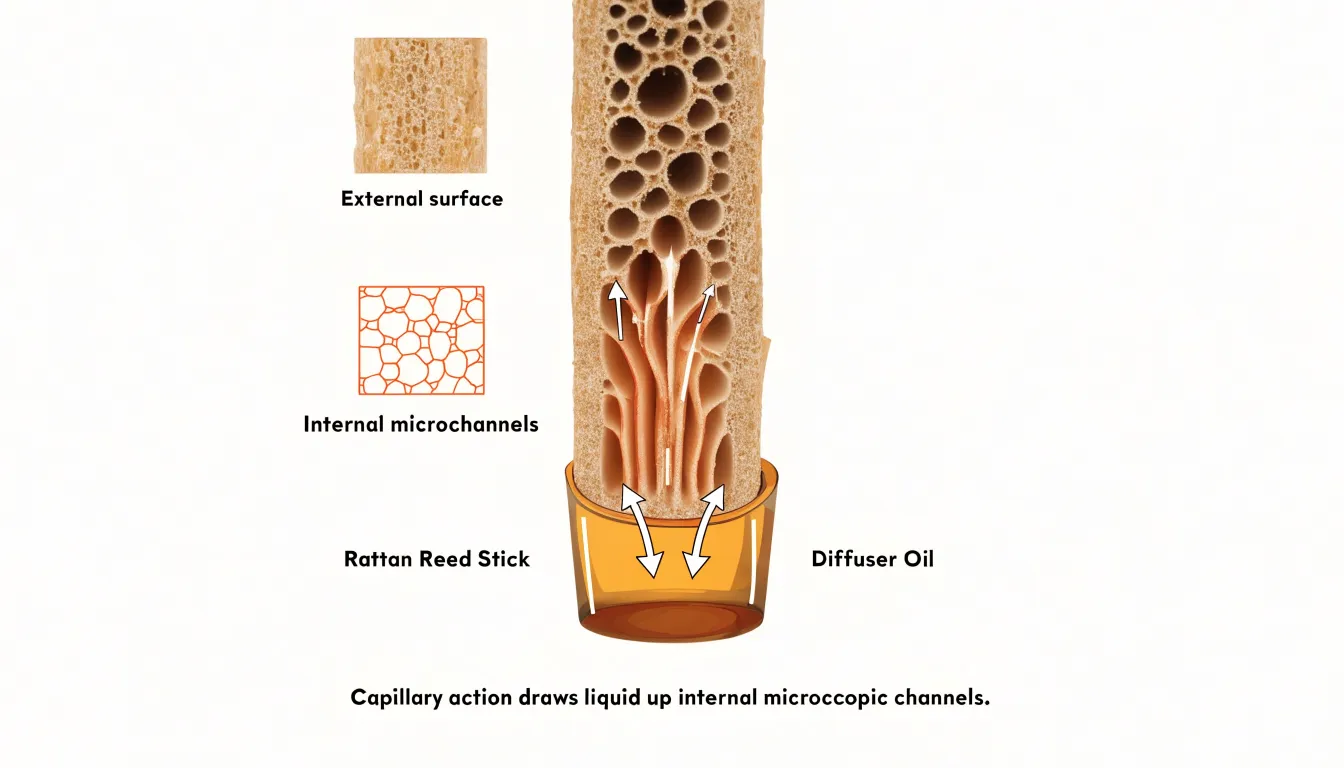
Once the oil reaches the exposed tops of the reeds, it evaporates into the air as an invisible vapor, carrying fragrance throughout the room. The steady wicking action keeps bringing fresh oil to the top, so the scent releases consistently for weeks or even months—making reed diffusers a simple, elegant way to keep a space smelling fresh.
Essential Components of a Reed Diffuser
The vessel, typically a narrow-necked glass jar, is essential for preserving the essential oil blend. The narrow neck reduces the surface area exposed to air, which slows down evaporation. This keeps the scent concentrated and makes the diffuser last longer. Glass is the preferred material because it is inert and won’t react with the oils, while also looking good in any room.
The absorbent reed sticks, made from porous materials like rattan or fiber, are responsible for transporting the oil. They contain tiny channels that pull the liquid upward through capillary action, or wicking. As the essential oil climbs the reeds, it gradually evaporates into the air, creating a steady, subtle fragrance. The number and thickness of the reeds control the intensity, so adding more reeds produces a stronger scent.
The final key part is the low-viscosity carrier blend, which acts as the base for the essential oils. This thin liquid safely dilutes the concentrated oils, making them easy to absorb. Its low viscosity is crucial because it allows the mixture to flow freely through the reeds’ tiny capillaries. Without a properly formulated, free-flowing carrier, the reeds cannot wick the oil, resulting in weak or no scent release. These specially selected solvents are designed to maximize both the strength of the aroma and how long it lasts.
Selecting the Best Reeds
Rattan reeds are the best choice for a reed diffuser because their natural porous structure delivers the strongest scent throw. Inside each rattan stick are many tiny open channels running from end to end, which act like miniature straws. They pull the essential oil upward through capillary action, providing steady absorption and allowing the fragrance to move efficiently to the top, where it evaporates into the air for a consistent, continuous aroma.
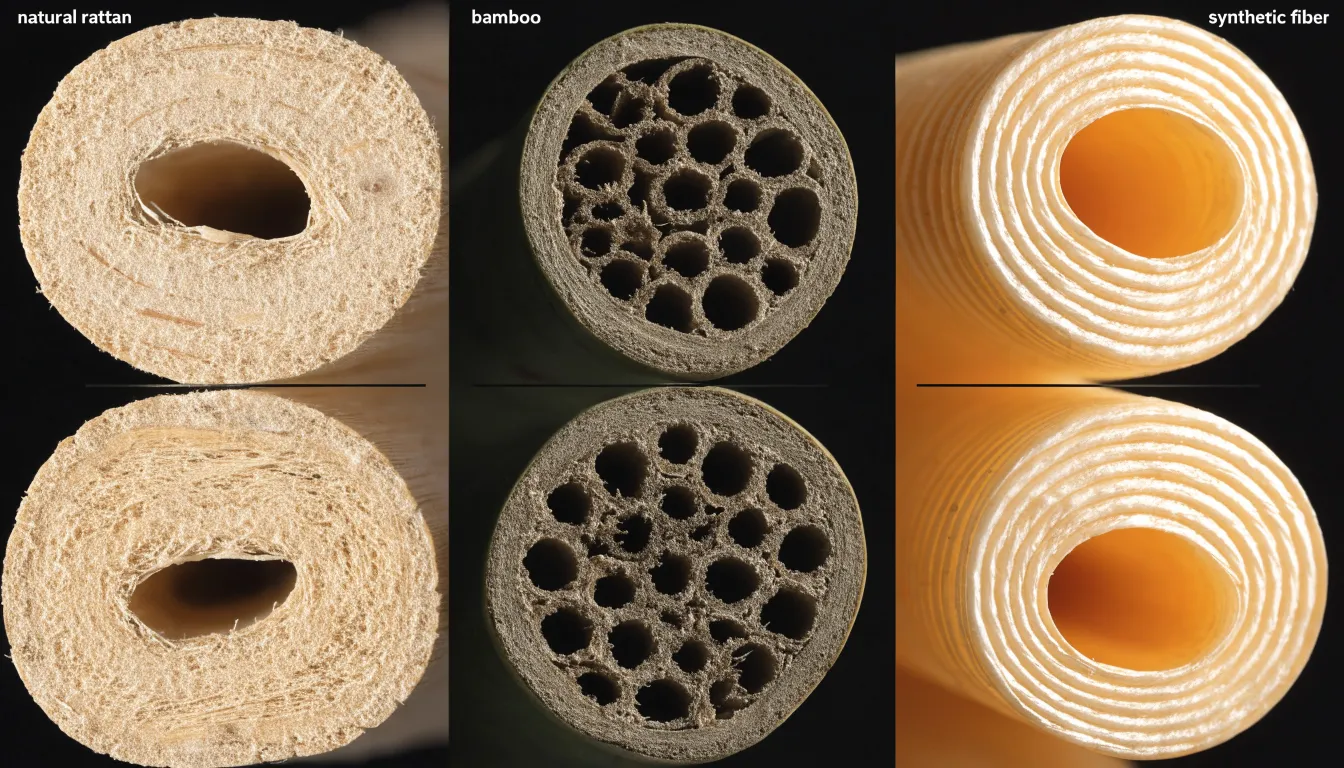
Bamboo reeds, though natural, do not work as well because their internal structure is divided into hollow nodes and segments. These partitions block the oil from traveling smoothly upward, so the liquid struggles to pass through and the scent release becomes inconsistent and weak. The oil’s full potential is never reached, leaving a less noticeable fragrance in the room.
Many synthetic reeds also fail because they are often made of dense polyester or engineered fibers. Their tight, closed internal structure does not allow the open capillary action that rattan provides, so they cannot absorb or move the oil effectively. The result is a weak, short-lived scent and a disappointing diffuser experience. For reliable, long-lasting fragrance, rattan remains the best option.
Understanding Carrier Oils and Solvents
Carrier oils and solvents are used to thin concentrated essential oils so they can travel up the reeds and release fragrance into the air. Essential oils alone are too thick to wick properly, which leads to weak scent throw. A light base fluid with low viscosity is key, as it supports smooth capillary action through the porous reeds.
Natural options like sweet almond oil and safflower oil work as gentle carriers. Sweet almond oil is easy to find and has a subtle scent, but it is slightly thicker and may slow wicking. Safflower oil is lighter and neutral, so it dilutes essential oils without changing their aroma—good for all-natural diffuser blends.
For stronger, more consistent scent, synthetic solvents are often used. Dipropylene glycol (DPG) is colorless, odorless, and low-viscosity, so it improves wicking and helps the essential oil evaporate steadily for longer-lasting fragrance. Perfumer’s alcohol also thins essential oils well and gives quick, strong diffusion, but it evaporates faster, so the diffuser may need refilling more often. The best choice depends on desired scent strength, longevity, and preference for natural versus synthetic ingredients.
Fragrance Oil Versus Essential Oil
Essential oils come from real plants, using methods like steaming or pressing. They keep the plant’s natural smell and also its helpful properties—for example, lavender is calming, while peppermint feels energizing. Because they are natural, their scents are softer and more layered, which fits a holistic, plant-based approach to wellbeing.
Fragrance oils, by contrast, are made in a lab, often mixing natural and synthetic ingredients. They can copy almost any smell—like exotic fruit, baked goods, or fresh linen—and they are usually stronger and last much longer in a reed diffuser. However, fragrance oils do not provide the wellness benefits that essential oils do.
So the choice comes down to what you value most: natural, gentle aromas with So the choice comes down to what you value most: natural, gentle aromas with therapeutic effects from essential oils, or powerful, long-lasting, and highly varied scents from fragrance oils for pure atmosphere and enjoyment.
Gathering Your DIY Supplies
Before you start making reed diffusers, set up your workspace with everything organized and within reach. Measure carefully using beakers—getting the amounts of base solvent and essential oils right directly affects how strong and long-lasting the scent will be. Use funnels to pour your blend into bottles without spills, so no precious oil is wasted.
Choose glass bottles with narrow necks made for reed diffusers, since they limit evaporation and hold the reeds steady. Natural rattan reeds are key: their porous texture pulls the liquid upward and releases scent into the air steadily. Different reed thicknesses change how quickly or slowly the fragrance diffuses.
The blend itself relies on two parts: a carrier base solvent like DPG or Augeo, and pure essential oils. The base thins the oils so they can travel up the reeds and evaporate slowly, giving you a lasting aroma. Pick pure essential oils based on the mood you want—lavender for calm, citrus for energy, cedarwood for grounding. With everything ready, mixing your diffuser becomes an easy and enjoyable creative task.
The Perfect Scent Ratio Formula
The ideal reed diffuser formula balances carrier oil, essential oil, and alcohol carefully. This balance is key to avoiding clogged reeds and controlling how fast the scent evaporates. A typical mix uses 70–80% carrier oil, 10–20% essential oil, and 5–10% alcohol.
Essential oils provide the fragrance and should make up 10–20% of the blend. This amount is enough to smell strong without making the solution too thick or heavy. Adding too much essential oil can create an overpowering scent and may even crystallize, which blocks the reeds.
The carrier oil makes up most of the liquid and dilutes the essential oils so they wick evenly up the reeds. Alcohol thins the mixture, helps the oils blend, lowers surface tension, and speeds up evaporation. Together, these ingredients keep the diffuser releasing fragrance steadily and lasting longer.
Step by Step Mixing Guide
To make your own reed diffuser oil, start by measuring your essential oils precisely. For a 100ml blend, use 15–25ml of essential oil — this is the scent itself. A digital scale helps because essential oil densities vary. Gather a clean beaker, a spouted mixing vessel, your final diffuser bottle, and high-proof alcohol like perfumer’s alcohol or vodka.
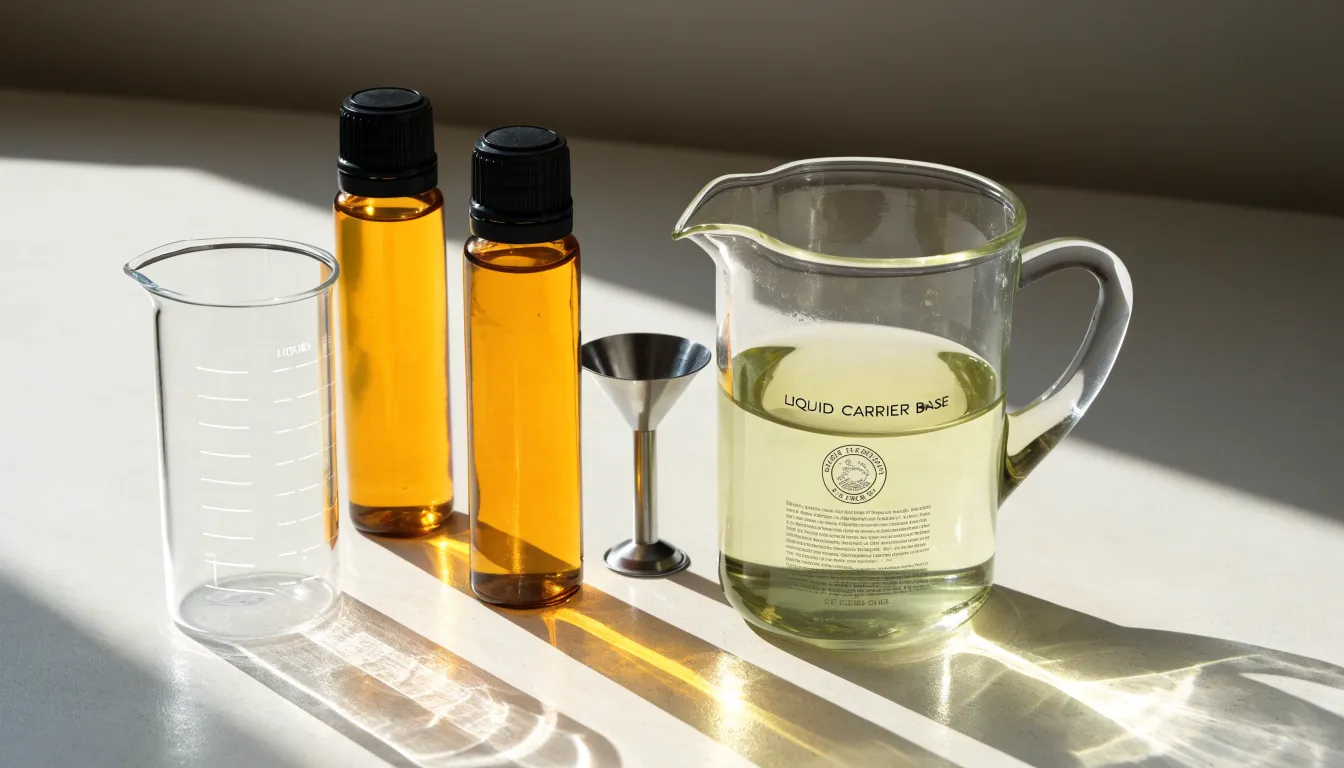
Add the measured essential oils to the mixing vessel, then slowly pour in the alcohol. The alcohol serves two important functions: it thins the oils so they can travel up the reeds, and it binds the aromatic compounds together so the scent stays balanced and releases evenly. Stir gently for about a minute with a glass rod; don’t shake, because air bubbles can change how the fragrance smells at first.
Let the blend sit for at least 24 hours, ideally a few days, in a cool, dark place with the lid loose. This resting period lets the essential oils fully merge with the alcohol, making the scent deeper and more stable. Finally, pour the matured oil into your clean diffuser vessel using a funnel, insert the reeds, and let them soak up the mixture to release your fragrance into the room.
Top Essential Oil Blends for Home
Lavender is a top choice for relaxation. Its calming floral scent eases tension and helps you unwind. Use it alone in a bedroom for restful sleep, or add a few drops of chamomile or bergamot for a deeper, more soothing blend. This combo is great for meditation or quiet moments after a long day.
For a natural energy boost, citrus oils like lemon, grapefruit, or wild orange work well. They refresh your mood and clear your mind. Mix them with peppermint for a crisp, stimulating aroma that sharpens focus and wakes up your senses. A simple equal-part blend of lemon and peppermint is perfect for a kitchen or home office, helping you feel productive and energized.
To make your living spaces feel warm and inviting, try cozy essential oils. Cinnamon brings spicy, sweet warmth and comfort, while cedarwood adds earthy, grounding stability. Blend cinnamon with a little sweet orange for a welcoming family-room scent, especially in cooler months. Or mix cedarwood with a hint of frankincense for a calming, grounding aroma that makes the whole home feel safe and snug.
Assembling Your New Diffuser
Setting up your reed diffuser correctly maximizes your essential oil’s potential. Begin by opening the bottle. Then, choose your reed count based on how strong you want the scent. For a small space or a subtle aroma, insert three to five reeds. For larger areas, use all of them, as you can always adjust this number to control the oil’s intensity.
The crucial step is letting the reeds absorb the oil fully. After inserting them, give the diffuser 24 to 48 hours to work. Do not flip the reeds right away. This patience allows the oil to travel completely up the reeds and release its scent into the air, laying the foundation for a steady scent throw.
After resting, check the fragrance level. If the oil’s scent is barely noticeable, flip the reeds weekly to re-wet the dry tops, giving a fresh burst of aroma. Conversely, if the oil becomes overpowering, just remove a reed or two. Paying attention like this keeps your essential oil working effectively and your room smelling great.
Optimal Placement Strategies
To get the most from your reed diffuser, placement is key. The goal is to let the essential oils spread evenly without using them up too fast. Gentle air movement helps carry the scent, so placing the diffuser in busy areas like a hallway or living room works well, since people passing by naturally stir the air and release the fragrance.
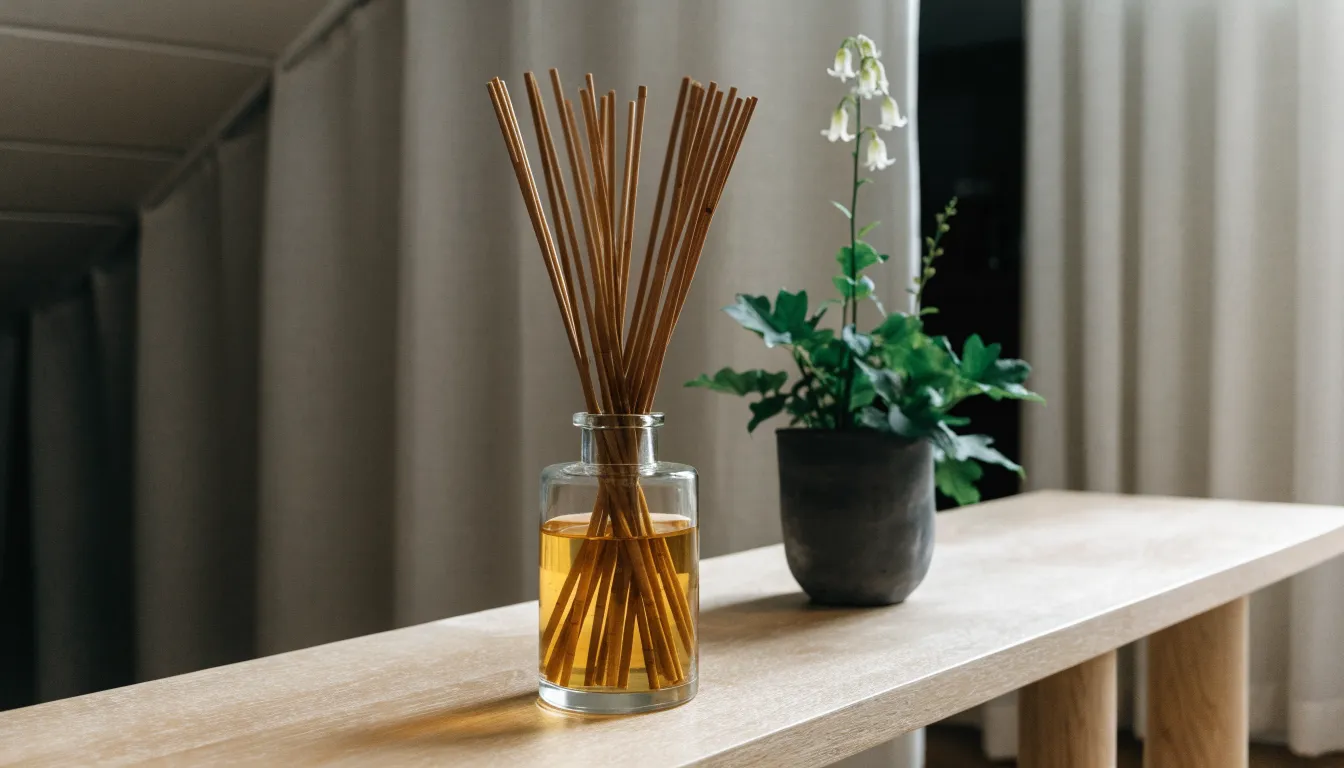
However, avoid spots with strong heat or direct airflow. Direct sunlight, radiators, and AC vents can heat the oil or blow it away too quickly, causing the essential oils to evaporate faster and shortening the diffuser’s life.
For the best results, choose a spot with soft, steady air circulation, away from extreme temperatures and harsh drafts. This keeps the scent consistent and lets you enjoy the aroma for a much longer time.
Flipping Your Reeds Safely
To keep your reed diffuser working well, you need to flip the reeds regularly. This simple step refreshes the scent throw and keeps your room smelling fresh. The best schedule is every one to two weeks. Over time, the tiny pores in the reeds can become clogged with dust and oil residue. Flipping them exposes new, dry sections to the diffuser oil, which helps with absorption and evaporation. This keeps the scent strong and makes your fragrance last longer.
To flip the reeds without making a mess, protect your surfaces first. Place a napkin, paper towel, or mat under the diffuser bottle to catch any drips. Then gently remove all the reeds at once and hold them horizontally over the bottle opening, letting excess oil drip back inside. Carefully turn each reed so the dry ends go into the scented oil.
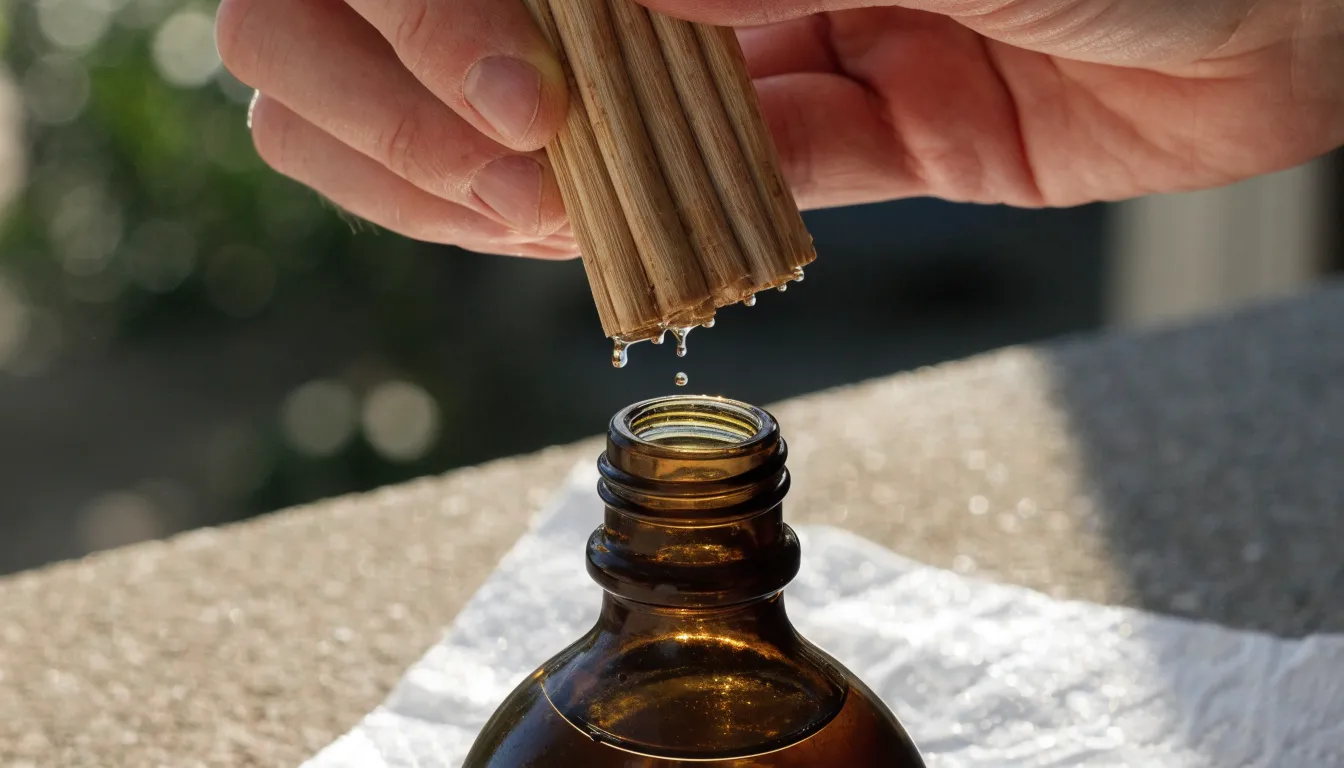
When putting the reeds back, do it slowly to avoid splashes and keep oil from coating the outside of the bottle. If any oil drips onto the bottle or your protected surface, wipe it up right away with a dry cloth. With these habits, flipping your reeds becomes a quick, clean, and easy part of enjoying a steady, continuous fragrance.
Diffuser Maintenance and Cleaning
Keeping your reed diffuser clean helps it look nice and keep spreading fragrance evenly. Over time, the glass container can get sticky oil buildup that looks bad and may reduce scent throw. To clean it, pour out any leftover oil, then fill the vessel with warm water and a little dish soap. Let it sit for a few minutes, gently scrub inside with a bottle brush or soft cloth, rinse well with clean water, and let it dry completely or wipe with a lint-free cloth.
For tough oil residue, rubbing alcohol works well. Dampen a cloth or paper towel with alcohol and wipe the inside of the glass. The alcohol dissolves the sticky film and leaves the glass clean. Afterward, rinse with warm water and dry thoroughly.
The reeds are also important for how well the oil spreads. Over time, they can become clogged with dust or too saturated to absorb and release fragrance properly. When the scent weakens, or every few months, replace the old reeds with fresh ones. This keeps diffusion strong, prevents old scents from mixing in, and lets the new oil work at its best.
Frequently Asked Questions
How do reed diffusers work without electricity or a flame?
Reed diffusers use a passive system where porous reeds sit in a bottle of fragrant oil. Capillary action draws the oil up the reeds, and as the oil reaches the exposed surfaces, it evaporates gently into the air, providing continuous aromatherapy.
Are reed diffusers safe to use around children and pets?
Yes, reed diffusers are considered safe around children and pets because they operate without an open flame, eliminating fire hazards. They also don’t use electricity, so there are no cords or outlets to worry about.
What type of reeds are best for a reed diffuser?
Rattan reeds are the best choice for a reed diffuser because their natural porous structure, filled with many tiny open channels, provides strong scent throw and steady absorption. Bamboo reeds and many synthetic reeds are less effective as their internal structures can block oil from traveling smoothly.
Why might my reed diffuser not be producing a strong scent?
If your reed diffuser isn’t producing a strong scent, the reeds may have become clogged with dust or oil residue, or they might be too saturated. Replacing the old reeds with fresh ones can help, as can ensuring your oil blend uses a properly formulated, low-viscosity carrier.
How can I make my reed diffuser last longer?
To maximize your diffuser’s life, avoid placing it in spots with strong heat or direct airflow, such as direct sunlight, near radiators, or AC vents, as these cause the oil to evaporate faster. Using a vessel with a narrow neck also helps by reducing the surface area exposed to air, which slows down evaporation.
What is the difference between essential oils and fragrance oils for diffusers?
Essential oils are derived naturally from plants, offering their natural smell and helpful properties, which can contribute to a holistic approach to wellbeing. Fragrance oils are made in a lab and can copy almost any smell, providing stronger and longer-lasting scents for pure atmosphere, but they do not offer wellness benefits.