
Rosehip oil, extracted from wild rose seeds, is a carrier oil rich in fatty acids, vitamins A and C, and antioxidants. It deeply hydrates, brightens dull skin, fades scars, reduces fine lines, calms inflammation, and protects against environmental damage by supporting cell turnover and collagen production.
Table of Contents
- What Is Rosehip Oil
- Essential Nutrients Inside
- Deep Hydration Properties
- Brightening Dull Skin
- Fading Scars and Dark Spots
- Fighting Signs of Aging
- Calming Redness and Inflammation
- Environmental Damage Protection
- Choosing High Quality Oil
- Performing A Patch Test
- Nighttime Facial Application
- Mixing With Your Moisturizer
- Hair and Scalp Care
- Storing Your Oil Properly
What Is Rosehip Oil
Rosehip oil comes from the seeds of the wild rose bush, especially the Rosa canina species. Unlike oils made from fruit or flowers, this one gets its power from the nutrients packed inside the seeds. People have used it for a long time, with ancient cultures relying on it to heal and care for the skin.
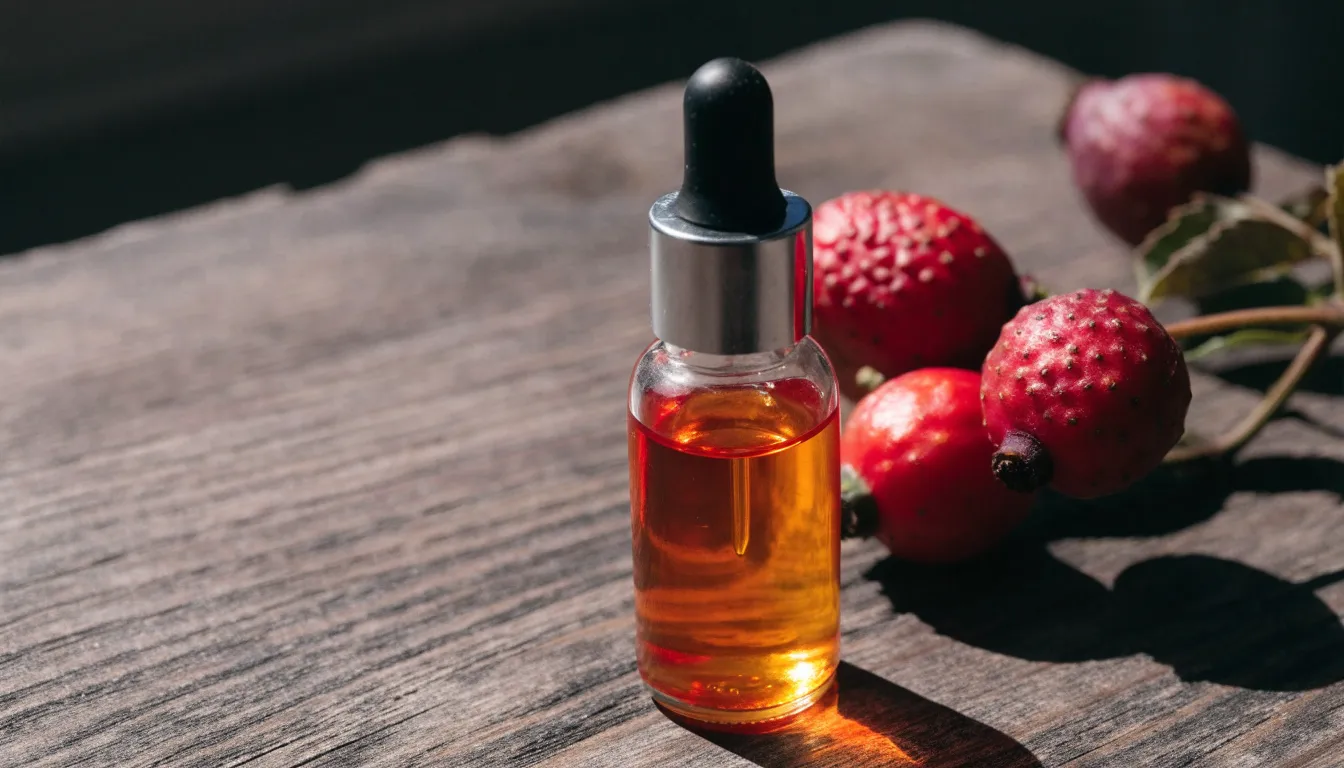
It is important not to confuse rosehip oil with rose essential oil. Rosehip oil is a carrier oil: it is pressed from the seeds and is full of fatty acids, antioxidants, and vitamins like vitamin A and C. It has a mild, earthy smell and a golden or reddish color, and it can be put directly on the skin.
Rose essential oil is very different. It is made by steaming the petals of other rose species, and it has a strong floral scent. Because it is so concentrated, it is usually used for aromatherapy or must be heavily diluted before touching the skin. Knowing the difference helps you use each oil the right way and get the benefits you want.
Essential Nutrients Inside
Rosehip oil is rich in nutrients that deeply nourish the skin. It contains vitamin A, which supports natural cell turnover—helping old skin cells shed and new ones form. This leads to smoother texture and can soften the look of fine lines.
It also provides vitamin C, a powerful antioxidant that brightens the skin and helps produce collagen for firmness and elasticity. Vitamin E adds extra antioxidant protection and helps keep skin moisturized and supple against damage from free radicals.
The oil is also full of essential fatty acids like omega-3, omega-6, and omega-9. These strengthen the skin’s natural barrier, locking in moisture and defending against irritants. Omega-3 and omega-6 calm redness and support resilience, while omega-9 keeps skin hydrated, soft, and pliable. Together, these nutrients heal and protect the skin, promoting a healthy glow.
Deep Hydration Properties
Rosehip oil works mainly as a lightweight emollient. It softens and smooths the skin by forming a protective layer on the surface. This layer helps stop moisture from escaping, locking in both the skin’s natural hydration and any water-based products applied before it. Despite this barrier effect, it does not feel heavy or greasy, and it absorbs quickly for a soft, comfortable finish.
It is also non-comedogenic, so it is very unlikely to clog pores. The oil is rich in fatty acids like linoleic acid and linolenic acid, which are similar to the skin’s own natural lipids. This helps the oil blend into the skin easily without blocking pores or disrupting its balance. Unlike heavier oils that can sit on the surface and trap buildup, rosehip oil provides deep moisture without suffocating the skin.
Because it balances strong hydration with pore-friendly qualities, rosehip oil suits many skin types, including oily, sensitive, and breakout-prone skin. It supports a healthy skin barrier, which keeps skin resilient and well-hydrated. With regular use, it helps improve texture and leaves the complexion smooth, radiant, and deeply nourished, while pores stay clear and undisturbed.
Brightening Dull Skin
Rosehip oil helps brighten dull skin and supports a healthy, natural glow. This plant-based oil is packed with antioxidants and essential vitamins that help revive tired complexions. Its main function is encouraging healthy cell turnover, which is key to keeping skin looking fresh and vibrant.
The antioxidants in rosehip oil, including carotenoids and flavonoids, protect skin from environmental damage. They neutralize free radicals that can make skin look dull and cause premature aging. By defending the skin’s natural barrier, these compounds help maintain a clearer, more even tone and boost luminosity.
The oil’s vitamin content is also essential to its brightening effects. Vitamin C enhances radiance and helps even out skin tone, while a natural form of vitamin A, called trans-retinoic acid, speeds up cellular renewal. This process sheds dead, dulling skin cells and reveals fresher skin underneath, restoring a healthy, radiant glow.
Fading Scars and Dark Spots
Rosehip oil is prized for fading scars and dark spots, thanks largely to its natural trans-retinoic acid, a derivative of Vitamin A. Applied to the skin, this compound helps regulate skin cells and supports healthier functioning. It reduces hyperpigmentation—such as sun spots, age spots, and acne-related marks—by influencing melanin production. In doing so, it helps break down existing pigment clusters and discourages excess new pigment, gradually evening out discoloration.
Beyond pigmentation, trans-retinoic acid supports tissue regeneration. It boosts cellular turnover, encouraging the shedding of old, damaged skin cells while speeding up the creation of fresh, healthy ones. This renewal process is especially helpful for repairing acne scars and restoring damaged skin.
Additionally, trans-retinoic acid promotes collagen and elastin production, the proteins that keep skin firm and elastic. This helps rebuild and remodel the skin’s structure, smoothing depressed scars and improving overall resilience. Together with its pigment-fading effects, this makes rosehip oil effective at improving skin tone and minimizing the appearance of many scar types.
Fighting Signs of Aging
Rosehip oil helps fight visible signs of aging by reducing fine lines and improving skin elasticity. It works in two main ways. First, it encourages the skin to make more collagen, the protein that keeps skin firm and smooth. As we age, collagen drops, causing wrinkles and sagging. Rosehip oil contains natural vitamin C and trans-retinoic acid, a form of vitamin A, which signal the skin to boost collagen production. This helps plump the skin, soften existing lines, and prevent new ones.
Second, rosehip oil protects the skin from free radicals—unstable molecules caused by sun, pollution, and other stress. These molecules damage skin cells and break down collagen and elastin, speeding up aging. Rosehip oil is rich in antioxidants like carotenoids, vitamin E, and flavonoids. These antioxidants neutralize free radicals before they can cause harm, helping keep skin cells and connective tissue healthy.
Together, these actions make skin feel firmer, look smoother, and stay more elastic. With regular use, rosehip oil helps maintain the skin’s youthful bounce and resilience, reducing the visible signs of aging over time.
Calming Redness and Inflammation
Rosehip oil is highly effective at calming redness and inflammation, making it a gentle option for irritated and sensitive skin. Its anti-inflammatory power comes mainly from two key compounds: polyphenols and vitamin E. Polyphenols are antioxidants that help reduce oxidative stress—a major trigger for inflammation—by neutralizing harmful free radicals that worsen skin sensitivity and redness. At the same time, vitamin E works to soothe overactive inflammatory responses in the skin, bringing noticeable relief to distressed areas.
These properties make rosehip oil particularly helpful for specific inflammatory conditions. For people with eczema, regular use can ease the redness and itching that come with flare-ups, helping the skin feel more comfortable. For those with rosacea, consistent application can help tone down persistent redness and reduce the uncomfortable, stinging sensations that often occur. Even for general sensitivity—like redness or discomfort triggered by environmental factors—rosehip oil provides a mild, nourishing effect that protects the skin from further irritation.
Overall, this natural oil helps restore balance and calm to the skin, allowing it to recover from irritation and maintain a more even tone. By supporting the skin’s own healing abilities, it reduces visible signs of inflammation and strengthens its resilience over time, offering a simple yet effective solution for keeping reactive skin healthy and comfortable.
Environmental Damage Protection
Rosehip oil acts as a strong shield for your face against everyday environmental harm. Your skin is constantly bombarded by pollution, UV rays, and airborne toxins, which trigger a process called oxidative stress—where unstable molecules (free radicals) damage healthy cells. This damage leads to premature aging, a dull look, and a weakened skin barrier. Fortunately, rosehip oil is packed with a powerful mix of antioxidants that act as your skin’s personal defense team, stepping in to neutralize these free radicals before they can harm collagen, elastin, and other key structures that keep skin firm and youthful.
The oil’s protective power comes from its standout ingredients. It is rich in vitamin C, which not only guards against UV damage but also helps brighten your skin tone. It also contains vitamin E and carotenoids like beta-carotene (which the body turns into vitamin A). Together, these compounds actively sweep up free radicals, reducing the long-term wear-and-tear from environmental exposure.
By using rosehip oil regularly, you give your skin an essential layer of defense. This helps preserve its strength, glow, and youthful look in the face of modern pollution and stress, ultimately fostering a healthier and more resilient complexion over time.
Choosing High Quality Oil
Choosing the right rosehip oil starts with understanding the difference between cold-pressed and refined versions, a process similar to learning how to choose high-quality essential oils. Unrefined, cold-pressed rosehip oil is the best choice because it is made by pressing the seeds without heat. This gentle method keeps the oil’s important nutrients intact, including omega-3 and omega-6 fatty acids, antioxidants, and vitamins A and C. These compounds work together to support skin regeneration and protect against damage.
Refined rosehip oil, on the other hand, is processed with high heat and chemicals to increase yield and shelf life. While it may look more consistent, this process damages heat-sensitive vitamins and antioxidants, reducing their effectiveness. The oil’s natural composition can also be altered, leaving it with far fewer of the beneficial compounds that help the skin.
For real results, choosing unrefined, cold-pressed rosehip oil is the most effective way to get its full nourishing and regenerative benefits. It preserves the active nutrients in their most natural form, so the skin receives the complete support this oil is known for.
Performing A Patch Test
Performing a patch test is a smart first step before using rosehip oil on your face. It helps you check whether your skin might react badly to the oil before applying it to delicate areas. Pick a small, hidden spot—like your inner forearm, which is sensitive but out of sight.

Clean the area gently with mild soap and water, then dry it well. Put a tiny drop of rosehip oil on the skin, just enough to cover a dime-sized spot. Leave it there for at least 24 hours and watch for redness, itching, swelling, or irritation. A mild tingling feeling is usually fine, but if you notice anything stronger, wash the oil off right away.
If no visible reaction appears within 24 to 48 hours, your skin likely tolerates the oil well. That means you can safely start using it on your face with more confidence. This quick check helps you introduce the oil smoothly and avoid discomfort.
Nighttime Facial Application
Cleansing your face is the first step for nighttime rosehip oil use. After washing, pat your skin until it is slightly damp rather than fully dry, since this helps the oil absorb more deeply. Use just two to three drops, warm it between your palms, and then gently press and massage it into your face and neck with upward, outward motions. This spread helps the oil cover evenly and boosts circulation.

At night, your skin naturally works to repair itself and create new cells. Applying rosehip oil before bed lets its fatty acids, vitamins, and antioxidants soak in while these restorative processes are happening. This timing supports healing, softens the look of fine lines, and strengthens the skin’s overall defenses.
With regular evening use, the oil keeps supplying nutrients through the night, so your skin wakes up feeling soft, hydrated, and refreshed. Over time, consistent application helps you get the full benefits from rosehip oil.
Mixing With Your Moisturizer
Adding a few drops of rosehip oil to your daily moisturizer is a simple way to help very dry skin and boost hydration. The moisturizer supplies the base humectants and emollients, while the rosehip oil adds its own key ingredients—essential fatty acids like linoleic and alpha-linolenic acids, plus vitamins A and C.
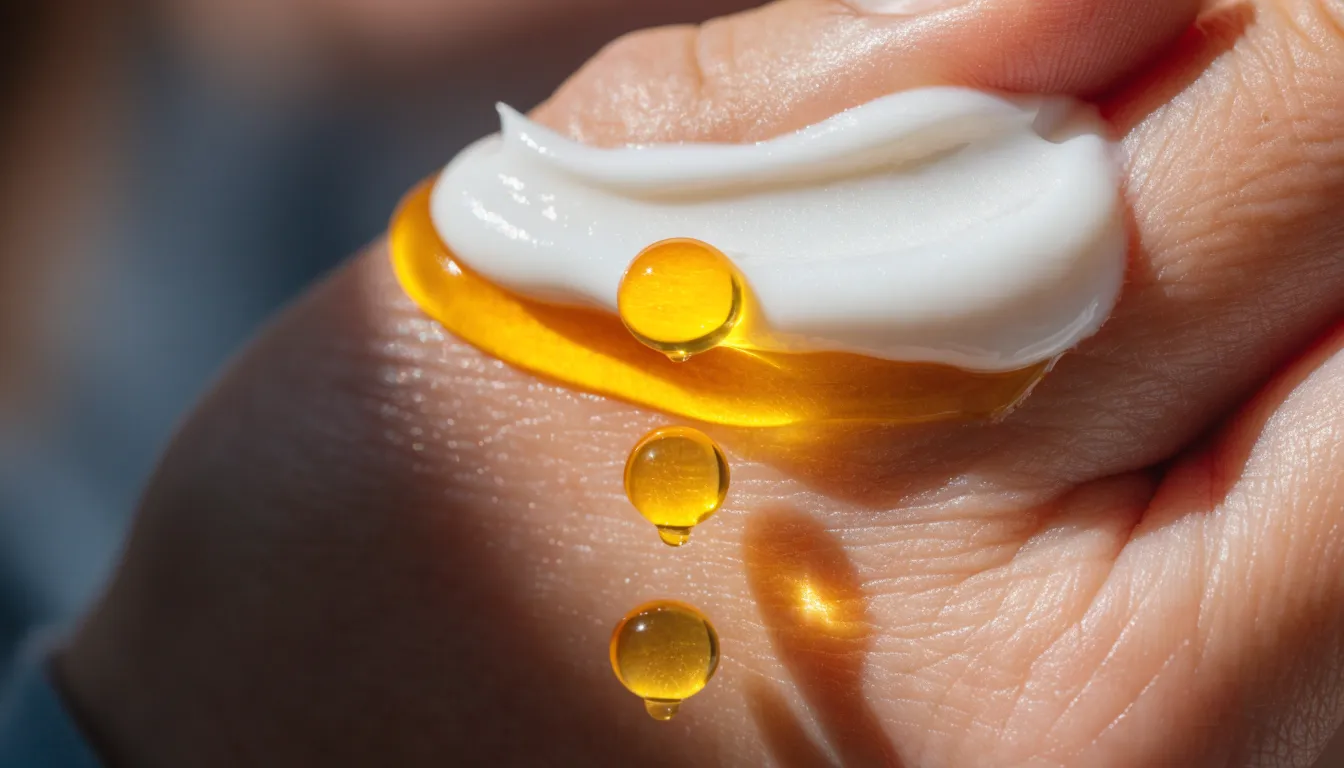
Together, these components strengthen the skin’s natural barrier. A stronger barrier protects skin from environmental stress and prevents moisture from escaping, so dry skin stays hydrated longer. Rosehip oil’s emollient properties also soften and smooth the skin’s surface, making it feel more supple.
This combination locks in moisture more effectively than either product alone. It delivers lasting hydration that reduces flakiness and tightness, leaving extra dry skin feeling comfortable, resilient, and deeply moisturized throughout the day.
Hair and Scalp Care
Rosehip oil is great for the face, but it can also help your hair and scalp. If you have a little extra after applying it to your skin, use it as a simple two-in-one treatment. It works well for dry split ends and also for a dry, flaky scalp, so no product goes to waste.
For dry, frizzy, or split ends, rub any leftover oil between your palms and gently smooth it over the last few inches of your hair. This helps seal the cuticle, reduce the look of split ends, and add shine without making hair heavy. With regular use, your hair can become softer and easier to manage.
For scalp care, massage a bit more leftover oil directly onto your scalp before shampooing. Use your fingertips in small circular motions, then let it sit for 15–30 minutes or overnight. This helps soothe itchiness, moisturize the scalp, and reduce flakiness, supporting a healthier scalp overall.
Storing Your Oil Properly
Rosehip oil is a delicate skincare oil with beneficial compounds that can break down if not stored properly. To get the most from it, protect it from light, heat, and air, which cause spoilage and reduce its effectiveness, just as you would store essential oils the right way.
Store it in a dark glass bottle, ideally amber or cobalt blue, to block UV light that damages the oil’s fatty acids and antioxidants. Keep the bottle in a cool, dark place away from sunlight, windows, and heat sources like radiators or stoves. A cupboard, drawer, or even the refrigerator works well.

Always close the bottle tightly after use to limit air exposure, since oxygen can make the oil rancid and less potent. Following these simple steps helps keep your rosehip oil fresh and effective for longer, so your skin gets the full benefits.
Frequently Asked Questions
How is rosehip oil different from rose essential oil?
Rosehip oil is a carrier oil pressed from seeds, rich in fatty acids and vitamins, with a mild earthy smell, and can be applied directly to the skin. In contrast, rose essential oil is made from steaming petals, has a strong floral scent, and must be heavily diluted before skin contact due to its concentration.
What key nutrients in rosehip oil benefit my skin?
Rosehip oil contains vitamin A for cell turnover and softening fine lines, and vitamin C for brightening skin and collagen production. It also provides vitamin E for antioxidant protection, plus essential fatty acids like omega-3, -6, and -9 that strengthen the skin’s barrier and lock in moisture.
Will rosehip oil clog my pores if I have oily or breakout-prone skin?
No, rosehip oil is non-comedogenic, meaning it is very unlikely to clog pores. It contains fatty acids similar to the skin’s natural lipids, which helps it blend into the skin easily without blocking pores or disrupting its balance.
For optimal results, you should choose unrefined, cold-pressed rosehip oil, as this method preserves vital nutrients, underlining why quality matters more than brand names in essential oils. This method gently presses the seeds without heat, preserving the oil’s vital nutrients like omega fatty acids, antioxidants, and vitamins A and C, which can be damaged by refining processes.
Yes, performing a patch test is a smart first step to check for any adverse skin reactions before applying rosehip oil to your face, a crucial part of essential oil safety for beginners. Apply a tiny drop to a small, hidden spot like your inner forearm, leave it for at least 24 hours, and wash it off immediately if you notice a strong reaction like redness or itching.
What is the best way to apply rosehip oil to my face at night?
First, cleanse your face and pat your skin until it is slightly damp. Then, warm two to three drops of rosehip oil between your palms and gently press and massage it into your face and neck with upward, outward motions. This timing allows the oil’s nutrients to soak in and support skin repair while you sleep.