Rose Essential Oil: Benefits, Uses & Safety Guide
Table of Contents
- The Timeless Beauty Elixir
- Radiance in Every Drop
- Soothing Sensitive Complexions
- Smoothing the Years Away
- Banish Acne Causing Bacteria
- Unwinding Mental Stress
- Nourishing Your Scalp
- Creating Luxury Fragrance
- Boosting Intimacy and Romance
- Fighting Bacteria and Fungi
- Your Daily Rose Routine
- Spotting Pure Quality
- Safe Usage Guidelines
Rose essential oil, a timeless elixir, offers benefits for skin, mind, and body. It moisturizes and brightens dull skin, soothes sensitivity and redness, and fights signs of aging by boosting collagen and protecting cells. Additionally, it helps clear acne, microbes, mental stress, flakiness on the scalp, and can even enhance intimacy.
Rose Essential Oil: Uses and Benefits
Rose essential oil is prized for its rich floral scent and its long history in skincare, hair care, and aromatherapy. We cover its most popular uses, from soothing sensitive skin to easing stress, plus how to dilute it safely and spot a genuinely pure bottle.
The Timeless Beauty Elixir
Rose essential oil has long been cherished for its beauty and healing powers. Ancient Persians helped perfect the process of distilling rose water and oil, using it for its lovely scent and soothing properties. From there, its fame spread to other cultures.
In Egypt, rose oil was part of beauty rituals and embalming, seen as purifying and refreshing. Cleopatra used rose petals to scent her space and calm those around her. Greeks and Romans linked roses to love goddesses like Aphrodite and Venus, using the oil in baths and perfumes for the skin. In the Middle Ages, rose oil became important in traditional medicine, valued for supporting both physical and emotional health.
Today, rose essential oil still shines in natural skincare and aromatherapy. Its time-tested qualities help nourish the skin and calm the mind. Once a symbol of royalty and sacred ritual, it now offers a gentle yet powerful way to support beauty and overall well-being.
Radiance in Every Drop
Rose essential oil is known for reviving dry, dull skin by giving it deep moisture and a healthy glow. Its natural ingredients directly target dryness and tired-looking skin, helping the complexion look refreshed and radiant.
The oil’s essential fatty acids, like omega-3 and omega-6, strengthen the skin’s protective barrier. This barrier locks in moisture and prevents water loss, leaving skin hydrated, plump, and soft. For tight or parched skin, this means lasting relief and a smoother, more resilient surface.
Rose oil also contains vitamins that brighten the skin. Vitamin A supports cell renewal to reveal fresh skin, vitamin C helps fade dark spots and boosts firmness, and vitamin E guards against damage. Together, these nutrients moisturize, refine texture, and restore a natural, even glow—true radiance in every drop.
Soothing Sensitive Complexions
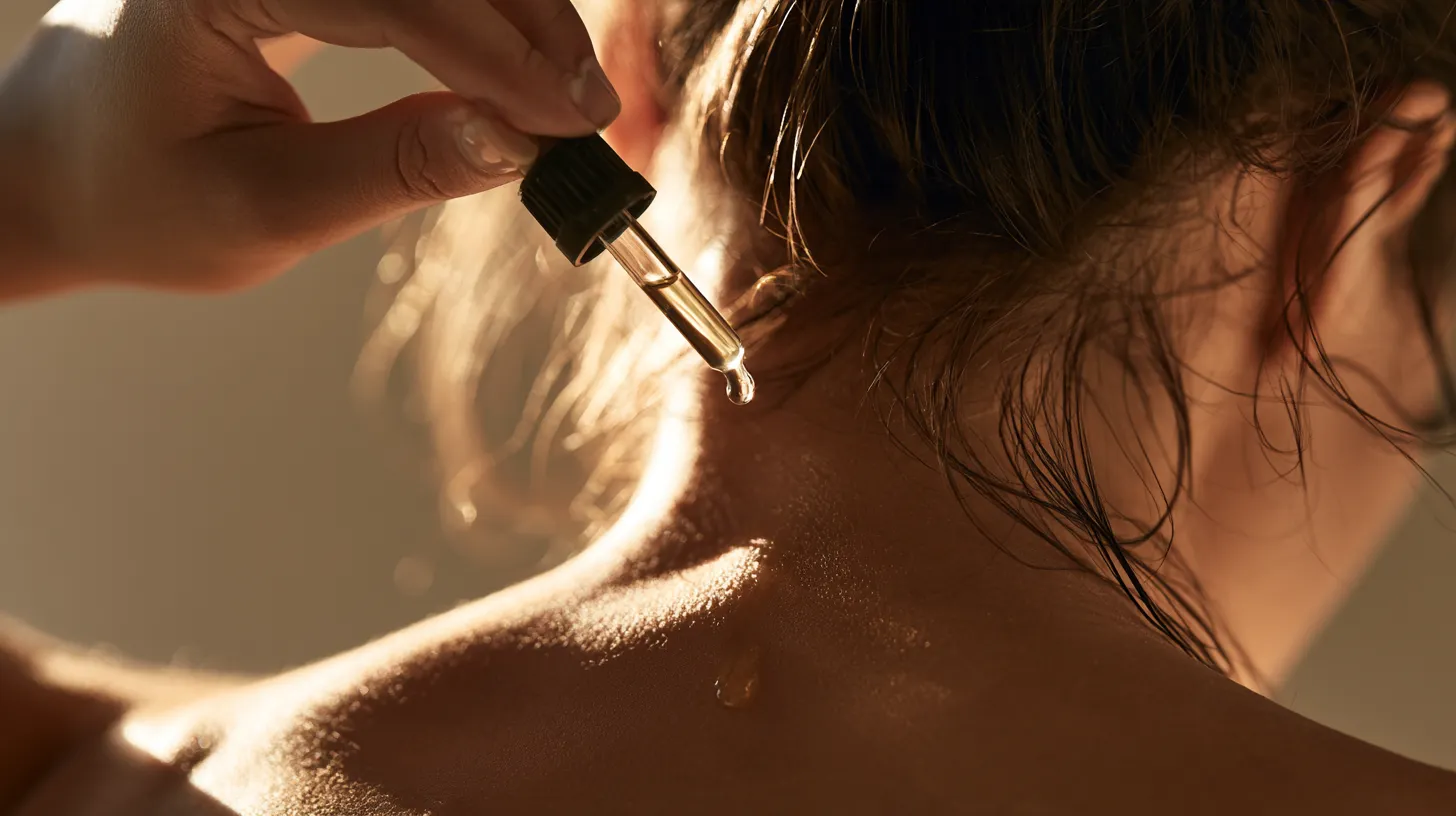
Rose essential oil is a gentle, effective option for sensitive skin. Its natural anti-inflammatory properties help calm redness and irritation, making it especially useful for conditions like eczema and rosacea. Unlike harsh synthetic ingredients, rose oil works with the skin’s own processes to ease discomfort safely.
It also helps with everyday skin stress from dry air, wind, or minor irritants. The oil’s active compounds moderate the skin’s immune response, reducing flare-up severity and supporting a more even tone. Over time, this helps strengthen the skin’s barrier so it becomes more resilient.
With regular, properly diluted use, rose oil can noticeably reduce persistent redness and improve overall comfort. It supports a healthier, more balanced complexion without introducing potentially irritating chemicals.
Smoothing the Years Away
Rose essential oil helps skin look younger and reduces visible signs of aging. It is packed with antioxidants that protect skin cells from damage caused by free radicals, which can make skin look dull and cause premature lines. By neutralizing these harmful molecules, the oil supports the skin’s natural defenses and helps keep cells healthy.
The oil also contains important vitamins, especially vitamin A and vitamin C. Vitamin A boosts cell regeneration, bringing fresher, younger cells to the surface. This improves skin texture and helps stimulate collagen production, the protein that keeps skin firm and elastic. Since collagen naturally drops with age, this support helps fight sagging and wrinkles.
Vitamin C works alongside vitamin A by directly assisting the body’s collagen-building process. Together, these vitamins strengthen the skin’s structure and increase collagen production. The result is fewer fine lines and deeper wrinkles, plus smoother, plumper, more elastic skin with a lifted, youthful glow.
Banish Acne Causing Bacteria
Rose essential oil helps manage acne by gently targeting the bacteria that cause breakouts. Its mild antibacterial action makes it harder for these microbes to thrive in pores, which reduces inflammation and blemish formation.
Unlike harsher acne treatments, rose oil cleanses without stripping the skin or causing dryness. This is important because keeping the skin’s natural moisture barrier intact helps protect against irritation, redness, and further bacterial growth.
By working with the skin instead of against it, rose oil soothes existing flare-ups and supports a clearer complexion over time. It offers a balanced, nurturing way to address problem skin without disrupting its natural defenses.
Unwinding Mental Stress
Rose essential oil helps unwind mental stress naturally. Inhaling its fragrance sends aromatic molecules from the nose to the limbic system, the brain area that handles emotions, memory, and motivation. It has a calming aroma that can lift mood and ease daily anxiety.
Rose oil, like many pleasant scents, can also help support dopamine release, a neurotransmitter linked to pleasure, reward, and motivation. As with any positive experience, this can help lift low spirits, restore a sense of purpose, and replace overwhelm with contentment.
Nourishing Your Scalp
Rose essential oil is great for your scalp, and a healthy scalp means stronger, shinier hair. Adding it to your hair care routine can help stimulate circulation, strengthen hair follicles, and tame dry, unruly ends.
To use it, always dilute rose oil with a carrier oil like jojoba, almond, or argan oil. Use about 2–3 drops of rose oil per tablespoon of carrier oil. Massage the blend gently into your scalp with your fingertips. This massage boosts blood flow, which brings nutrients to the hair follicles and helps them grow stronger and less prone to breakage.
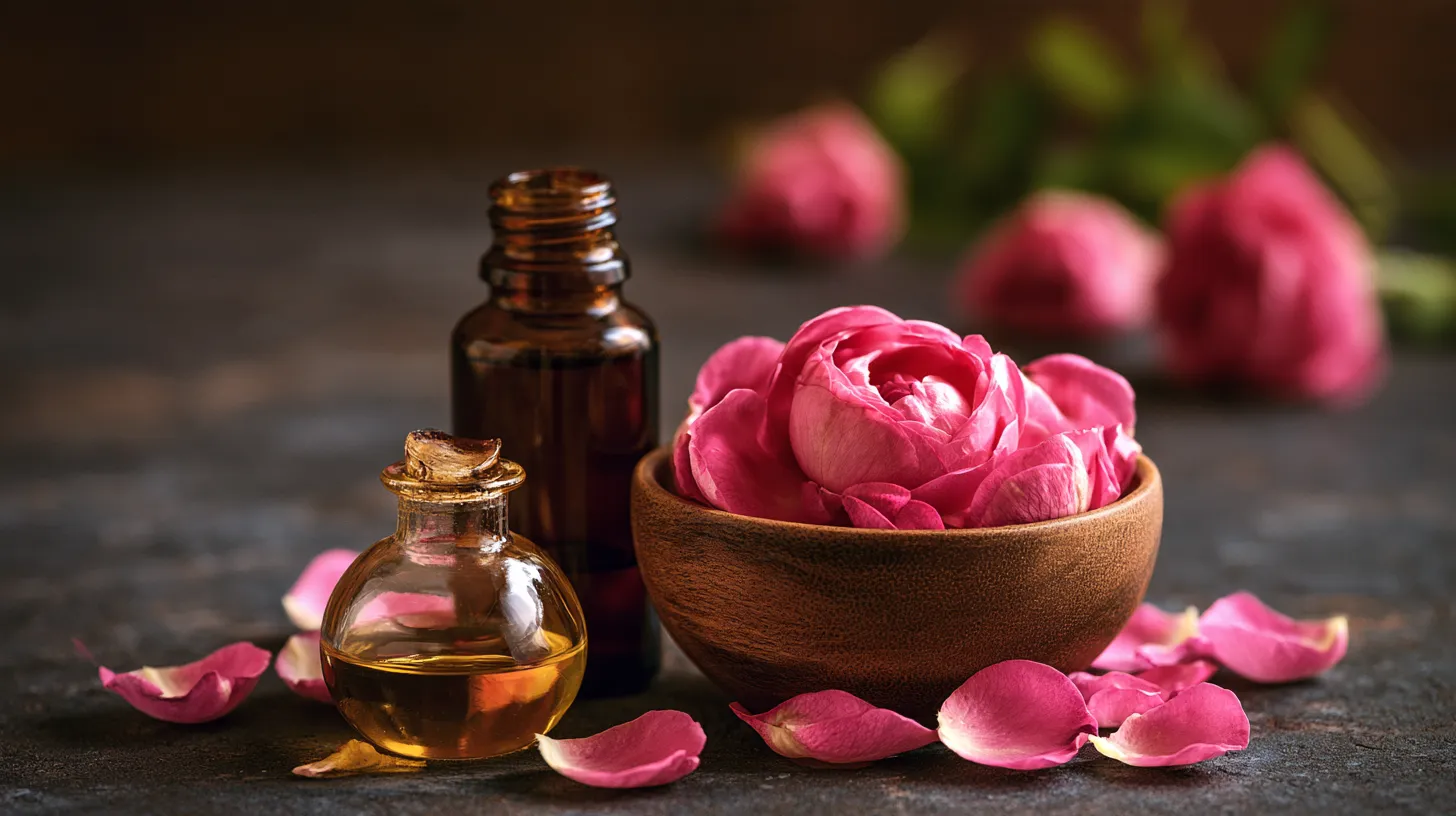
Using this diluted blend regularly strengthens hair from the root and reduces hair fall. For dry, frizzy ends, work a tiny amount of the diluted oil through the mid-lengths and ends. This seals the hair cuticle, locks in moisture, and adds softness and shine. Leave it on for at least 30 minutes, or overnight before shampooing, for deep conditioning and healthier hair from root to tip.
Creating Luxury Fragrance
Creating your own natural perfume is a rewarding way to craft a scent that feels uniquely yours. Instead of relying on synthetic ingredients, you can use pure essential oils to build a personal fragrance that is both luxurious and authentic. Rose essential oil is especially valuable here—its rich, complex, and long-lasting aroma makes it an exquisite heart note around which a beautiful perfume can take shape.
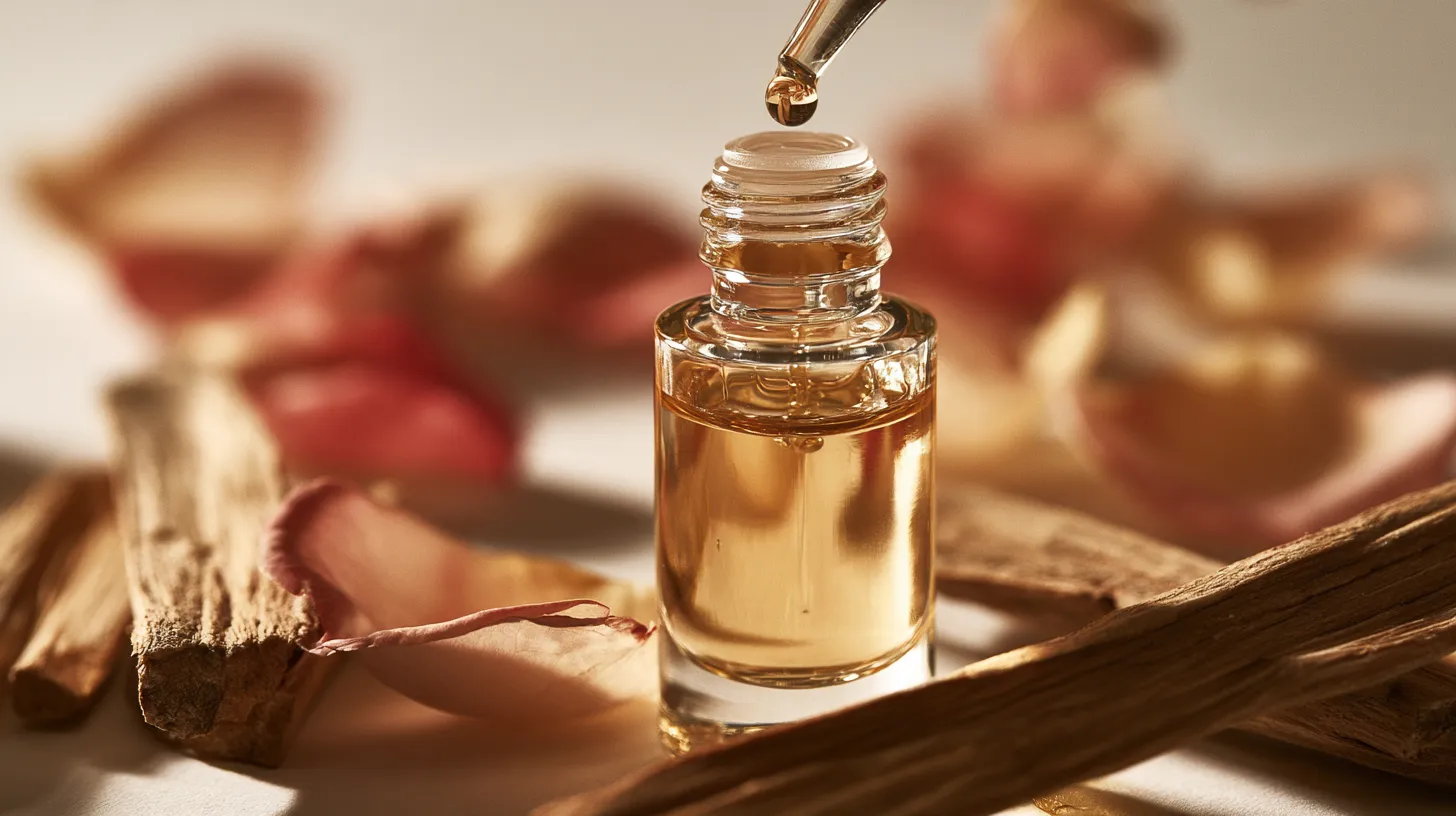
Perfume works in three layers: top, middle, and base. Top notes, like citrus, give the first bright impression but fade quickly. Middle, or heart, notes such as rose emerge as the top notes settle, forming the main character of the scent. Base notes, like sandalwood, provide depth and staying power, grounding the entire blend. To begin, gather your oils, a carrier oil such as jojoba or almond, and a small glass rollerball bottle or atomizer.
A simple recipe starts with the base: add 5–7 drops of sandalwood for a warm, woody foundation. Then add 10–15 drops of rose as the heart, bringing classic floral elegance. Finish with 5–8 drops of a top note like bergamot for a bright, uplifting opening. Fill the rest of the bottle with carrier oil, then roll or shake gently. Let the blend rest for a few days to a week in a cool, dark place so the notes can meld. Feel free to adjust the drops—more bergamot for sparkle, more rose for intensity—until you create a signature scent that reflects your own style.
Boosting Intimacy and Romance
Rose essential oil works as a natural aphrodisiac, long used to awaken passion and deepen emotional closeness. Its calming scent helps soothe inhibitions and invites a warm, loving atmosphere, making it easier for people to relax and open up to romance.
In everyday use, rose oil can be diffused in a shared space or added to a massage blend. This helps calm the nervous system, release physical tension, and create a sense of warmth and connection, allowing partners to feel more present and in tune with each other.
Rose oil also encourages emotional openness and trust. It gently eases anxiety around intimacy, helping people express their feelings more freely and feel safe sharing on a deeper level. This builds romantic confidence, inspires a sense of beauty and desirability, and supports stronger, more loving relationships.
Fighting Bacteria and Fungi
Rose essential oil is highly effective against many microbes, and science supports this. Its ability to fight bacteria and fungi comes from a combination of natural compounds, especially citronellol and geraniol.
Citronellol disrupts bacterial cell membranes, causing important contents to leak out. This stops bacteria from growing and reproducing, making citronellol a strong weapon against common germs. Geraniol also works broadly against many types of bacteria, including those linked to skin infections and breathing problems, and it fights fungi by damaging their cells and normal functions.
Together, these compounds and other minor ingredients can defend against microbes. This is why rose essential oil is valued for hygiene and overall wellness - and why you might want to add it to your routine.
Your Daily Rose Routine
| Use Case | How to Apply | Recommended Duration |
|---|---|---|
| Scalp & Hair Care | Massage 2-3 drops/tbsp carrier oil into scalp; tiny amount on ends. | At least 30 minutes, or overnight before shampooing. |
| Natural Perfume | Blend with base/top notes & carrier oil in rollerball bottle. | Let blend rest for a few days to a week. |
| Facial Skin Care | Mix 1-2 drops into your regular facial moisturizer. | Whenever you use moisturizer |
| Relaxation Bath | Add 5-10 drops to warm bathwater (mix with carrier oil first). | As needed |
| Relaxation Diffusion | Place a few drops in an electric diffuser. | As needed |
| Quick Personal Fragrance | Put a single drop on pulse points as natural perfume. | When you need it |
| Hand Massage | Blend a single drop with carrier oil for a short hand massage. | As needed |
Adding rose oil to your routine is easy and beneficial. For your skin, simply mix one or two drops into your regular facial moisturizer before applying it. This delivers the oil’s soothing properties directly to your face and neck, making your daily hydration feel more nurturing.
For relaxation, add five to ten drops to warm bathwater, ideally mixing them with a carrier oil first so they spread evenly. The steam carries the calming aroma, turning your bathroom into a spa-like space to unwind. Similarly, placing a few drops in an electric diffuser releases a gentle mist that scents the entire room, promoting a calm and welcoming atmosphere at home or work.
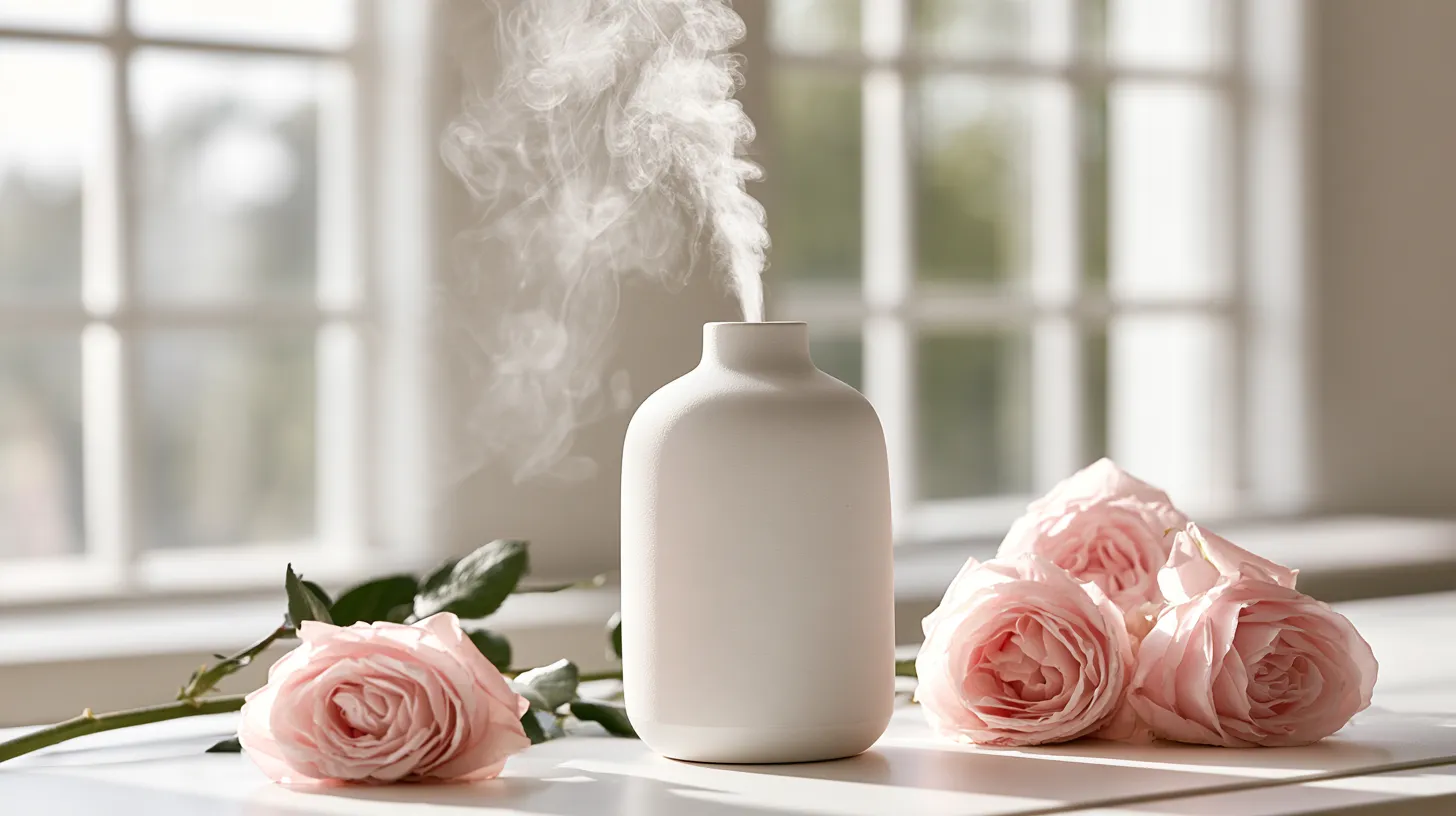
For quick, direct use, put a single drop on your pulse points as a natural perfume, or blend it with a carrier oil like jojoba or almond for a short hand massage. Even using tiny amounts daily allows you to fully enjoy the gentle, calming presence of the oil in your everyday life.
Spotting Pure Quality
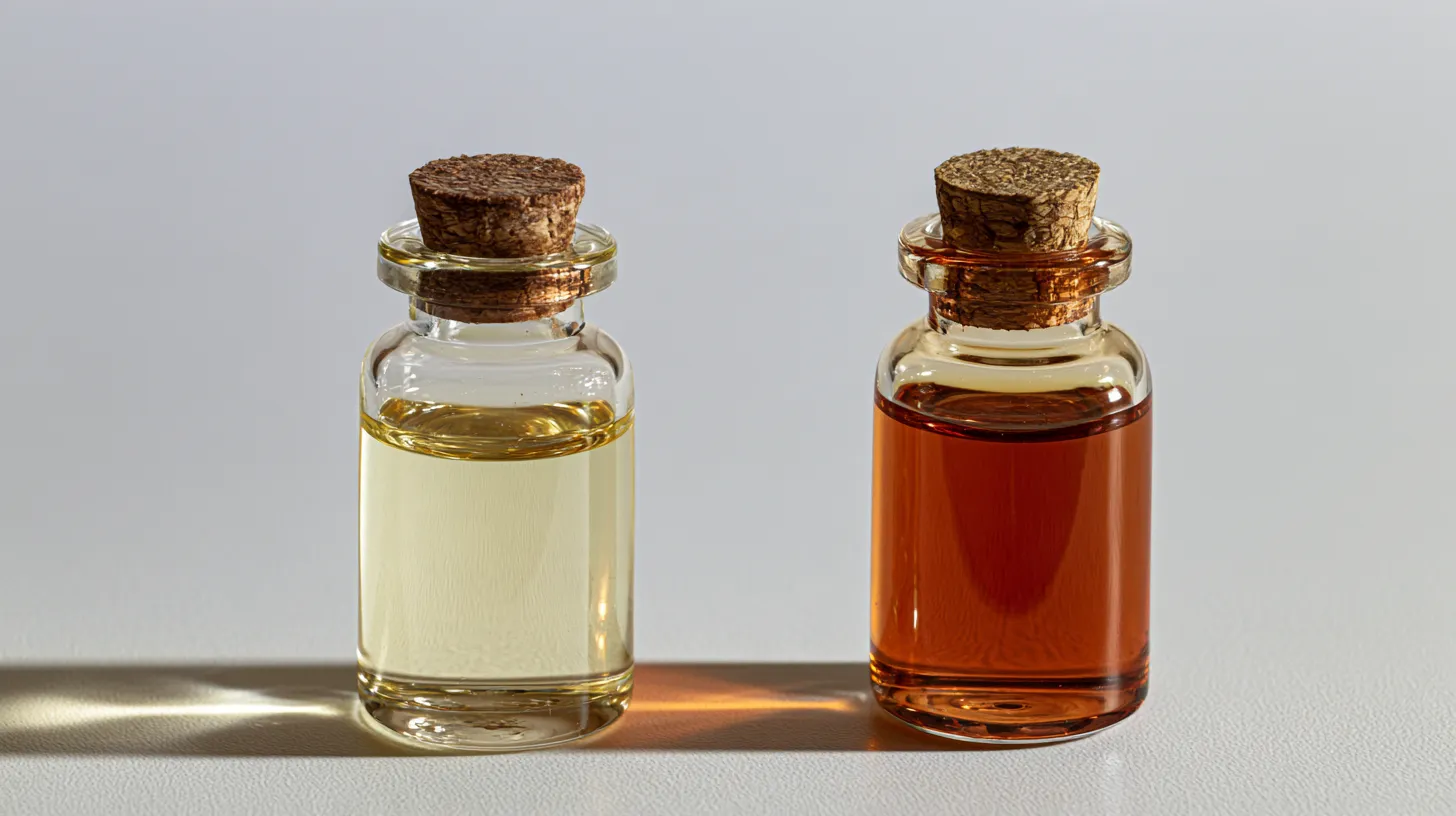
Pure rose oil comes in two main types, and knowing the difference helps spot the real thing. Rose Otto, also called attar of rose, is made by steam distillation. This gentle process captures the lighter, more delicate aroma compounds, giving the oil a fresh, slightly green, and powdery floral scent. Real Rose Otto is usually clear to pale yellow, and it can turn waxy or solid in cooler room temperatures. That solidifying is natural—it comes from plant waxes and fatty acids—and it is a good sign of authenticity.
Rose Absolute is made by solvent extraction instead. This method pulls out a wider range of aromatic molecules, including heavier ones, so the fragrance is deeper, richer, and more honey-like—closer to the actual smell of fresh rose petals. Rose Absolute tends to be a darker reddish-orange or amber liquid. It stays liquid at room temperature and is thicker and more syrupy than Rose Otto.
To make sure you are buying pure, unadulterated rose oil, keep a few things in mind. Real rose oil is very expensive because it takes a huge amount of petals to make, so a very low price is a red flag. Check the label for the botanical name, usually Rosa damascena or Rosa centifolia, and confirm the extraction method. Buy from reputable suppliers who share clear sourcing and quality-control information. Finally, look at the oil itself—its color, thickness, and whether Rose Otto solidifies—because these physical clues help confirm its genuine quality.
Safe Usage Guidelines
Use essential oils safely by always diluting them first. Mix them with a carrier oil, such as jojoba, almond, or fractionated coconut oil. For adults, a typical safe amount is 1–2% dilution—about 6–12 drops of essential oil per ounce of carrier oil. For sensitive skin or younger people, lower this to 0.5% or less.
Always do a patch test before applying more widely. Place a small amount of the diluted oil on a small patch of skin, like your inner forearm. Wait 24–48 hours to check for redness, itching, or irritation. If any reaction appears, stop using it right away. This helps catch skin sensitivities or allergies.
Be extra careful with pregnant women, young children, and pets. Pregnant people should ask a healthcare professional before using essential oils, especially in the first trimester. For children, use very low dilutions or avoid applying completely, and store oils out of their reach. Never put essential oils directly on pets, especially cats. If using a diffuser, keep the room well ventilated and give pets a way to leave. Talk to a veterinarian before using essential oils around animals.
Frequently Asked Questions
How does rose essential oil benefit my skin?
Rose essential oil is known for reviving dry, dull skin by providing deep moisture and a healthy glow. Its essential fatty acids strengthen the skin’s protective barrier, while vitamins A, C, and E help brighten the complexion, support cell renewal, fade dark spots, and guard against damage. It also helps reduce visible signs of aging by protecting skin cells from free radical damage and stimulating collagen production.
Is rose essential oil safe for sensitive skin?
Yes, rose essential oil is a gentle option for sensitive skin. Its natural anti-inflammatory properties help calm redness and irritation, making it useful for conditions like eczema and rosacea, and it supports a healthier, more balanced complexion without introducing potentially irritating chemicals. Regular, properly diluted use can noticeably reduce persistent redness and improve overall comfort.
How should I dilute rose essential oil before applying it to my skin?
Always dilute essential oils with a carrier oil, such as jojoba, almond, or fractionated coconut oil. For adults, a typical safe dilution is 1–2%, which is about 6–12 drops of essential oil per ounce of carrier oil. For sensitive skin or younger people, lower this to 0.5% or less, and always perform a patch test first.
How can I check if my rose essential oil is pure?
Pure rose oil is very expensive, so a very low price is often a red flag. Check the label for the botanical name, usually Rosa damascena or Rosa centifolia, and confirm the extraction method. Additionally, real Rose Otto may turn waxy or solid in cooler room temperatures due to natural plant waxes and fatty acids, which is a good sign of authenticity.
Can rose essential oil be used on the scalp and hair?
Yes, rose essential oil is beneficial for your scalp and hair, helping to stimulate circulation and strengthen hair follicles. To use, dilute about 2–3 drops of rose oil per tablespoon of a carrier oil like jojoba, almond, or argan, and massage the blend gently into your scalp. You can leave it on for at least 30 minutes, or overnight, before shampooing for deep conditioning.
How can rose essential oil help with stress and relaxation?
Inhaling rose essential oil’s fragrance sends aromatic molecules to the limbic system, triggering calming neurochemical responses that lift mood and ease daily anxiety. It promotes the release of endorphins, the body’s natural mood boosters, and supports dopamine release, which helps lift low spirits and builds emotional resilience. You can diffuse it or add it to a warm bath for relaxation.