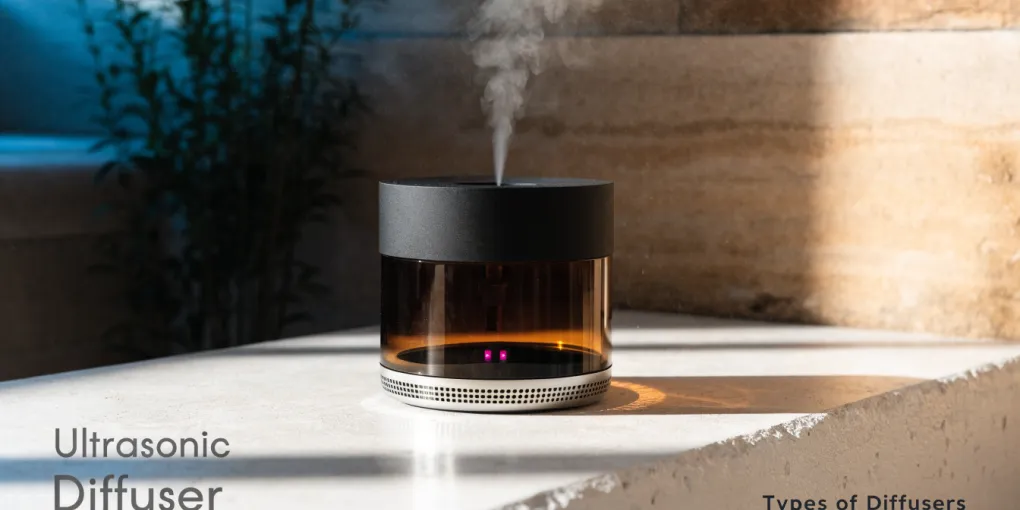
Ultrasonic diffusers disperse essential oils by using a ceramic disc that vibrates at high frequencies, breaking water and oil into a fine, cool mist. This method avoids heat, preserving the oils’ delicate chemical makeup, aroma, and therapeutic properties. They are silent, add humidity, and offer a gentle, consistent scent for various room sizes.
Table of Contents
- Understanding Ultrasonic Diffusers
- Essential Oil Breakdown
- Key Features To Look For
- Lighting And Ambience Options
- Coverage Area Considerations
- Ultrasonic Versus Nebulizing Diffusers
- Ultrasonic Versus Heat Diffusers
- Ultrasonic Versus Evaporative Fans
- Proper Setup Guidelines
- Tap Water Versus Distilled Options
- Ideal Drop Count Guidelines
- Daily Cleaning Habits
- Troubleshooting Common Issues
- Longevity And Replacement Tips
Understanding Ultrasonic Diffusers
Ultrasonic diffusers are a popular choice in aromatherapy because they release essential oils in a gentle, efficient way. Instead of using heat, they rely on a small ceramic disc inside the device that vibrates at an extremely high frequency—about 2.4 million times per second. This vibration is ultrasonic, so it works silently, making the diffuser calm and unobtrusive.
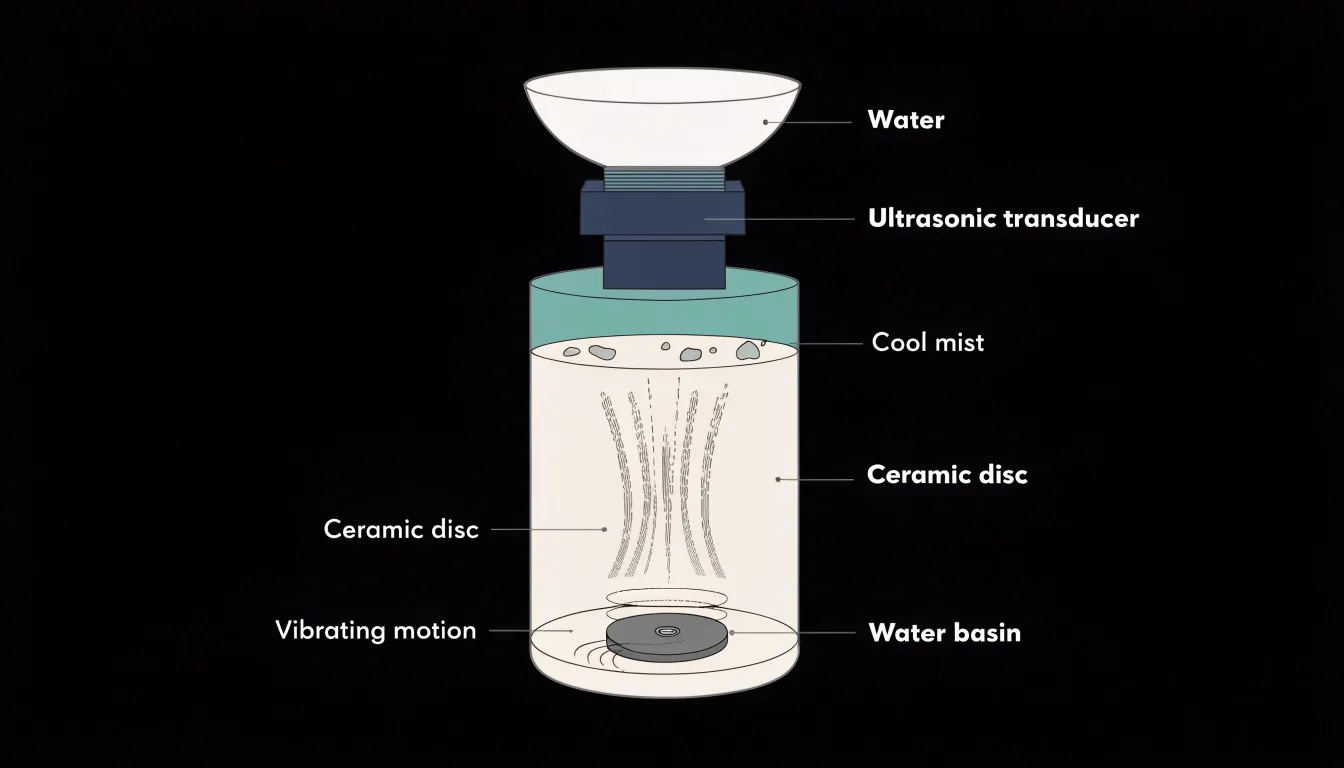
When water and a few drops of essential oil are added to the reservoir, the disc’s rapid vibrations pass into the water. These movements break the water and oil into extremely fine particles, creating a cool mist. Because no heat is involved, the delicate chemical makeup of the essential oils stays intact, so their natural aroma and therapeutic qualities are preserved.
The resulting cool mist is released quietly into the air, carrying the pure essence of the oils without any damage from heat. This allows for continuous, subtle diffusion, making ultrasonic diffusers a great way to create a pleasant, health-supporting atmosphere in any space.
Essential Oil Breakdown
Ultrasonic diffusers use high-frequency vibrations instead of heat to disperse essential oils. A small disc vibrating in water breaks the oil into a fine, cool mist. This form of cold diffusion is crucial for preserving oil quality.
Heat is harmful because many essential oils contain delicate natural compounds. When exposed to heat, these compounds can change, diluting the oil’s rich aroma and reducing its health and When exposed to heat, these compounds can change, diluting the oil’s rich aroma and reducing its health and calming benefits—such as the freshness of citrus or the soothing effect of lavender.
Because cold ultrasonic waves avoid heat entirely, the oil stays in its natural state. The gentle misting preserves the oil’s molecular structure, ensuring users receive the complete scent and full physiological effects intended by nature. This makes it ideal for sensitive oils.
Key Features To Look For
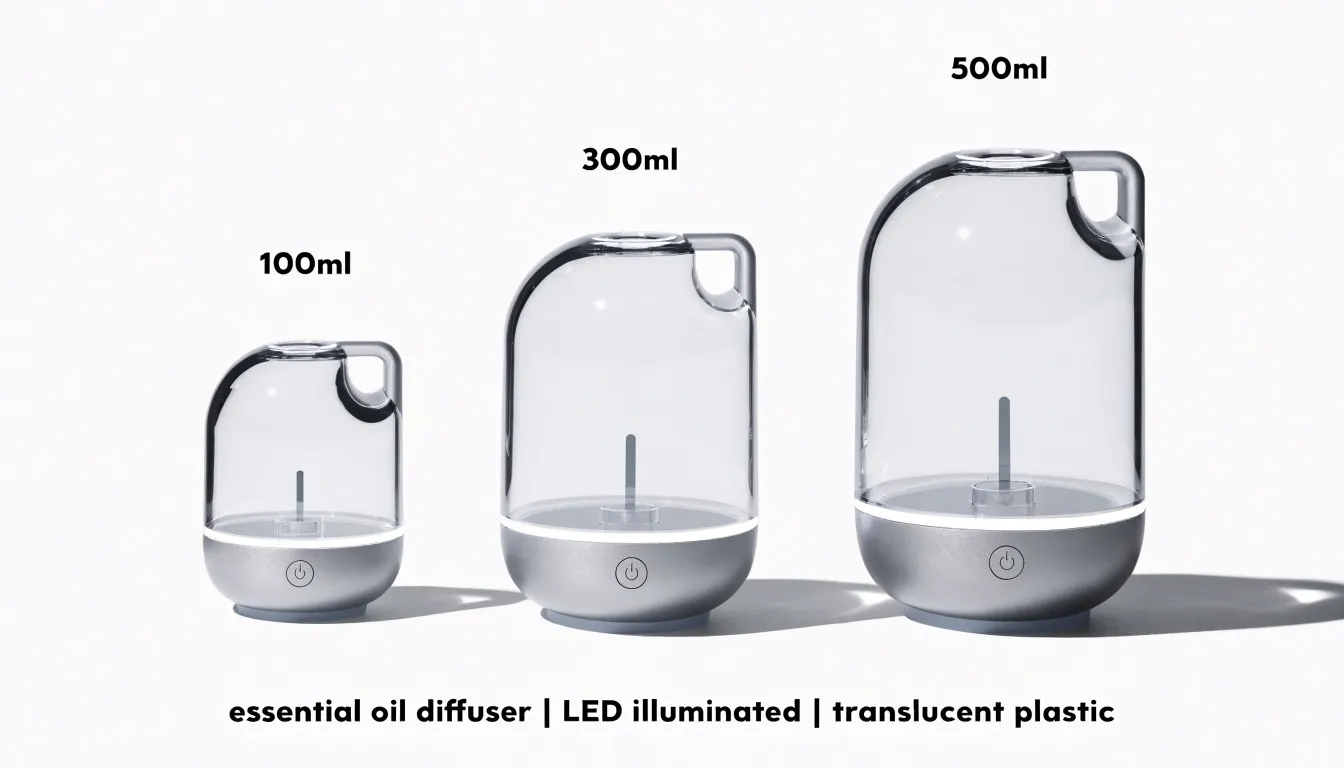
Choosing the right water tank size makes a diffuser much more useful in daily life. Small tanks from 100ml to 200ml are best for short sessions in personal spaces like a desk or nightstand, or for travel. They give a few hours of mist—enough for a work session or winding down before bed—but need frequent refills and hold less essential oil.
Mid-size tanks from 200ml to 300ml offer a good balance between run time and size. They work well in many rooms and can last several hours continuously, or even longer if used in bursts. For all-day or overnight aromatherapy, larger tanks from 300ml to 500ml are ideal—they can diffuse for eight hours or more without constant refilling, making them great for bigger living areas or bedrooms.
Timer settings also matter. Continuous mode releases a steady stream of scent until the water runs out, quickly filling a room with aroma. Intermittent mode cycles on and off—for example, 30 seconds on, 30 seconds off—which saves both essential oil and water. This keeps a subtle fragrance going for many hours and extends the total run time of any diffuser, This keeps a subtle fragrance going for many hours and extends the total run time of any diffuser, making it easier to match your daily routine.
Lighting And Ambience Options
Modern diffusers do more than spread essential oils—they also use lighting to make the aromatherapy experience more relaxing. Color-changing LEDs let you choose a mood that matches your needs. Soft blues and greens can calm the mind after a stressful day, while warm amber tones create a cozy, comforting feel. You can pick one color or let the diffuser cycle through shades for a gentle, soothing backdrop.
Many diffusers also have a nightlight mode that gives off a soft, low glow. This is perfect for a bedroom or a child’s room, offering just enough light to see without disturbing sleep. The gentle light works alongside the essential oils to support evening routines and deeper rest.
Continuous color cycles add a smooth, meditative flow that helps ease the mind into relaxation. By combining the therapeutic benefits of essential oils with thoughtfully chosen lighting, these diffusers turn any room into a calm, personal retreat.
Coverage Area Considerations
Choosing the right diffuser depends on the size of the room you want to fill with essential oil fragrance. The space size determines which unit works best, so the scent is neither too strong nor too weak. Matching the mist output to the room’s square footage is key for a pleasant aroma experience.
For small, closed-off areas like bedrooms, bathrooms, or home offices, a diffuser with a gentle mist output is usually best. These smaller units spread fragrance softly without overwhelming the air, which could make the scent too heavy. A subtle and steady diffusion creates a nice atmosphere in cozy spaces without being overpowering.
For large living rooms, open-concept areas, or big lobbies, you need a diffuser with higher mist output and wider reach. A small, low-output unit won’t effectively scent a big space, leaving the aroma barely noticeable. Choose a stronger diffuser built for more square footage, often with better atomization or a larger tank, so the essential oil reaches every corner and keeps the whole room inviting. Always check the manufacturer’s recommended coverage area to match the unit to your space, whether it’s a small nook or a large open zone.
Ultrasonic Versus Nebulizing Diffusers
Ultrasonic diffusers use high-frequency vibrations to break down a mixture of water and essential oil into a cool, fine mist. This releases a gentle, consistent aroma while adding humidity to the air, which helps in dry spaces. They are a good fit for everyday home use, offering mild therapeutic benefits and a pleasant background scent without being overpowering. Ultrasonic models are also quiet and can cover large areas, but the diffusion is more diluted.
Nebulizing diffusers take a different approach by using an air pump to atomize undiluted essential oil directly into the air as a concentrated mist. This delivers the full strength and pure aroma of the oil, creating a much more intense and immediate effect. They are especially useful for targeted therapeutic needs, such as supporting respiratory health or encouraging deep relaxation. However, they use up more oil and can be a bit louder, though their potency is much stronger.
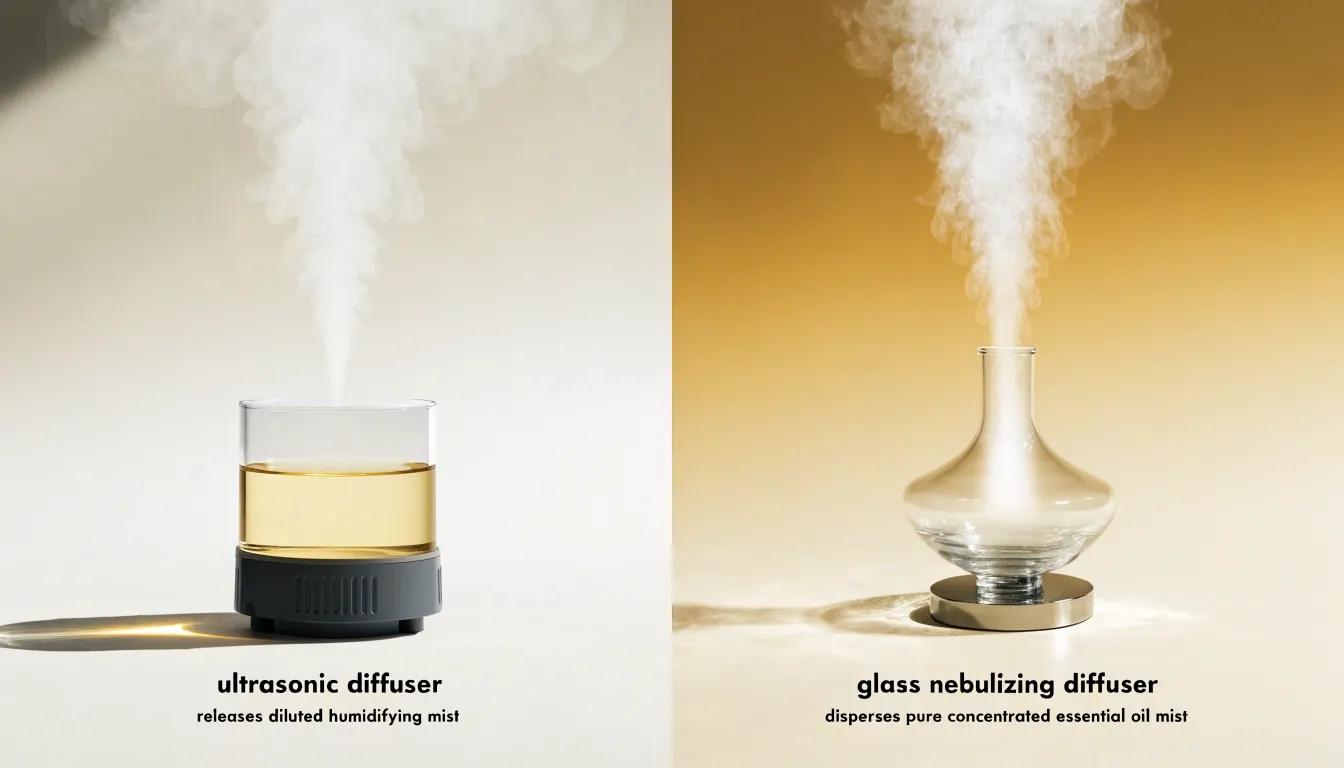
In short, the main choice comes down to what you want from your oils. If you prefer a subtle, humidifying mist for general wellness and everyday ambiance, an ultrasonic diffuser works well. If you need powerful, undiluted aromatic therapy for maximum intensity, a nebulizer is the better option.
Ultrasonic Versus Heat Diffusers
Heat diffusers warm essential oils to make them evaporate, but this can be a problem for the oils. High temperatures can break down the delicate chemical compounds in the oil. This reduces its possible therapeutic benefits and changes its scent, often making it duller and less complex. The unique top, middle, and base notes may flatten or disappear, so the aroma is no longer vibrant.
Ultrasonic diffusers work differently. They use high-frequency vibrations from a small ceramic disc to turn water and essential oil into a fine mist. This mist is released into the air without applying any heat to the oil.
Because no heat is used, the oil’s molecular structure stays intact. The therapeutic compounds remain preserved, so the user gets the full benefits. The oil’s natural, intricate aroma is also kept, giving a pure and authentic scent experience.
Ultrasonic Versus Evaporative Fans
Ultrasonic diffusers use high-frequency vibrations to break down a mixture of water and essential oils into a fine, cool mist. This mist carries the oil particles into the air quickly, releasing a strong, noticeable scent soon after you turn it on. Because water is part of the process, these diffusers also add humidity to the room, which can be helpful in dry indoor spaces.
Evaporative fan diffusers work differently. They use a fan to gently blow air over an absorbent pad or wick that holds the essential oils. No water is involved, so these devices do not change the room’s humidity level. The scent spreads more slowly and subtly, gradually filling the space with a softer, more consistent aroma that lasts over time.
Your choice comes down to what you want from the aroma. If you prefer an immediate, robust fragrance and don’t mind a boost in moisture, an ultrasonic diffuser is a good fit. If you’d rather have a gentle, long-lasting scent without affecting humidity, an evaporative fan diffuser is the better option.
Proper Setup Guidelines
To get the most from your essential oils, place your diffuser up high—on a shelf, stand, or table. This lets the mist mix with the room’s air currents, so the scent spreads farther and more evenly. If the diffuser sits on the floor, the aroma tends to stay low and won’t fill the space as well.
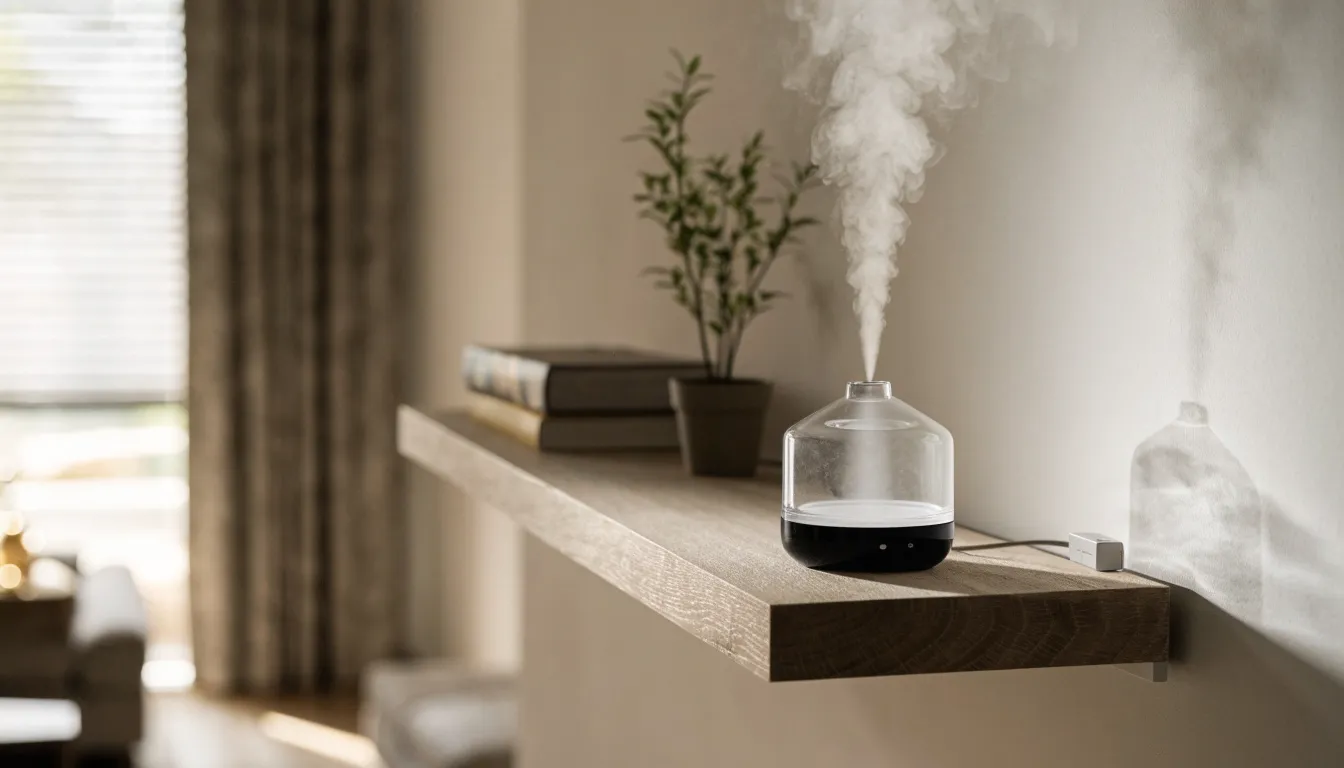
Keep the diffuser a safe distance from wooden furniture. The mist carries moisture, and over time, constant exposure can damage delicate finishes, leaving watermarks, discoloration, or even warping. Giving furniture some space helps protect its surface and keeps it looking good.
Also, avoid placing the diffuser near electronics like TVs, computers, stereos, or power outlets. The damp oil mist can get inside and cause short circuits, corrosion, or other damage. With smart placement, you can enjoy a well-scented room while keeping both your diffuser and your belongings safe.
Tap Water Versus Distilled Options
Using tap water in an ultrasonic diffuser can affect how well your essential oils are released into the air. Tap water contains minerals like calcium and magnesium. When the diffuser turns it into a fine mist, these minerals don’t evaporate. Instead, they get sprayed into the room as tiny particles, showing up as white dust on furniture and other surfaces.
Those same minerals also build up inside the diffuser over time. They form hard scale on the water basin and the ultrasonic disc that helps create the mist. This buildup can slow down the disc and reduce mist output, so fewer essential oils make it into the air. It can also make the diffuser work harder, use more energy, and wear out faster, while making cleaning more difficult.
Using distilled water solves these problems because it has almost no minerals in it. With distilled water, the diffuser produces a clean mist, and there’s little to no white dust or scale buildup. The ultrasonic parts stay clear and work efficiently, so your essential oils diffuse consistently and the diffuser lasts much longer with less maintenance.
Ideal Drop Count Guidelines
Using the right amount of essential oil is key to getting good aromatherapy results and keeping your diffuser working properly. The standard rule is to add 3 to 5 drops of oil for every 100 milliliters of water, which provides a balanced starting point that manages scent strength without harming the device.
Sticking to this amount stops the aroma from becoming too overpowering. If you add too many drops, the air gets saturated quickly, and that intense smell can cause headaches or a feeling of congestion for many people. Since everyone’s sensitivity to different oils varies, using a moderate dose helps create a pleasant, subtle atmosphere instead of an overwhelming burst of fragrance.
It also prevents mechanical issues, particularly with the ultrasonic disc inside the diffuser. Oils leave behind a residue, and heavy use causes buildup on the vibrating disc, which blocks it from properly breaking down the water and oil. This buildup reduces the mist output and can even shorten the life of the device. By following the recommended drop count, you keep the diffuser running cleanly and efficiently, so it’s best to begin with fewer drops and gradually increase only if needed, protecting both the machine and your comfort.
Daily Cleaning Habits
Keeping your diffuser’s water tank fresh is easy and helps it work well for a long time. Simple daily cleaning habits stop mold and oil buildup before they start. A quick rinse and wipe after each use is usually enough to keep the tank clean and your essential oil scents pure.
After using the diffuser, unplug it and empty out any remaining water. Stale water can allow germs to grow, so don’t skip this step. Rinse the tank with warm water to remove loose oil and droplets. If your essential oils leave sticky residue, add a little mild dish soap and swirl it around. To prevent mineral buildup or early mold, you can also use a mix of one tablespoon of white vinegar with half a cup of water, let it sit for a few minutes, then rinse well.
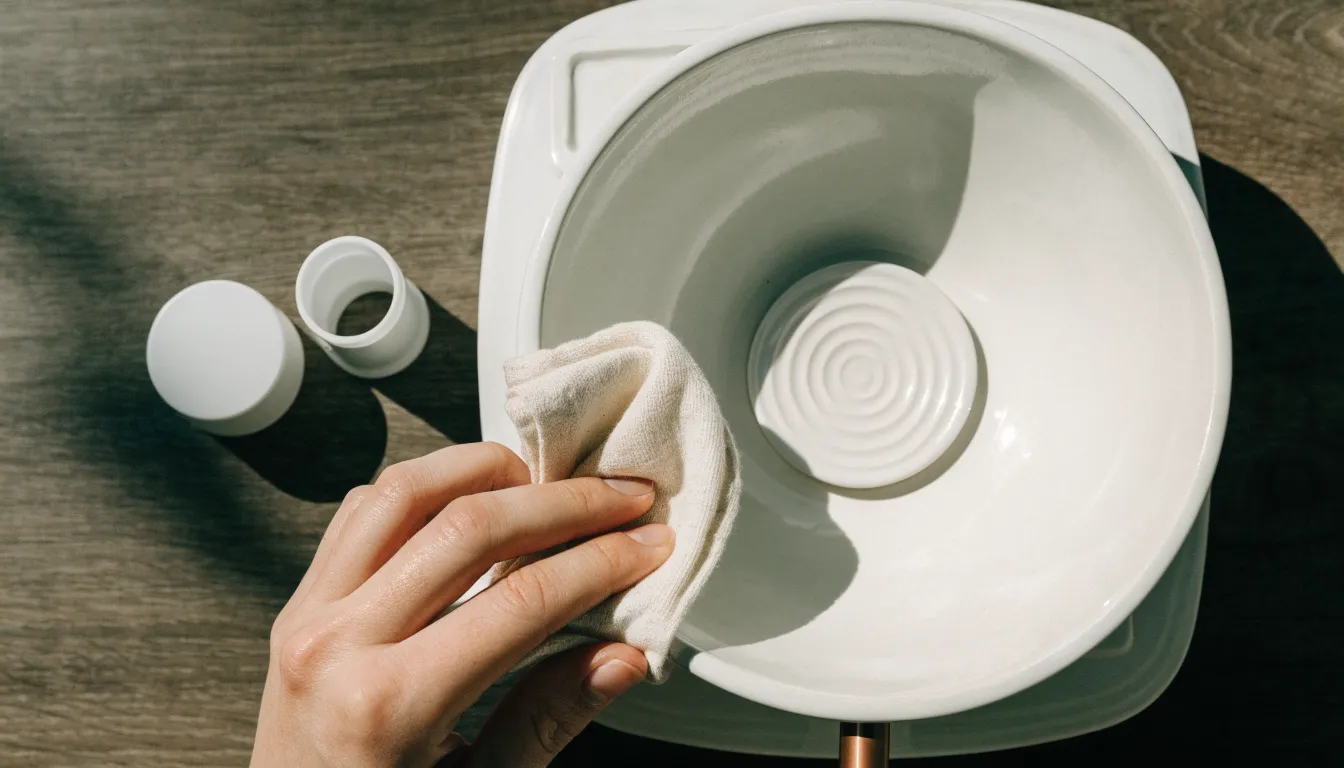
Finally, dry the inside of the tank completely with a soft cloth or paper towel. Make sure no moisture stays in corners or crevices, since dampness encourages mold. Doing this daily clears away oil residue that could clog the diffuser and removes the damp conditions mold needs. This keeps your diffuser fresh, efficient, and ready for a clean aromatherapy experience.
Troubleshooting Common Issues
A weak mist or power problem can stop your diffuser from spreading essential oils properly, but most issues have simple fixes. Fixing them quickly extends the life of your diffuser and keeps aromatherapy benefits consistent.
The most common cause of weak mist is a clogged ultrasonic disc. Minerals from tap water build up on this part and block it from turning oil and water into a fine mist. Unplug the diffuser, empty it, and put a little white vinegar on the disc. Let it sit for 10 to 15 minutes, then gently wipe with a soft cloth or cotton swab. Rinse well before using again.
Another usual problem is overfilling past the maximum line. Too much water can flood the disc and block airflow, which stops essential oils from diffusing into the room. Just unplug and pour out extra water. Also check the power cord and vents. To keep mist strong, use distilled or filtered water, clean the unit regularly, and always respect the fill line.
Longevity And Replacement Tips
Ultrasonic diffusers wear out over time, no matter how well you care for them. The main sign is a weaker mist: if the ceramic disc is clean but the diffuser still produces less mist or spreads essential oils poorly, the internal transducer is likely failing. That part is essential for making the fine mist, so its breakdown directly weakens the aroma.
Cracked plastic is another major warning. Citrus and other essential oils can make plastic brittle over time. A cracked water tank can leak, and moisture reaching the electrical parts can be dangerous or cause the unit to fail. Even a small outer crack can let water inside the electronics.
Lastly, watch for strange noises instead of the usual quiet hum, trouble turning on, or mineral buildup that descaling cannot remove. These signs mean the diffuser can no longer do its job. Replacing it quickly keeps your space safe and keeps the therapeutic benefits of essential oils coming through clearly.
Frequently Asked Questions
How do ultrasonic diffusers work?
Ultrasonic diffusers use a small ceramic disc that vibrates at an extremely high frequency, breaking water and essential oil into extremely fine particles. This process creates a cool mist that is released silently into the air, preserving the oil’s natural aroma and therapeutic qualities because no heat is involved.
Why shouldn’t you use heat to diffuse essential oils?
Heat can break down the delicate natural compounds in essential oils, which can dilute their rich aroma and reduce their health and calming benefits. When exposed to high temperatures, the oil’s unique top, middle, and base notes may flatten or disappear, making the aroma less vibrant.
How many drops of essential oil should I put in a diffuser?
A standard guideline is to add 3 to 5 drops of essential oil for every 100 milliliters of water to achieve a balanced scent. Adding too many drops can quickly saturate the air, potentially causing headaches or congestion, and can also lead to residue buildup that blocks the ultrasonic disc.
Can I use tap water in my ultrasonic diffuser?
While you can use tap water, it contains minerals that can be sprayed into the room as tiny white dust particles and build up as hard scale inside the diffuser. This buildup can reduce mist output, make the diffuser work harder, and shorten its lifespan, so using distilled water is recommended.
Where is the best place to put an essential oil diffuser?
Place your diffuser up high on a shelf, stand, or table to allow the mist to mix with air currents and spread evenly throughout the room. Keep it a safe distance from wooden furniture to prevent moisture damage and away from electronics to avoid short circuits or corrosion.
How do I choose a diffuser for different room sizes?
For small, closed-off areas like bedrooms or offices, a diffuser with a gentle mist output is usually best. For large living rooms or open-concept areas, choose a stronger diffuser with higher mist output and wider reach, always checking the manufacturer’s recommended coverage area.