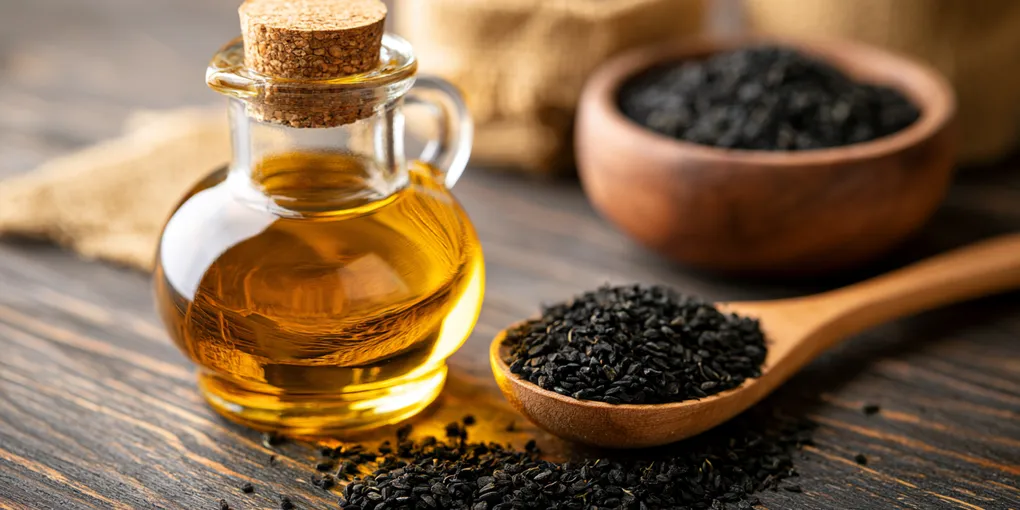
Black seed oil, derived from Nigella sativa, is an exceptional carrier oil because it contains thymoquinone, a bioactive compound with its own beneficial properties. Unlike neutral carrier oils, black seed oil actively contributes to topical blends with rich essential fatty acids, antioxidants, and anti-inflammatory effects, supporting skin health, blemish control, and hair nourishment.
Table of Contents
Ancient Wellness History
Nigella sativa, or black seed, has been used for thousands of years in ancient Egypt and the Middle East. It was highly valued as a natural remedy and beauty aid. Egyptians called it “oil of the pharaohs,” and even placed it in Tutankhamun’s tomb, showing they believed in its protective and health-giving powers.
In daily life, Egyptians used black seed oil for many medicinal purposes, such as soothing digestion, calming skin irritation, and boosting overall vitality. It was also a key part of beauty routines. People used it to moisturize and nourish skin and hair, helping them achieve a healthy glow and stronger, shinier hair.
Across the Middle East, traditional medicine also relied on black seed oil for a wide range of benefits. It was commonly used for respiratory issues and pain relief, and it remained popular in cosmetics for improving appearance. Throughout history, black seed oil has been seen as a versatile and trusted natural treasure.
Carrier Oil Basics
Carrier oils are important because they dilute concentrated essential oils so they can be applied to the skin safely. Oils like jojoba and sweet almond are popular because they are emollient and help other compounds absorb. They work mostly as neutral, supportive bases that carry active ingredients without adding much of their own effect.
Black seed oil is different from typical carrier oils because it contains a bioactive compound called thymoquinone. This natural chemical has its own beneficial properties. So when black seed oil is used as a carrier, it does not just dilute and deliver other oils—it also adds its own active value to the blend.
Because of thymoquinone, black seed oil makes the final mixture more active and multi-functional. It brings unique biochemical support while still ensuring safe application. This turns it from a simple base into a true active part of a topical product. As a result, it creates a stronger synergy, where the carrier and essential oils work together for a more powerful overall effect.
Nutrient Rich Profile
Black seed oil’s main strength as a carrier oil comes from its rich supply of essential fatty acids, especially linoleic acid. This omega-6 fat helps build the skin’s natural lipid barrier and supports ceramide formation. A strong barrier protects skin from irritants and prevents water loss, keeping skin hydrated and less prone to dryness.
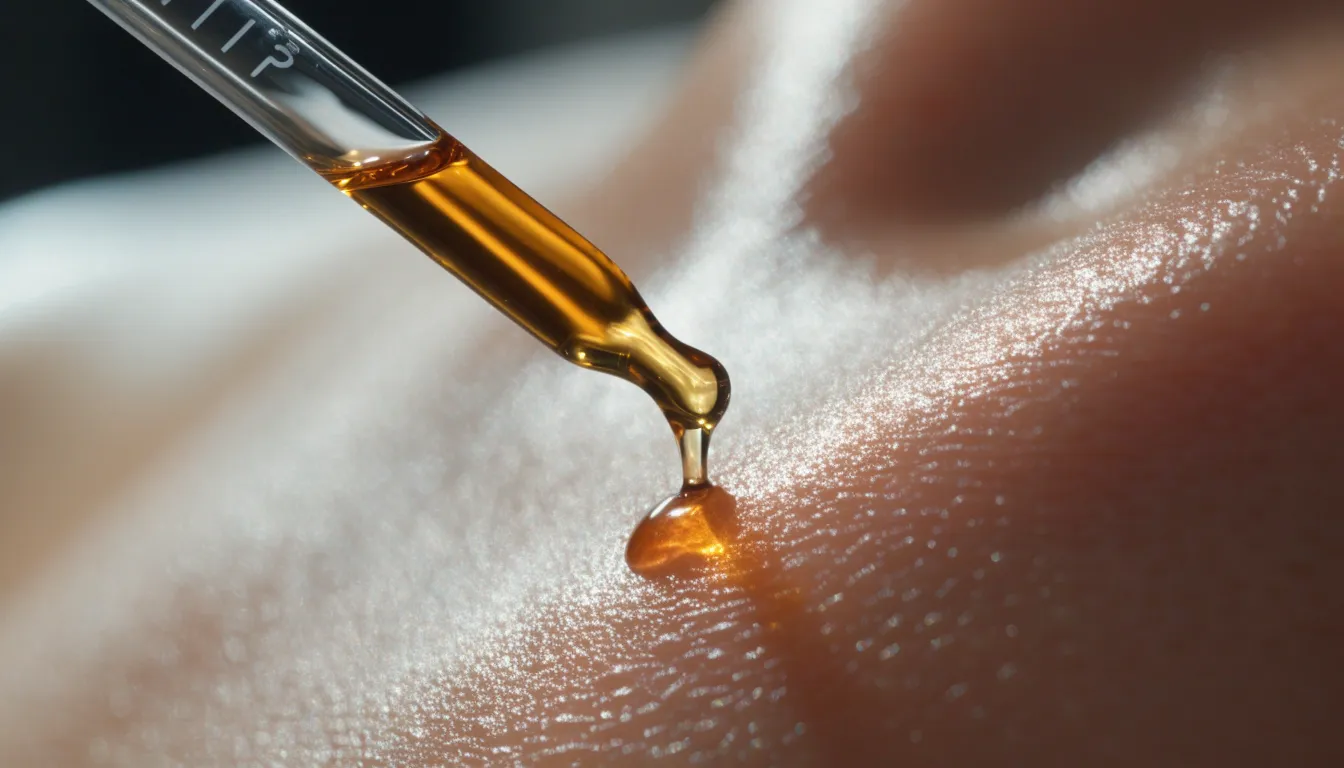
Oleic acid, an omega-9 fat, works alongside linoleic acid. It also supports the skin barrier, but its key role is penetrating deeper into the skin. This helps deliver moisture and nutrients to lower layers, and it also boosts absorption of other beneficial ingredients, making black seed oil a very effective carrier.
Together, these fatty acids repair small gaps or weak spots in the skin’s protective layer. The result is a smoother, more moisture-proof surface that holds in hydration longer. Over time, this improves elasticity and keeps the skin soft, pliable, and healthy-looking.
Blemish Control Benefits
Black seed oil helps with blemishes by calming redness and clearing pores. It works naturally to target acne-causing bacteria like Propionibacterium acnes, reducing the bacterial load on the skin and inside pores. This supports a clearer complexion by addressing a major cause of breakouts.
Its anti-inflammatory properties are equally important. The oil soothes irritated skin, reduces redness and swelling, and helps lessen the discomfort of active blemishes. This calming effect also promotes a more even skin tone.
Black seed oil also helps manage excess sebum and prevent buildup of oil and dead skin cells in follicles, keeping pores clear. By combining antibacterial, anti-inflammatory, and sebum-regulating actions, it offers a natural way to reduce breakouts and improve overall skin clarity with regular use.
Youthful Skin Support
Skin is constantly exposed to pollution and UV rays, which create unstable molecules called free radicals. These free radicals attack healthy skin cells, causing oxidative stress and breaking down collagen and elastin—the proteins that keep skin firm and elastic. Over time, this leads to fine lines, wrinkles, and a dull, less youthful appearance.
Antioxidants help stop this damage. Black seed oil is rich in antioxidants, so when used as a carrier oil, it can neutralize free radicals by donating an extra electron without becoming unstable itself. This protects important skin structures like DNA, collagen, and elastin from harm.
By using black seed oil regularly in your skincare routine, you help shield skin from pollution and sun damage. This supports a smoother, firmer, more resilient complexion and helps delay the visible signs of premature aging.
Hair And Scalp Nourishment
Black seed oil helps nourish the hair and scalp by tackling scalp inflammation. An inflamed scalp can reduce blood flow and block nutrients from reaching hair follicles. The oil’s anti-inflammatory action soothes the scalp, improves circulation, and creates better conditions for hair growth. This can also wake up dormant follicles and help them return to an active growth phase.
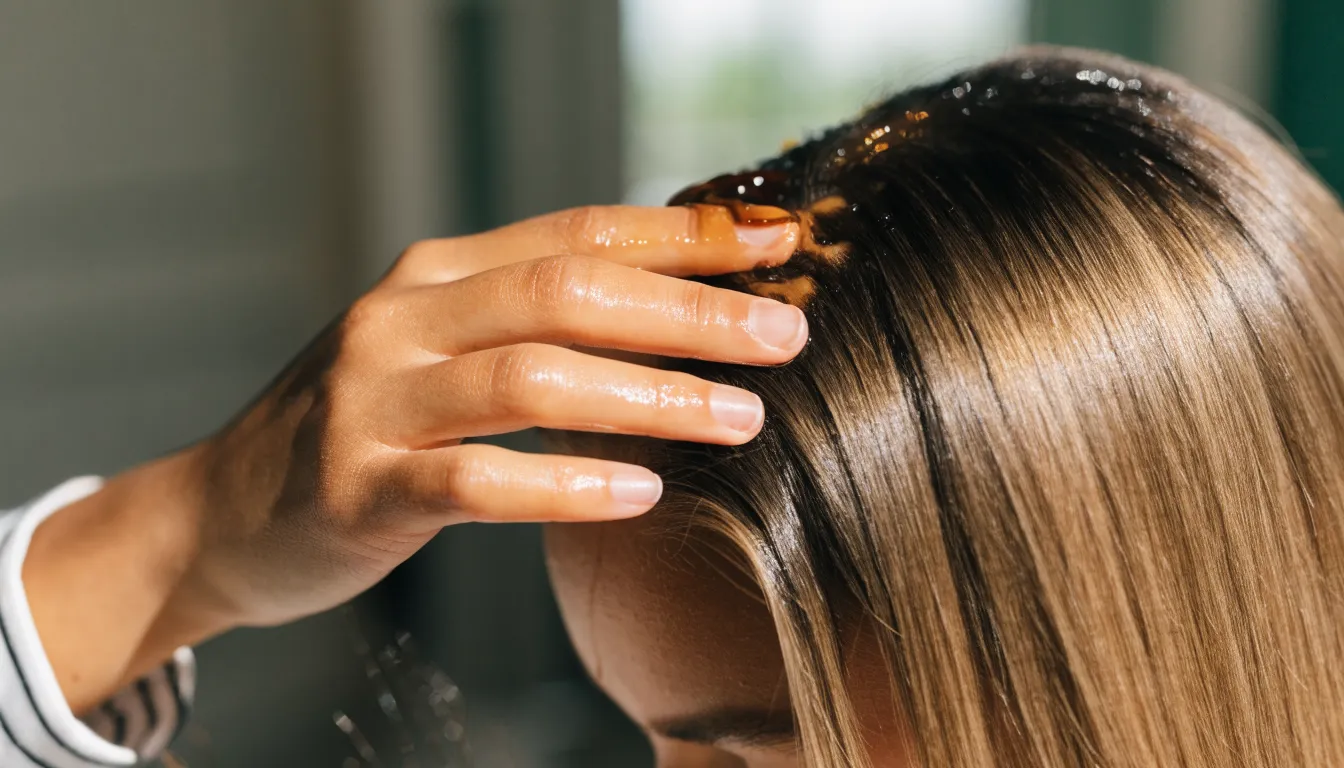
The oil is also rich in antioxidants, which protect hair cells and follicles from oxidative stress and damage caused by free radicals. By neutralizing these threats, black seed oil keeps the scalp and follicles healthy and working properly. This supports follicle revitalization and helps maintain steady, healthy hair production.
For the hair itself, black seed oil strengthens each strand from within. It contains fatty acids, B vitamins, and minerals like zinc, iron, and magnesium—key nutrients for keratin production. When applied, the oil penetrates the hair, repairs damage, smooths the cuticle, and improves elasticity. It also forms a protective barrier that reduces breakage and boosts natural shine. By supporting scalp health, follicle function, and hair shaft strength, black seed oil helps hair become healthier, stronger, and more radiant.
Texture And Feel
Black seed oil has a medium-weight texture, so it’s not too light or too heavy. It spreads smoothly and feels balanced on the skin. While it doesn’t soak in instantly, it absorbs steadily and leaves skin feeling nourished and comfortable, not sticky or greasy.
For oily skin, use only a drop or two and press it gently into the skin, especially on drier spots. Apply to slightly damp skin after cleansing to help it spread thinner and absorb better. Using it in the evening works well, so it can support the skin overnight.
For combination skin, focus on drier areas like the cheeks with a little more oil, and use just a light touch on the T-zone. For dry skin, black seed oil is especially helpful—massage it in well to moisturize and soothe, and it can be used morning and night, alone or under a richer cream.
Managing The Scent
Black seed oil has a strong, peppery, earthy smell that some people love and others want to soften. When using it on the skin, you can blend it with essential oils to change the scent into something more pleasant. Floral oils like lavender, geranium, or ylang-ylang add a soft, elegant sweetness — Floral oils like lavender, geranium, or ylang-ylang add a soft, elegant sweetness — lavender brings calming herbal notes, geranium adds a rosy lift, and ylang-ylang gives a creamy, exotic depth that pairs well with the oil’s richness.
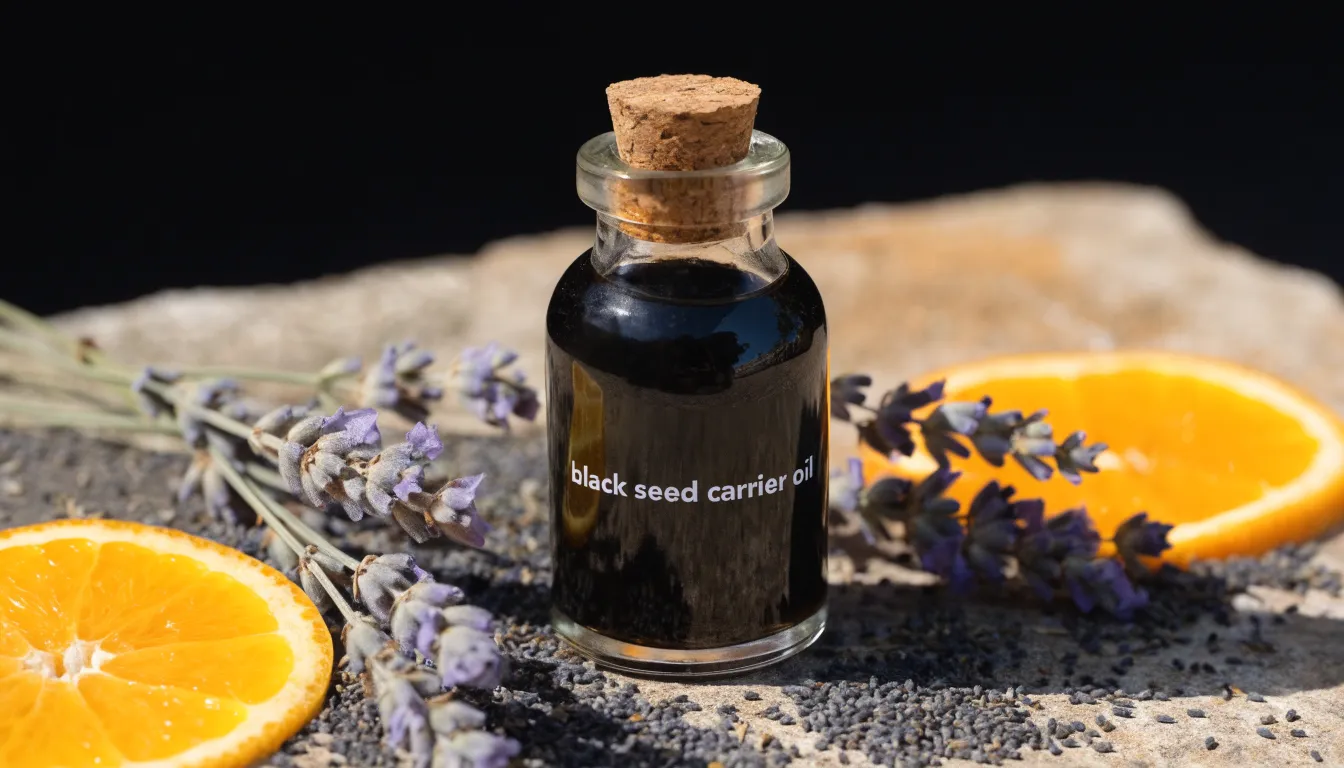
For a fresher, brighter aroma, citrus essential oils are a good choice. Sweet orange, lemon, bergamot, or grapefruit cut through the heaviness of black seed oil with zesty, clean notes that make the blend feel lighter and more refreshing. You can also add warm, grounding oils like vanilla, frankincense, or sandalwood for a smoother, more luxurious finish — frankincense adds a deep, resinous calm, while sandalwood brings creamy, woody sweetness for a sophisticated balance.
When blending, start with a small amount of essential oil — about 1 to 2 percent of the total mix — and adjust slowly. Test the scent on a small patch of skin or a paper strip before making a larger batch. The goal is harmony: no single smell should overpower the rest, but together they should create a customized, pleasant aroma that suits your preference and the oil’s intended use.
Synergistic Blend Options
Lavender essential oil calms and soothes. Blended with black seed oil, it helps irritated or sensitive skin, reduces redness, and supports a more balanced skin tone and texture.
Frankincense essential oil rejuvenates the skin. With black seed oil, it improves tone and elasticity, supports natural renewal, and helps reduce the look of fine lines, blemishes, and scars for a healthier, more radiant complexion.
Tea tree essential oil clarifies and purifies. Paired with black seed oil, it works well for oily or congested skin by balancing oil production, clearing pores, and promoting a clearer, healthier-looking surface.
Soothing Body Oils
Crafting your own soothing body oils is a great way to tackle muscle tension using natural ingredients. Black seed oil works as an excellent carrier base here, bringing its own benefits while safely diluting and carrying the stronger essential oils. Its smooth texture allows for easy application during therapeutic massage, helping to create a deep, warming sensation that calms tight or overworked muscles.
You’ll need black seed oil, peppermint and eucalyptus essential oils, and a dark glass bottle. Peppermint provides a cooling yet stimulating effect that invigorates sore areas, while eucalyptus supports respiratory health and soothes muscle aches when applied topically. For a 30ml bottle, use about 25ml of black seed oil, then add 5-7 drops of peppermint and 3-5 drops of eucalyptus. Adjust the drops to your preferred scent strength, but keep it low since these oils are highly concentrated. Mix by rolling the closed bottle gently between your palms—avoid vigorous shaking.
Apply a small amount of the blend directly to affected muscles using gentle, circular motions until it absorbs fully. This delivers warmth and relief precisely where needed. Always perform a patch test on a small area of skin first to check for any adverse reactions. Using this blend consistently as part of your self-care routine can significantly improve ongoing muscle comfort and relaxation.
Nourishing Scalp Masks
Nourishing scalp masks are a great way to directly tackle issues like dryness and persistent flakes, which often cause itching and discomfort. Making your own DIY treatment gives you full control over what touches your scalp, so only beneficial ingredients are used. Two standout oils are black seed oil and rosemary oil: black seed oil brings antioxidant and anti-inflammatory properties to calm irritation and add deep moisture, while …rosemary oil brings antioxidant and anti-inflammatory properties to calm irritation and add deep moisture, while rosemary oil boosts circulation and has antimicrobial qualities that help dislodge flakes and make it harder for them to return.
A simple recipe combines these oils with a nourishing base. Mix two tablespoons of black seed oil with five to seven drops of rosemary essential oil, and add a tablespoon of honey if you want extra moisture, since honey naturally draws water into the skin. Stir everything together in a small bowl until well blended.
To use it, gently massage the mixture into your scalp, paying extra attention to dry or flaky areas. Leave the mask on for at least 30 minutes, or up to an hour, then shampoo it out. Using this mask once or twice a week can noticeably reduce itching and leave your scalp feeling clearer, more comfortable, and free from stubborn flakes.
Safe Dilution Ratios
Ensuring the safe use of essential oils starts with proper dilution, and black seed oil makes an excellent carrier oil. Because essential oils are highly concentrated, applying them undiluted can cause skin irritation, sensitization, or other bad reactions. Using the right dilution ratios lets you enjoy their therapeutic benefits while keeping your skin safe.
For most adults, a good general target is 2% dilution. That means adding 2 drops of essential oil to every 100 drops of carrier oil. In practical terms, mix about 4 drops of essential oil into 10 milliliters (about two teaspoons) of black seed oil, or about 12 drops into 30 milliliters (about one ounce).
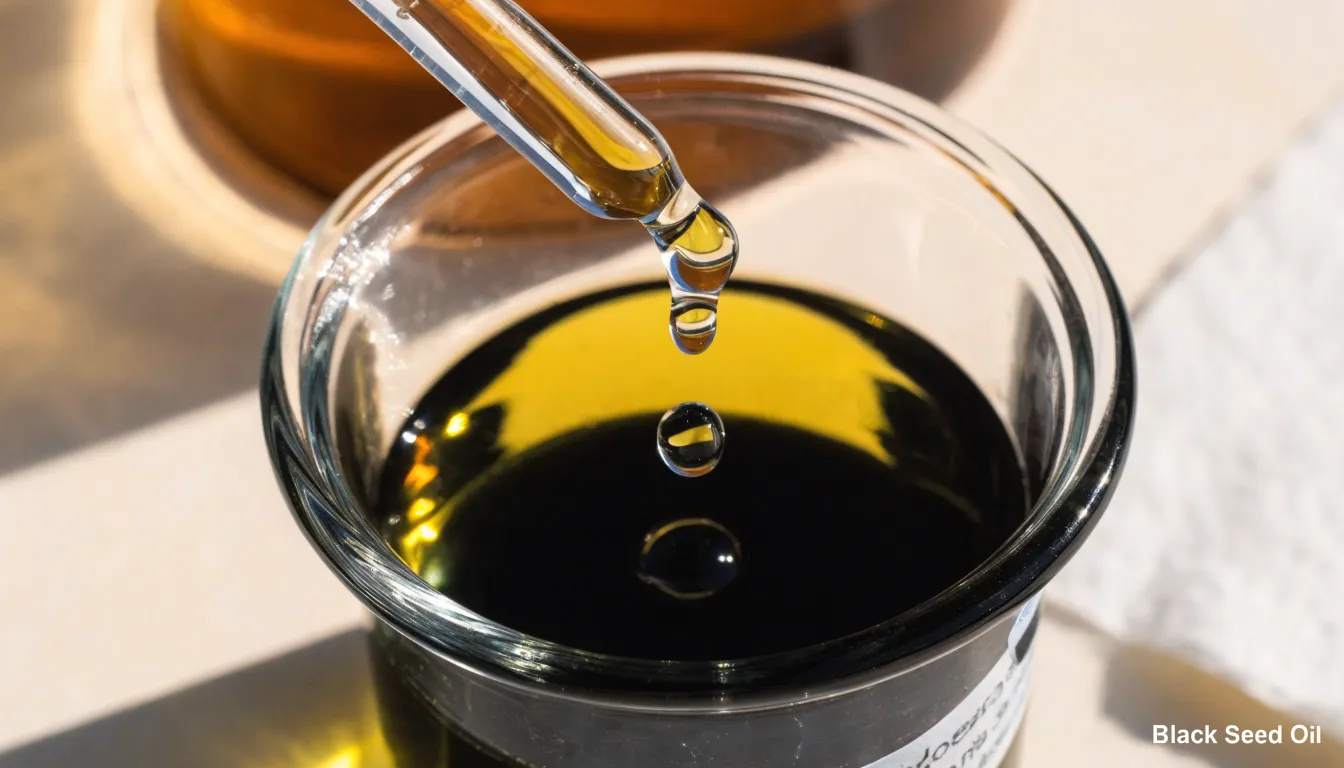
If you have sensitive skin, are applying to the face, or are using it on children over six, a gentler 1% dilution works best: about 2 drops per 10ml, or 6 drops per 30ml. For short-term, targeted issues like muscle soreness, a stronger 3% to 5% dilution may be used: about 6 to 10 drops per 10ml, or 18 to 30 drops per 30ml.
Always begin with the lowest recommended dilution, especially when trying a new essential oil. Do a patch test on your inner forearm and wait 24 hours to check for any reaction before applying more widely. This careful, drop-by-drop approach helps ensure a safe and effective blending experience with black seed oil.
Face Care Routines
Morning use gives black seed oil the job of providing light hydration and a healthy glow without weighing down the skin or blocking makeup and sunscreen. Start with cleansing and toning, then apply a lightweight serum if you use one. Warm a few drops of black seed oil between your fingertips and gently press or pat it onto your face and neck. Let it absorb for a minute or two before finishing with moisturizer and SPF. This order helps the oil penetrate properly and deliver its nourishing benefits throughout the day.
Evening use lets black seed oil work on deeper restoration. After a thorough double cleanse and a hydrating toner, apply treatment serums such as hyaluronic acid or retinol. Once they absorb, warm a slightly larger amount of the oil in your palms and massage it upward over your face, neck, and chest. This improves absorption and stimulates circulation. You can use it as the final step, or add night cream on top for extra moisture and protection.
With consistent nightly use, black seed oil helps support the skin’s natural repair process. Its main functions are to moisturize, nourish, and restore, leaving the skin softer, smoother, and more luminous by morning.
Full Body Care
Black seed oil can be easily added to your bath routine for full-body hydration. For a bath, mix it with a gentle emulsifier like castile soap or a little milk so it spreads evenly in the water instead of floating on top. Soak for 15 to 20 minutes to let your skin absorb the nourishment, or make your own bath melts and bombs with black seed oil for a slow, steady release of moisture.
After bathing, pat your skin dry but leave it slightly damp. Then apply a small amount of black seed oil directly to your skin to lock in moisture without feeling greasy. This works especially well on dry spots like elbows, knees, and shins, leaving the whole body soft and supple.
For after a shower, massage the oil into your skin while it is still damp, using upward strokes from your neck down to your feet. This seals in water and creates a protective barrier that keeps skin hydrated all day. You can also rub a little through the ends of damp hair for extra shine and moisture. Used regularly, these simple steps keep your skin smooth, hydrated, and resilient.
Frequently Asked Questions
What is black seed oil and what was it historically used for?
Black seed oil, or Nigella sativa, was highly valued in ancient Egypt and the Middle East as a natural remedy and beauty aid. Historically, it was used for medicinal purposes like soothing digestion, calming skin irritation, and boosting vitality, as well as for moisturizing skin and hair.
How is black seed oil different from typical carrier oils?
Unlike typical carrier oils, black seed oil contains the bioactive compound thymoquinone, which has its own beneficial properties. This means it doesn’t just dilute and deliver other oils, but also adds its own active value to the blend, making the final mixture more active and multi-functional.
Can black seed oil help with acne or blemishes?
Yes, black seed oil helps with blemishes by calming redness, clearing pores, and targeting acne-causing bacteria. Its anti-inflammatory properties soothe irritated skin and help manage excess sebum, supporting a clearer complexion with regular use.
What are the benefits of black seed oil for hair and scalp health?
Black seed oil nourishes hair and scalp by tackling inflammation, improving circulation, and protecting follicles with its antioxidants. It also strengthens hair strands from within with fatty acids, B vitamins, and minerals, helping to repair damage and boost natural shine.
What does black seed oil smell and feel like, and can its scent be managed?
Black seed oil has a medium-weight texture that absorbs steadily, leaving skin nourished and comfortable, not sticky or greasy. It has a strong, peppery, earthy smell, which can be softened by blending it with essential oils like floral, citrus, or warm and grounding scents.
What are the recommended dilution ratios when using black seed oil as a carrier for essential oils?
For most adults, a 2% dilution (about 4 drops of essential oil per 10ml of black seed oil) is recommended. For sensitive skin, facial application, or children over six, a gentler 1% dilution (about 2 drops per 10ml) works best. Always begin with the lowest recommended dilution and perform a patch test on your inner forearm first.