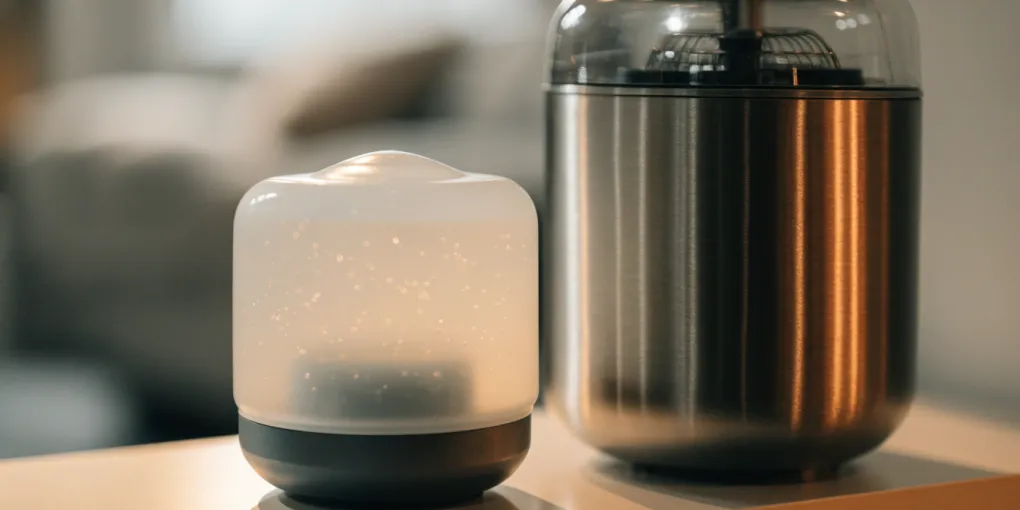
A diffuser disperses essential oils for fragrance and aromatherapy, using small tanks and oil-safe materials, ideal for enhancing mood and scent in smaller spaces. A humidifier adds moisture to the air to alleviate dryness, featuring larger tanks for extended operation, designed for improving respiratory comfort and skin health across entire rooms.
Table of Contents
- The Air Quality Dilemma
- Essential Oil Diffusers
- Room Humidifiers
- Key Water Capacities
- Aromatherapy Capabilities
- Ultrasonic Technology Explained
- Evaporative and Warm Mist Units
- Creating Atmosphere and Mood
- Essential Device Maintenance
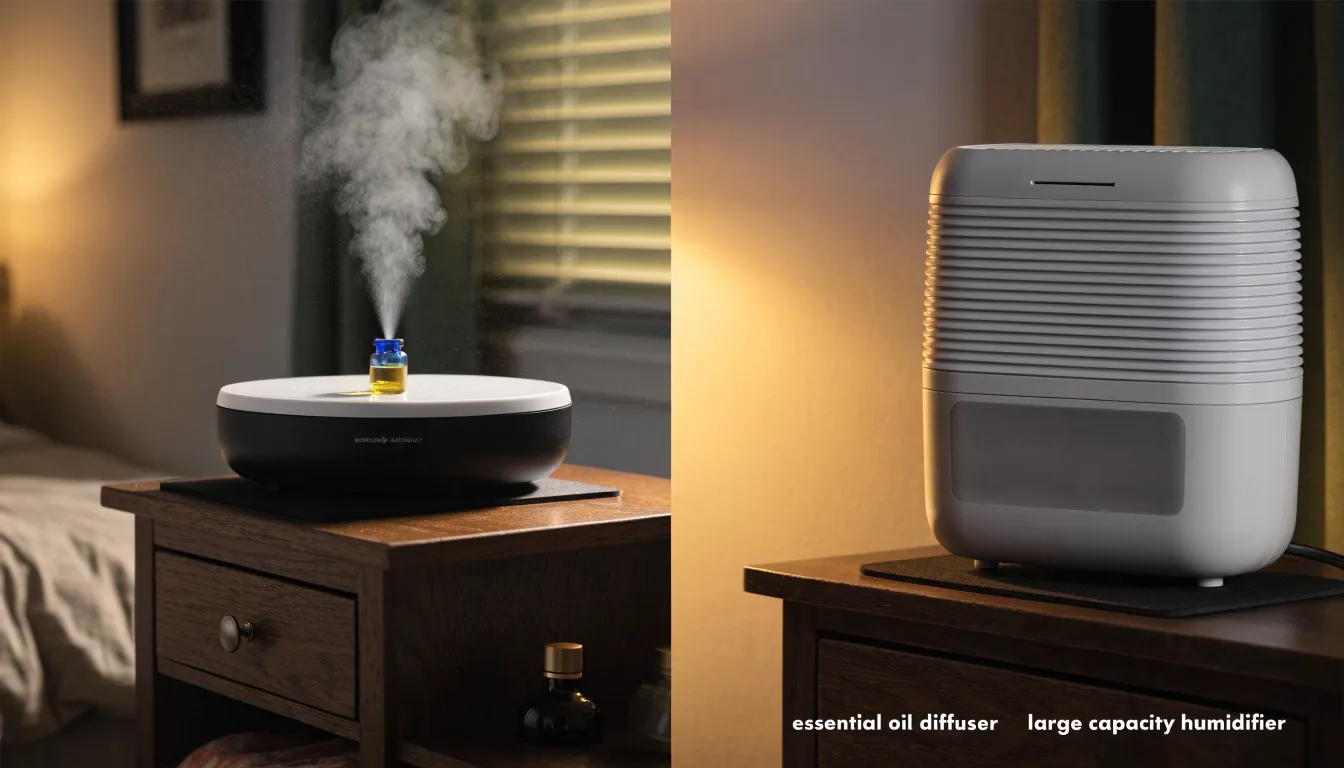
- Coverage Area Differences
- Oil Safety Guidelines
- Kid and Pet Considerations
- Cost and Energy Usage
- Best Uses for Daily Wellness
- Combined Hybrid Models
The Air Quality Dilemma
Indoor air quality plays a big role in how we feel, and two common problems are dry air and bad odors. These issues call for different solutions.
A humidifier works by adding moisture to the air. In colder months, heating systems dry things out, which can cause a sore throat, stuffy nose, and dry cough. It can also make skin feel itchy and tight. By keeping indoor humidity around 30 to 50 percent, a humidifier helps ease these symptoms and supports healthier breathing and skin.
When the issue is stale or unpleasant air, an aroma diffuser is the better choice. Instead of adding moisture, it releases fine particles of essential oils into the room. This helps freshen the air and can mask or reduce odors like kitchen smells or pet scents. Certain oils are also used to calm the mood or make a space feel more pleasant. In short, a humidifier fixes dryness, while a diffuser improves the atmosphere with fragrance and botanical benefits.
Essential Oil Diffusers
Essential oil diffusers are small devices made to release the aromatic and beneficial compounds of essential oils into the air. Their main job is to turn liquid oil into a fine, breathable mist so the oils can be easily enjoyed and absorbed.
Most diffusers use ultrasonic technology with a tiny ceramic disc that vibrates millions of times per second. When water and essential oils are added, these micro-vibrations break the oil into microscopic droplets and suspend them in cool water vapor, creating a gentle mist.
Because this method uses no heat, the delicate compounds in essential oils stay intact. Heat can destroy the fragrance and therapeutic value, but cold diffusion preserves the oils’ full natural properties, letting users experience the complete aroma and wellness benefits.
Room Humidifiers
Room humidifiers add essential moisture to dry indoor air. Their main job is to raise the humidity in a room. They do this by releasing a fine mist of water vapor, using methods like ultrasonic vibrations, evaporative wicking, or boiling water into steam. No matter the method, the goal is the same: making the air less dry and more comfortable.
This extra moisture especially helps your skin and lips. In humid air, your skin loses less water, so dryness, flaking, and itching are reduced. Chapped lips also benefit because the surrounding air no longer pulls moisture away from them.
Humid air also soothes breathing. Dry air can irritate nasal passages and cause congestion, but added moisture keeps the mucous membranes from becoming dry and inflamed. So a humidifier supports comfort and respiratory health, especially in winter or dry climates.
Key Water Capacities
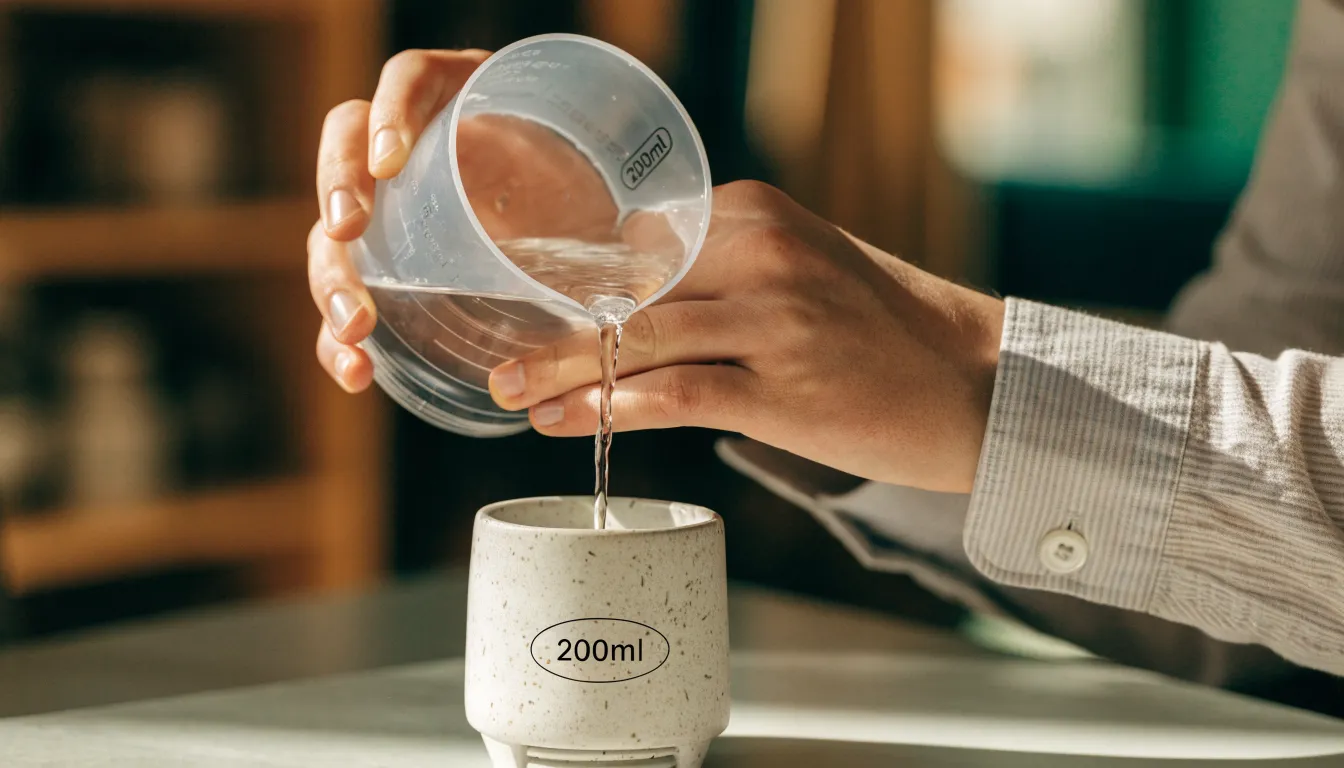
Diffusers, which are used for essential oils, have relatively small water tanks—often between 100 and 300 milliliters. A smaller 100ml model may run for about 3 to 6 hours, while a 200ml diffuser can last 6 to 10 hours, depending on settings. Because of this limited capacity, you’ll need to refill a diffuser several times a day if you use it regularly. This fits aromatherapy’s usual pattern: short sessions or a few hours of fragrance at a time, such as during meditation, work, or This fits aromatherapy’s usual pattern: short sessions or a few hours of fragrance at a time, such as during meditation, work, or evening wind-down.
Humidifiers, by contrast, are built with much larger tanks, typically starting around 1 liter and going up to 3, 5, or even 6 liters. A 1-liter humidifier can run for 8 to 12 hours, while a 3-liter model may last 24 hours or more on a low setting. The biggest units can go for days without a refill. This means far less frequent maintenance—you can fill one in the morning and let it run through the day and night to keep room humidity steady.
So the key difference is practical. A diffuser’s small tank makes it an intentional, intermittent tool for releasing essential oils into the air, requiring regular topping up. A humidifier’s large tank offers a “set-and-forget” experience, focused more on maintaining ambient moisture than on aromatherapy.
Aromatherapy Capabilities
-
Aromatherapy is the main difference between diffusers and regular humidifiers. Essential oils are strong plant extracts that can react harshly with certain plastics. Standard humidifiers usually have water tanks and parts made from plastics like ABS or polystyrene, which handle water fine but not essential oils.
-
If you add essential oils to a regular humidifier, the oils can break down the plastic over time. This leads to cracking, cloudiness, or brittleness, which can cause leaks and ruin the machine. The oils can also leave sticky residue that clogs filters, internal parts, or the mist-making plate, stopping the humidifier from working properly.
-
Diffusers, on the other hand, are specially made for essential oils. Their tanks and parts use oil-safe materials like medical-grade polypropylene, glass, ceramic, or certain BPA-free plastics. These resist damage from oils, so the diffuser stays in good working order. That’s why essential oils should only go into machines clearly designed for aromatherapy.
Ultrasonic Technology Explained
Ultrasonic technology uses a small ceramic disc inside the device that vibrates at very high speeds. When water and essential oils are added to the reservoir, these rapid vibrations ripple through the liquid, breaking it apart into a fine, cool mist without using any heat.
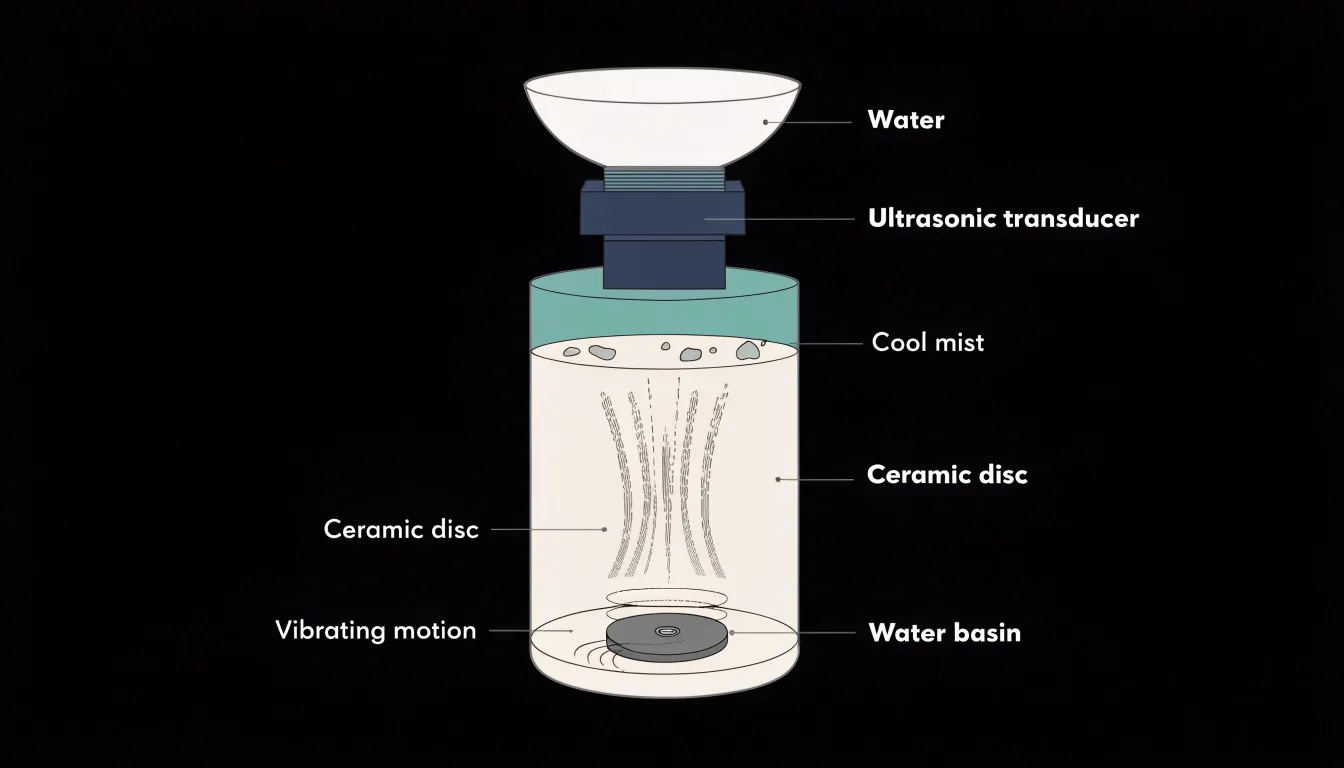
This process, called cavitation, creates tiny bubbles that quickly collapse and send microscopic droplets of water and oil into the air. Because no heat or loud fans are needed, the device runs almost silently, producing only a soft hum at most.
The result is a gentle, cool mist that carries essential oil aromas throughout the room. This makes ultrasonic diffusers ideal for bedrooms, nurseries, or quiet offices, where they add moisture and soothing scents without disturbing the peace.
Evaporative and Warm Mist Units
Evaporative humidifiers pull dry air through a wet wick filter, causing water to evaporate naturally and release cool, invisible moisture into the room. They are energy-efficient and safe because they don’t use heat, but the wick needs to stay clean.
Over time, mineral deposits can clog the wick, which lowers the humidifier’s output. That means the wick must be replaced regularly—a maintenance cost that matters more for large setups.
Warm mist humidifiers boil water in a chamber and release the steam, usually after cooling it slightly. They add a lot of moisture and can slightly warm a room, and boiling makes the mist germ-free. However, they use more energy, carry burn risks, and need frequent cleaning to stop mineral buildup from damaging the heating element.
Creating Atmosphere and Mood
A diffuser can change a room’s mood by combining scent with soft LED lighting, not just adding fragrance. You can adjust both to create the right atmosphere for what you’re doing, making the diffuser a helpful tool for shaping your space.
In the evening, for example, you can use calming oils like lavender or chamomile with a warm, dim light. This gentle mix helps your mind and body slow down, signaling that it’s time to relax and get ready for sleep—without being too stimulating.
During the day, the same diffuser can shift to an energizing setup. Uplifting oils like lemon, peppermint, or rosemary, paired with a brighter, cooler light, can boost focus and alertness. That combination turns a plain workspace into one that supports concentration and productivity, letting the diffuser adapt to your daily needs.
Essential Device Maintenance
For an essential oil diffuser, regular cleaning is the main way to keep it working well and spreading scents safely. If you skip it, mold, bacteria, and mineral buildup can build up inside, making the diffuser less effective and possibly sending unclean particles into the air.
To clean, unplug the diffuser and empty out any leftover water. Fill the tank with equal parts white vinegar and water, and let it sit for 30 to 60 minutes. This helps break down oily residue, mild mold, and biofilm. Then empty the mixture and rinse the tank thoroughly with fresh water several times so no vinegar smell remains. If you see white crusty mineral scale, dab undiluted vinegar onto those spots with a soft cloth, brush, or cotton swab, let it sit for a few minutes, then gently scrub and rinse well.
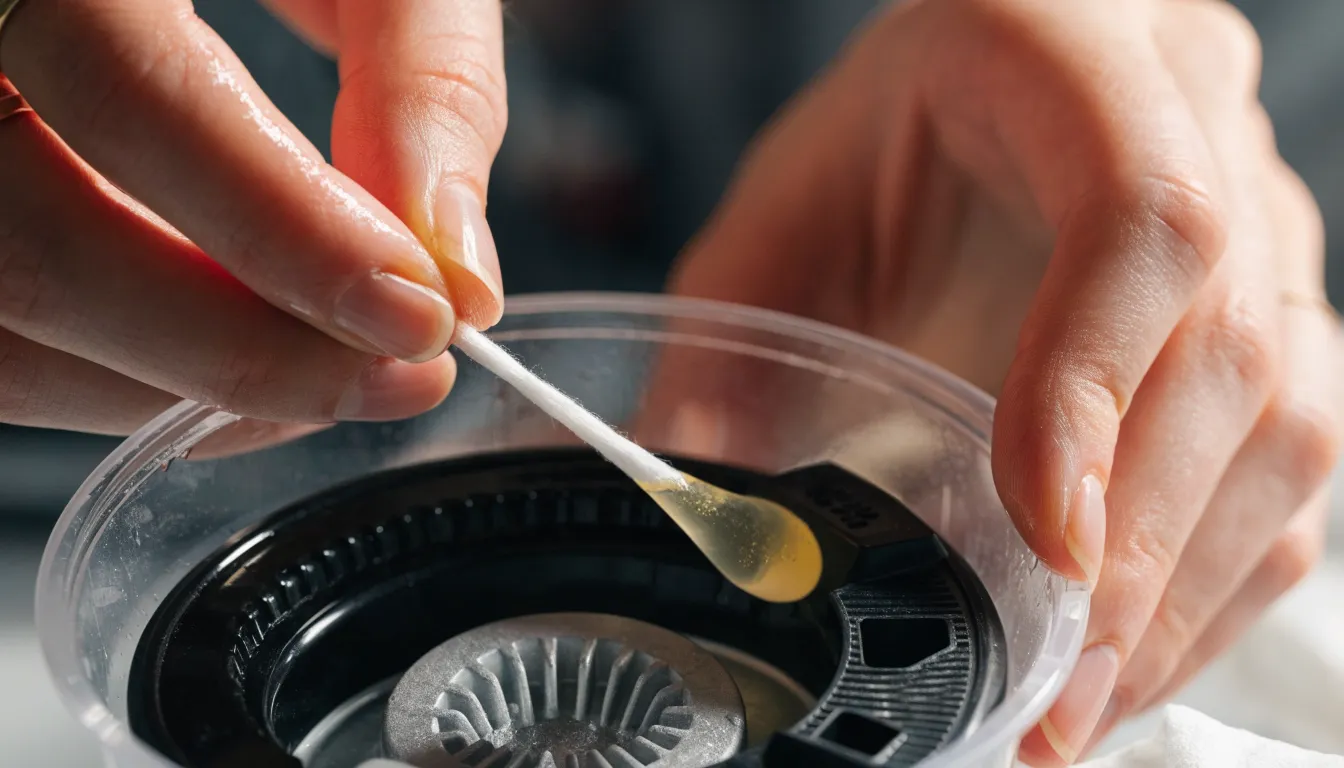
The last step is very important: dry every part completely. Wipe down the reservoir, lid, and any removable pieces with a clean, dry cloth, then let them air dry before putting the diffuser back together. Making sure everything is fully dry prevents moisture from turning into a breeding ground for bacteria, mold, or mildew, so your diffuser stays clean and hygienic every time you use it with essential oils.
Coverage Area Differences
Knowing how far a device can spread its output is key to picking the right one for your room. Compact diffusers are designed for small, focused spaces, with smaller tanks and fans that keep the mist from traveling far. They work great for a desk, small bedroom, bathroom, or car, giving you the benefits of essential oils in a contained area. These diffusers typically cover rooms up to about 200 square feet, so the scent is noticeable but not overpowering.
On the other hand, large humidifiers are built to handle much bigger spaces. With bigger water tanks and stronger fans or ultrasonic parts, they push out a lot more mist or vapor to raise humidity across an entire room. They can efficiently cover up to 500 square feet or more, making them suitable for a big bedroom, living room, or open-plan kitchen and dining area. Their strong output keeps a steady, healthy moisture level throughout a large part of the house.
In short, match the machine’s coverage capacity to your room’s square footage. A diffuser is perfect for personal, intimate spaces where you want the aromatic benefits of oils close by, while a large humidifier is better for whole-room moisture control. Choosing the right size ensures the device works efficiently and delivers the environmental effect you want.
Oil Safety Guidelines
Why Oils Are a Risk Adding essential oils to a regular humidifier can seriously damage it. Most standard units are made with plastics and internal parts that can’t handle the corrosive nature of concentrated oils. If the oils touch the water tank, misting parts, or pump, they can break down the plastic, seals, and rubber over time. This leads to leaks and breakdowns, and it can even void your warranty, leaving you to pay for repairs.
The Safe Way to Use Oils To protect your machine, always use the built-in aroma tray or essential oil pad if your humidifier has one. These accessories keep the oils separate from the water and the delicate internal components, letting the scent spread with the mist without causing harm.
Buying and Using Tips When you shop for a humidifier, look for one that is labeled as oil-compatible or made with oil-resistant plastics, like polypropylene. And never pour essential oils directly into the water tank unless the manufacturer’s instructions clearly say it’s safe. Following these simple rules keeps your humidifier running well and giving you the moisture you need.
Kid and Pet Considerations
When using essential oils in a home with kids and pets, safety comes first. For young children, cool mist humidifiers are safer than hot steam ones, since hot steam can burn. But for essential oil diffusers, always place them out of reach on a stable surface so children can’t knock them over or touch them.
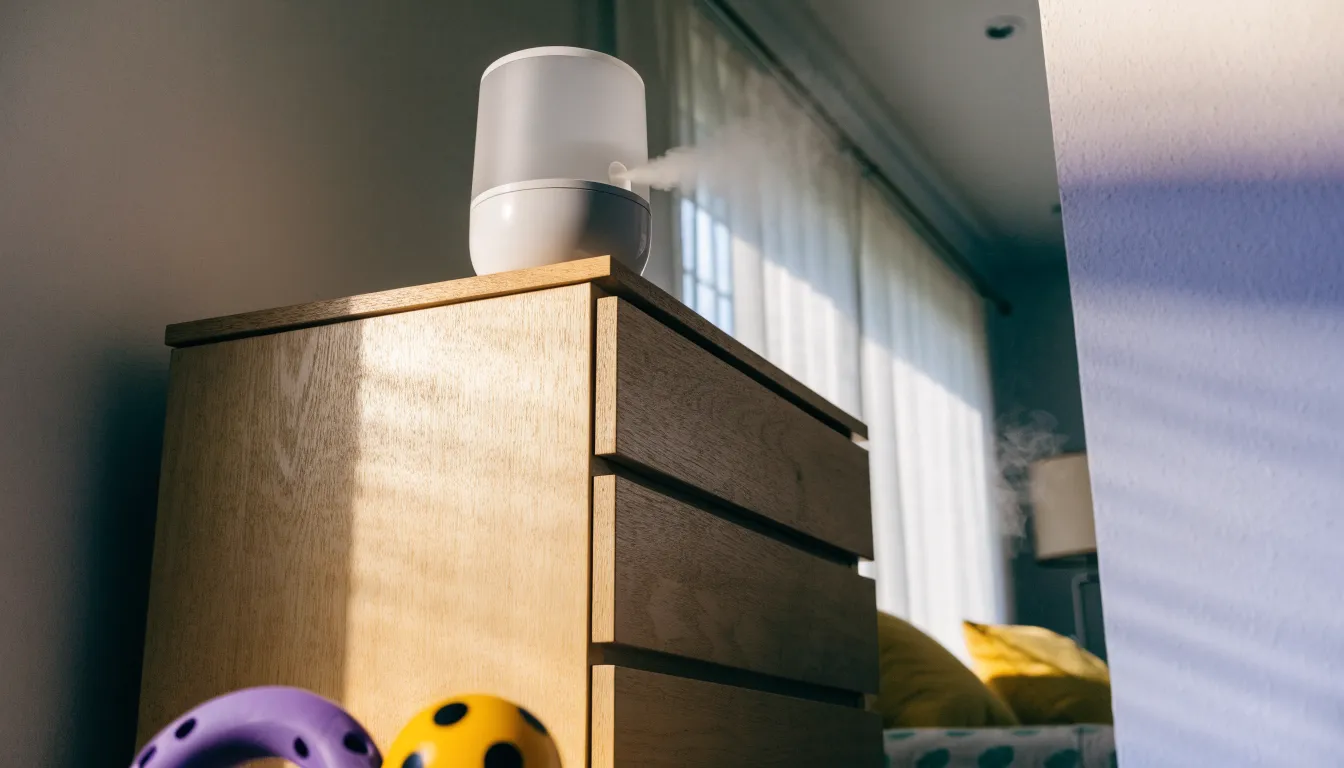
Pets are a bigger concern with essential oils. Many natural oils are toxic to dogs, cats, and birds. Pets can inhale diffused oil, lick it off their skin, or drink from spills, which can cause breathing problems, tiredness, liver damage, or worse. Oils like tea tree, peppermint, citrus, eucalyptus, and pine are especially risky.
Before using any oil, check if it is safe for your specific pet and ask your vet if unsure. If you do diffuse, pick only pet-safe oils, keep the room ventilated, and watch your pets closely. If they show any signs of discomfort, stop using the oil right away and contact your vet.
Cost and Energy Usage
A diffuser is usually the cheaper option, especially if you mainly want to use essential oils. Basic diffusers cost very little, and even fancier ones with mist settings or lights stay affordable. Humidifiers have a wider price range—small personal ones can be cheap, but bigger whole-room models with filters or smart features cost a lot more. So for essential oil use, a diffuser is the more budget-friendly pick.
Running costs are similar because both devices are energy-efficient. Diffusers use very low wattage, so they hardly affect your electric bill. Humidifiers also use little power, though larger ones or warm-mist models use a bit more. Still, neither will cause a big jump in energy costs.
In short, diffusers are inexpensive to buy and run, and they’re made for essential oils. Humidifiers are better for adding moisture to the air, but they cost more and aren’t meant for essential oils. If your goal is aromatherapy, a diffuser is the simpler and more affordable choice.
Best Uses for Daily Wellness
Daily wellness can be built into every season by combining a comfortable indoor environment with the right aromatic oils. In dry weather or colder months, adding moisture to the air helps ease dry skin, chapped lips, irritated nasal passages, and static electricity, making the space more pleasant and supportive for overall health. On top of that, essential oils bring targeted benefits to mental and emotional well-being.
For winding down and better sleep, lavender is especially helpful. Its calming, soothing scent encourages relaxation, helps release daily stress, and prepares both mind and body for rest. When you need to focus during work, study, or creative tasks, invigorating oils like peppermint work well. Its crisp, refreshing aroma sharpens concentration and boosts alertness, offering a natural lift without feeling overwhelming.
A balanced daily routine might start with an uplifting citrus or peppermint blend to support focus and energy, keep indoor humidity comfortable throughout the day, and end with lavender to promote deep relaxation before bed. Using these oils with intention helps living and working spaces actively support steady, balanced wellness every day, no matter the season or conditions outside.
Combined Hybrid Models
Hybrid models combine aromatherapy diffusion and humidification in one unit. A key factor is the tank: it should be large so you won’t need to refill it often during long scent sessions. The tank must also be made of oil-safe plastic, like polypropylene, since regular plastics can degrade when exposed to essential oils and release harmful chemicals.
Adjustable mist output is vital for controlling the aromatherapy experience. You can set a strong mist to fill a large room with a potent scent, or a gentle mist for a smaller space or a milder effect. This flexibility allows you to match the fragrance intensity to your exact preference.
Integrated humidistats add convenience by automatically keeping the air’s moisture at a set level. While they mainly manage the humidifier, they prevent over-humidification, which stops mold growth and keeps the room comfortable. This lets you enjoy your oils without worrying about dampness, ensuring the device works well for both functions.
Frequently Asked Questions
What is the main difference between a diffuser and a humidifier?
A humidifier works by adding moisture to the air to ease symptoms of dryness, like a sore throat or dry skin. An aroma diffuser, conversely, releases fine particles of essential oils to freshen the air, mask odors, and improve the atmosphere with fragrance.
Can I put essential oils directly into my regular room humidifier?
No, you should not add essential oils directly to a regular humidifier. Standard humidifiers are often made with plastics that can degrade from essential oils, leading to damage, leaks, or clogging of internal parts. Essential oils should only be used in machines specifically designed for aromatherapy, which are made with oil-safe materials.
How do essential oil diffusers work to release scent into the air?
Most essential oil diffusers use ultrasonic technology, featuring a ceramic disc that vibrates rapidly. When water and essential oils are added, these micro-vibrations break the oil into microscopic droplets, suspending them in cool water vapor to create a gentle, aromatic mist. This process preserves the oils’ delicate compounds because it uses no heat.
What are the benefits of using a humidifier in my home?
Using a humidifier adds essential moisture to dry indoor air, which helps ease symptoms like sore throat, stuffy nose, and dry cough. It also helps reduce dryness, flaking, and itching of the skin and chapped lips, supporting overall comfort and respiratory health, especially in dry climates or during winter.
What kind of maintenance do essential oil diffusers require?
Essential oil diffusers require regular cleaning to prevent the buildup of mold, bacteria, and mineral deposits. To clean, unplug the diffuser, empty it, and fill the tank with equal parts white vinegar and water, letting it sit for 30 to 60 minutes before rinsing thoroughly and drying all parts completely.
Are essential oils safe to use around children and pets?
When using essential oils, place diffusers out of reach of children, and opt for cool mist humidifiers over hot steam to prevent burns. For pets, many essential oils are toxic, so it is crucial to verify if an oil is safe for your specific pet and consult a vet if unsure, using only pet-safe oils in well-ventilated areas.