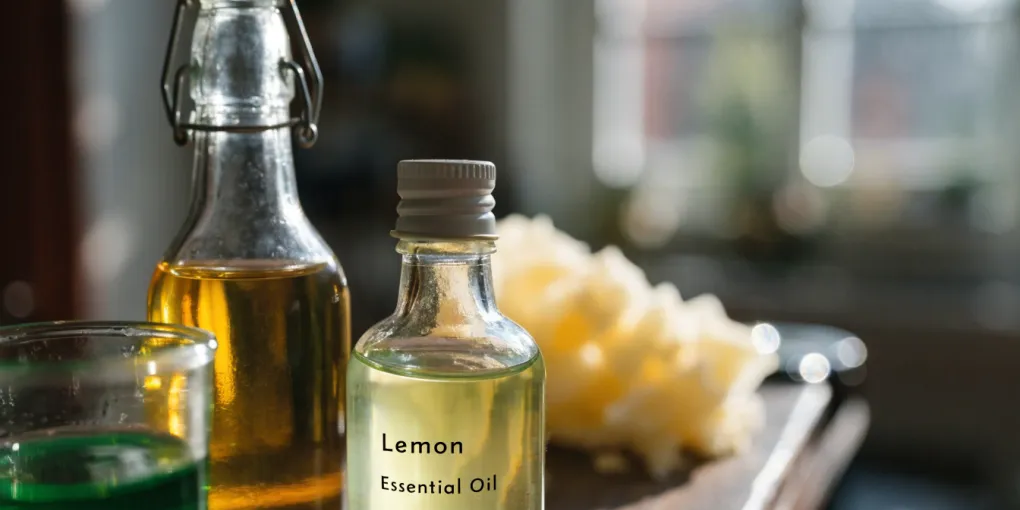
Essential oils for soap making require careful handling depending on the process. In cold process, they are added to high-pH lye, while hot process requires addition after saponification cools. Melt and pour bases need cooling to 130-140°F before adding oils. Top, middle, and base notes offer different volatilities, with fixatives like clay and heavier oils extending scent longevity.
Table of Contents
Cold Process Magic
In cold process soap making, essential oils are added to a high-pH lye environment that drives saponification. These oils are actually complex mixtures of many volatile compounds, each with different stability levels. Some components, like esters in floral and fruity oils, can break down in the strong alkaline conditions, changing or even wiping out the intended fragrance. Citrus aldehydes can also degrade when exposed to lye.
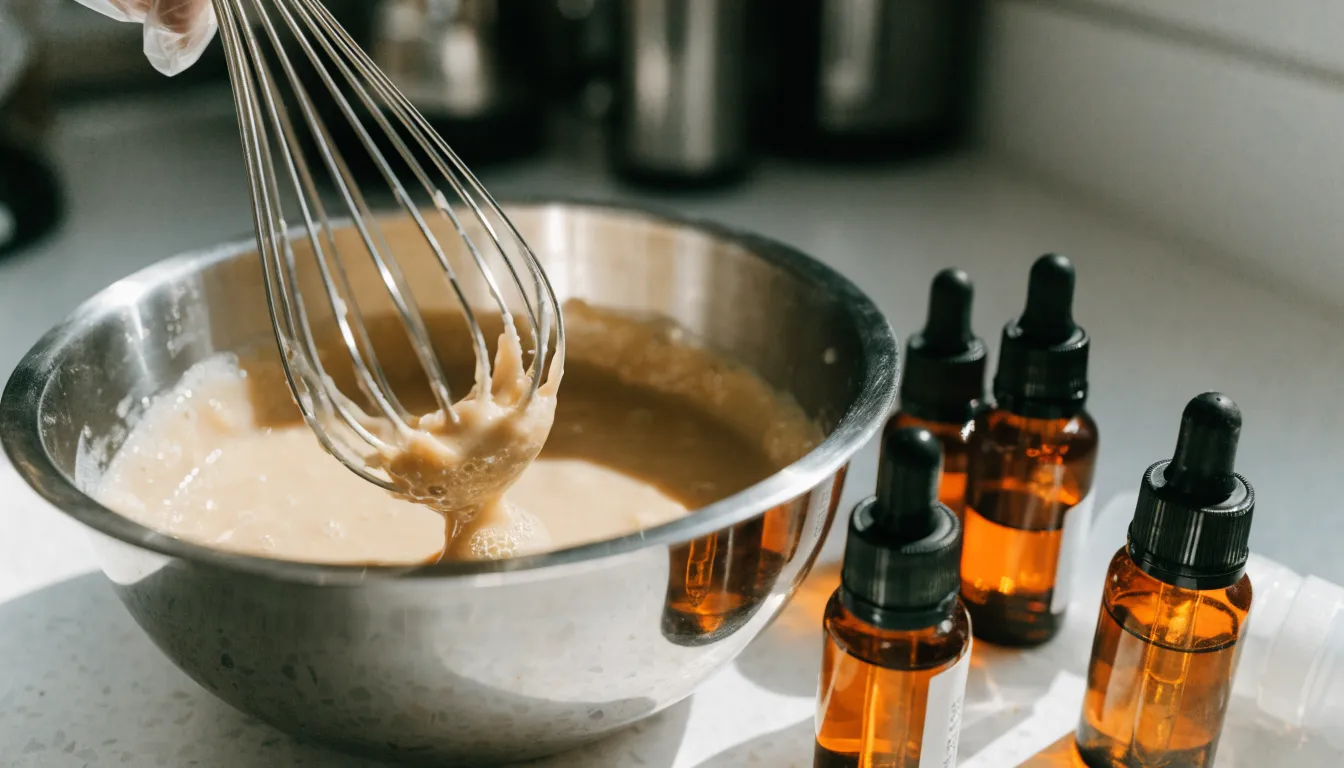
The soap-making process itself also affects the scent. The reaction creates heat, which can drive off lighter, more volatile top notes before they set into the soap. Then, during the weeks-long curing period, more fragrance compounds can slowly disappear or shift as the soap dries and changes. So the final scent depends on how chemically stable each essential oil component is, how easily it evaporates from heat, and how well it becomes trapped in the solid soap.
This means soap makers often rely on robust base and middle notes, which are less volatile and hold up better, to create a lasting fragrance. These deeper notes anchor the scent and keep it consistent over time. Choosing and balancing essential oils this way is what makes cold process soap fragrance both a science and an art.
Hot Process Secrets
In hot process soap making, essential oils need special handling. The main challenge is that the high heat used to cook the soap can damage or evaporate the delicate aromatic compounds, leaving the final bars weak or oddly scented. To avoid this, you must wait until the saponification process is completely finished before adding any fragrance.
The best time to add essential oils is after the soap reaches the “gel” or “vaseline” stage, which means the chemical reaction is done. Turn off the heat and let the soap cool down, ideally to between 120°F and 140°F. Some soap makers wait even longer, until around 110°F to 120°F, because adding oils while the soap is still too hot will cause the scent to fade.
Once the soap has cooled to the right temperature, add the essential oils and stir them in thoroughly. This ensures the fragrance spreads evenly through the whole batch. Use gentle, steady stirring to blend without whipping in too much air. By controlling the temperature and adding the oils after the main heat is finished, you can protect the strength of the scent and end up with hot process soap that keeps its aroma beautifully.
Melt and Pour Basics
To keep the scent strong and the soap clear, temperature control is key. Don’t add essential oils right after melting your soap base. If the base is too hot, the delicate scent molecules evaporate quickly, making the fragrance weak or changing its character entirely.
Instead, let the base cool down before adding your oils. The best range is between 130 and 140 degrees Fahrenheit (about 54 to 60 degrees Celsius). This keeps the soap liquid enough for easy mixing while protecting the oils. Use a thermometer for accuracy, then add the oils gradually.
Stir slowly and gently to mix everything evenly. Vigorous stirring creates air bubbles that get trapped as the soap hardens, turning it cloudy. By adding the oils at the right temperature and stirring carefully, you preserve the full scent and keep your soap looking clear and attractive.
Top Notes Explained
Top notes give a soap its first scent impression—bright, fresh, and invigorating. These essential oils have small, light molecules, like citrus oils (bergamot, grapefruit, lemon) and herbs (peppermint, lemongrass). Because their molecules are so light, they evaporate quickly, especially during curing. A soap may smell strongly of bergamot at first, but that scent fades after weeks as the light oils escape into the air.
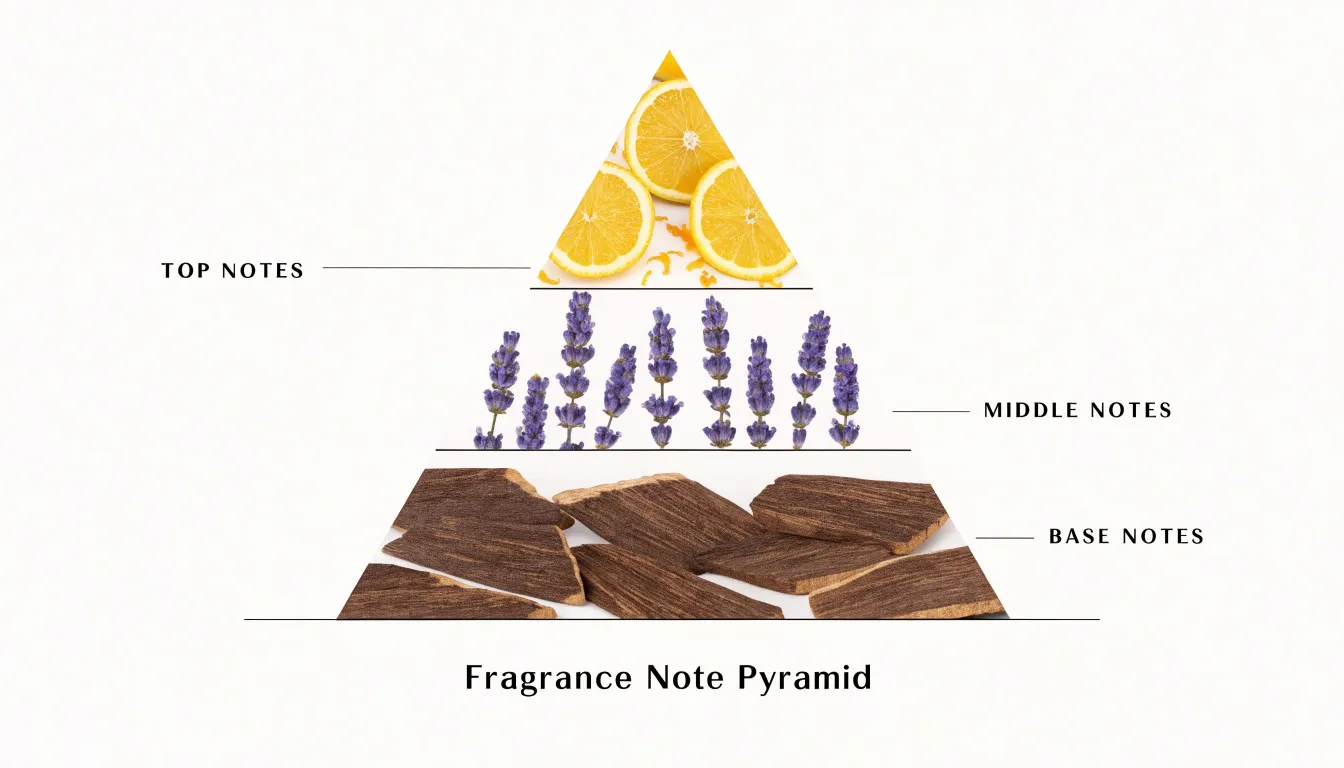
To make these fleeting scents last longer, blend them with middle or base notes. Middle notes like lavender or geranium are slightly heavier, while base notes like patchouli or frankincense are the heaviest. These heavier oils act as natural fixatives: they anchor the light top notes and slow their evaporation, helping the fresh scent cling to the soap longer.
You can also increase the amount of top note oil a bit, but be careful—You can also increase the amount of top note oil a bit, but be careful—too much can irritate skin or make the scent overpowering. Storing finished soap properly also helps: keep it in airtight containers or wrap it soon after curing to limit air exposure and preserve those delicate, lively aromas.
Middle Note Anchors
Middle note essential oils are the heart of a soap blend. They give the fragrance its main character and leave a lasting impression after the top notes fade. These oils act as anchors, creating a bridge between the light, fleeting top notes and the deep, grounding base notes. Without a strong middle, a scent can feel incomplete or disjointed, with no central theme to hold it together.
Floral and spicy oils work especially well in this role. Geranium is a floral middle note with a rosy, slightly herbal scent. It brings balance and an uplifting feel, connecting brighter citrus or mint top notes with earthy base notes like patchouli or cedarwood. Its complex aroma creates a smooth transition, adding depth and a touch of sophistication to the blend.
Rosemary adds a fresh, woody, and stimulating quality that gives a blend structure and clarity, linking zesty top notes with warmer, resinous base notes. Clove, a spicy middle note, brings warmth, richness, and an exotic edge. It helps ground lighter top notes while preparing the senses for the heavier base notes to come. Together, these middle note anchors help create a well-rounded, lasting scent that unfolds beautifully in handmade soap and leaves a memorable impression.
Base Note Fixatives
Base note fixatives are heavy, slow-evaporating essential oils that form the foundation of a soap’s scent. They last much longer than lighter top and middle notes, giving the finished bar a fragrance that lingers during use.
Their main job is to anchor the more volatile scents so they don’t fade too quickly after curing. Without them, a soap’s aroma may weaken or change completely. Frankincense works well for this, adding a warm, balsamic, slightly spicy depth that supports other oils without overpowering them. Vetiver is another strong fixative, bringing a deep, earthy, smoky, woody scent that stays consistent over time.
By adding these resinous and woody oils in careful amounts, the soap’s fragrance remains balanced and enduring. This helps ensure the scent you crafted is still noticeable from the first lather to the last sliver of the bar.
Calculating Usage Rates
Essential oils give soap its natural scent, but the amount you use must be measured carefully to keep the product both safe and enjoyable. Adding too much can cause skin irritation, sensitization, or allergic reactions, which defeats the purpose of a gentle, natural bar. So calculating usage rates isn’t just about getting a stronger smell—it’s about protecting the people using the soap.
To keep skin-contact products safe, the International Fragrance Association (IFRA) sets maximum usage rates for essential oils based on scientific testing. Each essential oil can have a different limit, so you should always check its IFRA certificate before formulating. Following these standards gives you a clear, reliable framework for avoiding irritation and allergic reactions while still getting the aromatic benefits of the oil.
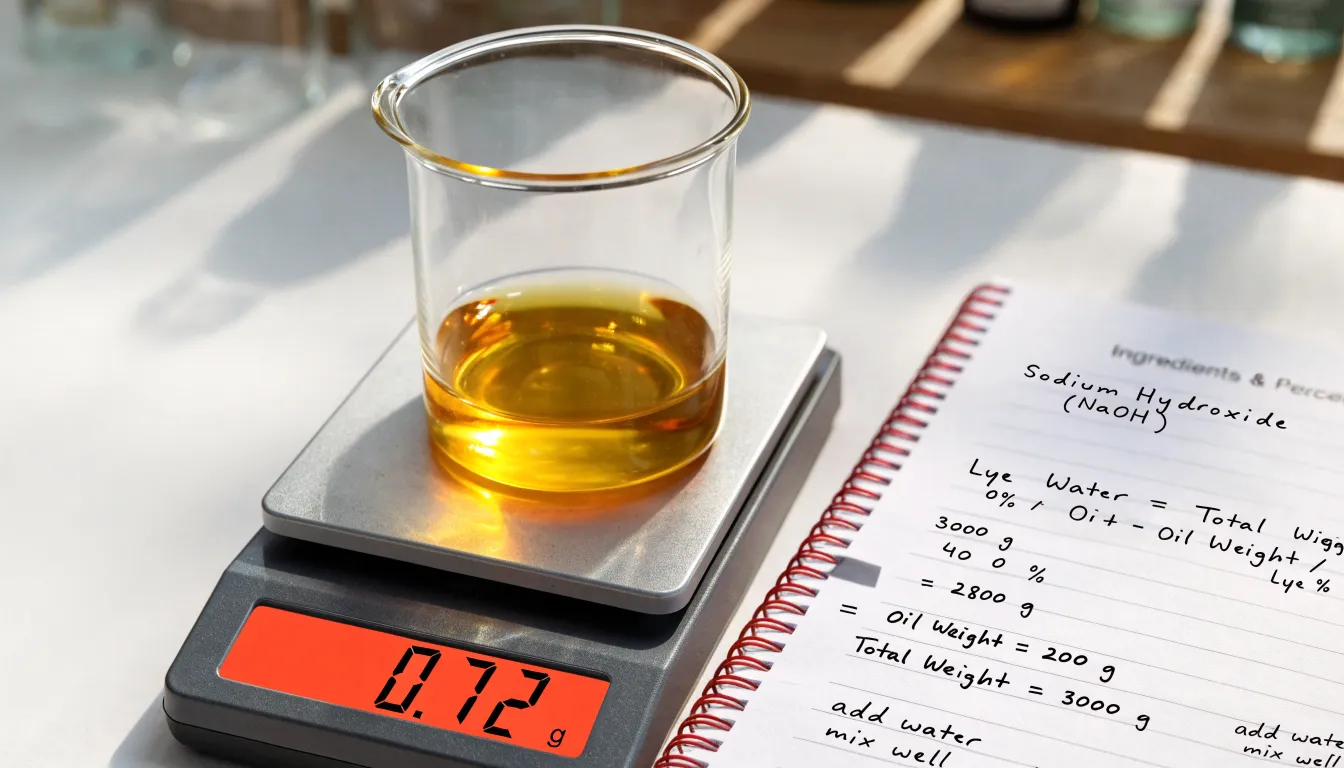
In practice, essential oil amounts are calculated as a percentage of the total fixed oil weight in your recipe—meaning the In practice, essential oil amounts are calculated as a percentage of the total fixed oil weight in your recipe—meaning the carrier oils like olive, coconut, or shea butter that form the soap base. For example, if your recipe has 1000 grams of fixed oils and you want a 1.5% usage rate, you would add 15 grams of essential oil. Typical cold-process soap usage rates fall between 0.5% and 3%, so it’s wise to start on the lower side, check how the skin tolerates it, and see how well the scent comes through before adjusting future batches.
Lavender Oil Benefits
Lavender essential oil is the key ingredient for making a calming soap bar, especially one meant for bedtime. Its well-known aromatherapy benefits help create a sense of calm and relaxation, making it perfect for winding down before sleep. The goal is to use lavender’s natural soothing power to make a cleansing bar that also prepares both mind and body for rest.
To deepen lavender’s relaxing effect and improve the soap’s sensory appeal, add complementary botanicals. Dried chamomile flowers bring a soft, earthy scent and subtle visual charm. Calendula petals offer gentle skin-soothing properties and a bright touch of color. A few dried rose petals add a delicate floral note and an elegant look, turning the soap into a calming ritual rather than just a cleanser.
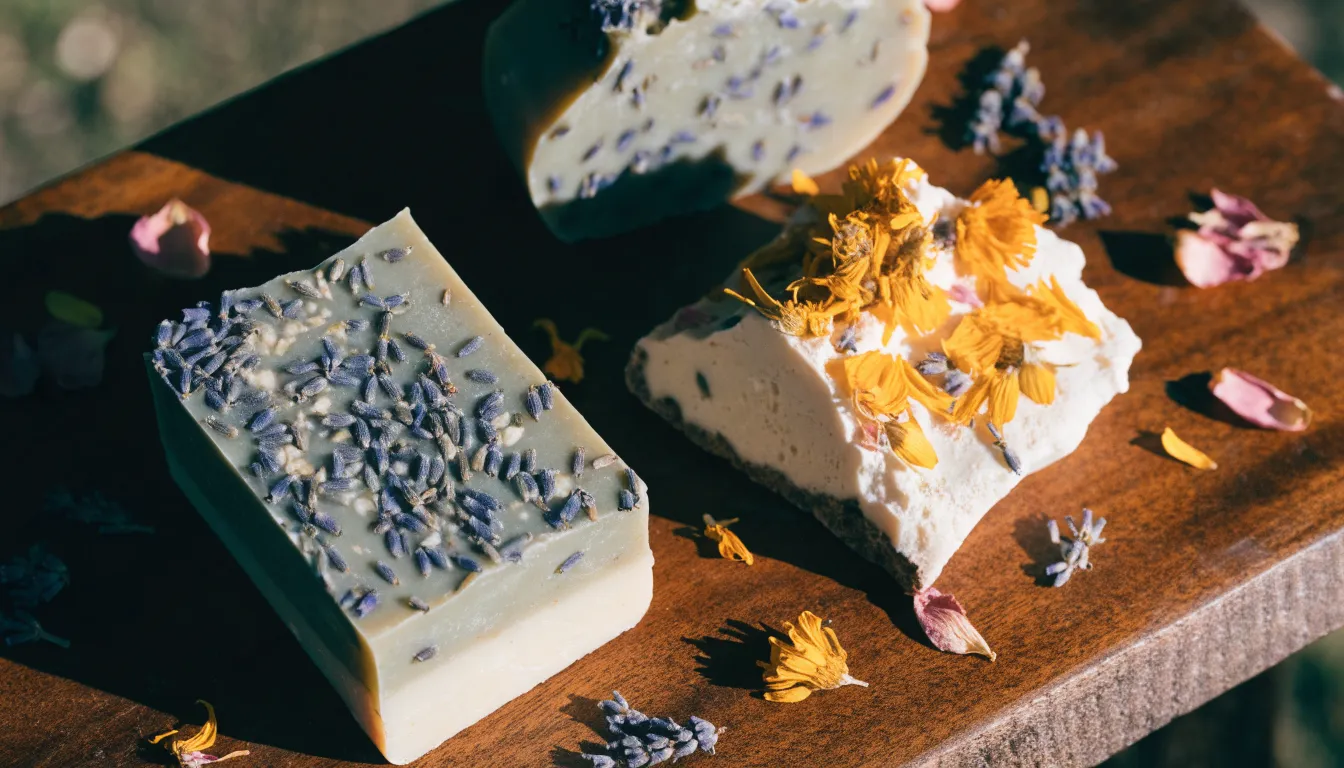
Choosing mild carrier oils is also important for a nourishing, skin-friendly bar. Sweet almond oil is light and conditioning, while jojoba oil mirrors the skin’s natural moisture for balanced hydration. Olive oil adds a rich, smooth feel, and a bit of shea butter boosts creaminess and deep moisturization. Blended with lavender essential oil, these gentle oils create a harmonious, soothing soap ideal for peaceful evenings.
Peppermint and Eucalyptus
Peppermint and eucalyptus essential oils work together to wake up your mind and body. Both are high in menthol, which creates a cool, refreshing, and tingling feeling on the skin. Peppermint gives a sharp, minty scent that helps clear a sleepy head, while eucalyptus adds a clean, camphor-like aroma known for being clarifying and stimulating. Used together, they act like a natural alarm clock, turning a simple shower into an energizing morning ritual.
To make the experience even more invigorating, these oils pair well with natural exfoliants. Finely ground coffee grounds gently scrub away dead skin cells and boost circulation, and their mild coffee scent blends nicely with the minty, herbal notes. For a deeper scrub, finely milled pumice works well for people who want stronger exfoliation. Added to a soap base, these ingredients turn a plain bar into a multi-sensory wake-up tool.
The result is more than just a cleanser. The cool, brisk sensation on your skin, the sharp clarifying aromas you breathe in, and the physical scrub all work together to shake off morning sluggishness. You feel refreshed, alert, and ready to face the day with renewed energy.
Citrus Oil Challenges
Citrus essential oils like lemon and sweet orange add a bright, uplifting scent to soap, but they are highly volatile. In cold process soap making, the strong chemical reactions of saponification and the curing period can cause these light top notes to fade quickly, leaving a weaker fragrance than expected. To keep citrus scents lasting longer, soap makers can use special techniques that help the aroma survive the process.
One effective method is using 5x folded essential oils. These are natural citrus oils that have been distilled to remove some of the more fragile, less fragrant parts, making the remaining scent about five times stronger. This concentration makes the citrus notes more stable and resistant to the harsh soap-making environment. As a result, you can use a moderate amount of oil to get a stronger, longer-lasting citrus fragrance without risking skin irritation from using too much essential oil overall.
Another helpful approach is blending citrus oils with heavier “fixative” essential oils like patchouli, cedarwood, benzoin, or frankincense. These have larger molecules that evaporate slowly, helping to anchor the lighter citrus notes and extend their lifespan. For example, a small amount of patchouli can help hold the scent of sweet orange, while benzoin adds a warm, vanilla-like note that supports lemon. Used in small percentages, these fixatives enhance and stabilize the citrus aroma without overpowering it, so the finished soap keeps a fresh, vibrant scent for a longer time.
Tea Tree Solutions
Tea tree oil is an excellent choice for soaps meant for oily, acne-prone skin. Its antimicrobial properties help cleanse and purify the skin by managing the bacteria that can lead to blemishes. To get the benefits without irritation, use it at a concentration of about 0.5% to 2% of total oil weight, and add it at a cooler trace to preserve its delicate compounds.
For even better results on oily skin, add ingredients like bentonite or French green clay to absorb excess oil and draw out impurities. Activated charcoal also helps with deep cleansing. When choosing base oils, balance cleansing oils like coconut oil with nourishing ones such as olive or sunflower oil, so the soap cleanses well without stripping the skin.
A superfat level of 5–7% helps keep skin hydrated and prevents it from overproducing oil. Letting the soap cure a bit longer than the usual four to six weeks can also make it milder and harder, which is gentler on sensitive, blemish-prone skin.
Patchouli and Cedarwood
Patchouli and cedarwood essential oils work especially well in soap because together they create a scent with broad appeal. Patchouli adds a deep, earthy, musky sweetness with a slightly spicy edge, and its lingering nature gives soap extra character. Cedarwood balances this with a warm, woody, and lightly smoky aroma, acting as a grounding base that supports patchouli without overpowering it.
The combination feels both luxurious and easy to like, making it a great unisex fragrance. That means soap makers can sell one product line to a wider range of customers instead of splitting scents by gender. When blending, patchouli is potent, so it’s best to use less of it. A good starting point is to rely more on cedarwood as the anchor, then add patchouli gradually until the scent has enough depth and complexity.
When balanced well, the final aroma is clean, natural, and gently captivating, bringing to mind nature and warmth while feeling both comforting and refreshing in the bath. Beyond scent, both patchouli and cedarwood are known for skin-friendly properties, so they add value to soap beyond fragrance. Together, they help turn a simple bar of soap into a premium, universally enjoyable product.
Accelerating Trace Risks
Some essential oils can speed up soapmaking dramatically, causing what’s called “accelerated trace.” This makes the soap batter get very thick quickly, sometimes even hardening before you can pour it into molds. Spicy oils like clove bud, cinnamon bark, bay leaf, and allspice are especially likely to do this because compounds in them, such as eugenol and cinnamaldehyde, react strongly with the lye.
This fast reaction shows up in two ways. “Seizing” is when the whole batter suddenly turns thick like mashed potatoes or crumbly dough, so you can’t stir or pour it smoothly. “Ricing” is when the batter separates into small hard lumps sitting in thinner liquid, looking like grains of rice. Both problems stop you from making a smooth, even bar of soap and can ruin the batch.
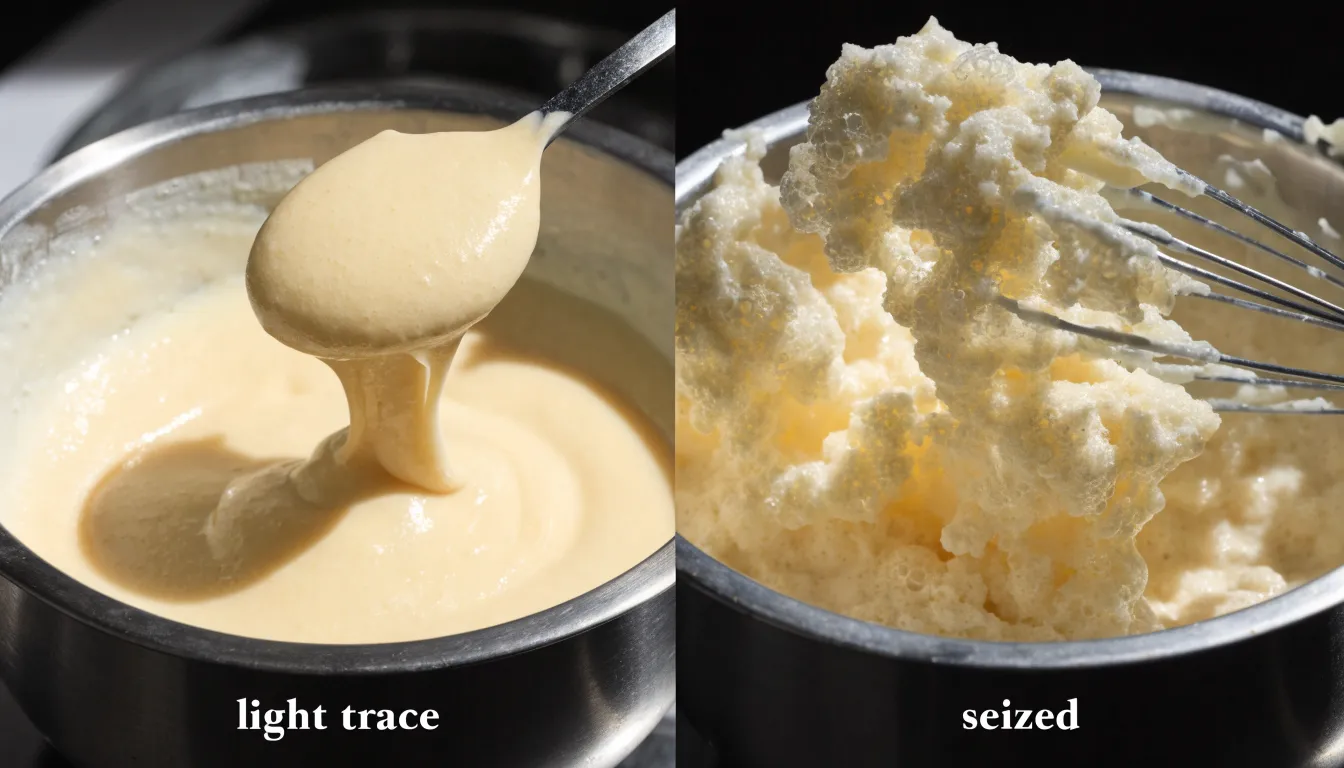
To avoid this, keep your soap batter cooler. Let both the lye solution and melted oils cool to about 80 to 90°F (27 to 32°C) before mixing them. A lower temperature slows down saponification and gives you more time to work. Also, add the essential oils when the batter is at a light trace, and blend quickly but thoroughly to keep everything smooth.
Natural Fixatives
Essential oils are naturally volatile, so keeping a lasting scent in cold process soap can be tricky. Natural fixatives help by acting like tiny sponges inside the soap, trapping the scent molecules so they don’t escape quickly.
Kaolin clay is a good example. Its fine particles have a layered structure with lots of surface area, creating countless small pockets that capture and hold the essential oils. This slows down evaporation and helps the fragrance last longer in the finished bar.
Arrowroot powder and ground botanicals work in a similar way. Arrowroot’s porous starch grabs onto the oil molecules and keeps them locked in as the soap cures. Finely ground herbs and spices, like cinnamon, turmeric, or dried rose petals, also expose porous structures that absorb and hold the oils, acting as little fragrance reservoirs. Together, these natural powders help keep the soap’s aroma strong throughout its life.
Frequently Asked Questions
Why do essential oils fade in cold process soap?
In cold process soap making, essential oils are exposed to a high-pH lye environment and heat from saponification, which can break down delicate fragrance compounds. Lighter top notes also evaporate quickly during the weeks-long curing period as the soap dries and changes.
When should I add essential oils to hot process soap?
Essential oils should be added after the saponification process is completely finished, typically when the soap reaches the “gel” or “vaseline” stage. It is best to let the soap cool down to between 120°F and 140°F, or ideally 110°F to 120°F, to prevent the scent from fading.
How can I make citrus scents last longer in my soap?
To make citrus scents last longer, you can use 5x folded essential oils, which are more concentrated and stable. Blending them with heavier “fixative” essential oils like patchouli, cedarwood, benzoin, or frankincense can also help anchor the lighter citrus notes and extend their lifespan.
What are base notes used for in soap making?
Base note essential oils are heavy, slow-evaporating oils that form the foundation of a soap’s scent, lasting much longer than lighter top and middle notes. Their main job is to anchor more volatile scents, preventing them from fading too quickly after curing and ensuring the fragrance lingers.
Can certain essential oils cause problems in cold process soap?
Yes, some essential oils, such as clove bud, cinnamon bark, bay leaf, and allspice, can cause “accelerated trace” due to compounds like eugenol and cinnamaldehyde. This can make the soap batter thicken rapidly, leading to seizing or ricing and potentially ruining the batch.
How much essential oil should I use in my soap recipe?
Essential oil amounts are calculated as a percentage of the total fixed oil weight in your recipe, with typical cold-process usage rates falling between 0.5% and 3%. It is crucial to check the International Fragrance Association (IFRA) maximum usage rates for each essential oil to ensure safety and prevent skin irritation.